If you've browsed the sleep aid section of any wellness store lately, you've probably noticed pillow mists promising better rest through aromatherapy. These products have gained significant popularity, but do they actually work? More importantly, are there more effective alternatives for addressing sleep quality at its root cause?
In this comprehensive guide, we'll explore the science behind pillow mists, examine what research says about their effectiveness, and discuss more reliable approaches to improving your sleep—including targeted nutritional support through oral spray vitamins that address common sleep-disrupting deficiencies.
What Are Pillow Mists and How Do They Work?
Pillow mists, also called pillow sprays or linen sprays, are scented products you spray on your bedding before sleep. They typically contain essential oils like lavender, chamomile, or bergamot diluted in water or alcohol, designed to create a calming aromatic environment.
The theory behind pillow mists centers on aromatherapy—the practice of using plant-derived scents to influence mood and physiological responses. When you inhale these fragrances, aromatic compounds interact with olfactory receptors in your nose, which send signals to the limbic system, the part of your brain that governs emotions and memory.
Common Ingredients in Pillow Mists
- Lavender oil: The most popular ingredient, associated with relaxation
- Chamomile: Traditionally used for its calming properties
- Bergamot: A citrus oil thought to reduce anxiety
- Sandalwood: Believed to promote mental clarity and calmness
- Ylang-ylang: Used for stress reduction
- Cedarwood: Contains sedative properties in some studies
What Does Science Say About Pillow Mists and Sleep?
The evidence for pillow mists specifically is limited, but research on aromatherapy and sleep provides some insights. A 2015 systematic review published in the Journal of Alternative and Complementary Medicine examined 15 studies on lavender's effects on sleep. The researchers found that lavender aromatherapy showed promising results for improving sleep quality, particularly in people with mild sleep disturbances.
However, most studies on aromatherapy use diffusers or inhalation methods that deliver more concentrated and consistent doses than a few spritzes on a pillow. The scent from pillow mists dissipates relatively quickly, which may limit their effectiveness compared to continuous diffusion throughout the night.
The Placebo Effect Factor
It's worth noting that sleep is highly influenced by psychological factors. If you believe a pillow mist will help you sleep, that expectation can create a relaxing bedtime ritual that genuinely improves your rest—even if the aromatherapy compounds themselves aren't having a significant physiological effect. This placebo effect isn't necessarily a bad thing; rituals and routines are important components of good sleep hygiene.
Limitations of Pillow Mists as Sleep Solutions
While pillow mists may offer some benefits, they have several limitations as a primary sleep solution:
Surface-Level Approach
Pillow mists address sleep from the outside in, attempting to create an environment conducive to rest. However, they don't address underlying physiological factors that may be disrupting your sleep, such as nutritional deficiencies, hormonal imbalances, or neurotransmitter dysregulation.
Brief Duration of Effect
The scent from pillow mists typically fades within 30-60 minutes. If their benefit comes primarily from aromatherapy, this limited duration means they're only potentially helpful during the initial falling-asleep phase, not throughout the night when you might experience disrupted sleep or early waking.
Individual Variability
Scent preferences are highly personal. What one person finds relaxing, another might find irritating or overpowering. Some people are also sensitive to fragrances or have allergies that make pillow mists uncomfortable or even counterproductive to good sleep.
Cost Over Time
Quality pillow mists typically cost $15-40 for a bottle that lasts one to two months with nightly use. Over time, this becomes a recurring expense that may not deliver proportional value, especially when more effective alternatives exist.
Addressing the Root Causes of Poor Sleep
Rather than masking sleep issues with environmental adjustments alone, it's more effective to address the underlying factors that disrupt sleep quality. Many common sleep problems stem from nutritional deficiencies that affect your body's ability to regulate sleep-wake cycles naturally.
The Role of Vitamin D in Sleep Regulation
Vitamin D plays a crucial role in sleep quality, yet deficiency is widespread—affecting nearly 42% of U.S. adults according to research published in Nutrition Research. Vitamin D receptors are found throughout the brain, including areas that regulate sleep.
Studies have linked low vitamin D levels to shorter sleep duration, poor sleep quality, and daytime sleepiness. A 2018 study in the journal Nutrients found that vitamin D supplementation improved sleep quality in adults with sleep disorders.
Unlike a pillow mist that provides temporary aromatherapy, a vitamin D3 spray addresses deficiency at the cellular level, supporting your body's natural sleep-regulation mechanisms. Oral spray vitamins offer superior absorption compared to traditional pills, with up to 90% of nutrients entering your bloodstream directly through the oral mucosa.
Magnesium and Sleep Quality
Magnesium is another critical nutrient for quality sleep. It regulates neurotransmitters that send signals throughout your nervous system and brain, including those involved in sleep. Magnesium also binds to gamma-aminobutyric acid (GABA) receptors, promoting relaxation and reducing neural excitability.
Research published in the Journal of Research in Medical Sciences found that magnesium supplementation improved subjective measures of insomnia, including sleep efficiency, sleep time, and sleep onset latency. Many adults don't consume enough magnesium through diet alone, making supplementation an effective approach.
B Vitamins and Sleep-Wake Cycles
B vitamins, particularly B6 and B12, play important roles in melatonin production and circadian rhythm regulation. Vitamin B12 helps maintain healthy nerve cells and supports the production of neurotransmitters that influence mood and sleep patterns.
A deficiency in vitamin B12 can disrupt your sleep-wake cycle, leading to insomnia or excessive daytime sleepiness. A vitamin B12 spray provides an efficient delivery method, particularly beneficial for people with absorption issues who might not benefit from traditional oral supplements.
The Science Behind Oral Spray Vitamins
Traditional vitamin pills face a significant challenge: they must survive the harsh acidic environment of your stomach and then be absorbed through your intestinal walls. This process, called first-pass metabolism, can destroy or reduce the bioavailability of many nutrients, sometimes leaving you with only 10-20% of the stated dose actually entering your bloodstream.
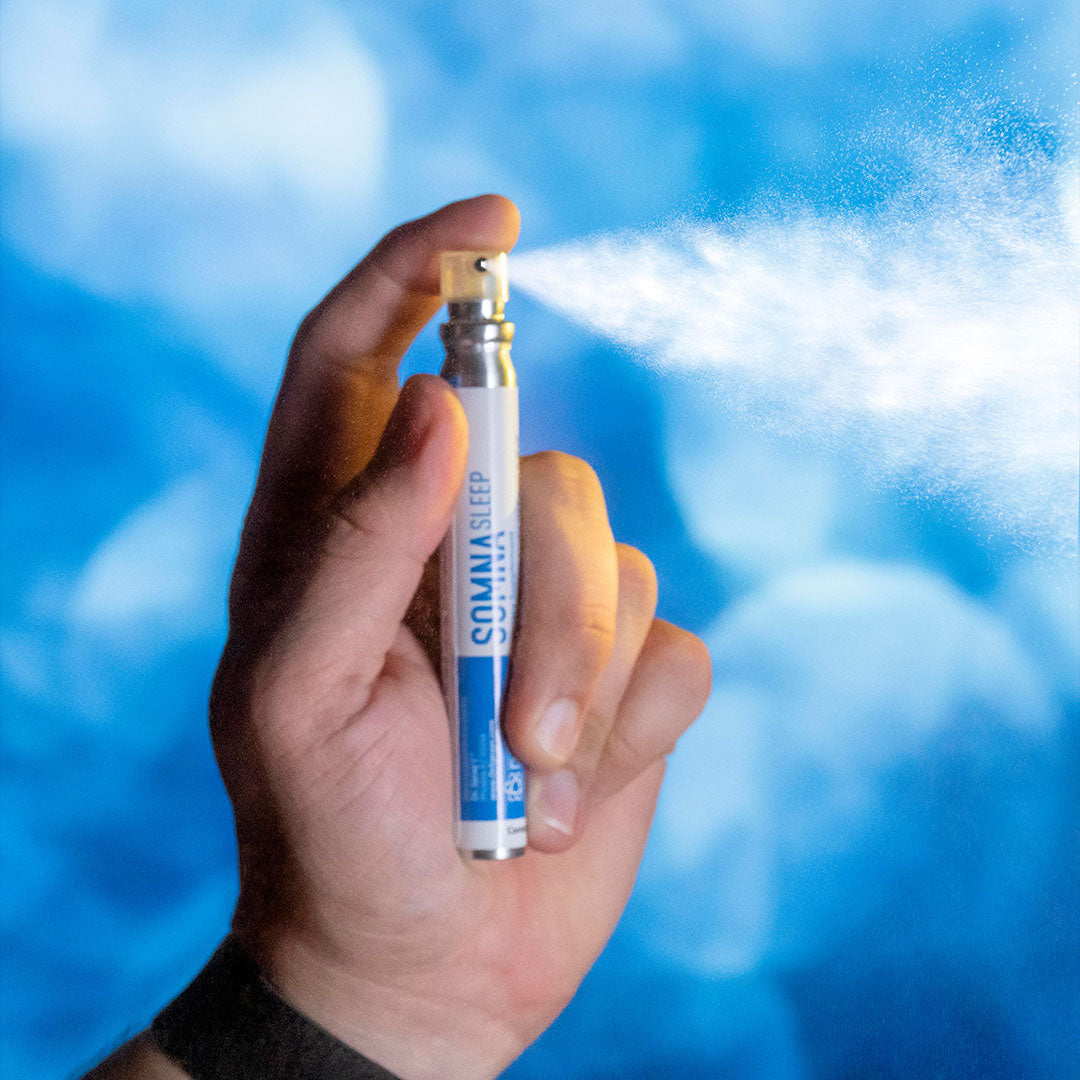
Spray supplements work differently. When you spray vitamins into your mouth, active ingredients are absorbed directly through the mucous membranes in your mouth and under your tongue. This sublingual and buccal absorption bypasses the digestive system entirely, allowing nutrients to enter your bloodstream directly.
Superior Absorption Rates
Research shows that sublingual and buccal delivery can achieve absorption rates of 80-90%, significantly higher than traditional oral supplements. This means you get more of the vitamins you're paying for, and they begin working faster—often within minutes rather than hours.
For sleep support specifically, this rapid absorption can be advantageous. Taking a sleep-supportive vitamin spray 30 minutes before bed allows the nutrients to begin working relatively quickly, supporting your body's natural transition to sleep.
Creating an Effective Sleep Support Strategy
The most effective approach to improving sleep combines multiple evidence-based strategies rather than relying on a single solution. Here's how to build a comprehensive sleep support plan:
1. Address Nutritional Foundations
Ensure you're not deficient in key nutrients that affect sleep. Consider testing your vitamin D levels (a simple blood test your doctor can order) and addressing any deficiencies with high-absorption supplements. A comprehensive multi-vitamin spray can help fill nutritional gaps that might be affecting your sleep quality.
2. Optimize Your Sleep Environment
While pillow mists might play a small role here, focus on the fundamentals: keep your bedroom cool (65-68°F is optimal), ensure complete darkness with blackout curtains, minimize noise with earplugs or white noise, and invest in a comfortable mattress and pillows.
3. Establish Consistent Sleep Routines
Your circadian rhythm thrives on consistency. Go to bed and wake up at the same time every day, even on weekends. Create a relaxing pre-sleep routine that signals to your body it's time to wind down. This routine might include reading, gentle stretching, or yes, even spraying a pillow mist if you find it relaxing—but don't rely on it as your primary intervention.
4. Manage Light Exposure
Light is the most powerful regulator of your circadian rhythm. Get bright light exposure in the morning (ideally natural sunlight), and dim lights in the evening. Avoid blue light from screens for at least an hour before bed, or use blue-light blocking glasses if screen time is unavoidable.
5. Consider Targeted Supplementation
Beyond addressing deficiencies, certain supplements have strong evidence for improving sleep. Look for formulations that combine multiple sleep-supporting nutrients. The advantage of spray supplements is that you can easily combine different formulations—for example, a sleep-specific spray along with vitamin D3 or B12 if you have deficiencies in those areas.
Why Phoenix, Arizona Residents May Need Extra Sleep Support
If you're reading this from Phoenix, Arizona or surrounding areas, you face unique factors that can affect sleep quality. The intense heat, particularly during summer months, can make it challenging to maintain optimal bedroom temperatures for sleep. The dramatic seasonal temperature swings can also disrupt circadian rhythms.
Additionally, while Phoenix offers abundant sunshine—which should support vitamin D production—many residents spend most of their time indoors in air conditioning to escape the heat, potentially leading to vitamin D deficiency despite the sunny climate. This is particularly relevant from June through August when outdoor activities become less comfortable.
Phoenix residents may benefit from a targeted approach that combines environmental adjustments (powerful air conditioning, blackout curtains to manage early sunrise) with nutritional support through oral spray vitamins formulated specifically for sleep support and vitamin D maintenance.
What to Look for in Sleep Support Supplements
If you decide to use supplements as part of your sleep strategy, quality matters significantly. Here's what to look for:
Manufacturing Standards
Choose supplements manufactured in FDA-registered facilities that follow Good Manufacturing Practices (GMP). These certifications ensure consistent quality, proper ingredient verification, and contamination testing. Supplements made in facilities like those in Phoenix, Arizona that maintain these standards offer greater reliability and safety.
Transparent Labeling
Quality supplements clearly list all ingredients, their amounts, and their sources. Avoid products with proprietary blends that don't disclose specific quantities of each ingredient—you need to know exactly what you're taking.
Third-Party Testing
Look for products that undergo independent testing to verify potency and purity. This ensures you're getting what the label promises without contaminants like heavy metals or microbes.
Appropriate Delivery Method
For sleep support, absorption rate and timing matter. Oral spray vitamins offer advantages in both areas, with faster absorption and more precise timing compared to pills that require digestion.
Combining Approaches: When Pillow Mists Might Have a Place
This isn't to say pillow mists are entirely without value. As part of a comprehensive sleep strategy—not as the primary solution—they can contribute to a relaxing bedtime routine. The ritual of preparing your sleep environment can have psychological benefits that support better rest.
If you enjoy using pillow mists, consider them an addition to, not a replacement for, evidence-based sleep support strategies. Pair your pillow mist with proper nutritional support, good sleep hygiene, and environmental optimization for the best results.
You might also experiment with timing: use a pillow mist as part of your wind-down routine while taking sleep-supporting nutrients 30-60 minutes before bed, allowing the supplements time to begin working as you transition toward sleep.
The Bottom Line on Pillow Mists and Sleep
Pillow mists may provide modest benefits for some people, primarily through aromatherapy effects and the psychological value of bedtime rituals. However, they're unlikely to significantly improve sleep quality on their own, especially if underlying issues like nutritional deficiencies, poor sleep hygiene, or environmental factors are disrupting your rest.
A more effective approach addresses sleep from multiple angles: ensuring adequate nutrition (particularly vitamin D, B vitamins, and magnesium), optimizing your sleep environment, maintaining consistent sleep schedules, and managing light exposure. High-quality supplements delivered through efficient methods like oral spray vitamins can address nutritional factors that pills might miss due to poor absorption.
Rather than spending money on products that offer surface-level solutions, invest in approaches that address the root causes of poor sleep. Your body has sophisticated systems for regulating sleep—supporting those systems with proper nutrition and lifestyle practices will deliver more sustainable, significant improvements than environmental adjustments alone.
Frequently Asked Questions
Do pillow mists actually help you fall asleep faster?
Pillow mists may help some people fall asleep faster, primarily through aromatherapy and the psychological benefits of bedtime rituals. Research on lavender aromatherapy shows promise for improving sleep quality, but studies typically use diffusers rather than pillow sprays, which deliver more consistent doses. The effect is likely modest and highly individual, working better as part of a comprehensive sleep strategy rather than as a standalone solution.
How long does the scent from pillow mists last?
Most pillow mists maintain their scent for 30-60 minutes after application, though this varies by product and how much you spray. This limited duration means pillow mists primarily affect the initial falling-asleep phase rather than supporting sleep throughout the night. For sustained sleep support, addressing underlying factors like nutritional deficiencies through supplements is more effective.
Are vitamin sprays better than pills for sleep support?
Oral spray vitamins offer several advantages over pills for sleep support. They absorb directly through the mucous membranes in your mouth, bypassing digestive breakdown and achieving absorption rates of 80-90% compared to 10-20% for many oral supplements. This means more of the active ingredients reach your bloodstream, and they work faster—often within minutes rather than hours. For time-sensitive applications like sleep support, this rapid absorption can be particularly beneficial.
What vitamin deficiencies most commonly affect sleep quality?
Vitamin D, B vitamins (particularly B6 and B12), and magnesium deficiencies most commonly impact sleep quality. Vitamin D affects sleep-regulating areas of the brain, B vitamins influence melatonin production and circadian rhythms, and magnesium promotes relaxation by regulating neurotransmitters. Nearly 42% of U.S. adults are deficient in vitamin D, and many people don't consume adequate magnesium through diet alone. Addressing these deficiencies through high-absorption spray supplements can significantly improve sleep quality.
Can I use both pillow mists and vitamin sprays for sleep?
Yes, you can use both as part of a comprehensive sleep strategy. Pillow mists can serve as a relaxing ritual and provide mild aromatherapy benefits, while vitamin sprays address the nutritional foundations of healthy sleep. The key is understanding that vitamin sprays target the physiological causes of poor sleep, making them the more effective intervention, while pillow mists offer supplementary environmental and psychological support. Use vitamin sprays 30-60 minutes before bed to allow time for absorption, and pillow mists as part of your immediate pre-sleep routine.
How long does it take for sleep supplements to work?
The timeline depends on what you're addressing. Vitamin sprays begin absorbing within minutes, but correcting deficiencies that affect sleep typically takes 2-4 weeks of consistent use. Some people notice improvements in sleep quality within the first week, while others require several weeks as their nutrient levels normalize. For best results, combine supplementation with good sleep hygiene practices and maintain consistency. Unlike pillow mists that work (if at all) immediately but superficially, nutritional approaches build sustainable improvements over time.
Are there any side effects to using pillow mists?
Most people tolerate pillow mists well, but some may experience irritation from fragrances, particularly if they have sensitive skin, allergies, or respiratory conditions like asthma. Essential oils can also stain linens or trigger headaches in sensitive individuals. If you notice any adverse reactions, discontinue use. For people with fragrance sensitivities, focusing on non-aromatic sleep improvements like nutritional support through vitamin sprays and environmental optimization offers a safer approach.
What should I look for in a quality vitamin spray for sleep?
Look for vitamin sprays manufactured in FDA-registered, GMP-certified facilities with transparent ingredient labeling and third-party testing. The formula should contain clinically-relevant doses of sleep-supporting nutrients like vitamin D3, B vitamins, or magnesium. Avoid products with unnecessary fillers, artificial colors, or excessive sweeteners. The spray mechanism should deliver a consistent dose, and the product should have a reasonable shelf life. Companies that specialize in spray delivery systems and maintain high manufacturing standards, such as those operating in Phoenix, Arizona, often produce superior products.
Take a Science-Based Approach to Better Sleep
While pillow mists might seem like an easy sleep solution, sustainable improvements come from addressing the underlying factors that affect your rest. Quality sleep depends on proper nutrition, optimized environments, consistent routines, and physiological balance—not just pleasant scents.
If you're serious about improving your sleep, start with the foundations. Consider whether nutritional deficiencies might be disrupting your rest, and explore high-absorption delivery methods that actually address these gaps. Doctor-developed spray supplements offer a scientifically-sound approach to supporting the nutritional building blocks of quality sleep.
Ready to move beyond surface-level solutions and address sleep from the inside out? Explore our range of sleep-supporting vitamin sprays, manufactured in an FDA-registered, GMP-certified facility in Phoenix, Arizona, and backed by science rather than just marketing claims. Your best sleep doesn't come from what you spray on your pillow—it comes from giving your body the nutrients it needs to regulate rest naturally.