If you've been tossing and turning at night, you've likely explored countless solutions—from melatonin gummies to sleep masks. But a newer option catching attention is deep sleep spray. These oral spray supplements promise better sleep through sublingual absorption, delivering calming ingredients directly into your bloodstream. The question is: do they actually work?
This comprehensive guide examines the science behind sleep sprays, how they compare to traditional supplements, and what makes certain formulations more effective than others.
Understanding Deep Sleep Sprays and How They Work
Deep sleep sprays are oral spray vitamins specifically formulated to promote restful sleep. Unlike pills or capsules that must travel through your digestive system, these spray supplements deliver active ingredients through the thin membranes under your tongue and inside your cheeks.
This sublingual delivery method offers several advantages. When you spray vitamins under your tongue, the ingredients absorb directly into your bloodstream through the mucous membranes, bypassing the digestive tract where many nutrients lose potency due to stomach acid and digestive enzymes.
The Science Behind Sublingual Absorption
Research shows that sublingual administration can achieve absorption rates up to 90%, compared to just 10-20% for many oral supplements that must pass through the digestive system. This higher bioavailability means more of the active ingredients reach your system to produce the intended effects.
The mucous membranes in your mouth contain a rich network of blood vessels. When you use a vitamin spray, the fine mist coats these membranes, allowing rapid absorption. Most people experience effects within 15-30 minutes, compared to 45-60 minutes or longer for pills.
Key Ingredients in Effective Sleep Sprays
Not all deep sleep sprays are created equal. The effectiveness depends heavily on the quality and combination of ingredients used. Here are the most researched components:
Melatonin
Melatonin is your body's natural sleep hormone, produced by the pineal gland in response to darkness. Quality sleep sprays typically contain 1-3mg of melatonin, which research shows can help reduce the time it takes to fall asleep and improve overall sleep quality.
GABA (Gamma-Aminobutyric Acid)
GABA is an inhibitory neurotransmitter that helps calm nervous system activity. Studies indicate that GABA supplementation may help reduce the time to fall asleep and increase the amount of time spent in deep sleep stages.
L-Theanine
This amino acid, naturally found in tea leaves, promotes relaxation without drowsiness. Research suggests L-theanine can improve sleep quality by reducing anxiety and promoting alpha brain wave activity associated with relaxation.
Chamomile Extract
Chamomile has been used for centuries as a sleep aid. Its active compound, apigenin, binds to specific receptors in the brain that may decrease anxiety and initiate sleep.
Supporting Vitamins
Many effective sleep formulations also include vitamins that support healthy sleep patterns. Vitamin B12 spray components can help regulate circadian rhythms, while vitamin D3 spray ingredients support overall sleep architecture, as deficiency in this vitamin has been linked to sleep disorders.
Clinical Evidence: Do Sleep Sprays Really Work?
The effectiveness of sleep sprays depends on two factors: the quality of ingredients and the delivery mechanism. Multiple studies support both aspects.
Research on Sleep Ingredients
A 2017 meta-analysis published in the Journal of Clinical Sleep Medicine found that melatonin supplementation significantly reduced sleep onset latency (time to fall asleep) and increased total sleep time. The effect was consistent across various formulations.
A 2019 study in the journal Nutrients demonstrated that GABA supplementation shortened sleep latency and increased time spent in deep sleep phases, resulting in participants feeling more refreshed upon waking.
Advantages of Spray Delivery
The spray delivery mechanism offers distinct advantages for sleep support. A study comparing sublingual delivery to oral tablets found that sublingual administration produced faster onset times and higher peak concentrations of active ingredients.
This rapid absorption is particularly beneficial for sleep aids. The faster ingredients reach therapeutic levels in your bloodstream, the more quickly you'll experience calming effects—crucial when you're trying to fall asleep.
Comparing Sleep Sprays to Traditional Sleep Supplements
How do sleep sprays stack up against pills, capsules, and gummies? Here's a detailed comparison:
Absorption and Bioavailability
Traditional oral supplements face significant barriers. Stomach acid can degrade active ingredients, and the digestive process may destroy or alter compounds before they reach your bloodstream. Oral spray vitamins avoid these issues entirely through sublingual absorption.
For sleep specifically, this matters tremendously. When you're lying in bed trying to fall asleep, you want ingredients to work quickly. Pills may take an hour or more to digest and absorb, while sprays begin working within 15-30 minutes.
Convenience and Ease of Use
Sleep sprays offer practical advantages. No water needed, no pills to swallow, and portable packaging that travels easily. For people who struggle with swallowing pills or have sensitive stomachs, spray supplements provide a gentler alternative.
Dosage Control
Quality spray formulations allow precise dosing. Each spray delivers a measured amount, making it easy to adjust your dosage up or down based on your needs. This flexibility isn't possible with pre-measured pills or gummies.
What to Look for in a Quality Sleep Spray
Not all sleep sprays deliver on their promises. Here's how to identify high-quality products:
Manufacturing Standards
Look for products manufactured in FDA-registered, GMP-certified facilities. These certifications ensure products meet strict quality and safety standards. For example, facilities in Phoenix, Arizona and other locations with rigorous oversight provide additional confidence in product quality.
Doctor-Developed Formulations
Products developed by healthcare professionals typically use research-backed ingredient combinations and appropriate dosages. Doctor-developed formulations tend to prioritize efficacy and safety over marketing hype.
Transparent Labeling
Quality manufacturers clearly list all ingredients and their amounts. Avoid products with "proprietary blends" that don't disclose specific dosages—you have a right to know exactly what you're putting in your body.
Third-Party Testing
Independent laboratory testing verifies that products contain what they claim and are free from contaminants. Look for brands that voluntarily submit to third-party testing and make results available.
How to Use Deep Sleep Spray Effectively
Getting the best results from sleep sprays requires proper usage. Follow these guidelines:
Timing
Use your sleep spray 15-30 minutes before your desired bedtime. This allows sufficient time for absorption and for the calming effects to begin. Consistency matters—using the spray at the same time each night helps regulate your sleep-wake cycle.
Application Technique
Shake the bottle well before use. Spray directly under your tongue or along the inside of your cheeks. Hold the liquid in your mouth for 30-60 seconds before swallowing to maximize sublingual absorption. Avoid eating or drinking for 10-15 minutes after application.
Dosage Considerations
Start with the lowest recommended dose and increase gradually if needed. More isn't always better with sleep aids—excessive melatonin, for instance, can actually disrupt sleep patterns or cause morning grogginess.
Creating a Sleep-Conducive Environment
Sleep sprays work best as part of comprehensive sleep hygiene. Combine your spray with:
- Consistent sleep and wake times
- A cool, dark, quiet bedroom
- Limited screen time before bed
- Relaxation techniques like deep breathing or meditation
- Avoiding caffeine after mid-afternoon
Potential Side Effects and Precautions
While generally safe, sleep sprays may cause side effects in some individuals. Understanding these helps you use products safely.
Common Side Effects
Melatonin-based sprays may cause morning grogginess, headaches, or dizziness in some users. Starting with a lower dose and using the spray earlier in the evening can minimize these effects.
Some people report vivid dreams or unusual dream patterns when using melatonin supplements. This typically diminishes as your body adjusts to supplementation.
Who Should Exercise Caution
Certain groups should consult healthcare providers before using sleep sprays:
- Pregnant or breastfeeding women
- People taking medications that affect sleep or mood
- Individuals with autoimmune conditions
- Those with depression or anxiety disorders
- Anyone scheduled for surgery (melatonin may affect anesthesia)
Medication Interactions
Sleep spray ingredients can interact with certain medications, including blood thinners, immunosuppressants, diabetes medications, and sedatives. Always discuss supplement use with your healthcare provider if you take prescription medications.
Maximizing Benefits Beyond Sleep Support
Quality spray supplements can support more than just sleep. Many people who use sleep sprays also benefit from other vitamin spray products for comprehensive wellness support.
Addressing Nutritional Deficiencies
Sleep problems often correlate with nutritional deficiencies. Vitamin B12 deficiency, for instance, can disrupt circadian rhythms and impair sleep quality. Using a vitamin B12 spray alongside your sleep spray may provide synergistic benefits.
Similarly, vitamin D deficiency has been linked to sleep disorders. Incorporating a vitamin D3 spray into your morning routine can support healthy sleep-wake cycles, as vitamin D plays a role in regulating sleep patterns.
Supporting Overall Wellness
Better sleep improves virtually every aspect of health—immune function, cognitive performance, emotional regulation, and metabolic health. By addressing sleep quality, you're investing in comprehensive wellness.
Consider a holistic approach that includes sleep support, essential nutrients, and healthy lifestyle habits. Multi-vitamin sprays can fill nutritional gaps that might be affecting your sleep and overall health.
Real Results: What Users Experience
While individual experiences vary, many people report significant improvements when using quality deep sleep sprays:
Users frequently note falling asleep faster—often within 20-30 minutes of lying down, compared to hours of restlessness previously. The sublingual delivery appears to produce quicker onset than traditional supplements.
Many report fewer middle-of-the-night awakenings, allowing for more continuous, restorative sleep. This improved sleep continuity often leads to feeling more refreshed upon waking.
People also appreciate the convenience factor. The ability to use a spray without water, pills, or preparation makes it easier to maintain consistent use—and consistency is key for regulating sleep patterns.
The Bottom Line: Do Deep Sleep Sprays Work?
Based on available evidence, quality deep sleep sprays can be effective for many people struggling with sleep issues. The combination of research-backed sleep-promoting ingredients and efficient sublingual delivery creates a compelling option for sleep support.
However, effectiveness depends on several factors:
- Product quality: Choose sprays manufactured to high standards with transparent ingredient lists
- Appropriate formulation: Look for products with clinically relevant doses of proven ingredients
- Consistent use: Regular use at the same time each night produces better results
- Comprehensive approach: Combine sprays with good sleep hygiene practices
- Individual factors: Your unique physiology, existing health conditions, and lifestyle all influence outcomes
Sleep sprays aren't magic bullets, but they can be valuable tools in your sleep improvement strategy—especially when you choose high-quality products from reputable manufacturers.
Making an Informed Decision
If you're considering a deep sleep spray, take time to research products thoroughly. Look for doctor-developed formulations from manufacturers with strong quality credentials. Read customer reviews, but remember that individual experiences vary.
Start with realistic expectations. Most people experience gradual improvements over 1-2 weeks of consistent use, not overnight transformations. Track your sleep patterns to objectively assess whether the spray is helping.
Consider consulting a healthcare provider, especially if you have chronic insomnia or underlying health conditions. Sleep problems sometimes indicate other health issues that require professional attention.
Frequently Asked Questions About Deep Sleep Spray
How long does it take for sleep spray to work?
Most people begin feeling effects within 15-30 minutes of using a sleep spray, thanks to the rapid sublingual absorption. However, some ingredients work cumulatively, meaning you may notice improved sleep quality after several days of consistent use. For immediate sleep onset support, use the spray 20-30 minutes before your desired bedtime.
Can I use sleep spray every night?
Most sleep sprays are formulated for nightly use. However, some experts recommend taking occasional breaks to prevent your body from becoming dependent on supplemental melatonin. Consider using the spray 5-6 nights per week, or follow the specific guidance on your product's label. If you need sleep support every single night for extended periods, consult a healthcare provider to rule out underlying sleep disorders.
Is sleep spray better than melatonin pills?
Sleep sprays offer several advantages over pills: faster absorption (15-30 minutes vs. 45-60 minutes), higher bioavailability (up to 90% vs. 10-20%), and easier dosage adjustment. The sublingual delivery bypasses digestive issues that can reduce the effectiveness of oral tablets. However, quality matters more than form—a high-quality pill may outperform a poorly formulated spray.
Will I feel groggy in the morning after using sleep spray?
Morning grogginess is uncommon with properly dosed sleep sprays but can occur if you use too much or take it too late in the evening. To minimize this risk, use the lowest effective dose and apply it at least 7-8 hours before you need to wake up. If grogginess persists, try reducing your dosage or using the spray slightly earlier in the evening.
Can sleep spray interact with my medications?
Yes, ingredients in sleep sprays—particularly melatonin—can interact with certain medications including blood thinners, immunosuppressants, diabetes medications, blood pressure drugs, and sedatives. Always consult your healthcare provider before adding any supplement to your routine if you take prescription medications. Be especially cautious if you take multiple medications or have chronic health conditions.
How is sleep spray different from other vitamin sprays?
Sleep sprays are formulated specifically with calming, sleep-promoting ingredients like melatonin, GABA, and L-theanine. Other oral spray vitamins focus on different health goals—vitamin B12 sprays for energy and cognitive function, vitamin C and zinc sprays for immune support, or metabolism-supporting sprays for weight management. All share the efficient sublingual delivery method but contain different active ingredients for their specific purposes.
Are there any natural alternatives to sleep spray?
Several natural approaches can improve sleep: establishing consistent sleep-wake times, creating a dark and cool bedroom environment, limiting blue light exposure before bed, practicing relaxation techniques, and ensuring adequate physical activity during the day. Addressing nutritional deficiencies with vitamin D3 supplementation or B-vitamin support may also help, as these nutrients play roles in sleep regulation. However, many people find sleep sprays useful even when following these practices.
Can children use deep sleep spray?
Most sleep sprays are formulated for adults. Children's sleep issues often have different causes and may require different approaches. If your child struggles with sleep, consult a pediatrician before using any supplement. Some doctors may recommend melatonin for specific situations, but dosing and appropriateness vary significantly based on age and individual circumstances.
About the Author
This article was developed by the research team at DrSprays, a Phoenix, Arizona-based company specializing in doctor-developed oral spray vitamins. Our formulations are manufactured in an FDA-registered, GMP-certified facility and undergo rigorous quality testing to ensure safety and efficacy. We're committed to providing evidence-based information to help you make informed decisions about your health and wellness.
Ready to Experience Better Sleep?
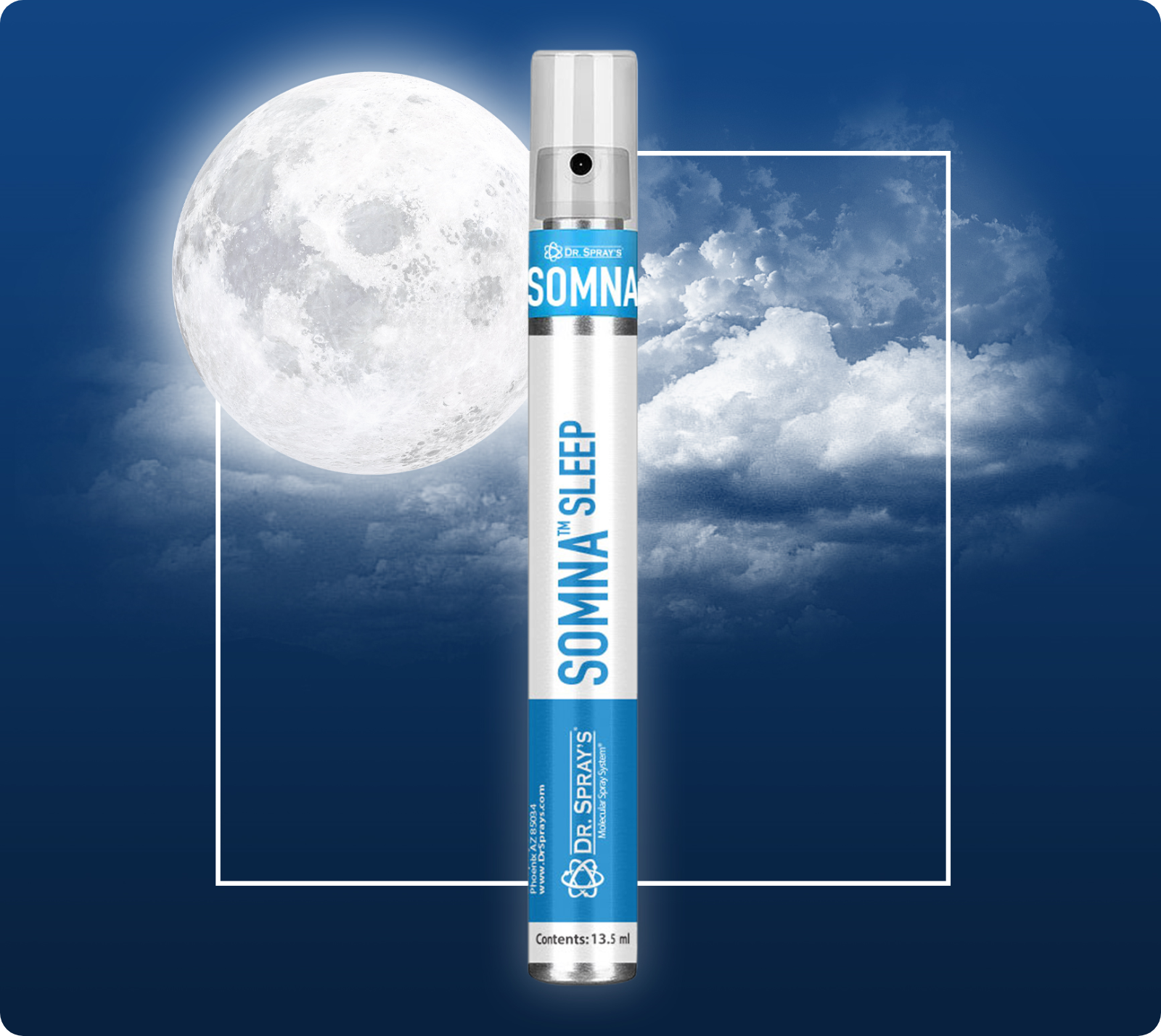
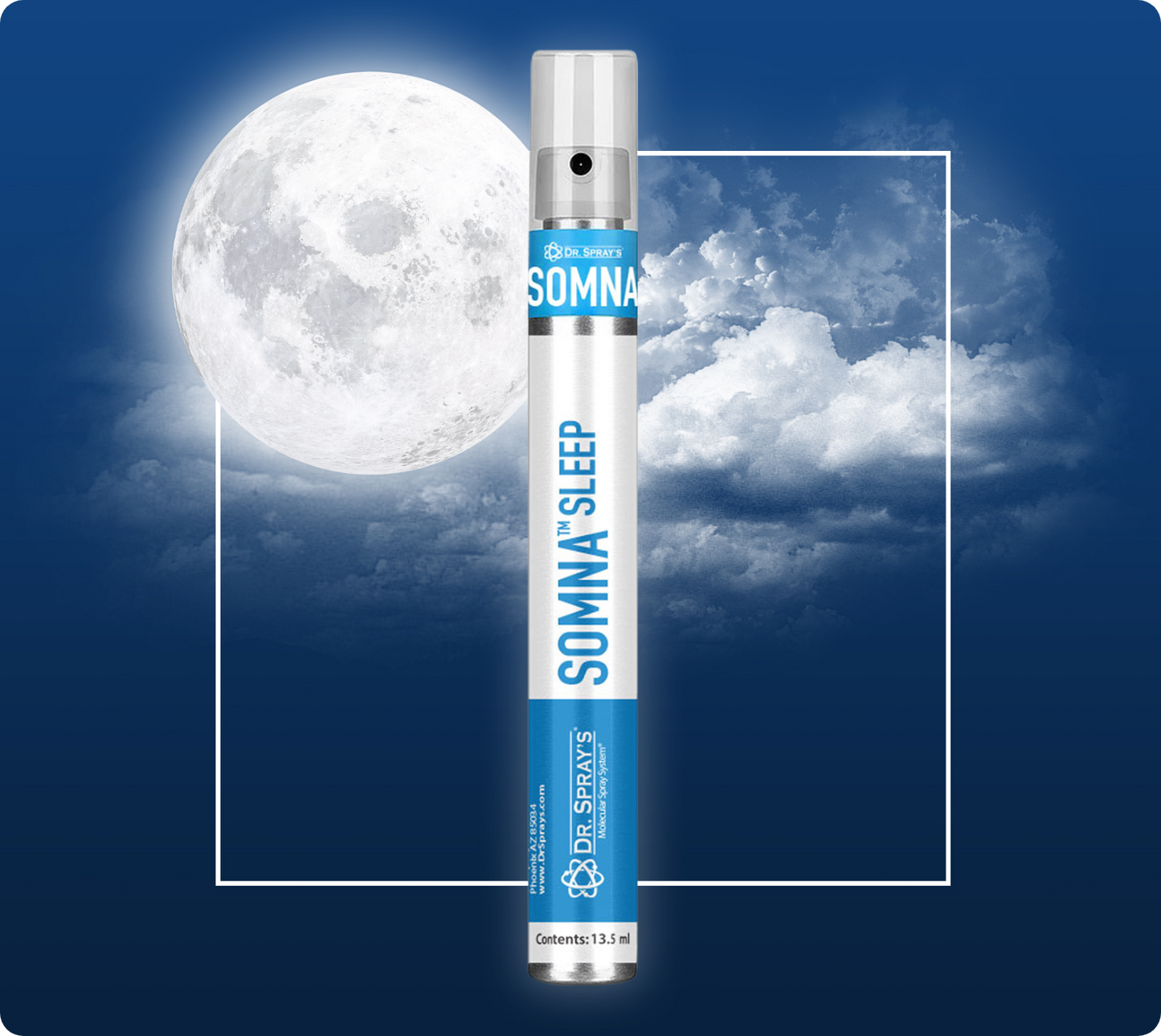
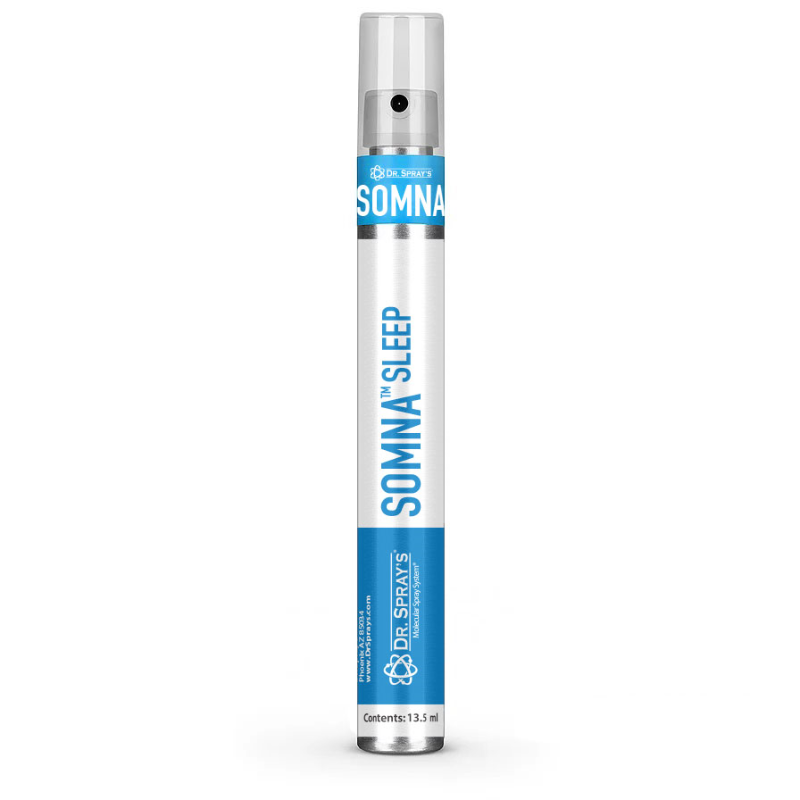
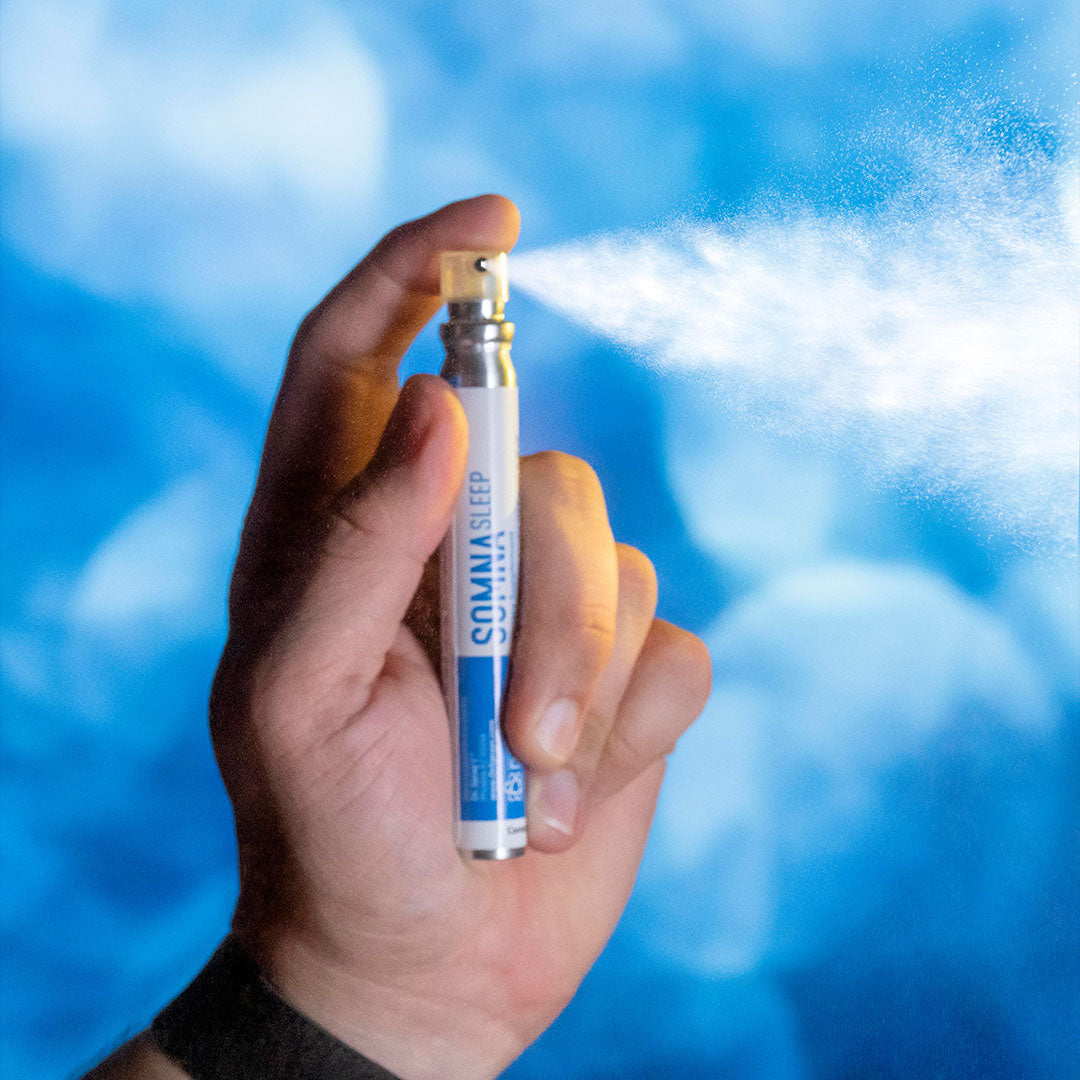
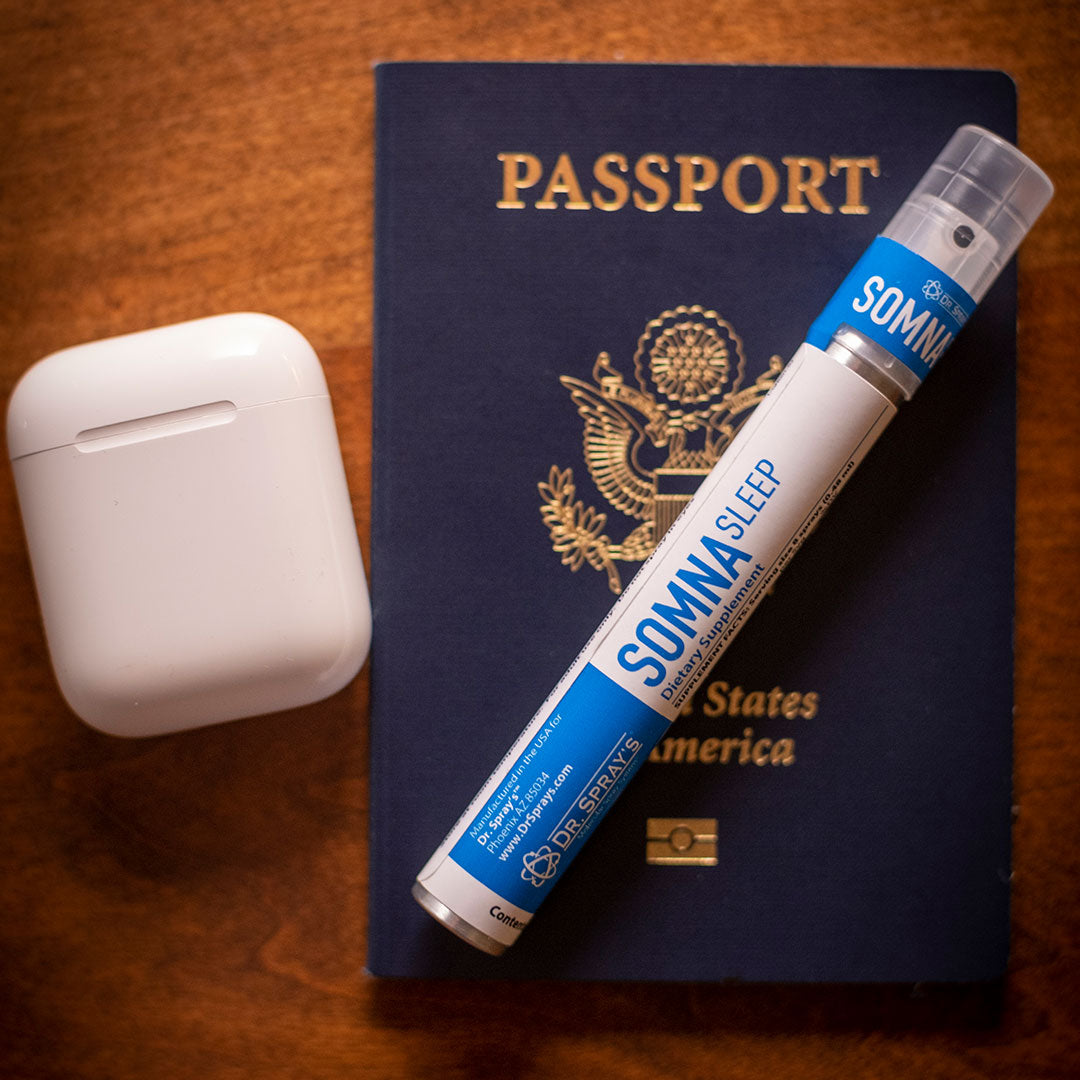
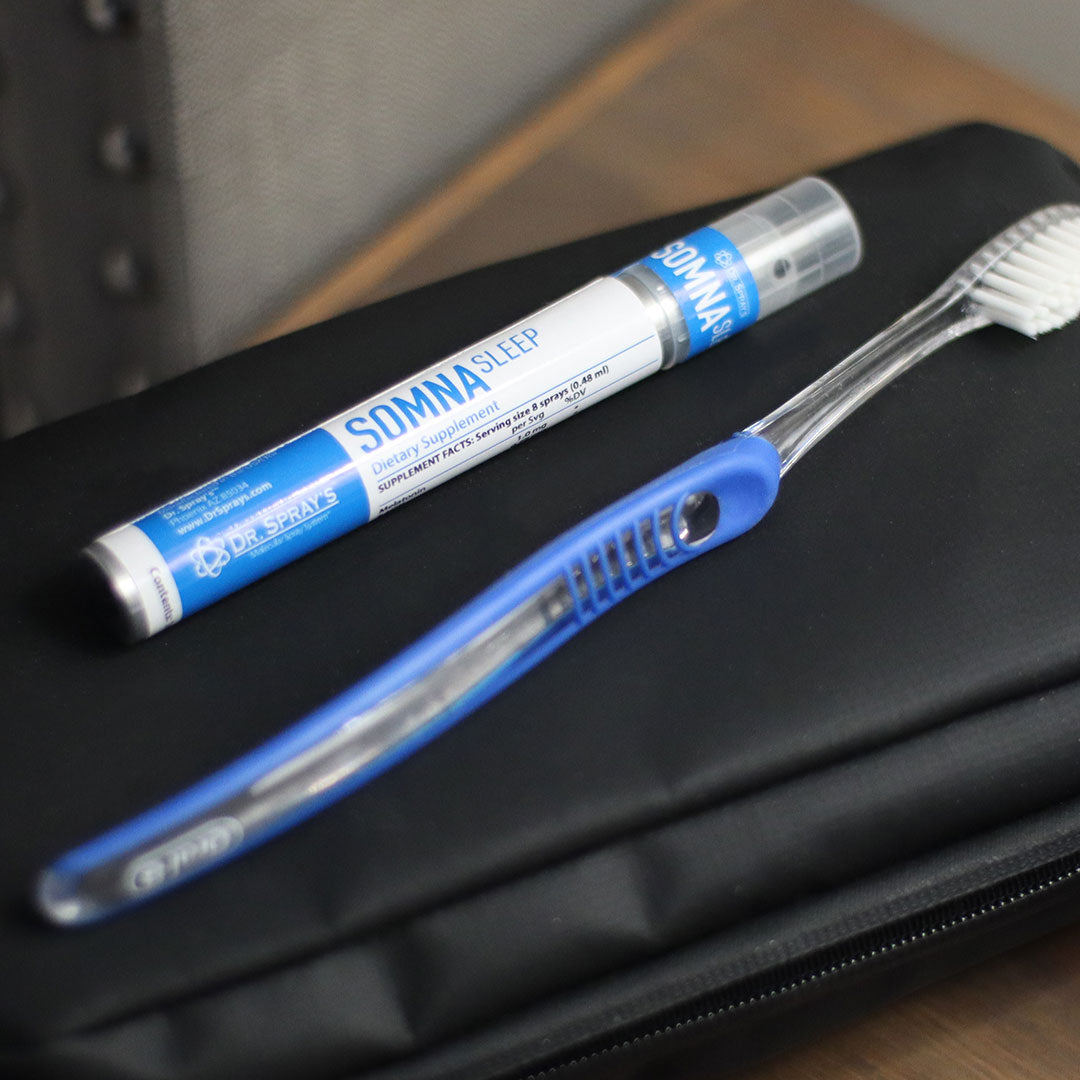
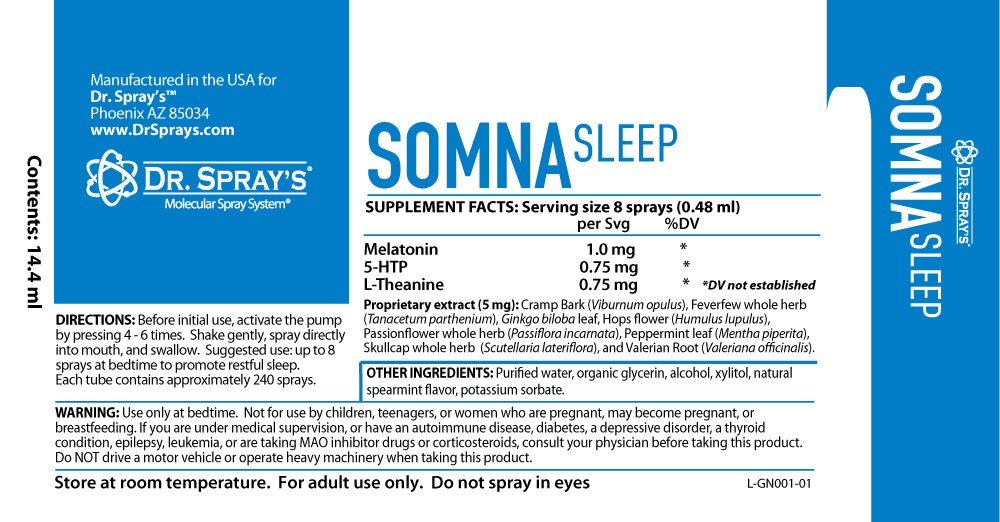
If you're tired of restless nights and ineffective sleep supplements, it's time to try a different approach. DrSprays' Somna Sleep Spray combines research-backed ingredients with our efficient sublingual delivery system for faster, more effective sleep support.
Our doctor-developed formula is manufactured in our FDA-registered, GMP-certified facility in Phoenix, Arizona, ensuring the highest quality standards. With up to 90% absorption rate, you can trust that the ingredients reach your system to deliver real results.
Join thousands of satisfied customers who've discovered better sleep through innovative spray supplements. Shop our Somna Sleep Spray today, or explore our complete line of vitamin and wellness sprays to support your overall health goals.
Have questions? Our customer service team is here to help. Contact us to learn more about how our products can support your journey to better sleep and optimal wellness.