If you've ever struggled with restless nights, you've probably seen lavender sleep sprays lining the shelves of health stores and filling your online shopping recommendations. The promise is simple: a few spritzes on your pillow, and you'll drift off into peaceful slumber. But does lavender sleep spray actually work, or is it just another wellness trend with more marketing than science behind it?
The truth is more nuanced than a simple yes or no. While lavender has legitimate calming properties backed by research, the delivery method matters significantly. Understanding how lavender affects sleep—and exploring more effective alternatives like oral spray vitamins—can help you make informed decisions about your nighttime routine.
The Science Behind Lavender and Sleep
Lavender (Lavandula angustifolia) has been used for centuries as a natural remedy for anxiety and sleep disturbances. Unlike many folk remedies that lack scientific validation, lavender's effects on sleep have been studied extensively in clinical settings.
Research published in the Journal of Alternative and Complementary Medicine found that lavender aromatherapy improved sleep quality in college students experiencing sleep problems. Another study in the Journal of Biological and Pharmaceutical Bulletin identified that linalool and linalyl acetate—two primary compounds in lavender oil—interact with neurotransmitter systems to produce sedative effects.
The mechanism is straightforward: when you inhale lavender, volatile compounds travel through your olfactory system and influence the limbic system, the part of your brain that controls emotions and the autonomic nervous system. This can lead to decreased heart rate, lower blood pressure, and reduced cortisol levels—all conducive to better sleep.
What the Research Shows
Multiple studies have examined lavender's impact on sleep quality:
- Mild to moderate effectiveness: A 2015 systematic review found that lavender inhalation showed promising results for improving sleep quality, particularly in people with mild insomnia or sleep disturbances
- Anxiety reduction: Studies indicate lavender's primary benefit may be reducing anxiety, which indirectly improves sleep onset and quality
- Individual variation: Response to lavender aromatherapy varies significantly between individuals, with some people experiencing notable benefits and others reporting minimal effects
How Lavender Sleep Sprays Work (And Their Limitations)
Lavender sleep sprays typically contain lavender essential oil diluted in water or alcohol, designed to be spritzed on pillows, bedding, or in the air around your sleeping area. The idea is that you'll inhale the lavender compounds throughout the night, promoting relaxation and deeper sleep.
However, several factors limit their effectiveness:
Rapid Dissipation
When you spray lavender on fabric, the volatile compounds begin evaporating immediately. Within minutes to hours, the concentration drops significantly. This means you might get a pleasant initial effect, but the therapeutic benefit diminishes as the night progresses.
Inconsistent Dosing
Unlike pharmaceutical sleep aids or spray supplements with measured doses, pillow sprays provide no way to control how much active compound you're actually receiving. The amount you inhale depends on numerous variables: how much you spray, how far your nose is from the pillow, your breathing patterns, and air circulation in the room.
Quality Concerns
The essential oil industry is poorly regulated. Many lavender sleep sprays contain synthetic fragrances or low-quality oils that smell like lavender but lack the therapeutic compounds found in pure lavender essential oil. Without third-party testing or quality certifications, you can't be certain what you're actually getting.
Comparing Delivery Methods: Why Oral Sprays Offer Advantages
While topical and aromatic applications have their place, oral spray vitamins represent a more reliable delivery method for sleep-supporting nutrients. The difference comes down to bioavailability and precision.
When you use a vitamin spray, the active ingredients are absorbed directly through the mucous membranes in your mouth, bypassing the digestive system. This sublingual and buccal absorption allows nutrients to enter your bloodstream quickly and efficiently—studies show absorption rates up to 90% compared to 10-20% for many pill-based supplements.
The Absorption Advantage
Traditional pills must survive stomach acid, pass through the intestinal wall, and undergo first-pass metabolism in the liver before nutrients reach systemic circulation. This process degrades many compounds and significantly reduces the amount your body can actually use.
Spray delivery eliminates these obstacles. Active ingredients in formulations like sleep-supporting vitamin B12 spray or vitamin D3 spray are absorbed within seconds to minutes, providing faster onset and more predictable effects.
Sleep-Supporting Nutrients More Effective Than Aromatherapy
Rather than relying solely on inhaled aromatics, addressing sleep at the nutritional level often yields more consistent results. Several vitamins and compounds have robust scientific backing for improving sleep quality.
Magnesium
This essential mineral plays a critical role in sleep regulation by activating the parasympathetic nervous system—the system responsible for helping you feel calm and relaxed. Magnesium also regulates melatonin and binds to GABA receptors, both crucial for initiating sleep. Research published in the Journal of Research in Medical Sciences found that magnesium supplementation improved insomnia symptoms, sleep efficiency, and sleep time.
Vitamin B12
While often associated with energy, B12 actually plays an important role in regulating your sleep-wake cycle. It helps produce melatonin and influences circadian rhythm genes. A vitamin B12 spray can be particularly beneficial for people with absorption issues or dietary restrictions that limit B12 intake.
Vitamin D3
Vitamin D receptors exist throughout the brain, including areas that regulate sleep. Studies have linked vitamin D deficiency to poor sleep quality, shorter sleep duration, and daytime sleepiness. Supplementing with a vitamin D3 spray may improve sleep parameters, especially during winter months when natural sunlight exposure is limited.
Melatonin
The body's primary sleep hormone, melatonin signals to your brain that it's time to sleep. Unlike aromatherapy, melatonin supplementation directly influences the biological mechanisms of sleep. When delivered via oral spray, melatonin can work within 15-20 minutes compared to 45-60 minutes for pills.
Who Might Benefit From Lavender Sleep Spray
Despite its limitations, lavender sleep spray isn't entirely without merit. Certain individuals and situations may see genuine benefits:
- People with mild, stress-related sleep issues: If anxiety or racing thoughts keep you awake, lavender's calming properties might help you relax enough to fall asleep
- Those creating sleep rituals: The act of spraying lavender can serve as a behavioral cue that it's time for sleep, reinforcing healthy sleep hygiene habits
- Individuals sensitive to lavender: Some people find the scent particularly soothing and respond well to aromatherapy approaches
- Complement to other interventions: Lavender spray works best as part of a comprehensive sleep strategy rather than a standalone solution
However, people with chronic insomnia, sleep disorders, or significant sleep disturbances will likely need more substantial interventions than aromatherapy alone can provide.
Creating an Effective Sleep Strategy
Rather than relying on any single product, the most effective approach to better sleep combines multiple evidence-based strategies:
Optimize Your Sleep Environment
Keep your bedroom cool (around 65-68°F), dark, and quiet. Remove electronic devices or use blue light filters in the evening. Invest in comfortable bedding and pillows that support proper alignment.
Establish Consistent Sleep-Wake Times
Your circadian rhythm thrives on consistency. Going to bed and waking up at the same time every day—even on weekends—reinforces your body's natural sleep-wake cycle.
Address Nutritional Deficiencies
Many people unknowingly have deficiencies in sleep-supporting nutrients. Spray supplements offer an efficient way to ensure adequate intake of magnesium, B vitamins, vitamin D, and other compounds that support healthy sleep patterns.
Limit Stimulants and Screen Time
Avoid caffeine after 2 PM and reduce alcohol consumption, as both interfere with sleep architecture. Put away phones, tablets, and computers at least an hour before bed to minimize blue light exposure.
Consider Professional Formulations
Doctor-developed sleep support formulations combine multiple sleep-promoting ingredients in precise ratios. These products undergo testing in FDA-registered facilities and offer consistency that single-ingredient remedies like lavender spray cannot match.
The Phoenix Perspective: Climate and Sleep
Living in Phoenix, Arizona presents unique sleep challenges. The extreme summer heat means many residents rely heavily on air conditioning, which can dry out mucous membranes and make it harder for the body to regulate temperature during sleep. The desert climate also increases the risk of dehydration, which negatively impacts sleep quality.
Additionally, Phoenix's intense sunshine provides abundant vitamin D production during daylight hours, but the temptation to stay indoors during summer can paradoxically lead to vitamin D deficiency—especially in people who work indoors or avoid midday heat. A vitamin D3 spray can help maintain optimal levels year-round.
The dry air in Arizona may also affect how long lavender compounds remain airborne. In humid climates, aromatic molecules may linger longer, but in desert conditions, they dissipate more quickly—another factor reducing lavender spray's effectiveness compared to internal supplementation.
What to Look For in Sleep Support Products
Whether you choose aromatherapy, oral spray vitamins, or traditional supplements, quality matters enormously. Here's what to verify before making a purchase:
Manufacturing Standards
Look for products made in FDA-registered facilities that follow Good Manufacturing Practices (GMP). These certifications indicate the manufacturer follows strict quality control protocols and regularly tests for purity and potency.
Third-Party Testing
Independent laboratory testing verifies that products contain what they claim and are free from contaminants like heavy metals, pesticides, and microbes.
Transparent Ingredient Lists
Avoid products with proprietary blends that hide ingredient amounts. You should know exactly what you're putting in or on your body and in what quantities.
Doctor Formulation
Products developed by healthcare professionals tend to use evidence-based ingredient combinations and therapeutic doses rather than token amounts chosen for marketing appeal.
Making the Switch: From Pillow Sprays to Systemic Support
If you've been using lavender sleep spray with mixed results, transitioning to nutritional sleep support might provide the consistency you're missing. The key is understanding that true sleep quality comes from supporting your body's internal sleep mechanisms rather than relying on external sensory cues alone.
Start by identifying potential nutritional gaps. If you're vegetarian or vegan, a vitamin B12 spray might address deficiencies affecting your sleep-wake cycle. If you spend most of your time indoors, vitamin D supplementation could help. Those with high stress levels might benefit most from magnesium-rich formulations.
Combine targeted nutrition with good sleep hygiene practices. Use blackout curtains, maintain a cool bedroom temperature, and establish a wind-down routine that signals to your body it's time to rest. You might even include lavender aromatherapy as part of this routine—just don't expect it to do the heavy lifting alone.
Frequently Asked Questions
Does lavender sleep spray actually help you fall asleep faster?
Lavender sleep spray may help some people fall asleep faster by promoting relaxation and reducing anxiety. However, the effect is typically mild and varies significantly between individuals. Clinical studies show modest improvements in sleep onset, but the rapid dissipation of aromatic compounds and inconsistent dosing limit effectiveness. For more reliable results, sleep-supporting nutrients delivered via oral spray vitamins offer better bioavailability and more predictable outcomes.
How long do the effects of lavender pillow spray last?
The aromatic effects of lavender pillow spray typically last 1-3 hours at most. The volatile compounds responsible for lavender's therapeutic properties evaporate relatively quickly, especially in dry climates like Arizona. This means any sleep benefits are concentrated in the initial falling-asleep phase rather than throughout the night. In contrast, nutritional sleep support through spray supplements provides sustained effects as your body metabolizes the active ingredients over several hours.
Can I use lavender sleep spray every night?
Yes, lavender sleep spray is generally safe for nightly use, as it's non-addictive and has minimal side effects. However, some people may experience olfactory fatigue—where your nose becomes less sensitive to the scent over time, reducing its calming effect. Additionally, daily use of products containing synthetic fragrances or low-quality oils could potentially cause respiratory irritation. For consistent, long-term sleep support, addressing nutritional factors with products like vitamin D3 spray or vitamin B12 spray may prove more sustainable.
Are vitamin sprays better than pills for sleep support?
Vitamin sprays offer several advantages over pills for sleep support. The sublingual and buccal absorption pathways allow nutrients to enter your bloodstream directly, bypassing digestive breakdown and liver metabolism. This results in absorption rates up to 90% compared to 10-20% for many oral tablets. Vitamin spray formulations also work faster, with effects often noticeable within 15-30 minutes rather than 45-90 minutes for pills. For time-sensitive applications like sleep support, this speed and efficiency makes a meaningful difference in real-world effectiveness.
What nutrients are most important for healthy sleep?
The most research-supported sleep nutrients include magnesium (which activates calming neurotransmitters), vitamin D3 (which regulates circadian rhythms), B vitamins including B12 (which support melatonin production), and melatonin itself (the primary sleep hormone). Many people are deficient in one or more of these nutrients, particularly those following restricted diets, spending limited time outdoors, or living in challenging climates like Phoenix. Using targeted spray supplements can efficiently address these gaps and support your body's natural sleep mechanisms.
Is lavender sleep spray safe for children?
Lavender aromatherapy is generally considered safe for children over age three when used appropriately. However, essential oils should never be applied directly to young children's skin without proper dilution, and pillow sprays should be used sparingly. Some children may be sensitive to strong scents or develop headaches from concentrated aromatics. For children experiencing sleep difficulties, focusing on sleep hygiene, consistent routines, and—with pediatrician guidance—appropriate nutritional support tends to be more effective than relying on aromatherapy alone.
Can you combine lavender spray with other sleep aids?
Yes, lavender spray can typically be combined safely with other natural sleep supports like magnesium, melatonin, or oral spray vitamins formulated for sleep. In fact, a multi-faceted approach often works best—using lavender as part of a calming bedtime ritual while addressing nutritional deficiencies and sleep hygiene simultaneously. However, if you're taking prescription sleep medications, consult your healthcare provider before adding any new supplements to ensure there are no interactions or contraindications.
The Bottom Line on Lavender Sleep Spray
So, does lavender sleep spray work? The answer is: sometimes, for some people, to a modest degree. Lavender has legitimate calming properties supported by scientific research, but the pillow spray delivery method has significant limitations—rapid compound dissipation, inconsistent dosing, and quality variability among products.
If you enjoy the ritual of lavender spray and find it relaxing, there's no harm in continuing to use it as part of your bedtime routine. However, if you're struggling with persistent sleep issues, relying on aromatherapy alone is unlikely to provide the comprehensive support you need.
For more reliable, consistent results, consider addressing sleep from a nutritional perspective. High-quality spray supplements deliver sleep-supporting vitamins and minerals with superior absorption, precise dosing, and predictable effects. Whether you need a vitamin B12 spray to regulate your circadian rhythm, a vitamin D3 spray to support sleep-wake cycles, or a comprehensive sleep formula combining multiple ingredients, oral spray delivery offers distinct advantages over both pills and topical applications.
The most effective sleep strategy combines good sleep hygiene, stress management, appropriate exercise, nutritional optimization, and—when needed—targeted supplementation. By taking a comprehensive approach rather than searching for a single magic solution, you're far more likely to achieve the restful, restorative sleep your body needs.
Experience Sleep Support That Actually Works
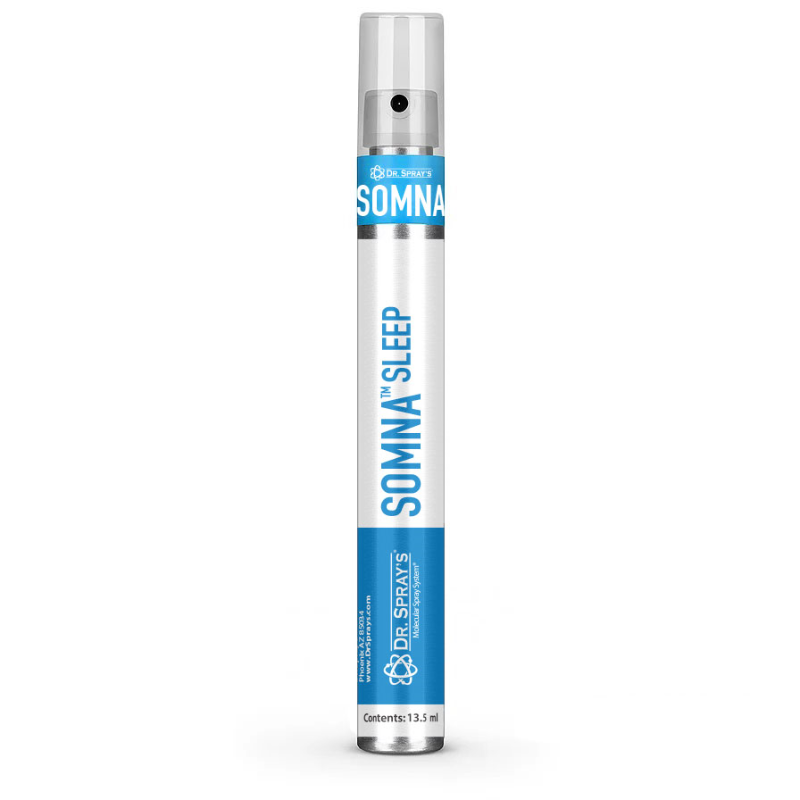
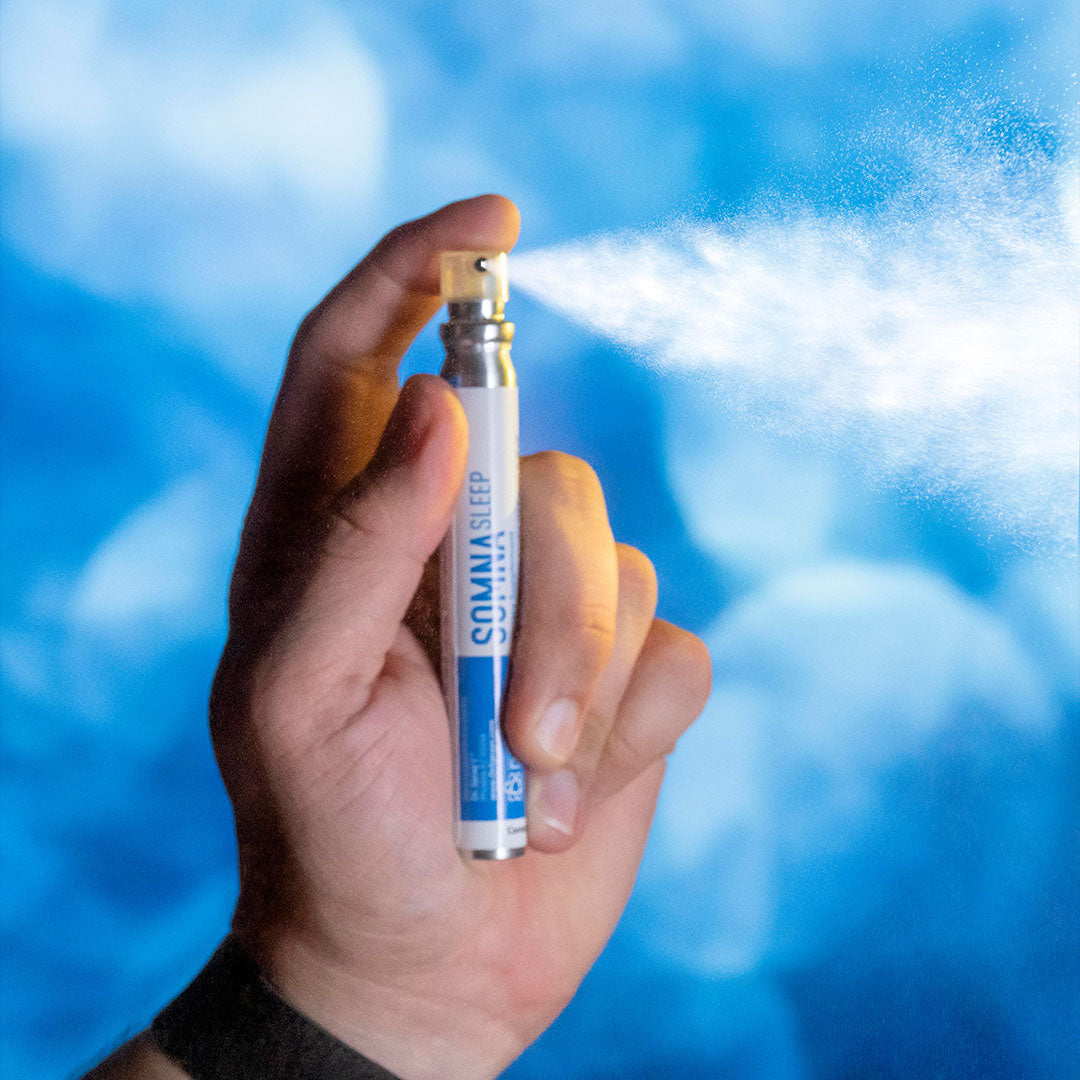
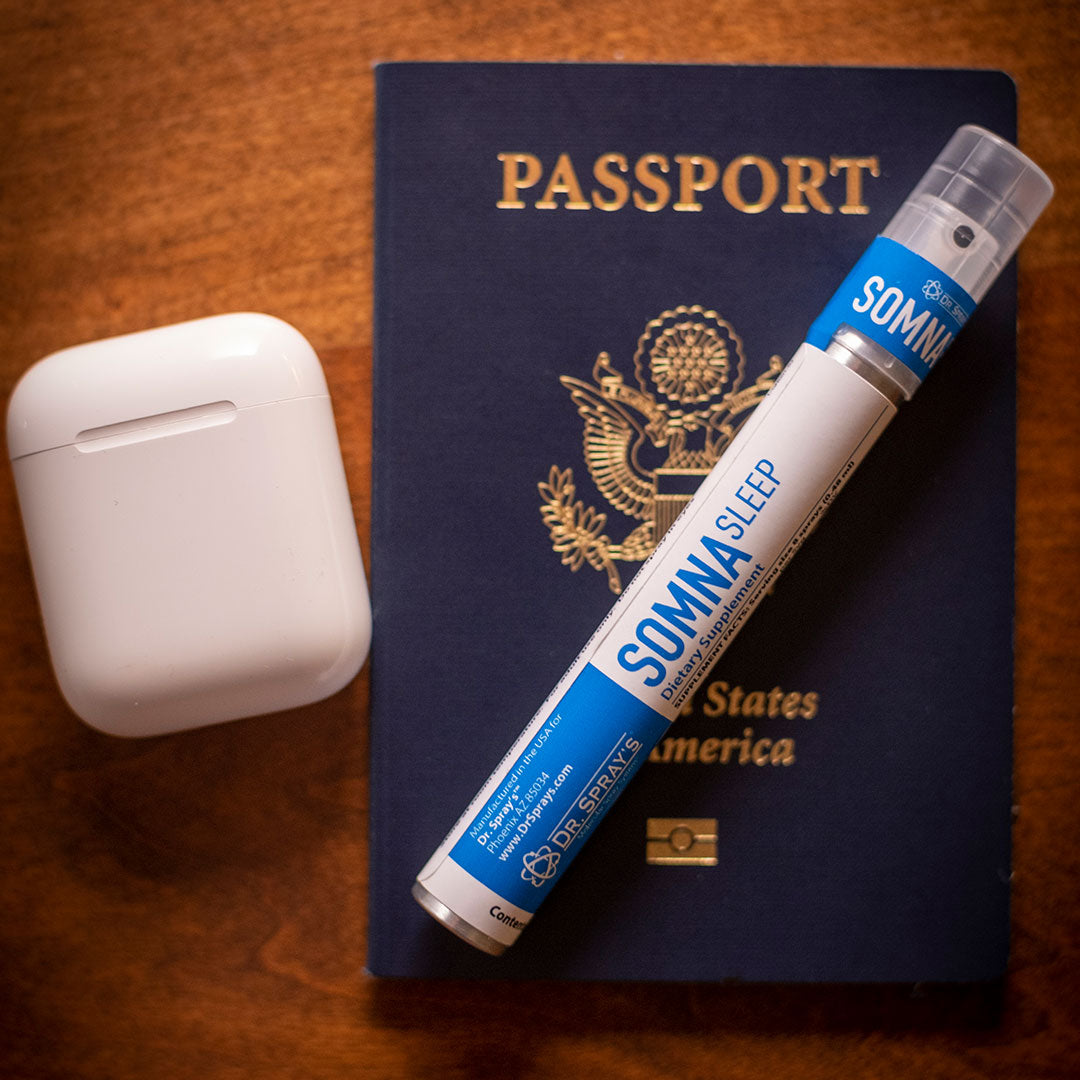
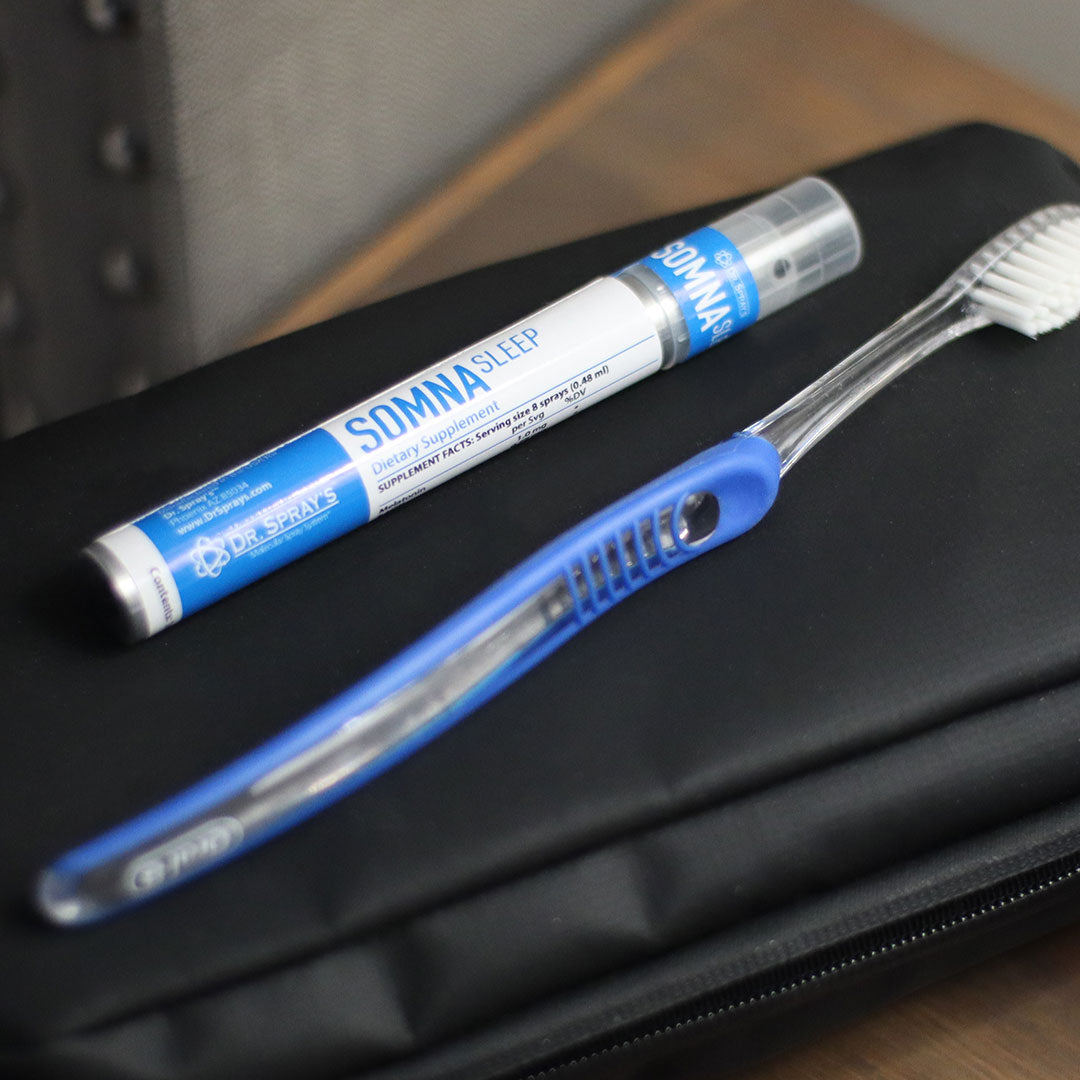
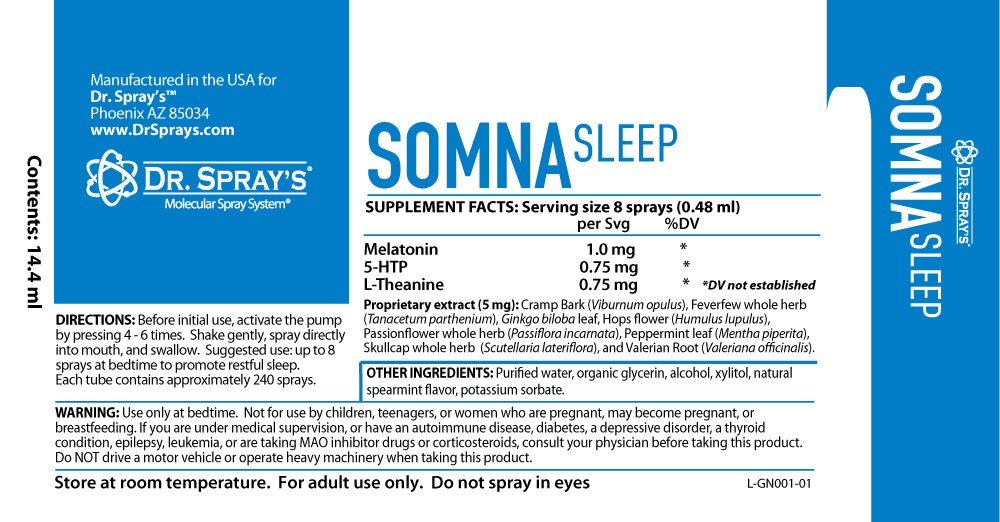
Stop relying on temporary aromatherapy solutions and address sleep at its source. DrSprays' doctor-developed sleep formula combines scientifically-backed ingredients in a fast-absorbing oral spray with 90% bioavailability—far superior to pills or pillow sprays.
Manufactured in Phoenix, Arizona in an FDA-registered, GMP-certified facility, our sleep support spray delivers precise doses of sleep-promoting nutrients exactly when you need them.