Pillow mists have surged in popularity as a natural sleep aid, with many people spritzing lavender-scented formulas on their bedding before lights out. But does pillow mist actually work, or is it just another wellness trend? More importantly, if you're seeking better sleep, should you consider alternative approaches like targeted nutritional support through oral spray vitamins?
In this comprehensive guide, we'll explore the science behind pillow mists, examine their effectiveness, and discuss how addressing nutritional deficiencies with spray supplements might offer a more direct path to quality rest.
What Is Pillow Mist and How Does It Work?
Pillow mist is a lightly scented spray designed to be applied to pillows, sheets, and bedding before sleep. Most formulas contain essential oils—particularly lavender, chamomile, or bergamot—diluted in water or alcohol. The concept relies on aromatherapy principles: that inhaling certain plant-derived scents can influence mood, relaxation, and sleep quality.
When you spray pillow mist on your bedding, the aromatic compounds gradually release into the air around your sleep environment. As you breathe in these scents throughout the night, they're believed to promote relaxation and potentially improve sleep onset and quality.
Common Ingredients in Pillow Mists
- Lavender oil: The most popular pillow mist ingredient, associated with calming effects
- Chamomile oil: Traditionally used for relaxation and stress reduction
- Bergamot oil: Citrus-derived oil thought to reduce anxiety
- Ylang ylang: Sweet floral scent linked to stress relief
- Sandalwood: Earthy aroma used in meditation and relaxation practices
The Science: Does Pillow Mist Actually Work?
The effectiveness of pillow mist depends on what you mean by "work." Research on aromatherapy for sleep presents a mixed but intriguing picture.
Evidence Supporting Pillow Mist
Several studies have examined lavender aromatherapy specifically, since it's the primary ingredient in most pillow mists:
A 2015 systematic review published in Evidence-Based Complementary and Alternative Medicine analyzed multiple studies on lavender's effects on sleep. The researchers found that lavender aromatherapy showed promising results for improving sleep quality, particularly in people with mild sleep disturbances. However, they noted that many studies had small sample sizes and methodological limitations.
Another study in the Journal of Alternative and Complementary Medicine found that college students who used lavender aromatherapy patches reported better sleep quality and increased morning vigor compared to a control group. While this wasn't specifically pillow mist, it suggests that passive lavender inhalation during sleep may have benefits.
The Limitations and Skepticism
Despite these positive findings, the scientific community remains cautious. Many aromatherapy studies suffer from:
- Small sample sizes: Making it difficult to draw broad conclusions
- Placebo effects: The expectation that something will help you sleep may actually be what's working
- Lack of standardization: Different concentrations and formulations make comparison difficult
- Subjective measurements: Many studies rely on self-reported sleep quality rather than objective sleep metrics
The consensus among sleep researchers is that while pillow mist appears safe and may provide modest benefits for some people, it shouldn't be considered a primary treatment for genuine sleep disorders or chronic insomnia.
Pillow Mist vs. Addressing Root Causes of Poor Sleep
While pillow mist might create a pleasant bedtime ritual, it's worth considering whether poor sleep stems from underlying nutritional deficiencies that aromatherapy can't address.
The Nutritional Connection to Sleep Quality
Several vitamins and minerals play crucial roles in sleep regulation:
Vitamin B12 helps regulate circadian rhythms and supports the production of melatonin, your body's natural sleep hormone. A deficiency can disrupt your sleep-wake cycle. Unlike topical aromatherapy, a vitamin B12 spray delivers the nutrient directly into your system, where it can support the biological processes that govern sleep timing.
Vitamin D3 receptors are found throughout the brain, including areas that regulate sleep. Research published in the Journal of Sleep Research has linked vitamin D deficiency to poor sleep quality, shorter sleep duration, and daytime sleepiness. A vitamin D3 spray offers superior absorption compared to traditional pills, helping restore optimal levels more efficiently.
Magnesium acts as a natural relaxant for muscles and the nervous system. It regulates neurotransmitters that send signals throughout the brain and body, including those involved in sleep onset. Many people are deficient in magnesium without realizing it.
Why Spray Delivery Matters for Sleep Support
The challenge with traditional sleep supplements—whether pills or capsules—is absorption. When you swallow a vitamin, it must survive stomach acid, navigate the digestive tract, and undergo first-pass metabolism in the liver. Much of the active ingredient is lost in this process.
Oral spray vitamins bypass much of this degradation. When sprayed into the mouth, the nutrients absorb through the mucous membranes directly into the bloodstream. This sublingual and buccal absorption pathway can achieve up to 90% bioavailability—meaning your body actually utilizes most of what you take.
For sleep-related nutrients, this improved absorption translates to faster effects and more reliable results. While pillow mist works externally through scent, spray supplements work internally by providing the building blocks your body needs for natural sleep regulation.
DrSprays Somna: A Targeted Sleep Solution
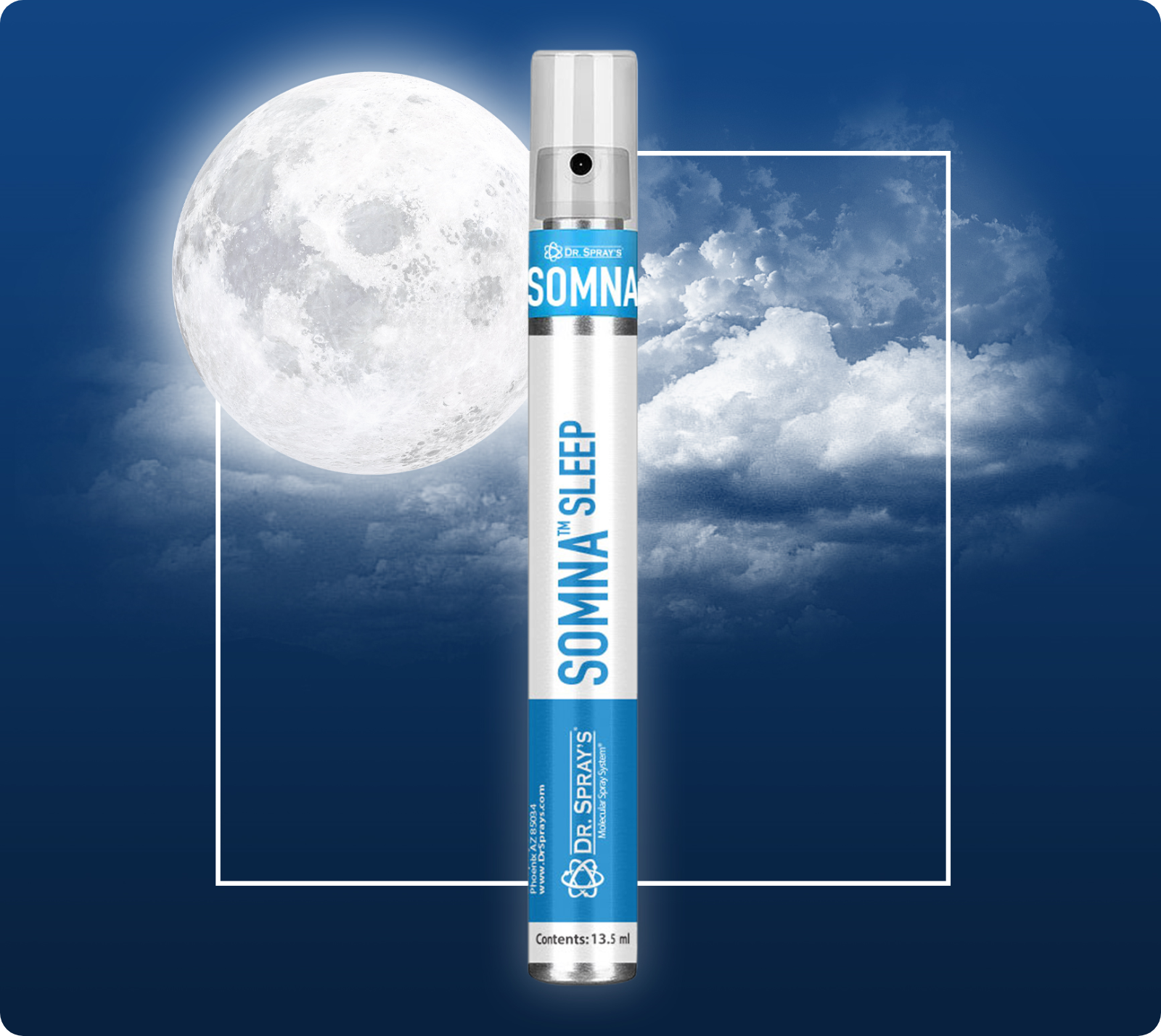
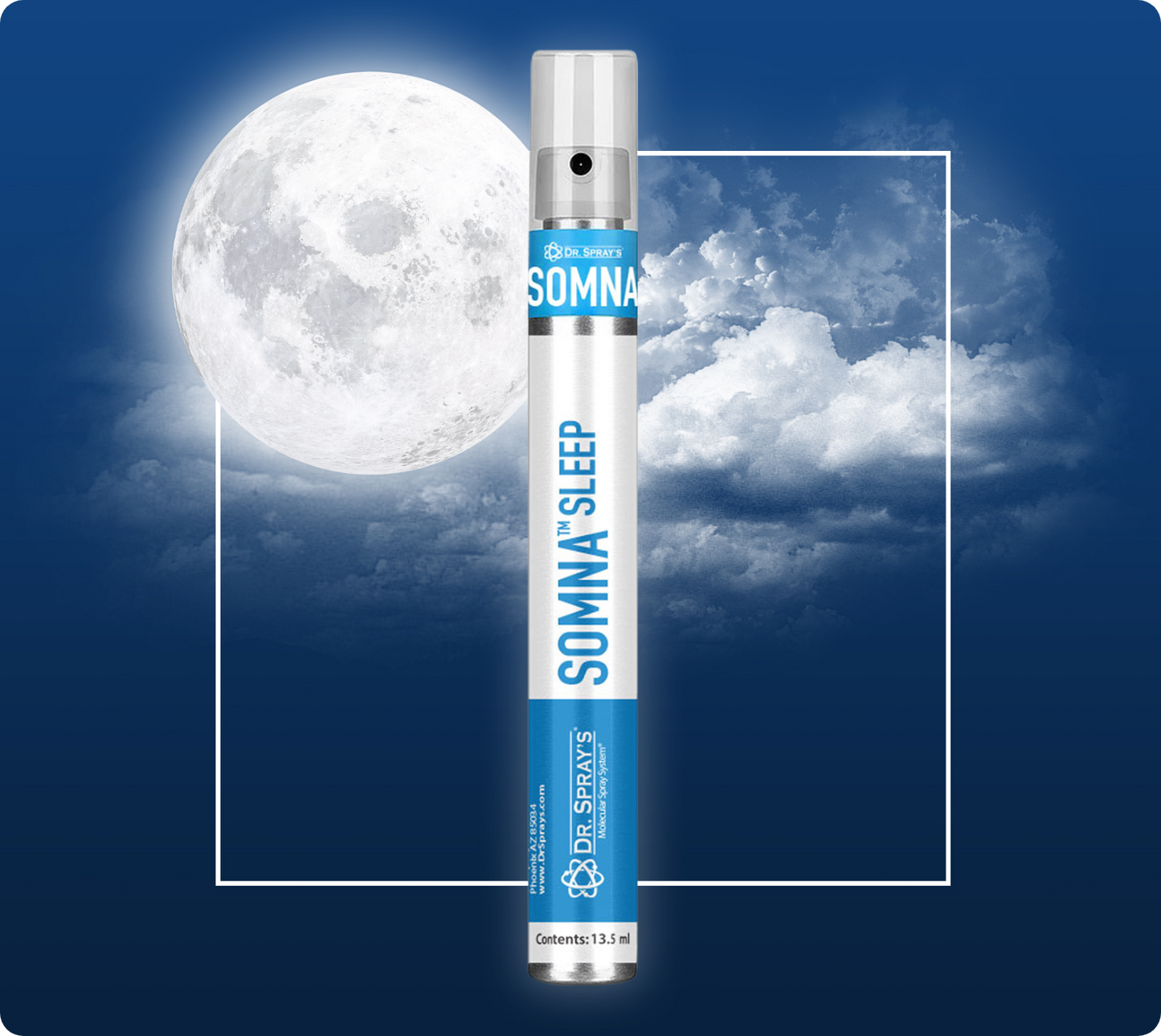
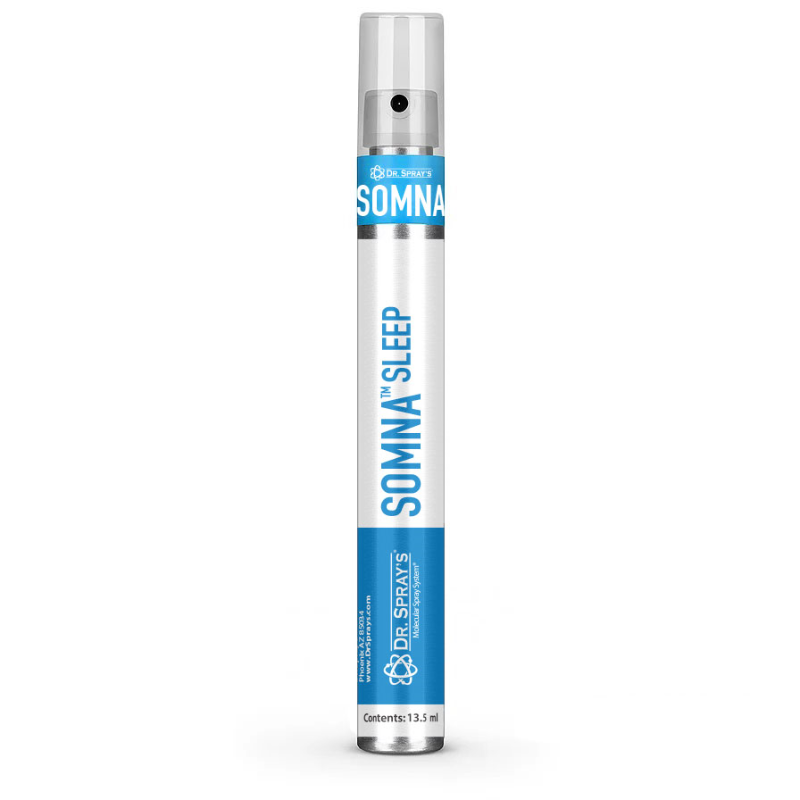
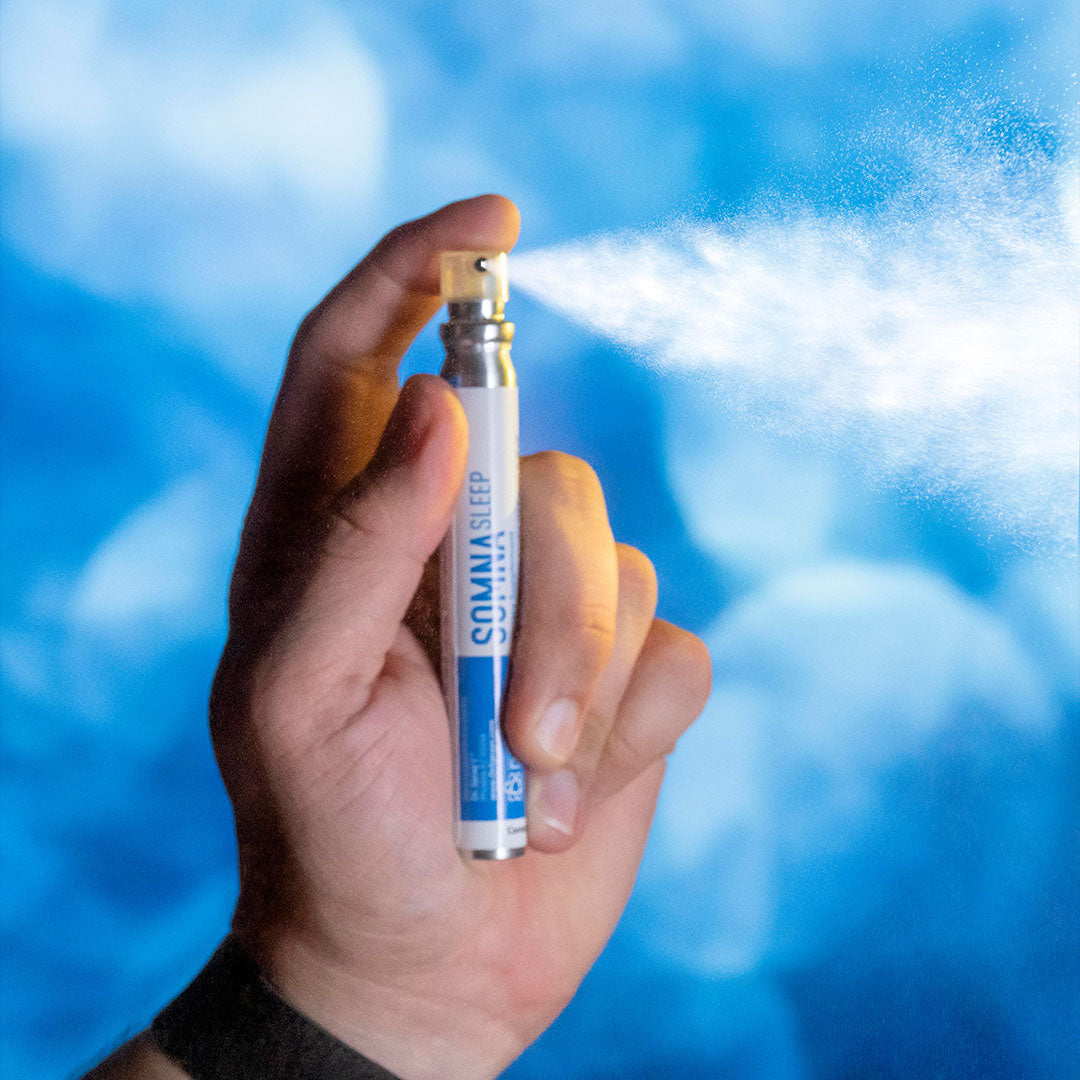
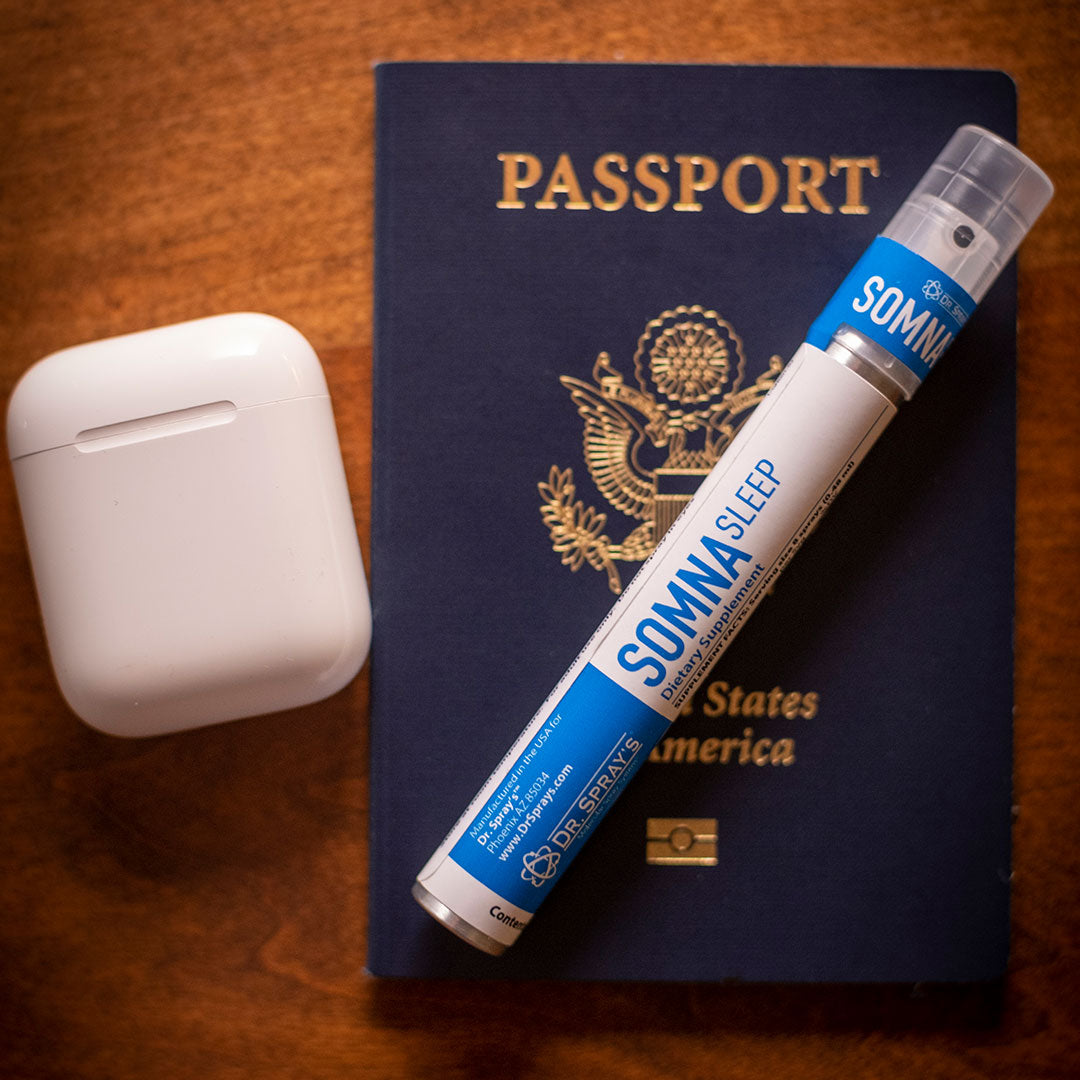
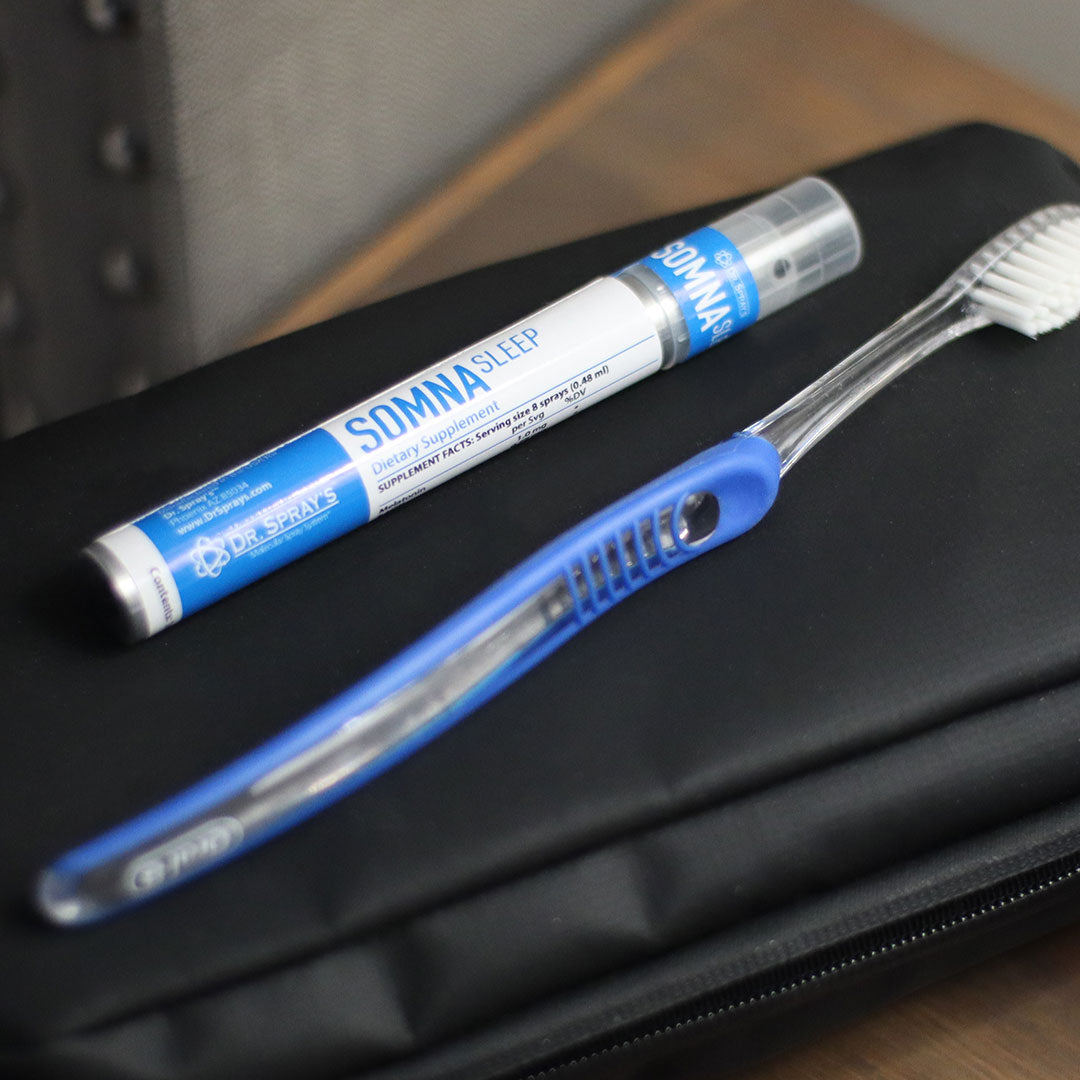
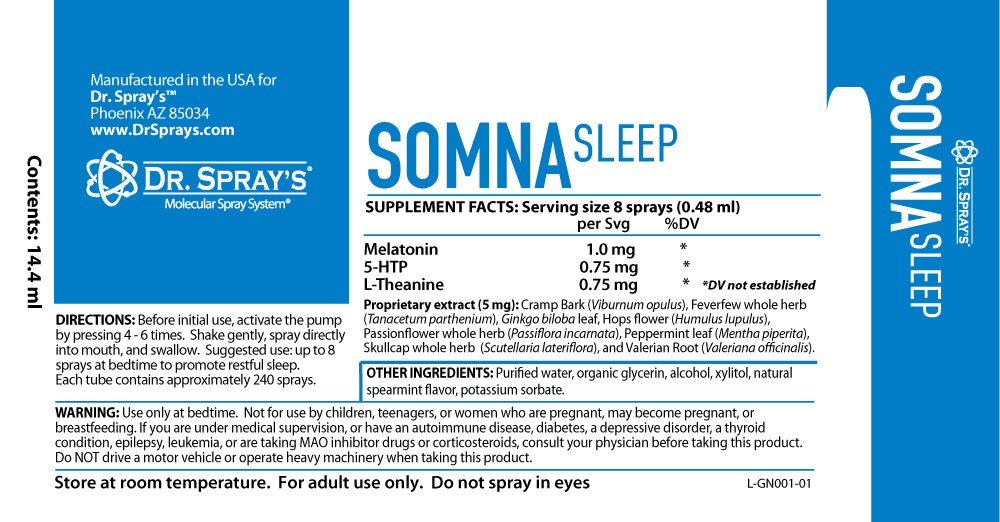
Developed by doctors at our FDA-registered, GMP-certified facility in Phoenix, Arizona, DrSprays Somna spray represents a more direct approach to sleep support than environmental products like pillow mist.
Somna combines ingredients specifically chosen for their sleep-promoting properties, delivered through our advanced spray technology that ensures maximum absorption. Rather than hoping ambient scents will indirectly influence your sleep, this formula provides nutrients that directly support your body's natural sleep mechanisms.
The vitamin spray format means you can take it right before bed without water, and the sublingual absorption begins working quickly—unlike pills that might take hours to break down and absorb, often not reaching peak levels until well after you want to be asleep.
Creating an Effective Sleep Environment: Beyond Pillow Mist
Whether you choose to use pillow mist or not, it should be just one element of comprehensive sleep hygiene. Here's how to build a truly effective sleep strategy:
Optimize Your Sleep Environment
- Temperature: Keep your bedroom between 60-67°F (15-19°C)
- Darkness: Use blackout curtains or an eye mask to block light
- Noise control: Consider white noise machines if you're sensitive to sound
- Comfortable bedding: Invest in quality pillows and mattresses that support your sleep position
- Remove electronics: Eliminate screens from the bedroom or use blue-light filters
Address Nutritional Deficiencies
Before reaching for environmental aids, consider whether your body has the nutritional foundation for quality sleep. Common deficiencies that affect sleep include:
- B-complex vitamins (especially B12)
- Vitamin D
- Magnesium
- Zinc
- Iron
Blood tests can identify deficiencies, and spray supplements offer an efficient way to restore optimal levels. The convenience of spray format also eliminates the common problem of forgetting to take pills—a quick spray becomes an easy part of your bedtime routine.
Establish Consistent Sleep Habits
- Go to bed and wake up at the same time daily, even on weekends
- Create a relaxing pre-sleep routine (which could include pillow mist if you enjoy it)
- Limit caffeine after 2 PM
- Avoid large meals close to bedtime
- Get regular exercise, but not within three hours of sleep
- Manage stress through meditation, journaling, or breathing exercises
Combining Approaches: Pillow Mist Plus Nutritional Support
The good news is that using pillow mist and addressing nutritional deficiencies aren't mutually exclusive. If you enjoy the ritual and scent of pillow mist, there's no reason to stop using it while also supporting your sleep through better nutrition.
Think of it as a layered approach: pillow mist creates a pleasant sensory environment, while oral spray vitamins ensure your body has the nutritional tools it needs for natural, restorative sleep. The aromatherapy might help you relax and signal to your brain that it's time for rest, while the nutrients support the biochemical processes that actually generate sleep.
Many DrSprays customers in Arizona and beyond report that this combined approach—pleasant sleep rituals plus targeted nutritional support—works better than either strategy alone.
When to Seek Professional Help
Neither pillow mist nor nutritional supplements should replace medical treatment for serious sleep disorders. Consult a healthcare provider if you experience:
- Chronic insomnia lasting more than three weeks
- Loud snoring or gasping for air during sleep (possible sleep apnea)
- Uncomfortable sensations in your legs at night (restless leg syndrome)
- Falling asleep at inappropriate times (narcolepsy)
- Persistent daytime fatigue despite adequate sleep time
These symptoms may indicate conditions that require specific medical interventions beyond what lifestyle changes or supplements can provide.
The Verdict: Does Pillow Mist Work?
Pillow mist can work for some people as part of a comprehensive sleep routine, particularly those who respond well to aromatherapy and find the ritual relaxing. The scientific evidence is modest but generally positive, especially for lavender-based formulas.
However, pillow mist is unlikely to overcome poor sleep hygiene, significant stress, or nutritional deficiencies. It's best viewed as a complementary tool rather than a primary solution.
For many people, addressing potential vitamin deficiencies through high-absorption spray supplements provides more substantial and measurable improvements in sleep quality. When your body has the nutrients it needs to regulate circadian rhythms, produce sleep hormones, and maintain healthy neurotransmitter function, you're addressing sleep from the inside out.
The ideal approach combines both external environmental optimization (which may include pillow mist if you enjoy it) and internal nutritional support through products like vitamin B12 spray and vitamin D3 spray.
Frequently Asked Questions
Is pillow mist safe to use every night?
Yes, pillow mist is generally safe for nightly use. However, some people may develop sensitivity to essential oils with prolonged exposure. If you notice skin irritation, headaches, or respiratory issues, discontinue use. Always choose pillow mists from reputable manufacturers that use pure essential oils rather than synthetic fragrances.
How is vitamin spray different from traditional sleep supplements?
Vitamin spray differs from traditional pills in its delivery method and absorption rate. When you spray vitamins directly into your mouth, they absorb through the mucous membranes in your cheeks and under your tongue, bypassing the digestive system where many nutrients are degraded. This results in absorption rates up to 90%, compared to 10-20% for many traditional supplements. For sleep support, this means faster action and more reliable results.
Can I use pillow mist and oral spray vitamins together?
Absolutely. Pillow mist and oral spray vitamins work through different mechanisms and complement each other well. Pillow mist creates a relaxing sensory environment, while spray vitamins provide nutritional support for your body's natural sleep processes. Many people find this combined approach more effective than either method alone.
Which vitamins are most important for sleep?
The most important vitamins for sleep include vitamin B12 (which helps regulate circadian rhythms), vitamin D3 (deficiency is linked to poor sleep quality), and magnesium (which relaxes the nervous system). B-complex vitamins also play supporting roles. Using a vitamin B12 spray and vitamin D3 spray can help address deficiencies that may be contributing to sleep problems.
How long does it take for pillow mist to work?
The effects of pillow mist are typically immediate but subtle. You'll smell the pleasant aroma right away, and the relaxation response—if you're susceptible to it—begins within minutes of inhalation. However, don't expect dramatic sedation. Pillow mist works best as part of a consistent bedtime routine, where the scent becomes a psychological cue that it's time for sleep.
Are spray supplements FDA approved?
While the FDA doesn't "approve" dietary supplements the way it approves drugs, spray supplements from reputable manufacturers are produced in FDA-registered facilities following Good Manufacturing Practices (GMP). DrSprays products are manufactured in an FDA-registered, GMP-certified facility in Phoenix, Arizona, ensuring quality, purity, and consistency. This regulatory oversight provides confidence in product safety and label accuracy.
What's better for sleep: pillow mist or supplements?
This depends on the root cause of your sleep issues. If you have trouble winding down mentally and enjoy aromatherapy, pillow mist may help as part of your bedtime routine. However, if your poor sleep stems from nutritional deficiencies, stress-related vitamin depletion, or circadian rhythm disruption, spray supplements that address these underlying issues will likely be more effective. For comprehensive sleep support, consider combining both approaches.
Can vitamin deficiency really cause sleep problems?
Yes, definitely. Vitamin B12 deficiency can disrupt circadian rhythm regulation and melatonin production. Vitamin D deficiency has been linked to shorter sleep duration, poor sleep quality, and daytime sleepiness in multiple studies. Magnesium deficiency can cause restless sleep and difficulty staying asleep. Addressing these deficiencies through high-absorption oral spray vitamins can significantly improve sleep quality for people with underlying nutritional gaps.
Take Action for Better Sleep Tonight
While pillow mist might add a pleasant touch to your bedtime routine, truly transformative sleep improvement often requires addressing your body's nutritional needs from within.
DrSprays offers doctor-developed spray supplements formulated in our FDA-registered facility in Phoenix, Arizona, with up to 90% absorption rates. Our Somna sleep support spray combines key sleep-promoting nutrients in an easy-to-use format that fits seamlessly into your nightly routine—no water needed, no pills to swallow.
Whether you're dealing with occasional sleeplessness or seeking to optimize your sleep quality, our range of vitamin sprays—including vitamin B12 spray and vitamin D3 spray—provides the nutritional foundation your body needs for natural, restorative rest.
Ready to move beyond surface solutions and address sleep from the inside out? Explore our complete line of oral spray vitamins and discover why thousands of customers have made the switch from traditional supplements to our advanced spray delivery system.