Sleep sprays have emerged as a popular alternative to traditional sleep aids, promising faster absorption and easier use than pills or capsules. But with so many wellness products making bold claims, it's natural to wonder: does sleep spray actually work, or is it just another overhyped supplement?
The answer depends on several factors: the quality of the formulation, the delivery method, and the active ingredients included. In this comprehensive guide, we'll examine the science behind sleep sprays, what makes them effective, and how to choose a product that actually delivers results.
Understanding How Sleep Sprays Work
Sleep sprays utilize oral spray vitamin delivery technology to bypass much of the digestive system. Unlike traditional pills that must be swallowed, dissolved, and processed through the stomach and intestines, spray supplements deliver ingredients directly into the bloodstream through the mucous membranes in your mouth.
This method offers several distinct advantages:
- Faster absorption: Active ingredients can enter your system within minutes rather than the 30-60 minutes required for pills
- Higher bioavailability: By avoiding harsh stomach acids and digestive enzymes, more of the active ingredients remain intact
- Easier to use: No water needed, making it convenient for bedtime routines
- Precise dosing: Each spray delivers a measured amount of ingredients
The effectiveness of any vitamin spray depends heavily on its formulation and manufacturing quality. Products developed with proper scientific research and produced in FDA-registered facilities tend to deliver more consistent results.
Key Ingredients That Make Sleep Sprays Effective
The most effective sleep sprays combine multiple ingredients that work synergistically to promote restful sleep. Understanding these components helps you evaluate whether a particular product is likely to work for you.
Melatonin: The Primary Sleep Regulator
Melatonin is a hormone naturally produced by your pineal gland that signals to your body when it's time to sleep. Modern life—with artificial lighting, screen time, and irregular schedules—often disrupts natural melatonin production.
Quality sleep sprays include melatonin in appropriate doses (typically 1-5mg) to supplement your body's natural levels. The spray delivery method is particularly effective for melatonin because it allows for faster onset, helping you fall asleep more quickly than pill forms.
Vitamin B12: Energy Regulation and Sleep Cycles
While vitamin B12 spray products are often associated with energy, B12 actually plays a crucial role in regulating your sleep-wake cycle. Vitamin B12 deficiency has been linked to sleep disturbances, and maintaining adequate levels supports healthy circadian rhythms.
B12 helps your body produce melatonin more effectively and supports the nervous system's ability to transition between wakefulness and sleep. Oral spray vitamins containing B12 offer absorption rates up to 90%, compared to only 10-20% for traditional pill forms.
L-Theanine: Relaxation Without Drowsiness
L-Theanine is an amino acid found naturally in tea leaves that promotes relaxation without causing drowsiness. It works by increasing GABA, serotonin, and dopamine levels in the brain—neurotransmitters that regulate mood, sleep, and stress responses.
When combined with melatonin in a sleep spray, L-Theanine helps calm racing thoughts and reduces the time it takes to fall asleep, while also improving overall sleep quality.
Vitamin D3: The Overlooked Sleep Supporter
Research increasingly shows a strong connection between vitamin D levels and sleep quality. People with vitamin D deficiency often experience poor sleep, frequent night wakings, and daytime fatigue. A vitamin D3 spray can help maintain optimal levels year-round.
Vitamin D receptors are found in areas of the brain involved in sleep regulation. Adequate D3 levels support the production of sleep-promoting hormones and help regulate your internal clock.
Magnesium: The Relaxation Mineral
Magnesium is essential for over 300 biochemical reactions in your body, including those that control sleep. It activates the parasympathetic nervous system—responsible for helping you feel calm and relaxed—and binds to GABA receptors to promote sleepiness.
Many adults are deficient in magnesium due to depleted soil nutrients and modern diets. Quality spray supplements can help restore optimal levels for better sleep.
The Science Behind Oral Spray Absorption
The effectiveness of sleep sprays—and all oral spray vitamins—comes down to a delivery method called sublingual and buccal absorption. When you spray vitamins or sleep aids into your mouth, they come into contact with the mucous membranes under your tongue (sublingual) and inside your cheeks (buccal).
These membranes are highly vascularized, meaning they contain numerous blood vessels close to the surface. Active ingredients can pass directly through these thin membranes into the bloodstream, bypassing the digestive system entirely.
Why This Matters for Sleep
Traditional sleep pills must travel through your digestive system, where stomach acid, digestive enzymes, and first-pass metabolism in the liver can degrade active ingredients. By the time the remaining compounds reach your bloodstream, you may be getting only 10-30% of the stated dose.
Spray supplements avoid this degradation. Studies show that properly formulated oral sprays can achieve absorption rates of 80-90%—meaning your body actually uses most of what you're taking. This higher bioavailability translates to more consistent, reliable results.
Clinical Evidence: Do Sleep Sprays Really Work?
While research on sleep sprays specifically is still emerging, substantial evidence supports both the sublingual delivery method and the individual ingredients commonly found in quality sleep formulations.
A 2017 study published in the Journal of Clinical Sleep Medicine found that sublingual melatonin resulted in faster sleep onset compared to oral tablets. Participants using sublingual delivery fell asleep an average of 14 minutes faster than those using traditional pills.
Research on spray delivery systems has shown that sublingual absorption achieves peak blood concentration in 5-15 minutes, compared to 30-90 minutes for pills. For sleep aids, this faster onset can make the difference between lying awake frustrated and falling asleep naturally.
The key is choosing a sleep spray that's been developed with scientific rigor. Products formulated by medical professionals and manufactured in FDA-registered, GMP-certified facilities are more likely to deliver consistent, effective results.
How Sleep Sprays Compare to Other Sleep Aids
Understanding where sleep sprays fit in the landscape of sleep solutions helps you make an informed choice about whether they're right for you.
Sleep Sprays vs. Traditional Pills
Traditional sleep pills and capsules require swallowing, digestion, and hepatic metabolism before ingredients reach your bloodstream. This process:
- Takes 30-60 minutes before you feel effects
- Reduces bioavailability to 10-30% of the stated dose
- May cause gastrointestinal discomfort
- Requires water for administration
In contrast, spray supplements work within 5-15 minutes, deliver up to 90% of active ingredients, cause no stomach upset, and require no water. For people who struggle with swallowing pills or have digestive issues, sprays offer a clear advantage.
Sleep Sprays vs. Prescription Medications
Prescription sleep medications like Ambien, Lunesta, or benzodiazepines work quickly and effectively but carry significant risks: physical dependence, tolerance, next-day grogginess, and potential for abuse.
Natural sleep sprays containing melatonin and complementary ingredients offer a gentler approach with minimal side effects. They work with your body's natural sleep mechanisms rather than forcing sedation. While they may not be appropriate for severe, chronic insomnia requiring medical intervention, they're often sufficient for mild to moderate sleep difficulties.
Sleep Sprays vs. Gummies and Liquids
Sleep gummies have become popular due to their pleasant taste, but they face the same absorption challenges as pills—they must be digested before ingredients become available. Additionally, gummies often contain added sugars and may not provide precise dosing.
Liquid sleep aids that you swallow also require digestion. Only sprays designed for oral absorption (not swallowing) can bypass the digestive system for faster, more efficient delivery.
Who Benefits Most from Sleep Sprays?
Sleep sprays aren't a one-size-fits-all solution, but they're particularly effective for certain groups and situations:
People with Occasional Sleep Difficulties
If you struggle to fall asleep a few nights per week due to stress, schedule changes, or racing thoughts, a sleep spray can provide gentle support without the risks associated with prescription medications.
Travelers Dealing with Jet Lag
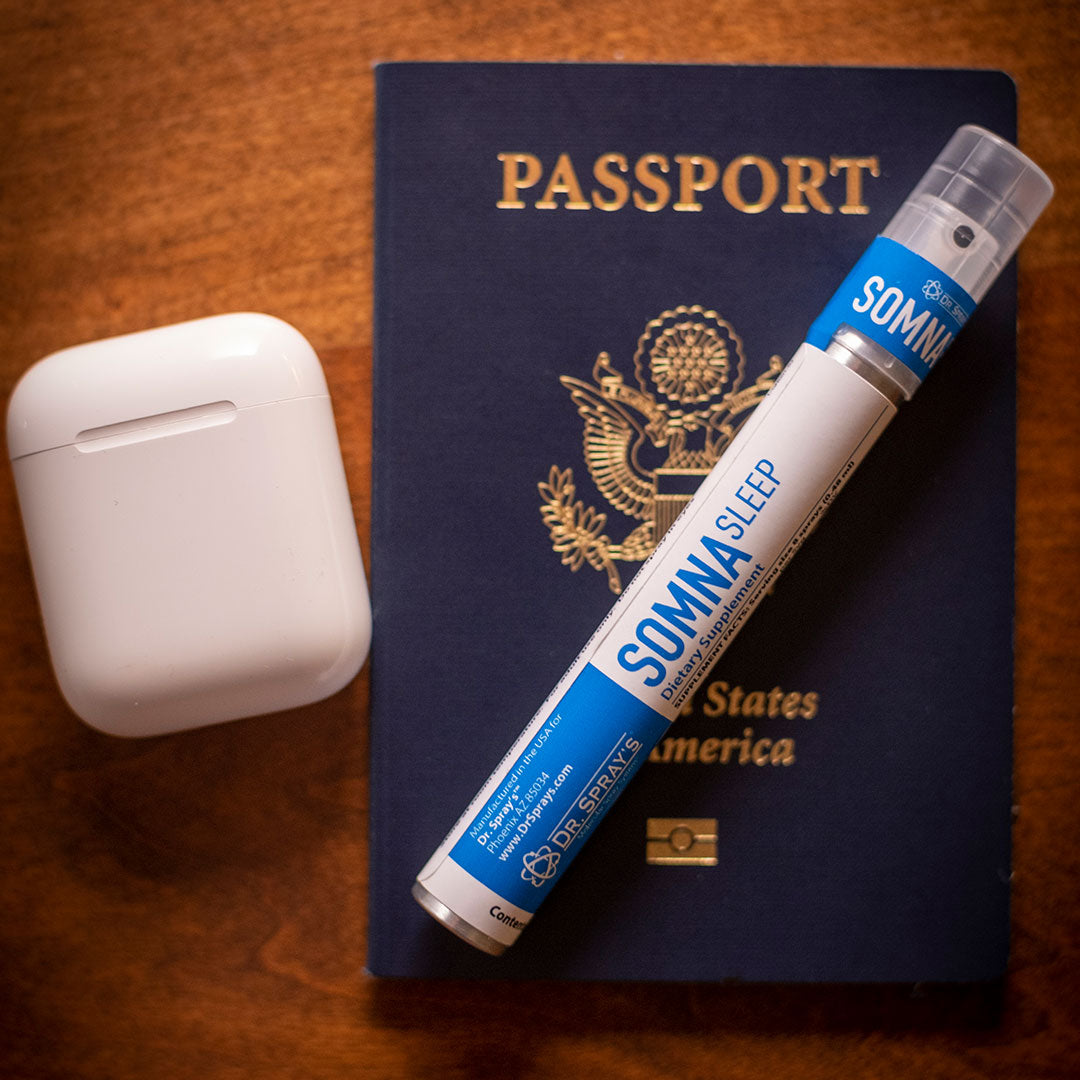
The convenience and fast action of vitamin spray products make them ideal for travel. A melatonin-based sleep spray can help reset your circadian rhythm when crossing time zones, minimizing jet lag symptoms.
Shift Workers with Irregular Schedules
People working non-traditional hours need to sleep when their body naturally wants to be awake. Sleep sprays can help signal to your body that it's time to rest, even when the sun is shining.
Older Adults with Declining Melatonin Production
Natural melatonin production decreases with age, which is one reason why sleep problems become more common as we get older. Supplementing with a quality sleep spray can help restore more youthful sleep patterns.
People Who Struggle with Pills
Whether due to difficulty swallowing, gag reflexes, or digestive sensitivity, many people find traditional supplements challenging. Spray delivery eliminates these barriers while actually improving absorption.
Choosing an Effective Sleep Spray: What to Look For
Not all sleep sprays are created equal. The supplement industry is largely unregulated, allowing low-quality products to make exaggerated claims. Here's what to look for when evaluating options:
Manufacturing Quality and Certification
Look for products manufactured in FDA-registered facilities with GMP (Good Manufacturing Practice) certification. These designations indicate that the manufacturer follows strict quality control procedures and that products are tested for purity and potency.
Products made in Phoenix, Arizona and other U.S. facilities are subject to more rigorous oversight than many international manufacturers, providing greater assurance of quality.
Doctor-Developed Formulations
Sleep sprays developed by medical professionals are more likely to contain clinically effective doses of ingredients in ratios that work synergistically. Look for products that clearly state physician involvement in formulation.
Appropriate Ingredient Doses
Effective sleep sprays typically contain:
- Melatonin: 1-5mg per dose
- L-Theanine: 100-200mg
- Magnesium: 100-200mg
- Vitamin B12: Supporting amounts for nervous system health
Be wary of products with excessively high doses or those that don't clearly list ingredient amounts.
Absence of Unnecessary Additives
Quality formulations focus on active ingredients without excess fillers, artificial colors, or high amounts of sugar. While some flavoring is necessary for palatability, the ingredient list should be relatively clean and straightforward.
Positive User Reviews and Transparency
While individual experiences vary, patterns in user reviews can indicate a product's effectiveness. Look for companies that are transparent about their formulations, manufacturing processes, and research backing their products.
How to Use Sleep Spray for Best Results
Even the highest-quality sleep spray won't work optimally if not used correctly. Follow these guidelines to maximize effectiveness:
Timing is Critical
Spray 15-30 minutes before your intended bedtime. This allows time for absorption and for the ingredients to begin working. Because oral spray vitamins act faster than pills, you don't need the hour-long lead time required for traditional supplements.
Proper Spray Technique
Spray directly under your tongue or against the inside of your cheeks. Hold the liquid in your mouth for 15-30 seconds before swallowing to maximize sublingual absorption. Avoid eating or drinking immediately after spraying.
Consistency Matters
For best results, use your sleep spray consistently for at least 2-4 weeks. While you may notice effects the first night, optimal results come from supporting your body's natural sleep rhythms over time.
Create a Sleep-Conducive Environment
Sleep sprays work best as part of good sleep hygiene. Combine your spray with other healthy sleep practices:
- Keep your bedroom cool (65-68°F)
- Eliminate light sources, especially blue light from screens
- Establish a consistent bedtime routine
- Avoid caffeine after 2 PM
- Exercise regularly, but not within 3 hours of bedtime
Start with the Minimum Effective Dose
Begin with one spray and assess how you feel. You can gradually increase if needed, but many people find that less is more when it comes to sleep support. Taking too much melatonin can actually disrupt sleep or cause grogginess the next day.
Supporting Your Sleep with Other Vitamin Sprays
Sleep doesn't happen in isolation—it's influenced by your overall nutritional status and health. Several other spray supplements can complement a sleep spray for more comprehensive support.
Vitamin D3 for Circadian Rhythm Support
As mentioned earlier, vitamin D plays a crucial role in sleep regulation. If you live in northern climates, work indoors, or have limited sun exposure, a vitamin D3 spray can help maintain optimal levels year-round. Take D3 in the morning to support your natural wake cycle.
B12 for Energy Balance
Proper sleep isn't just about falling asleep at night—it's also about having sustained energy during the day. A vitamin B12 spray taken in the morning supports healthy energy metabolism, which in turn promotes better sleep-wake balance. B12 deficiency can cause both daytime fatigue and nighttime sleep disturbances.
Vitamin C and Zinc for Stress Management
Chronic stress is one of the most common causes of poor sleep. Vitamin C and zinc support healthy stress responses and immune function, both of which influence sleep quality. A C+Zinc spray provides immune support that indirectly benefits sleep.
Potential Side Effects and Considerations
Sleep sprays containing natural ingredients like melatonin are generally well-tolerated, but it's important to be aware of potential considerations:
Common Side Effects
Most people experience no side effects from quality sleep sprays. When side effects do occur, they're typically mild and may include:
- Daytime drowsiness (usually from taking too much or too late at night)
- Vivid dreams
- Mild headache
- Temporary dizziness
These effects often resolve as your body adjusts or when you reduce your dose.
Who Should Consult a Doctor First
While sleep sprays are available without a prescription, certain groups should consult with a healthcare provider before use:
- Pregnant or nursing women
- People taking prescription medications, especially sedatives or blood pressure medications
- Individuals with autoimmune disorders
- Those with severe, chronic insomnia requiring medical evaluation
- People with liver or kidney disease
Not a Substitute for Treating Underlying Conditions
If you have severe, persistent sleep problems lasting more than a few weeks, consult a healthcare provider. Sleep disorders like sleep apnea, restless leg syndrome, or narcolepsy require medical diagnosis and treatment. Sleep sprays can support better sleep but aren't appropriate as the sole treatment for serious sleep disorders.
The DrSprays Approach to Sleep Support
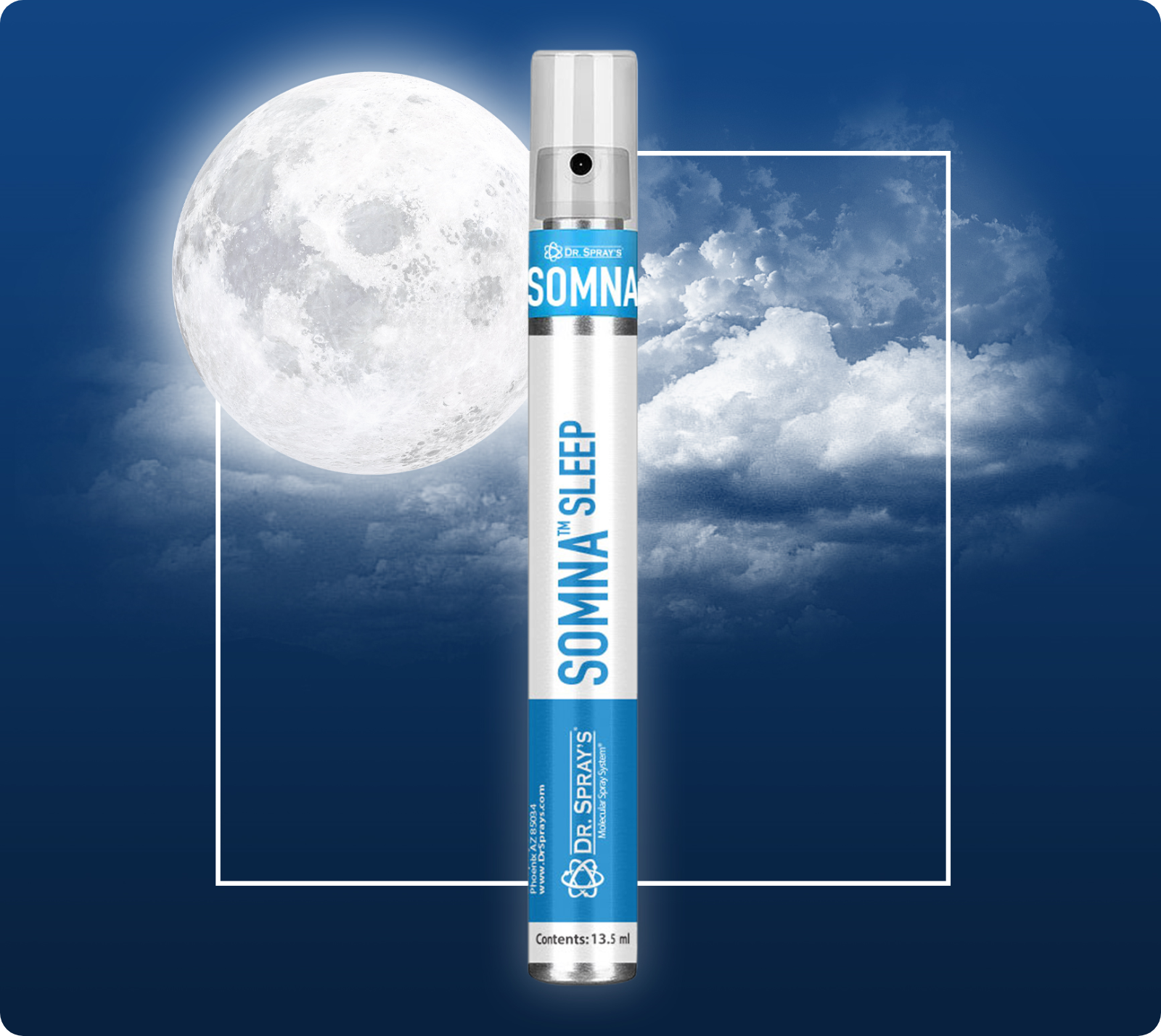
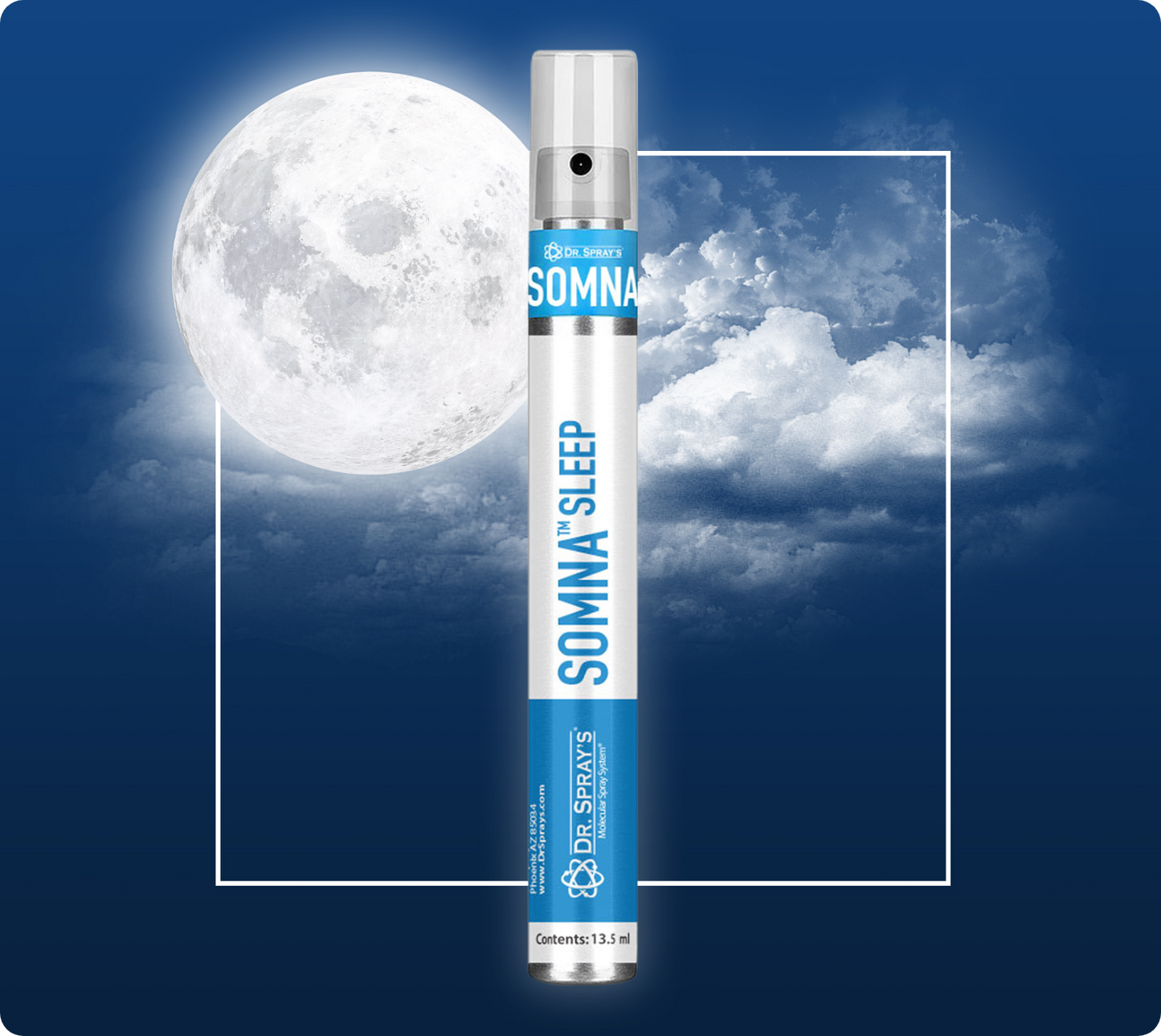
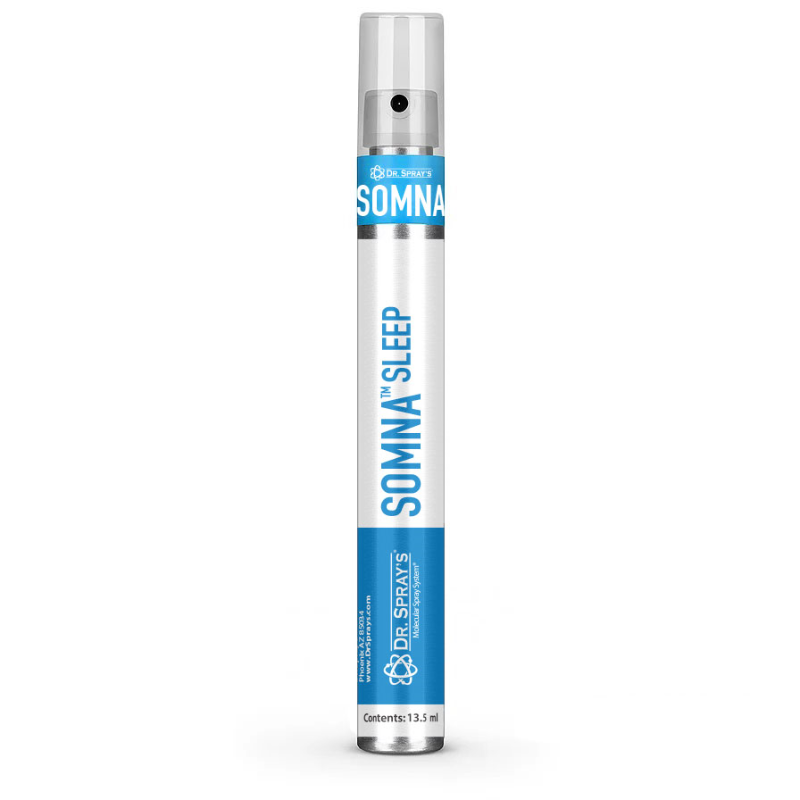
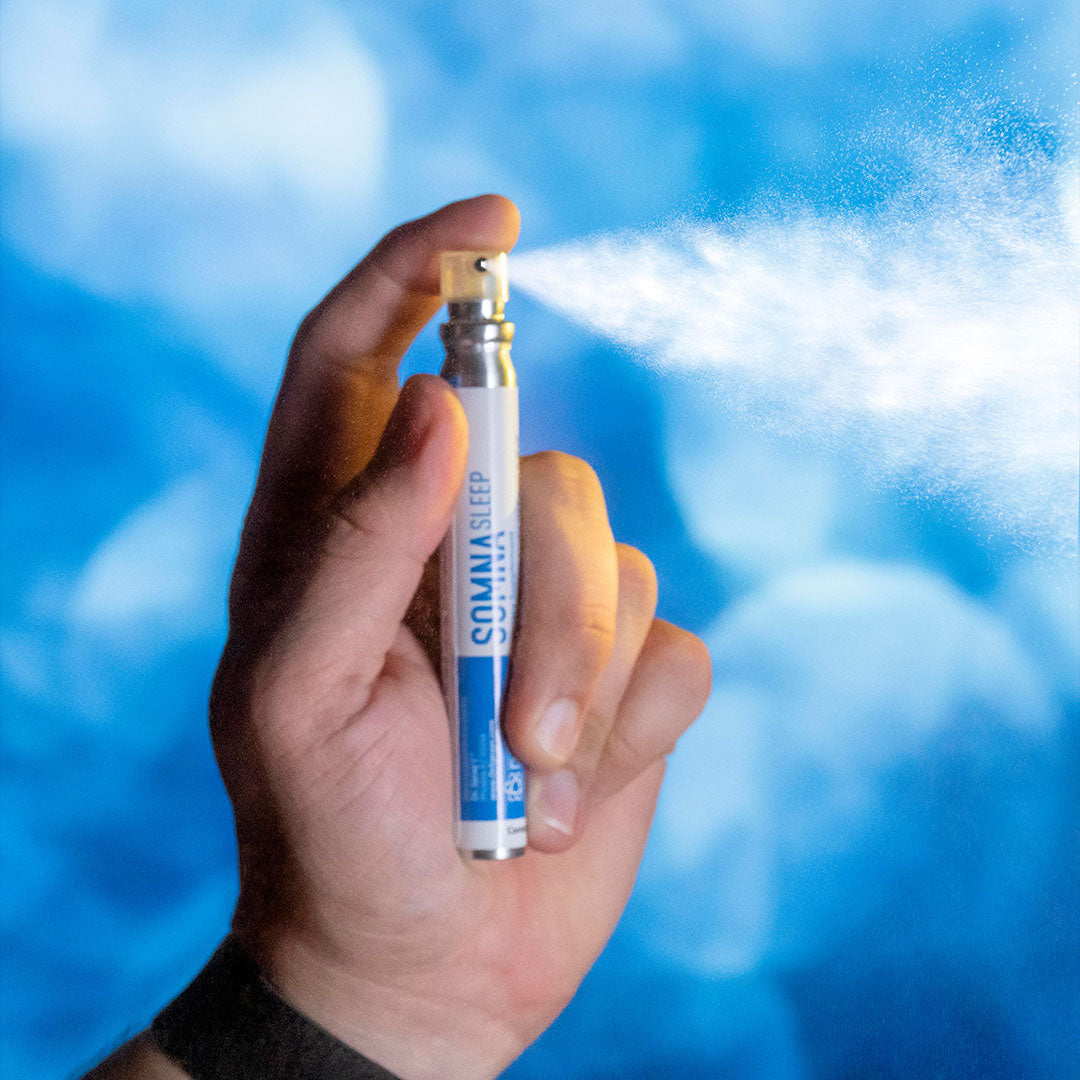
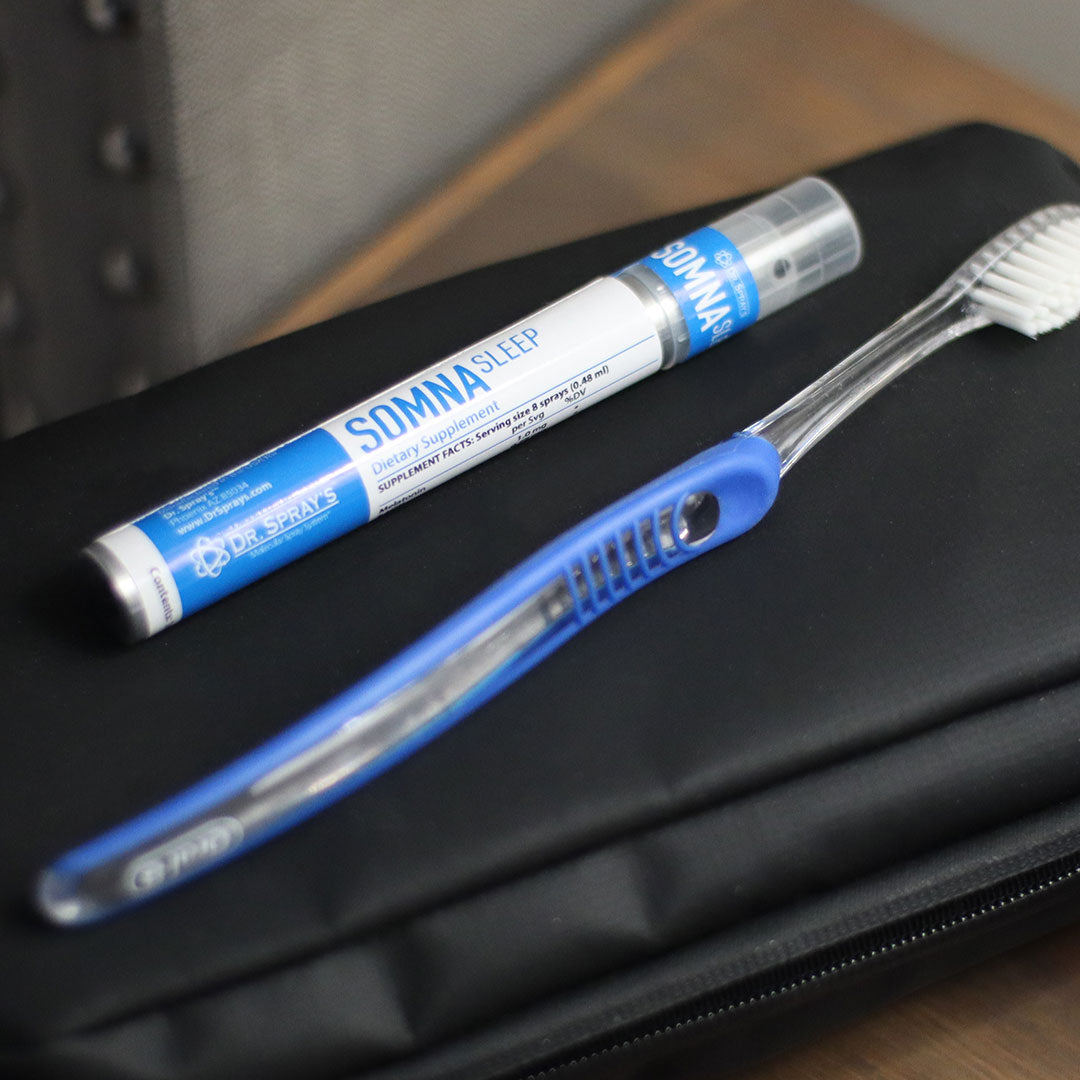
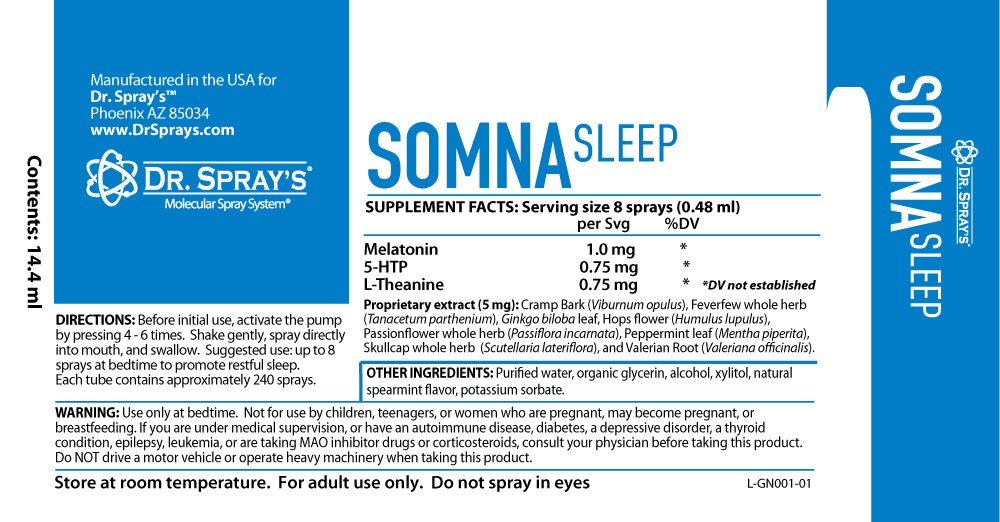
At DrSprays, our Somna Sleep spray was developed by physicians specifically to address the limitations of traditional sleep supplements. Manufactured in our FDA-registered, GMP-certified facility in Phoenix, Arizona, our sleep spray combines melatonin with complementary ingredients in precisely measured doses.
Our spray technology achieves up to 90% absorption, meaning your body actually uses the ingredients rather than eliminating them during digestion. This higher bioavailability allows for lower doses of active ingredients while achieving better results—a more efficient, effective approach to sleep support.
Each batch undergoes rigorous testing for purity and potency, ensuring you receive a consistent, reliable product every time. We believe that quality sleep support should be convenient, effective, and backed by science—which is why we've invested in spray delivery technology and physician-developed formulations.
Frequently Asked Questions About Sleep Sprays
How quickly do sleep sprays work?
Most people feel the effects of a quality sleep spray within 15-30 minutes. The sublingual delivery method allows active ingredients to enter your bloodstream much faster than pills, which can take 45-60 minutes or longer to take effect.
Can I use a sleep spray every night?
Sleep sprays containing melatonin and natural ingredients are generally safe for nightly use. However, it's good practice to periodically assess whether you still need supplementation and to address any underlying sleep issues. For best results, use sleep sprays as part of a comprehensive approach to healthy sleep habits.
Will I become dependent on a sleep spray?
Natural sleep sprays containing melatonin and botanical ingredients don't cause physical dependence the way prescription sleep medications can. However, some people may develop a psychological reliance on any sleep aid. Taking occasional breaks can help ensure you're not becoming psychologically dependent.
How is a sleep spray different from a vitamin B12 spray or vitamin D3 spray?
The delivery technology is the same—all oral spray vitamins use sublingual or buccal absorption for enhanced bioavailability. The difference is in the formulation: sleep sprays contain ingredients specifically chosen to promote sleep (melatonin, L-Theanine, etc.), while B12 sprays and D3 sprays deliver specific vitamins for energy and immune support, respectively.
Can I use a sleep spray if I'm taking other medications?
Many people safely use sleep sprays alongside other medications, but you should always consult your healthcare provider first. Melatonin can interact with blood thinners, blood pressure medications, diabetes medications, and immunosuppressants. Your doctor can advise on potential interactions specific to your situation.
What makes one sleep spray better than another?
Quality varies significantly among sleep sprays. Look for products that are: manufactured in FDA-registered, GMP-certified facilities; developed by medical professionals; formulated with clinically effective doses; transparent about ingredients; and backed by positive user experiences. Manufacturing location also matters—products made in the USA, such as those produced in Phoenix, Arizona, are generally subject to stricter quality standards.
How long can I expect a bottle of sleep spray to last?
This depends on the bottle size and your nightly dose. Most sleep sprays contain 30-60 servings, providing one to two months of nightly use. Always check the serving size and number of servings per container when comparing products.
Are sleep sprays safe for children?
While some sleep sprays may be appropriate for older children and teenagers, you should always consult a pediatrician before giving any sleep supplement to a child. Dosing requirements differ significantly, and underlying sleep issues in children should be evaluated by a healthcare professional.
Can sleep sprays help with jet lag?
Yes, sleep sprays containing melatonin are particularly effective for managing jet lag. Melatonin helps reset your circadian rhythm when traveling across time zones. Take the spray at your destination's bedtime for the first few nights to help your body adjust more quickly to the new schedule.
Do I need to refrigerate my sleep spray?
Most sleep sprays don't require refrigeration and should be stored at room temperature away from direct sunlight and heat. Always check the specific storage instructions on your product, as formulations vary.
Final Thoughts: Do Sleep Sprays Actually Work?
The evidence strongly suggests that yes, quality sleep sprays do work—particularly when they're properly formulated, manufactured to high standards, and used correctly as part of healthy sleep habits.
The sublingual delivery method offers real advantages over traditional pills: faster absorption, higher bioavailability, and greater convenience. When combined with clinically effective ingredients like melatonin, L-Theanine, magnesium, and supporting nutrients, sleep sprays can significantly improve sleep onset and quality.
However, effectiveness depends on choosing a high-quality product from a reputable manufacturer. Look for doctor-developed formulations produced in FDA-registered, GMP-certified facilities with transparent ingredient lists and appropriate dosing.
Sleep sprays aren't magic bullets—they work best when combined with good sleep hygiene, stress management, and attention to overall health. But for many people struggling with occasional sleep difficulties, they offer an effective, convenient, and low-risk solution that actually delivers on its promises.
If you've been wondering whether sleep sprays are worth trying, the answer is likely yes—especially if you choose a quality product backed by science and manufactured to the highest standards. The spray delivery technology represents a genuine advancement in supplement absorption, making it easier than ever to get the sleep support you need.
Experience the DrSprays Difference
Ready to discover how effective oral spray vitamins can be? Our doctor-developed formulations are manufactured in our FDA-registered, GMP-certified facility in Phoenix, Arizona, ensuring the highest quality and up to 90% absorption.
Explore our complete line of vitamin sprays:
- Somna Sleep Spray - Fall asleep faster and wake refreshed
- Vitamin B12 Spray - Support energy and daytime vitality
- Vitamin D3 Spray - Boost immune health and mood
- View All Products - Find the right spray for your health goals