If you've been struggling with sleep quality and considering a sleeping mist or spray supplement, you're not alone. Millions of Americans search for natural sleep aids every year, and the rise of oral spray vitamins has introduced a new delivery method that promises faster, more effective results than traditional pills.
But does sleeping mist actually work? And how does it compare to other spray supplements available on the market? In this comprehensive guide, we'll examine the science behind sleep sprays, what ingredients make them effective, and how proper absorption can make all the difference in your nighttime routine.
Understanding Sleep Mists and Oral Spray Technology
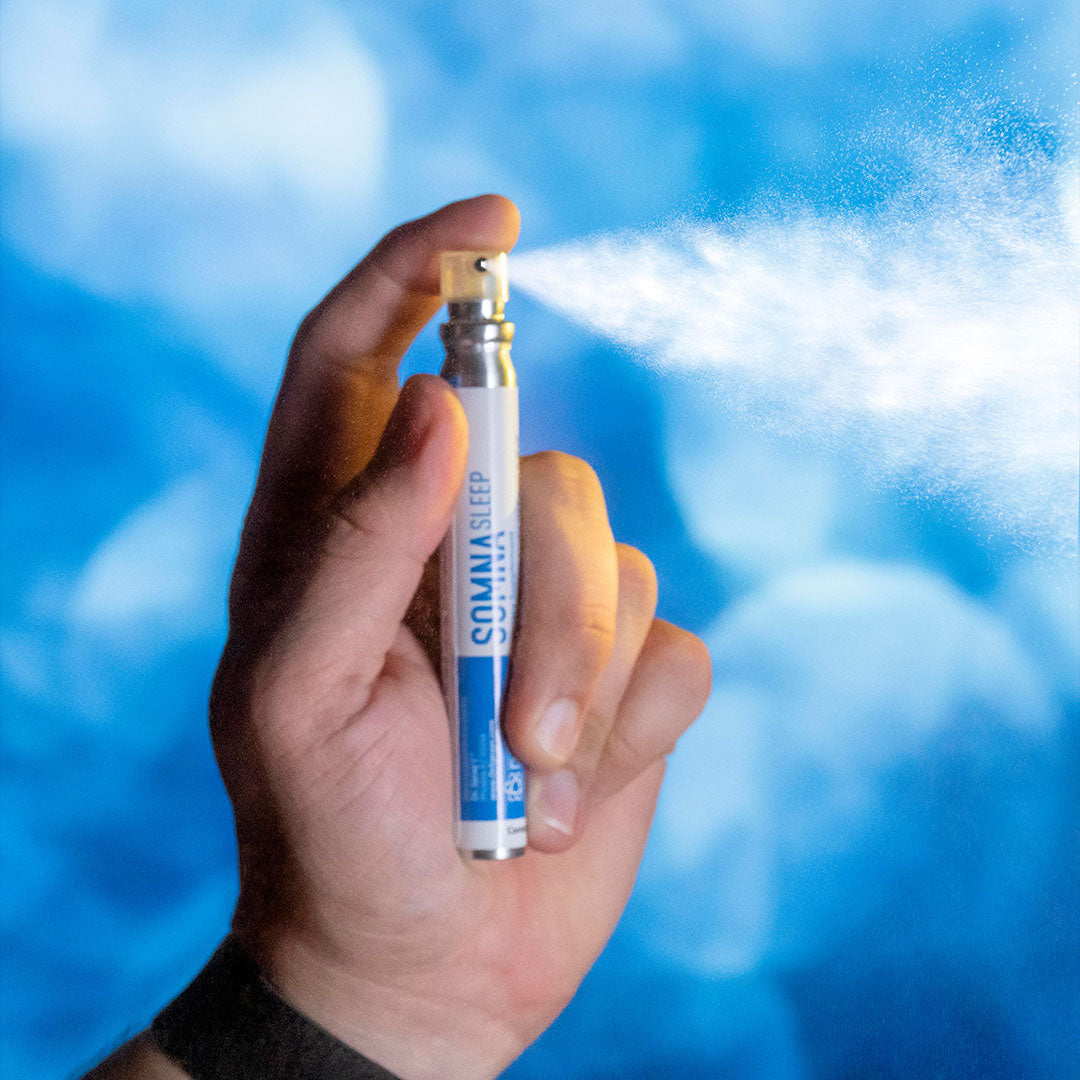
Sleep mists, also called sleep sprays or somna sprays, are oral spray vitamins designed to deliver sleep-supporting ingredients directly into your bloodstream through the mucous membranes in your mouth. Unlike traditional capsules or tablets that must pass through your digestive system, spray supplements utilize sublingual and buccal absorption for faster delivery.
The technology behind effective sleep sprays isn't just about convenience—it's about bioavailability. Traditional sleep supplements in pill form typically have absorption rates between 10-20%, meaning your body only uses a fraction of what you consume. Quality vitamin sprays, however, can achieve absorption rates as high as 90% when properly formulated.
How Sleep Sprays Differ From Pills
The delivery mechanism matters significantly when it comes to sleep support. Here's why:
- Speed of action: Oral sprays bypass first-pass metabolism in the liver, allowing ingredients to enter your bloodstream within minutes rather than the 30-60 minutes required for pills
- Higher absorption: The mucous membranes in your mouth are highly permeable, allowing for superior nutrient uptake
- Precise dosing: Each spray delivers a measured amount, making it easier to adjust your intake
- Easier to use: No water needed, no pills to swallow—particularly helpful for those taking supplements before bed
Key Ingredients That Make Sleep Mists Effective
The effectiveness of any sleeping mist depends entirely on its formulation. Not all sleep sprays are created equal, and understanding what ingredients actually support healthy sleep can help you make an informed choice.
Melatonin: The Sleep Hormone
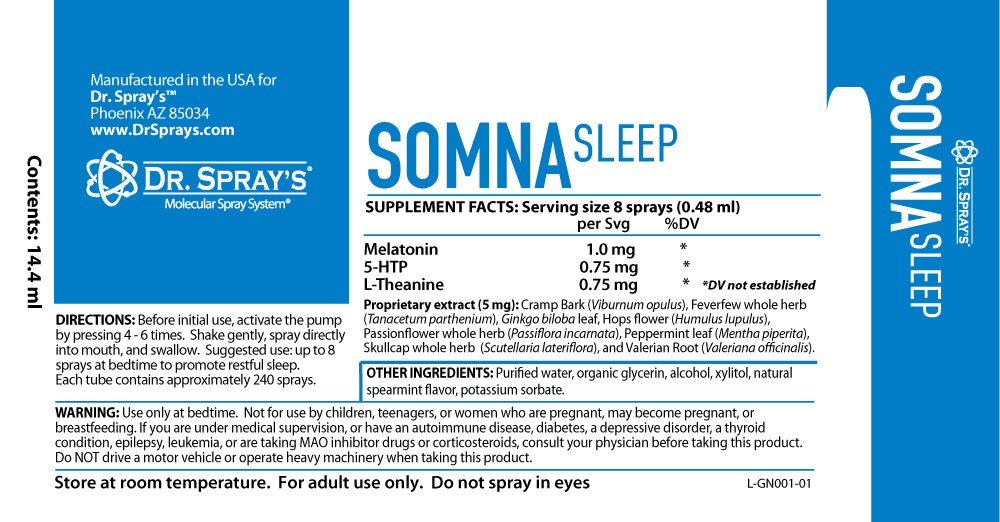
Melatonin is perhaps the most well-known sleep supplement ingredient. Your body naturally produces this hormone in response to darkness, signaling that it's time to sleep. Research published in the Journal of Clinical Sleep Medicine indicates that supplemental melatonin can help reduce sleep onset latency—the time it takes you to fall asleep—by an average of 7 minutes.
In spray form, melatonin can begin working even faster because it enters your bloodstream more quickly than pill-based alternatives. This is particularly beneficial for sleep support because timing matters when trying to align with your natural circadian rhythm.
L-Theanine: Calm Without Drowsiness
L-theanine, an amino acid primarily found in tea leaves, promotes relaxation without sedation. Studies show it increases alpha brain wave activity, which is associated with a state of "wakeful relaxation." When combined with other sleep-supporting ingredients in a spray supplement formula, L-theanine can help ease the transition from wakefulness to sleep.
GABA: The Calming Neurotransmitter
Gamma-aminobutyric acid (GABA) is your brain's primary inhibitory neurotransmitter, essentially acting as a brake on neural activity. Research suggests that GABA supplementation may help reduce the time it takes to fall asleep and improve overall sleep quality by promoting a sense of calm.
Magnesium: The Relaxation Mineral
Magnesium deficiency is surprisingly common and can contribute to sleep difficulties. This essential mineral plays a role in regulating neurotransmitters that promote sleep and helps maintain healthy GABA levels. In spray form, magnesium can be absorbed more efficiently than many oral supplements, which often have poor bioavailability.
The Science of Absorption: Why Delivery Method Matters
When evaluating whether sleeping mists work, we must consider not just the ingredients but how effectively they're delivered. The pharmaceutical industry has long recognized that bioavailability—the proportion of a substance that enters circulation and can have an active effect—is just as important as the dose itself.
Sublingual and Buccal Absorption Explained
Your mouth contains some of the most permeable tissue in your entire body. The sublingual area (under the tongue) and buccal region (inside the cheeks) feature thin epithelial layers with rich blood supply, making them ideal for rapid nutrient absorption.
When you use a quality oral spray vitamin, the microscopic droplets coat these tissues, allowing ingredients to pass directly into the capillaries beneath. This direct route means:
- Ingredients avoid degradation from stomach acid
- They bypass the first-pass effect in the liver that breaks down many compounds
- Peak concentration in the bloodstream occurs much faster
- More of the active ingredient remains bioavailable
For sleep supplements specifically, this faster absorption can be particularly advantageous. You can use your sleep spray 10-15 minutes before bed and experience effects right as you're ready to sleep, rather than taking a pill an hour before bedtime.
Manufacturing Quality and Effectiveness
Not all vitamin sprays are manufactured to the same standards. The effectiveness of a sleep mist depends heavily on proper formulation, particle size, and manufacturing practices. Products made in FDA-registered, GMP-certified facilities—like those manufactured in Phoenix, Arizona—must adhere to strict quality control standards that ensure consistency, purity, and potency.
Do Sleep Sprays Work? What the Research Says
The evidence for sleep mist effectiveness comes from two areas: research on the active ingredients themselves and studies on oral spray delivery systems.
Clinical Evidence for Sleep Ingredients
Multiple peer-reviewed studies support the use of ingredients commonly found in sleep sprays:
- A meta-analysis in PLOS ONE examining 19 studies found that melatonin significantly reduced sleep onset latency and increased total sleep time
- Research in Nutrients demonstrated that magnesium supplementation improved subjective measures of insomnia, including sleep efficiency and sleep time
- Studies on L-theanine published in the Journal of Clinical Psychiatry showed improvements in sleep quality without next-day drowsiness
Oral Spray Delivery Research
The pharmaceutical industry has extensively studied oral spray delivery for medications, and these findings apply to spray supplements as well. Research consistently shows that sublingual and buccal delivery offers several advantages:
- Higher bioavailability compared to oral tablets for many compounds
- Faster time to peak plasma concentration
- More consistent absorption across different individuals
- Reduced variability from food interactions or digestive issues
While specific studies on sleep spray products are limited, the combination of effective sleep-supporting ingredients delivered via a highly bioavailable method provides a strong theoretical and practical basis for effectiveness.
Comparing Sleep Sprays to Other Sleep Support Options
To truly understand whether sleeping mists work, it helps to compare them to alternative sleep support methods.
Sleep Sprays vs. Traditional Supplements
Traditional pill-based sleep supplements face several challenges:
- Lower absorption: Capsules and tablets typically have bioavailability rates of 10-20%
- Slower action: Pills require 30-60 minutes to dissolve and be absorbed
- Digestive interference: Stomach contents, pH levels, and digestive health all affect absorption
- Inconvenience: Requires water and swallowing, which some find disruptive before bed
Quality oral spray vitamins address each of these limitations with superior absorption rates, faster onset, and greater convenience.
Sleep Sprays vs. Prescription Sleep Medications
Prescription sleep medications work through different mechanisms and come with their own considerations:
- Dependency risk: Many prescription sleep aids can lead to tolerance and dependence
- Side effects: Morning grogginess, cognitive impairment, and complex sleep behaviors are potential concerns
- Cost: Prescription medications are typically more expensive, especially without insurance
Natural sleep sprays offer a gentler approach that works with your body's systems rather than overriding them, though they may not be appropriate for severe sleep disorders requiring medical intervention.
Maximizing the Effectiveness of Your Sleep Spray
Even the best-formulated sleeping mist works optimally when used correctly as part of comprehensive sleep hygiene practices.
Proper Application Technique
To get the most from your vitamin spray for sleep:
- Shake the bottle gently before use
- Spray directly under your tongue or along the inside of your cheeks
- Hold the liquid in your mouth for 20-30 seconds before swallowing
- Avoid eating or drinking for 10 minutes after application
- Use consistently at the same time each night, about 15-20 minutes before bed
Supporting Sleep Hygiene Practices
Sleep sprays work best when combined with healthy sleep habits:
- Maintain a consistent sleep schedule, even on weekends
- Create a dark, cool, quiet sleeping environment
- Limit screen time for at least an hour before bed
- Avoid caffeine after mid-afternoon
- Establish a relaxing pre-sleep routine
Timing and Consistency
Natural sleep support works best with consistent use. While some people notice improvements immediately, others may need to use a sleep spray regularly for several nights to experience full benefits. This is particularly true for ingredients like magnesium, which may need to build up to optimal levels in your system.
Complementary Supplements for Better Sleep
Sleep quality doesn't exist in isolation—your overall nutritional status affects how well you rest. Several other spray supplements can support the foundation for healthy sleep.
Vitamin B12 and Energy Regulation
It might seem counterintuitive, but adequate vitamin B12 plays a role in sleep quality. B12 helps regulate your circadian rhythm and supports the production of melatonin. Deficiency in B12 can lead to disturbed sleep patterns and daytime fatigue that paradoxically makes nighttime sleep more difficult.
A vitamin B12 spray taken in the morning can support healthy energy levels throughout the day, helping establish the natural rhythm of wakefulness during the day and sleepiness at night that's essential for quality rest.
Vitamin D3 and Sleep Architecture
Research has established connections between vitamin D status and sleep quality. Low vitamin D levels have been associated with shorter sleep duration, poor sleep quality, and daytime sleepiness. The vitamin D receptors in the brain areas that control sleep suggest this nutrient plays a direct role in sleep regulation.
Using a vitamin D3 spray can help maintain optimal levels, particularly during winter months or for those with limited sun exposure. The superior absorption of spray delivery ensures your body can utilize this fat-soluble vitamin effectively.
Multi-Vitamin Foundation
Overall nutritional adequacy supports every bodily system, including those governing sleep. A comprehensive vitamin spray multi-vitamin can fill nutritional gaps that might otherwise interfere with optimal sleep quality.
Who Can Benefit Most from Sleep Mists?
While many people can benefit from sleep spray supplements, certain groups may find them particularly helpful:
- Shift workers: Those with irregular schedules who need to adjust their sleep timing
- Travelers: People dealing with jet lag or sleeping in unfamiliar environments
- Older adults: Natural melatonin production decreases with age, and many seniors struggle with pill swallowing
- Stress-related sleep issues: Those whose sleep difficulties stem from anxiety or an overactive mind
- People with digestive issues: Those who have trouble absorbing nutrients from pills due to digestive conditions
Safety Considerations and Potential Side Effects
Natural sleep sprays are generally well-tolerated, but it's important to use them responsibly.
Common Side Effects
Most people tolerate sleep sprays without issues, but some may experience:
- Morning grogginess if used too late at night or in excessive amounts
- Vivid dreams (particularly with melatonin)
- Mild digestive changes with certain ingredients
When to Consult a Healthcare Provider
Speak with your doctor before using sleep sprays if you:
- Are pregnant or nursing
- Take prescription medications, particularly sedatives or antidepressants
- Have an autoimmune condition
- Experience chronic insomnia lasting more than a month
- Have been diagnosed with sleep apnea or other sleep disorders
The Future of Sleep Support and Spray Technology
The market for oral spray vitamins continues to grow as consumers recognize the advantages of this delivery method. Innovations in formulation science are making spray supplements more effective, better-tasting, and more stable than ever before.
Research into chronobiology—the science of biological rhythms—continues to refine our understanding of sleep regulation, potentially leading to even more targeted sleep spray formulations in the future. Additionally, personalized nutrition approaches may eventually allow sleep sprays tailored to individual genetic profiles and specific sleep challenges.
Making an Informed Decision About Sleep Mists
So, does sleeping mist work? The evidence suggests that yes, properly formulated sleep sprays can be an effective tool for supporting healthy sleep patterns. The combination of proven sleep-supporting ingredients delivered via a highly bioavailable oral spray method offers advantages over traditional pill supplements in terms of absorption, speed of action, and convenience.
However, effectiveness depends on several factors:
- Quality of formulation: Look for products manufactured in FDA-registered, GMP-certified facilities with transparent ingredient lists
- Appropriate ingredients: Choose sprays with clinically-studied sleep-supporting compounds
- Proper use: Follow application instructions and use consistently
- Comprehensive approach: Combine sleep sprays with good sleep hygiene practices
When these elements come together, sleep mists can be a valuable addition to your nighttime routine, helping you fall asleep faster and wake refreshed.
Frequently Asked Questions About Sleep Mists
How quickly do sleep sprays start working?
Due to the rapid absorption through oral mucosa, sleep sprays typically begin working within 10-20 minutes. This is significantly faster than pills, which require 30-60 minutes. For best results, use your sleep spray about 15 minutes before you plan to go to bed.
Can I use sleep spray every night?
Most natural sleep sprays are safe for nightly use when used as directed. However, it's wise to periodically assess whether you still need them. Some people find that after establishing better sleep patterns with consistent use, they can reduce frequency or use the spray only as needed.
Will I build tolerance to sleep sprays?
Natural sleep ingredients like melatonin, L-theanine, and magnesium typically don't cause the same tolerance issues as prescription sleep medications. That said, your body may adapt over time. Taking occasional breaks or rotating different sleep support approaches can help maintain effectiveness.
Can I use sleep spray if I take other supplements?
Generally, yes. Sleep sprays can typically be used alongside other spray supplements like vitamin B12 spray, vitamin D3 spray, or multi-vitamin formulas. However, check the ingredients to avoid excessive intake of any single nutrient, and consult your healthcare provider if you're taking prescription medications.
What's the difference between sleep sprays and melatonin pills?
The primary differences are absorption rate and bioavailability. Sleep sprays deliver ingredients directly into your bloodstream through the mouth's mucous membranes, achieving absorption rates up to 90% compared to 10-20% for pills. This means sleep sprays work faster and you need less of the active ingredient for the same effect.
Are there any ingredients I should avoid in sleep sprays?
Look for products free from unnecessary artificial colors, flavors, and preservatives. Avoid products with proprietary blends that don't disclose ingredient amounts. High-quality sleep sprays should have transparent labeling and be manufactured in certified facilities in locations like Phoenix, Arizona where manufacturing standards are rigorously enforced.
Can sleep sprays help with jet lag?
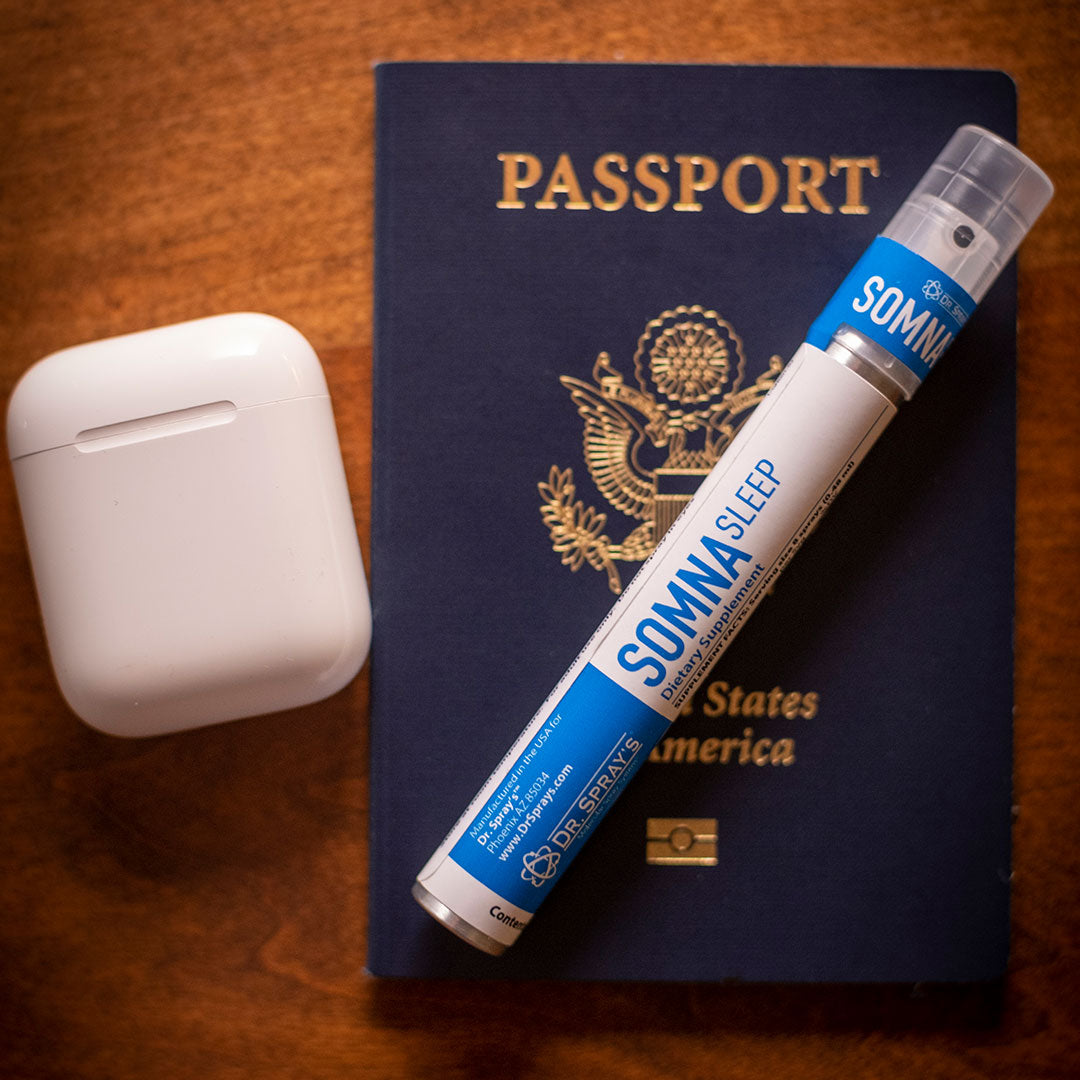
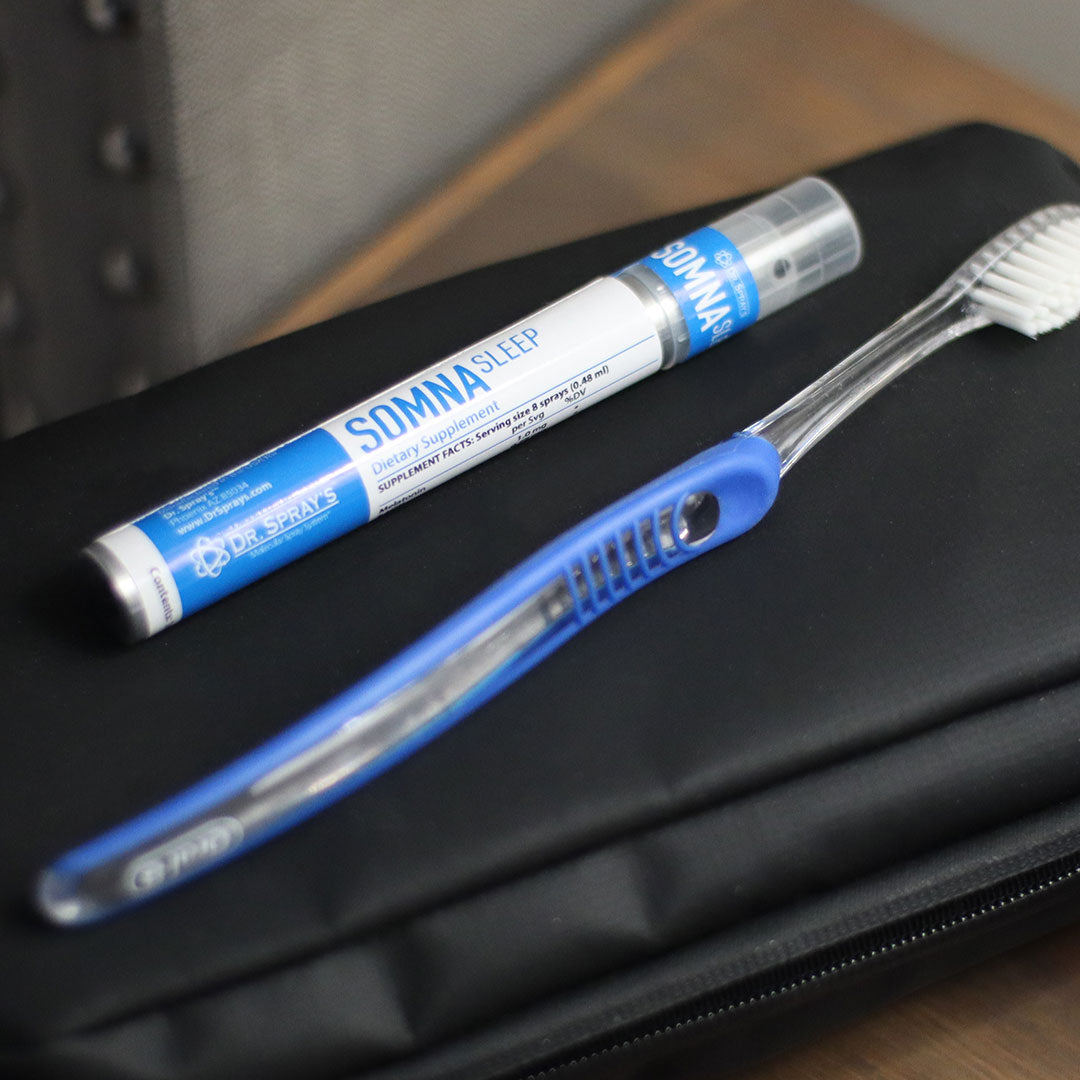
Yes, sleep sprays containing melatonin can be particularly helpful for jet lag. Melatonin helps reset your circadian rhythm to match your new time zone. The fast-acting nature of spray delivery makes it ideal for travel use, and the portable format means you can easily pack it in carry-on luggage.
How long does a bottle of sleep spray typically last?
This depends on the bottle size and recommended dosage. Most sleep sprays contain 30-60 servings per bottle, meaning one bottle typically lasts one to two months with nightly use. The precise dosing of spray delivery means you're not wasting product, unlike pills where you can't adjust the amount.
Do I need to refrigerate my sleep spray?
Most quality sleep sprays don't require refrigeration due to proper formulation and preservative systems. However, storing them in a cool, dry place away from direct sunlight helps maintain potency and extends shelf life. Always check the product label for specific storage instructions.
What should I do if my sleep spray isn't working?
First, ensure you're using it correctly—holding it in your mouth before swallowing and avoiding food or drink immediately after. Give it at least a week of consistent use, as some ingredients work better cumulatively. Also evaluate your sleep hygiene practices, as supplements work best alongside healthy sleep habits. If problems persist beyond two weeks, consult a healthcare provider to rule out underlying sleep disorders.
About the Author
This article was developed by the research team at DrSprays, a Phoenix, Arizona-based company specializing in doctor-developed oral spray vitamins. Our products are manufactured in an FDA-registered, GMP-certified facility and feature up to 90% absorption rates. We're committed to providing evidence-based information to help you make informed decisions about your health and wellness.
Experience the DrSprays Difference
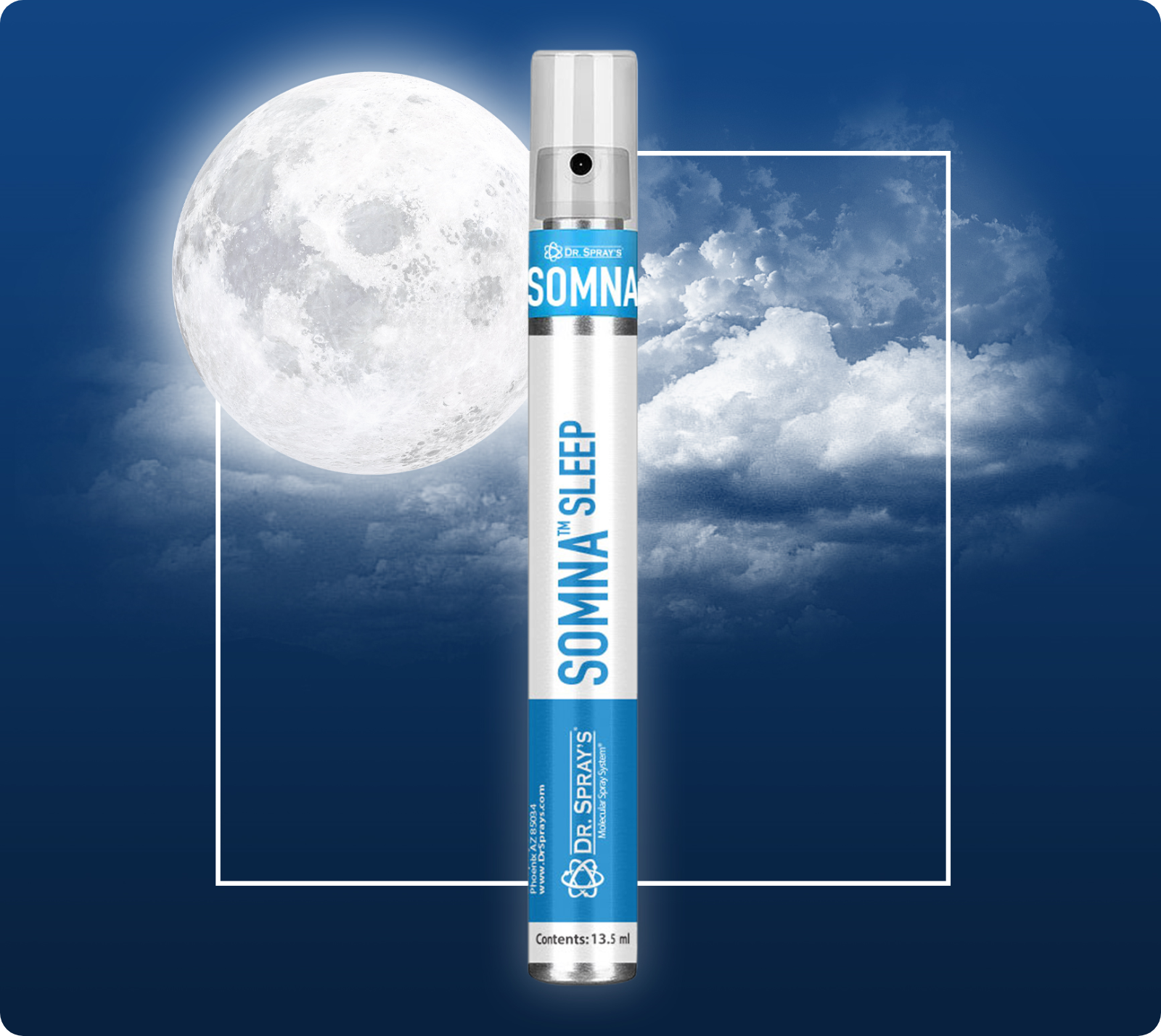
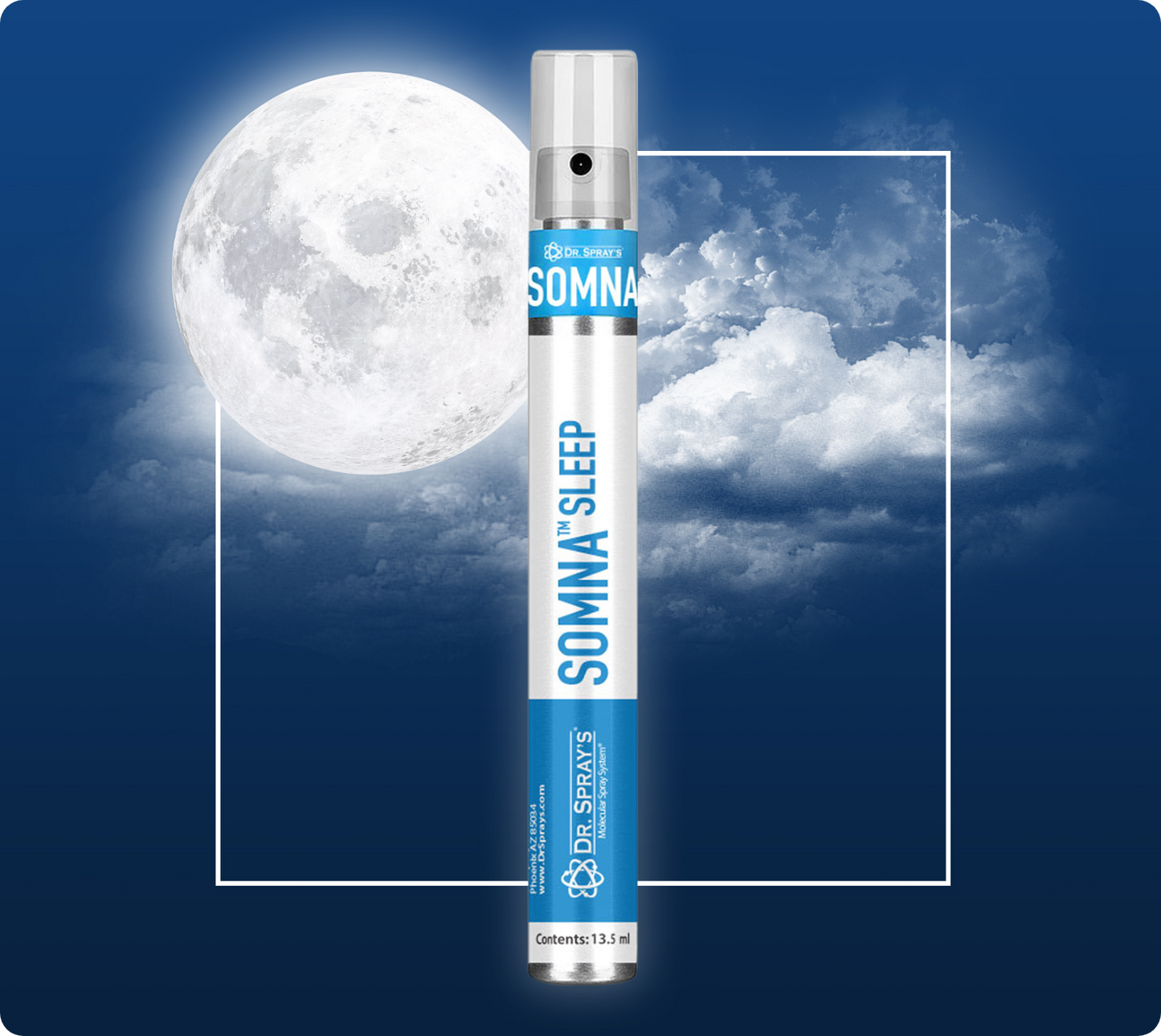
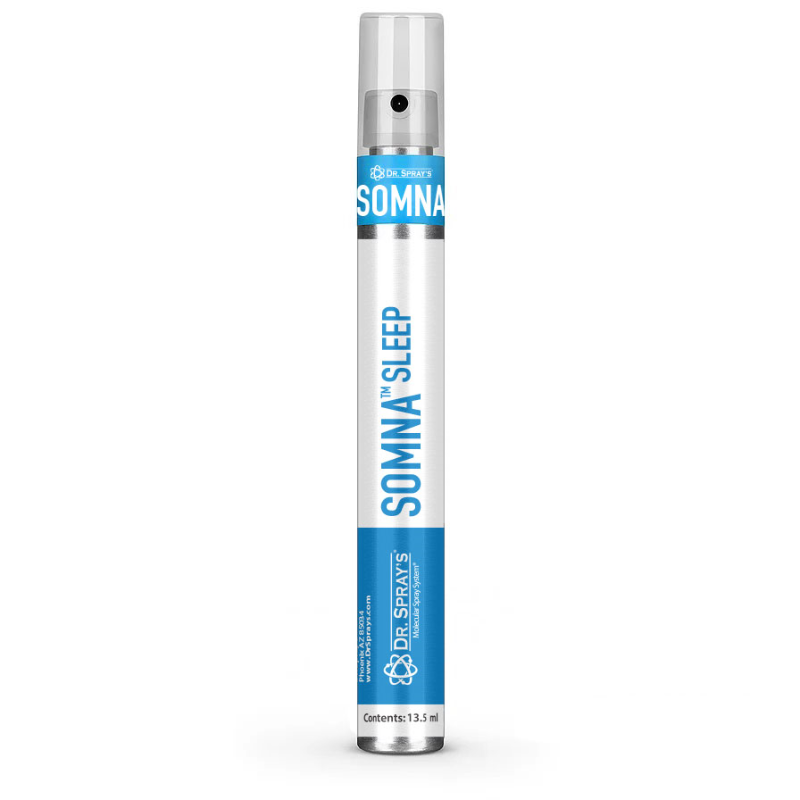
Ready to improve your sleep naturally with the superior absorption of oral spray technology? DrSprays Sleep/Somna formula combines proven sleep-supporting ingredients in a fast-acting, convenient spray format manufactured right here in Phoenix, Arizona in our FDA-registered, GMP-certified facility.
Our doctor-developed formulas achieve up to 90% absorption—that's up to 9 times more effective than traditional pills. Plus, every DrSprays product is backed by our commitment to quality, purity, and potency.
Explore our complete line of spray supplements:
- Sleep/Somna Spray for healthy sleep support
- B12 Spray for sustained energy and metabolism
- D3 Spray for immune and bone health
- Multi-Vitamin Spray for comprehensive daily nutrition
- C+Zinc Spray for immune support
- Ubiquinol Spray for heart and cellular health
- Meta-Boost Spray for metabolic support
Shop all DrSprays products and discover why thousands of health-conscious individuals are making the switch to spray supplements.