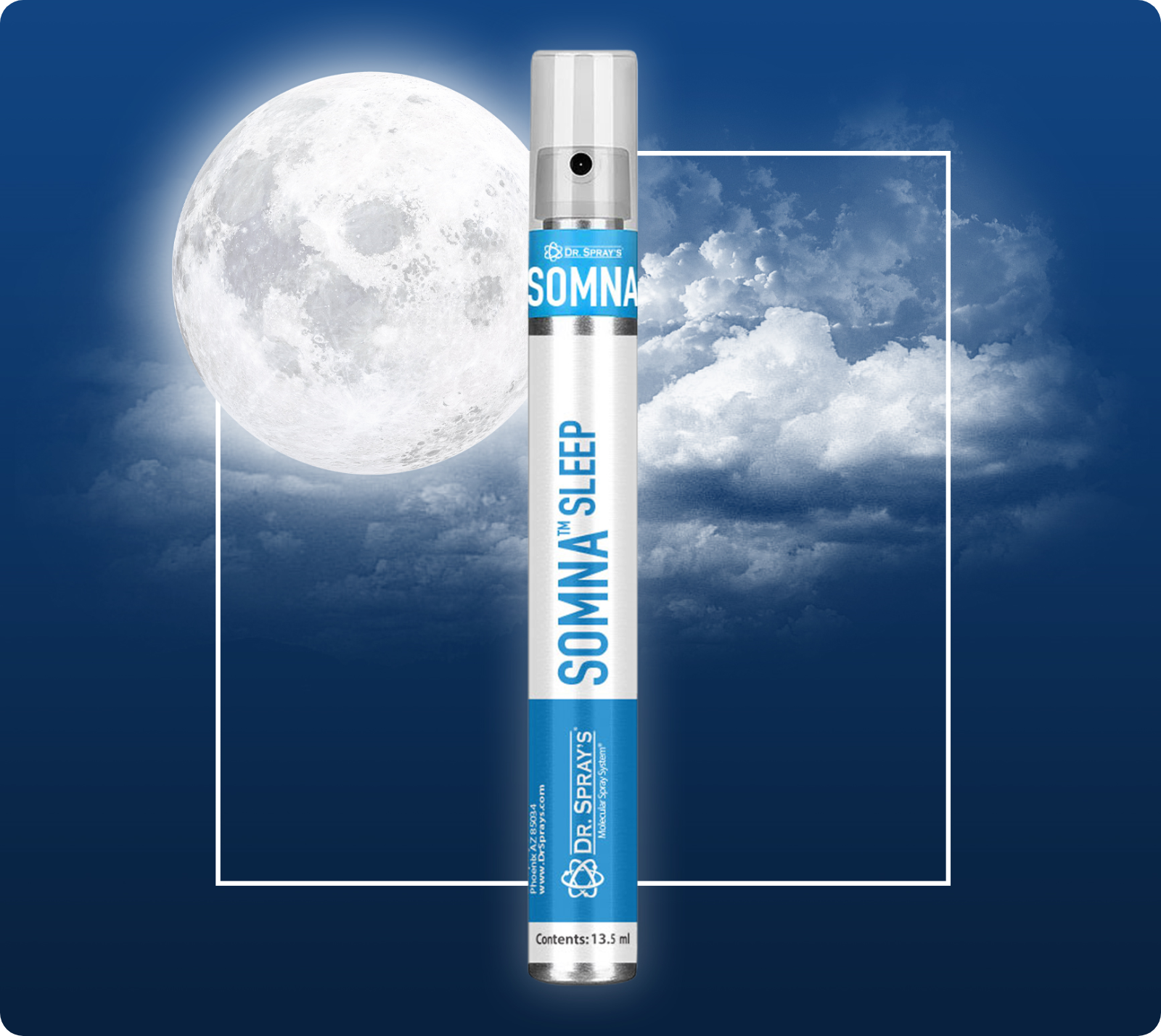
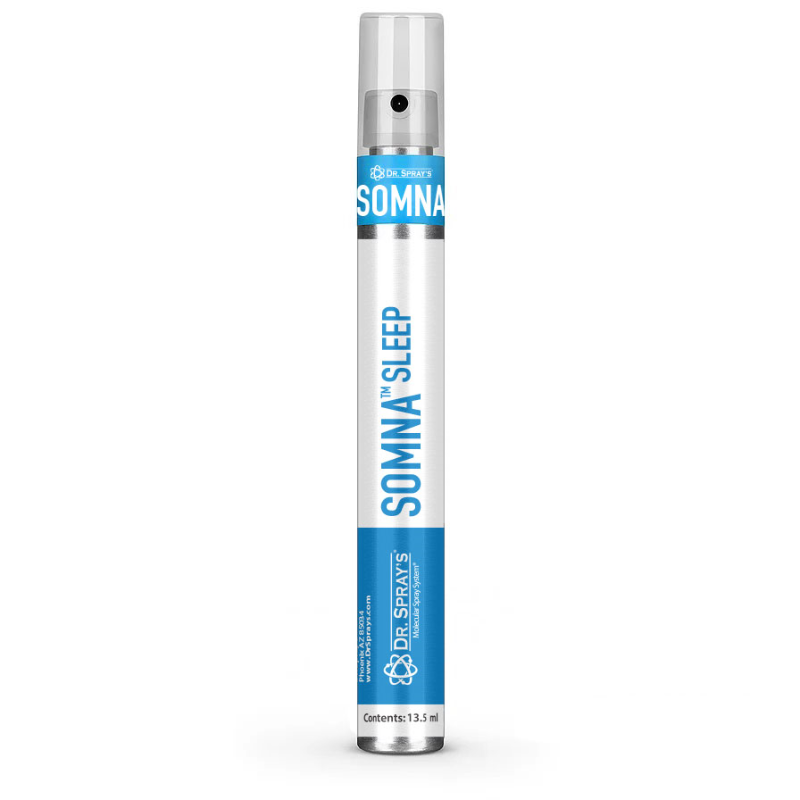
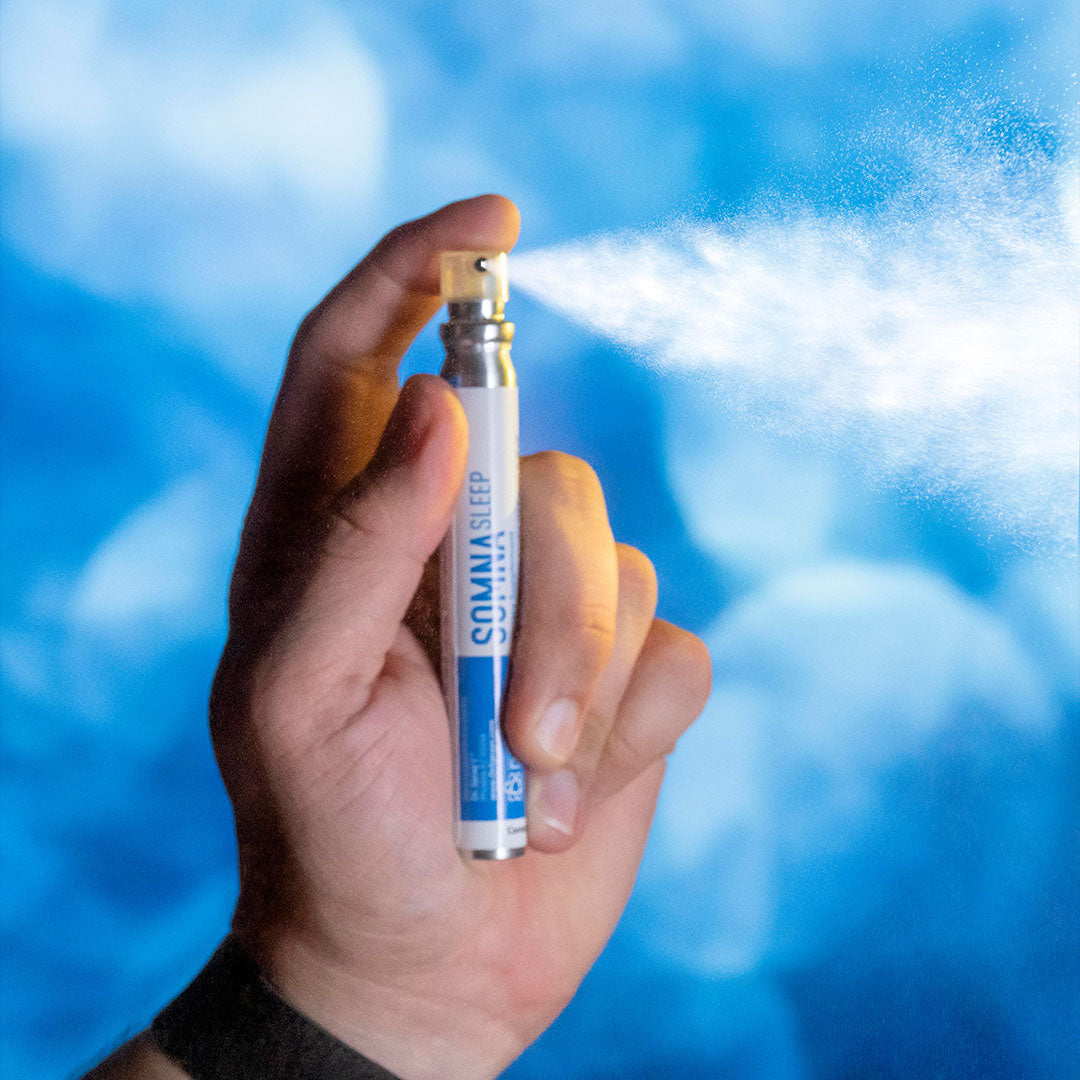
If you've struggled with occasional sleeplessness, you've likely explored various solutions—from melatonin gummies to prescription medications. But have you considered an oral spray supplement designed specifically for sleep support? Sleep sprays represent a growing category in the wellness industry, and understanding how they work can help you make an informed decision about whether they're right for you.
In this comprehensive guide, we'll explore the science behind sleep sprays, what ingredients make them effective, how they compare to traditional supplements, and what you should know before adding one to your nighttime routine.
What Is a Sleep Spray?
A sleep spray is an oral spray vitamin formulated with ingredients designed to support healthy sleep patterns and relaxation. Unlike pills or capsules that must pass through your digestive system, sleep sprays deliver nutrients and botanicals directly through the mucous membranes in your mouth, allowing for faster absorption into your bloodstream.
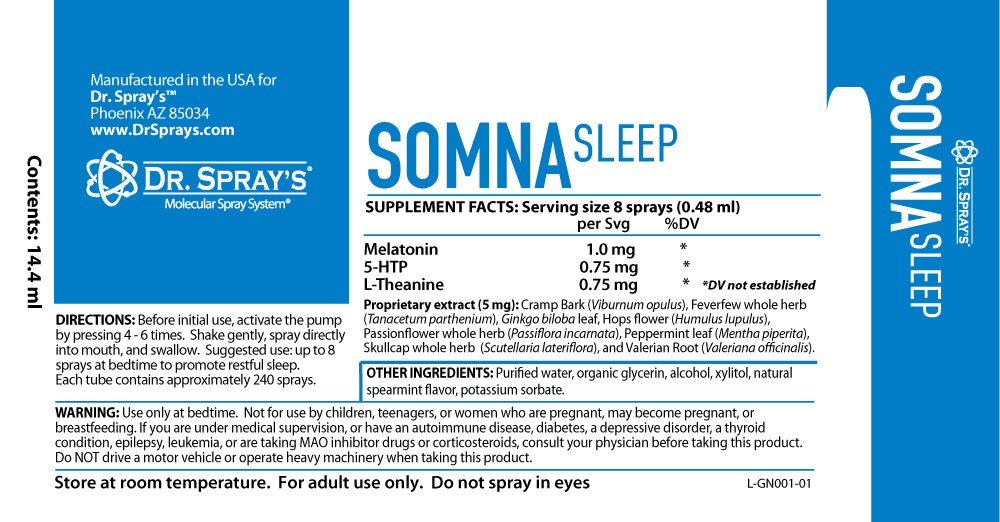
Sleep sprays typically contain a combination of research-backed ingredients including melatonin, magnesium, L-theanine, valerian root, passionflower, and other botanicals known for their calming properties. The spray format offers convenience and portability, making it easy to support your sleep routine whether you're at home or traveling.
How Sleep Sprays Differ from Traditional Sleep Supplements
The primary distinction between sleep sprays and conventional sleep supplements lies in their delivery mechanism. Traditional pills and capsules must navigate your digestive system, where stomach acid and digestive enzymes can degrade nutrients before they reach your bloodstream. This process, known as the "first-pass effect," can significantly reduce the bioavailability of active ingredients.
Oral spray vitamins bypass much of this digestive process through sublingual and buccal absorption—the spray is absorbed directly through the tissues under your tongue and inside your cheeks. This method can result in higher absorption rates, with some spray supplements achieving up to 90% absorption compared to traditional oral supplements.
The Science Behind Sleep Spray Effectiveness
The effectiveness of any sleep spray depends on two critical factors: the quality and dosage of its active ingredients, and how efficiently those ingredients are delivered to your system.
Absorption Technology
The mucous membranes in your mouth are rich with blood vessels close to the surface. When you spray a sleep formula under your tongue or against the inside of your cheek, the active ingredients can pass directly through these membranes into your bloodstream. This sublingual delivery bypasses the harsh acidic environment of your stomach and avoids the metabolic breakdown that occurs in your liver during first-pass metabolism.
Research has shown that sublingual absorption can begin within minutes, compared to the 30-60 minutes typically required for capsules to dissolve and be absorbed through the intestinal wall. For sleep support, this faster onset may help you feel ready for rest more quickly after taking your supplement.
Key Ingredients That Support Sleep
The effectiveness of a sleep spray ultimately depends on its formulation. Here are the most common and well-researched ingredients found in quality sleep sprays:
- Melatonin: A hormone naturally produced by your pineal gland that regulates your sleep-wake cycle. Supplemental melatonin can help signal to your body that it's time to sleep, particularly useful for those with disrupted circadian rhythms.
- Magnesium: This essential mineral plays a role in hundreds of biochemical reactions in your body, including those that promote muscle relaxation and support healthy neurotransmitter function related to calm and rest.
- L-Theanine: An amino acid found primarily in tea leaves, L-theanine promotes relaxation without causing drowsiness during waking hours, while supporting restful sleep when taken before bed.
- Valerian Root: Used for centuries in traditional medicine, valerian root extract may help reduce the time it takes to fall asleep and improve overall sleep quality.
- Passionflower: This botanical has been traditionally used to ease occasional anxiousness and promote relaxation, supporting a calm state conducive to restful sleep.
- GABA (Gamma-Aminobutyric Acid): A neurotransmitter that helps regulate brain activity, promoting a sense of calm and reducing mental chatter that can interfere with falling asleep.
Do Sleep Sprays Actually Work? What the Research Says
The effectiveness of sleep sprays isn't just theoretical—it's supported by research on both the delivery method and the individual ingredients commonly used in these formulations.
Evidence for Sublingual Delivery
Multiple studies have demonstrated that sublingual administration can provide superior bioavailability compared to oral ingestion for certain compounds. A study published in the European Journal of Pharmaceutical Sciences found that sublingual delivery resulted in faster onset and higher peak concentrations of active ingredients compared to traditional oral administration.
This delivery advantage is particularly relevant for sleep support, where timing matters. The faster you can get calming ingredients into your system, the more effectively they can support your transition to sleep during your desired bedtime window.
Clinical Support for Sleep-Supporting Ingredients
Individual ingredients commonly found in sleep sprays have substantial research backing:
- A meta-analysis in PLOS ONE examined 19 studies on melatonin and found that it significantly reduced the time it took participants to fall asleep and increased total sleep time.
- Research published in Nutrients demonstrated that magnesium supplementation improved subjective measures of insomnia, including sleep time, sleep efficiency, and early morning awakening.
- A study in the Journal of Clinical Psychiatry found that L-theanine improved sleep quality in boys diagnosed with ADHD.
- A systematic review in the American Journal of Medicine concluded that valerian root may improve sleep quality without producing side effects.
While most studies examine these ingredients individually rather than in spray format, the combination of proven ingredients with an efficient delivery system creates a compelling case for sleep spray effectiveness.
Benefits of Using a Sleep Spray
Beyond the potential for better absorption, sleep sprays offer several practical advantages over traditional sleep supplements:
Faster Onset of Action
Because vitamin sprays begin absorbing immediately through your mouth's mucous membranes, you may feel their effects more quickly than with pills or capsules. This can be particularly beneficial when you need support falling asleep but don't want to take a supplement hours before bed.
Easier to Take
Many people struggle with swallowing pills, especially larger capsules. A spray eliminates this issue entirely—just a few pumps under your tongue or inside your cheek, and you're done. This convenience is especially valuable when you're already in bed and don't want to get up for water to take a pill.
Precise Dosing
Quality sleep sprays deliver a consistent dose with each pump, allowing you to adjust your intake based on your individual needs. If you find that a full dose makes you too groggy, you can easily reduce to fewer sprays. This flexibility is harder to achieve with pre-dosed capsules.
Travel-Friendly
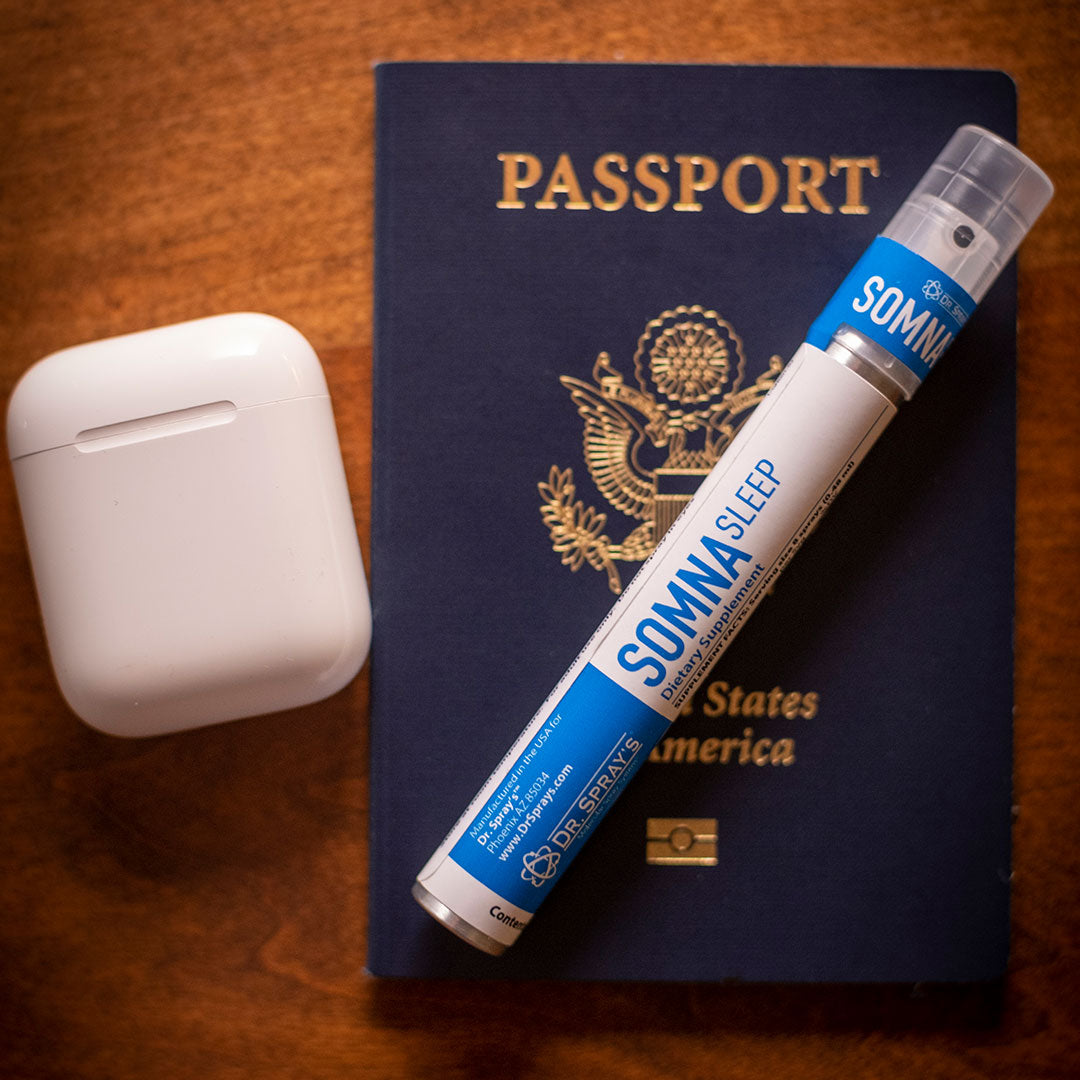
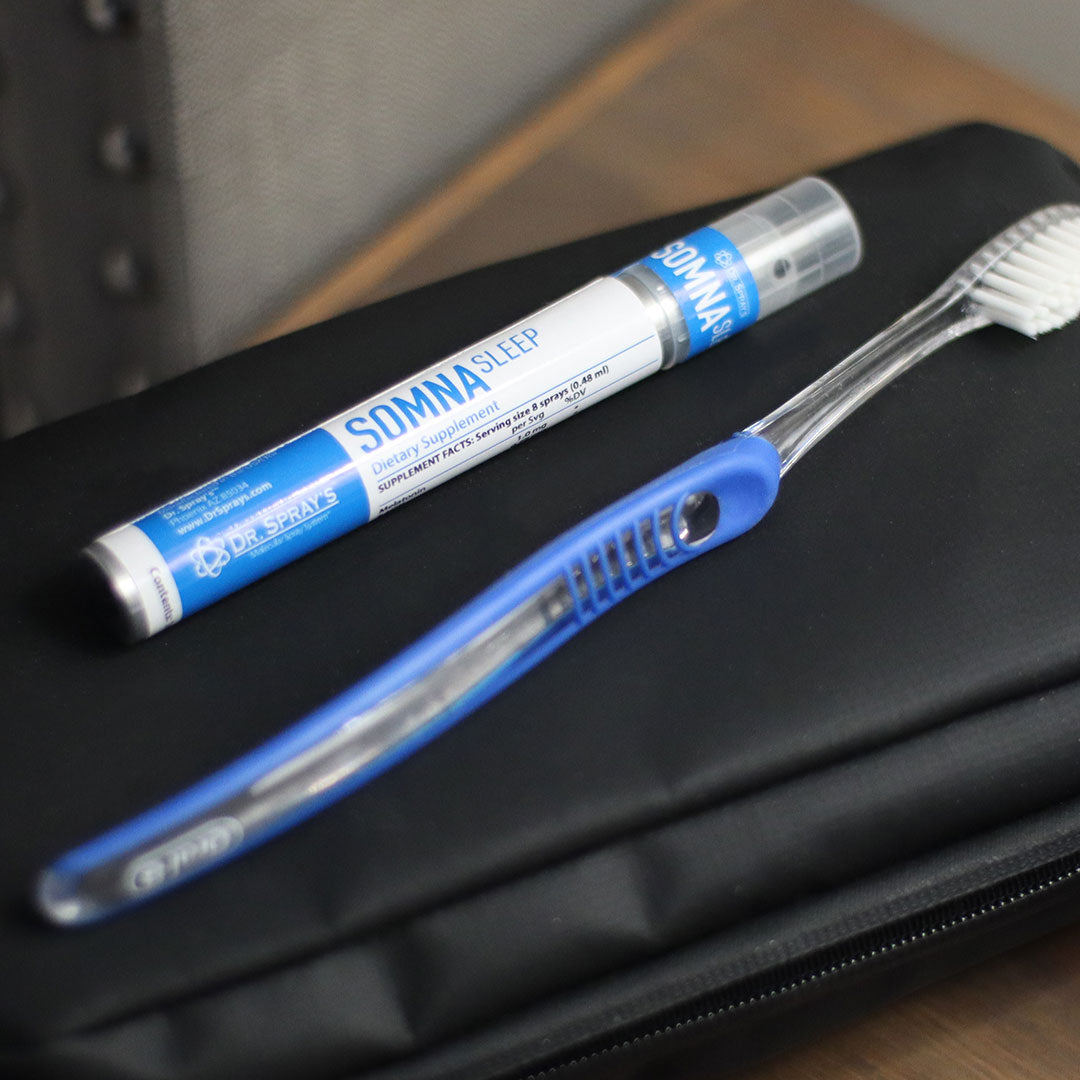
Sleep sprays are TSA-compliant for air travel (when properly sized) and won't spill or create mess in your luggage. Whether you're crossing time zones or simply sleeping in an unfamiliar environment, having your sleep support in a convenient spray format makes maintaining your routine easier.
No Pills on an Empty Stomach
Some people experience stomach discomfort when taking supplements without food. Because sleep sprays are absorbed through your mouth rather than digested, they're gentler on your stomach and can be taken comfortably before bed, even if you haven't eaten recently.
How to Use a Sleep Spray Effectively
To get the most benefit from a sleep spray, proper usage is essential. Here are best practices for incorporating a sleep spray into your nighttime routine:
Timing Matters
Most sleep sprays work best when taken 15-30 minutes before your desired bedtime. This gives the ingredients time to begin working while you complete your bedtime routine. Consistency is key—try to take your spray at approximately the same time each night to support healthy circadian rhythm regulation.
Proper Spray Technique
For optimal absorption:
- Shake the bottle gently before use to ensure even distribution of ingredients
- Spray directly under your tongue or against the inside of your cheek
- Hold the liquid in your mouth for 20-30 seconds before swallowing to maximize sublingual absorption
- Avoid eating or drinking for at least 5-10 minutes after spraying to prevent washing away the formula before it's fully absorbed
Create a Sleep-Supportive Environment
A sleep spray isn't a magic solution—it works best as part of comprehensive sleep hygiene practices. After taking your spray:
- Dim the lights and avoid bright screens to support natural melatonin production
- Keep your bedroom cool (around 65-68°F is optimal for most people)
- Minimize noise and light disruptions
- Engage in calming activities like reading, gentle stretching, or meditation
Start with the Recommended Dose
When trying a sleep spray for the first time, begin with the manufacturer's recommended dose. Give your body at least 3-5 nights to adjust before deciding whether to increase or decrease your dosage. Some people may find they need less than the full suggested dose, while others may benefit from the complete serving.
Choosing a Quality Sleep Spray: What to Look For
Not all sleep sprays are created equal. Here's what distinguishes a high-quality product from inferior alternatives:
Manufacturing Standards
Look for sleep sprays manufactured in FDA-registered, GMP (Good Manufacturing Practice) certified facilities. These certifications indicate that the manufacturer follows strict quality control protocols to ensure product purity, potency, and consistency. Products made in the United States, such as those produced in Phoenix, Arizona facilities, must adhere to stringent regulatory standards.
Transparent Ingredient Lists
Quality manufacturers disclose all ingredients and their amounts clearly on the label. Avoid products that hide behind "proprietary blends" that don't specify individual ingredient quantities. You should know exactly what you're putting in your body and in what amounts.
Clinically Relevant Dosages
A sleep spray might contain all the right ingredients, but if they're present in amounts too small to be effective, the product won't deliver results. Compare the ingredient amounts to those used in clinical studies to ensure you're getting meaningful doses.
Minimal Unnecessary Additives
While some inactive ingredients are necessary for spray stability and preservation, excessive artificial colors, flavors, and fillers are not. The shorter and simpler the ingredient list (beyond active ingredients), the better.
Third-Party Testing
Some manufacturers go beyond basic regulatory compliance by having their products tested by independent third-party laboratories. This additional verification can provide extra assurance of quality and label accuracy.
Sleep Spray vs. Other Sleep Support Options
Understanding how sleep sprays compare to other common sleep aids can help you determine if they're the right choice for your needs.
Sleep Spray vs. Melatonin Gummies
Melatonin gummies have become extremely popular, but they come with some drawbacks. Most gummies contain added sugars, which isn't ideal right before bed. They also rely on digestive absorption, which means lower bioavailability and slower onset compared to sublingual sprays. Additionally, the appealing candy-like nature of gummies can lead to overconsumption.
Sleep sprays offer faster absorption, no added sugars, and more precise dosing control—significant advantages for those serious about optimizing their sleep support.
Sleep Spray vs. Prescription Sleep Medications
Prescription sleep medications can be effective for short-term use in specific situations, but they often come with concerning side effects including morning grogginess, dependency risk, and cognitive impairment. They also don't support the body's natural sleep processes—they essentially force sleep through sedation.
Sleep sprays, by contrast, work with your body's natural sleep mechanisms, particularly when they contain melatonin and other botanicals that support your innate sleep-wake cycle. They're generally well-tolerated with minimal side effects when used as directed, and they don't carry the same dependency concerns as prescription medications.
That said, people with chronic insomnia or sleep disorders should work with a healthcare provider to address the root causes rather than relying solely on any supplement, including sleep sprays.
Sleep Spray vs. Traditional Capsules
Sleep support capsules and tablets versus spray vitamins represent the traditional approach, and they can certainly be effective. However, they face the bioavailability challenges we've discussed—lower absorption rates due to digestive breakdown and first-pass metabolism.
For individuals with digestive issues, malabsorption concerns, or difficulty swallowing pills, sleep sprays offer a compelling alternative with potentially superior absorption and convenience.
Combining Sleep Spray with Other Vitamin Sprays
Many people who benefit from sleep sprays also use other oral spray vitamins to address different health needs throughout the day. This comprehensive approach to supplementation can support overall wellness while maintaining the convenience and absorption benefits of the spray format.
Morning Energy Support
If you use a sleep spray at night, you might consider a vitamin B12 spray in the morning to support natural energy production and mental clarity. B12 plays a crucial role in converting food to energy and supporting healthy nervous system function—a perfect complement to your nighttime sleep support routine.
Immune System Support
Quality sleep is essential for healthy immune function, but you can provide additional support with targeted nutrients. A vitamin D3 spray can help maintain optimal vitamin D levels, which support immune health, bone strength, and mood regulation. Many people are deficient in vitamin D, especially during winter months or if they spend limited time outdoors.
Daily Nutritional Foundation
Even with a healthy diet, nutritional gaps are common. A comprehensive multi-vitamin spray can provide a foundation of essential nutrients to complement your sleep support spray and ensure your body has what it needs for optimal function throughout the day.
Metabolic Support
Sleep quality and metabolic health are closely connected—poor sleep can negatively impact metabolism and weight management. Supporting your body with metabolism-focused nutrients during the day, combined with quality sleep at night, creates a comprehensive approach to wellness.
When combining multiple spray supplements, be mindful of total nutrient intake to avoid exceeding recommended limits for any single nutrient. Space different sprays throughout the day as appropriate for their function (energy support in the morning, sleep support in the evening).
Potential Side Effects and Precautions
While sleep sprays are generally well-tolerated, it's important to be aware of potential side effects and situations where caution is warranted.
Common Side Effects
Most people experience no side effects from sleep sprays, but some may notice:
- Morning grogginess: If you feel drowsy upon waking, you may be taking too high a dose or taking the spray too late at night. Try reducing your dose or taking it earlier in the evening.
- Vivid dreams: Melatonin can sometimes intensify dreams. This isn't harmful, but if it's bothersome, reducing your dose may help.
- Mild headache: Rarely, some ingredients in sleep formulas may cause mild headaches in sensitive individuals.
- Digestive discomfort: Though less common with sprays than pills, some people may experience mild stomach upset from certain ingredients.
Who Should Avoid Sleep Sprays or Use Them with Caution
Certain individuals should consult a healthcare provider before using sleep sprays:
- Pregnant or nursing women: The safety of many sleep-supporting ingredients hasn't been established for pregnancy and lactation.
- People taking medications: Sleep spray ingredients can potentially interact with certain medications, including blood thinners, diabetes medications, immunosuppressants, and sedatives.
- Those with autoimmune conditions: Some ingredients, particularly melatonin, may affect immune function and should be discussed with a healthcare provider.
- Individuals with depression or other mental health conditions: Sleep supplements can potentially interact with psychiatric medications or affect mood.
- People with bleeding disorders: Some herbal ingredients may affect blood clotting.
- Those scheduled for surgery: Discontinue sleep sprays at least two weeks before scheduled surgery, as some ingredients can affect anesthesia or bleeding risk.
Safe Usage Guidelines
To use sleep sprays safely:
- Follow the manufacturer's dosage recommendations
- Don't combine with alcohol or other sedatives unless approved by your healthcare provider
- Avoid operating heavy machinery or driving until you know how the product affects you
- Store the bottle away from heat and direct sunlight to maintain potency
- Check the expiration date and don't use expired products
- If you experience unexpected side effects, discontinue use and consult a healthcare provider
The Role of Sleep Hygiene: Sprays Aren't a Complete Solution
While sleep sprays can be an effective tool for supporting healthy sleep, they work best as part of a comprehensive approach to sleep health. Even the highest-quality sleep spray can't overcome consistently poor sleep habits.
Essential Sleep Hygiene Practices
To maximize the effectiveness of your sleep spray:
- Maintain a consistent sleep schedule: Go to bed and wake up at the same time every day, even on weekends, to regulate your circadian rhythm.
- Create a bedtime routine: Engage in relaxing activities for 30-60 minutes before bed to signal to your body that sleep is approaching.
- Optimize your sleep environment: Keep your bedroom dark, quiet, and cool. Invest in comfortable bedding and consider blackout curtains or a white noise machine if needed.
- Limit screen time before bed: The blue light from phones, tablets, and computers can suppress natural melatonin production. Avoid screens for at least an hour before bedtime.
- Watch your caffeine and alcohol intake: Avoid caffeine after early afternoon and limit alcohol, especially close to bedtime, as it can disrupt sleep quality.
- Exercise regularly: Physical activity supports better sleep, but avoid vigorous exercise within a few hours of bedtime.
- Manage stress: Practice stress-reduction techniques like meditation, deep breathing, or journaling to prevent anxious thoughts from interfering with sleep.
When to Seek Professional Help
If you've tried sleep sprays and good sleep hygiene practices but still struggle with sleep, it may be time to consult a healthcare provider or sleep specialist. Chronic sleep difficulties can indicate underlying conditions like sleep apnea, restless leg syndrome, or other sleep disorders that require professional diagnosis and treatment.
Real-World Effectiveness: What Users Report
Beyond clinical research, real-world user experiences provide valuable insight into sleep spray effectiveness. While individual results vary, common themes emerge from user feedback:
Positive Experiences
Many users report that quality sleep sprays help them:
- Fall asleep more quickly, often within 20-30 minutes of taking the spray
- Feel more relaxed and mentally calm as they prepare for bed
- Wake up feeling more refreshed compared to when using other sleep aids
- Maintain their sleep routine more consistently due to the convenience of the spray format
- Avoid the grogginess often associated with prescription sleep medications or some over-the-counter options
Realistic Expectations
It's important to maintain realistic expectations when trying a sleep spray:
- Results may not be immediate—some people need several days of consistent use to notice benefits
- Effectiveness can vary based on individual biochemistry, the quality of the product, and the severity of sleep difficulties
- Sleep sprays support healthy sleep but don't force it—you still need to create conditions conducive to rest
- They work best for occasional sleeplessness or mild sleep difficulties rather than severe chronic insomnia
The Future of Sleep Support: Why Sprays Are Gaining Popularity
The sleep supplement market is evolving, and spray delivery systems are at the forefront of this change. Several trends are driving increased interest in sleep sprays and spray supplements generally:
Focus on Bioavailability
As consumers become more educated about supplement absorption and effectiveness, they're seeking delivery methods that maximize bioavailability. The spray format addresses this demand directly by offering superior absorption compared to traditional pills.
Demand for Convenience
Modern lifestyles prioritize convenience, and sleep sprays fit this need perfectly. No water required, portable, fast-acting, and easy to use—these characteristics align with consumer preferences for simple, effective solutions.
Personalization and Precise Dosing
The ability to adjust dosing based on individual needs is increasingly valued. Sleep sprays allow users to fine-tune their intake more easily than fixed-dose capsules, supporting a more personalized approach to supplementation.
Clean Label Movement
Consumers are scrutinizing ingredient lists more than ever, seeking products with minimal unnecessary additives. Quality sleep sprays can deliver active ingredients with fewer fillers and binders than tablets, appealing to clean-label preferences.
Frequently Asked Questions About Sleep Sprays
How long does it take for a sleep spray to work?
Most users feel the effects of a sleep spray within 15-30 minutes, though individual response times vary. The sublingual delivery method allows for faster absorption compared to pills or capsules, which typically take 30-60 minutes to begin working. For best results, take your sleep spray about 20-30 minutes before your desired bedtime while engaging in your normal bedtime routine.
Can I use a sleep spray every night?
Many sleep sprays are designed for regular nightly use, but this depends on the specific formulation and your individual needs. Melatonin-based sprays are generally considered safe for short-to-medium-term use, though some experts recommend taking occasional breaks to prevent your body from becoming less responsive. Always follow the manufacturer's guidelines and consult a healthcare provider if you plan to use any sleep supplement long-term.
Will I feel groggy the next morning after using a sleep spray?
Most people don't experience morning grogginess when using sleep sprays as directed, particularly compared to prescription sleep medications. However, if you do feel drowsy upon waking, you may be taking too high a dose or taking it too close to your wake time. Try reducing your dose or taking the spray earlier in the evening. Ensure you're allowing for adequate sleep time (7-9 hours for most adults).
How do sleep sprays compare to melatonin gummies in terms of effectiveness?
Sleep sprays generally offer advantages over melatonin gummies in several areas. The sublingual absorption of sprays provides higher bioavailability—often up to 90% compared to the 10-20% typical of gummies that must pass through the digestive system. Sprays also avoid the added sugars found in most gummies and offer more precise dosing control. Additionally, sprays begin working faster due to the direct absorption through mouth tissues rather than requiring full digestion.
Can I combine a sleep spray with other supplements?
In most cases, yes, but with some important considerations. Be mindful of total nutrient intake to avoid exceeding recommended limits. For example, if your sleep spray contains magnesium and you also take a multi-vitamin spray with magnesium, calculate your total intake. Space different supplements appropriately throughout the day—energy-supporting supplements like B12 spray in the morning, sleep support in the evening. If you're taking medications or have health conditions, consult your healthcare provider before combining supplements.
Are sleep sprays safe for children?
Most sleep sprays are formulated for adult use and have not been tested for safety and efficacy in children. Children's sleep issues often require different approaches than adult sleep difficulties, and the appropriate ingredients and dosages differ. If your child struggles with sleep, consult with a pediatrician before considering any supplement. There are some products specifically formulated for children, but these should only be used under medical guidance.
What should I look for in a quality sleep spray?
When choosing a sleep spray, prioritize products manufactured in FDA-registered, GMP-certified facilities with transparent ingredient lists showing clinically relevant dosages of proven ingredients. Look for sprays made in the United States—such as those produced in Phoenix, Arizona facilities—which must meet stringent regulatory standards. Avoid products with excessive artificial additives or those hiding behind proprietary blends that don't disclose individual ingredient amounts. Third-party testing provides additional quality assurance.
How long can I safely use a sleep spray?
The appropriate duration varies based on the formulation and your individual circumstances. Many sleep sprays are safe for several weeks to months of continuous use, but extended use should be discussed with a healthcare provider. If you find yourself relying on a sleep spray nightly for more than a month or two, it's worth examining whether underlying sleep hygiene issues, stress, or health conditions might be contributing to your sleep difficulties. Sleep supplements are most effective when used as part of a comprehensive approach to sleep health rather than as a permanent solution to chronic sleep problems.
Can sleep sprays help with jet lag?
Yes, sleep sprays—particularly those containing melatonin—can be helpful for managing jet lag. Melatonin helps regulate your circadian rhythm, which is disrupted when you cross multiple time zones. To use a sleep spray for jet lag, take it at your new local bedtime to help shift your sleep-wake cycle to the new time zone. The portable, TSA-compliant format of sleep sprays makes them particularly convenient for travel. Start using the spray a day or two before your trip and continue for a few days after arrival for best results.
Do sleep sprays work for shift workers?
Sleep sprays can help shift workers who need to sleep during daylight hours or adjust to rotating schedules. The melatonin in many sleep sprays can help signal to your body that it's time to sleep even when external cues (like sunlight) are sending the opposite message. However, shift work sleep issues are complex and often benefit from a multifaceted approach including strategic light exposure, carefully timed meals, and consistent sleep routines when possible. A sleep spray can be one valuable tool in managing the sleep challenges of shift work.
Taking the Next Step: Incorporating Sleep Spray into Your Wellness Routine
If you're ready to try a sleep spray, success starts with choosing a quality product from a reputable manufacturer. Look for sprays produced in FDA-registered, GMP-certified facilities with doctor-developed formulations based on scientific research.
Remember that while sleep sprays can be remarkably effective, they're most powerful when combined with solid sleep hygiene practices. Create a sleep-supportive environment, maintain consistent bedtime routines, manage stress effectively, and give your body the best possible conditions for restorative rest.
Start with the recommended dose and give your body time to respond—at least 3-5 nights before making adjustments. Keep notes on how you feel, how quickly you fall asleep, and how rested you feel upon waking. This information will help you determine whether the spray is working optimally or if dosage adjustments are needed.
Quality sleep is foundational to every aspect of health—from immune function and mental clarity to emotional resilience and physical performance. By choosing an effective sleep spray and using it as part of a comprehensive approach to sleep health, you're investing in better nights and better days ahead.
Common Questions About Sleep Sprays
Is a sleep spray better than taking pills?
Sleep sprays offer several advantages over pills, including faster absorption (up to 90% bioavailability versus 10-20% for pills), quicker onset of action, easier use without water, and more flexible dosing. They're particularly beneficial for people who have difficulty swallowing pills or those with digestive issues that may interfere with pill absorption.
What time should I take my sleep spray?
Take your sleep spray approximately 20-30 minutes before your desired bedtime. This timing allows the ingredients to begin working while you complete your bedtime routine and prepare for sleep. Consistency is important—try to take your spray at roughly the same time each night.
Can I become dependent on a sleep spray?
Sleep sprays with natural ingredients like melatonin, magnesium, and botanicals don't typically cause physical dependence the way prescription sleep medications can. However, psychological reliance can develop if you believe you can't sleep without the supplement. To avoid this, focus on using the spray as one component of good sleep hygiene rather than as your only sleep strategy.
Will a sleep spray help with anxiety that keeps me awake?
Many sleep sprays contain ingredients like L-theanine, passionflower, and GABA that support relaxation and may help calm nighttime anxiety. However, if anxiety regularly interferes with your sleep, addressing the root cause with a mental health professional is important. A sleep spray can be a helpful tool but shouldn't replace appropriate treatment for anxiety disorders.
How should I store my sleep spray?
Store your sleep spray in a cool, dry place away from direct sunlight and heat. Avoid storing it in humid environments like bathrooms. Keep the cap tightly closed when not in use. Proper storage helps maintain the potency and effectiveness of the ingredients. Always check the expiration date and don't use products past their expiration.
Are there any foods or drinks I should avoid when using a sleep spray?
Avoid caffeine, especially in the afternoon and evening, as it can counteract the sleep-supporting effects of your spray. Alcohol should also be limited, particularly close to bedtime, as it disrupts sleep quality despite making you feel drowsy initially. Avoid eating or drinking for 5-10 minutes after taking your spray to allow for optimal sublingual absorption.