If you've ever struggled to fall asleep, you've likely heard the recommendation to try lavender oil. But does this popular aromatherapy remedy actually work, or is it just another wellness trend? The science behind lavender's sleep-promoting properties is more compelling than you might think.
In this comprehensive guide, we'll explore the research on lavender oil for sleep, how it compares to other natural sleep aids, and what role modern solutions like sleep-supporting vitamin sprays can play in your nightly routine.
The Science Behind Lavender Oil and Sleep
Lavender (Lavandula angustifolia) has been used for centuries as a natural remedy for anxiety and sleep disturbances. Modern research has validated many of these traditional uses, revealing specific mechanisms by which lavender influences our sleep-wake cycle.
How Lavender Affects Your Brain
When you inhale lavender essential oil, volatile compounds travel through your olfactory system directly to your brain's limbic system—the area responsible for emotion, behavior, and long-term memory. These aromatic molecules, particularly linalool and linalyl acetate, interact with neurotransmitter systems in several important ways:
- GABA enhancement: Lavender compounds increase activity of gamma-aminobutyric acid (GABA), the brain's primary inhibitory neurotransmitter that promotes relaxation and reduces neural excitability
- Serotonin modulation: Research suggests lavender may influence serotonin receptors, which play a crucial role in mood regulation and sleep quality
- Cortisol reduction: Several studies have documented lavender's ability to lower cortisol levels, helping to reduce the stress response that often interferes with sleep
- Heart rate variability: Inhaling lavender has been shown to improve parasympathetic nervous system activity, promoting the relaxation state needed for sleep onset
What the Research Shows
Multiple clinical studies have examined lavender oil's effectiveness for sleep improvement. A 2015 systematic review published in the Journal of Alternative and Complementary Medicine analyzed 15 studies and found consistent evidence that lavender aromatherapy improved sleep quality in various populations, including college students, new mothers, and patients with heart disease.
More specifically, a 2012 study of postpartum women found that those who inhaled lavender oil four times per week for eight weeks showed significant improvements in sleep quality compared to a control group. Another study of college students demonstrated that lavender aromatherapy increased the percentage of deep, slow-wave sleep—the restorative stage crucial for physical recovery and memory consolidation.
The evidence is particularly strong for mild to moderate sleep disturbances. However, lavender aromatherapy appears less effective for severe insomnia or sleep disorders with underlying medical causes.
How to Use Lavender Oil for Better Sleep
The effectiveness of lavender oil depends significantly on how you use it. Here are evidence-based methods for incorporating lavender into your sleep routine:
Diffusion Method
Using an aromatherapy diffuser is one of the most effective delivery methods. Add 3-5 drops of pure lavender essential oil to your diffuser about 30 minutes before bedtime. Position the diffuser 3-6 feet from your bed for optimal aromatic distribution without overwhelming your senses.
Pillow Spray
Create a lavender pillow spray by mixing 10-15 drops of lavender essential oil with 2 ounces of distilled water in a spray bottle. Lightly mist your pillowcase 10-15 minutes before lying down, allowing the alcohol base (if used) to evaporate while the lavender scent remains.
Direct Inhalation
Place 1-2 drops of lavender oil on a tissue or cotton ball and position it near your pillow. This method provides a more concentrated aroma and is useful when traveling or when a diffuser isn't practical.
Topical Application
While not strictly "smelling" lavender, topical application to pulse points (temples, wrists, behind ears) allows for both transdermal absorption and inhalation. Always dilute essential oils with a carrier oil—typically 2-3 drops of lavender per teaspoon of carrier oil like coconut or jojoba.
Lavender Oil Quality Matters
Not all lavender oils are created equal. The therapeutic benefits discussed in research studies depend on using genuine, high-quality essential oils. Here's what to look for:
- Botanical name: Ensure the label specifies Lavandula angustifolia (true lavender) rather than lavender hybrids or lavandin, which have different chemical profiles
- Extraction method: Look for steam-distilled oils, which preserve the full spectrum of beneficial compounds
- Purity: Choose 100% pure essential oil without synthetic fragrances, additives, or dilution
- Third-party testing: Reputable brands provide GC/MS (Gas Chromatography/Mass Spectrometry) testing results verifying chemical composition
- Proper storage: Essential oils should come in dark glass bottles to protect against light degradation
Lower-quality oils may smell pleasant but lack the therapeutic compounds responsible for sleep benefits. This is particularly important when comparing research results to your personal experience.
Beyond Aromatherapy: Complementary Sleep Solutions
While lavender oil can be a valuable component of your sleep hygiene routine, it works best as part of a comprehensive approach to better rest. Modern sleep science has identified several nutrients and compounds that support healthy sleep cycles from the inside out.
The Role of Melatonin and Sleep-Supporting Nutrients
Your body's natural sleep-wake cycle depends on adequate levels of specific vitamins and minerals. Magnesium, for instance, plays a crucial role in GABA production—the same neurotransmitter system that lavender oil influences. Vitamin B6 is essential for converting tryptophan to serotonin and then to melatonin, your body's primary sleep hormone.
Many people find that combining aromatherapy with targeted nutritional support provides more comprehensive results than either approach alone. Sleep-supporting vitamin sprays offer a convenient way to deliver these nutrients with superior absorption compared to traditional pills.
Why Spray Delivery Matters for Sleep Support
Traditional oral supplements must pass through your digestive system, where absorption rates can be as low as 10-20% for some nutrients. This process also takes 30-60 minutes, which isn't ideal when you're trying to wind down for sleep.
Oral spray vitamins bypass much of the digestive process, delivering nutrients through the mucous membranes in your mouth for absorption rates up to 90%. This means you get more of the active ingredients your body needs, and they enter your bloodstream more quickly—typically within 10-15 minutes.
For sleep support specifically, this delivery method offers distinct advantages. The faster absorption means you can take your sleep-supporting nutrients closer to bedtime without worrying about digestion interfering with the onset of sleep. Additionally, the act of taking a spray can become part of your evening ritual, signaling to your body that it's time to begin winding down.
Creating an Effective Evening Routine
Lavender aromatherapy and sleep-supporting nutrition work best within the framework of consistent sleep hygiene practices. Consider this evidence-based evening routine:
60 Minutes Before Bed
- Dim lights throughout your home to support natural melatonin production
- Begin your lavender diffuser or prepare your pillow spray
- Switch devices to night mode or put them away entirely
- Take your sleep-supporting vitamin spray for optimal nutrient absorption
30 Minutes Before Bed
- Engage in relaxing activities like reading, gentle stretching, or journaling
- Keep room temperature between 60-67°F (15-19°C) for optimal sleep
- Practice deep breathing or progressive muscle relaxation
- Allow lavender aromatherapy to create a calming atmosphere
Bedtime
- Maintain a consistent sleep schedule, even on weekends
- Ensure your bedroom is dark, quiet, and cool
- Consider a few drops of diluted lavender oil on your pulse points
- Use your bed only for sleep (and intimacy), not work or screen time
When Lavender Aromatherapy Isn't Enough
While lavender oil can be remarkably effective for situational sleep difficulties and mild sleep disturbances, it's important to recognize when additional support or professional intervention may be necessary.
Signs You May Need More Than Aromatherapy
Consider consulting a healthcare provider if you experience:
- Difficulty falling asleep or staying asleep three or more nights per week for at least three months
- Daytime fatigue, irritability, or difficulty concentrating due to poor sleep
- Loud snoring, gasping, or pauses in breathing during sleep (possible sleep apnea)
- Uncomfortable sensations in your legs that interfere with sleep (possible restless leg syndrome)
- Persistent anxiety or racing thoughts that prevent sleep onset
In these cases, lavender aromatherapy and nutritional support can complement medical treatment but shouldn't replace professional evaluation and care.
The Vitamin Connection to Sleep Disorders
Emerging research suggests that certain nutrient deficiencies may contribute to sleep difficulties. Vitamin D3 deficiency, for example, has been linked to poor sleep quality and shorter sleep duration. Similarly, vitamin B12 deficiency can disrupt your circadian rhythm and contribute to insomnia.
If you've struggled with persistent sleep issues despite good sleep hygiene and natural remedies, consider having your healthcare provider check your vitamin D and B12 levels. These deficiencies are surprisingly common, particularly in certain populations, and addressing them can sometimes lead to dramatic improvements in sleep quality.
Lavender Safety and Precautions
Lavender essential oil is generally considered safe for aromatherapy use, but there are some important precautions to keep in mind:
Who Should Use Caution
- Pregnant and nursing women: While topical use of diluted lavender is generally considered safe during pregnancy, consult your healthcare provider before using any essential oils, especially during the first trimester
- Young children: Avoid using essential oils around infants under three months. For older children, use lower concentrations and ensure adequate ventilation
- People with sensitive skin: Always perform a patch test before topical application, and never apply undiluted essential oils directly to skin
- Those with allergies: If you're allergic to lavender or other plants in the Lamiaceae family (mint, rosemary, sage), avoid lavender essential oil
- Individuals taking sedatives: Lavender may enhance the effects of sedative medications; consult your healthcare provider about potential interactions
Proper Storage and Handling
Essential oils are highly concentrated and should be handled with care. Store lavender oil in a cool, dark place away from direct sunlight and heat. Keep bottles tightly sealed to prevent oxidation, which can reduce effectiveness and increase the risk of skin sensitization. When used properly and stored correctly, quality lavender essential oil can maintain its potency for 2-3 years.
Maximizing Your Results
To get the most benefit from lavender aromatherapy for sleep, consistency is key. Like many natural remedies, lavender's effects may be subtle at first and become more pronounced with regular use. Most research studies showing significant sleep improvements used lavender aromatherapy consistently for at least 2-4 weeks.
Tracking Your Sleep Quality
Consider keeping a simple sleep journal to track your experience with lavender aromatherapy and other sleep interventions. Note:
- Time you began your bedtime routine and the specific elements included
- Approximate time it took to fall asleep
- Number of times you woke during the night
- How you felt upon waking (refreshed, groggy, tired)
- Daytime energy levels and mood
This data helps you identify patterns and determine which interventions are most effective for your individual needs. Remember that sleep quality is influenced by numerous factors, including stress levels, diet, exercise, and overall health, so look for trends over time rather than focusing on individual nights.
The Future of Sleep Support: Combining Traditional and Modern Approaches
The most effective approach to better sleep often involves combining time-tested natural remedies like lavender aromatherapy with modern nutritional science. Our understanding of sleep biochemistry continues to evolve, revealing new ways to support the body's natural sleep mechanisms.
Advanced delivery systems like spray supplements represent an evolution in how we think about nutritional support. Developed by healthcare professionals and manufactured in FDA-registered, GMP-certified facilities, these products bridge the gap between traditional supplements and pharmaceutical-grade precision.
For residents in Phoenix, Arizona, and surrounding areas, supporting locally-developed wellness solutions means investing in products created with an understanding of the unique challenges we face—from intense heat that can disrupt sleep to high altitude effects on vitamin absorption.
Frequently Asked Questions About Lavender Oil and Sleep
How long does it take for lavender oil to help you fall asleep?
Most people notice a calming effect from lavender aromatherapy within 10-20 minutes of inhalation. However, significant improvements in overall sleep quality typically require consistent use for 2-4 weeks. The immediate relaxation effect can help you fall asleep faster on the first use, but deeper benefits to sleep architecture and duration accumulate over time with regular use.
Can you use too much lavender oil for sleep?
Yes, using excessive amounts of lavender oil can actually be counterproductive. Very high concentrations may cause headaches, nausea, or paradoxically increase alertness in some people. For diffuser use, 3-5 drops is typically sufficient for a bedroom. More isn't better with essential oils—focus on quality and consistency rather than quantity.
Is lavender oil safe to use every night?
For most people, using lavender aromatherapy every night is safe and may actually provide the best results due to consistent exposure. However, some aromatherapy experts recommend taking periodic breaks (such as one week off every 2-3 months) to prevent olfactory adaptation, where your nose becomes less sensitive to the scent. This also helps prevent potential sensitization in individuals prone to developing allergies.
Does lavender oil work as well as melatonin for sleep?
Lavender oil and melatonin work through different mechanisms and aren't directly comparable. Melatonin is a hormone that regulates your sleep-wake cycle, while lavender promotes relaxation through neurotransmitter modulation. Research suggests they may work synergistically when used together. Many people find that combining lavender aromatherapy with nutritional support for natural melatonin production provides more comprehensive results than either approach alone.
What's the difference between lavender essential oil and lavender-scented products?
This is a critical distinction. Pure lavender essential oil contains the active compounds (linalool and linalyl acetate) responsible for therapeutic benefits. Lavender-scented products often use synthetic fragrances that smell like lavender but lack these beneficial compounds. Only pure, therapeutic-grade lavender essential oil has been studied for sleep benefits. Always check labels to ensure you're getting 100% pure Lavandula angustifolia essential oil.
Can vitamin deficiencies affect how well lavender oil works for sleep?
While there's no direct research on this specific interaction, we know that nutrient deficiencies can impair sleep through multiple pathways. For example, magnesium deficiency can increase anxiety and muscle tension, while vitamin B12 deficiency can disrupt circadian rhythms. Addressing underlying nutritional gaps may enhance your body's ability to respond to sleep-promoting interventions like lavender aromatherapy. A comprehensive approach that includes both aromatherapy and adequate nutrition typically provides the best results.
How does lavender oil compare to other essential oils for sleep?
Lavender is the most extensively researched essential oil for sleep support, but other oils also show promise. Roman chamomile, bergamot, and ylang-ylang have demonstrated calming properties in studies. Some people find that blending lavender with complementary oils enhances its effectiveness. However, lavender has the strongest evidence base and is generally considered the first-line aromatherapy choice for sleep support.
Will lavender oil help with sleep if I have sleep apnea or restless leg syndrome?
Lavender aromatherapy may help with stress and anxiety related to these conditions, but it won't address the underlying causes of sleep apnea or restless leg syndrome. These conditions require medical evaluation and treatment. That said, lavender can be a helpful complementary therapy alongside medical treatment. Interestingly, some research suggests that vitamin D3 supplementation may help with restless leg syndrome symptoms, though more research is needed.
Your Path to Better Sleep Starts Tonight
The evidence is clear: smelling lavender oil can indeed help you sleep better. The aromatic compounds in high-quality lavender essential oil interact with your brain's neurotransmitter systems in ways that promote relaxation, reduce stress, and improve sleep quality. While lavender aromatherapy isn't a magic cure for all sleep problems, it's a safe, accessible, and scientifically-supported tool that can make a meaningful difference for many people struggling with sleep difficulties.
For the best results, use lavender aromatherapy as part of a comprehensive approach to sleep health that includes consistent sleep hygiene, stress management, and adequate nutritional support. Pay attention to the quality of lavender oil you choose, use it consistently rather than sporadically, and give it time to work—most people see the greatest benefits after several weeks of regular use.
Remember that better sleep is a journey, not a destination. What works beautifully for one person may need adjustment for another. Be patient with yourself, track your results, and don't hesitate to explore complementary approaches like sleep-supporting nutrition when aromatherapy alone isn't sufficient.
Experience Advanced Sleep Support with Superior Absorption
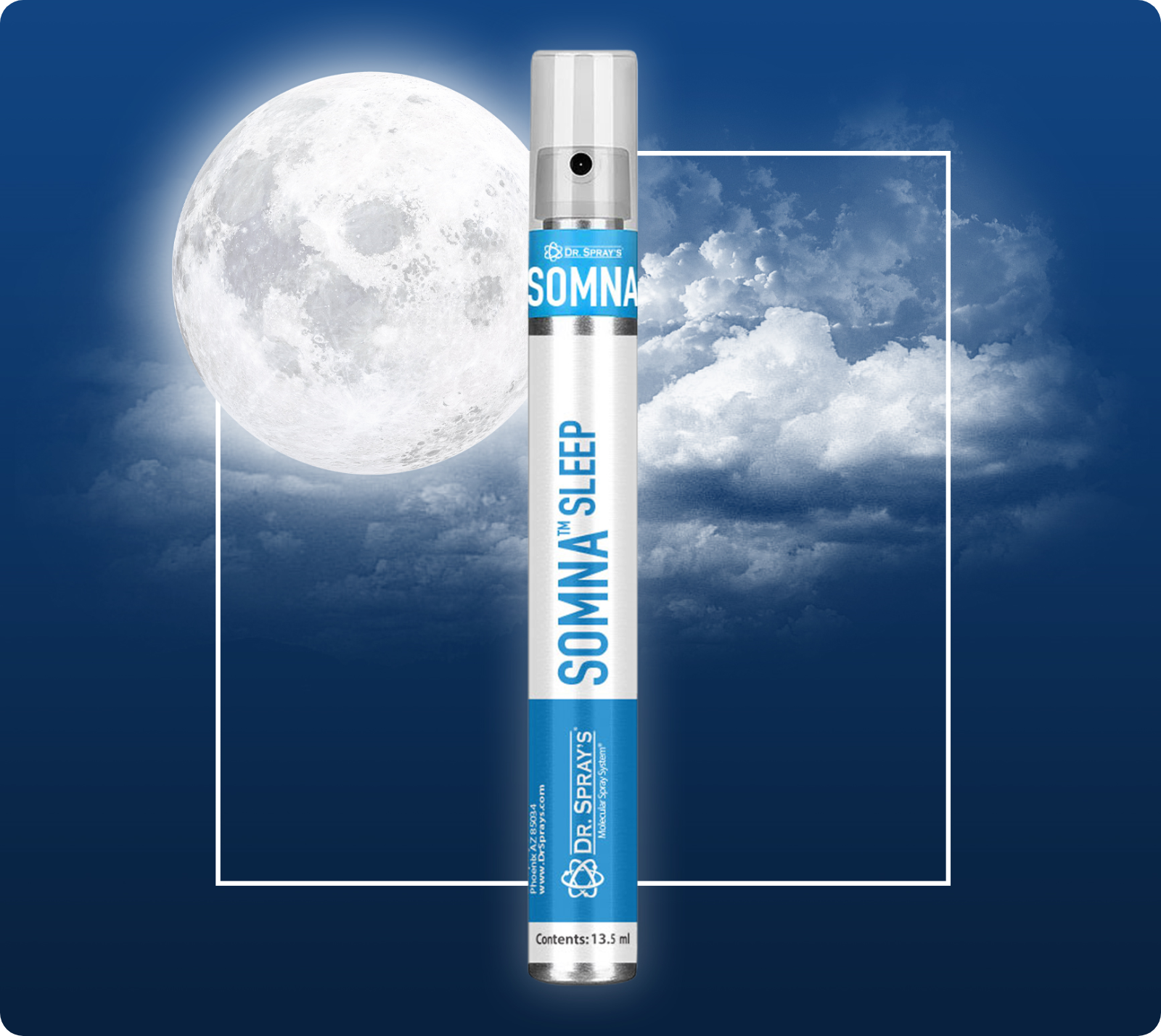
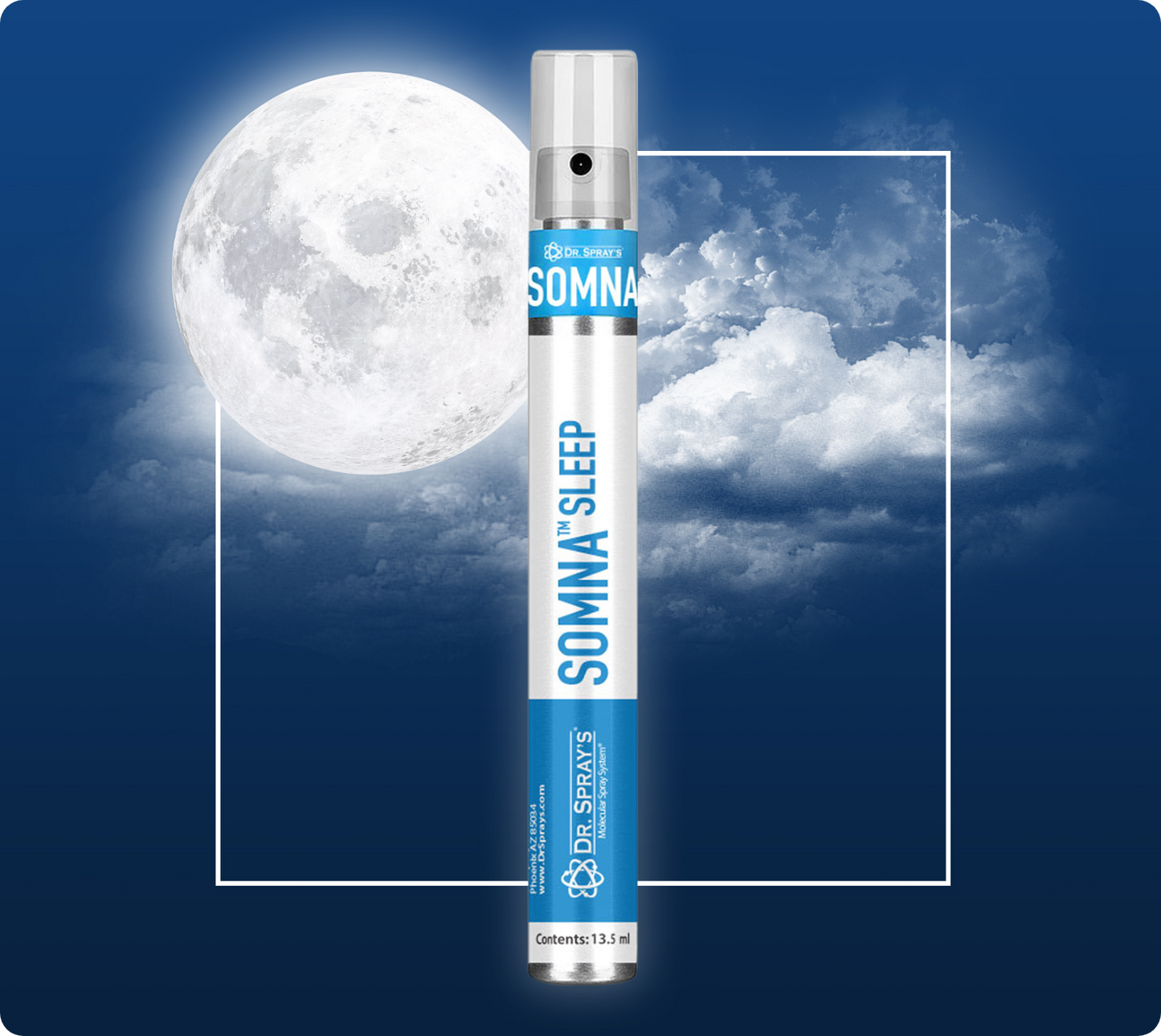
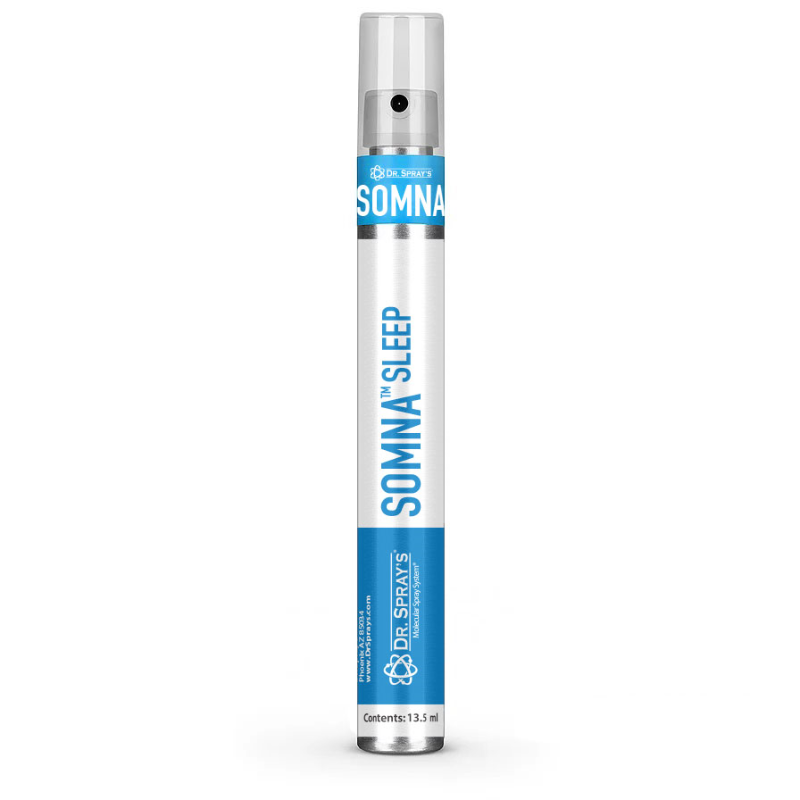
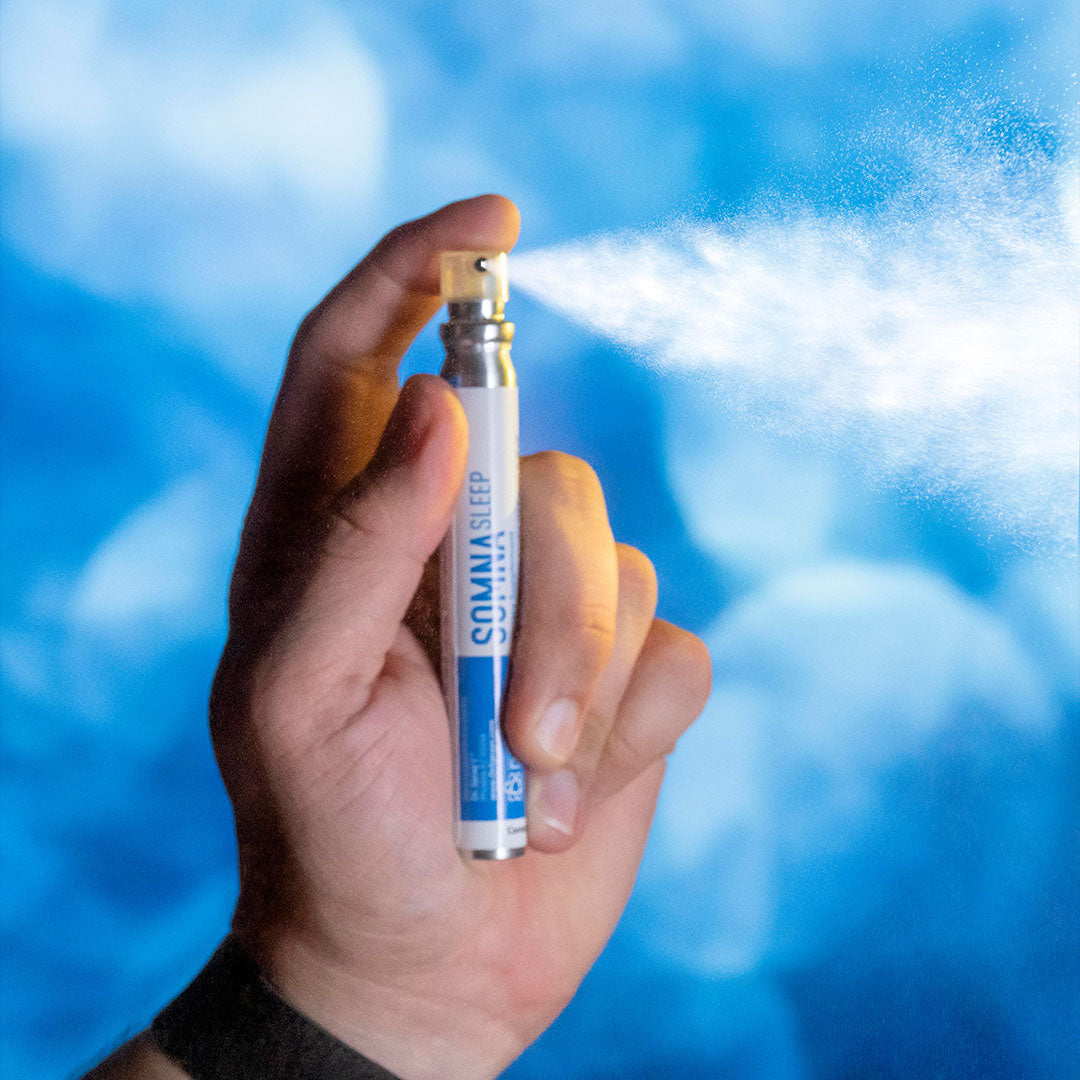
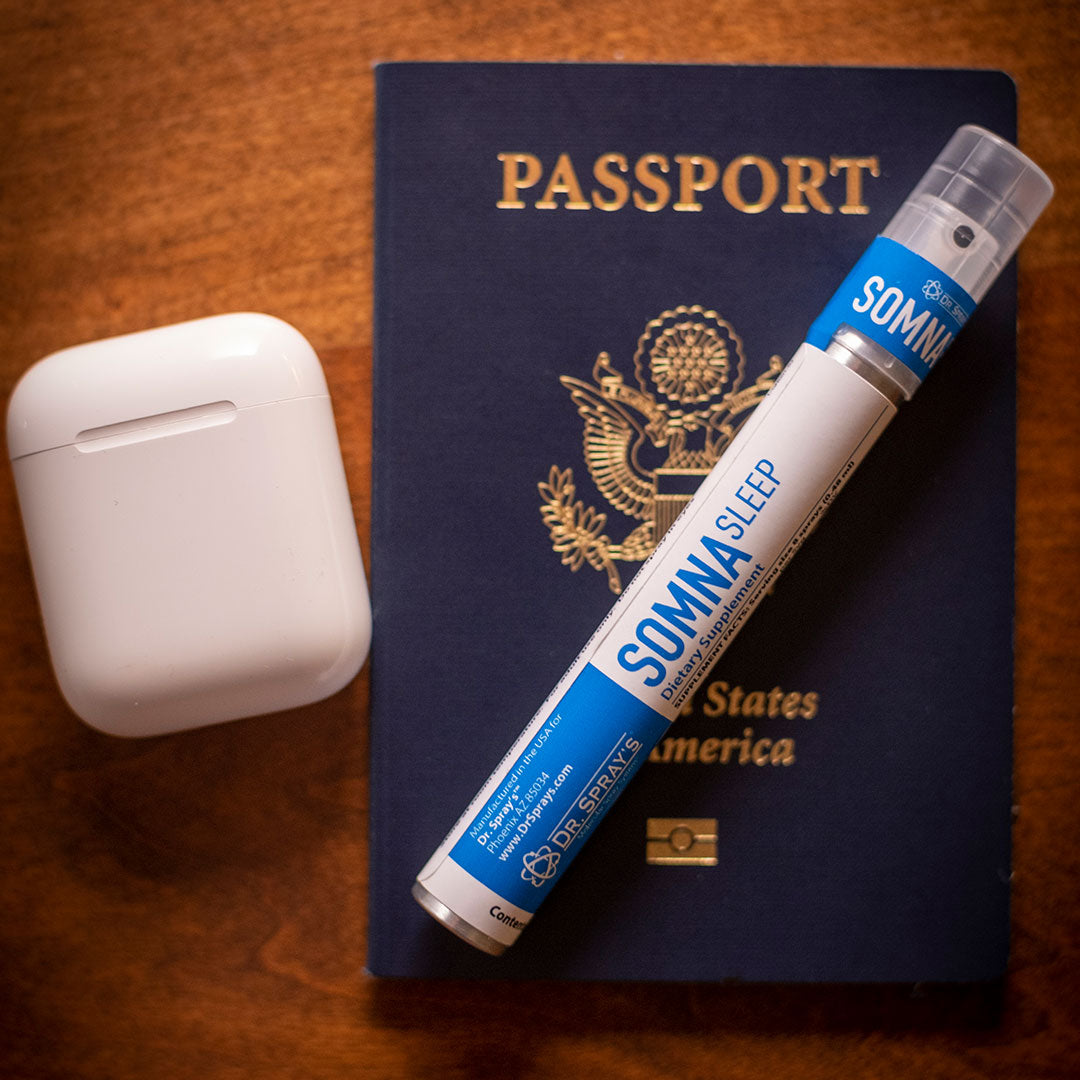
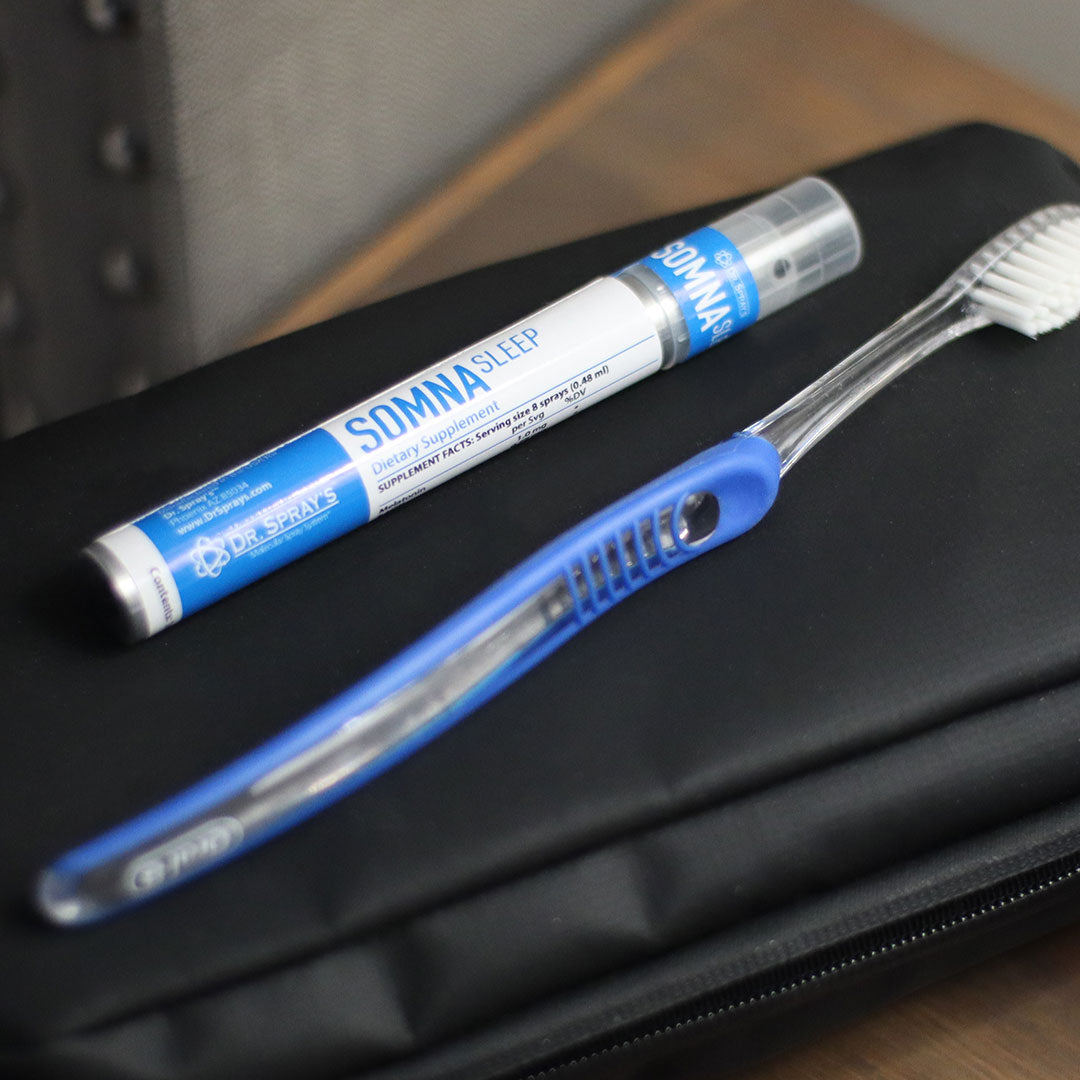
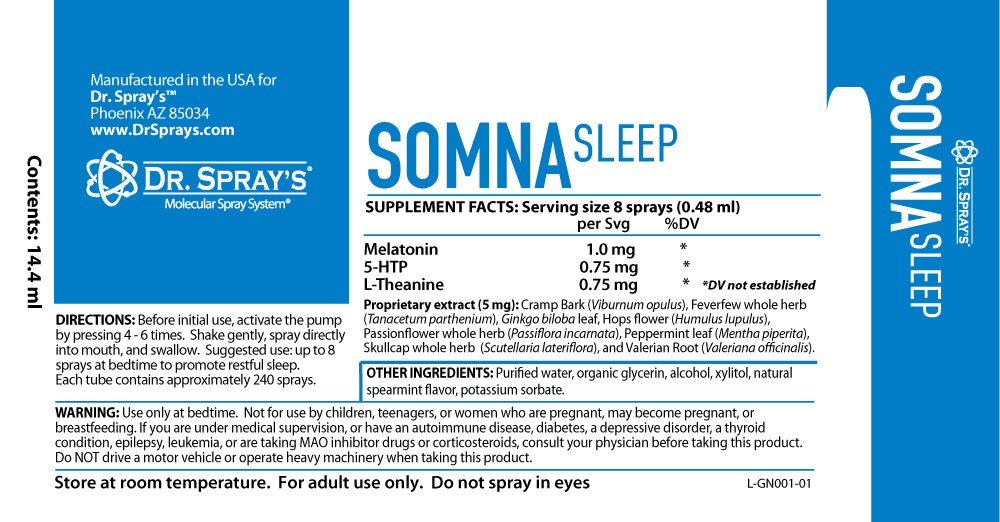
While lavender aromatherapy creates the perfect environment for sleep, your body also needs the right nutritional building blocks to produce natural sleep hormones and maintain healthy sleep cycles. DrSprays Sleep & Somna Spray delivers melatonin and sleep-supporting nutrients with up to 90% absorption—far superior to traditional pills.
Developed by doctors and manufactured in our FDA-registered, GMP-certified facility in Phoenix, Arizona, our sleep spray provides:
- Fast-acting formula that works in minutes, not hours
- Precise dosing with convenient spray delivery
- No pills to swallow or digest
- Clean ingredients you can trust
Combine the calming aromatherapy of lavender with the nutritional precision of advanced spray technology for your most restful sleep yet.
Try Sleep & Somna Spray Today and discover the difference that superior absorption makes. Plus, explore our full line of vitamin spray supplements to support your overall wellness from the inside out.