Sleep struggles with a 6-year-old can leave the entire family exhausted and frustrated. Whether your child resists bedtime, wakes frequently during the night, or rises too early in the morning, these challenges affect everyone's well-being and daily functioning.
Understanding the root causes of sleep difficulties and implementing evidence-based strategies can transform your evenings from battlegrounds into peaceful transitions. This comprehensive guide explores practical solutions, nutritional support, and healthy sleep habits to help your 6-year-old get the rest they need.
Understanding Sleep Needs for 6-Year-Olds
Children at age six require 9-12 hours of sleep per night according to pediatric sleep guidelines. At this developmental stage, most children have transitioned away from daytime naps, making nighttime sleep quality even more critical for their physical growth, cognitive development, and emotional regulation.
The sleep architecture of a 6-year-old differs from adults, with more time spent in deep sleep stages that support growth hormone release and memory consolidation. When these sleep needs aren't met, you may notice behavioral changes, difficulty concentrating at school, increased emotional reactivity, and even impacts on immune function.
Common Sleep Challenges at This Age
Six-year-olds face unique sleep obstacles related to their developmental stage. Academic pressures from starting elementary school, increased social awareness, developing fears and anxieties, and growing independence all contribute to bedtime resistance and sleep disruptions.
Physical factors also play a role. Some children experience growing pains in their legs at night, while others may have undiagnosed sleep-disordered breathing or restless leg syndrome that interferes with sleep quality.
Creating an Effective Bedtime Routine
Consistency forms the foundation of healthy sleep habits. Establishing a predictable bedtime routine signals to your child's body that sleep is approaching, triggering natural melatonin production and physiological relaxation.
Begin your routine 30-60 minutes before lights-out time. This window allows sufficient time for calming activities without feeling rushed, which can increase stress and resistance.
Essential Routine Components
- Consistent timing: Maintain the same bedtime and wake time seven days per week, including weekends
- Wind-down activities: Include quiet play, reading together, or listening to calm music
- Hygiene tasks: Bath, teeth brushing, and using the bathroom become automatic cues for sleep
- Connection time: Brief one-on-one conversation or cuddles satisfy emotional needs before separation
- Environmental preparation: Dim lights, reduce noise, and adjust room temperature to 65-70°F
Avoid stimulating activities during this window. Screen time, active play, exciting stories, or difficult conversations can interfere with the natural transition toward sleep readiness.
Optimizing the Sleep Environment
Your child's bedroom should function as a sleep sanctuary. Environmental factors significantly influence both sleep onset and sleep maintenance throughout the night.
Darkness promotes melatonin production, so invest in blackout curtains or shades if street lights or early morning sun disrupts sleep. A small nightlight positioned low to the floor can provide reassurance without interfering with sleep hormones.
Temperature and Comfort Factors
Core body temperature naturally drops during sleep, so a cooler room supports this biological process. Most children sleep best between 65-70°F, though individual preferences vary slightly.
Bedding choices matter more than many parents realize. Natural, breathable fabrics like cotton regulate temperature better than synthetic materials. Ensure your child's pajamas are comfortable, non-restrictive, and appropriate for the season.
Noise Management
While complete silence isn't necessary or realistic, consistent background noise can mask disruptive sounds. White noise machines, fans, or quiet instrumental music create acoustic consistency that helps children stay asleep through household sounds or outdoor disturbances.
Nutritional Support for Better Sleep
What your child consumes during the day—and specifically before bedtime—directly impacts sleep quality. Certain nutrients play essential roles in sleep regulation, neurotransmitter production, and circadian rhythm maintenance.
Key Sleep-Supporting Nutrients
Vitamin D3 influences sleep duration and quality through its effects on sleep-regulating brain regions. Many children, especially those in regions with limited winter sunlight, have insufficient vitamin D levels. Research indicates that vitamin D deficiency correlates with sleep disturbances, daytime sleepiness, and poor sleep quality.
A vitamin D3 spray offers an effective delivery method that bypasses digestive absorption challenges common with traditional pills. The oral spray format proves particularly beneficial for children who struggle with swallowing supplements.
B vitamins, especially B12, support healthy sleep-wake cycles and energy regulation. These vitamins participate in melatonin and serotonin production, both crucial for sleep regulation. Deficiencies in B vitamins can manifest as difficulty falling asleep, restless sleep, and daytime fatigue.
For children who may not obtain adequate B vitamins through diet alone, a vitamin B12 spray provides targeted nutritional support with superior absorption compared to tablet forms.
Magnesium acts as a natural relaxant, supporting GABA neurotransmitter activity that promotes calmness and sleep readiness. This mineral also helps regulate melatonin and maintain healthy circadian rhythms.
The Advantage of Spray Supplements
Traditional vitamin pills present challenges for many children—difficulty swallowing, digestive discomfort, or simply forgetting to take them. Oral spray vitamins address these obstacles while offering superior absorption rates.
Spray supplements deliver nutrients directly into the bloodstream through the mucous membranes in the mouth, achieving absorption rates up to 90% compared to 10-20% for many pill forms. This efficiency means your child receives more of the beneficial nutrients with smaller doses.
The convenience factor cannot be overstated. A quick spray takes seconds and can easily integrate into your existing bedtime routine without resistance or negotiation.
Addressing Bedtime Resistance
Many 6-year-olds push back against bedtime, using various tactics to delay the inevitable. Understanding the motivations behind this resistance helps you implement effective countermeasures.
Common reasons include fear of missing out on family activities, separation anxiety, lack of tiredness due to insufficient daytime activity, or simply testing boundaries as part of normal development.
Positive Reinforcement Strategies
Reward systems work effectively at this age when implemented correctly. Create a visual chart where your child earns stickers or marks for following bedtime routines cooperatively, staying in bed after lights out, and sleeping through the night in their own room.
Define clear, achievable expectations and provide immediate recognition for success. Small rewards after accumulating several successful nights motivate continued cooperation without creating unsustainable expectations.
Giving Controlled Choices
Six-year-olds crave autonomy and control. Offering limited choices within your established boundaries satisfies this developmental need while maintaining your sleep standards.
Allow your child to choose between two acceptable pajama sets, select which stuffed animal accompanies them to bed, or decide which two books you'll read together. These small decisions create buy-in without compromising your sleep goals.
Managing Nighttime Wakings
Even children who fall asleep easily may wake during the night. Brief arousals occur naturally during sleep cycle transitions, but some children struggle to self-soothe back to sleep independently.
When your child calls out or comes to your room, respond calmly but boring. Keep interactions brief, lights dim, and conversation minimal. Your goal is providing reassurance while making nighttime waking less rewarding than sleeping.
Teaching Self-Soothing Skills
Children need age-appropriate tools for managing nighttime anxiety or discomfort independently. Teach simple breathing exercises during calm daytime moments, then reference these techniques when your child wakes at night.
A comfort object—special blanket, stuffed animal, or small pillow—provides tactile reassurance. Some children benefit from guided imagery recordings or calm music they can activate themselves if they wake.
Physical Activity and Sleep Connection
Adequate physical activity during daytime hours significantly improves sleep quality and duration. Six-year-olds should accumulate at least 60 minutes of moderate to vigorous physical activity daily.
This activity doesn't require structured sports or formal exercise. Active play, playground time, bike riding, dancing, or family walks all contribute to the daily movement quota that promotes healthy sleep drive.
Timing matters—schedule vigorous activity for morning or afternoon rather than within three hours of bedtime. Exercise raises core body temperature and increases alertness, effects that take time to dissipate before sleep becomes physiologically possible.
Screen Time and Sleep Quality
Blue light emission from tablets, phones, televisions, and computers suppresses melatonin production, the hormone that signals sleep readiness. This effect proves particularly pronounced in children, whose developing eyes allow more blue light to reach the retina.
Establish a firm screen-free period beginning at least one hour before bedtime, ideally two hours for optimal results. This includes television, video games, tablets, and phones.
Creating Media-Free Zones
Keep electronic devices out of your child's bedroom entirely. The presence of screens, even when turned off, creates temptation and reinforces associations between the sleep space and stimulating activities.
Establish a family charging station in a common area where all devices spend the night. This practice benefits everyone's sleep while modeling healthy technology boundaries.
When to Consult a Healthcare Provider
While most childhood sleep challenges resolve with consistent routine and environmental optimization, certain signs warrant professional evaluation.
Schedule an appointment if your child consistently snores loudly, exhibits breathing pauses during sleep, seems excessively tired despite adequate sleep opportunities, or shows signs of restless leg syndrome like uncomfortable sensations in legs that improve with movement.
Persistent sleep difficulties lasting more than three months despite intervention attempts, or sleep problems accompanied by significant behavioral or academic concerns, also merit professional assessment.
Specialized Sleep Support Solutions
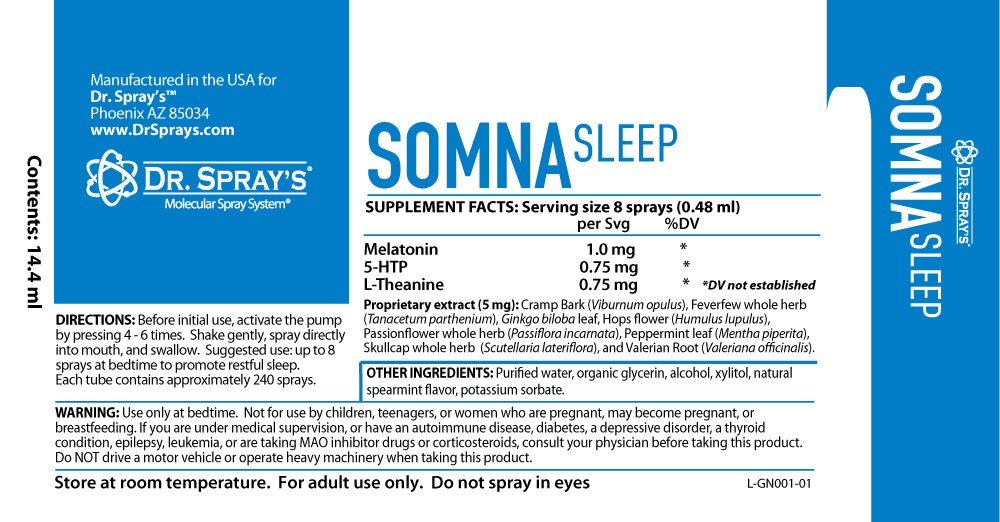
Some children benefit from targeted nutritional support designed specifically for sleep. While not intended to replace healthy sleep habits, certain spray supplements can complement your overall sleep strategy.
Products formulated with sleep-supporting ingredients work synergistically with proper sleep hygiene, consistent routines, and optimal sleep environments. The spray delivery format offers particular advantages for children, ensuring efficient absorption without the challenges associated with pills or gummies.
Developed by healthcare professionals and manufactured in FDA-registered, GMP-certified facilities in Phoenix, Arizona, high-quality oral spray vitamins provide parents with reliable options for supporting their child's nutritional needs.
The Role of Consistency and Patience
Sustainable sleep improvements require time and unwavering consistency. Many parents abandon effective strategies prematurely when they don't see immediate results, but sleep habit changes typically require 2-4 weeks of consistent implementation before becoming established.
Expect some regression during transitions—school breaks, travel, illness, or family changes temporarily disrupt even well-established sleep patterns. Return to your core routine as quickly as possible when normal circumstances resume.
Document your child's sleep patterns in a simple log. Record bedtime, wake time, nighttime wakings, and relevant factors like activity levels, screen time, or dietary changes. This information helps identify patterns and triggers while providing concrete evidence of improvement over time.
Addressing Anxiety and Fears
Six-year-olds commonly develop new fears—darkness, monsters, separation from parents, or frightening dreams. These concerns feel very real to your child and dismissing them rarely helps.
Acknowledge your child's feelings while providing age-appropriate reassurance. Problem-solve together during daylight hours, creating strategies your child can implement when fears arise at night.
Practical Fear-Management Techniques
- Monster spray: Water in a spray bottle labeled "monster repellent" empowers your child with a concrete action
- Brave thoughts: Help your child develop specific positive statements to repeat when afraid
- Security checks: Include closet and under-bed checks in the bedtime routine, then consider them complete
- Gradual independence: Slowly reduce your presence in the room over several weeks if co-presence has become necessary
Building a Comprehensive Sleep Plan
Effective sleep solutions rarely involve a single change. Instead, multiple small improvements combine to create significant results. Assess all aspects of your current situation—routine, environment, nutrition, activity levels, and emotional factors—then prioritize 2-3 initial changes.
Implement these changes consistently for at least two weeks before adding additional modifications. This approach prevents overwhelming yourself and your child while allowing you to identify which interventions prove most effective.
Consider incorporating vitamin spray supplements to address any nutritional gaps that might be impacting sleep quality. The convenience and efficacy of spray delivery makes daily supplementation sustainable long-term.
Frequently Asked Questions
Should I let my 6-year-old stay up later on weekends?
Maintaining consistent sleep and wake times seven days per week produces the best sleep quality results. Weekend schedule variations of more than one hour can disrupt circadian rhythms, making Monday morning significantly more difficult. If occasional late nights occur, maintain the regular wake time and allow a brief afternoon quiet rest period if needed.
How long should bedtime routines last?
Effective bedtime routines typically span 30-60 minutes from start to lights out. Shorter routines may not provide adequate wind-down time, while longer routines often include too many activities or become opportunities for stalling. Keep the sequence consistent and predictable, moving through each step at a calm, unhurried pace.
Are vitamin sprays safe for 6-year-olds?
High-quality oral spray vitamins formulated for appropriate dosages are generally safe for children when used as directed. Look for products manufactured in FDA-registered, GMP-certified facilities with third-party testing. Always consult your pediatrician before starting any new supplement, especially if your child has existing health conditions or takes medications.
What if my child says they're not tired at bedtime?
Subjective tiredness differs from biological sleep readiness. Maintain consistent bedtime regardless of your child's reported tiredness level. Ensure adequate daytime physical activity, limit afternoon caffeine from chocolate or soda, and eliminate screens in the evening. If the issue persists despite appropriate sleep hygiene, consider whether bedtime might genuinely be too early for your individual child's chronotype.
How can I tell if sleep problems indicate a disorder?
Warning signs include loud, persistent snoring; gasping or breathing pauses during sleep; extreme difficulty waking in morning despite adequate sleep opportunity; falling asleep at inappropriate times during the day; and significant behavioral or academic problems related to tiredness. Consult your pediatrician if sleep difficulties persist beyond three months despite consistent intervention, or if you observe concerning symptoms.
Can nutritional deficiencies really affect sleep?
Yes, several nutrients play crucial roles in sleep regulation. Vitamin D influences sleep quality and duration, B vitamins support melatonin production and sleep-wake cycle regulation, and magnesium promotes relaxation and circadian rhythm stability. While supplements shouldn't replace a balanced diet, targeted supplementation through efficient delivery methods like vitamin spray can address deficiencies that impact sleep.
Take Action for Better Sleep Tonight
Transforming your 6-year-old's sleep doesn't happen overnight, but every positive change moves your family toward better rest and improved well-being. Start by implementing one or two strategies from this guide—perhaps establishing a consistent bedtime routine and optimizing the sleep environment.
Consider whether nutritional gaps might be impacting your child's sleep quality. Explore our range of doctor-developed spray supplements designed for superior absorption and convenient daily use. Our vitamin D3 and B12 sprays support the nutritional foundations of healthy sleep while fitting seamlessly into your bedtime routine.
Manufactured in our FDA-registered, GMP-certified facility in Phoenix, Arizona, our oral spray vitamins deliver up to 90% absorption—far exceeding traditional pill supplements. Give your child the nutritional support they need in a format that actually works.
Ready to support your child's sleep naturally? Browse our complete collection of spray supplements and discover why thousands of families trust our products for their daily nutritional needs.