If bedtime has become a nightly battle with your 7-year-old, you're not alone. Many parents struggle with establishing healthy sleep routines for school-age children. The good news is that with the right combination of environmental adjustments, consistent habits, and proper nutritional support, you can help your child develop better sleep patterns.
In this comprehensive guide, we'll explore evidence-based strategies to help your 7-year-old get the quality sleep they need for growth, learning, and emotional well-being.
Understanding Sleep Needs for 7-Year-Olds
According to the American Academy of Sleep Medicine, children aged 6-12 years need 9-12 hours of sleep per night. At age 7, most children function best with 10-11 hours of sleep. This isn't just a guideline—adequate sleep directly impacts your child's cognitive development, immune function, emotional regulation, and physical growth.
When children don't get enough sleep, they may experience:
- Difficulty concentrating in school
- Increased irritability and mood swings
- Weakened immune system
- Impaired memory and learning
- Behavioral challenges
- Slower physical growth
Common Sleep Challenges at Age 7
Before implementing solutions, it helps to understand why your 7-year-old might be resisting sleep or having trouble falling asleep:
Increased Independence and Boundary Testing
At 7 years old, children are developing a stronger sense of autonomy. They may resist bedtime simply because they want to assert control over their schedule. This is a normal developmental phase, but it requires firm, consistent boundaries.
Screen Time and Digital Stimulation
Exposure to screens—tablets, phones, computers, and televisions—suppresses melatonin production, the hormone responsible for sleep regulation. Even educational content can be overstimulating before bed.
Anxiety and Worry
Seven-year-olds are developing more complex thinking patterns and may experience anxiety about school performance, friendships, or family situations. These worries often surface at bedtime when there are fewer distractions.
Nutritional Deficiencies
Certain vitamin and mineral deficiencies can significantly impact sleep quality. Insufficient levels of magnesium, vitamin D, and B vitamins have been linked to sleep disturbances in children.
Creating an Optimal Sleep Environment
The bedroom environment plays a crucial role in sleep quality. Making strategic changes can dramatically improve your child's ability to fall asleep and stay asleep.
Temperature Control
The ideal bedroom temperature for sleep is between 65-68°F (18-20°C). While this might feel cool, a slightly cooler room helps the body's natural temperature drop that signals sleep time. In Phoenix, Arizona, where temperatures can remain high even at night, using air conditioning effectively becomes especially important for children's sleep quality.
Darkness and Light Management
Light exposure is one of the most powerful regulators of our circadian rhythm. Install blackout curtains or shades to eliminate outside light sources. If your child is afraid of complete darkness, use a dim red or amber night light, which doesn't interfere with melatonin production as much as blue or white light.
Noise Reduction
Create a quiet environment or use white noise to mask disruptive sounds. A consistent, gentle background sound can help children fall asleep faster and maintain deeper sleep throughout the night.
Comfortable Bedding
Ensure your child has comfortable, breathable bedding appropriate for the season. Natural fibers like cotton tend to regulate temperature better than synthetic materials.
Establishing a Consistent Bedtime Routine
A predictable bedtime routine signals to your child's body that sleep is approaching. Consistency is more important than the specific activities you choose.
The 60-Minute Wind-Down Window
Begin the bedtime routine approximately 60 minutes before lights-out. This gives your child adequate time to transition from active daytime mode to sleep mode.
An effective routine might include:
- Screen shutdown (60 minutes before bed): Turn off all electronic devices
- Tidy up (45 minutes before bed): Put away toys and prepare for tomorrow
- Bath or shower (40 minutes before bed): The temperature drop after a warm bath promotes sleepiness
- Pajamas and hygiene (30 minutes before bed): Brush teeth, use the bathroom
- Quiet activities (20 minutes before bed): Reading, gentle stretching, or quiet conversation
- Lights out (bedtime): Final goodnight with consistent ritual
The Power of Reading
Reading together before bed provides multiple benefits: quality time, language development, imagination stimulation, and a calming transition activity. Let your child choose age-appropriate books, and consider series that they look forward to continuing each night.
Nutritional Support for Better Sleep
What your child eats—and when—can significantly impact their ability to fall asleep and sleep quality throughout the night.
Timing Matters
Avoid large meals within 2-3 hours of bedtime. Heavy or rich foods can cause discomfort that interferes with sleep. If your child needs a snack before bed, choose something light that combines protein and complex carbohydrates, such as a small bowl of whole-grain cereal with milk or apple slices with almond butter.
Key Nutrients for Sleep
Several vitamins and minerals play essential roles in sleep regulation:
Vitamin D: Often called the "sunshine vitamin," vitamin D influences sleep quality and duration. Research shows that vitamin D deficiency is associated with sleep disorders in children. In sunny climates like Phoenix, Arizona, you might assume children get adequate vitamin D, but indoor lifestyles and proper sun protection can actually lead to deficiencies.
B Vitamins: The B-complex vitamins, particularly B6 and B12, are involved in producing melatonin and serotonin, neurotransmitters that regulate sleep-wake cycles. A vitamin B12 spray can provide easily absorbed supplementation when dietary intake is insufficient.
Magnesium: This mineral helps activate neurotransmitters that calm the nervous system and prepare the body for sleep. Magnesium deficiency has been linked to insomnia and restless sleep in children.
The Advantage of Spray Supplements
Traditional pills and gummies can be challenging for children—they may refuse to swallow pills or resist taking supplements. Oral spray vitamins offer several advantages for supporting your child's nutritional needs:
- Higher absorption rates: Spray supplements bypass much of the digestive system, delivering nutrients directly through the oral mucosa for absorption rates up to 90%
- No swallowing required: Ideal for children who struggle with pills
- Pleasant taste: More appealing than swallowing tablets
- Quick and convenient: Takes seconds to administer
- Precise dosing: Each spray delivers a measured amount
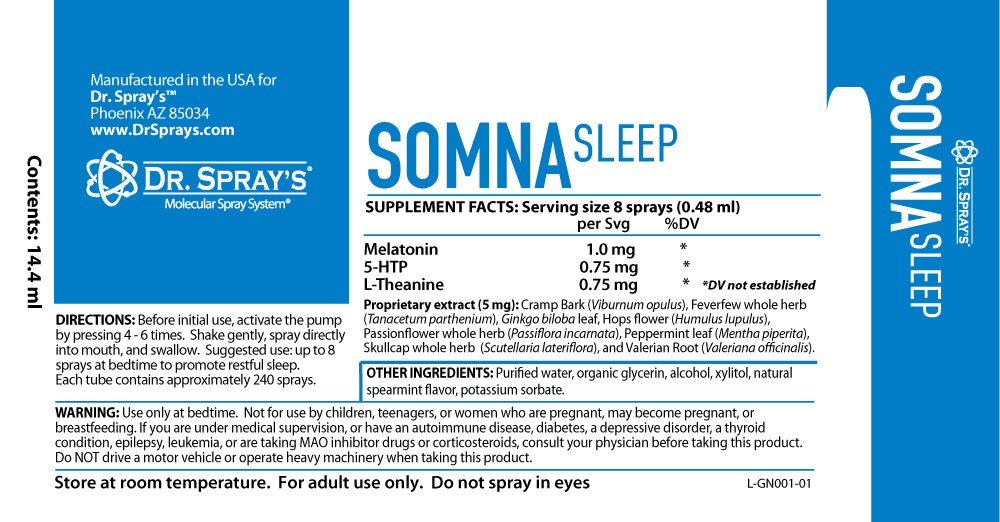
For children experiencing sleep difficulties, spray supplements formulated to support healthy sleep patterns can be a practical addition to their bedtime routine. These specialized formulations often combine complementary ingredients that work synergistically to promote relaxation and healthy sleep.
Managing Pre-Bedtime Anxiety
Many 7-year-olds experience anxiety or worried thoughts at bedtime. These strategies can help:
Worry Time Earlier in the Day
Designate a specific "worry time" earlier in the evening where your child can share concerns and you can problem-solve together. This prevents bedtime from becoming the default worry time.
Relaxation Techniques
Teach your child simple relaxation exercises:
- Deep breathing: Practice "belly breathing" where they breathe in slowly through the nose, hold briefly, and exhale slowly through the mouth
- Progressive muscle relaxation: Systematically tense and relax different muscle groups
- Visualization: Guide them to imagine a peaceful, happy place
Validate Their Feelings
Never dismiss your child's fears or anxieties, even if they seem irrational to you. Acknowledge their feelings while providing reassurance and practical coping strategies.
Physical Activity and Sleep Connection
Regular physical activity promotes better sleep, but timing matters. Encourage your 7-year-old to be physically active during the day, but avoid vigorous exercise within 2-3 hours of bedtime, as it can be too stimulating.
Aim for at least 60 minutes of moderate to vigorous physical activity daily. This could include:
- Playground play
- Swimming
- Bike riding
- Sports activities
- Active games
- Dance or martial arts
Morning or afternoon sunlight exposure during outdoor activities also helps regulate your child's circadian rhythm, making it easier to fall asleep at night.
The Role of Consistency
One of the most important factors in establishing healthy sleep habits is consistency—even on weekends and holidays.
Same Bedtime and Wake Time
Try to maintain the same sleep schedule seven days a week, varying by no more than 30-60 minutes on weekends. This consistency reinforces your child's circadian rhythm.
Consistent Responses to Resistance
When your child resists bedtime or gets out of bed, respond the same way every time. Calmly and firmly guide them back to bed with minimal interaction. Inconsistent responses teach children that persistence might eventually work.
When to Seek Professional Help
While most sleep challenges in 7-year-olds can be addressed with the strategies outlined above, certain signs warrant consultation with a pediatrician or sleep specialist:
- Loud snoring or breathing pauses during sleep (possible sleep apnea)
- Excessive daytime sleepiness despite adequate sleep opportunity
- Frequent nightmares or night terrors
- Sleepwalking or sleep talking that's frequent or dangerous
- Extreme difficulty waking in the morning
- Sleep problems persisting despite consistent intervention for 4-6 weeks
Creating a Comprehensive Sleep Plan
Implementing multiple strategies simultaneously tends to be more effective than trying one approach at a time. Here's a practical action plan:
Week 1: Environment and Routine
- Optimize the bedroom environment (temperature, darkness, noise)
- Establish a consistent bedtime and wake time
- Create a 60-minute bedtime routine
- Remove all screens from the bedroom
Week 2: Add Nutritional Support
- Evaluate your child's diet for sleep-supporting nutrients
- Consider adding a vitamin D3 spray if deficiency is suspected
- Ensure adequate hydration during the day (but limit fluids close to bedtime)
- Adjust dinner timing if needed
Week 3: Fine-Tune and Address Anxiety
- Implement worry time and relaxation techniques
- Adjust any elements of the routine that aren't working
- Maintain consistency even when challenged
- Track progress to identify patterns
The Long-Term Benefits of Healthy Sleep
The effort you invest in establishing healthy sleep habits for your 7-year-old pays dividends far beyond childhood. Children who develop good sleep habits tend to:
- Perform better academically
- Have stronger immune systems
- Maintain healthier weights
- Experience better emotional regulation
- Develop positive lifelong sleep habits
Quality sleep is as important for your child's development as nutrition and exercise. By prioritizing sleep and implementing consistent strategies, you're investing in your child's health, happiness, and future success.
Frequently Asked Questions
What time should a 7-year-old go to bed?
Most 7-year-olds need 10-11 hours of sleep, so bedtime should be calculated backward from their required wake time. If your child needs to wake at 7:00 AM, bedtime should be between 8:00-9:00 PM. Individual needs may vary slightly, but consistency is more important than the exact time.
How do I stop my 7-year-old from getting out of bed repeatedly?
Respond calmly and consistently each time. Walk your child back to bed with minimal interaction—no conversation, playing, or negotiating. Simply say "It's bedtime" and guide them back. This consistency teaches that getting up won't result in engagement or delayed bedtime. Ensure all their needs (bathroom, water, comfort) are addressed during the bedtime routine.
Are vitamin sprays safe for children?
Yes, oral spray vitamins formulated for children are safe when used as directed. Vitamin spray products from reputable manufacturers offer high absorption rates and precise dosing. However, always consult your pediatrician before starting any new supplement, especially if your child has health conditions or takes medications.
Can nutritional deficiencies really affect my child's sleep?
Absolutely. Research shows that deficiencies in vitamin D, B vitamins, magnesium, and certain other nutrients can significantly impact sleep quality and duration. If your child has persistent sleep issues, ask your pediatrician to check for nutritional deficiencies through blood work.
How long does it take to establish new sleep habits?
Most children adapt to new sleep routines within 2-4 weeks of consistent implementation. The first few nights may be challenging, but persistence pays off. Some children adjust more quickly, while others may take a full month to fully adapt to new expectations.
Should I let my child sleep in on weekends to catch up on sleep?
While it might seem helpful, sleeping significantly later on weekends can disrupt your child's circadian rhythm and make Monday morning more difficult. If your child seems sleep-deprived, it's better to move bedtime earlier rather than allowing them to sleep much later on weekends. Limit weekend wake time variation to 30-60 minutes from the school schedule.
My child says they're not tired at bedtime. What should I do?
This often indicates that bedtime is too early for their current sleep pressure, or they're getting second wind from stimulating activities. Ensure the hour before bed is calm and screen-free. You might also need to evaluate whether daytime naps or caffeine consumption (from chocolate, soda, etc.) are interfering with nighttime sleep pressure. Maintain the consistent bedtime regardless, and their body will adjust over time.
Is it normal for 7-year-olds to be afraid of the dark?
Yes, fear of the dark is common and developmentally normal at this age. Use a dim night light (amber or red colored is best), leave the bedroom door slightly open, and establish security objects like a favorite stuffed animal. Validate their feelings while providing reassurance. If fears are severe or increasing, consult your pediatrician.
About the Author
This article was written by the health education team at DrSprays, a Phoenix, Arizona-based company specializing in doctor-developed oral vitamin sprays. Our products are manufactured in an FDA-registered, GMP-certified facility and formulated to deliver maximum absorption through innovative spray delivery technology. We're committed to providing families with convenient, effective nutritional solutions backed by science.
Take Action for Better Sleep Tonight
Improving your 7-year-old's sleep doesn't happen overnight, but with consistent implementation of these evidence-based strategies, you'll likely see meaningful improvements within a few weeks. Remember that every child is unique—what works for one may need adjustment for another.
If nutritional support is part of your sleep improvement plan, consider the convenience and effectiveness of oral spray vitamins. DrSprays offers doctor-developed formulations with up to 90% absorption rates, manufactured in our FDA-registered facility in Phoenix, Arizona.
Sleep is foundational to your child's health, development, and happiness. By prioritizing healthy sleep habits now, you're giving your child a gift that will benefit them for years to come.
Ready to support your child's sleep with quality nutritional supplementation? Explore our range of spray supplements designed for optimal absorption and convenience.