Getting a 9-year-old to sleep can be one of the most frustrating challenges parents face. At this age, children are navigating increased academic demands, social pressures, and significant physical growth—all of which can disrupt their natural sleep patterns. If bedtime has become a nightly battle in your household, you're not alone, and more importantly, there are evidence-based strategies that can help.
Understanding why your child struggles with sleep is the first step toward finding solutions that work for your family. From nutritional deficiencies to technology overexposure, multiple factors can contribute to sleep difficulties in school-age children.
Understanding Sleep Needs for 9-Year-Olds
According to the American Academy of Sleep Medicine, children aged 6-12 years need 9-12 hours of sleep per night for optimal health. At age 9, most children function best with 10-11 hours of quality sleep. This isn't just about avoiding crankiness the next day—adequate sleep directly impacts cognitive function, emotional regulation, immune system strength, and physical growth.
When children consistently get less sleep than they need, parents may notice:
- Difficulty concentrating at school
- Increased irritability or mood swings
- More frequent illnesses
- Difficulty waking up in the morning
- Hyperactivity or decreased energy levels
- Poor academic performance
The challenge is that 9-year-olds are at a developmental stage where they want more independence and control over their routines, which can make implementing consistent sleep habits more difficult than when they were younger.
Common Sleep Obstacles for School-Age Children
Screen Time and Blue Light Exposure
Electronic devices have become a primary sleep disruptor for children. The blue light emitted by tablets, smartphones, and computer screens suppresses melatonin production—the hormone that signals to our bodies that it's time to sleep. Even 30 minutes of screen exposure before bed can delay sleep onset by an hour or more.
Beyond the biological impact, engaging content keeps children's minds active and alert when they should be winding down. Whether it's video games, social media, or YouTube videos, these activities stimulate rather than relax.
Nutritional Deficiencies Affecting Sleep
What your child eats—and what they might be lacking—plays a significant role in sleep quality. Several key nutrients directly impact the body's ability to produce sleep hormones and regulate circadian rhythms:
Vitamin D: Research shows that vitamin D deficiency is associated with shorter sleep duration and poor sleep quality in children. This vitamin helps regulate melatonin production. Children who spend most of their time indoors or live in northern climates are particularly at risk for deficiency. A vitamin D3 spray can provide targeted support without the difficulty of swallowing pills.
B Vitamins: The B vitamin complex, particularly B6 and B12, supports the production of serotonin and melatonin. B12 also helps regulate the sleep-wake cycle. Children who are picky eaters or follow restricted diets may not get adequate B vitamins from food alone. An oral spray vitamin delivery method offers superior absorption compared to traditional supplements.
Magnesium: This mineral acts as a natural relaxant, helping calm the nervous system and prepare the body for sleep. Many children don't consume enough magnesium-rich foods like leafy greens, nuts, and whole grains.
Stress and Anxiety
Nine-year-olds face more stressors than many parents realize. Academic pressure, social dynamics, extracurricular activities, and awareness of world events can create anxiety that manifests at bedtime when distractions fade and worries surface.
Children this age may also experience fear of the dark, separation anxiety, or worry about performance in school or sports. These concerns can trigger the body's stress response, making it physiologically difficult to fall asleep.
Inconsistent Sleep Schedules
The body's circadian rhythm thrives on consistency. When bedtimes and wake times vary significantly—especially on weekends—it disrupts this natural cycle. What seems like "sleeping in" on Saturday morning can actually make it harder for your child to fall asleep Sunday night, creating a challenging start to the school week.
Creating an Effective Sleep Environment
Your child's bedroom should be a sleep sanctuary. Several environmental factors significantly impact sleep quality:
Temperature and Comfort
The ideal sleep temperature is between 65-68°F (18-20°C). A room that's too warm can prevent the natural drop in body temperature that facilitates sleep onset. Ensure your child has comfortable bedding appropriate for the season and consider breathable, natural fabrics.
Darkness and Light Control
Complete darkness signals the brain to produce melatonin. If your child needs some light for comfort, use the dimmest night light possible, preferably with a red or amber bulb that doesn't interfere with melatonin production like blue or white light does.
Equally important is morning light exposure. Opening curtains as soon as your child wakes helps set their circadian rhythm and makes falling asleep easier that night.
Noise Management
Some children sleep better with white noise that masks disruptive sounds, while others prefer complete silence. If you live in a noisy area or have multiple children at different bedtimes, a white noise machine can be helpful.
Building a Consistent Bedtime Routine
A predictable routine signals to your child's body that sleep is approaching. For 9-year-olds, an effective routine typically takes 30-60 minutes and includes calming activities. Here's a framework that works for many families:
One Hour Before Bed
- All screens turn off—no exceptions
- Dim the lights throughout the house
- Begin transitioning to quieter activities
- Offer a light snack if needed (avoid sugar and heavy foods)
- Take sleep support supplements if recommended by your pediatrician
30-45 Minutes Before Bed
- Take a warm bath or shower
- Put on pajamas and brush teeth
- Prepare belongings for the next day (this reduces bedtime anxiety)
- Engage in a calm activity like reading or light stretching
Final 15 Minutes
- Read together or allow independent reading with a book light
- Practice breathing exercises or meditation
- Discuss three good things from the day
- Say goodnight and leave the room while your child is drowsy but still awake
The key is consistency. Following the same sequence every night trains your child's brain to anticipate sleep.
Dietary Strategies for Better Sleep
What and when your child eats affects their sleep quality more than most parents realize.
Foods That Promote Sleep
Include these sleep-supporting foods in your child's diet, especially at dinner:
- Turkey, chicken, and eggs (rich in tryptophan)
- Cherries and kiwi (natural melatonin sources)
- Bananas (contain magnesium and potassium)
- Oatmeal (complex carbohydrates that support serotonin production)
- Almonds and walnuts (magnesium and healthy fats)
- Dairy products (calcium and tryptophan)
Foods and Drinks to Avoid Before Bed
- Caffeine (found in chocolate, soda, and some teas)—avoid after 2 PM
- Sugary snacks that cause blood sugar spikes and crashes
- Heavy, high-fat meals within 3 hours of bedtime
- Large amounts of liquid close to bedtime (prevents sleep disruption from bathroom trips)
The Role of Vitamin Supplementation
Even with a balanced diet, many children don't get optimal levels of sleep-supporting nutrients. This is where targeted supplementation can make a significant difference.
Traditional pills and gummies present challenges for many 9-year-olds. Pills can be difficult to swallow, and gummies often contain sugar and artificial ingredients that may actually interfere with sleep. Spray supplements offer a practical alternative with superior absorption rates.
Developed by medical professionals in Phoenix, Arizona, vitamin spray formulations deliver nutrients directly through the oral mucosa, achieving up to 90% absorption compared to 10-20% for traditional pills. This means your child gets more of the beneficial nutrients their body needs for healthy sleep patterns.
A comprehensive approach might include:
- Morning: Vitamin D3 spray to support circadian rhythm regulation
- Afternoon: Multi-vitamin spray to address any nutritional gaps
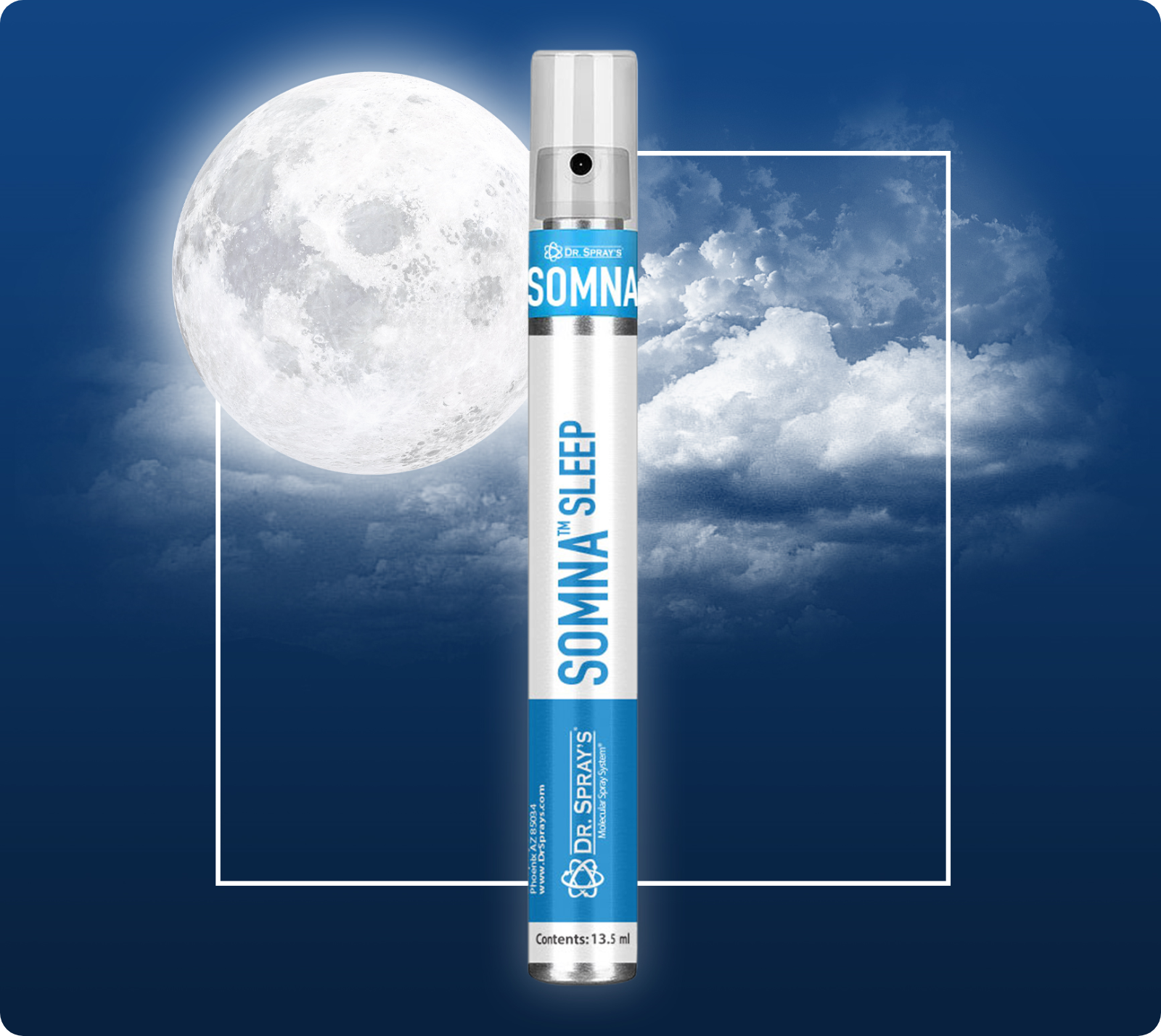
- Evening: Sleep support spray as part of the bedtime routine
Always consult with your pediatrician before starting any supplement regimen to ensure it's appropriate for your child's specific needs.
Exercise and Physical Activity
Regular physical activity is one of the most effective natural sleep aids for children. Exercise helps regulate circadian rhythms, reduces stress and anxiety, and creates healthy fatigue that promotes sleep.
Aim for at least 60 minutes of moderate to vigorous physical activity daily. This can include:
- Organized sports or team activities
- Bike riding or walking
- Swimming
- Active play at a park or playground
- Dancing or active video games
- Family activities like hiking or playing catch
The timing of exercise matters. Morning and afternoon physical activity supports better sleep, but vigorous exercise within 2-3 hours of bedtime can be too stimulating and make falling asleep more difficult.
Managing Bedtime Resistance
Even with the perfect environment and routine, some children resist bedtime. Here's how to address common scenarios:
"I'm Not Tired"
This often means your child's circadian rhythm is delayed. Gradually move bedtime earlier by 15 minutes every few days while ensuring morning wake time stays consistent. Increase daytime light exposure and physical activity. The body will eventually adjust.
"I Can't Fall Asleep"
Teach your child relaxation techniques like deep breathing (4-7-8 breathing: breathe in for 4, hold for 7, exhale for 8) or progressive muscle relaxation. If they're still awake after 20 minutes, have them do a calm activity in dim light until they feel drowsy, then return to bed.
Frequent Night Wakings
If your child wakes frequently, ensure their room isn't too hot, they're getting adequate vitamin D during the day, and they're not consuming caffeine. Night wakings can also indicate underlying anxiety that may benefit from professional support.
Stalling Tactics
The "one more story" or "I need water" requests are common delay tactics. Address all needs before starting the bedtime routine, then set clear, consistent boundaries. "We've already had water and read our stories. It's time to sleep now. I'll see you in the morning."
When to Seek Professional Help
While most sleep issues respond to behavioral changes and environmental modifications, some situations warrant professional evaluation:
- Loud snoring or pauses in breathing during sleep (may indicate sleep apnea)
- Extreme difficulty waking in the morning despite adequate sleep hours
- Falling asleep at inappropriate times (during school, meals, activities)
- Sleep problems that persist despite consistent implementation of healthy sleep strategies for 4-6 weeks
- Severe anxiety or fear around bedtime
- Physical symptoms like frequent headaches or stomach aches related to sleep issues
- Sleepwalking or night terrors that occur frequently or pose safety risks
Your pediatrician can evaluate for underlying medical conditions, refer you to a sleep specialist if needed, or recommend additional interventions.
The Long-Term Impact of Healthy Sleep Habits
Establishing good sleep habits at age 9 creates a foundation for lifelong health. Children who learn to prioritize and manage their sleep are better equipped to:
- Maintain healthy body weight
- Regulate emotions effectively
- Perform well academically
- Build strong social relationships
- Develop resilience against stress
- Avoid sleep disorders in adolescence and adulthood
The effort you invest now in creating consistent routines and addressing sleep obstacles pays dividends far beyond childhood. You're teaching your child that sleep is valuable, that their body's needs matter, and that taking care of themselves is a priority.
Frequently Asked Questions
How long does it take to establish a new sleep routine?
Most children adapt to a new sleep routine within 2-4 weeks of consistent implementation. The key is maintaining the same schedule every night, including weekends. You may see some improvement within the first week, but lasting change typically requires at least three weeks of consistency.
Should I let my 9-year-old sleep in on weekends?
It's best to keep wake times consistent within one hour, even on weekends. Sleeping in significantly disrupts circadian rhythms and makes Sunday night bedtime more difficult. If your child seems sleep-deprived, move bedtime earlier rather than allowing extended morning sleep.
Are vitamin sprays safe for children?
When formulated specifically for children and used as directed, oral spray vitamins are safe and effective. DrSprays products are manufactured in an FDA-registered, GMP-certified facility in Phoenix, Arizona, and developed by medical professionals. Always consult your pediatrician before starting any supplement to ensure it's appropriate for your child's individual needs.
What's the best way to reduce screen time before bed?
Create a charging station outside bedrooms where all devices must be placed one hour before bedtime. Make this a household rule that applies to adults too. Offer engaging alternatives like books, puzzles, or conversation. If your child needs a device for legitimate homework, use blue light blocking software and ensure work is completed well before the bedtime routine begins.
Can melatonin supplements help my 9-year-old sleep?
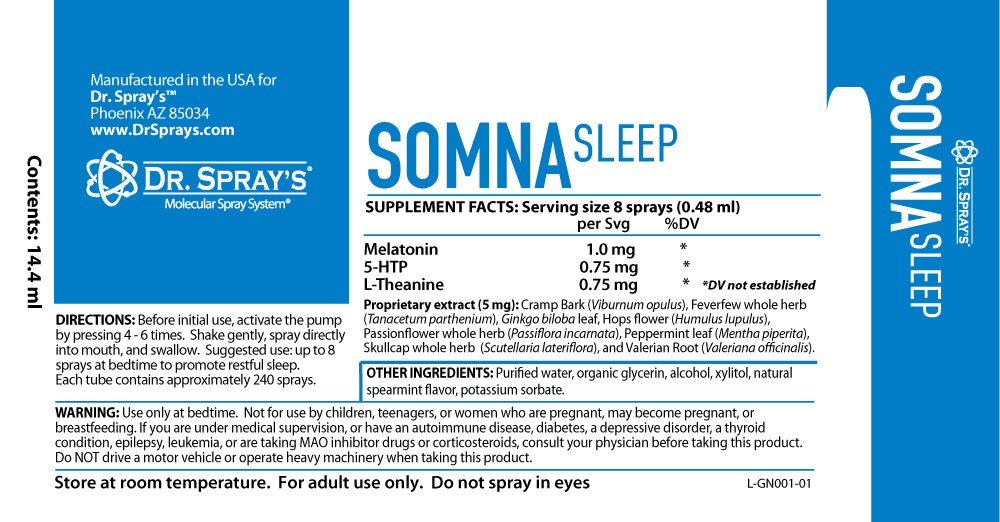
While melatonin can be effective for some children, it should only be used under pediatric guidance. It's most helpful for circadian rhythm disorders rather than behavioral sleep issues. Many sleep problems respond better to addressing underlying causes like nutritional deficiencies, establishing routines, and improving sleep hygiene. A natural sleep support formula with herbs and sleep-promoting vitamins may be a better first approach.
How much vitamin D does my child need for healthy sleep?
The American Academy of Pediatrics recommends 600 IU of vitamin D daily for children, though some research suggests higher amounts may be beneficial, especially for children with deficiency. Your pediatrician can test your child's vitamin D levels and recommend an appropriate dosage. A vitamin D3 spray offers precise dosing and superior absorption.
What if my child has anxiety about sleeping alone?
Gradually build independence by starting with you sitting in the room, then moving closer to the door over several nights, then standing in the doorway, then in the hallway. Provide comfort objects, use a night light if needed, and validate their feelings while maintaining consistent expectations. If anxiety is severe or persistent, consider professional support from a child psychologist.
Is it normal for 9-year-olds to fight bedtime?
Some resistance is developmentally normal as children seek autonomy. However, extreme or persistent battles may indicate that bedtime is too early, the routine isn't working, or there are underlying issues like anxiety or insufficient daytime physical activity. Involve your child in creating the routine to increase buy-in and compliance.
Take Action for Better Sleep Tonight
Helping your 9-year-old develop healthy sleep habits requires patience, consistency, and sometimes a multifaceted approach. By addressing environmental factors, establishing predictable routines, ensuring proper nutrition, and considering targeted supplementation when appropriate, you can transform bedtime from a nightly battle into a peaceful transition.
Start by implementing one or two changes rather than trying to overhaul everything at once. Perhaps begin with a consistent bedtime and removing screens an hour before sleep. Once these habits are established, add other elements like optimizing the sleep environment or addressing nutritional gaps.
If you're concerned that nutritional deficiencies might be impacting your child's sleep, consider exploring high-absorption spray supplements designed for optimal nutrient delivery. With up to 90% absorption rates and formulations developed by medical professionals, vitamin sprays offer a practical solution for children who struggle with traditional supplements.
Remember, every child is unique. What works perfectly for one family may need adjustment for yours. Stay consistent, be patient with the process, and celebrate small improvements. With time and commitment, you can help your child develop the healthy sleep habits that will serve them throughout their life.
Ready to support your child's sleep with science-backed nutrition? Explore our complete line of vitamin sprays manufactured in Phoenix, Arizona, or contact our team for personalized guidance on choosing the right supplements for your family's needs.