Putting a 2-year-old to sleep can be one of the most challenging aspects of parenting. At this age, toddlers are developing independence, testing boundaries, and experiencing rapid cognitive and physical growth—all of which can significantly impact their sleep patterns. If you're struggling with bedtime battles, you're not alone. This comprehensive guide will help you understand why sleep is so important for your toddler and provide practical strategies to establish healthy sleep habits.
Why Sleep Matters for Your 2-Year-Old
Sleep isn't just rest—it's essential developmental work. During sleep, your toddler's brain consolidates memories, processes new skills, and releases growth hormones. Quality sleep supports emotional regulation, immune function, and cognitive development. According to pediatric sleep experts, children aged 1-2 years need 11-14 hours of sleep per 24-hour period, including naps.
When toddlers don't get adequate sleep, the consequences extend beyond crankiness. Sleep deprivation can affect appetite, immune function, behavior, and even long-term health outcomes. Understanding this importance helps frame bedtime not as a battle, but as a crucial health priority for your child.
Common Sleep Challenges at Age 2
Before diving into solutions, it's helpful to understand what makes sleep particularly challenging at this developmental stage:
Developmental Milestones
Two-year-olds are experiencing explosive language development, increasing motor skills, and burgeoning independence. These exciting changes can make it difficult for their brains to "switch off" at bedtime. Your toddler may want to practice new words or physical skills instead of settling down to sleep.
Separation Anxiety
Many 2-year-olds experience renewed or continued separation anxiety. Bedtime means separating from parents, which can trigger distress. This is a normal developmental phase, though it requires patience and consistency to navigate.
Testing Boundaries
The "terrible twos" reputation exists for a reason. At this age, children are learning they're separate individuals who can say "no" and exert control. Bedtime often becomes a prime opportunity for testing these newfound powers.
Transitional Sleep Issues
Some toddlers are transitioning from two naps to one, or from one nap to none. These transitions can temporarily disrupt nighttime sleep as their bodies adjust to new schedules.
Creating the Ideal Sleep Environment
Your child's bedroom environment plays a crucial role in sleep quality. Making strategic adjustments can significantly improve your toddler's ability to fall asleep and stay asleep.
Optimize Temperature and Comfort
The ideal bedroom temperature for sleep is between 68-72°F (20-22°C). If you live in warmer climates like Phoenix, Arizona, where summer temperatures soar, ensure your child's room stays cool and comfortable. Use breathable bedding and consider blackout curtains that also provide insulation.
Control Light Exposure
Darkness signals the brain to produce melatonin, the sleep hormone. Use blackout curtains or shades to eliminate outside light. If your child fears complete darkness, use a dim red or amber nightlight—these wavelengths don't suppress melatonin production like blue or white light does.
Minimize Noise Disruption
White noise machines can mask household sounds and create consistent auditory cues for sleep. Choose a device that produces true white noise or nature sounds, and keep the volume at a safe level (no louder than 50 decibels).
Safety First
Ensure the sleep space is safe: crib or toddler bed with appropriate guardrails, no loose blankets or pillows that could pose suffocation risks, and furniture secured to walls to prevent tipping.
Establishing an Effective Bedtime Routine
Consistency is the cornerstone of healthy toddler sleep. A predictable bedtime routine signals to your child's brain and body that sleep is approaching.
The 3-B Routine: Bath, Books, Bed
This classic approach works because it's simple, consistent, and calming:
- Bath time (20 minutes before bed): A warm bath raises body temperature slightly. When your child gets out, the subsequent temperature drop signals the body that it's time for sleep. Keep bath time calm—this isn't the time for vigorous play.
- Books (10-15 minutes): Reading together provides connection, language development, and a calm transition activity. Let your toddler choose 2-3 books to maintain some control while keeping the routine manageable.
- Bed: After stories, move to the sleeping space for final goodnight kisses, songs, or other brief closing rituals.
Timing Is Everything
Start your bedtime routine at the same time every night, aiming for your child to be in bed by 7:00-8:00 PM. Watch for sleep cues—rubbing eyes, yawning, decreased activity—and begin the routine before your toddler becomes overtired. An overtired child produces stress hormones that make falling asleep even harder.
Build in Connection Time
Many bedtime battles stem from children seeking more connection with parents. Build 10-15 minutes of one-on-one "special time" into the routine where your child has your undivided attention. This tank-filling connection often reduces bedtime protests.
Nutrition's Role in Toddler Sleep
What and when your child eats can significantly impact sleep quality. Understanding this connection helps you make strategic choices throughout the day.
Dinner Timing and Composition
Offer dinner 2-3 hours before bedtime. A meal with complex carbohydrates, protein, and healthy fats provides sustained energy without causing blood sugar spikes and crashes. Avoid sugary foods, chocolate, and caffeine (found in some sodas and chocolate products) within several hours of bedtime.
The Bedtime Snack Strategy
If your toddler seems hungry near bedtime, offer a small snack that combines protein and complex carbohydrates: whole grain crackers with cheese, banana with almond butter, or plain yogurt with berries. These combinations help stabilize blood sugar throughout the night.
Essential Nutrients for Sleep
Several nutrients play crucial roles in sleep regulation. Ensuring your toddler receives adequate amounts can support better sleep patterns.
Vitamin B12 helps regulate sleep-wake cycles and supports nervous system function. Deficiency can lead to sleep disturbances. While B12 is found in animal products, some toddlers—especially those with restricted diets—may not consume adequate amounts through food alone.
Vitamin D3 influences sleep quality and duration. Research shows that vitamin D deficiency correlates with sleep problems in children. The body produces vitamin D through sun exposure, but factors like sunscreen use (necessary for skin cancer prevention), indoor lifestyles, and geographic location can limit production. In sunny regions like Phoenix, Arizona, paradoxically, children may still be deficient because they spend much of their time indoors to escape extreme heat.
Magnesium supports relaxation and sleep by regulating neurotransmitters and the stress response system. It's found in leafy greens, nuts, seeds, and whole grains.
Addressing Nutritional Gaps
Many parents struggle to ensure their toddlers receive all necessary nutrients through diet alone. Picky eating is practically a hallmark of the toddler years. Traditional oral spray vitamins offer advantages over pills or gummy supplements for this age group.
Spray supplements are easier to administer to resistant toddlers—no choking hazards, no battles over chewing tablets, and no concerns about candy-like gummies creating unhealthy associations. Vitamin sprays also offer superior absorption compared to traditional tablets, with nutrients entering the bloodstream through the oral mucosa rather than requiring breakdown in the digestive system.
Products like vitamin D3 spray and vitamin B12 spray provide targeted nutritional support in forms that even the pickiest toddlers typically accept. The convenience of spray delivery means you can incorporate nutritional supplementation into your morning routine without added stress.
Handling Common Bedtime Challenges
Even with ideal environments and routines, specific challenges arise. Here's how to address the most common ones:
"I Need Water" and Other Delay Tactics
Toddlers are masters at delay tactics: "I'm thirsty," "I need another hug," "I have to tell you something." Prevent these by incorporating everything into the routine: offer water during the bedtime routine, announce "this is the last hug," and create a short window for final thoughts.
When requests come after "goodnight," respond briefly and matter-of-factly without engaging in conversation. "You had water during stories. It's time for sleep now." Then maintain consistency—the less attention these tactics receive, the faster they'll fade.
Nighttime Wakings
Brief nighttime wakings are normal; the problem arises when toddlers can't resettle independently. If your child wakes, give them a few minutes to potentially self-soothe before intervening. When you do respond, keep interactions brief, boring, and in dim light. Avoid stimulating activities, conversation, or bringing your child out of the bedroom.
Early Morning Waking
If your 2-year-old consistently wakes before 6:00 AM, evaluate their total sleep needs—they may be getting enough sleep with an earlier wake time. Try gradually shifting bedtime 15 minutes later every few days. Ensure the room stays dark in early morning hours with blackout curtains, and consider using a "toddler clock" that changes colors to signal when it's okay to get up.
Transitioning from Crib to Bed
If you're transitioning to a toddler bed, timing matters. Unless your child is climbing out of the crib (a safety concern), there's no rush. When you do transition, maintain all other sleep routines and boundaries. Consider using a baby gate at the bedroom door if your toddler repeatedly leaves their room.
The Power of Consistency and Patience
Perhaps the most important principle in toddler sleep is consistency. Children thrive on predictability—it creates security and helps their internal systems regulate. Once you establish a routine and boundaries, maintain them as consistently as possible.
This doesn't mean rigidity. Life happens: vacations, illnesses, and special occasions will disrupt routines. The key is returning to your established patterns as soon as possible after disruptions.
Expect that implementing new sleep strategies will take time. Sleep training or routine changes typically show improvement within 3-5 days but may take 2-3 weeks for full adjustment. Maintain consistency during this adjustment period, even when it's difficult.
When to Seek Professional Help
While most toddler sleep issues resolve with consistent routines and appropriate boundaries, sometimes professional guidance is needed. Consult your pediatrician if:
- Your child snores regularly or pauses breathing during sleep (possible sleep apnea)
- Sleep problems persist despite consistent intervention for over a month
- Your child shows signs of excessive daytime sleepiness or falls asleep at inappropriate times
- Sleep issues are accompanied by other concerning symptoms
- Family stress or parental exhaustion is affecting quality of life
Sleep disorders, though less common in toddlers, do exist. Conditions like sleep apnea, restless leg syndrome, or parasomnias may require medical evaluation and treatment.
Supporting Your Own Well-Being
Dealing with toddler sleep challenges is exhausting. Your own rest and well-being directly impact your patience, consistency, and ability to implement effective strategies. Prioritize your own sleep when possible, share nighttime duties with a partner if available, and remember that this phase is temporary.
Many parents find that ensuring their own nutritional needs are met helps maintain energy and resilience. Just as your toddler benefits from adequate vitamin supplementation, supporting your own health with proper nutrition, including oral spray vitamins for convenient nutrient delivery, can help you navigate demanding parenting phases with greater stamina.
Frequently Asked Questions
What time should a 2-year-old go to bed?
Most 2-year-olds benefit from a bedtime between 7:00 and 8:00 PM. This timing aligns with natural circadian rhythms and allows for adequate nighttime sleep (10-12 hours) while maintaining age-appropriate wake times. Adjust based on your child's wake time and nap schedule to ensure they receive 11-14 total hours of sleep per 24-hour period.
Should my 2-year-old still be napping?
Yes, most 2-year-olds still need one daytime nap, typically 1-3 hours in length. Naps usually occur in early afternoon (12:00-3:00 PM range). However, children transition away from napping at different ages. If your toddler consistently refuses naps but remains pleasant and alert until bedtime, they may be ready to drop naps—though this is more common closer to age 3.
How do I stop my 2-year-old from getting out of bed repeatedly?
Consistency is key. Each time your toddler leaves their room, calmly and silently return them to bed with minimal interaction. Use a baby gate at the doorway if needed. Some parents find success with "bedtime passes"—giving the child 1-2 tickets they can "spend" to leave the room, teaching them to use these strategically. Ensure all needs are met during the bedtime routine to minimize legitimate reasons for getting up.
Can vitamin deficiencies cause sleep problems in toddlers?
Yes, deficiencies in certain nutrients—particularly vitamin D, vitamin B12, magnesium, and iron—can contribute to sleep disturbances in children. Vitamin D deficiency has been linked to shorter sleep duration and poorer sleep quality, while B12 plays a role in regulating sleep-wake cycles. If your toddler has persistent sleep issues alongside other symptoms like fatigue or developmental concerns, discuss checking nutrient levels with your pediatrician.
Is it normal for my 2-year-old to wake up crying at night?
Occasional nighttime wakings with crying are normal at this age and can result from nightmares, sleep cycle transitions, discomfort, or separation anxiety. If wakings are frequent (more than 2-3 times per night) or your child seems distressed rather than simply awakening briefly, evaluate potential causes: room temperature, illness, teething, developmental changes, or insufficient daytime connection. Consistent nighttime response—brief, calm, minimal stimulation—helps toddlers learn to resettle.
How long should a bedtime routine take for a 2-year-old?
An effective bedtime routine typically lasts 30-45 minutes total, starting with the bath or calm play and ending with lights out. This provides enough time for the transition from active daytime energy to sleep readiness without being so long that your toddler becomes restless or the routine loses effectiveness. Keep the routine consistent in both activities and duration.
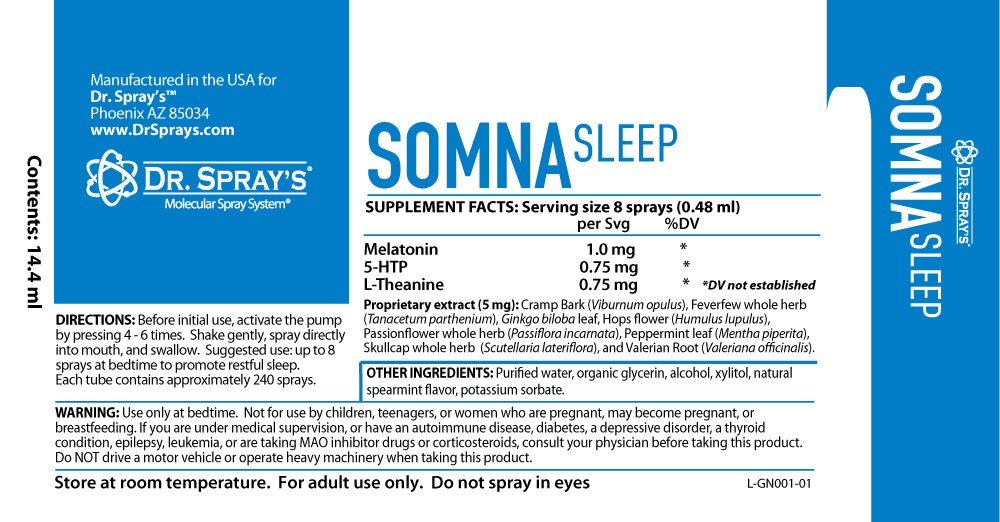
Should I use melatonin to help my toddler sleep?
Melatonin supplements should only be used under pediatric guidance. While melatonin is considered relatively safe, it's a hormone that affects multiple body systems, and long-term effects in developing children aren't fully understood. Most toddler sleep issues respond to behavioral interventions: consistent routines, appropriate sleep environment, and boundaries. If sleep problems persist despite these measures, consult your pediatrician before considering any supplements.
What if my 2-year-old is afraid of the dark?
Fear of the dark often emerges around age 2 as imagination develops. Use a dim nightlight with red or amber light wavelengths that won't interfere with melatonin production. Acknowledge your child's feelings without reinforcing the fear: "I know the dark feels scary, but you're safe in your room." Consider "monster spray" (water in a spray bottle) or a special stuffed animal "protector" to provide comfort. Maintain consistent bedtime routines even with this new challenge.
Building Healthy Sleep Habits for Life
The effort you invest in establishing healthy sleep habits now pays dividends for years to come. Children who learn to sleep well as toddlers typically maintain better sleep patterns through childhood and beyond. These skills—self-soothing, recognizing tiredness cues, and viewing sleep as a positive experience—form the foundation for lifelong healthy sleep.
Remember that every child is unique. What works beautifully for one toddler may not work for another. Stay flexible within your consistent framework, pay attention to your individual child's needs and responses, and adjust your approach accordingly.
The toddler years are challenging, but they're also temporary. Your 2-year-old will eventually become a reliable sleeper. In the meantime, focus on consistency, create a supportive sleep environment, ensure proper nutrition throughout the day, and maintain your own well-being so you can parent with patience through this demanding phase.
Support Your Family's Health and Sleep
Quality sleep starts with proper nutrition. Explore our range of doctor-developed vitamin sprays designed for superior absorption and easy daily use—perfect for busy parents and picky toddlers alike.
Manufactured in our FDA-registered, GMP-certified facility in Phoenix, Arizona. All products are doctor-developed with a 90% absorption rate.