Sleep challenges are incredibly common among 10-year-olds, leaving many parents exhausted and searching for solutions. If you're wondering how to help your child get the rest they need, you're not alone. Understanding the science behind pre-teen sleep patterns and implementing evidence-based strategies can make a significant difference in your child's sleep quality and overall well-being.
Understanding Sleep Needs for 10-Year-Olds
According to the American Academy of Sleep Medicine, children aged 6-12 need between 9-12 hours of sleep each night for optimal health. At age 10, most children require approximately 10-11 hours of quality sleep to support their rapidly developing bodies and minds.
Unfortunately, research shows that nearly 25% of children in this age group don't get adequate sleep on school nights. This sleep deprivation can impact everything from academic performance to emotional regulation and physical health.
Why Sleep Matters for Pre-Teens
Quality sleep supports several critical functions during the pre-teen years:
- Brain development: The prefrontal cortex, responsible for decision-making and impulse control, continues developing through adolescence
- Memory consolidation: Sleep helps transfer information from short-term to long-term memory
- Growth hormone release: Most growth hormone secretion occurs during deep sleep
- Immune system support: Sleep strengthens the body's ability to fight infection
- Emotional regulation: Adequate rest helps children manage stress and emotions effectively
Common Sleep Obstacles for 10-Year-Olds
Before implementing solutions, it's important to identify what might be interfering with your child's sleep. Several factors commonly disrupt sleep in this age group.
Screen Time and Blue Light Exposure
Electronic devices emit blue light that suppresses melatonin production, the hormone that signals the body it's time to sleep. Many 10-year-olds use tablets, phones, or computers right up until bedtime, making it harder for their brains to transition into sleep mode.
Increased Academic and Social Pressure
Fifth and sixth graders often experience more homework, extracurricular activities, and social complexity than in earlier years. These pressures can create anxiety that interferes with the ability to relax at bedtime.
Irregular Sleep Schedules
Inconsistent bedtimes and wake times—especially differences between school nights and weekends—can disrupt the body's natural circadian rhythm, making it harder to fall asleep and wake up refreshed.
Nutritional Deficiencies
Certain vitamin and mineral deficiencies can significantly impact sleep quality. Vitamin D, B vitamins, and magnesium all play important roles in sleep regulation. Children who are picky eaters or have dietary restrictions may be missing these crucial nutrients.
Evidence-Based Strategies to Improve Sleep
Creating healthy sleep habits requires a multi-faceted approach. These strategies work together to support your child's natural sleep-wake cycle.
Establish a Consistent Sleep Schedule
Set a regular bedtime and wake time, even on weekends. While it's tempting to let kids sleep in on Saturday mornings, keeping wake times within an hour of their weekday schedule helps maintain their circadian rhythm. Aim for a bedtime that allows for at least 10 hours of sleep before they need to wake for school.
Create a Relaxing Bedtime Routine
A predictable routine signals the brain that sleep is approaching. Start winding down 45-60 minutes before the target bedtime. This routine might include:
- A warm bath or shower
- Reading together or independent reading time
- Gentle stretching or light yoga
- Quiet conversation about the day
- Breathing exercises or meditation
The key is consistency—following the same pattern every night trains the body to prepare for sleep.
Optimize the Sleep Environment
Transform your child's bedroom into a sleep sanctuary by addressing these factors:
- Temperature: Keep the room cool, between 65-68°F
- Darkness: Use blackout curtains or shades to block external light
- Noise: Minimize disruptive sounds with white noise machines if needed
- Comfort: Ensure the mattress and pillows provide adequate support
- Technology-free zone: Remove TVs, tablets, and phones from the bedroom
Implement the "Tech Curfew" Rule
Establish a firm rule that all screens turn off at least one hour before bedtime. Create a central charging station outside the bedroom where all devices stay overnight. This removes the temptation to check messages or play games when they should be sleeping.
Monitor Afternoon and Evening Nutrition
What your child eats—and when—can significantly impact sleep quality. Avoid caffeine (found in chocolate, soda, and some teas) after lunch. Keep dinner moderately sized and at least two hours before bedtime. Heavy meals too close to sleep can cause discomfort and interfere with rest.
Consider a light, sleep-promoting snack before bed, such as a banana with almond butter or whole grain crackers with cheese. These provide tryptophan and complex carbohydrates that support melatonin production.
The Role of Nutrition in Sleep Quality
Specific vitamins and minerals play crucial roles in regulating sleep-wake cycles and promoting restful sleep. Addressing potential deficiencies can make a meaningful difference in your child's ability to fall asleep and stay asleep.
Vitamin D and Sleep Regulation
Research has established a strong connection between vitamin D levels and sleep quality. Vitamin D receptors are found throughout the brain, including areas that regulate sleep. Studies show that children with vitamin D deficiency often experience sleep difficulties, including trouble falling asleep and frequent night waking.
Children in Phoenix, Arizona and other sunny locations might seem unlikely to have vitamin D deficiency, but indoor lifestyles, sunscreen use, and limited outdoor time can all contribute to insufficient levels. The American Academy of Pediatrics recommends 600 IU of vitamin D daily for children over age 1.
Traditional vitamin D supplements in pill form can be challenging for children to swallow consistently. Vitamin D3 spray offers a convenient alternative that children typically accept more readily than pills or capsules.
B Vitamins and Stress Response
B vitamins, particularly B6 and B12, support the nervous system and help regulate the body's stress response. These vitamins are involved in producing neurotransmitters like serotonin and GABA, which promote relaxation and quality sleep.
Vitamin B12 specifically helps regulate the sleep-wake cycle and may improve sleep quality in children. Deficiency in B vitamins can lead to increased anxiety and difficulty relaxing at bedtime—common complaints among 10-year-olds facing academic and social pressures.
Many children, especially picky eaters or those following vegetarian diets, may not get adequate B vitamins from food alone. A vitamin B12 spray provides an efficient delivery method that bypasses digestive challenges and offers superior absorption compared to traditional pills.
Magnesium for Muscle Relaxation
Magnesium plays a vital role in muscle relaxation and nervous system regulation. It helps activate the parasympathetic nervous system, which is responsible for helping the body relax. Many children don't consume enough magnesium-rich foods like leafy greens, nuts, and whole grains.
Why Spray Supplements May Be More Effective
When addressing nutritional deficiencies that impact sleep, the delivery method matters as much as the nutrient itself. Oral spray vitamins offer several advantages over traditional pills, particularly for children.
Superior Absorption Rates
Spray supplements deliver nutrients directly into the bloodstream through the mucous membranes in the mouth, achieving up to 90% absorption. Traditional pills must pass through the digestive system, where stomach acid and digestive enzymes can break down nutrients before they're absorbed. This process typically results in only 10-20% of the vitamin actually reaching the bloodstream.
For sleep-supporting nutrients to work effectively, they need to reach adequate levels in the body. The higher bioavailability of vitamin spray products means children receive more of the intended nutritional benefit.
Easier for Children to Take
Many 10-year-olds struggle with swallowing pills, leading to inconsistent supplementation or refusal to take vitamins altogether. Spray supplements eliminate this challenge entirely. A quick spray takes seconds and doesn't require water or the coordination needed to swallow large capsules.
Consistency is crucial when using nutrition to support sleep improvements. When supplements are easy and pleasant to take, children are more likely to use them regularly, leading to better results.
Faster Acting
Because spray vitamins begin absorbing immediately through oral tissues, they enter the bloodstream much faster than pills that must dissolve and digest. This can be particularly beneficial when supporting sleep, as nutrients can reach target tissues more quickly.
Creating a Comprehensive Sleep Support Plan
The most effective approach to improving your 10-year-old's sleep combines behavioral strategies with proper nutrition. Here's how to create a plan that addresses multiple factors simultaneously.
Week 1: Establish the Foundation
Start by setting a consistent bedtime and wake time. Create a technology-free zone in the bedroom and establish the one-hour screen curfew before bed. Begin a simple bedtime routine that you'll build on in coming weeks.
Week 2: Optimize the Environment
Focus on improving the sleep environment. Install blackout curtains if needed, adjust room temperature, and ensure your child has comfortable bedding. Add calming elements like soft lighting for the bedtime routine.
Week 3: Address Nutritional Support
Evaluate your child's diet and consider whether nutritional gaps might be impacting sleep. If your child is a picky eater or shows signs of deficiency (such as frequent illness, fatigue, or mood issues), consult with your pediatrician about appropriate supplementation.
Products like spray supplements can provide convenient nutritional support. Manufactured in an FDA-registered, GMP-certified facility in Phoenix, Arizona, these doctor-developed formulas offer pharmaceutical-grade quality in an easy-to-use format.
Week 4: Fine-Tune and Assess
After three weeks of implementing new habits, assess what's working and what needs adjustment. Keep a sleep journal tracking bedtime, wake time, number of night wakings, and morning mood. This data helps identify patterns and measure progress.
When to Seek Professional Help
While many sleep issues can be resolved with improved sleep hygiene and nutritional support, some situations warrant professional evaluation. Consider consulting your pediatrician if your child experiences:
- Loud snoring or breathing pauses during sleep (possible sleep apnea)
- Excessive daytime sleepiness despite adequate sleep opportunity
- Frequent nightmares or night terrors
- Sleep problems persisting beyond six weeks despite intervention
- Leg discomfort or restless movements during sleep
- Significant anxiety or depression affecting sleep
Your child's doctor can screen for underlying sleep disorders, medical conditions, or psychological factors that may require specialized treatment.
The Long-Term Benefits of Healthy Sleep Habits
Investing time and effort into improving your 10-year-old's sleep pays dividends that extend far beyond feeling rested. Children who get adequate sleep demonstrate:
- Better academic performance and concentration
- Improved emotional regulation and fewer behavioral issues
- Stronger immune function and fewer sick days
- Healthier weight management
- Better athletic performance and coordination
- Reduced risk of anxiety and depression
Perhaps most importantly, establishing healthy sleep habits now creates patterns that will serve your child well into adolescence and adulthood. The skills they learn about prioritizing rest and maintaining consistent routines become lifelong tools for health and wellness.
Practical Tips for Success
As you implement these strategies, keep these practical considerations in mind:
Model Good Sleep Habits
Children learn by watching their parents. If you're scrolling through your phone at midnight or sleeping irregular hours, it's harder to enforce healthy sleep habits for your child. Demonstrate the behaviors you want to see.
Be Patient and Consistent
Changing sleep patterns takes time. Don't expect overnight transformation. Stick with new routines for at least 3-4 weeks before expecting significant change. Consistency is more important than perfection.
Involve Your Child in Solutions
Ten-year-olds are old enough to understand why sleep matters and participate in creating solutions. Explain how sleep helps their brain, helps them perform better in sports or school, and makes them feel better overall. Let them have input on elements of their bedtime routine or sleep environment.
Celebrate Progress
Acknowledge improvements, even small ones. If your child falls asleep more easily or wakes up less grumpy, point it out. Positive reinforcement encourages continued effort.
Addressing Common Parent Concerns
"Won't an earlier bedtime mean less family time?"
Quality matters more than quantity. A focused 30 minutes of connection during the bedtime routine can be more meaningful than scattered time when everyone is tired and stressed. Additionally, well-rested children are more pleasant to be around during morning and after-school hours.
"My child says they're not tired at bedtime."
This is often a sign of an overtired child or disrupted circadian rhythm. When children don't get enough sleep, their bodies produce cortisol and adrenaline to keep them going—creating a "second wind" that feels like not being tired. Stick with a consistent bedtime even when they claim they're not sleepy. Their body will adjust.
"What about weekends and special occasions?"
Some flexibility is fine and healthy. The goal isn't perfection but consistency most of the time. Try to keep weekend wake times within an hour of weekday schedules, and return to the regular routine the next night after a late occasion.
Frequently Asked Questions
How long does it take to fix sleep problems in a 10-year-old?
Most children show improvement within 2-3 weeks of implementing consistent sleep hygiene practices. However, establishing truly solid habits typically takes 4-6 weeks. If you don't see any progress after six weeks of diligent effort, consult your pediatrician to rule out underlying sleep disorders or medical issues.
Can vitamin deficiencies really affect my child's sleep?
Yes, research clearly shows that deficiencies in vitamin D, B vitamins, and magnesium can significantly impact sleep quality. Children with low vitamin D levels often experience difficulty falling asleep, frequent night waking, and shorter total sleep duration. B vitamin deficiencies can increase anxiety and stress, making it harder to relax at bedtime. Addressing these nutritional gaps through diet and, when appropriate, supplementation can improve sleep outcomes.
Are spray vitamins better than gummy vitamins for kids?
Spray vitamins offer several advantages over gummies. First, they provide superior absorption—up to 90% compared to the 10-20% typical of pills and gummies. Second, gummy vitamins often contain added sugars and artificial ingredients, which can be counterproductive to health goals. Third, oral spray vitamins don't require chewing or swallowing, making them more convenient and appealing to children who struggle with pills or dislike the texture of gummies. Finally, spray delivery bypasses the digestive system, making vitamins available to the body much more quickly.
What time should a 10-year-old go to bed on school nights?
This depends on when your child needs to wake up. Working backward from their wake time, subtract 10-11 hours to find the ideal bedtime. For example, if your child needs to wake at 6:30 AM for school, bedtime should be between 7:30-8:30 PM. Remember to account for the time it takes to fall asleep—if your child typically takes 15-20 minutes to fall asleep, adjust bedtime earlier accordingly.
Should I wake my child up if they're sleeping past their usual wake time?
On weekends, it's fine to let your child sleep slightly later, but try to keep wake times within an hour of their weekday schedule. Sleeping significantly later on weekends can disrupt their circadian rhythm and make Monday morning much harder. If your child is sleeping much longer than usual, it may indicate they're not getting adequate sleep during the week—a sign you need to adjust their weekday bedtime earlier.
My child wakes up frequently during the night. Is this normal?
Everyone experiences brief awakenings throughout the night during natural sleep cycles. Most people don't remember these micro-awakenings. However, if your child is fully waking and having trouble falling back asleep multiple times per night, this isn't normal and should be addressed. Common causes include anxiety, sleep environment issues, sleep apnea, or nutritional deficiencies. Start with improving sleep hygiene and environment, but consult your pediatrician if frequent night waking continues.
Can screen time during the day affect nighttime sleep?
While screen time right before bed is particularly problematic due to blue light exposure, excessive screen time throughout the day can also impact sleep. Too much screen time is associated with reduced physical activity, increased stress and anxiety (especially from social media), and overstimulation. The American Academy of Pediatrics recommends limiting recreational screen time to 1-2 hours per day for this age group.
Are natural sleep aids safe for 10-year-olds?
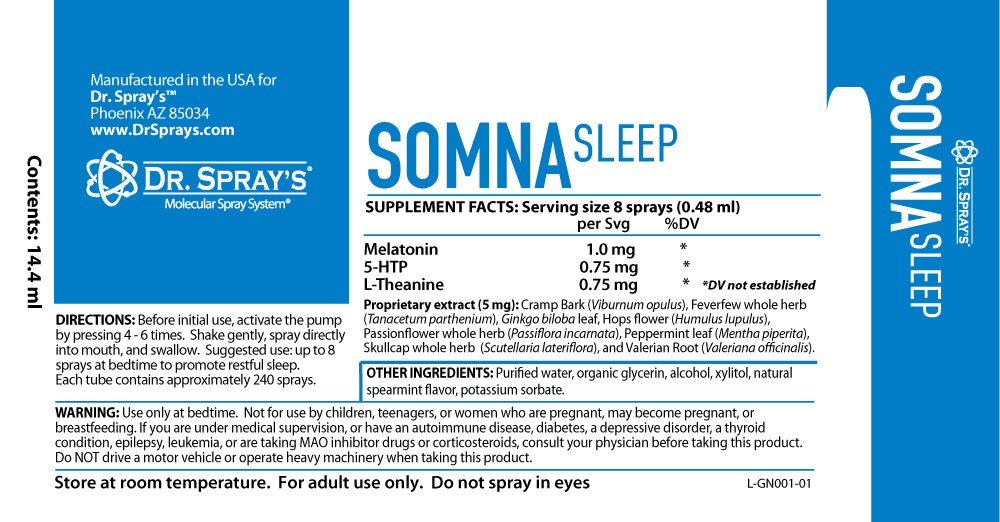
Always consult with your pediatrician before giving your child any sleep aid, including "natural" options like melatonin. While melatonin supplements are widely available, they're not regulated by the FDA and may not be appropriate for all children. Many sleep issues can be resolved through improved sleep hygiene, consistent routines, and addressing nutritional deficiencies without resorting to sleep aids. Focus first on creating optimal conditions for natural sleep.
Moving Forward with Confidence
Getting your 10-year-old to sleep doesn't have to be a nightly battle. By understanding the science behind pre-teen sleep needs, implementing evidence-based strategies, and ensuring your child receives proper nutrition, you can help them develop healthy sleep habits that last a lifetime.
Remember that every child is different, and finding the right combination of strategies may take some trial and error. Be patient with the process, celebrate small victories, and don't hesitate to seek professional guidance if sleep problems persist.
The effort you invest now in improving your child's sleep will pay dividends in their physical health, emotional well-being, academic success, and overall quality of life. Sweet dreams are within reach—you just need the right approach and the commitment to see it through.
Support Your Child's Sleep with Superior Nutrition
If nutritional deficiencies are impacting your child's sleep quality, consider the convenience and effectiveness of doctor-developed vitamin sprays. With 90% absorption rates and no pills to swallow, DrSprays vitamin spray products make it easy to ensure your child gets the nutrients they need for healthy sleep patterns.
Manufactured in an FDA-registered, GMP-certified facility in Phoenix, Arizona, our pharmaceutical-grade formulas provide the quality and consistency you can trust. Explore our vitamin D3 spray and B12 spray options to support your child's sleep health naturally.