If you're struggling to get your 11-year-old to sleep at a reasonable hour, you're not alone. Tweens face unique sleep challenges as their bodies and brains undergo significant changes, making consistent bedtime routines more difficult than ever. Understanding the science behind pre-teen sleep patterns can help you develop strategies that actually work.
According to the American Academy of Sleep Medicine, 11-year-olds need 9-12 hours of sleep per night for optimal health and development. However, research shows that nearly 60% of middle schoolers aren't getting adequate rest, which can affect everything from academic performance to emotional regulation.
Why Sleep Becomes Challenging at Age 11
Pre-adolescence brings biological shifts that fundamentally alter sleep patterns. Around age 11, children begin experiencing changes in their circadian rhythms—the internal clock that regulates sleep-wake cycles. These changes often push their natural bedtime later, even as school start times remain early.
The hormone melatonin, which signals the body it's time to sleep, starts releasing later in the evening for tweens compared to younger children. This biological shift means your 11-year-old genuinely may not feel tired at their previous bedtime, no matter how much you insist it's time for bed.
Common Sleep Disruptors for Tweens
- Increased screen time: Social media, video games, and smartphones expose children to blue light that suppresses melatonin production
- Academic pressure: Homework loads increase significantly in middle school, often keeping students up later
- Social anxieties: Peer relationships become more complex, leading to bedtime worries and racing thoughts
- Changing activity levels: Reduced physical activity or late-evening sports practices can disrupt natural tiredness
- Nutritional gaps: Growth spurts and irregular eating patterns may create deficiencies in sleep-supporting nutrients
Establishing an Effective Bedtime Routine
Consistency remains the cornerstone of healthy sleep habits, even as your child gains more independence. A predictable routine helps signal the brain that sleep is approaching, making the transition easier.
The 90-Minute Wind-Down Window
Create a gradual transition period starting 90 minutes before the target sleep time. This window allows the body's systems to shift from active mode to rest mode naturally.
First 30 minutes (90-60 minutes before bed): Complete homework, finish screen time, and handle any stimulating activities. This is when many families find success with light stretching or a brief walk around the neighborhood.
Middle 30 minutes (60-30 minutes before bed): Shift to calming activities like reading, listening to music, or preparing items for the next day. Showering or bathing during this window can help, as the drop in body temperature afterward promotes sleepiness.
Final 30 minutes (30-0 minutes before bed): Focus on quiet, screen-free activities in the bedroom. Many tweens enjoy journaling, light reading, or listening to audiobooks during this time.
Environmental Optimization
The sleep environment plays a crucial role in both falling asleep and staying asleep throughout the night. Small adjustments can make significant differences.
Keep the bedroom temperature between 65-68°F, which research shows is optimal for sleep. Ensure the room is dark—even small amounts of light can interfere with melatonin production. Consider blackout curtains if streetlights or early sunrise disturb sleep.
Remove or relocate electronic devices. Studies consistently show that having smartphones, tablets, or computers in bedrooms correlates with shorter and lower-quality sleep in children. If your 11-year-old uses a device as an alarm clock, replace it with a traditional alarm clock.
The Role of Nutrition in Pre-Teen Sleep
What your child consumes throughout the day—and especially in the evening—significantly impacts their ability to fall asleep and maintain quality rest. Eleven-year-olds are often growing rapidly, and nutritional needs increase accordingly.
Sleep-Supporting Nutrients
Several vitamins and minerals play direct roles in sleep regulation. Deficiencies in these nutrients can contribute to sleep difficulties that seem resistant to behavioral interventions.
Vitamin D: Often called the "sunshine vitamin," vitamin D influences sleep quality through its effects on the circadian rhythm. Research published in the Journal of Clinical Sleep Medicine found that vitamin D deficiency is associated with poor sleep quality and shorter sleep duration in adolescents. Children who spend most of their day indoors—at school, doing homework, or engaged in screen time—may not get adequate sun exposure, especially during winter months in places like Phoenix, Arizona, where intense summer heat keeps people indoors.
B Vitamins: The B-complex vitamins, particularly B12, B6, and folate, are essential for producing neurotransmitters that regulate the sleep-wake cycle. Vitamin B12 specifically helps maintain circadian rhythm alignment and has been shown to improve sleep quality when levels are optimized.
Magnesium: This mineral acts as a natural relaxant for the nervous system and muscles. It supports the production of GABA (gamma-aminobutyric acid), a neurotransmitter that promotes calmness and sleep. Many children don't consume enough magnesium-rich foods like leafy greens, nuts, and whole grains.
Practical Nutritional Strategies
Avoid caffeine entirely in the second half of the day. Many tweens consume hidden caffeine through sodas, energy drinks, chocolate, and even some teas without realizing the sleep impact. Caffeine has a half-life of 5-6 hours, meaning an afternoon soda can still affect bedtime.
Consider the timing and composition of dinner. Heavy, large meals close to bedtime can interfere with sleep, but going to bed hungry can also be disruptive. Aim for dinner 2-3 hours before bed, with a focus on lean proteins, complex carbohydrates, and vegetables.
If your child seems genuinely hungry before bed, offer a light snack that combines protein and carbohydrates, such as whole grain crackers with cheese or a small bowl of oatmeal. These combinations support steady blood sugar through the night.
Modern Supplementation Solutions for Sleep Support
When dietary changes and behavioral strategies need additional support, targeted supplementation can help fill nutritional gaps that impact sleep. Traditional pill-based vitamins present challenges for many 11-year-olds—some children struggle with swallowing large tablets, while others simply forget to take them consistently.
The Absorption Advantage of Vitamin Sprays
Oral spray vitamins represent an innovative delivery method that addresses both compliance and effectiveness concerns. Unlike pills that must be broken down in the digestive system, spray supplements deliver nutrients through the mucous membranes in the mouth, allowing for significantly higher absorption rates.
Doctor-developed formulations like those offered by DrSprays achieve approximately 90% absorption compared to the 10-20% typical of traditional pills. This difference means your child receives more of the actual nutrients intended to support their health, making supplementation more efficient and cost-effective.
For families in Phoenix, Arizona, and surrounding areas, this enhanced absorption becomes particularly relevant given the region's intense sun and the paradoxical indoor lifestyle it often necessitates, potentially creating vitamin D deficiencies despite living in one of the sunniest climates in the United States.
Key Sleep-Supporting Spray Options
Vitamin D3 spray provides an easy way to ensure adequate levels of this crucial nutrient. Since vitamin D influences both sleep quality and circadian rhythm regulation, maintaining optimal levels can make a noticeable difference in how easily your tween falls asleep and how rested they feel upon waking.
Vitamin B12 spray supports energy during the day and proper sleep at night by helping maintain healthy circadian rhythms. B12 also plays a role in producing melatonin at the appropriate times, potentially helping reset irregular sleep schedules that many 11-year-olds develop.
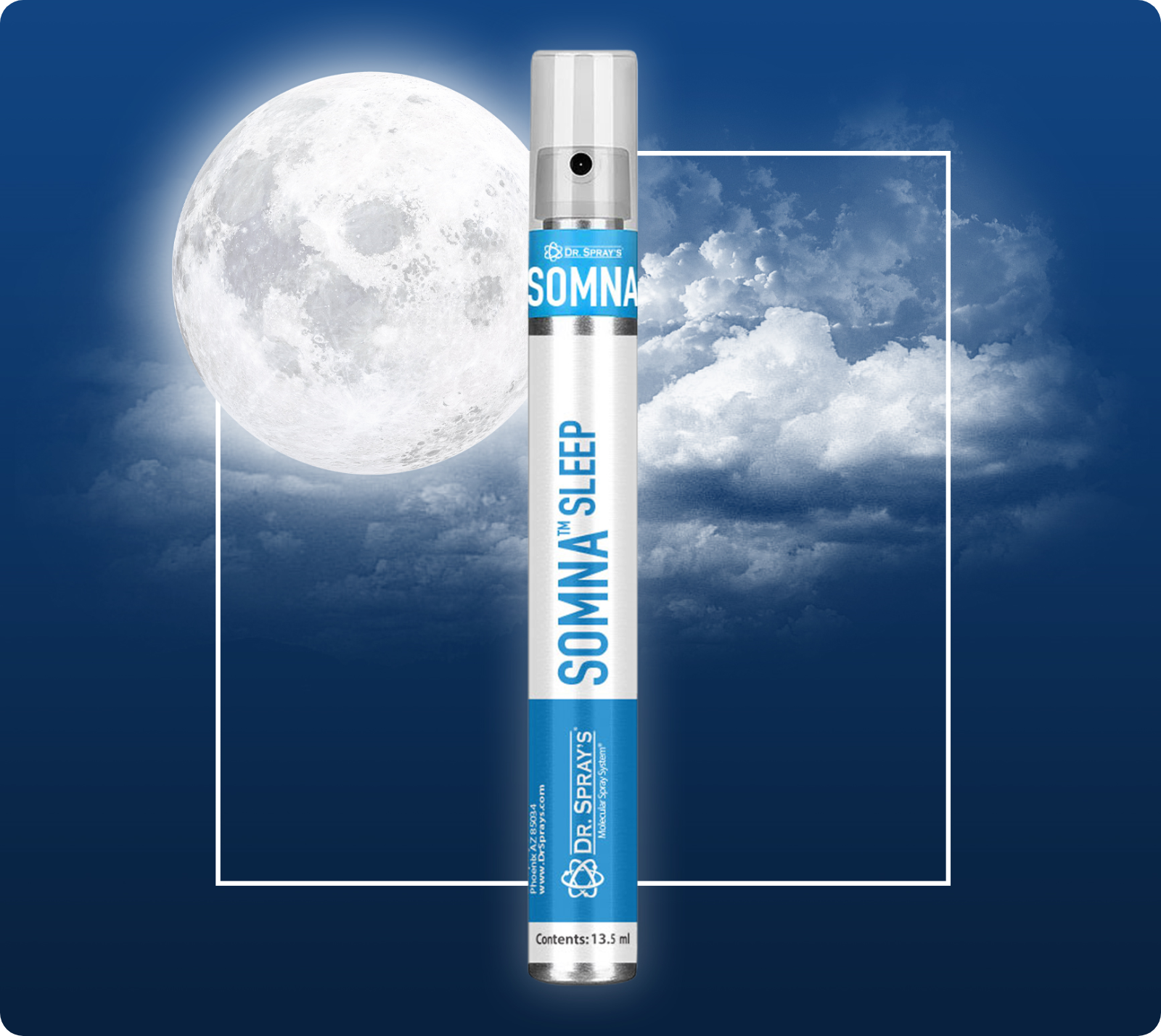
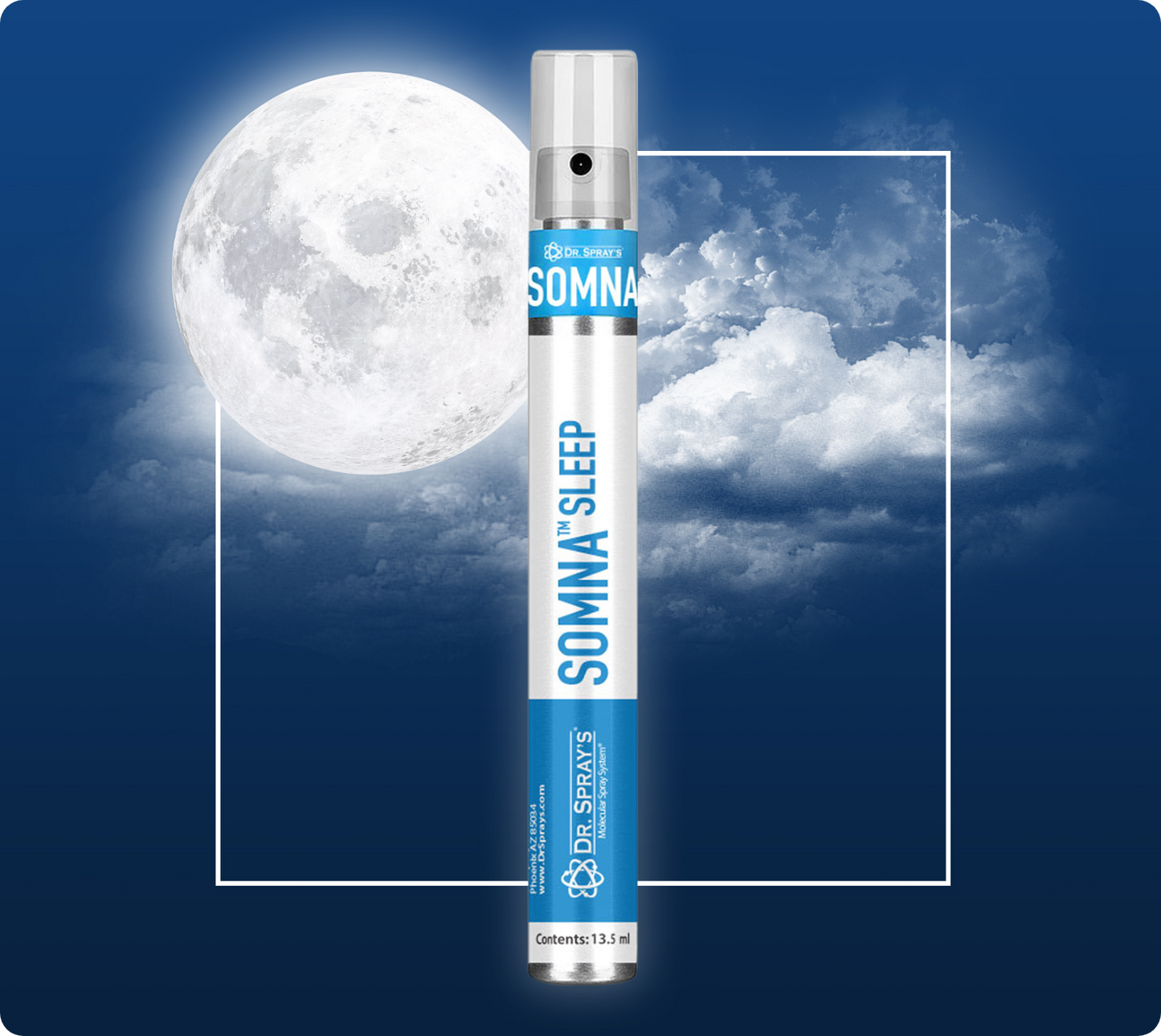
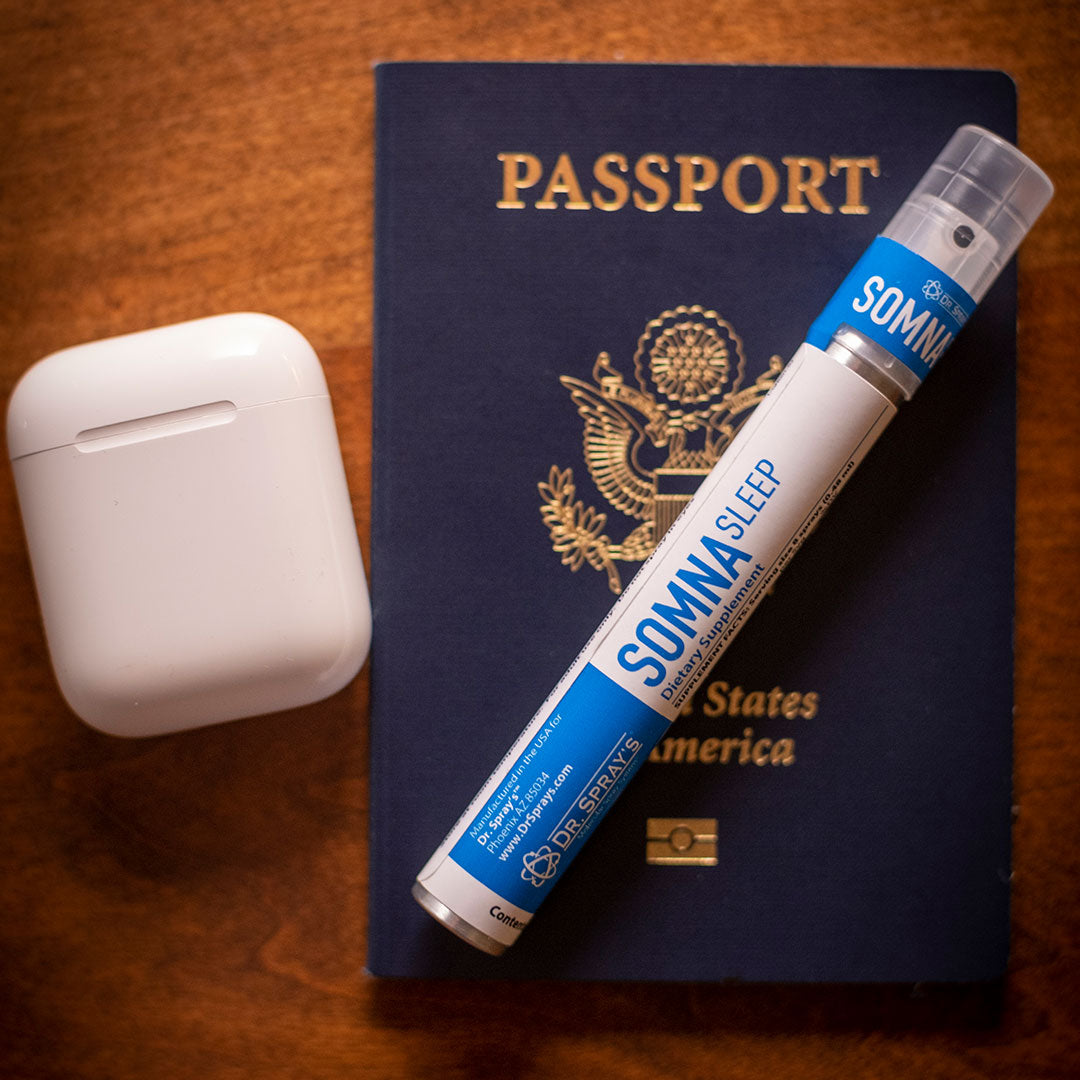
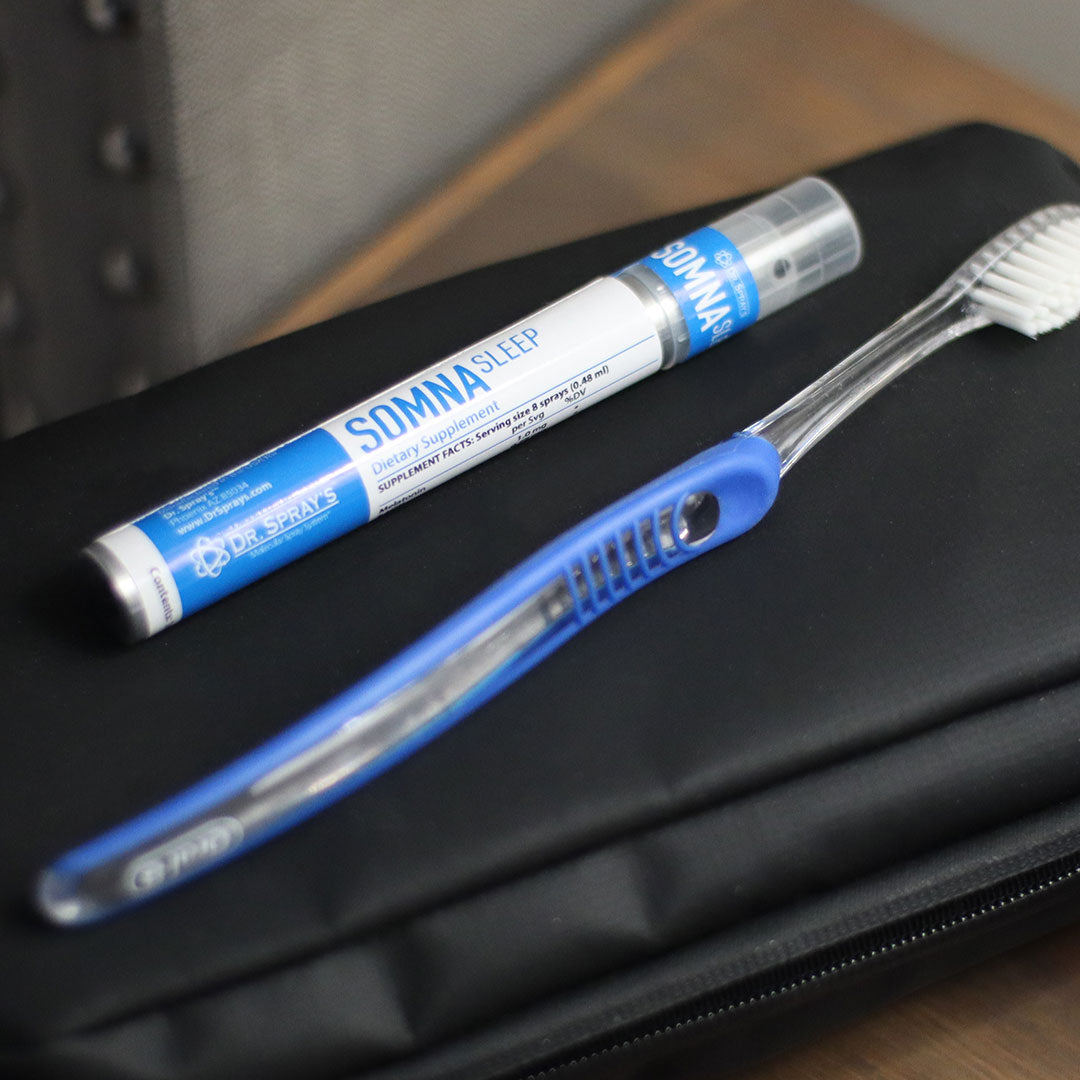
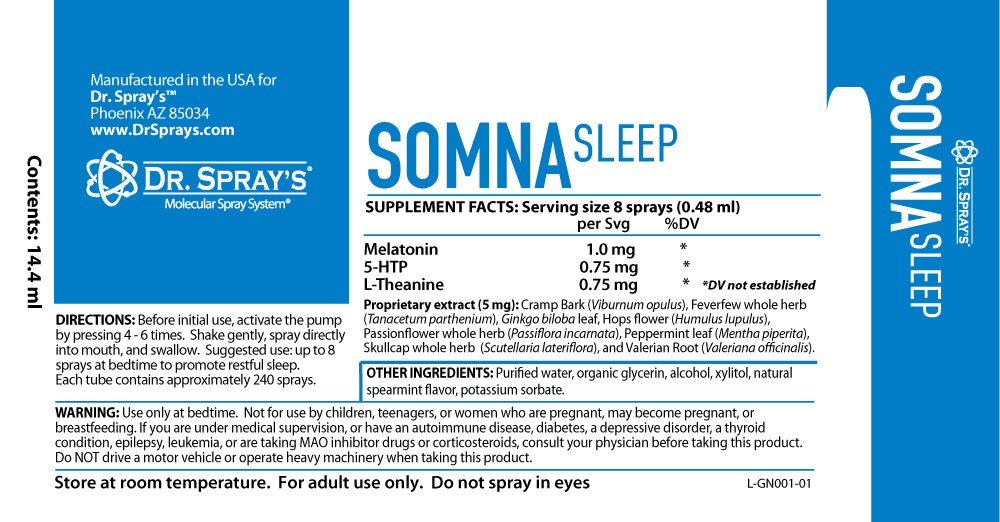
Somna Sleep spray combines melatonin with complementary nutrients designed to support natural sleep processes. The spray format allows for flexible dosing and avoids the pill-swallowing challenge, making it more likely your child will use it consistently.
All spray supplements from DrSprays are manufactured in an FDA-registered, GMP-certified facility, ensuring quality and purity standards that parents can trust when choosing supplements for their children.
Addressing the Screen Time Challenge
Perhaps no single factor affects tween sleep more than electronic device use. The combination of blue light exposure, stimulating content, and social connectivity makes screens particularly disruptive to 11-year-olds' sleep patterns.
Creating Realistic Boundaries
Rather than attempting to eliminate all screen time—which often leads to conflict and non-compliance—establish clear boundaries that account for your child's developmental need for social connection while protecting sleep.
Implement a "screen curfew" where all devices are placed in a central charging station at least one hour before bedtime. This applies to parents too—modeling healthy screen habits increases the likelihood your child will follow the rules without resentment.
If homework requires computer use in the evening, encourage the use of blue light filtering apps or glasses during the last few hours before bed. While not perfect solutions, they can reduce some of the sleep-disrupting effects of screen exposure.
Replacing Screen Time with Connection
Often, evening screen use fills a void—boredom, lack of connection, or simply the absence of other appealing activities. Offering alternatives helps reduce resistance to screen limits.
Consider brief, regular check-ins during the wind-down period. Even 10-15 minutes of conversation about their day, their concerns, or their interests can provide the connection many tweens seek through social media and messaging.
Some families find success with audiobooks or podcasts as a screen-free alternative that still provides entertainment during the transition to sleep. These can be particularly helpful for children whose minds race with thoughts when they first lie down.
Managing Stress and Anxiety
Eleven-year-olds face increasing academic and social pressures that can manifest as bedtime resistance or nighttime wakefulness. Racing thoughts about school projects, friend dynamics, or general worries become more common at this age.
Cognitive Strategies for Bedtime
Teach simple mindfulness or breathing techniques that your child can use when lying in bed. The "4-7-8" breathing method—inhaling for 4 counts, holding for 7, and exhaling for 8—activates the parasympathetic nervous system, promoting relaxation.
Introduce "worry time" earlier in the evening, where your child can share concerns and problem-solve with you. This prevents worries from surfacing at bedtime when they feel more overwhelming and harder to manage.
Progressive muscle relaxation, where children systematically tense and release different muscle groups, can help release physical tension that accumulates during stressful days. This technique is simple enough for 11-year-olds to learn and practice independently.
When to Seek Additional Support
If sleep difficulties persist despite consistent implementation of healthy sleep habits, consider consulting your pediatrician. Persistent insomnia, frequent nightmares, snoring, or excessive daytime sleepiness may indicate underlying issues requiring professional evaluation.
Sleep disorders like sleep apnea, restless leg syndrome, or anxiety disorders can all impact tween sleep but are treatable once properly diagnosed. Don't hesitate to advocate for your child's sleep health—quality rest affects every aspect of their development and daily functioning.
The Importance of Physical Activity
Regular physical activity during the day supports better sleep at night, but timing matters. Exercise increases core body temperature and cortisol levels, both of which need time to decrease before sleep can occur easily.
Encourage at least 60 minutes of moderate physical activity daily, but aim to complete vigorous exercise at least 3-4 hours before bedtime. Morning or after-school physical activity tends to work best for supporting evening sleepiness.
For children with late sports practices or activities, build in adequate wind-down time afterward. A late soccer game might need a longer transition period before bed can realistically happen.
Consistency Through Weekends and Holidays
One of the most common sleep mistakes families make is allowing dramatically different sleep schedules on weekends. While some flexibility is reasonable, large variations in bedtime and wake time disrupt circadian rhythms, making Monday mornings particularly difficult.
Try to keep bedtimes and wake times within an hour of the school schedule, even on weekends. This consistency helps maintain the body's internal clock and prevents the "social jet lag" that many tweens experience when transitioning back to school schedules after two days of staying up late and sleeping in.
If your child is significantly sleep-deprived during the week, address this by adjusting the weeknight schedule rather than trying to "catch up" on weekends, which doesn't truly compensate for chronic sleep debt and makes the cycle worse.
Frequently Asked Questions
What time should an 11-year-old go to bed?
The ideal bedtime depends on your child's required wake time and sleep needs. If your 11-year-old needs to wake at 6:30 AM and requires 10 hours of sleep, bedtime should be around 8:30 PM. Most 11-year-olds do best with bedtimes between 8:00-9:30 PM, accounting for the time needed to actually fall asleep. Start with ensuring adequate total sleep hours, then adjust based on how easily your child wakes and their daytime alertness.
How long does it take for vitamin D to improve sleep?
Research suggests that correcting vitamin D deficiency can improve sleep quality within 8-12 weeks of consistent supplementation. However, some individuals notice improvements sooner, particularly if the deficiency was significant. A vitamin D3 spray offers enhanced absorption compared to traditional pills, potentially allowing for more efficient correction of deficiencies. Your pediatrician can test vitamin D levels to establish a baseline and monitor progress.
Are vitamin sprays safe for 11-year-olds?
Oral spray vitamins are generally safe for children when used according to product guidelines and under parental supervision. Doctor-developed formulations from reputable manufacturers like DrSprays are produced in FDA-registered, GMP-certified facilities to ensure quality and appropriate dosing. Always consult your pediatrician before starting any new supplement, especially if your child has existing health conditions or takes medications.
Why won't my child sleep even when they seem tired?
This common phenomenon often relates to an overstimulated nervous system. When children become overtired, the body can produce cortisol as a compensatory mechanism, creating a "tired but wired" state. This is why consistent bedtimes matter—they prevent the overtired state from occurring. Other possibilities include underlying anxiety, insufficient wind-down time, environmental factors, or nutritional deficiencies affecting sleep hormones.
Can B12 help with both sleep and daytime energy?
Yes, vitamin B12 plays a dual role in regulating energy and sleep. It supports healthy circadian rhythm function, helping the body know when to be alert and when to sleep. A vitamin B12 spray can help maintain proper energy levels during the day while supporting the natural decline into sleepiness at night. B12 deficiency can cause both daytime fatigue and nighttime sleep difficulties.
How much screen time is too much before bed?
Research consistently shows that screen use within 1-2 hours of bedtime disrupts sleep quality and delays sleep onset. For optimal sleep, electronic devices should be turned off at least one hour before bed, though two hours is even better. If evening screen use is unavoidable for homework, using blue light filters and ensuring at least 30-60 minutes of screen-free time before bed can help minimize the impact.
What if my 11-year-old says they're not tired at bedtime?
This is normal due to the biological shift in circadian rhythms during pre-adolescence. The key is maintaining a consistent sleep schedule regardless of perceived tiredness. Over time, the body adjusts to the routine. Ensure adequate physical activity during the day, limit evening screen time, and consider whether nutritional factors like vitamin D or B vitamins might be affecting sleep-wake cycles. The goal isn't forcing sleep but creating conditions where sleep naturally occurs.
Should I let my child sleep in on weekends?
Limited sleeping in is acceptable, but large variations in sleep schedule disrupt circadian rhythms. Try to keep weekend wake times within one hour of school day schedules. If your child is consistently exhausted on weekends, the issue is likely insufficient weeknight sleep, which should be addressed by adjusting the weekday schedule rather than compensating with weekend catch-up sleep.
Moving Forward with Confidence
Getting your 11-year-old to sleep consistently requires patience, understanding, and a multi-faceted approach that addresses biological, environmental, nutritional, and behavioral factors. Remember that sleep patterns during this developmental stage are naturally shifting, and what worked at age 8 may need adjustment now.
Focus on the elements within your control: consistent routines, optimized sleep environments, appropriate nutrition, limited evening screen time, and adequate physical activity. When dietary gaps make nutritional support challenging, innovative solutions like vitamin spray supplements can provide targeted support with superior absorption and easier compliance.
Quality sleep during pre-adolescence supports everything from academic performance to emotional regulation to physical growth. By investing time and attention in your child's sleep health now, you're establishing patterns that will serve them well into their teenage years and beyond.
Support Your Child's Sleep Naturally
Discover doctor-developed vitamin sprays designed for optimal absorption and easy daily use. Our Vitamin D3 spray, B12 spray, and Somna Sleep spray provide targeted nutritional support that complements healthy sleep habits.
Manufactured in Phoenix, Arizona in our FDA-registered, GMP-certified facility.