Getting a two-year-old to sleep can feel like an Olympic sport. One night they're out like a light, and the next, they're bouncing off the walls at 10 PM. If you're dealing with toddler sleep struggles, you're not alone—and there are practical solutions that address both behavioral patterns and nutritional support.
Understanding Why Two-Year-Olds Struggle with Sleep
Sleep regression in two-year-olds often stems from developmental leaps. At this age, children are rapidly developing language skills, motor abilities, and independence. Their brains are processing massive amounts of information daily, which can interfere with their natural sleep patterns.
Common reasons for sleep disruption include:
- Separation anxiety: Two-year-olds are becoming more aware of being separate from their parents, which can trigger nighttime fears
- Overtiredness: Paradoxically, being too tired makes it harder for toddlers to fall asleep
- Inconsistent routines: Changes in schedule or environment disrupt their internal clock
- Nutritional deficiencies: Lack of certain vitamins and minerals can affect sleep quality
- Too much stimulation: Screen time or active play close to bedtime keeps their brains wired
Creating an Effective Bedtime Routine
A consistent bedtime routine signals to your toddler's body that sleep is approaching. Start this routine at the same time every night, ideally beginning 30-45 minutes before you want them asleep.
The Power of Predictability
Two-year-olds thrive on knowing what comes next. A simple routine might include:
- Bath time (warm water helps lower body temperature, promoting sleepiness)
- Putting on pajamas
- Brushing teeth
- Reading 1-2 books in a dimly lit room
- Singing a lullaby or playing soft music
- Final goodnight with the same phrase each night
The key is consistency. Even when traveling or dealing with schedule changes, try to maintain as many elements of this routine as possible.
Environmental Optimization
Your toddler's sleep environment matters enormously. Keep the bedroom cool (65-70°F is ideal), dark, and quiet. White noise machines can mask household sounds that might wake a light sleeper. Remove stimulating toys from the immediate sleep area and consider blackout curtains to manage early morning light.
The Nutritional Foundation of Healthy Sleep
What your two-year-old eats—and when—directly impacts their ability to fall asleep and stay asleep. Several nutrients play crucial roles in regulating sleep-wake cycles.
Key Vitamins and Minerals for Sleep
Vitamin D3 helps regulate circadian rhythms. Studies show that children with adequate vitamin D levels experience better sleep quality and duration. Since two-year-olds spend more time indoors than previous generations, many don't get sufficient sunlight exposure for natural vitamin D production. A vitamin D3 spray can provide targeted support without the struggle of getting a toddler to swallow pills.
B vitamins, particularly B6 and B12, support the production of serotonin and melatonin—neurotransmitters essential for sleep regulation. A vitamin B12 spray offers quick absorption, which is especially beneficial for picky eaters who may not get adequate B vitamins from food alone.
Magnesium acts as a natural relaxant, helping calm the nervous system. While not available as a standalone spray from DrSprays, this mineral is found in foods like bananas, whole grains, and leafy greens.
Why Oral Spray Vitamins Work Well for Toddlers
Traditional vitamin pills or gummies present challenges for two-year-olds. Pills are choking hazards, and gummies often contain sugar that contradicts healthy sleep habits. Oral spray vitamins solve these problems with a delivery method that's safe, fast-acting, and easy to administer.
Developed by doctors and manufactured in an FDA-registered, GMP-certified facility in Phoenix, Arizona, vitamin spray products offer up to 90% absorption rate—significantly higher than traditional pills, which must survive the digestive process. A quick spray inside the cheek delivers nutrients directly into the bloodstream through the oral mucosa.
Timing Matters: When to Supplement
If you're using spray supplements to support your toddler's sleep, timing is important. Generally, vitamin D3 is best given in the morning since it supports daytime energy and circadian rhythm regulation. B vitamins also work well earlier in the day.
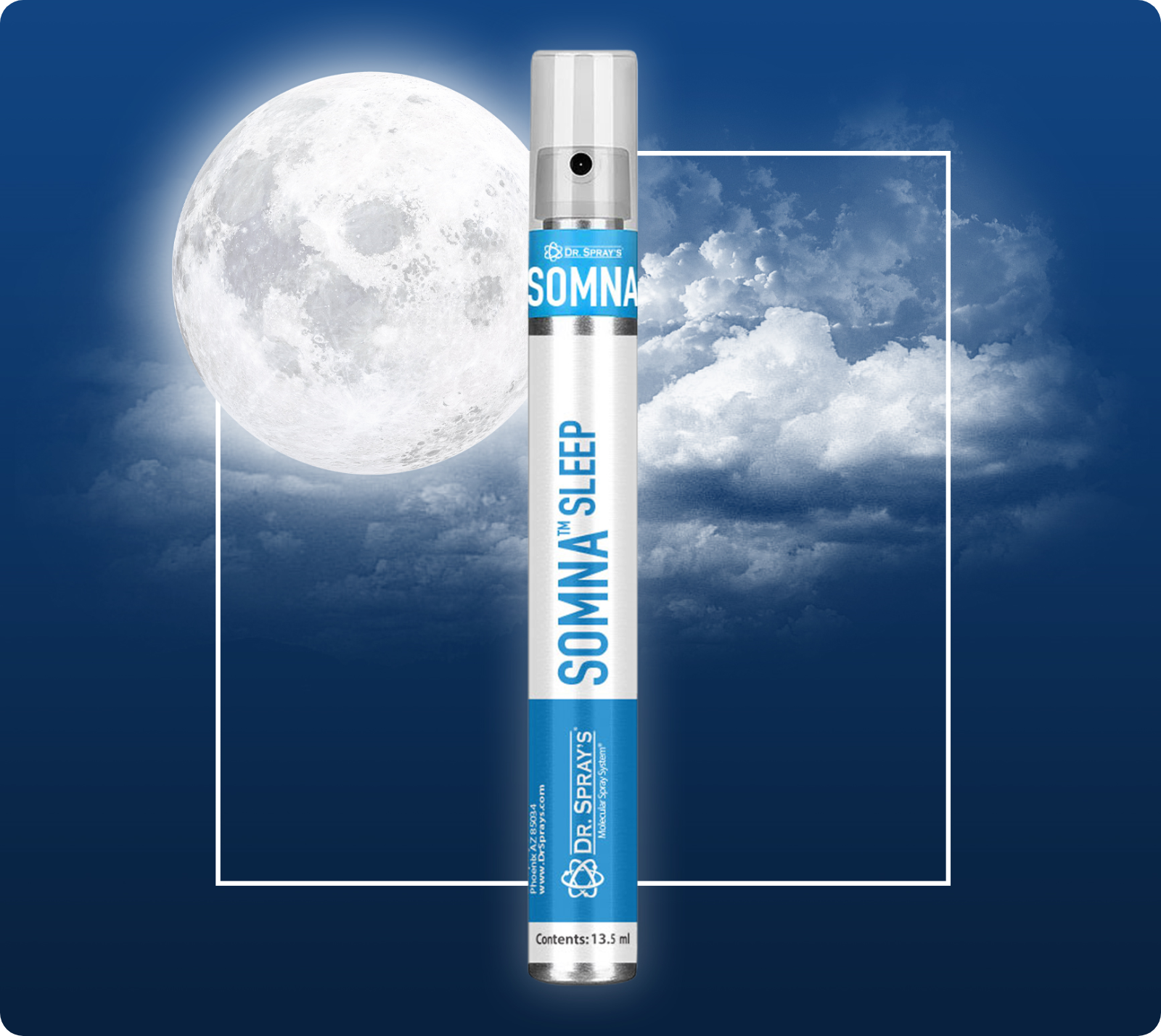
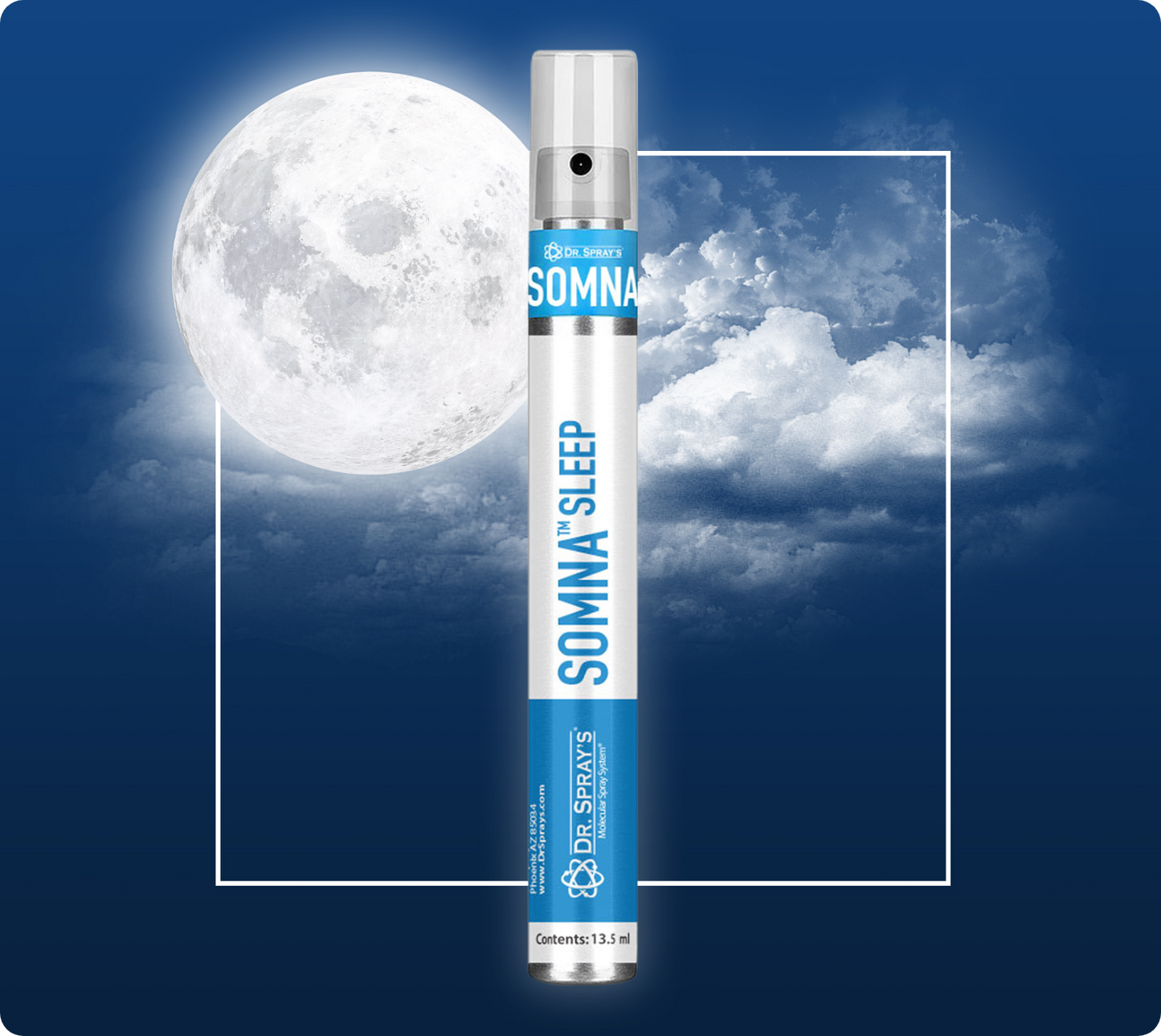
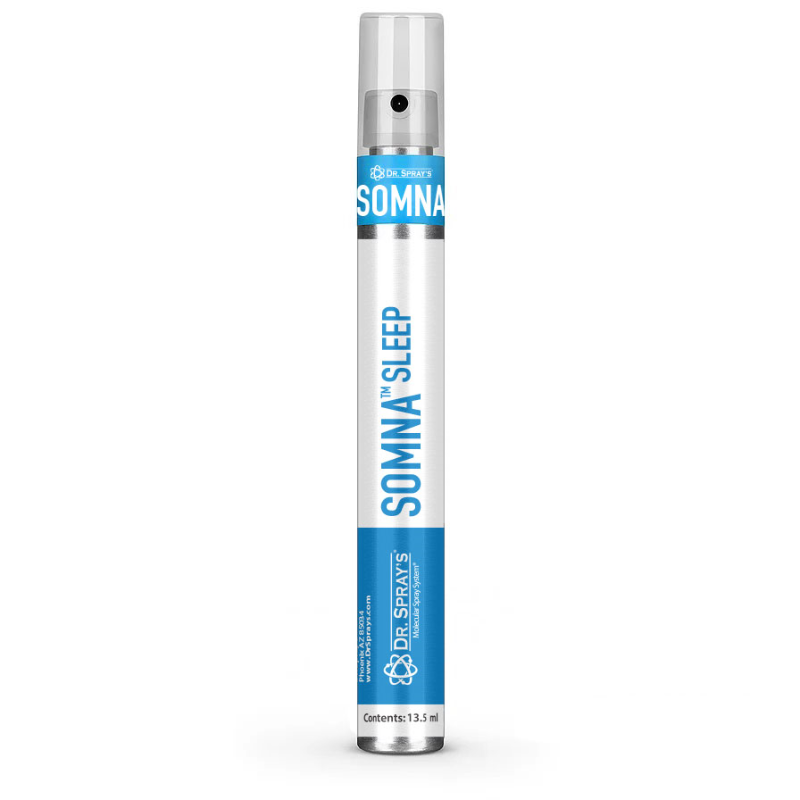
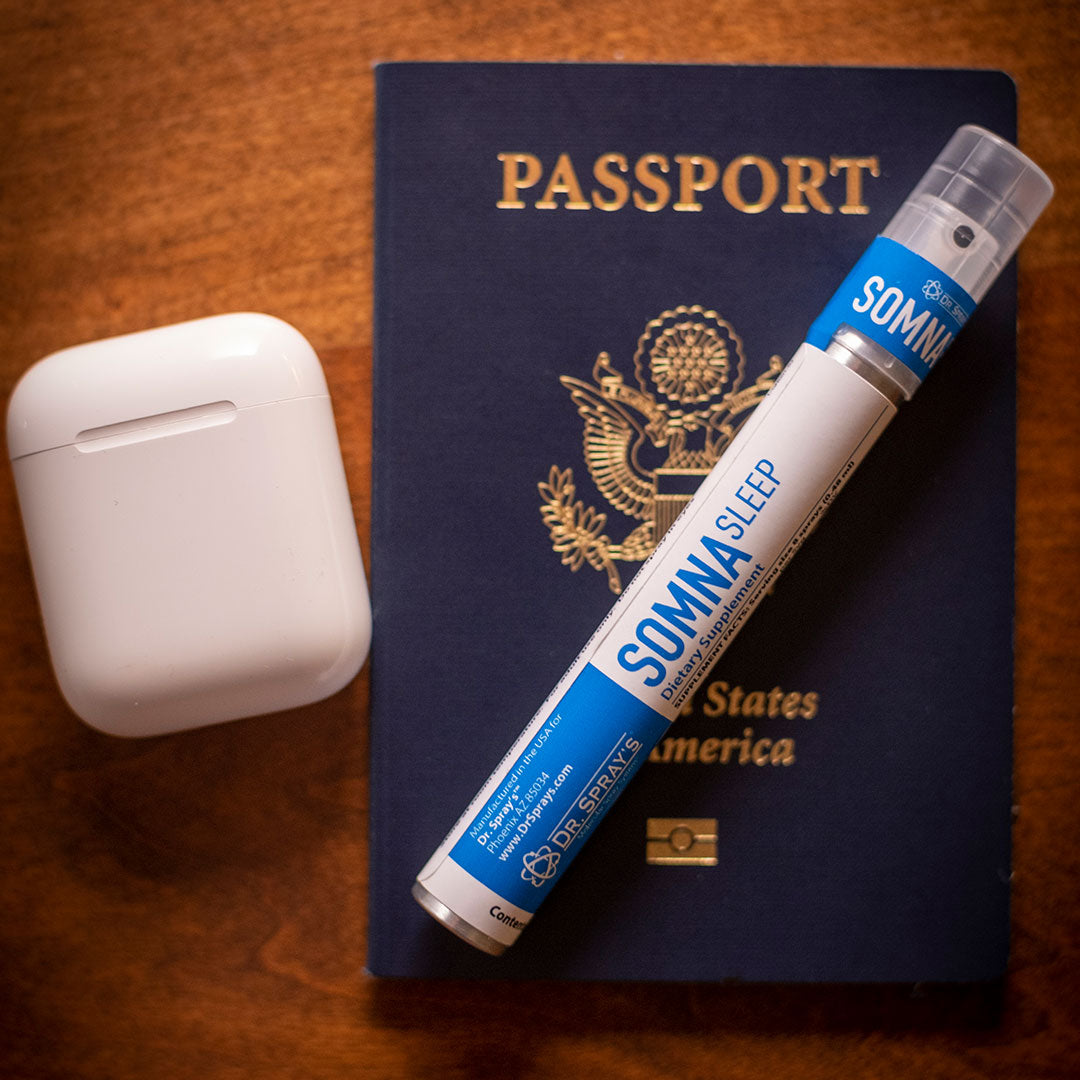
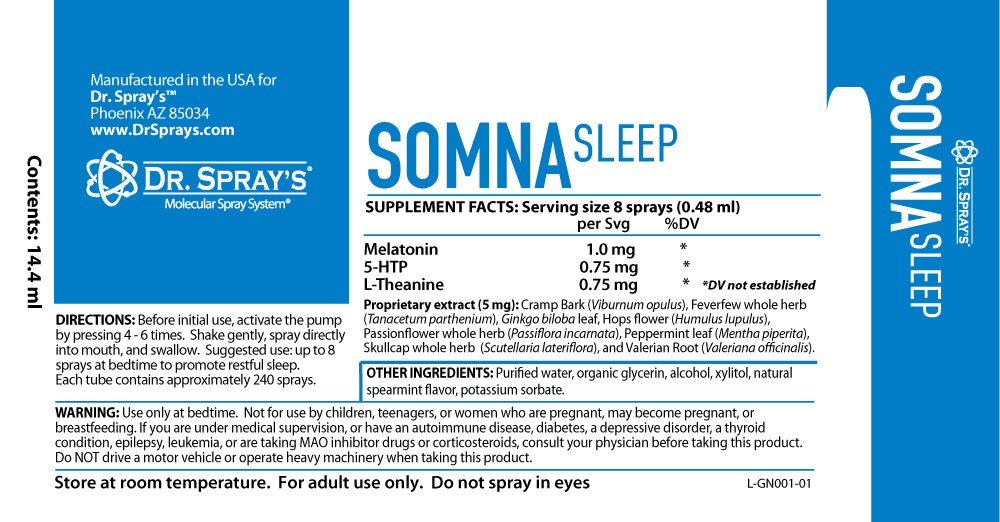
For sleep-specific support, consider DrSprays' Somna sleep spray, formulated with melatonin and other calming ingredients. This should be administered 30-45 minutes before bedtime as part of your wind-down routine.
Always consult with your pediatrician before starting any new supplement regimen, especially for young children. They can help determine if your child has specific nutritional deficiencies affecting sleep quality.
Addressing Common Sleep Challenges
The Bedtime Battle
If your two-year-old fights bedtime consistently, examine whether they're actually tired at the designated time. Some children need slightly later or earlier bedtimes than standard recommendations. Track their natural sleepiness cues for a week—yawning, eye rubbing, decreased activity—and adjust bedtime to match.
Also ensure daytime naps aren't interfering with nighttime sleep. Most two-year-olds still need one nap, typically 1-2 hours in the early afternoon. If naps run too late or too long, they'll struggle to fall asleep at night.
Middle-of-the-Night Wakings
When your toddler wakes at night, respond calmly and minimally. Keep lights dim, avoid conversation, and use the same soothing phrases each time. The goal is to help them learn to self-soothe and fall back asleep independently.
If night wakings are frequent and disruptive, consider whether physical discomfort might be the cause. Teething, illness, or even an uncomfortable sleep environment can fragment sleep.
Early Morning Wake-Ups
Two-year-olds who wake before 6 AM consistently may be going to bed too early, or they might be sensitive to early morning light. Blackout curtains make a significant difference. You can also use a toddler-friendly alarm clock that changes color when it's an acceptable wake-up time, teaching them to stay in bed until the designated hour.
The Role of Daytime Activity
Physical activity during the day directly correlates with sleep quality at night. Two-year-olds need plenty of opportunities to run, climb, and burn energy. Aim for at least 2-3 hours of active play spread throughout the day.
However, avoid intense physical activity within two hours of bedtime. The adrenaline and cortisol released during active play can keep your toddler wired when you want them winding down.
Outdoor time is particularly valuable. Natural sunlight exposure helps regulate circadian rhythms, making it easier for your child to feel sleepy at appropriate times. Even 30 minutes outside can make a measurable difference in sleep quality.
Foods That Support (or Sabotage) Sleep
Beyond vitamin supplementation, whole food choices impact sleep. Foods rich in tryptophan—turkey, eggs, cheese, nuts—support melatonin production. Complex carbohydrates like oatmeal or whole grain toast can help promote sleepiness.
Avoid sugar and caffeine (which can hide in chocolate or some medications) within several hours of bedtime. Large meals too close to sleep time can cause discomfort, while going to bed hungry can also disrupt sleep. A small, protein-rich snack about an hour before bed strikes the right balance.
If your two-year-old is a picky eater and you're concerned about nutritional gaps, a comprehensive multi-vitamin spray can provide baseline nutritional support while you continue working on expanding their food preferences.
When to Seek Professional Help
Most toddler sleep issues resolve with consistency and patience. However, consult your pediatrician if:
- Sleep problems persist despite consistent routines for more than a month
- Your child snores loudly or seems to stop breathing briefly during sleep (possible sleep apnea)
- Extreme daytime crankiness or behavioral issues suggest inadequate sleep
- You suspect an underlying medical condition or pain is disrupting sleep
- Your own sleep deprivation is affecting your health or family functioning
A pediatric sleep specialist can evaluate whether issues like sleep-disordered breathing, restless leg syndrome, or other medical conditions require specific treatment.
Supporting Your Own Sleep as a Parent
Your well-being matters too. Chronic sleep deprivation from dealing with a toddler's sleep issues affects your patience, decision-making, and health. Tag-team with a partner when possible, allowing each of you some uninterrupted sleep. Accept help from family or friends. Consider your own nutritional needs—parents often neglect their own vitamin intake while focused on their children's.
The convenience of oral spray vitamins makes it easier for busy parents to maintain their own nutritional support. A quick spray of B12 in the morning can support energy levels when you're running on limited sleep.
Building Long-Term Healthy Sleep Habits
The effort you invest now in establishing healthy sleep patterns pays dividends for years. Two-year-olds who learn to fall asleep independently and maintain consistent routines typically become school-age children who sleep well, which correlates with better academic performance, emotional regulation, and physical health.
Be patient with yourself and your child. Sleep training isn't linear—there will be setbacks during illness, travel, or developmental leaps. What matters is returning to your established routine as quickly as possible after disruptions.
Consider keeping a sleep journal for two weeks, tracking bedtimes, wake times, naps, and any supplements or dietary changes. Patterns often emerge that aren't obvious day-to-day but become clear when documented.
Frequently Asked Questions
How much sleep does a 2-year-old actually need?
Most two-year-olds need 11-14 hours of total sleep in a 24-hour period, including nighttime sleep and one daytime nap. This typically breaks down to 10-12 hours at night plus a 1-2 hour afternoon nap. Individual needs vary, so watch for signs that your child is well-rested: cheerful mood, appropriate energy levels, and ability to focus during play.
Are vitamin sprays safe for toddlers?
When used as directed and after consulting with your pediatrician, vitamin sprays formulated for children are safe. DrSprays products are manufactured in an FDA-registered, GMP-certified facility with rigorous quality standards. The spray delivery method actually reduces choking risk compared to pills or large gummies. Always follow dosage instructions and store supplements safely out of children's reach.
What's the difference between absorption rates in spray supplements versus pills?
Oral spray vitamins deliver nutrients through the oral mucosa (the lining of the mouth), allowing them to enter the bloodstream directly. This provides up to 90% absorption rate. Traditional pills must survive stomach acid and the digestive process, often resulting in only 10-20% absorption. For children with sensitive stomachs or picky eaters who may not always take supplements with food, spray delivery offers more reliable nutritional support.
Can I give my 2-year-old melatonin every night?
While melatonin can be helpful for short-term sleep issues or specific situations like travel across time zones, it shouldn't be a permanent solution for typical toddler sleep problems. Work with your pediatrician to determine appropriate use. Focus first on behavioral strategies and nutritional support through whole foods and foundational vitamins like D3 and B12 before turning to melatonin supplementation.
How long does it take for sleep routine changes to work?
Most experts recommend giving any new sleep strategy at least two weeks of consistent implementation before evaluating effectiveness. Some children respond within 3-5 days, while others need the full two weeks. Consistency is more important than perfection—if you miss a night, simply resume the routine the next day rather than abandoning the approach entirely.
Should I wake my 2-year-old from a long nap?
If your toddler's nap extends beyond 2-3 hours or runs past 3:30-4:00 PM, consider gently waking them. Late or overly long naps can interfere with nighttime sleep. Most two-year-olds do best with a single nap ending by mid-afternoon, allowing enough wake time before bedtime to build sufficient sleep pressure.
Where can I find quality vitamin sprays in Phoenix, Arizona?
DrSprays manufactures doctor-developed oral spray vitamins in Phoenix at an FDA-registered, GMP-certified facility. While the products are available online for convenience, the Phoenix location ensures quality control and adherence to strict manufacturing standards. All spray supplements undergo rigorous testing for purity and potency.
About the Author
This article was created by the DrSprays content team, drawing on pediatric sleep research, nutritional science, and the expertise of healthcare professionals. DrSprays develops doctor-formulated oral vitamin sprays with superior absorption rates, manufactured in Phoenix, Arizona, in an FDA-registered, GMP-certified facility. All content is reviewed for accuracy and updated regularly to reflect current research.
Take the Next Step Toward Better Sleep
Helping your two-year-old sleep better starts with understanding the multiple factors at play—from consistent routines to nutritional support. While behavioral strategies form the foundation, ensuring your toddler receives adequate vitamins and minerals can make a measurable difference in sleep quality.
DrSprays offers a convenient solution for busy parents: doctor-developed vitamin spray supplements that deliver up to 90% absorption without the struggle of pills or sugar-laden gummies. From vitamin D3 that supports circadian rhythms to vitamin B12 that aids neurotransmitter production, targeted nutritional support complements your bedtime routine.
Manufactured in Phoenix, Arizona, in an FDA-registered, GMP-certified facility, every DrSprays product meets rigorous quality standards. Whether you're addressing sleep challenges, supporting overall toddler health with a multi-vitamin spray, or exploring sleep-specific formulations, you'll find options backed by science and designed for real-life parenting.
Ready to support your toddler's sleep naturally? Explore our complete line of vitamin sprays or contact our team for personalized guidance on choosing the right supplements for your family's needs.