If you're struggling to get your 3-year-old to sleep, you're not alone. Sleep challenges at this age are incredibly common, affecting up to 30% of toddlers. The good news? With the right approach and understanding of what's happening developmentally, you can help your child establish healthy sleep patterns that benefit the entire family.
Understanding Sleep Needs for 3-Year-Olds
Three-year-olds typically need between 10-13 hours of sleep in a 24-hour period, including naps. However, every child is different, and some may need slightly more or less. At this age, many children are transitioning away from daytime naps, which can temporarily disrupt nighttime sleep patterns.
The brain development happening at age three is remarkable. Your toddler is processing new language skills, social interactions, and physical abilities. All this growth requires quality sleep to consolidate memories and support healthy development. When sleep is disrupted, you might notice increased irritability, difficulty concentrating, or behavioral challenges during the day.
Signs Your Child Isn't Getting Enough Sleep
- Difficulty waking in the morning
- Excessive crankiness or emotional outbursts
- Hyperactivity or inability to focus
- Falling asleep at unusual times (like during meals)
- Resistance to bedtime despite obvious tiredness
Common Sleep Challenges at Age Three
Understanding why your three-year-old resists sleep is the first step toward solving the problem. At this age, several factors can interfere with bedtime:
Separation Anxiety
Even though your child has been sleeping independently for some time, separation anxiety can resurface around age three. Your toddler may suddenly become clingy at bedtime, asking for repeated reassurance or multiple return visits to their room.
Increased Independence and Testing Boundaries
Three-year-olds are discovering their autonomy and love to test limits. Bedtime becomes another opportunity to assert independence by negotiating, stalling, or outright refusing to comply with the routine.
Overstimulation and Difficulty Winding Down
Active play, screen time, or exciting activities too close to bedtime can make it difficult for your child's brain to transition to sleep mode. The overstimulated nervous system needs time to calm down.
Developmental Milestones and Night Wakings
Major developmental leaps—like potty training, starting preschool, or welcoming a new sibling—can temporarily disrupt sleep patterns. Your child's brain may be processing these changes even during sleep, leading to night wakings or difficulty falling asleep.
Creating the Perfect Bedtime Routine
A consistent, calming bedtime routine is your most powerful tool for helping your three-year-old sleep well. Research shows that children with established bedtime routines fall asleep faster and sleep more soundly throughout the night.
Start the Routine 30-45 Minutes Before Bedtime
Begin winding down well before you want your child actually asleep. This gives their body time to transition from active play to rest mode. The routine should follow the same sequence every night, creating predictable patterns that signal sleep is coming.
Sample Bedtime Routine for 3-Year-Olds
- Bath time - Warm water helps lower body temperature afterward, promoting sleepiness
- Put on pajamas - Let your child choose between two options to give them some control
- Brush teeth - Make oral care part of the nightly ritual
- Quiet activity - Reading books, gentle stretching, or quiet conversation
- Lights out - Use a dim nightlight if needed
- Final goodnight - Brief, loving, but firm farewell
The Importance of Consistency
Stick to the same routine every night, even on weekends. Consistency helps regulate your child's internal clock, making it easier for them to feel sleepy at the appropriate time. When children know what to expect, they feel more secure and less likely to resist bedtime.
Optimizing the Sleep Environment
Your child's bedroom should be a sanctuary for sleep. Small adjustments to the environment can make a significant difference in how easily your three-year-old falls asleep and stays asleep.
Temperature and Lighting
Keep the room cool—between 65-70°F is ideal for most children. Use blackout curtains or shades to block external light, which can interfere with melatonin production. If your child fears complete darkness, use a small, warm-toned nightlight positioned away from the bed.
Reduce Noise Disruptions
Consider using white noise or a fan to mask household sounds that might wake your child. Consistent, gentle background noise can actually improve sleep quality by preventing sudden noises from causing arousal.
Comfortable Bedding
Ensure your child's mattress is supportive and their bedding is comfortable. Some children are sensitive to fabric textures, so pay attention to their preferences. Keep the room clutter-free and reserve the bed for sleep only—not playtime.
Nutrition's Role in Sleep Quality
What your child eats and drinks throughout the day—and especially in the evening—can significantly impact their ability to fall asleep and stay asleep.
Avoid Sugar and Caffeine Before Bed
Even small amounts of sugar can cause energy spikes that interfere with sleep. Avoid sugary snacks, desserts, or sweetened drinks in the two hours before bedtime. Be aware that some unexpected foods contain caffeine, including chocolate and certain sodas.
Offer a Light Bedtime Snack
If your child is genuinely hungry before bed, offer a small, balanced snack that combines protein and complex carbohydrates. Good options include:
- Whole grain crackers with cheese
- Half a banana with almond butter
- A small bowl of oatmeal
- Yogurt with berries
Essential Nutrients for Healthy Sleep
Certain vitamins and minerals play crucial roles in sleep regulation. Vitamin D3, for example, influences sleep quality and duration. Studies show that vitamin D deficiency is associated with sleep disturbances in children. B vitamins, particularly B12, support the production of melatonin, the hormone that regulates sleep-wake cycles.
For children who are picky eaters or have difficulty getting adequate nutrition from food alone, vitamin sprays offer an alternative delivery method. Vitamin D3 spray and vitamin B12 spray products provide targeted nutritional support with high absorption rates. These oral spray vitamins are particularly useful for children who resist taking pills or who have absorption issues.
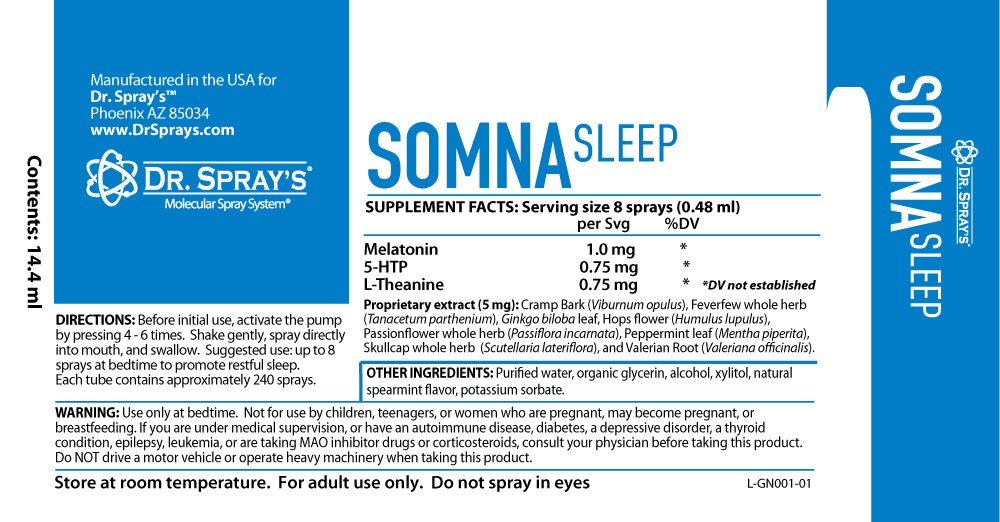
Our Sleep & Somna Spray is specifically formulated to support healthy sleep patterns with a blend of melatonin, L-theanine, and 5-HTP. The convenient spray delivery makes it easy to incorporate into bedtime routines.
Addressing Behavioral Sleep Challenges
Even with perfect routines and environments, some three-year-olds continue to resist sleep. Here's how to handle common behavioral issues:
The Curtain Call Syndrome
Does your child constantly call you back for "one more thing"—another hug, a drink of water, to tell you something important? Set clear expectations before you leave the room. Say, "This is the last hug, and then it's time to sleep. I'll see you in the morning." Then follow through.
You can provide a water bottle in the room to eliminate the drink excuse. For the child who gets out of bed repeatedly, calmly and quietly return them to bed each time without engaging in conversation or providing attention.
Fear of the Dark or Being Alone
Acknowledge your child's fears without reinforcing them. Instead of saying "There's nothing to be scared of," try "I know the dark can feel strange, but you are safe. Your family is nearby." A nightlight, comfort object, or special "brave" stuffed animal can provide reassurance.
Early Morning Wakings
If your child wakes too early, ensure their room stays dark in the morning. Consider using a toddler alarm clock that changes color when it's okay to get up, teaching your child to stay in bed until an appropriate time.
The Nap Transition
Many three-year-olds are in the process of dropping their afternoon nap, which can temporarily make bedtime more challenging.
Signs Your Child Is Ready to Drop the Nap
- Takes an hour or more to fall asleep at nap time
- Consistently resists napping despite being tired
- Naps interfere with falling asleep at bedtime
- Can make it through the day without becoming overly cranky
Managing the Transition
Even if your child no longer naps, they still need quiet rest time. Implement a daily "quiet time" where your child looks at books, listens to calm music, or does other relaxing activities in their room. This provides necessary downtime and can prevent overtiredness by evening.
During the transition, you may need to move bedtime earlier temporarily—sometimes by as much as 30-60 minutes—to prevent your child from becoming overtired, which paradoxically makes it harder to fall asleep.
When Screen Time Interferes with Sleep
The blue light emitted by tablets, phones, and televisions suppresses melatonin production, making it harder for children to feel sleepy. The American Academy of Pediatrics recommends no screen time at least one hour before bed.
Creating Screen-Free Evening Hours
Instead of screens, offer engaging alternatives like building blocks, puzzles, coloring, or imaginative play. Make this a family rule to help your child understand it's not a punishment but a healthy habit everyone follows.
If you do allow some screen time earlier in the evening, choose calm, non-stimulating content and use blue light filters or "night mode" settings on devices.
Physical Activity and Sleep Connection
Active play during the day helps children sleep better at night. Three-year-olds need plenty of physical activity—at least 60 minutes of structured play and several hours of unstructured active play daily.
Best Timing for Active Play
While physical activity is important, timing matters. Vigorous exercise too close to bedtime can be stimulating. Aim for active play earlier in the day or at least 3-4 hours before bedtime. In the evening, opt for calmer activities like stretching, yoga poses, or gentle dancing.
Nutritional Support for Better Sleep
Beyond general nutrition, specific supplements may support healthy sleep patterns when used appropriately and under guidance from your pediatrician.
Key Nutrients for Sleep Support
Several vitamins and minerals are particularly important for sleep regulation:
- Vitamin D3 - Influences sleep quality and duration; deficiency is linked to sleep problems
- B Vitamins - Support neurotransmitter production and help regulate circadian rhythms
- Magnesium - Promotes relaxation and helps regulate melatonin
- Vitamin C - Supports stress response and may improve sleep quality
DrSprays offers oral spray vitamins with a 90% absorption rate, significantly higher than traditional pills. Our products are manufactured in an FDA-registered, GMP-certified facility in Phoenix, Arizona, ensuring quality and safety. The spray delivery system is particularly beneficial for young children who may resist swallowing pills.
Our Multi-Vitamin Spray provides comprehensive nutritional support, while targeted options like Vitamin D3 Spray address specific deficiencies that may affect sleep.
Managing Sleep Regression
Even children who previously slept well may experience temporary sleep regression around age three. Common triggers include:
- Starting preschool or daycare
- Moving to a new home
- Family stress or changes
- Developmental leaps
- Illness or teething (molars often come in around this age)
Responding to Sleep Regression
Maintain your established routines even more diligently during regressions. Provide extra reassurance during the day, but avoid creating new sleep associations (like lying down with your child) that will be difficult to break later. Most sleep regressions resolve within 2-4 weeks if you remain consistent.
When to Seek Professional Help
While many sleep challenges are normal and resolve with consistent routines, sometimes professional guidance is necessary. Consult your pediatrician if:
- Your child snores loudly or has pauses in breathing during sleep
- Sleep problems persist despite consistent efforts for several weeks
- Your child seems excessively tired during the day despite adequate sleep hours
- Sleep issues are affecting your child's behavior, development, or your family's wellbeing
- You suspect underlying medical issues like sleep apnea or restless leg syndrome
The Importance of Parental Self-Care
When your three-year-old won't sleep, your own rest suffers too. Exhausted parents have less patience and find it harder to remain consistent with bedtime routines. Prioritize your own sleep when possible:
- Take turns with your partner handling bedtime or night wakings
- Go to bed earlier yourself rather than staying up after your child finally sleeps
- Ask for help from family or friends when you're overwhelmed
- Remember that sleep challenges are temporary—this phase will pass
Creating Positive Sleep Associations
Help your child view bedtime positively rather than as something to resist. Some strategies include:
- Use positive language: "It's time to rest your body" rather than "You have to go to bed"
- Allow some choices: which pajamas to wear or which book to read
- Create special bedtime traditions like a secret handshake or special song
- Praise successful sleep nights without making it a high-pressure situation
- Use a sticker chart to motivate staying in bed (but avoid over-reliance on rewards)
Frequently Asked Questions
What time should a 3-year-old go to bed?
Most three-year-olds do best with a bedtime between 7:00-8:00 PM. The exact time depends on when your child wakes in the morning and whether they still nap. Choose a bedtime that allows for 10-13 hours of total sleep in a 24-hour period. Watch your child's tired signals rather than the clock—going to bed when naturally drowsy makes falling asleep easier.
Is it normal for a 3-year-old to fight bedtime?
Yes, bedtime resistance is very common at age three. This age is characterized by testing boundaries and asserting independence. Consistent routines, clear expectations, and calm but firm responses help minimize bedtime battles. If your child suddenly starts resisting after previously sleeping well, look for changes or stressors that might be causing anxiety.
Should I let my 3-year-old cry it out?
The "cry it out" method is generally recommended for younger babies, not three-year-olds. At this age, your child can understand explanations and respond to behavioral approaches. Instead of ignoring crying, use gradual withdrawal methods—slowly reducing your presence over several nights while providing reassurance. Set clear boundaries but offer comfort in increasingly brief check-ins.
How do I stop my 3-year-old from getting out of bed?
Consistency is key. Each time your child gets out of bed, calmly and quietly return them without engaging in conversation, making eye contact, or showing frustration. This may need to happen many times initially, but most children learn the boundary within a few nights. Use a sticker chart to reward staying in bed, and ensure there's no "payoff" (attention, entertainment) for getting up.
Can vitamins help my toddler sleep better?
Certain vitamins and minerals support healthy sleep patterns, particularly if your child has nutritional deficiencies. Vitamin D3, B vitamins, and magnesium all play roles in sleep regulation. However, supplements should not replace good sleep hygiene practices. Always consult your pediatrician before starting any supplement regimen. Sleep support sprays formulated for children can provide targeted nutritional support with easy absorption.
What if my 3-year-old wakes up multiple times at night?
Night wakings at age three may indicate overtiredness, schedule issues, or environmental problems. Ensure your child isn't going to bed too late or skipping needed naps. Check the sleep environment for discomfort. When your child wakes, respond calmly but briefly, avoiding activities that make being awake rewarding. If night wakings persist or include concerning symptoms like loud snoring, consult your pediatrician.
How long does it take to establish a new sleep routine?
Most children adapt to new sleep routines within 1-2 weeks of consistent implementation. The first few nights are typically the most challenging. You may see some improvement within 3-4 days, but full success usually takes longer. Consistency is absolutely critical—if you give in some nights but not others, you'll actually reinforce the resistance and prolong the process.
Are melatonin supplements safe for 3-year-olds?
While melatonin is sometimes used for children with specific sleep disorders, it should only be given under medical supervision. The American Academy of Pediatrics recommends trying behavioral interventions first. If you're considering melatonin or other sleep supplements, discuss this with your pediatrician to ensure it's appropriate for your child's specific situation and to determine correct dosing.
Take Action for Better Sleep Tonight
Helping your three-year-old develop healthy sleep habits takes patience and consistency, but the benefits—for your child's development and your family's wellbeing—are immeasurable. Start with small changes: establish a consistent bedtime routine, optimize the sleep environment, and ensure your child gets adequate nutrition throughout the day.
If you suspect nutritional deficiencies may be affecting your child's sleep, consider supporting their diet with high-quality supplements. DrSprays offers doctor-developed oral spray vitamins with superior absorption, making it easy to ensure your child gets essential nutrients that support healthy sleep patterns.
Our products are manufactured in our FDA-registered, GMP-certified facility in Phoenix, Arizona, and are designed for maximum effectiveness. From our Sleep & Somna Spray to targeted options like Vitamin D3 and B12 sprays, we provide comprehensive nutritional support for your family's health.
Explore our complete range of vitamin sprays and discover how proper nutrition can support your child's sleep quality and overall wellbeing. With the right tools and strategies, peaceful bedtimes are within reach.