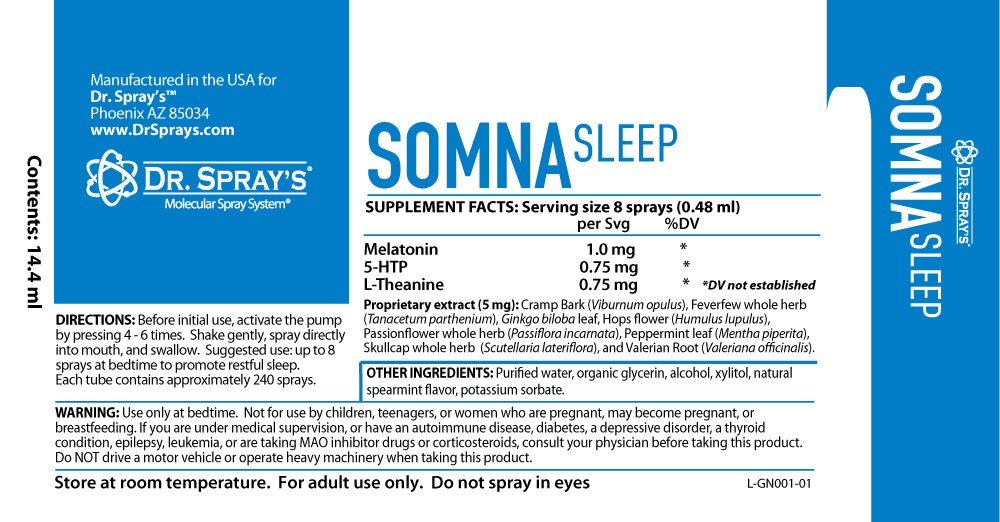
Getting a 4-year-old to sleep can feel like an impossible task for many parents. Between bedtime resistance, nighttime wakings, and early morning wake-ups, sleep challenges at this age are common but exhausting. Understanding why your preschooler struggles with sleep and implementing evidence-based strategies can transform bedtime from a battleground into a peaceful routine.
This comprehensive guide explores the developmental, nutritional, and environmental factors that affect sleep in 4-year-olds, with practical solutions you can implement tonight.
Understanding Sleep Needs at Age 4
Four-year-olds need approximately 10-13 hours of total sleep per 24-hour period, according to sleep research organizations. Most children this age still benefit from daytime naps, though some begin transitioning away from them. The challenge is that individual sleep needs vary significantly, and what works for one child may not work for another.
At this developmental stage, children experience significant cognitive growth, expanded imagination, and increased awareness of their surroundings. These developments can actually interfere with sleep, as active minds don't easily "turn off" at bedtime. Additionally, preschoolers are learning to assert independence, which often manifests as bedtime resistance.
Signs Your Child Isn't Getting Enough Sleep
- Difficulty waking in the morning
- Hyperactivity or unusual clumsiness during the day
- Increased irritability or emotional outbursts
- Falling asleep during car rides or other quiet moments
- Decreased attention span or behavioral issues
Common Sleep Challenges in 4-Year-Olds
Before implementing solutions, it's helpful to identify which specific sleep issues your child experiences. Each problem may require a slightly different approach.
Bedtime Resistance and Stalling
The classic "one more story" or "I need water" routine is developmentally normal but frustrating. Four-year-olds have discovered they can delay bedtime, and they're testing boundaries to see what they can get away with. This behavior often intensifies if children aren't actually tired at the designated bedtime or if they're experiencing separation anxiety.
Nighttime Fears and Anxiety
Around age 4, children's imaginations become vivid enough to create monsters under the bed or scary shadows on the wall. These fears are genuine to them, even if they seem irrational to adults. Dismissing these concerns rarely helps; instead, children need validation and coping strategies.
Night Wakings
While less common than in younger children, some 4-year-olds still wake during the night. This may be due to sleep associations (needing a parent present to fall back asleep), environmental factors, or underlying issues like sleep apnea or restless legs.
Early Morning Wake-Ups
Waking before 6 AM is common in this age group, particularly if children are going to bed too early or getting too much daytime sleep. Environmental factors like light exposure also play a significant role.
Creating the Ideal Sleep Environment
The bedroom environment significantly impacts sleep quality. Small adjustments can make a substantial difference in how quickly your child falls asleep and how well they sleep through the night.
Optimize Lighting
Darkness triggers melatonin production, the hormone that regulates sleep-wake cycles. Install blackout curtains to eliminate street lights and early morning sun. If your child fears complete darkness, use a dim red or amber nightlight rather than white or blue light, which can suppress melatonin production.
Control Temperature
The ideal sleep temperature for children is between 65-70°F (18-21°C). Overheating can cause restless sleep and frequent wakings. Dress your child in breathable pajamas and use appropriate bedding for the season.
Reduce Noise Disruptions
While some children can sleep through anything, others are sensitive to household sounds, traffic noise, or even the hum of appliances. A white noise machine can mask these disruptions and create consistent sound that won't startle your child awake.
Establish a Sleep-Only Space
If possible, keep the bedroom reserved for sleep rather than play. This helps create a mental association between the room and rest. Remove stimulating toys, especially those with lights or sounds, and keep screens out of the bedroom entirely.
The Power of a Consistent Bedtime Routine
A predictable bedtime routine signals to your child's body that sleep is approaching. Research shows that consistent bedtime routines improve sleep onset time, reduce night wakings, and increase total sleep duration.
Components of an Effective Routine
Start your routine 30-60 minutes before the desired sleep time. The routine should follow the same sequence every night and include calming activities:
- Bath time: Warm water raises body temperature slightly, and the subsequent cooling signals sleepiness
- Pajamas and teeth brushing: Physical preparation for bed
- Quiet activities: Reading books, gentle stretching, or listening to calming music
- Bedroom transition: Dim lights, climb into bed
- Final connection: Brief cuddles, a specific phrase like "goodnight, sleep tight," then leave the room
Timing Matters
Watch for sleep cues like eye rubbing, yawning, or decreased activity. These indicate your child's natural sleep window. Putting a child to bed too early (before they're tired) or too late (overtired) both make falling asleep harder. Most 4-year-olds do best with a bedtime between 7:00-8:30 PM.
Nutrition's Role in Sleep Quality
What your child eats—and when they eat it—significantly affects sleep. Certain nutrients support the body's natural sleep processes, while others can interfere with restful sleep.
Nutrients That Support Sleep
Magnesium plays a crucial role in regulating neurotransmitters that calm the nervous system. Foods like bananas, whole grains, and leafy greens provide magnesium, but many children don't consume adequate amounts through diet alone.
Vitamin B12 helps regulate the sleep-wake cycle and supports the production of melatonin. A vitamin B12 spray can be particularly effective for children who are picky eaters or have difficulty with traditional supplements. The oral spray delivery method ensures better absorption compared to pills or gummies that must pass through the digestive system.
Vitamin D3 deficiency has been linked to sleep problems in children. Since many kids spend limited time outdoors, especially during winter months, supplementation may be necessary. A vitamin D3 spray provides a convenient way to maintain adequate levels without the struggle of swallowing pills.
Foods to Avoid Before Bed
Limit sugar and refined carbohydrates in the evening, as blood sugar spikes and crashes can disrupt sleep. Avoid caffeine entirely—it's not just in soda but also in chocolate and some flavored waters. Heavy, greasy meals close to bedtime can cause discomfort that interferes with sleep.
The Supplement Advantage
For parents in Phoenix, Arizona, and beyond who struggle to ensure their children get adequate nutrition, oral spray vitamins offer a practical solution. Unlike pills that children may refuse or gummies that contain sugar and require digestion, vitamin sprays provide rapid absorption directly through the oral mucosa. This delivery method is particularly beneficial for supporting sleep-related nutrients.
Doctor-developed formulations ensure you're providing research-backed nutrition in forms your child's body can actually use. When choosing supplements, look for products manufactured in FDA-registered, GMP-certified facilities to ensure quality and safety.
Addressing Behavioral Sleep Issues
Even with perfect environmental conditions and nutrition, behavioral challenges can derail sleep. Consistency and patience are essential when implementing these strategies.
The Bedtime Pass System
Give your child one or two "passes" they can use each night for legitimate needs—a drink of water, bathroom trip, or hug. Once passes are used, requests are gently but firmly declined. This acknowledges their needs while setting clear boundaries.
Gradual Retreat for Separation Anxiety
If your child can't fall asleep without your presence, use gradual retreat. Start by sitting next to the bed, then progressively move your chair closer to the door over several nights. Eventually, you'll be outside the room while your child falls asleep independently.
Reward Systems
Create a sticker chart for successful sleep behaviors: staying in bed all night, following the bedtime routine without resistance, or sleeping until the designated wake-up time. After earning a certain number of stickers, your child receives a predetermined reward (an outing to the park, a special breakfast, extra playtime—not material items).
Managing Daytime Factors That Affect Night Sleep
Sleep quality isn't determined solely by what happens at bedtime. Daytime activities, exposure to light, and physical activity all influence nighttime sleep.
Physical Activity Requirements
Four-year-olds need at least three hours of physical activity daily, including one hour of energetic play. Active children fall asleep faster and sleep more deeply. However, avoid vigorous exercise within three hours of bedtime, as it can be overly stimulating.
Screen Time Management
The blue light from screens suppresses melatonin production and stimulates the brain. Establish a screen-free period starting at least one hour before bedtime. Replace screen time with reading, puzzles, or creative play.
Nap Considerations
Many 4-year-olds are transitioning out of naps. If your child naps but struggles at bedtime, try limiting naps to 30-60 minutes and ensuring they wake by 3 PM. If eliminating naps entirely, you may need to move bedtime earlier to prevent overtiredness.
Consistent Wake-Up Time
Waking at the same time every day (yes, even weekends) helps regulate your child's circadian rhythm. This consistency often matters more than bedtime consistency for establishing healthy sleep patterns.
When to Seek Professional Help
While most sleep issues in 4-year-olds resolve with behavioral interventions, some situations warrant consultation with a pediatrician or sleep specialist.
Contact your doctor if your child:
- Snores loudly or has pauses in breathing during sleep (possible sleep apnea)
- Experiences frequent nightmares or night terrors that don't improve
- Has persistent difficulty falling asleep despite consistent routines
- Shows extreme daytime sleepiness or behavioral problems related to sleep deprivation
- Experiences movements during sleep like leg jerking or restlessness
- Has significant anxiety that interferes with daily functioning
The Role of Nutritional Support in Sleep Solutions
While behavioral strategies form the foundation of healthy sleep habits, nutritional support can enhance your efforts. Modern spray supplements make it easier than ever to ensure your child receives the nutrients that support quality sleep.
Traditional vitamin delivery methods—pills and gummies—present challenges. Pills are difficult for young children to swallow, creating medication battles. Gummies, while more palatable, contain sugars and binders that reduce absorption rates. The digestive process further breaks down nutrients before they reach the bloodstream.
Oral spray vitamins bypass these issues entirely. Sprayed directly into the mouth, nutrients absorb through the mucous membranes, entering the bloodstream quickly without requiring digestion. This method achieves absorption rates up to 90%, compared to 10-20% for many traditional supplements. For parents seeking reliable nutritional support for their children's sleep health, this efficiency makes a significant difference.
Building Long-Term Healthy Sleep Habits
Implementing these strategies requires patience and consistency. Sleep improvements rarely happen overnight—expect to maintain new routines for at least two weeks before seeing significant changes.
Track Progress
Keep a simple sleep log noting bedtime, wake time, night wakings, and daytime behavior. This helps identify patterns and demonstrates progress when you feel discouraged.
Stay Consistent Across Caregivers
Ensure all caregivers—parents, grandparents, babysitters—follow the same sleep routine and rules. Inconsistency confuses children and undermines your efforts.
Adjust as Needed
Sleep needs change as children grow. A routine that works perfectly today may need modification in a few months. Stay attuned to your child's cues and adjust accordingly.
Practice Self-Care
Sleep-deprived parents struggle to implement strategies consistently. Prioritize your own rest when possible, and ask for help when you need it. Tag-team with your partner, letting each person handle bedtime on alternate nights to prevent burnout.
Frequently Asked Questions
What should I do if my 4-year-old keeps coming out of their room after bedtime?
Implement a consistent response. Each time your child leaves their room, calmly and quietly walk them back without engaging in conversation or providing entertainment. Use a neutral phrase like "It's bedtime now" and leave immediately. Consistency is critical—this may require 10-20 returns the first few nights, but persistence pays off. Consider using a baby gate if safety isn't a concern, or a visual timer that shows when it's okay to leave the room.
Is it normal for my 4-year-old to be afraid of the dark?
Yes, fear of the dark is developmentally normal at this age. Children's imaginations are vivid, and they're learning to distinguish fantasy from reality. Validate their feelings rather than dismissing fears. Provide a dim nightlight, check the room together before bed, and teach simple coping strategies like deep breathing or thinking of happy thoughts. Most children outgrow this fear naturally over time.
How long should the bedtime routine take?
An effective bedtime routine typically lasts 30-60 minutes for a 4-year-old. If your routine consistently exceeds an hour, it may have become a stalling tactic. Streamline activities and set clear time limits for each component. Use a visual timer to help your child understand when each activity ends and the next begins.
Can vitamin sprays really help my child sleep better?
While vitamin spray products aren't sleep medications, certain nutrients genuinely support healthy sleep patterns. Vitamin B12 helps regulate circadian rhythms, vitamin D3 deficiency correlates with sleep problems, and minerals like magnesium support the nervous system's ability to relax. Oral spray vitamins offer superior absorption compared to pills or gummies, ensuring your child actually receives these beneficial nutrients. However, supplements work best alongside behavioral strategies—they're supportive, not replacement solutions.
Should I wake my 4-year-old from a late afternoon nap?
Yes, if napping interferes with nighttime sleep. Wake your child by 3 PM at the latest to ensure adequate sleep pressure at bedtime. If your child consistently struggles to fall asleep at night despite appropriate bedtime, try limiting naps to 30-45 minutes or eliminating them entirely. Some 4-year-olds no longer need naps; others benefit from short rest periods.
What's the best way to handle nightmares?
Respond promptly and offer comfort when your child experiences a nightmare. Briefly reassure them, provide physical comfort, and help them settle back to sleep in their own bed. Keep interactions calm and quiet to avoid fully waking them. The next day, you might discuss the nightmare and problem-solve together about how to handle scary dreams, but avoid detailed conversations in the middle of the night.
How do I know if my child's sleep problems require medical attention?
Consult your pediatrician if sleep issues persist despite consistent behavioral interventions, if your child snores loudly or has breathing pauses during sleep, if extreme daytime sleepiness affects functioning, or if you observe unusual movements during sleep. Additionally, seek help if sleep problems are accompanied by developmental regression, significant behavioral issues, or if your parental intuition suggests something isn't right.
Are spray supplements safe for young children?
When manufactured by reputable companies in FDA-registered, GMP-certified facilities, spray supplements are safe for children. They actually offer advantages over traditional forms—no choking hazard like pills, no excess sugar like gummies, and better absorption. Always choose age-appropriate formulations and follow dosing instructions. Consult your pediatrician before starting any new supplement, especially if your child has underlying health conditions or takes medications.
Take Action for Better Sleep Tonight
Getting your 4-year-old to sleep doesn't have to be a nightly battle. By optimizing the sleep environment, establishing consistent routines, ensuring proper nutrition, and implementing appropriate behavioral strategies, you can transform bedtime into a peaceful close to each day.
Remember that sustainable change takes time. Choose two or three strategies from this guide to implement first, rather than attempting everything simultaneously. Track your progress, celebrate small victories, and adjust approaches as needed.
If nutritional gaps may be contributing to your child's sleep challenges, consider the convenience and effectiveness of doctor-developed vitamin sprays. With 90% absorption rates and formulations created specifically to support health and wellness, these products manufactured in Phoenix, Arizona, provide reliable nutritional support without the struggle of traditional supplements.
Quality sleep isn't just about giving yourself a break in the evening—it's essential for your child's physical growth, cognitive development, emotional regulation, and immune function. The investment you make in establishing healthy sleep habits now will pay dividends throughout your child's life.
Sweet dreams await both you and your 4-year-old. With patience, consistency, and the right strategies, peaceful nights are within reach.