Getting a 5-year-old to sleep can feel like an impossible task. Between bedtime resistance, endless requests for "one more story," and middle-of-the-night wake-ups, exhausted parents often wonder if a good night's sleep will ever return to their household.
The truth is that sleep challenges at age five are incredibly common—but they're also solvable. Understanding why your child struggles with sleep and implementing evidence-based strategies can transform bedtime from a nightly battle into a peaceful routine.
This comprehensive guide explores practical solutions to help your 5-year-old develop healthy sleep habits, including the role nutrition plays in sleep quality and why spray supplements might be an effective option for children who resist traditional vitamins.
Understanding Sleep Needs for 5-Year-Olds
Before addressing specific sleep challenges, it's important to understand what constitutes healthy sleep for a child this age.
According to the American Academy of Sleep Medicine, children aged 3-5 years need 10-13 hours of sleep per 24-hour period, including naps. By age five, many children have transitioned away from daytime napping, which means they need a full 10-12 hours of nighttime sleep to function optimally.
Sleep isn't just about duration—quality matters too. Children at this age should be able to fall asleep within 20-30 minutes of being put to bed, sleep through the night without waking, and wake up naturally feeling refreshed.
When these patterns are disrupted, the effects ripple through every aspect of a child's day. Sleep-deprived 5-year-olds often experience mood swings, difficulty concentrating, behavioral challenges, and even compromised immune function.
Common Reasons 5-Year-Olds Struggle With Sleep
Identifying the root cause of your child's sleep difficulties is the first step toward finding a solution. Here are the most common culprits:
Developmental Changes and Growing Independence
Five-year-olds are experiencing rapid cognitive development. They're beginning to understand abstract concepts, which can lead to new fears—particularly fear of the dark, monsters, or separation from parents. Their growing independence also means they're more likely to test boundaries, including bedtime rules.
Overstimulation and Screen Time
Modern life exposes children to constant stimulation. Television, tablets, video games, and even educational apps can interfere with the body's natural wind-down process. The blue light emitted by screens suppresses melatonin production, making it harder for children to feel sleepy at appropriate times.
Inconsistent Routines
Five-year-olds thrive on predictability. When bedtime varies significantly from night to night—or when routines differ between weekdays and weekends—it disrupts their circadian rhythm and makes falling asleep more difficult.
Nutritional Deficiencies
What your child eats (and doesn't eat) can significantly impact sleep quality. Deficiencies in specific nutrients—particularly magnesium, vitamin D, B vitamins, and certain amino acids—have been linked to sleep difficulties in children.
Many children are naturally picky eaters at this age, making it challenging to ensure they receive adequate nutrition solely through food. This is where targeted supplementation can make a meaningful difference.
Anxiety and Emotional Regulation
Starting kindergarten, making new friends, and navigating social dynamics can create stress for 5-year-olds. When children haven't developed strong emotional regulation skills, anxiety often manifests at bedtime when the day's distractions fade away.
Creating the Ideal Sleep Environment
Your child's bedroom should be a sleep sanctuary—a calm, comfortable space that signals it's time to rest.
Optimize Room Temperature and Lighting
Keep the bedroom cool, ideally between 65-70°F (18-21°C). Use blackout curtains or shades to eliminate outside light, which can interfere with melatonin production. If your child fears complete darkness, use a dim red nightlight rather than white or blue-toned lights that suppress sleep hormones.
Minimize Noise Disruptions
Consider using a white noise machine or fan to mask household sounds that might wake your child. Consistent background noise can also be soothing and help children fall asleep faster.
Choose Comfortable Bedding
Ensure your child's mattress provides adequate support and that sheets are comfortable and appropriately warm for the season. Let your child choose special bedding featuring favorite characters or colors—when children feel ownership over their sleep space, they're often more willing to go to bed.
Remove Sleep Disruptors
Televisions, tablets, and electronic toys should not have a place in the bedroom. These devices create mental associations between the sleep space and alertness, making it harder for children to wind down when it's actually time to sleep.
Establishing a Consistent Bedtime Routine
A predictable bedtime routine is perhaps the most powerful tool parents have for improving children's sleep. The routine serves as a series of cues that tell your child's body and brain: sleep is coming.
Start the Wind-Down Process Early
Begin your bedtime routine 60-90 minutes before you want your child asleep. This gives adequate time for the body to transition from active to rest mode.
Sample Bedtime Routine for 5-Year-Olds
Here's an effective sequence that many families find successful:
- 7:00 PM: End screen time and high-energy activities
- 7:15 PM: Light snack if needed (avoid sugar and caffeine)
- 7:30 PM: Bathtime with calming activities
- 7:45 PM: Put on pajamas and brush teeth
- 7:50 PM: Quiet time in bedroom—reading, gentle conversation, or calming music
- 8:00 PM: Lights out and final goodnight
Adjust these times based on your child's individual sleep needs and your family schedule, but maintain consistency once you've established a routine.
Include Calming Activities
Reading together is ideal for bedtime. It's engaging enough to hold your child's attention but calm enough to promote relaxation. Other options include gentle stretching, quiet conversation about the day, or listening to soft music.
Avoid anything competitive, exciting, or emotionally stimulating during this wind-down period.
Make It Non-Negotiable
Children need clear, consistent boundaries. While you can show flexibility in specific elements (which pajamas to wear, which book to read), the overall structure and timing should remain consistent every night—even on weekends.
Addressing Nutritional Factors That Affect Sleep
What your child eats throughout the day—and particularly in the hours before bed—can significantly impact sleep quality.
Key Nutrients for Healthy Sleep
Several nutrients play crucial roles in sleep regulation:
Vitamin D3: This essential vitamin influences sleep quality and duration. Research shows that vitamin D deficiency is associated with sleep disturbances in children. Since many children, especially those in northern climates or those who spend limited time outdoors, don't get adequate vitamin D from sun exposure, supplementation may be beneficial.
B Vitamins: B vitamins, particularly B6 and B12, are involved in the production of serotonin and melatonin—neurotransmitters that regulate sleep-wake cycles. A vitamin B12 spray can be an effective way to ensure adequate levels, especially for picky eaters who avoid B12-rich foods like meat, eggs, and dairy.
Magnesium: This mineral promotes relaxation and helps regulate the body's stress response. Magnesium deficiency has been linked to restless sleep and frequent nighttime waking in children.
Vitamin C: While better known for immune support, vitamin C also plays a role in sleep quality. Adequate levels are associated with better sleep duration and fewer sleep disturbances.
The Challenge of Getting Children to Take Supplements
Many parents recognize that their child could benefit from supplementation but struggle with the practical challenge of actually getting their 5-year-old to take vitamins consistently.
Traditional pills are often difficult for young children to swallow. Gummy vitamins seem like an appealing alternative, but they come with significant drawbacks—they're often loaded with sugar, can damage teeth, and typically contain lower concentrations of active ingredients due to manufacturing limitations.
Why Spray Supplements Work for Young Children
Oral spray vitamins offer an innovative solution that addresses many of the challenges parents face. Products like those developed by DrSprays—a Phoenix, Arizona-based company specializing in spray supplement delivery—are specifically designed for ease of use and maximum absorption.
The advantages of vitamin spray products for children include:
- Simple administration: A quick spray eliminates the struggle of swallowing pills or chewing gummies
- Superior absorption: Spray supplements are absorbed through the oral mucosa, bypassing digestive barriers that reduce effectiveness of traditional vitamins
- No added sugars: Unlike gummy vitamins, quality spray vitamins don't rely on sugar to mask taste
- Precise dosing: Each spray delivers a consistent, measured amount
- Faster action: Nutrients enter the bloodstream more quickly than pills or gummies
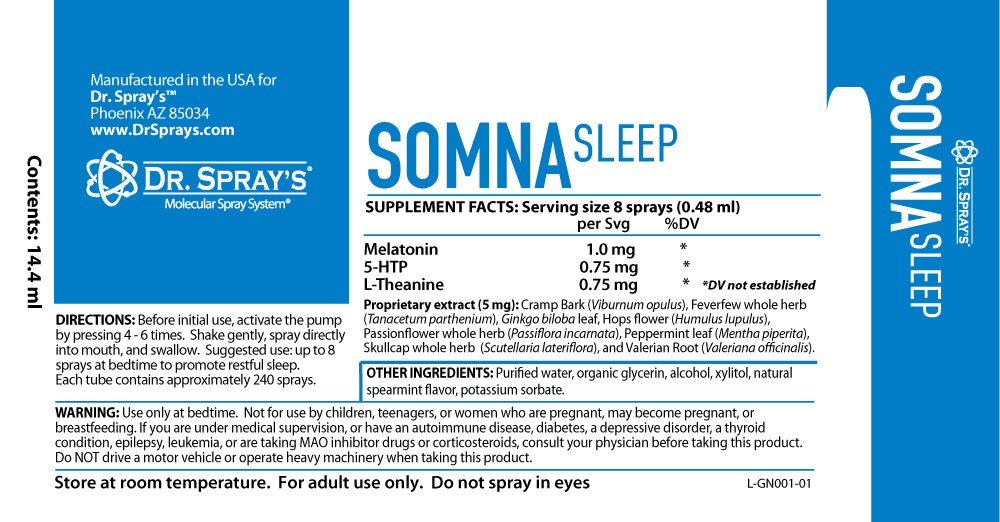
For sleep specifically, DrSprays offers a specialized sleep support spray designed to promote natural, healthy sleep patterns without harsh chemicals or dependency-forming ingredients.
Timing Supplementation for Best Results
If you choose to incorporate spray supplements into your child's routine, timing matters. Sleep-supporting nutrients work best when taken as part of the bedtime routine—typically 30-60 minutes before lights out.
General nutritional supplements like a multivitamin spray or vitamin D3 spray are best taken in the morning with breakfast to support daytime energy and overall health, which indirectly contributes to better nighttime sleep.
Behavioral Strategies to Improve Sleep Compliance
Even with the perfect environment and routine, some 5-year-olds continue to resist bedtime. These behavioral strategies can help.
Implement a Reward System
Create a simple sticker chart where your child earns a star or sticker for each night they follow the bedtime routine without resistance and stay in bed until morning. After accumulating a certain number of stickers, they earn a small reward—extra storytime, a special breakfast, or choosing a family activity.
Keep rewards small and frequent at first, then gradually extend the time needed to earn them as the behavior becomes established.
Address Fears With Empathy and Logic
If your child expresses specific fears at bedtime, take them seriously but respond calmly. Acknowledge the feeling ("I understand you're worried about monsters") while providing reassurance rooted in reality ("Monsters aren't real—they're just in stories").
Some families find "monster spray" (water in a spray bottle) helpful for giving children a sense of control. Others prefer checking under the bed and in the closet together as part of the bedtime routine.
Use the "Bedtime Pass" Technique
Give your child one "bedtime pass" each night—a physical card they can exchange for one trip out of their room after lights out (for water, bathroom, hug, etc.). This provides them with a sense of control while setting clear limits. Once the pass is used, they must stay in bed.
Practice "Graduated Extinction" for Persistent Resistance
If your child regularly calls out or comes out of their room after bedtime, respond with gradually decreasing engagement. The first time, offer brief reassurance and return them to bed. Subsequent visits should be increasingly brief and boring—simply walk them back without conversation or eye contact.
This teaches children that leaving the bedroom doesn't result in attention or activity, making it less rewarding to continue the behavior.
When to Consult a Professional
While most sleep challenges in 5-year-olds respond to environmental and behavioral interventions, certain signs warrant professional consultation:
- Loud snoring or breathing pauses during sleep (potential sleep apnea)
- Extreme daytime sleepiness despite adequate nighttime sleep
- Restless leg movements or other unusual sleep behaviors
- Sleep resistance accompanied by significant anxiety or behavioral changes
- No improvement after 4-6 weeks of consistent intervention
Your pediatrician can rule out underlying medical conditions and may refer you to a sleep specialist if needed.
The Phoenix Approach: Integrating Innovation With Tradition
Here in Phoenix, Arizona, where DrSprays develops its doctor-formulated spray supplements, we understand that modern parents need solutions that work with real life—not just in theory.
The intense Arizona heat means many children spend more time indoors than previous generations, potentially contributing to vitamin D deficiency. Our diverse, fast-paced communities mean families juggle complex schedules that make consistency challenging.
This is why innovative delivery methods for essential nutrients—like oral spray vitamins—have gained traction among Phoenix families. They offer the effectiveness of traditional supplementation without adding complexity to already-packed routines.
All DrSprays products are manufactured in an FDA-registered, GMP-certified facility right here in Phoenix, ensuring quality control and safety standards that parents can trust.
Creating Long-Term Healthy Sleep Habits
The strategies you implement now to help your 5-year-old sleep better aren't just solving a short-term problem—they're establishing patterns that will benefit your child for years to come.
Model Good Sleep Hygiene Yourself
Children learn by watching. When you prioritize your own sleep, maintain consistent routines, and demonstrate healthy wind-down habits, your child internalizes these patterns as normal and important.
Adjust as Your Child Grows
Sleep needs and challenges evolve as children develop. Stay flexible and willing to adjust routines, bedtimes, and strategies as your child's needs change. What works at five may need modification by six or seven.
Maintain Overall Health
Sleep doesn't exist in isolation. Regular physical activity, balanced nutrition, emotional support, and limited screen time all contribute to better sleep. Address your child's health holistically rather than focusing solely on bedtime.
Frequently Asked Questions
How long does it take to establish a new sleep routine with a 5-year-old?
Most children adapt to a new sleep routine within 2-4 weeks if parents remain consistent. The first week is typically the most challenging, with gradual improvement in the following weeks. Some children adjust more quickly, while others may take up to six weeks to fully embrace new sleep habits.
Is it normal for my 5-year-old to still wake up during the night?
While some nighttime waking is normal, frequent waking (more than 2-3 times per week) or difficulty returning to sleep may indicate an underlying issue. Possible causes include environmental factors, nutritional deficiencies, anxiety, or sleep disorders. If nighttime waking persists despite consistent routines, consult your pediatrician.
Should I let my 5-year-old sleep with me if they're scared?
While occasional co-sleeping during particularly difficult nights won't cause harm, regularly allowing your child into your bed can reinforce bedtime resistance and nighttime waking. Instead, comfort your child in their own room, address the source of fear during daytime conversations, and ensure their bedroom feels safe and comfortable. Consistent boundaries help children develop independence and confidence.
Are spray vitamins safe for young children?
When manufactured by reputable companies following FDA and GMP guidelines—like DrSprays products made in Phoenix, Arizona—oral spray vitamins are safe for children. They actually offer advantages over traditional pills, which pose choking risks, and sugar-laden gummy vitamins. Always follow dosing instructions and consult your pediatrician before starting any new supplement, especially if your child has existing health conditions or takes medications.
What's better for sleep support: vitamin D3 spray or B12 spray?
Both vitamins play important but different roles in sleep health. Vitamin D3 spray influences overall sleep quality and circadian rhythm regulation, while vitamin B12 spray supports the production of sleep-regulating neurotransmitters. Many children benefit from adequate levels of both. For targeted sleep support beyond basic nutrition, consider a specialized sleep formula designed to promote healthy sleep patterns.
How much earlier should bedtime be if my child isn't napping anymore?
When children transition away from naps, bedtime typically needs to move 30-60 minutes earlier to compensate for the lost daytime sleep. If your child previously napped and went to bed at 8:30 PM, try moving bedtime to 7:30-8:00 PM. Watch for sleepy cues—rubbing eyes, decreased coordination, crankiness—to determine the optimal time. Most 5-year-olds who no longer nap need bedtime between 7:00-8:00 PM.
Can dietary changes alone solve sleep problems?
While nutrition significantly impacts sleep quality, dietary changes alone rarely solve all sleep challenges. The most effective approach combines proper nutrition (including supplementation when needed), consistent routines, an optimized sleep environment, and appropriate behavioral strategies. Think of nutrition as one important piece of a comprehensive sleep solution rather than a standalone fix.
What if my child's sleep problems started after starting kindergarten?
Starting school is a major transition that commonly disrupts sleep. The combination of earlier wake times, increased mental stimulation, new social dynamics, and separation from parents can all contribute to sleep difficulties. Address this by ensuring your child gets adequate physical activity after school, maintaining very consistent bedtime routines, allowing time for decompression after school, and talking through any worries or excitement about school during the day rather than at bedtime.
Start Tonight: Your Action Plan for Better Sleep
Improving your 5-year-old's sleep doesn't require perfection—it requires consistency and commitment to evidence-based strategies.
Begin tonight with these immediate steps:
- Set a consistent bedtime and work backward to create a 60-minute wind-down routine
- Remove screens from the bedroom and end all screen time at least one hour before bed
- Optimize the sleep environment—cool temperature, dark room, comfortable bedding
- Evaluate your child's nutrition and consider whether targeted supplementation might address gaps
- Respond to bedtime resistance calmly and consistently using the strategies outlined above
Remember that change takes time. Stay consistent for at least two weeks before evaluating whether your approach is working. Small improvements often appear before dramatic changes, so celebrate progress even when it feels incremental.
Getting your 5-year-old to sleep may feel overwhelming right now, but with the right combination of environmental optimization, behavioral strategies, proper nutrition, and patience, you can transform bedtime from a nightly struggle into a peaceful routine that benefits your entire family.
Support Your Child's Sleep With Doctor-Developed Nutrition
Proper nutrition plays a crucial role in healthy sleep patterns. DrSprays offers doctor-formulated oral spray vitamins designed for maximum absorption and ease of use—perfect for busy families with picky eaters.
Our products are manufactured in an FDA-registered, GMP-certified facility in Phoenix, Arizona, ensuring the highest quality standards. With a 90% absorption rate, spray supplements deliver nutrients more effectively than traditional pills or gummies.
Popular products for children's health and sleep support:
- Sleep Support Spray - Promotes natural, healthy sleep patterns
- Vitamin D3 Spray - Supports sleep quality and overall health
- Vitamin B12 Spray - Aids neurotransmitter production for healthy sleep-wake cycles
- Daily Essentials Multivitamin Spray - Comprehensive nutrition to fill dietary gaps