If your 8-year-old is struggling to fall asleep at night, you're not alone. Sleep challenges affect countless children in this age group, leaving parents frustrated and searching for solutions. Understanding the root causes and implementing evidence-based strategies can transform bedtime from a battle into a peaceful routine.
This comprehensive guide explores why sleep difficulties occur in 8-year-olds and provides practical solutions, including the role of proper nutrition and vitamin spray supplements in supporting healthy sleep patterns.
Why 8-Year-Olds Struggle With Sleep
The age of 8 represents a significant developmental period where multiple factors converge to disrupt sleep patterns. Understanding these underlying causes is the first step toward finding effective solutions.
Developmental Changes
At age 8, children experience rapid cognitive and emotional development. Their brains are processing increasingly complex information from school, social interactions, and extracurricular activities. This mental stimulation can make it difficult for their minds to "shut down" at bedtime, even when their bodies are tired.
Additionally, this age marks a transition toward greater independence. Children may resist bedtime routines they perceive as "babyish," creating power struggles that delay sleep onset.
Screen Time and Blue Light Exposure
Digital devices have become ubiquitous in children's lives. Whether it's tablets for homework, video games for entertainment, or phones for communication, screen exposure before bed suppresses melatonin production—the hormone responsible for regulating sleep-wake cycles.
Research shows that blue light exposure in the two hours before bedtime can delay sleep onset by up to 90 minutes in children, significantly impacting their ability to fall asleep at an appropriate hour.
Nutritional Deficiencies
Many parents don't realize that inadequate nutrition plays a substantial role in sleep quality. Deficiencies in certain vitamins and minerals can directly interfere with the body's natural sleep mechanisms.
Vitamin D deficiency, for example, has been linked to shorter sleep duration and poor sleep quality in children. Similarly, low levels of magnesium and B vitamins can affect the production of neurotransmitters essential for restful sleep. Vitamin D3 spray supplements offer an efficient way to address these deficiencies with superior absorption compared to traditional pills.
Anxiety and Stress
Eight-year-olds face increasing academic pressures, complex social dynamics, and worries about performance in various activities. These stressors don't simply disappear when the lights go out—instead, they often intensify in the quiet darkness of bedtime.
Children this age may worry about school performance, friendships, or family situations. Without proper coping mechanisms, these concerns can manifest as difficulty falling asleep or staying asleep throughout the night.
Essential Sleep Requirements for 8-Year-Olds
The American Academy of Sleep Medicine recommends that children aged 6-12 years get 9-12 hours of sleep per 24-hour period on a regular basis. For an 8-year-old, this typically translates to a bedtime between 7:30-9:00 PM, depending on their wake-up time.
Consistent sleep duration is crucial for:
- Cognitive function and academic performance
- Emotional regulation and behavioral control
- Physical growth and immune system function
- Memory consolidation and learning
- Overall health and well-being
When children regularly fall short of these recommendations, the cumulative effects can manifest in various ways, from difficulty concentrating in school to increased irritability and emotional outbursts.
Creating the Ideal Sleep Environment
The physical environment where your child sleeps significantly impacts their ability to fall and stay asleep. Making strategic adjustments to their bedroom can yield impressive results.
Optimize Temperature and Lighting
The ideal bedroom temperature for sleep ranges between 65-68°F. Our bodies naturally cool down as we prepare for sleep, and a cooler room facilitates this process. Consider using breathable bedding materials and ensuring adequate air circulation.
Darkness is equally important. Even small amounts of light can interfere with melatonin production. Install blackout curtains or shades, remove electronic devices with glowing displays, and use a dim nightlight if your child needs some illumination for comfort.
Minimize Noise and Distractions
Create a quiet sanctuary for sleep by addressing noise sources. If complete silence isn't possible due to household activity or external noise, consider using white noise machines or fans to create consistent, soothing background sound that masks disruptive noises.
Remove televisions, gaming systems, and other stimulating devices from the bedroom. This space should be associated primarily with sleep and rest, not entertainment or activity.
Invest in Comfortable Bedding
Quality matters when it comes to mattresses, pillows, and bedding. An uncomfortable sleeping surface can prevent restful sleep, even when all other factors are optimized. Ensure your child's mattress provides adequate support and isn't too old or worn.
Establishing an Effective Bedtime Routine
Consistency is the cornerstone of healthy sleep habits. A predictable bedtime routine signals to your child's body that sleep is approaching, triggering natural physiological changes that facilitate sleep onset.
The 30-60 Minute Wind-Down
Begin your child's bedtime routine 30-60 minutes before lights-out. This buffer period allows for the transition from active engagement to restful preparation. The routine should follow the same sequence each night, creating a reliable pattern the body learns to anticipate.
An effective wind-down routine might include:
- Turning off all screens and electronic devices
- Taking a warm bath or shower
- Putting on pajamas and brushing teeth
- Reading together or independent reading time
- Quiet conversation about the day
- Lights out at the designated time
The Power of Consistency
Maintain the same bedtime and wake time seven days a week, including weekends. While it's tempting to allow later nights on Friday and Saturday, this disrupts the circadian rhythm your child's body has established, making Monday morning significantly more difficult.
Even a one-hour shift in sleep schedule on weekends can create "social jet lag," requiring several days for the body to readjust to the weekday schedule.
Physical Activity During the Day
Regular physical activity promotes better sleep quality, but timing matters. Encourage active play and exercise during the day and early evening, but avoid vigorous activity in the two hours before bedtime. Late exercise can be stimulating and delay sleep onset.
The Role of Nutrition in Children's Sleep
What your child eats—and when they eat it—significantly impacts their ability to sleep well. Proper nutrition provides the building blocks for neurotransmitters and hormones that regulate sleep-wake cycles.
Evening Meal Timing and Composition
Serve dinner at least two hours before bedtime to allow adequate digestion. Heavy meals close to bedtime can cause discomfort and interfere with sleep. Focus on balanced meals that include lean proteins, complex carbohydrates, and vegetables.
Avoid foods high in sugar or caffeine in the evening hours. While most parents know to limit obvious sources like soda and chocolate, caffeine can hide in unexpected places like certain cereals, ice cream, and even some medications.
Sleep-Supporting Nutrients
Certain vitamins and minerals play crucial roles in regulating sleep patterns. Many children don't get adequate amounts of these nutrients through diet alone, particularly with picky eating habits common at this age.
Vitamin D deficiency has been strongly associated with sleep disorders in children. This vitamin influences the production of melatonin and plays a role in sleep quality. Many children, especially those living in northern climates or spending limited time outdoors, don't get sufficient vitamin D from sunlight exposure alone.
B Vitamins, particularly B6 and B12, are essential for producing serotonin and melatonin—neurotransmitters that regulate mood and sleep cycles. A vitamin B12 spray can be particularly effective for children who struggle with swallowing pills or have absorption issues.
Magnesium helps regulate neurotransmitters and has natural muscle-relaxing properties that promote calmness and sleep readiness. Leafy greens, nuts, seeds, and whole grains provide dietary magnesium, but supplementation may be beneficial for deficient children.
The Advantages of Oral Spray Vitamins
Traditional vitamin pills present challenges for many children—they're difficult to swallow, may cause stomach upset, and often have poor absorption rates. Oral spray vitamins offer a superior alternative with several distinct advantages:
- Higher absorption rate: Spray supplements bypass much of the digestive system, delivering nutrients directly through the oral mucosa with up to 90% absorption compared to 10-20% for traditional pills
- Easier administration: No need to struggle with swallowing large pills—simply spray and go
- Faster action: Nutrients enter the bloodstream more quickly through sublingual absorption
- Better compliance: Children are more willing to use a pleasant-tasting spray than swallow pills
- Gentle on digestion: No stomach upset or discomfort common with pills
At DrSprays, our doctor-developed formulations are manufactured in our FDA-registered, GMP-certified facility in Phoenix, Arizona, ensuring the highest quality standards for your family.
Addressing Sleep-Disrupting Behaviors
Certain habits and behaviors can significantly interfere with your 8-year-old's ability to fall asleep. Identifying and addressing these patterns is essential for long-term sleep success.
Managing Screen Time
Implement a strict "screens off" rule at least 60-90 minutes before bedtime. This includes televisions, tablets, smartphones, computers, and gaming systems. The blue light emitted by these devices suppresses melatonin production and stimulates brain activity when the body should be winding down.
Create a central charging station outside your child's bedroom where all devices are stored overnight. This removes the temptation for late-night use and eliminates the sleep-disrupting notifications and lights from devices.
Handling Bedtime Resistance
When children resist bedtime, it often stems from one of several root causes: fear of missing out, desire for control, or genuine anxiety. Address the underlying issue rather than simply enforcing rules through authority.
Offer limited choices within appropriate boundaries: "Would you like to read your book or should I read to you?" This provides a sense of control while maintaining your role in establishing healthy sleep habits.
Dealing with Nighttime Fears
Many 8-year-olds experience fears about darkness, separation from parents, or imaginary threats. Validate these feelings while providing reassurance and practical solutions. A nightlight, "monster spray" (water in a spray bottle), or a brief check-in routine can help children feel secure.
Avoid allowing your child to sleep in your bed as a regular solution, as this can create a difficult-to-break pattern. Instead, sit with them briefly, provide comfort, and gradually reduce your presence over time.
When to Consider Sleep Support Supplements
If you've implemented environmental changes, consistent routines, and behavioral interventions without success, nutritional deficiencies may be contributing to your child's sleep difficulties.
Signs Your Child May Benefit from Supplementation
Consider vitamin supplementation if your child exhibits:
- Persistent difficulty falling asleep despite consistent routines
- Frequent night wakings or restless sleep
- Limited sun exposure or inadequate dietary vitamin D intake
- Picky eating habits that result in nutritional gaps
- Low energy during the day combined with sleep difficulties at night
- Seasonal changes in mood and sleep patterns
Our Sleep-Supporting Spray Supplements
DrSprays offers several spray supplements that support healthy sleep patterns through addressing nutritional deficiencies:
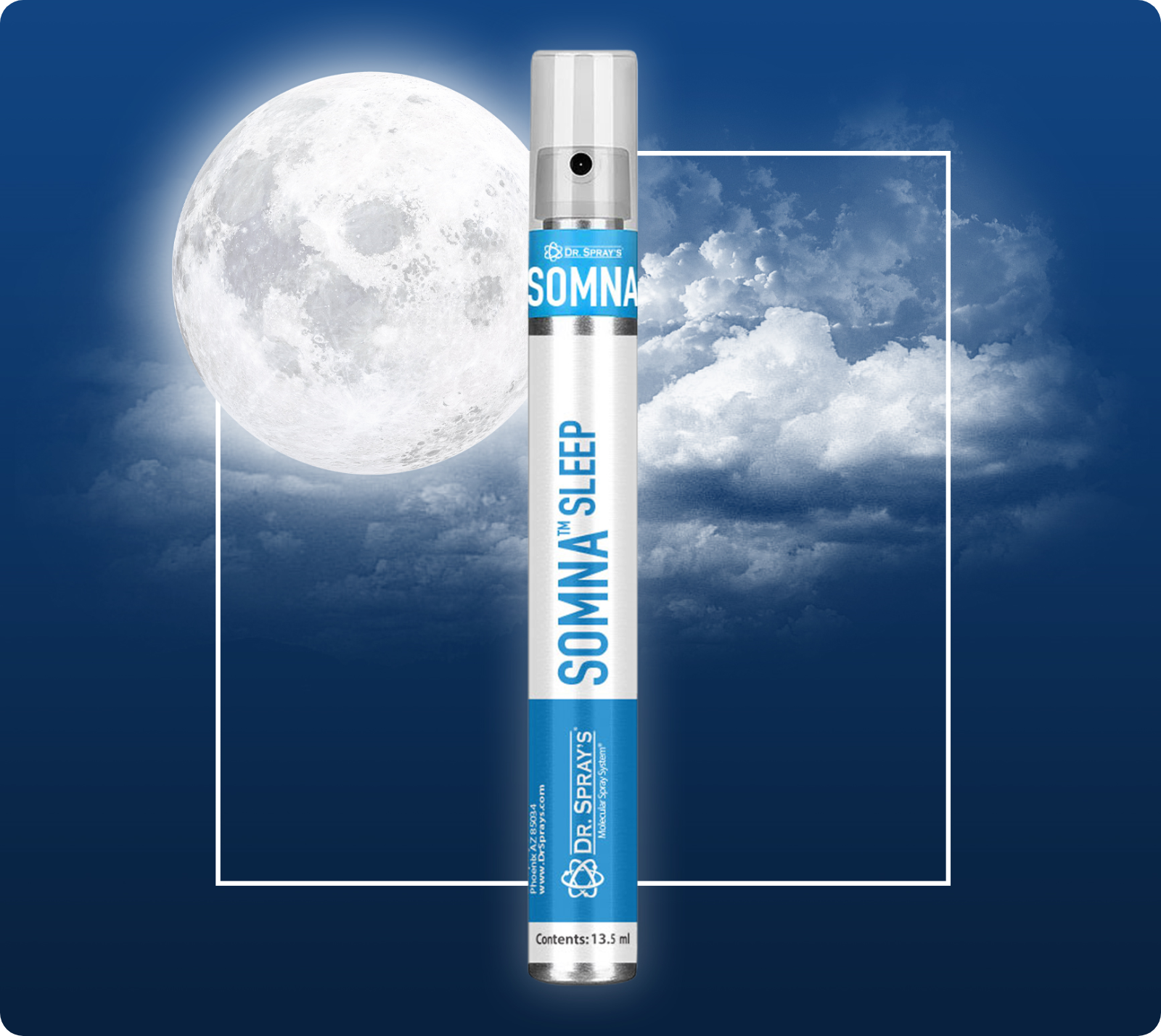
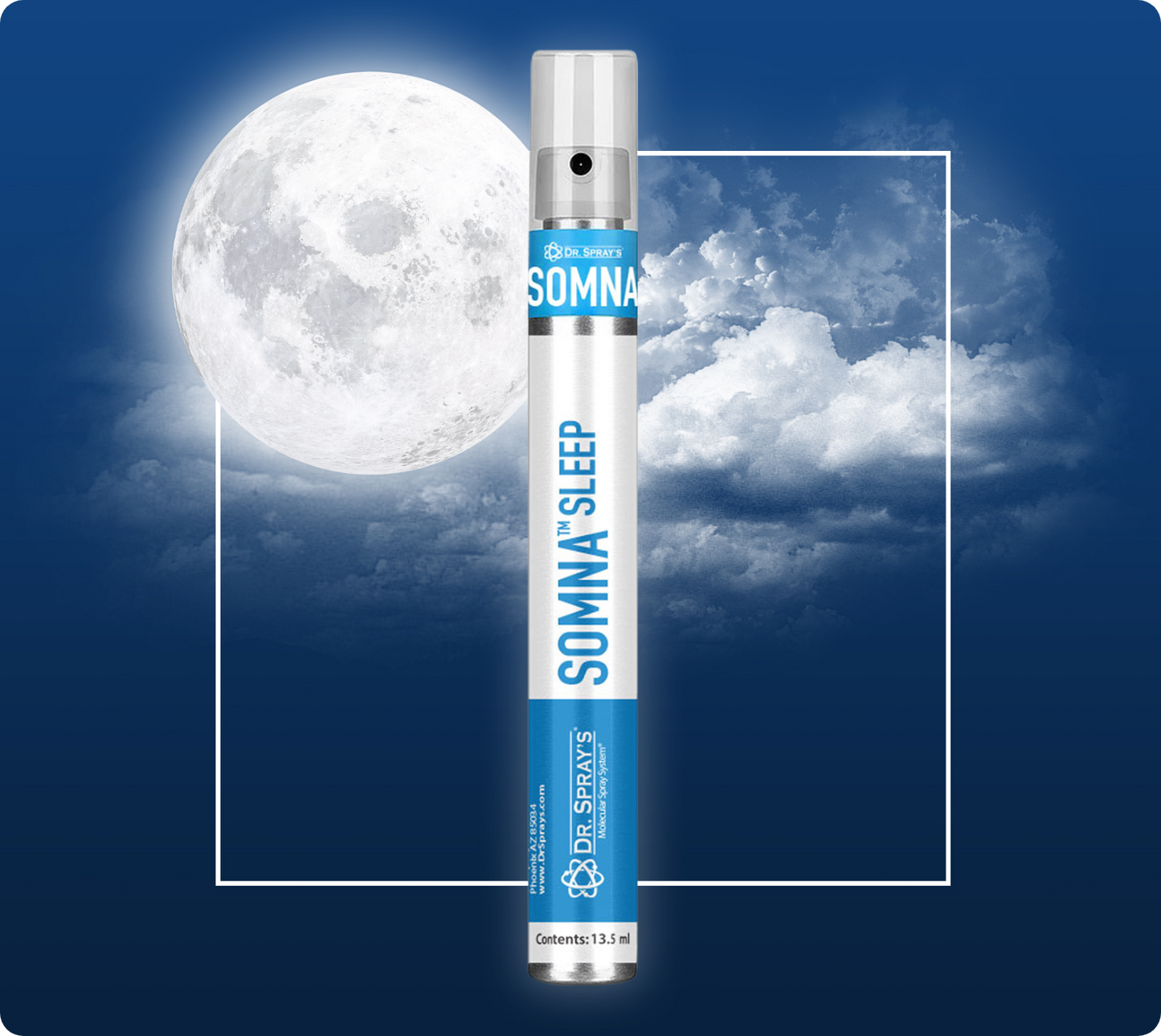
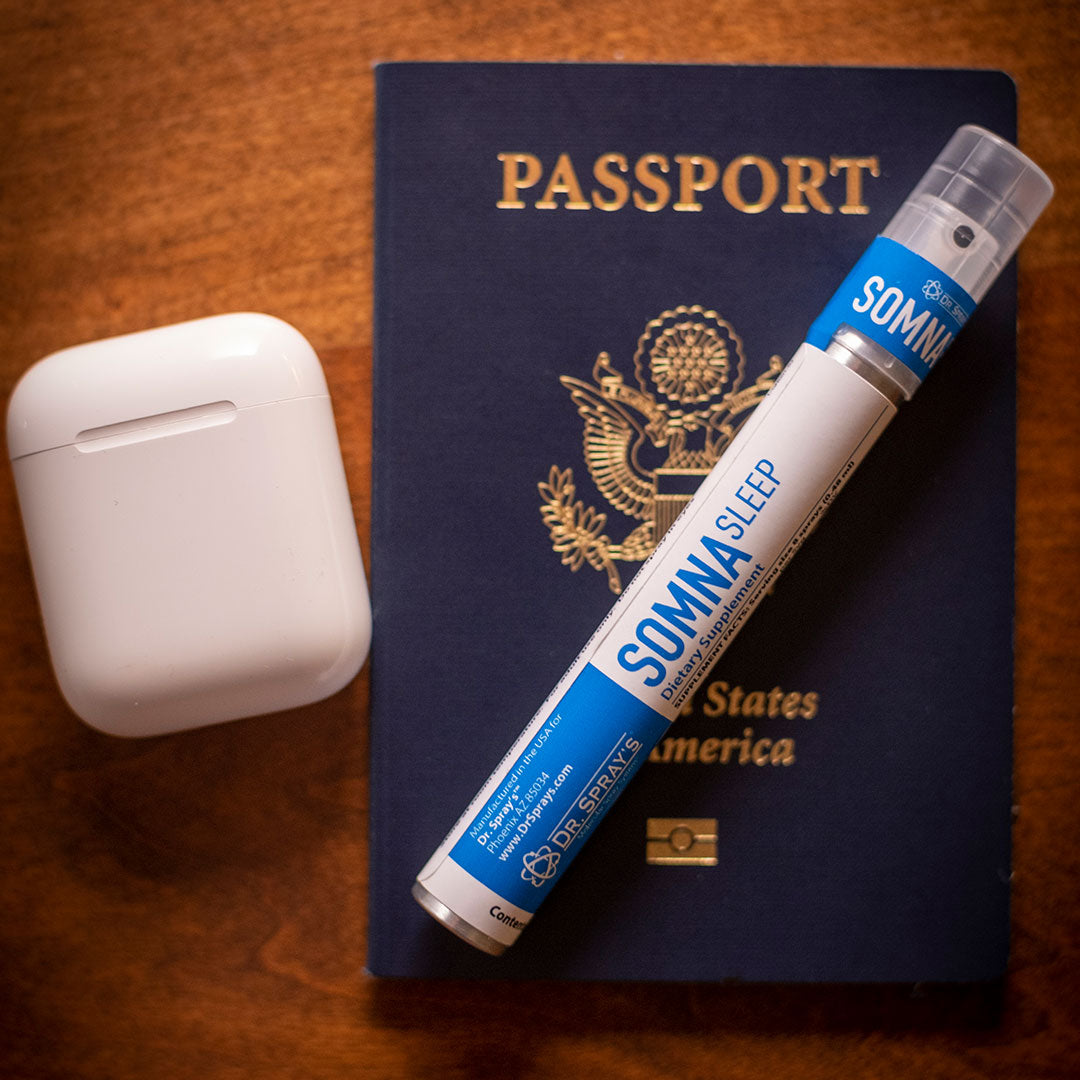
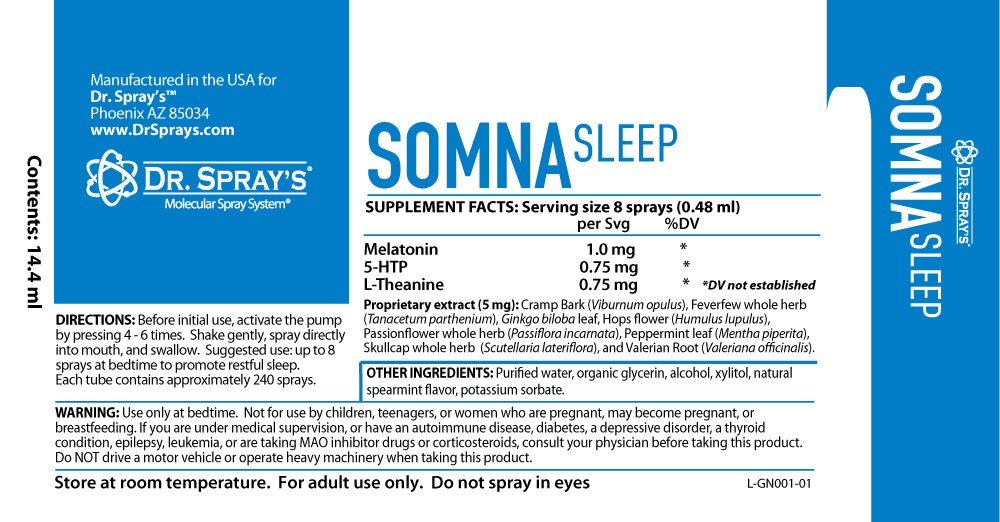
Sleep Support Spray: Our specialized Somna formula combines natural ingredients that support the body's sleep mechanisms without harsh chemicals or habit-forming substances. This gentle formula helps children relax and prepare for restful sleep.
Vitamin D3 Spray: Essential for regulating circadian rhythms and melatonin production. Particularly important during winter months or for children who spend limited time outdoors.
Vitamin B12 Spray: Supports the production of neurotransmitters involved in sleep regulation. B12 deficiency can contribute to insomnia and disrupted sleep patterns.
Multi-Vitamin Spray: Provides comprehensive nutritional support to fill dietary gaps that may be impacting sleep quality and overall health.
All DrSprays products are doctor-developed with a 90% absorption rate, manufactured in our Phoenix, Arizona facility under strict FDA-registered and GMP-certified standards. Our vitamin spray formulations make supplementation simple and effective for children who struggle with traditional pills.
Creating a Long-Term Sleep Success Plan
Improving your 8-year-old's sleep isn't about quick fixes—it requires a comprehensive, sustained approach that addresses multiple factors simultaneously.
The 30-Day Sleep Improvement Challenge
Commit to implementing these strategies consistently for 30 days:
- Week 1: Establish consistent bedtime and wake time, eliminate screens 90 minutes before bed
- Week 2: Optimize the sleep environment (temperature, lighting, comfort)
- Week 3: Implement a structured wind-down routine and address nutritional factors
- Week 4: Fine-tune based on what's working, consider supplementation if needed
Track your child's sleep patterns in a simple journal, noting bedtime, wake time, any night wakings, and morning mood. This data helps identify patterns and measure progress.
Involving Your Child in the Process
At age 8, children are capable of understanding the importance of sleep and can become active participants in improving their sleep habits. Explain why sleep matters in age-appropriate terms: better focus at school, more energy for activities they enjoy, improved athletic performance, and better mood.
Create a visual bedtime routine chart together and let them track their own progress with stickers or check marks. This ownership increases buy-in and compliance.
Managing Setbacks and Adjustments
Expect occasional setbacks due to illness, travel, or special events. When routines are disrupted, return to your established patterns as quickly as possible rather than allowing temporary changes to become permanent habits.
Be patient with the process. Most experts suggest it takes 3-4 weeks for new sleep habits to become established, and you may see improvement gradually rather than overnight transformation.
When to Seek Professional Help
While most childhood sleep difficulties can be resolved through environmental changes, consistent routines, and proper nutrition, certain situations warrant professional evaluation.
Consult your pediatrician if your child experiences:
- Loud snoring, gasping, or pauses in breathing during sleep
- Excessive daytime sleepiness despite adequate sleep opportunity
- Persistent sleep problems lasting more than three months despite intervention
- Sleep disturbances accompanied by behavioral or emotional concerns
- Unusual nighttime behaviors like sleepwalking or night terrors
- Physical symptoms like leg discomfort that interferes with sleep
These symptoms may indicate sleep disorders such as sleep apnea, restless leg syndrome, or other conditions requiring medical evaluation and treatment.
The Bottom Line: A Holistic Approach to Better Sleep
Getting your 8-year-old to sleep requires addressing multiple factors: environment, routine, behavior, and nutrition. No single intervention will likely solve persistent sleep problems—success comes from a comprehensive approach that considers all aspects of your child's health and daily habits.
Start with the basics: consistent timing, optimized environment, and structured routines. Layer in attention to nutrition, ensuring your child receives adequate vitamins and minerals that support healthy sleep patterns. When dietary intake falls short, high-quality spray supplements offer superior absorption and easier administration than traditional pills.
Remember that every child is unique. What works perfectly for one may need adjustment for another. Pay attention to your child's individual responses and be willing to experiment within the framework of evidence-based sleep hygiene principles.
With patience, consistency, and the right support, you can help your 8-year-old develop healthy sleep habits that will serve them well into adolescence and beyond.
Frequently Asked Questions
How much sleep does an 8-year-old really need?
The American Academy of Sleep Medicine recommends 9-12 hours of sleep per 24-hour period for children aged 6-12 years. Most 8-year-olds need 10-11 hours of sleep each night to function optimally. Individual needs vary slightly, but consistent sleep duration within this range supports healthy development, academic performance, and emotional regulation.
Is it normal for an 8-year-old to resist bedtime?
Some bedtime resistance is normal at this age as children seek greater independence and control. However, persistent, intense resistance may signal underlying issues such as anxiety, inadequate daytime physical activity, or sleep environment problems. Address the root cause rather than simply enforcing compliance through authority.
Can vitamin deficiencies really affect my child's sleep?
Yes, research clearly demonstrates that deficiencies in certain vitamins and minerals—particularly vitamin D, B vitamins, and magnesium—can significantly impact sleep quality and duration. These nutrients play essential roles in producing neurotransmitters and hormones that regulate sleep-wake cycles. Addressing nutritional gaps through diet and supplementation can improve sleep outcomes.
What makes vitamin sprays better than pills for children?
Oral spray vitamins offer several advantages for children: they're easier to administer (no swallowing difficulty), have superior absorption rates (up to 90% compared to 10-20% for pills), work more quickly through sublingual absorption, cause less digestive upset, and increase compliance since children are more willing to use them. DrSprays vitamin sprays are specifically formulated for optimal absorption and effectiveness.
How long before bedtime should I turn off screens?
Screens should be turned off at least 60-90 minutes before bedtime. The blue light emitted by electronic devices suppresses melatonin production and stimulates brain activity when the body should be winding down. This buffer period allows melatonin levels to rise naturally and the brain to transition into a sleep-ready state.
What's the ideal bedroom temperature for children?
The optimal bedroom temperature for sleep ranges between 65-68°F. Our bodies naturally cool down as we prepare for sleep, and a cooler room facilitates this process. Temperatures that are too warm can interfere with sleep onset and quality, while excessively cold rooms may cause discomfort and wakings.
Should I let my child sleep in on weekends to "catch up" on sleep?
No. While it's tempting to allow weekend sleep-ins, this disrupts your child's circadian rhythm and creates "social jet lag." Maintain consistent sleep and wake times seven days a week. If your child needs to "catch up" on weekends, it's a sign their weeknight bedtime is too late. Adjust the entire schedule rather than creating weekend variability.
Are melatonin supplements safe for 8-year-olds?
While melatonin is generally considered safe for short-term use, it should not be the first-line approach for childhood sleep difficulties. Start with environmental changes, consistent routines, and addressing nutritional deficiencies through balanced vitamins rather than isolated hormones. Always consult your pediatrician before giving your child any sleep supplement, including melatonin.
What if my child says they're not tired at bedtime?
This often indicates either a bedtime that's too early for their actual sleep needs or insufficient physical activity during the day. Ensure your child gets at least 60 minutes of physical activity daily. If bedtime routines and timing are appropriate but your child still doesn't feel tired, they may be one of those children who needs slightly less sleep than average—but maintain consistency rather than allowing them to stay up indefinitely.
Where can I find high-quality vitamin sprays for my child?
DrSprays offers doctor-developed, high-absorption vitamin sprays manufactured in our FDA-registered, GMP-certified facility in Phoenix, Arizona. Our complete product line includes formulations specifically designed to support children's health, including sleep support, vitamin D3, B12, and comprehensive multi-vitamins. All products feature a 90% absorption rate, far superior to traditional pills.
About the Author
This article was developed by the DrSprays team of health and nutrition experts. Our content is based on current research, clinical guidelines, and the expertise of medical professionals specializing in pediatric health and nutrition. DrSprays is committed to providing families with accurate, evidence-based information to support their children's health and well-being.
All DrSprays products are doctor-developed and manufactured in our FDA-registered, GMP-certified facility in Phoenix, Arizona, ensuring the highest quality standards for your family's nutritional needs.
Support Your Child's Sleep with DrSprays
Help your 8-year-old get the restful sleep they need with our doctor-developed spray supplements.
Our high-absorption vitamin sprays make it easy to address nutritional deficiencies that may be impacting your child's sleep quality. With a 90% absorption rate and easy administration, DrSprays products are specifically designed for families seeking effective, convenient nutritional support.
Manufactured in Phoenix, Arizona | FDA Registered | GMP Certified