If your 9-year-old struggles to fall asleep at night, you're not alone. Sleep challenges affect up to 50% of school-age children, and the consequences extend far beyond bedtime battles. Poor sleep impacts academic performance, emotional regulation, immune function, and overall development during these critical growing years.
Understanding why your child can't sleep and implementing targeted solutions can transform your evenings from stressful to peaceful. This comprehensive guide explores the science behind childhood sleep challenges and provides actionable strategies to help your 9-year-old get the restorative sleep they need.
Understanding Sleep Needs for 9-Year-Olds
According to the American Academy of Sleep Medicine, children aged 6-12 years need 9-12 hours of sleep per night for optimal health. For most 9-year-olds, this translates to approximately 10-11 hours of quality sleep.
At this age, children undergo significant physical, cognitive, and emotional development. Sleep serves as the foundation for these processes, supporting:
- Memory consolidation and learning — the brain processes and stores information acquired during the day
- Physical growth — growth hormone releases primarily during deep sleep stages
- Immune system strengthening — the body produces infection-fighting proteins during sleep
- Emotional regulation — adequate sleep helps children manage stress and emotions effectively
- Attention and focus — well-rested children demonstrate better concentration and behavioral control
When children consistently miss out on adequate sleep, the effects compound quickly, leading to irritability, difficulty concentrating in school, weakened immunity, and even increased risk of obesity.
Common Reasons Why 9-Year-Olds Can't Sleep
Identifying the root cause of your child's sleep difficulties is the first step toward finding an effective solution. Here are the most common culprits:
Screen Time and Blue Light Exposure
Electronic devices emit blue light that suppresses melatonin production, the hormone responsible for regulating sleep-wake cycles. When children use tablets, phones, or watch television close to bedtime, their brains receive signals that it's still daytime, making it difficult to feel sleepy.
Research shows that just two hours of screen exposure in the evening can delay melatonin release by approximately 1.5 hours, pushing bedtime significantly later than ideal.
Inconsistent Sleep Schedules
Children thrive on routine. When bedtimes and wake times vary significantly from day to day — especially between weekdays and weekends — it disrupts the body's circadian rhythm. This internal clock regulates when we feel alert and when we feel tired.
A 9-year-old going to bed at 8:30 PM on school nights but staying up until 11 PM on weekends creates "social jet lag," making Monday mornings particularly difficult and affecting sleep quality throughout the week.
Anxiety and Stress
School pressures, social dynamics, extracurricular activities, and family changes can create significant stress for children. At age 9, many children begin experiencing increased academic expectations and more complex peer relationships.
When anxious thoughts occupy their minds at bedtime, the body's stress response activates, releasing cortisol that counteracts sleepiness. Children may lie awake worrying about upcoming tests, friendship issues, or other concerns.
Nutritional Deficiencies
Certain vitamin and mineral deficiencies can significantly impact sleep quality. Vitamin D3 deficiency has been linked to sleep disorders in children, while inadequate vitamin B12 can affect the body's natural sleep-wake regulation.
Magnesium, another critical nutrient, helps activate neurotransmitters responsible for calming the nervous system. When children don't get enough through their diet, falling asleep becomes more challenging.
Physical Discomfort or Medical Issues
Sometimes sleep difficulties stem from undiagnosed medical conditions such as sleep apnea, restless leg syndrome, allergies, or acid reflux. If your child snores loudly, gasps during sleep, or frequently complains of leg discomfort at night, consult your pediatrician.
Lack of Physical Activity
Children who don't expend enough energy during the day often struggle to feel tired at bedtime. Regular physical activity helps regulate circadian rhythms and promotes deeper, more restorative sleep.
Creating the Ideal Sleep Environment
The bedroom environment plays a crucial role in sleep quality. Transform your child's room into a sleep sanctuary with these evidence-based modifications:
Optimize Temperature and Darkness
The ideal bedroom temperature for sleep ranges from 65-68°F. Our bodies naturally cool down as we prepare for sleep, and a slightly cool room facilitates this process.
Complete darkness signals the brain to produce melatonin. Install blackout curtains or blinds to eliminate external light sources. Remove or cover any electronic devices with glowing indicator lights.
Reduce Noise Disruptions
If your home environment includes unavoidable noise, consider using a white noise machine to create consistent, soothing background sound that masks disruptive noises. This can be particularly helpful in urban settings or multi-family homes.
Choose Appropriate Bedding
Comfortable, breathable bedding helps regulate body temperature throughout the night. Natural fibers like cotton allow for better air circulation than synthetic materials.
Ensure your child's pillow provides proper neck support and that their mattress remains comfortable and supportive. Children should be involved in selecting bedding they find appealing, as positive associations with their sleep space encourage better sleep habits.
Establishing an Effective Bedtime Routine
A consistent bedtime routine signals to your child's brain and body that sleep time approaches. The routine should begin 30-60 minutes before the target sleep time and follow the same sequence each night.
Sample Bedtime Routine for 9-Year-Olds
- 8:00 PM — Electronic devices off: All screens get turned off and placed outside the bedroom
- 8:00-8:15 PM — Light snack if needed: A small, sleep-promoting snack like banana with almond butter or whole grain crackers
- 8:15-8:30 PM — Bath or shower: The temperature drop after a warm bath promotes sleepiness
- 8:30-8:45 PM — Pajamas and hygiene: Brushing teeth, using the bathroom, and getting into comfortable sleepwear
- 8:45-9:00 PM — Quiet time: Reading together, quiet conversation about the day, or relaxation exercises
- 9:00 PM — Lights out: Consistent sleep time every night
Wind-Down Activities That Promote Sleep
The activities you choose for the bedtime routine should be calming rather than stimulating. Effective options include:
- Reading age-appropriate books together
- Gentle stretching or child-friendly yoga poses
- Listening to calm music or guided meditation for children
- Drawing or coloring with soft lighting
- Sharing gratitude or positive moments from the day
Avoid roughhousing, exciting games, or emotionally charged conversations during this time. These activities elevate heart rate and stimulate the brain, making it harder to transition to sleep.
Addressing Screen Time and Technology
In our digital age, managing screen exposure requires intentional boundaries. Implement these strategies to minimize technology's impact on your child's sleep:
The Two-Hour Rule
Establish a firm rule that all screens — television, tablets, phones, computers, and gaming devices — must be turned off at least two hours before bedtime. This allows melatonin production to normalize before sleep time.
Create a Charging Station
Designate a specific location outside of bedrooms where all devices get charged overnight. This removes the temptation to use devices in bed and eliminates sleep-disrupting notifications and lights.
Use Blue Light Filters
If some evening screen use is unavoidable, enable blue light filtering features on devices. While not as effective as eliminating screens entirely, these filters reduce some of the melatonin-suppressing effects of blue light.
Supporting Sleep Through Nutrition
What your child eats — and when they eat it — significantly impacts sleep quality. Focus on these nutritional strategies:
Sleep-Promoting Foods
Certain foods naturally support sleep by providing nutrients that regulate sleep hormones or promote relaxation:
- Tryptophan-rich foods: Turkey, chicken, eggs, cheese, and nuts contain this amino acid that helps produce melatonin and serotonin
- Complex carbohydrates: Whole grain bread, oatmeal, and sweet potatoes help tryptophan reach the brain more effectively
- Magnesium sources: Leafy greens, bananas, almonds, and pumpkin seeds provide this sleep-supporting mineral
- Calcium-rich options: Dairy products, fortified plant milks, and leafy greens help the brain use tryptophan to manufacture melatonin
Timing Matters
Avoid heavy meals within two hours of bedtime, as digestion can interfere with sleep. However, going to bed hungry can also disrupt sleep. If your child needs an evening snack, offer something light and sleep-promoting about an hour before bed.
Essential Vitamins for Sleep Support
Nutritional deficiencies can significantly impact sleep quality. Key nutrients that support healthy sleep patterns include:
Vitamin D3: Research indicates that vitamin D deficiency correlates with sleep disorders in children. This vitamin plays a role in regulating sleep-wake cycles. Many children, especially those living in northern climates or spending limited time outdoors, don't get adequate vitamin D from sunlight alone.
Vitamin B12: This essential vitamin helps regulate circadian rhythms and supports the production of melatonin. Children following vegetarian or vegan diets may be particularly at risk for B12 deficiency.
Magnesium: While not technically a vitamin, magnesium deserves mention for its crucial role in sleep. It activates the parasympathetic nervous system, which helps the body relax and prepare for rest.
For children who struggle to get adequate nutrients through diet alone, vitamin spray supplements offer an effective alternative. Unlike traditional pills that many children resist swallowing, oral spray vitamins provide high absorption rates while being easy and pleasant to take.
Our Phoenix, Arizona-based facility produces doctor-developed vitamin sprays with a 90% absorption rate, manufactured in an FDA-registered, GMP-certified environment. Products like our D3 spray and B12 spray make it simple to ensure your child receives the nutritional support they need for healthy sleep patterns.
Managing Bedtime Anxiety and Worries
When anxious thoughts keep your child awake, these techniques can help them calm their mind:
Worry Time Earlier in the Day
Designate a specific "worry time" earlier in the evening — perhaps right after dinner — when your child can discuss concerns or problems. This prevents bedtime from becoming the moment when all worries surface.
Keep a worry journal where your child can write down concerns during this designated time. This practice helps externalize worries and often makes them feel more manageable.
Breathing and Relaxation Techniques
Teach your child simple relaxation methods they can use independently:
4-7-8 Breathing: Breathe in through the nose for 4 counts, hold for 7 counts, and exhale through the mouth for 8 counts. This technique activates the body's relaxation response.
Progressive Muscle Relaxation: Starting with the toes and moving up to the head, tense each muscle group for 5 seconds, then release. This helps children recognize and release physical tension.
Visualization: Guide your child to imagine a peaceful, safe place in detail — what they see, hear, smell, and feel. This mental exercise redirects anxious thoughts to calming imagery.
Validate Feelings
When your child expresses worries, acknowledge their feelings rather than dismissing them. Saying "I understand that feels scary" works better than "There's nothing to worry about." Validation helps children feel heard and supported, which reduces anxiety.
The Role of Physical Activity
Regular exercise significantly improves sleep quality in children. Physical activity helps regulate circadian rhythms, reduces stress, and creates the physical tiredness that promotes sleep.
Aim for at least 60 minutes of moderate to vigorous physical activity daily. This can include:
- Team sports and organized activities
- Active outdoor play
- Bike riding or skating
- Swimming
- Family walks or hikes
- Dance or gymnastics
However, timing matters. Vigorous exercise within two hours of bedtime can be stimulating rather than sleep-promoting. Schedule intense physical activities for earlier in the day, reserving evenings for gentle movement like stretching or yoga if needed.
When to Consult a Healthcare Professional
While most childhood sleep issues respond well to environmental and behavioral changes, certain situations warrant professional evaluation:
- Sleep problems persist despite consistent implementation of healthy sleep habits for 4-6 weeks
- Your child snores loudly, gasps, or stops breathing during sleep
- Excessive daytime sleepiness interferes with school or activities
- Your child experiences unusual nighttime movements or behaviors
- Sleep difficulties significantly impact mood, behavior, or academic performance
- You suspect an underlying medical condition or anxiety disorder
A pediatrician can evaluate for sleep disorders, nutritional deficiencies, or other medical issues affecting sleep. In some cases, referral to a sleep specialist or child psychologist may be appropriate.
Creating Sustainable Sleep Success
Improving your 9-year-old's sleep requires patience and consistency. Changes won't happen overnight, but most families see significant improvement within 2-4 weeks of implementing new sleep strategies.
Key principles for long-term success include:
- Consistency: Maintain the same bedtime and wake time every day, including weekends, varying by no more than 30 minutes
- Patience: Allow time for new habits to form; children typically need 3-4 weeks to adjust to routine changes
- Involvement: Include your child in creating their sleep routine and environment; buy-in increases compliance
- Positive reinforcement: Praise successful nights and progress rather than focusing on setbacks
- Flexibility: Be willing to adjust strategies if something isn't working for your particular child
Remember that every child is unique. What works perfectly for one family may need modification for another. Pay attention to what strategies your child responds to best, and don't hesitate to adjust your approach accordingly.
Frequently Asked Questions
What time should a 9-year-old go to bed?
Most 9-year-olds should go to bed between 8:00 and 9:00 PM, depending on their wake time. If your child needs to wake at 6:30 AM for school and requires 10 hours of sleep, bedtime should be around 8:30 PM. Calculate backward from your child's necessary wake time to determine the ideal bedtime for your family.
Can vitamin sprays really help with sleep?
Yes, when sleep difficulties stem from nutritional deficiencies, addressing those deficiencies through supplementation can improve sleep quality. Spray supplements offer advantages over traditional pills, including higher absorption rates (up to 90% compared to 10-20% for many pills) and easier administration for children who struggle with swallowing tablets. However, supplements work best as part of a comprehensive approach that includes good sleep hygiene, consistent routines, and appropriate bedtimes.
How long does it take to fix a child's sleep schedule?
Most children adjust to a new sleep schedule within 2-4 weeks of consistent implementation. However, the timeline varies based on how far off the current schedule is from the desired schedule and how consistently you maintain the new routine. Gradual adjustments work better than dramatic changes — shift bedtime by 15 minutes every few days rather than making an hour-long change all at once.
Should I let my 9-year-old sleep in on weekends?
While it's tempting to allow children to sleep late on weekends, maintaining a consistent wake time — even on weekends — helps regulate circadian rhythms. If your child is sleep-deprived during the week, allowing an extra 30-60 minutes of sleep on weekend mornings is reasonable, but avoid letting them sleep hours later than their weekday wake time. This prevents "social jet lag" that makes Monday mornings even more difficult.
What if my child says they're not tired at bedtime?
This often indicates that their circadian rhythm has shifted later than ideal. Implement a consistent bedtime routine anyway, even if they don't fall asleep immediately. Keep the room dark and calm, and avoid allowing them to get up for activities. Over time, with consistent bedtime and wake times, their body clock will adjust and sleepiness will occur earlier. Increased daytime physical activity and appropriate light exposure also help shift circadian rhythms to more appropriate times.
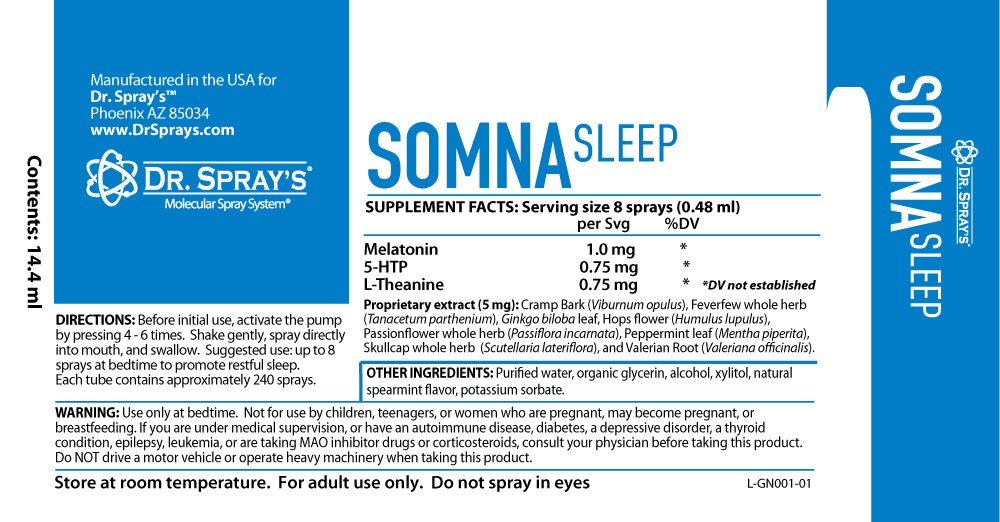
Are melatonin supplements safe for 9-year-olds?
While melatonin supplements are generally considered safe for short-term use in children, they should not be the first-line approach to sleep problems. Always consult with your pediatrician before giving your child any supplement, including melatonin. Many sleep issues in children resolve with behavioral and environmental changes, making supplementation unnecessary. When melatonin is appropriate, proper dosing and timing are critical, which is why medical guidance is essential.
Can food allergies or sensitivities affect sleep?
Yes, undiagnosed food allergies or sensitivities can interfere with sleep quality. Common culprits include dairy, gluten, and artificial additives. If you suspect food-related sleep issues, keep a food and sleep diary to identify patterns, and consult with your pediatrician or a pediatric allergist for proper testing and diagnosis.
The Bottom Line
Helping your 9-year-old achieve quality sleep requires a multifaceted approach addressing environmental factors, daily routines, nutrition, and emotional well-being. By implementing consistent bedtimes, creating an optimal sleep environment, managing screen time, ensuring adequate nutrition, and addressing anxiety, you can transform bedtime from a nightly struggle into a peaceful transition.
Remember that patience and consistency are your greatest allies. Most sleep improvements take time, but the investment pays dividends in your child's health, academic performance, emotional regulation, and overall well-being.
If nutritional deficiencies may be contributing to your child's sleep challenges, consider exploring high-quality spray supplements that offer superior absorption and child-friendly administration. As with any health concern, consult your pediatrician for personalized guidance tailored to your child's specific needs.
Support Your Child's Sleep with Doctor-Developed Nutrition
Ensure your child gets the essential vitamins that support healthy sleep patterns with our easy-to-use spray supplements. Developed by doctors and manufactured in our FDA-registered, GMP-certified facility in Phoenix, Arizona, our vitamin sprays offer 90% absorption rates — far superior to traditional pills.
Popular products for children's health:
- Vitamin D3 Spray — supports healthy sleep-wake cycles
- Vitamin B12 Spray — helps regulate circadian rhythms
- Multi-Vitamin Spray — comprehensive daily nutrition