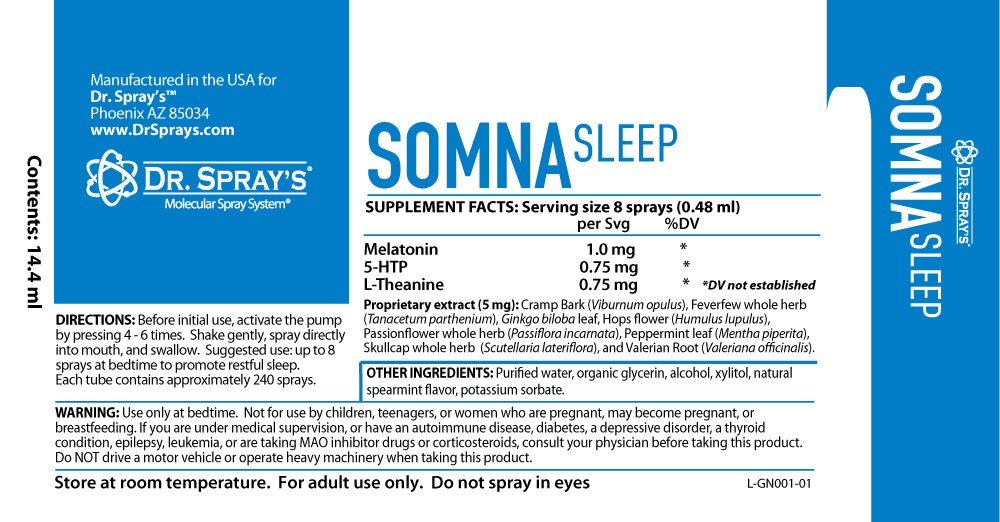
If you're struggling to get your two-year-old to sleep, you're not alone. Sleep challenges are among the most common concerns parents face during the toddler years. Between developmental milestones, growing independence, and potential nutritional gaps, many factors can disrupt your child's sleep patterns.
This comprehensive guide explores proven strategies to help your toddler develop healthy sleep habits, including the role of proper nutrition and supplementation in supporting restful nights.
Understanding Why Two-Year-Olds Struggle With Sleep
Before implementing solutions, it's important to understand what's happening developmentally. Two-year-olds experience significant cognitive, emotional, and physical growth that can directly impact sleep quality.
Developmental Changes Affecting Sleep
At age two, children are experiencing rapid brain development and processing new skills learned during the day. This mental activity can make it harder for them to wind down at night. They're also developing a stronger sense of independence, which often manifests as resistance to bedtime routines.
Separation anxiety often peaks or re-emerges around this age, making toddlers more clingy at bedtime. Additionally, many children this age are transitioning from cribs to beds, which can temporarily disrupt established sleep patterns.
Common Sleep Disruptors
Several factors can interfere with your toddler's ability to fall asleep and stay asleep:
- Overtiredness: When toddlers become overtired, their bodies produce cortisol, making it paradoxically harder to fall asleep
- Inconsistent routines: Irregular bedtimes and wake times confuse the body's natural circadian rhythm
- Environmental factors: Room temperature, lighting, and noise levels significantly impact sleep quality
- Dietary issues: Poor nutrition, food sensitivities, or eating too close to bedtime can cause discomfort
- Screen time: Blue light exposure before bed suppresses melatonin production
- Nutritional deficiencies: Lack of certain vitamins and minerals can interfere with sleep regulation
Creating an Effective Bedtime Routine
A consistent, calming bedtime routine is the foundation of healthy sleep habits. The predictability helps signal to your toddler's brain that it's time to wind down.
Timing Is Everything
Most two-year-olds need 11-14 hours of sleep in a 24-hour period, including naps. Establish a consistent bedtime between 7:00 and 8:00 PM, adjusting based on your child's individual needs and when they naturally seem tired.
Start your bedtime routine 30-45 minutes before you want your child asleep. This gives adequate time for calming activities without rushing, which can increase stress and resistance.
Elements of a Successful Routine
An effective bedtime routine should be consistent, calming, and enjoyable. Consider including these elements:
- Transition time: Give a 10-minute warning before starting the routine to help your toddler mentally prepare
- Bath or warm wash: Warm water helps relax muscles and lower core body temperature, which promotes sleep
- Pajamas and diaper/potty: Make this a calm, positive experience
- Dim lighting: Reduce light exposure to encourage natural melatonin production
- Quiet activities: Reading books, singing songs, or gentle conversation
- Brief cuddle time: Physical closeness provides security and comfort
- Consistent goodnight: The same words or actions each night create a clear sleep cue
Optimizing the Sleep Environment
Your child's bedroom plays a crucial role in sleep quality. Creating an environment that promotes rest can make a significant difference in how easily your toddler falls asleep and stays asleep.
Temperature and Ventilation
The ideal room temperature for toddler sleep is between 68-72°F (20-22°C). Rooms that are too warm or too cold can cause night wakings and restless sleep. Ensure proper ventilation without creating drafts directly on your child.
Light Control
Darkness signals the brain to produce melatonin, the hormone that regulates sleep-wake cycles. Use blackout curtains or shades to block external light sources. If your child fears complete darkness, use a dim red or amber nightlight, as these wavelengths don't suppress melatonin production like blue or white light.
Noise Management
Some toddlers sleep better with white noise, which masks sudden environmental sounds that might cause waking. Others prefer complete quiet. Experiment to see what works best for your child, but keep the volume low—around 50 decibels or the level of a quiet conversation.
The Role of Nutrition in Toddler Sleep
What your child eats throughout the day—and doesn't eat—can significantly impact their ability to fall asleep and stay asleep. Certain nutritional deficiencies are particularly associated with sleep difficulties.
Key Nutrients for Sleep Support
Several vitamins and minerals play essential roles in sleep regulation and quality:
Vitamin D3 influences sleep quality and duration. Research shows that vitamin D deficiency is associated with sleep disorders in children. This nutrient helps regulate circadian rhythms and supports the production of sleep-promoting neurotransmitters. Many toddlers, especially those with limited sun exposure or darker skin tones, don't get adequate vitamin D from sunlight alone.
B Vitamins, particularly B6 and B12, are crucial for neurotransmitter production, including serotonin and melatonin. These vitamins help regulate the sleep-wake cycle and support nervous system function. Deficiencies in B vitamins can lead to irritability, restlessness, and difficulty settling at night.
Magnesium acts as a natural relaxant, helping calm the nervous system and relax muscles. It also plays a role in regulating melatonin. Many children don't consume adequate magnesium-rich foods like leafy greens, nuts, and whole grains.
Vitamin C supports immune function and helps regulate cortisol levels. High cortisol can interfere with falling asleep, while adequate vitamin C helps maintain healthy stress hormone balance.
Addressing Nutritional Gaps
Even with careful meal planning, toddlers' notoriously picky eating habits can create nutritional gaps. Many parents in Phoenix, Arizona and beyond struggle to ensure their children receive adequate vitamins through diet alone.
Traditional children's vitamins often present challenges. Pills are choking hazards for young children, and many gummy vitamins contain added sugars that can contribute to hyperactivity and dental problems. Additionally, conventional oral supplements have relatively low absorption rates—often only 10-20% of the nutrients actually enter the bloodstream.
This is where innovative delivery methods like vitamin D3 spray and other oral spray vitamins offer advantages. Spray supplements bypass the digestive system's first-pass metabolism, allowing nutrients to be absorbed directly through the oral mucosa with absorption rates up to 90%.
For parents seeking vitamin spray options, look for products that are doctor-developed and manufactured in FDA-registered facilities. Quality matters significantly when it comes to supplementation, especially for young children.
Daytime Habits That Impact Nighttime Sleep
What happens during the day is just as important as your bedtime routine. Establishing healthy daytime habits creates the foundation for better nighttime sleep.
Physical Activity and Outdoor Time
Two-year-olds need plenty of physical activity to tire their bodies appropriately. Aim for at least 60 minutes of active play throughout the day. Outdoor time is particularly beneficial, as natural light exposure helps regulate circadian rhythms.
However, avoid vigorous activity within two hours of bedtime, as this can be too stimulating and make it harder to wind down.
Nap Scheduling
Most two-year-olds still need one afternoon nap lasting 1-2 hours. However, nap timing and duration significantly affect nighttime sleep. If your toddler naps too late or too long, they may not be tired at bedtime.
Generally, naps should end by 3:00 or 4:00 PM to ensure adequate sleep pressure builds before bedtime. If your child consistently resists bedtime or takes more than 30 minutes to fall asleep at night, consider adjusting nap length or timing.
Screen Time Limits
The American Academy of Pediatrics recommends no screen time within one hour of bedtime. The blue light emitted by tablets, phones, and televisions suppresses melatonin production and can delay sleep onset by up to an hour.
Additionally, stimulating content can make it difficult for toddlers to transition to calm activities. Replace evening screen time with quiet play, books, or family conversation.
Managing Bedtime Resistance and Night Wakings
Even with perfect routines and environments, most toddlers will test boundaries around bedtime. Understanding how to respond consistently helps establish expectations.
Addressing Bedtime Protests
When your two-year-old protests bedtime, stay calm and consistent. Avoid engaging in lengthy negotiations or giving in to demands for "one more" story, drink, or trip to the bathroom.
Use a gentle but firm approach: acknowledge their feelings ("I know you want to keep playing"), set the boundary ("It's bedtime now"), and follow through with your routine. If they leave their room, calmly return them with minimal interaction.
Some parents find success with a bedtime pass system—giving their toddler one opportunity to leave the room or request something, which often reduces power struggles.
Handling Night Wakings
Night wakings are normal for two-year-olds, but how you respond influences whether they become habitual. When your child wakes:
- Wait a moment before responding to see if they self-soothe back to sleep
- Keep interactions brief, boring, and dimly lit
- Avoid bringing them to your bed unless this is your intentional sleep arrangement
- Check for physical discomfort, illness, or genuine needs
- Use the same calming techniques from your bedtime routine
If night wakings persist or worsen, consider underlying causes like nutritional deficiencies, environmental discomfort, or medical issues that may require professional evaluation.
When to Consider Supplementation Support
If you've addressed behavioral and environmental factors but your toddler still struggles with sleep, nutritional support may help fill gaps affecting their rest.
Signs Your Toddler May Have Nutritional Deficiencies
Watch for these indicators that your child might benefit from supplementation:
- Persistent difficulty falling asleep despite consistent routines
- Frequent night wakings without apparent cause
- Daytime fatigue or irritability despite adequate sleep opportunity
- Very limited diet with few nutrient-dense foods
- Pale skin or low energy levels
- Slow growth or developmental concerns
Choosing Safe, Effective Supplements
When selecting supplements for toddlers, prioritize safety and bioavailability. Look for products that are:
- Age-appropriate and specifically formulated for children
- Free from artificial colors, flavors, and unnecessary additives
- Manufactured in FDA-registered, GMP-certified facilities
- Third-party tested for purity and potency
- Easy to administer without pills or choking hazards
Spray supplements offer particular advantages for toddlers. The oral spray delivery method is safer than pills, more effective than many gummies, and typically better absorbed than traditional oral supplements. Products like vitamin B12 spray can help address deficiencies that may be affecting sleep quality.
For families in Phoenix, Arizona, where intense sun exposure might seem to guarantee adequate vitamin D, indoor lifestyles and sunscreen use often create deficiencies. A quality vitamin D spray can help ensure your toddler receives this crucial sleep-supporting nutrient.
Always consult your pediatrician before starting any supplementation, as they can test for specific deficiencies and recommend appropriate dosages for your child's age and needs.
Sleep Training Approaches for Two-Year-Olds
If your toddler has never learned to fall asleep independently or has regressed in this skill, gentle sleep training approaches can help.
The Gradual Retreat Method
This gentle approach involves slowly reducing your presence at bedtime. Start by sitting next to your child's bed until they fall asleep. Every few nights, move your chair slightly farther from the bed until you're eventually outside the room. This method takes patience but works well for toddlers with separation anxiety.
The Check-and-Console Method
After your bedtime routine, leave the room while your child is still awake. If they cry or call out, wait a predetermined interval (starting with 3-5 minutes) before briefly checking on them. Keep these check-ins calm, boring, and brief—offer reassurance but don't pick up your child or stay until they fall asleep.
Gradually increase the intervals between checks. This method helps children learn to self-soothe while providing reassurance that you're nearby.
Consistency Is Critical
Whichever approach you choose, consistency is essential. Sleep training requires at least a week of commitment from all caregivers. Mixed messages confuse toddlers and prolong the process.
Medical Considerations and When to Seek Help
While most toddler sleep challenges are behavioral or environmental, some indicate underlying medical issues requiring professional attention.
Signs to Consult Your Pediatrician
Contact your child's doctor if you notice:
- Loud snoring or pauses in breathing during sleep
- Excessive daytime sleepiness despite adequate sleep opportunity
- Restless legs or frequent nighttime movement
- Regular night terrors or concerning nightmares
- Behavioral changes or developmental regression
- Sleep problems persisting despite consistent intervention
Potential Sleep Disorders in Toddlers
While less common than in adults, toddlers can experience sleep disorders including sleep apnea, restless leg syndrome, or circadian rhythm disorders. Early identification and treatment prevent long-term developmental and health impacts.
Your pediatrician may recommend a sleep study or referral to a pediatric sleep specialist if they suspect an underlying disorder.
Creating Long-Term Healthy Sleep Habits
The strategies you implement now lay the foundation for years of healthy sleep. Investing time and consistency during the toddler years pays dividends throughout childhood and beyond.
Building Positive Sleep Associations
Help your toddler develop positive associations with their bedroom and bedtime. Make the room a pleasant space during the day—play there occasionally so it's not only associated with sleep and separation. Choose bedtime books and songs your child enjoys, making the routine something they look forward to rather than resist.
Adapting as Your Child Grows
Sleep needs and patterns change as children develop. Stay flexible and adjust routines as needed. Some children drop their nap earlier than others, while some continue napping past age three. Follow your individual child's cues rather than rigid age-based guidelines.
Regularly reassess what's working and what isn't, making gradual adjustments rather than complete overhauls that can be disruptive.
Frequently Asked Questions
How long should it take a two-year-old to fall asleep?
A well-rested two-year-old with a consistent routine should typically fall asleep within 15-30 minutes of being put to bed. If your child regularly takes longer than 30 minutes to fall asleep, they may not be tired enough at bedtime—consider adjusting nap timing or bedtime later, or ensuring adequate daytime physical activity.
Is it normal for a two-year-old to wake up multiple times at night?
Occasional night wakings are normal for toddlers, particularly during developmental leaps, illness, or schedule changes. However, frequent nightly wakings (more than 1-2 times) that persist for weeks may indicate environmental discomfort, nutritional deficiencies, sleep associations that prevent self-soothing, or in rare cases, medical issues worth discussing with your pediatrician.
Can vitamin deficiencies really affect my toddler's sleep?
Yes, research shows that deficiencies in vitamin D, B vitamins, magnesium, and iron can significantly impact sleep quality, duration, and the ability to fall asleep. Vitamin D deficiency in particular is associated with sleep disorders in children. If your toddler has persistent sleep difficulties, ask your pediatrician to test for nutritional deficiencies that might be contributing to the problem.
Are spray vitamins safe for two-year-olds?
Quality oral spray vitamins formulated for children can be safe and effective when used as directed. Look for products manufactured in FDA-registered facilities that are specifically designed for pediatric use. Vitamin spray delivery offers advantages including easier administration than pills, higher absorption rates than many traditional supplements, and no choking hazard. Always consult your pediatrician before starting any supplement regimen.
Should I let my two-year-old cry it out at bedtime?
Traditional "cry it out" methods are controversial and not necessary for most families. Gentler approaches like gradual retreat or timed check-ins tend to work well for two-year-olds while preserving attachment security. The key is finding a method you can implement consistently that aligns with your parenting values. Complete extinction (ignoring all crying) isn't the only path to independent sleep skills.
What if my toddler climbs out of their crib?
Once a toddler can climb out of their crib, it becomes a safety hazard. Transition to a toddler bed or mattress on the floor. Use a baby gate in the doorway if needed to maintain boundaries while ensuring safety. This transition may temporarily disrupt sleep as your child adjusts to new freedom, but consistent responses and routines help establish new expectations.
How do I handle early morning wakings?
If your two-year-old consistently wakes before 6:00 AM, ensure their room is adequately darkened, as early morning light can trigger waking. Consider whether bedtime is too early—sometimes moving bedtime 15-30 minutes later helps. Respond to early wakings minimally and boringly, avoiding turning on lights or starting the day. Some families use "okay to wake" clocks that change color when it's appropriate to get up.
Final Thoughts on Toddler Sleep Success
Helping your two-year-old develop healthy sleep habits requires patience, consistency, and sometimes trial and error to find what works for your unique child. By combining environmental optimization, consistent routines, appropriate behavioral responses, and attention to nutritional needs, most families can dramatically improve their toddler's sleep quality.
Remember that sleep challenges are temporary. The strategies you implement now not only improve current sleep but establish patterns that serve your child throughout their development. If you've addressed behavioral and environmental factors but sleep difficulties persist, consider whether nutritional gaps might be playing a role. High-quality spray supplements can help fill those gaps effectively and safely.
Most importantly, give yourself grace during this challenging phase. Toddler sleep issues don't reflect parenting failure—they're a normal part of development that virtually all families navigate. With consistency and the right support, peaceful nights are within reach.
Support Your Toddler's Sleep with Better Nutrition
If you suspect nutritional gaps may be affecting your child's sleep quality, explore doctor-developed oral spray vitamins designed for maximum absorption and ease of use. Our products are manufactured in an FDA-registered, GMP-certified facility in Phoenix, Arizona, and formulated to support your family's health.
Featured products for sleep support:
- Vitamin D3 Spray - Supports healthy sleep-wake cycles and immune function
- Vitamin B12 Spray - Helps regulate neurotransmitters involved in sleep
- Multi-Vitamin Spray - Comprehensive nutritional support for growing toddlers
Our spray delivery system offers up to 90% absorption rate compared to 10-20% for traditional pills. Shop all vitamin sprays and discover the DrSprays difference.