Getting a one-year-old to sleep can feel like an impossible task for many parents. Between developmental milestones, teething, and separation anxiety, this age brings unique sleep challenges that require patience, consistency, and sometimes nutritional support. Understanding why your toddler struggles with sleep—and what you can do about it—makes all the difference in establishing healthy bedtime routines.
This comprehensive guide explores evidence-based strategies for improving your one-year-old's sleep, including how nutritional deficiencies might be affecting rest, the role of vitamin supplementation, and practical techniques you can implement tonight.
Understanding One-Year-Old Sleep Patterns
At twelve months, children typically need 12-14 hours of total sleep per day, including one or two naps. Their sleep architecture is maturing, but they're still developing the self-soothing skills necessary for independent sleep. This transition period often creates sleep disruptions that confuse and frustrate parents.
Your toddler's brain is undergoing rapid development, processing new motor skills like walking, language acquisition, and social awareness. These cognitive leaps frequently manifest as sleep regressions—temporary periods when previously good sleepers suddenly resist bedtime or wake frequently during the night.
Common Sleep Challenges at This Age
One-year-olds face several developmental factors that impact sleep quality:
- Separation anxiety: Peaks between 10-18 months, making bedtime particularly difficult as children realize they're being left alone
- Physical discomfort: Teething molars, growing pains, or digestive issues can wake even sound sleepers
- Overtiredness: Missing the ideal sleep window creates cortisol release that paradoxically makes falling asleep harder
- Environmental factors: Room temperature, light exposure, and noise levels significantly affect toddler sleep
- Nutritional deficiencies: Lack of essential vitamins and minerals can disrupt circadian rhythms and melatonin production
The Nutritional Foundation of Healthy Sleep
Before implementing behavioral strategies, it's essential to address potential nutritional factors affecting your child's sleep. Several vitamins and minerals play crucial roles in regulating sleep-wake cycles, and deficiencies can manifest as sleep difficulties.
Vitamin D and Sleep Regulation
Vitamin D3 receptors exist throughout the brain regions that control sleep. Research indicates that vitamin D deficiency correlates with shorter sleep duration, poor sleep quality, and delayed sleep onset in young children. Since many toddlers receive limited sun exposure—especially during winter months or in northern climates—supplementation may be necessary.
The challenge with traditional vitamin supplements for toddlers lies in absorption and compliance. Pills are choking hazards, liquids often taste unpleasant, and gummy vitamins contain sugar that works against healthy sleep. This is where innovative delivery methods like vitamin D3 spray offer advantages—providing 90% absorption rate compared to 10-20% for pills, with no choking risk or added sugars.
B Vitamins and Circadian Rhythm
B vitamins, particularly B6 and B12, contribute to melatonin synthesis and circadian rhythm regulation. Vitamin B12 deficiency in young children has been linked to sleep disturbances and restless behavior. While most children obtain adequate B vitamins through diet, those with restricted diets, digestive issues, or genetic absorption problems may benefit from supplementation.
For families in Phoenix, Arizona, where intense summer heat often limits outdoor morning activity that helps set circadian rhythms, supporting natural melatonin production through proper nutrition becomes even more important. Vitamin B12 spray formulations developed by doctors provide an easy way to ensure adequate intake without the struggle of pills.
Magnesium's Role in Sleep Quality
Magnesium acts as a natural relaxant, supporting GABA function in the brain and helping regulate the body's stress response. Children with insufficient magnesium intake may experience restlessness, muscle tension, and difficulty transitioning to sleep. Food sources include leafy greens, nuts, seeds, and whole grains—foods many one-year-olds resist eating.
Creating the Ideal Sleep Environment
Once nutritional factors are addressed, environmental optimization provides the foundation for consistent sleep success. Your child's bedroom should signal "sleep time" through multiple sensory channels.
Room Temperature and Air Quality
The ideal sleep temperature for toddlers is 68-72°F. In Phoenix's desert climate, maintaining this temperature year-round requires careful HVAC management. Warmer temperatures fragment sleep and reduce time spent in restorative deep sleep stages. Use a room thermometer to monitor conditions throughout the night.
Air quality matters too. Dry desert air can irritate nasal passages and throats, causing discomfort that disrupts sleep. Consider using a cool-mist humidifier to maintain 40-50% humidity, particularly during winter months when heating systems further dry indoor air.
Light Management
Light is the most powerful circadian rhythm regulator. Even small amounts of light exposure during sleep can suppress melatonin production and fragment sleep architecture. Install blackout curtains or shades that eliminate all external light sources. Remove or cover any electronic devices with LED indicators.
Morning light exposure is equally important. Within 30 minutes of waking, expose your toddler to bright natural light for at least 10-15 minutes. This reinforces their circadian rhythm and promotes better sleep the following night.
Sound Considerations
White noise machines effectively mask household sounds that might wake light-sleeping toddlers. Choose continuous sounds rather than looped tracks (which create subtle breaks that can trigger wakings). Keep volume at a safe level—about the loudness of a soft shower, typically 50-60 decibels.
Establishing Consistent Bedtime Routines
Consistency is the cornerstone of toddler sleep success. Your one-year-old's brain thrives on predictability, and a consistent routine signals that sleep is approaching, allowing their body to begin the physiological wind-down process.
Components of an Effective Routine
An ideal bedtime routine for a one-year-old takes 30-45 minutes and follows the same sequence every night:
- Dinner and final snack: Complete eating at least 90 minutes before bedtime to allow digestion
- Active play wind-down: Transition from energetic play to calmer activities 60 minutes before sleep
- Bath time: The temperature drop after a warm bath signals sleep time to the body
- Pajamas and diaper/potty: Maintain the same sequence every night
- Tooth brushing: Establish this habit early, making it part of sleep preparation
- Bedroom transition: Move to the sleep environment with dimmed lights
- Quiet connection time: Read 2-3 books, sing lullabies, or engage in gentle rocking
- Final goodnight: Brief, loving goodnight that doesn't prolong the process
Timing Considerations
The timing of bedtime matters as much as the routine itself. Most one-year-olds need bedtime between 7:00-8:00 PM, depending on their last nap. Watch for sleep cues—eye rubbing, decreased activity, clinginess—that indicate the ideal window. Beginning your routine when these cues appear prevents overtiredness.
Nap timing also impacts nighttime sleep. At twelve months, most children transition from two naps to one, typically settling into a single afternoon nap by 15-18 months. During this transition, flexibility and observation help you determine what your child needs on any given day.
Sleep Training Methods for One-Year-Olds
If your one-year-old cannot fall asleep independently or wakes frequently requiring parental intervention, sleep training methods can establish healthier sleep associations. Several approaches accommodate different parenting philosophies and child temperaments.
Gradual Withdrawal Method
This gentle approach involves slowly reducing your presence in the room over several weeks. Start by sitting next to the crib until your child falls asleep, then progressively move your chair farther from the crib every few nights until you're outside the room. This method works well for children with strong separation anxiety and parents uncomfortable with crying-based methods.
Check-and-Console Method
Also called graduated extinction or the Ferber method, this approach involves putting your child down awake and returning at progressively longer intervals to provide brief reassurance. Start with 3-minute intervals, extending to 5, then 10 minutes. Keep checks brief and boring—no picking up, just gentle words and a pat. Most children adapt within 3-7 nights.
Chair Method
Sit in a chair next to your child's crib, providing your presence without actively helping them sleep. Gradually move the chair farther from the crib over subsequent nights. This method takes longer than extinction-based approaches but allows constant parental presence, which some families prefer.
Addressing Night Wakings
Even children who fall asleep independently may wake during the night. How you respond to these wakings determines whether they persist or resolve naturally.
Distinguishing Needs from Habits
One-year-olds generally don't require nighttime feeding for nutritional purposes, though some still wake seeking comfort nursing or bottles. If your child is gaining weight appropriately and eating well during the day, night wakings are likely habitual rather than need-based.
However, genuine needs exist: illness, teething pain, extreme temperatures, or soiled diapers warrant appropriate responses. Learn to distinguish your child's different cries—hunger sounds different from discomfort, which differs from protest.
Consistent Response Strategy
Whatever method you choose for night wakings, consistency is crucial. Mixed messages—sometimes responding immediately, sometimes waiting—create confusion and often worsen sleep problems. Decide on your approach, communicate it with all caregivers, and maintain it for at least two weeks before evaluating effectiveness.
The Role of Physical Activity and Outdoor Time
Physical activity profoundly impacts toddler sleep quality. Children who engage in active play sleep longer, fall asleep faster, and experience fewer night wakings than sedentary peers. Aim for at least 90 minutes of active play daily, including opportunities to practice new motor skills like climbing, running, and jumping.
Outdoor time offers particular benefits. Natural light exposure supports circadian rhythm regulation, while fresh air and varied sensory experiences provide the stimulation growing brains need. In Phoenix's climate, schedule outdoor play during cooler morning and evening hours to avoid extreme heat that can be both dangerous and overstimulating.
When Supplements Can Help
While behavioral and environmental strategies form the foundation of healthy sleep, some children benefit from nutritional support. Before considering supplements, discuss your child's sleep challenges with their pediatrician to rule out medical issues like sleep apnea, reflux, or allergies.
If your doctor identifies nutritional deficiencies or approves supplementation, modern oral spray vitamins offer significant advantages over traditional forms for young children. Spray supplements provide superior absorption, eliminate choking risks, and avoid the sugar content found in gummy vitamins that can contribute to cavities and blood sugar fluctuations affecting sleep.
DrSprays formulations are developed by doctors and manufactured in an FDA-registered, GMP-certified facility in Phoenix, Arizona, ensuring quality and safety standards appropriate for young children when used under pediatric guidance.
Appropriate Supplementation Approach
Never begin supplementation without consulting your child's healthcare provider, who can assess individual needs based on diet, growth patterns, and health history. When supplements are appropriate, vitamin spray delivery methods offer easy administration—simply spray into the mouth or on the inside of the cheek, where the vitamins absorb quickly through mucous membranes.
This absorption advantage matters particularly for sleep-supporting nutrients. The 90% absorption rate of spray supplements versus 10-20% for pills means the body actually receives and utilizes the nutrients intended to support healthy sleep patterns.
Dealing with Common Sleep Setbacks
Even with perfect routines and optimal environments, sleep setbacks occur. Understanding common causes helps you respond appropriately without abandoning strategies that generally work.
Developmental Leaps
Twelve-month-olds are mastering major milestones—walking, talking, understanding object permanence. These cognitive and physical leaps frequently disrupt sleep temporarily. Brain development requires processing new skills, sometimes even during sleep. These regressions typically last 1-2 weeks. Maintain your routines while offering extra patience and comfort.
Illness and Teething
Sick children need modified responses—more comfort, different sleeping positions if congested, or extra nighttime checks. This doesn't erase sleep training progress if you return to normal routines once health is restored. Similarly, teething discomfort may warrant pain relief as recommended by your pediatrician.
Travel and Schedule Disruptions
Vacations, time zone changes, and family events disrupt even the best sleepers. Do your best to maintain routines while remaining flexible. Most children return to baseline sleep within a week of resuming normal schedules.
Signs You Should Consult a Specialist
While most one-year-old sleep challenges resolve with consistent behavioral approaches and environmental optimization, certain signs warrant professional evaluation:
- Loud snoring or breathing pauses during sleep (possible sleep apnea)
- Extreme difficulty breathing while sleeping or frequent respiratory infections
- Excessive daytime sleepiness despite adequate nighttime sleep opportunity
- Persistent sleep problems despite 4-6 weeks of consistent intervention
- Sleep disturbances accompanied by developmental delays or regression
- Extreme night terrors, sleepwalking, or other parasomnias
Pediatric sleep specialists can conduct assessments to identify underlying medical conditions, sleep disorders, or nutritional deficiencies requiring treatment beyond behavioral interventions.
Creating Sustainable Long-Term Sleep Health
The strategies you implement now establish patterns that support your child's sleep health for years to come. Prioritizing sleep sends the message that rest is valuable and necessary, teaching your child to recognize and respond to their body's tiredness signals.
As your child grows, sleep needs evolve but the foundations remain constant: consistent routines, appropriate sleep environments, adequate physical activity, and proper nutrition. The investment you make in establishing healthy sleep patterns at twelve months pays dividends in easier bedtimes, better daytime behavior, and optimal development throughout childhood.
Frequently Asked Questions
How much sleep should a one-year-old get in 24 hours?
Most one-year-olds need 12-14 total hours of sleep per day, typically divided between 10-12 hours at night and 1-3 hours of daytime napping. Individual needs vary by up to an hour in either direction. Signs your child is getting adequate sleep include waking naturally and happily, maintaining good mood during wake periods, and meeting developmental milestones appropriately.
Is it normal for a one-year-old to wake multiple times at night?
While all children wake briefly between sleep cycles throughout the night, needing parental intervention for these wakings is not developmentally necessary at twelve months. Children who haven't learned independent sleep skills will signal for help with each waking. Sleep training helps children develop the self-soothing abilities to return to sleep independently during these natural transitions.
Can vitamin deficiencies really affect my toddler's sleep?
Yes, research demonstrates clear connections between several nutritional deficiencies and sleep disturbances in young children. Vitamin D deficiency has been linked to shorter sleep duration and poor sleep quality. B vitamin insufficiency can affect circadian rhythm regulation and melatonin production. Magnesium plays a crucial role in muscle relaxation and nervous system calming. If you suspect nutritional factors are affecting your child's sleep, discuss testing and appropriate supplementation with your pediatrician.
Are spray vitamins safe for one-year-olds?
When used under pediatric guidance and choosing products manufactured to appropriate safety standards, spray vitamins can be a safe and effective delivery method for young children. They eliminate choking risks associated with pills, avoid the sugar content in gummy vitamins, and provide superior absorption compared to traditional supplements. Always consult your child's doctor before beginning any supplementation, and choose products from FDA-registered, GMP-certified facilities that undergo rigorous quality testing.
How long does sleep training take to work?
Most sleep training methods show significant improvement within 3-7 nights when implemented consistently. Complete resolution of sleep challenges typically occurs within 2-3 weeks. However, consistency is absolutely essential—intermittent implementation or mixed messages confuse children and prolong the process. Choose a method that aligns with your parenting philosophy and that you can commit to following consistently.
What if my child is sick—should I continue sleep training?
When your child is genuinely ill—fever, vomiting, significant respiratory distress, or pain—modify your approach to meet their comfort needs. This doesn't erase sleep training progress. Once health is restored, return to your established routines. Most children quickly resume previous sleep patterns when consistency is reestablished. However, don't use minor issues like slight congestion as reasons to constantly modify your approach, as this creates inconsistency that undermines progress.
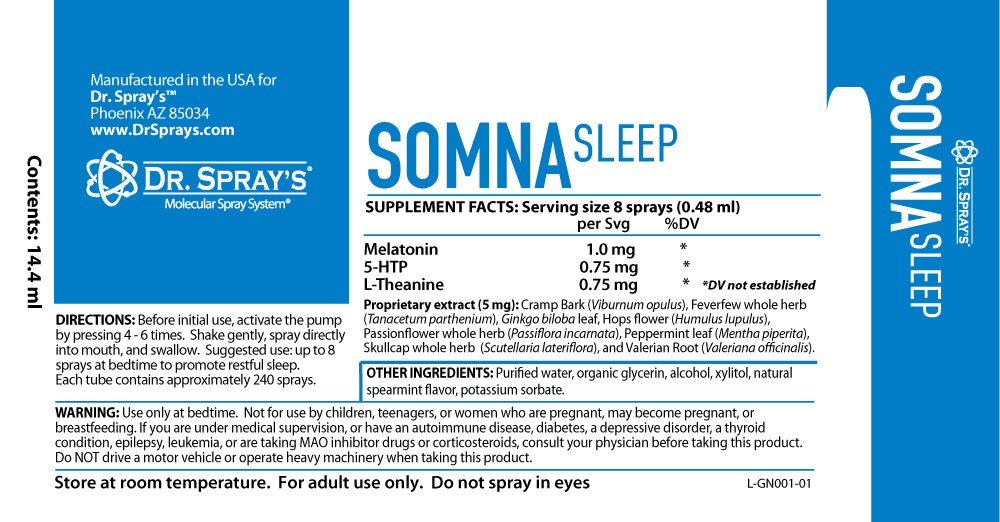
Should I use melatonin for my one-year-old?
The American Academy of Pediatrics does not recommend melatonin for children under age three except under specific medical supervision for diagnosed conditions. Instead, focus on supporting natural melatonin production through appropriate light exposure, consistent sleep schedules, and ensuring adequate intake of vitamins like D3 and B12 that support the body's own melatonin synthesis. Always consult your pediatrician before considering any sleep aid, including supplements.
How do I handle early morning wakings?
Early wakings (before 6:00 AM) often result from bedtime being too late, insufficient daytime sleep, room light leaking in at sunrise, or inconsistent responses to early wakings. Address environmental factors first—ensure complete darkness with blackout curtains. If your child wakes before 6:00 AM, treat it as a night waking rather than morning, avoiding stimulating interaction or starting the day. Many children will return to sleep or at least rest quietly if not engaged. Gradually, their natural wake time will shift later as their body clock adjusts.
Take Control of Your Toddler's Sleep Quality
Helping your one-year-old develop healthy sleep habits requires patience, consistency, and sometimes support for underlying nutritional factors. By implementing the environmental, behavioral, and nutritional strategies outlined in this guide, you're setting the foundation for years of quality rest that supports optimal growth and development.
If you've addressed behavioral factors but suspect nutritional deficiencies may be affecting your child's sleep, explore how doctor-developed spray supplements can provide superior absorption and easy administration for young children. With formulations manufactured in Phoenix, Arizona, in an FDA-registered facility, DrSprays offers quality nutritional support when you need it most.
Ready to support your child's sleep naturally? Browse our selection of oral vitamin sprays designed for optimal absorption and convenience, or consult with your pediatrician about whether nutritional supplementation might benefit your family's sleep challenges.