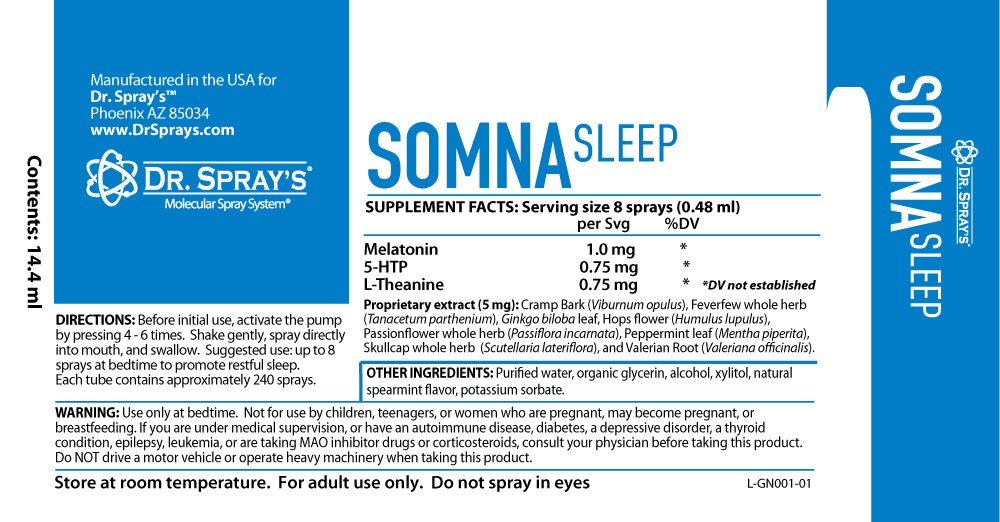
Getting a three-year-old to sleep can feel like an impossible task for many parents. Between bedtime battles, endless requests for water, and the dreaded "one more story," establishing healthy sleep habits at this age requires patience, consistency, and sometimes a little extra support.
If you're struggling with your toddler's sleep routine, you're not alone. Research shows that approximately 25-30% of children experience sleep difficulties, with preschoolers being particularly prone to bedtime resistance and night wakings. The good news is that with the right strategies and proper nutritional support, you can help your three-year-old develop better sleep patterns.
Understanding Your Three-Year-Old's Sleep Needs
Before addressing sleep challenges, it's important to understand what's developmentally appropriate for this age group. Three-year-olds typically need 10-13 hours of sleep within a 24-hour period, which usually includes one afternoon nap or quiet rest time and a longer stretch of nighttime sleep.
At this age, children are experiencing significant cognitive and physical development. Their imagination is exploding, they're processing new information constantly, and they're becoming more independent—all factors that can impact sleep quality. Many three-year-olds also experience separation anxiety, fear of the dark, or vivid dreams that can disrupt their rest.
Common Sleep Challenges at Age Three
Parents of three-year-olds frequently report several specific sleep issues:
- Bedtime resistance: Stalling tactics, repeated requests, and refusal to stay in bed
- Night wakings: Waking multiple times during the night and calling for parents
- Early morning rising: Waking before 6:00 AM and being unable to return to sleep
- Nap transitions: Difficulty dropping the afternoon nap or becoming overtired without it
- Fear-based disruptions: Nightmares, fear of darkness, or separation anxiety
Creating an Effective Bedtime Routine
Consistency is the foundation of successful sleep habits for young children. A predictable bedtime routine signals to your child's body and brain that it's time to wind down and prepare for sleep.
The Ideal Bedtime Sequence
An effective routine for a three-year-old should last approximately 30-45 minutes and include calming activities that transition from high energy to low energy:
- Dinner and snack time: Complete the last meal at least 90 minutes before bedtime
- Active play window: Allow some physical activity early in the evening to expend energy
- Bath time: A warm bath helps lower body temperature afterward, promoting sleepiness
- Pajamas and teeth brushing: Make this part of the predictable sequence
- Quiet activities: Reading books, gentle songs, or soft music
- Lights out: Aim for the same time every night, even on weekends
Setting the Stage for Sleep Success
Beyond the routine itself, the sleep environment plays a crucial role in helping your three-year-old settle down for the night:
Optimize the bedroom: Keep the room cool (65-70°F), dark, and quiet. Consider blackout curtains if early morning light is an issue. A small nightlight is fine if your child is afraid of the dark, but keep it dim and red-toned rather than blue or white.
Limit screen exposure: Turn off all screens at least one hour before bedtime. The blue light from tablets, phones, and televisions suppresses melatonin production, making it harder for children to fall asleep.
Establish clear boundaries: Let your child know that once they're in bed, they stay in bed. You might offer one final drink of water and one last bathroom trip before lights out to eliminate common stalling tactics.
The Role of Nutrition in Children's Sleep
What your child eats—and when—can significantly impact their ability to fall asleep and stay asleep throughout the night. Proper nutrition supports the production of sleep-regulating hormones and neurotransmitters.
Key Nutrients for Healthy Sleep
Several vitamins and minerals play essential roles in sleep regulation for children:
Vitamin D3: Often called the "sunshine vitamin," vitamin D helps regulate circadian rhythms and supports the production of serotonin, which converts to melatonin at night. Many children don't get adequate sun exposure, especially during winter months or in climates with limited sunshine. Research indicates that vitamin D deficiency is associated with sleep disorders in children.
B Vitamins: The B vitamin complex, particularly B6 and B12, supports nervous system function and helps the body produce melatonin and serotonin. A vitamin B12 spray can be particularly effective for children who may have difficulty absorbing nutrients through traditional supplements or who are picky eaters.
Magnesium: This mineral helps calm the nervous system and relax muscles, promoting physical and mental relaxation necessary for sleep. Many children don't consume enough magnesium-rich foods like leafy greens, nuts, and whole grains.
Why Spray Supplements May Be Ideal for Toddlers
For parents in Phoenix, Arizona, and beyond, getting young children to take vitamins can be its own bedtime battle. Traditional pills are often choking hazards for three-year-olds, and gummy vitamins may contain sugar that works against healthy sleep habits.
Oral spray vitamins offer several advantages for this age group:
- Easy administration: A quick spray in the mouth is faster and less stressful than coaxing a child to swallow pills
- Higher absorption rate: Spray supplements bypass the digestive system, allowing nutrients to absorb directly through the mucous membranes for up to 90% absorption
- No choking risk: Completely safe for young children who can't swallow pills
- Pleasant taste: Most children find the spray format more acceptable than traditional supplements
- Precise dosing: Each spray delivers a consistent amount of nutrients
If you're considering nutritional support for your child's sleep, products like a vitamin D3 spray can be easily incorporated into your bedtime routine without the struggle of pills or the sugar content of gummies.
Addressing Common Bedtime Battles
Even with a solid routine and proper nutrition, three-year-olds are notorious for testing boundaries at bedtime. Here's how to handle the most common challenges:
The "I Need Water" Routine
Offer one final drink as part of the bedtime routine, then let your child know that was the last drink until morning. Keep a small sippy cup of water in their room if genuinely needed, but don't respond to repeated calls for more water once they're in bed.
Multiple Curtain Calls
If your child keeps getting out of bed, calmly and quietly return them without engaging in conversation or providing entertainment. Be boring and consistent. Each time they emerge, walk them back with minimal interaction. This typically takes 3-7 nights of consistency before the behavior stops.
Fear of the Dark or Monsters
Validate your child's feelings without reinforcing the fear. Use a nightlight, do a quick "monster check" as part of the routine, and provide a comfort item like a stuffed animal. Avoid elaborate rituals that may escalate the anxiety.
Early Morning Waking
If your three-year-old wakes before an appropriate time (generally before 6:00 AM), ensure their room stays dark and use a sleep training clock that signals when it's okay to get up. These clocks change color to indicate sleep time versus wake time, which three-year-olds can understand.
When to Consider Additional Support
While most three-year-olds respond well to consistent routines and appropriate boundaries, some children need additional support for sleep issues.
Signs Your Child May Need Extra Help
Consider consulting your pediatrician if your child experiences:
- Chronic difficulty falling asleep (taking more than 30-45 minutes regularly)
- Frequent night wakings (more than twice per night consistently)
- Snoring, gasping, or breathing pauses during sleep
- Extreme daytime sleepiness or behavioral issues related to poor sleep
- Sleep terrors or sleepwalking episodes
- Persistent sleep problems despite consistent routines for 3-4 weeks
Nutritional Deficiencies and Sleep
If your child is a particularly picky eater or has dietary restrictions, nutritional deficiencies could be contributing to sleep difficulties. A pediatrician can order blood work to check levels of key nutrients like vitamin D, iron, and B vitamins.
For families working with healthcare providers in Phoenix, Arizona, many doctors are now recommending spray supplements as an effective delivery method for addressing nutritional gaps in young children. The convenience and high absorption rate of vitamin spray products make them particularly useful for picky eaters who may not consume adequate nutrients through diet alone.
The Impact of Daytime Habits on Nighttime Sleep
What happens during the day significantly affects how well your three-year-old sleeps at night. Consider these daytime factors:
Physical Activity Requirements
Three-year-olds need substantial physical activity—ideally at least 60 minutes of active play daily. Children who don't expend enough energy during the day often have difficulty settling at night. Prioritize outdoor time, playground visits, dancing, or active games, especially in the morning and early afternoon.
Nap Timing and Duration
Many three-year-olds still need a daytime nap, but timing matters. A nap that's too late or too long can interfere with nighttime sleep. Aim for a nap that ends by 3:00 PM and lasts no longer than 90 minutes. If your child consistently resists bedtime and seems overtired, they may need to keep their nap. If they're resisting bedtime but not tired, it may be time to transition to quiet rest time instead of a full nap.
Sunlight Exposure
Natural light exposure, especially in the morning, helps regulate circadian rhythms. Try to get your child outside within an hour of waking. This morning light exposure helps set their internal clock and promotes better sleep at night. For families in sunny locations like Phoenix, Arizona, this is usually easy to achieve, though midday sun should be avoided during extreme heat.
Creating Long-Term Healthy Sleep Habits
The strategies you implement now will set the foundation for healthy sleep habits that extend well beyond the preschool years. Consistency, patience, and appropriate support are key.
Consistency Across Environments
If your child spends time with different caregivers or splits time between two households, work to maintain consistent bedtime routines and expectations. Children thrive on predictability, and dramatically different approaches to bedtime can create confusion and resistance.
Gradual Adjustments
If you're implementing significant changes to your child's sleep routine, make adjustments gradually. Shift bedtime by 15 minutes every few days rather than making dramatic changes all at once. This allows your child's internal clock to adjust more easily.
Positive Reinforcement
Celebrate successes, even small ones. A sticker chart for staying in bed all night or a special breakfast treat after a week of good bedtimes can motivate cooperation. Focus on positive reinforcement rather than punishment for sleep struggles.
Supporting Your Child's Unique Sleep Needs
Every child is different, and what works for one three-year-old may not work for another. Some children naturally need less sleep than others, while some are more sensitive to environmental factors or routine changes.
Pay attention to your child's individual cues. Are they genuinely tired at bedtime, or full of energy? Are they getting enough physical activity? Is their sleep environment truly conducive to rest? Is their nutrition supporting healthy sleep patterns?
For many families, addressing nutritional gaps through convenient options like oral spray vitamins has been a helpful piece of the sleep puzzle. The ease of administering a spray supplement, combined with the high absorption rate, makes it simple to ensure your child is getting the nutrients that support healthy sleep—without the bedtime battle of pills or the sugar content of gummy vitamins.
Frequently Asked Questions
What time should a 3-year-old go to bed?
Most three-year-olds should have a bedtime between 7:00 and 8:00 PM. The exact time depends on when they wake up in the morning and whether they still nap. Aim for 10-13 hours of total sleep in a 24-hour period. If your child wakes at 6:30 AM and takes a 90-minute nap, a bedtime around 7:30 PM would provide approximately 11 hours of nighttime sleep.
Is it normal for a 3-year-old to fight bedtime?
Yes, bedtime resistance is extremely common at this age. Three-year-olds are asserting independence and testing boundaries, and they may also have FOMO (fear of missing out) on what's happening after they go to bed. Consistent routines, clear boundaries, and staying calm during resistance typically resolve these issues within a few weeks.
Should I let my 3-year-old cry it out at bedtime?
The "cry it out" method is generally recommended for infants, not three-year-olds. At this age, children can communicate and understand expectations. Instead of leaving them to cry, use clear boundaries and calm, consistent responses. If they get out of bed, calmly return them without engaging in conversation or providing entertainment. Validate their feelings while maintaining firm boundaries.
Can vitamins help my toddler sleep better?
Certain vitamins and minerals support healthy sleep patterns by helping produce sleep-regulating hormones and neurotransmitters. Vitamin D3, B vitamins, and magnesium are particularly important for sleep. However, vitamins should complement—not replace—good sleep hygiene practices. If you suspect your child has nutritional deficiencies affecting sleep, consult your pediatrician. Many families find that vitamin spray products are the easiest way to ensure their toddler gets consistent nutritional support.
How do I know if my 3-year-old is getting enough sleep?
Signs your child is well-rested include: waking naturally in the morning (not needing to be woken up), having good energy throughout the day without hyperactivity, being able to focus on activities, having a generally positive mood, and not falling asleep during car rides or other sedentary activities. Signs of insufficient sleep include: excessive irritability, difficulty waking, falling asleep during the day, hyperactivity, and difficulty concentrating.
My 3-year-old won't stay in bed. What should I do?
Consistency is crucial. Each time your child gets out of bed, calmly and silently return them to bed without conversation, eye contact, or interaction. This may need to happen 10-20 times the first night, but typically decreases dramatically by night three if you remain consistent. Consider using a baby gate in the doorway if safety is a concern. Some parents also use a sleep training clock that shows when it's okay to get out of bed.
Are spray vitamins safe for toddlers?
Yes, oral spray vitamins are generally safe for toddlers and offer several advantages over traditional supplements. They eliminate choking risks associated with pills, provide consistent dosing, and offer higher absorption rates than many traditional supplements. Always choose products that are manufactured in FDA-registered, GMP-certified facilities and follow dosing instructions. Consult your pediatrician before starting any new supplement regimen for your child.
How long does it take to establish a sleep routine with a 3-year-old?
Most children adapt to a new sleep routine within 1-3 weeks of consistent implementation. The first few nights are typically the most challenging, with gradual improvement after that. Consistency is the most important factor—if you're inconsistent with the routine or boundaries, it will take much longer to see results. Weekend consistency is just as important as weekday consistency.
What if my 3-year-old is scared at bedtime?
Validate their feelings without reinforcing fears. Use a nightlight, provide a comfort item, and do a simple "safety check" of the room as part of the bedtime routine. Avoid elaborate rituals that might increase anxiety. If fears persist or seem excessive, consider whether something during the day might be triggering anxiety (scary shows, stressful events, etc.). Some children benefit from simple relaxation techniques like deep breathing or progressive muscle relaxation adapted for their age level.
Moving Forward with Confidence
Helping your three-year-old develop healthy sleep habits is one of the most important gifts you can give them. Quality sleep supports cognitive development, emotional regulation, physical growth, and immune function—all crucial during these formative years.
Remember that this phase is temporary. The bedtime battles you face now won't last forever, especially when you approach them with consistency, patience, and appropriate support. By establishing solid routines, creating an optimal sleep environment, ensuring adequate nutrition, and maintaining firm but loving boundaries, you're setting your child up for a lifetime of healthy sleep habits.
If you're struggling despite implementing these strategies, don't hesitate to reach out to your pediatrician. Sleep difficulties can sometimes signal underlying issues that need professional attention. However, for most families, a combination of behavioral strategies and proper nutritional support resolves sleep challenges within a few weeks.
Support Your Child's Sleep with Proper Nutrition
While consistent routines are the foundation of healthy sleep, proper nutrition plays a crucial supporting role. If you're looking for an easy way to ensure your child gets the vitamins that support healthy sleep patterns, consider the convenience and effectiveness of vitamin spray supplements.
DrSprays offers doctor-developed oral vitamin sprays with up to 90% absorption rate, manufactured in an FDA-registered, GMP-certified facility in Phoenix, Arizona. Our spray format is safe for children, easy to administer, and bypasses the digestive system for maximum nutrient absorption.
Explore our range of vitamin sprays, including Vitamin D3 for circadian rhythm support and Vitamin B12 for nervous system health—both important nutrients for healthy sleep patterns.