If you've ever struggled with racing thoughts at bedtime or found yourself staring at the ceiling at 2 AM, you're not alone. Millions of Americans face sleep challenges, and many are turning to innovative solutions like sleep spray supplements to help achieve restful nights without the grogginess associated with traditional sleep aids.
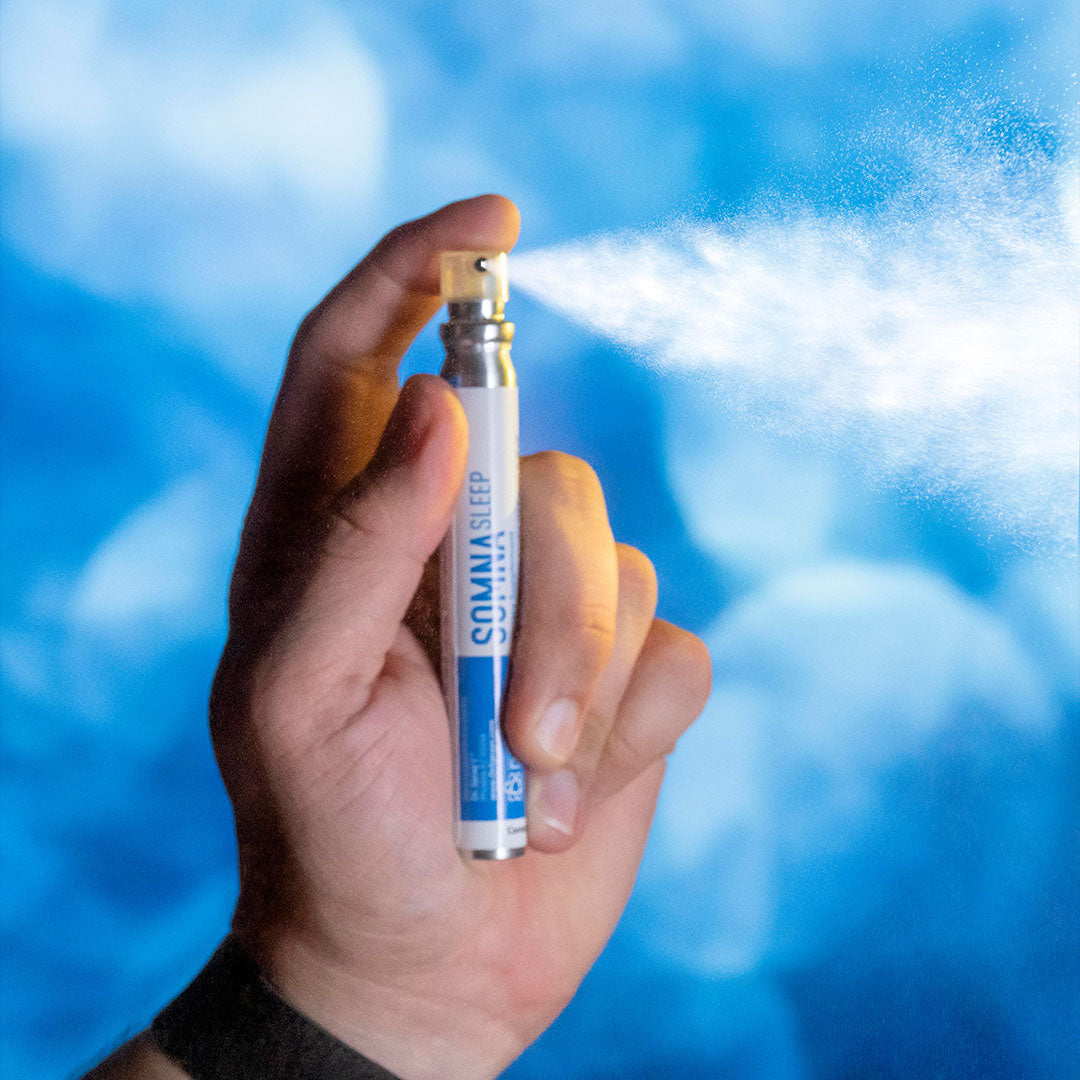
Sleep spray represents a modern approach to addressing sleep difficulties through sublingual delivery—spraying natural sleep-supporting ingredients directly into your mouth for rapid absorption. But how exactly does this technology work, and what makes it different from pills or gummies?
The Science Behind Sleep Spray Technology
Sleep sprays leverage the body's natural absorption pathways to deliver sleep-supporting nutrients quickly and efficiently. Unlike traditional supplements that must travel through your digestive system, oral spray vitamins work through sublingual (under the tongue) and buccal (inside the cheek) absorption.
When you spray a sleep supplement into your mouth, the active ingredients come into direct contact with the mucous membranes lining your oral cavity. These membranes contain a rich network of blood vessels that can absorb certain molecules directly into your bloodstream, bypassing the digestive tract entirely.
This delivery method offers several advantages. First, it circumvents the harsh acidic environment of the stomach, which can degrade sensitive compounds. Second, it avoids first-pass metabolism in the liver, where many oral supplements lose potency before reaching systemic circulation. The result? Research suggests absorption rates up to 90% compared to 10-20% for many traditional pill supplements.
Key Ingredients in Effective Sleep Sprays
The effectiveness of any sleep spray depends largely on its formulation. Quality spray supplements designed for sleep support typically contain a combination of scientifically-backed ingredients:
- Melatonin: A hormone naturally produced by the pineal gland that regulates your sleep-wake cycle. Supplemental melatonin helps signal to your body that it's time to sleep.
- GABA (Gamma-Aminobutyric Acid): A neurotransmitter that promotes relaxation by reducing neuronal excitability in the nervous system.
- L-Theanine: An amino acid found in tea leaves that promotes relaxation without sedation and can improve sleep quality.
- 5-HTP (5-Hydroxytryptophan): A precursor to serotonin that can help regulate mood and sleep patterns.
- Magnesium: An essential mineral that supports relaxation and may improve sleep quality, particularly when deficient.
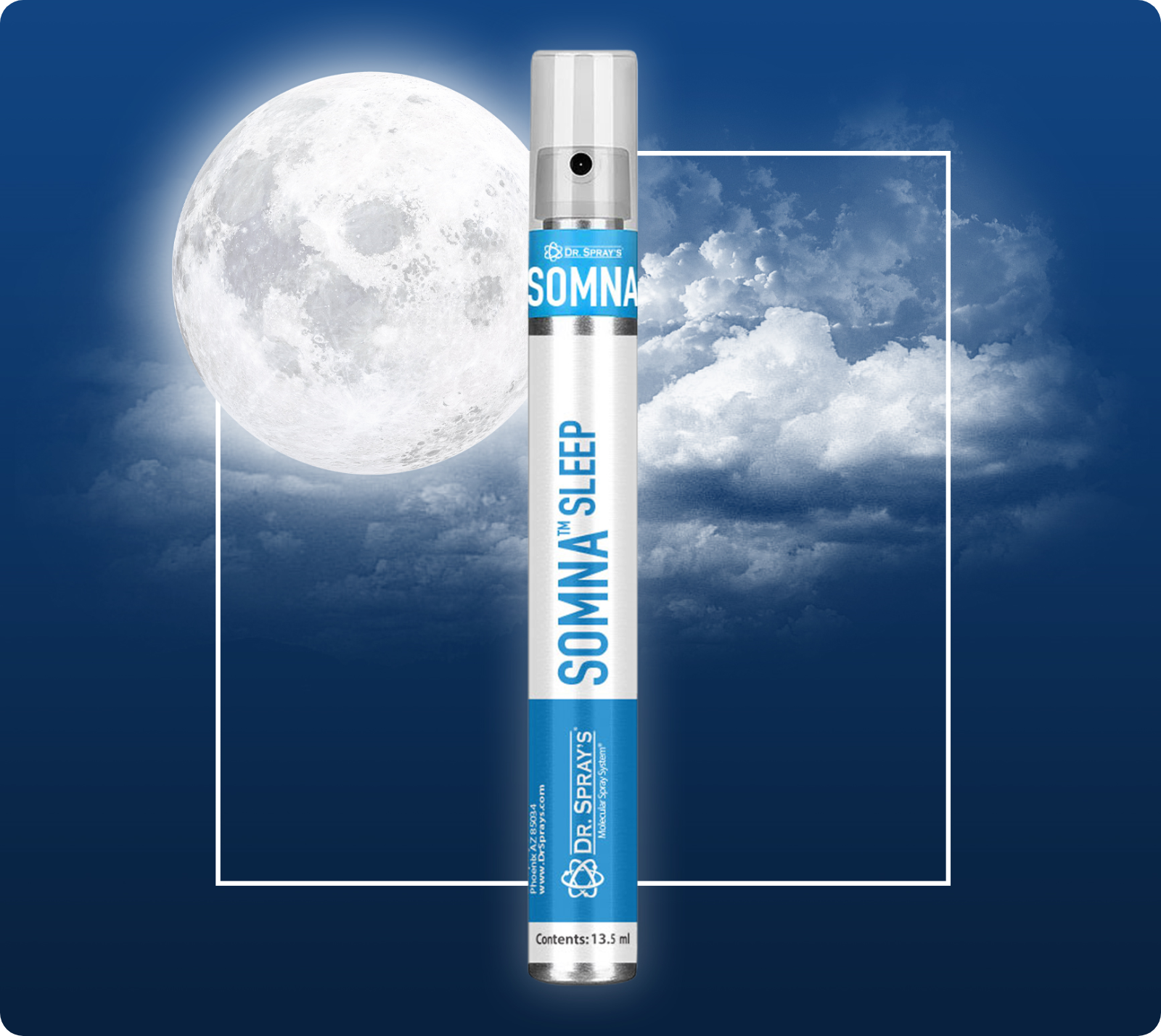
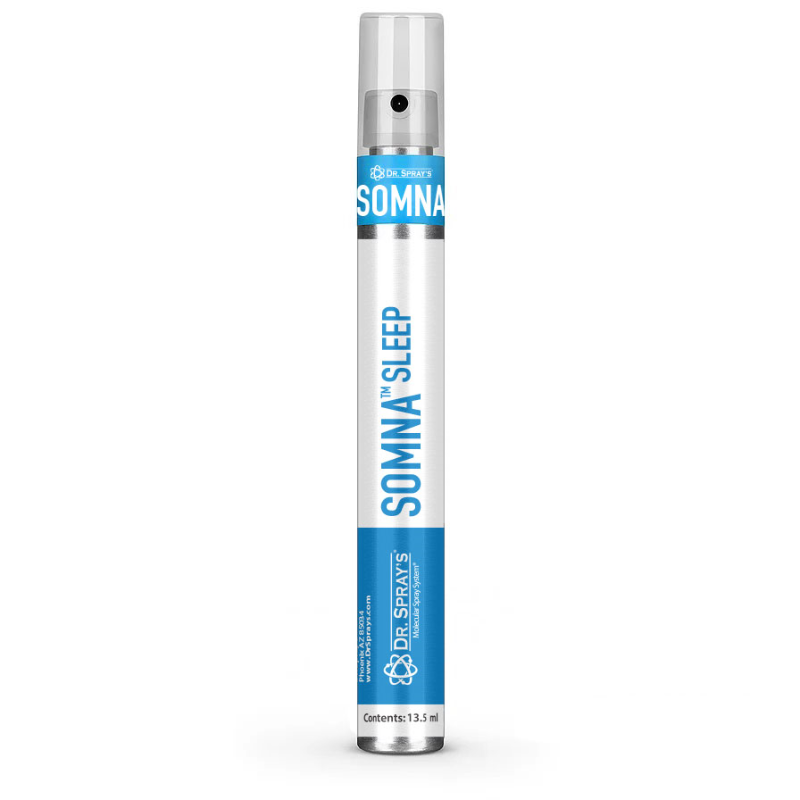
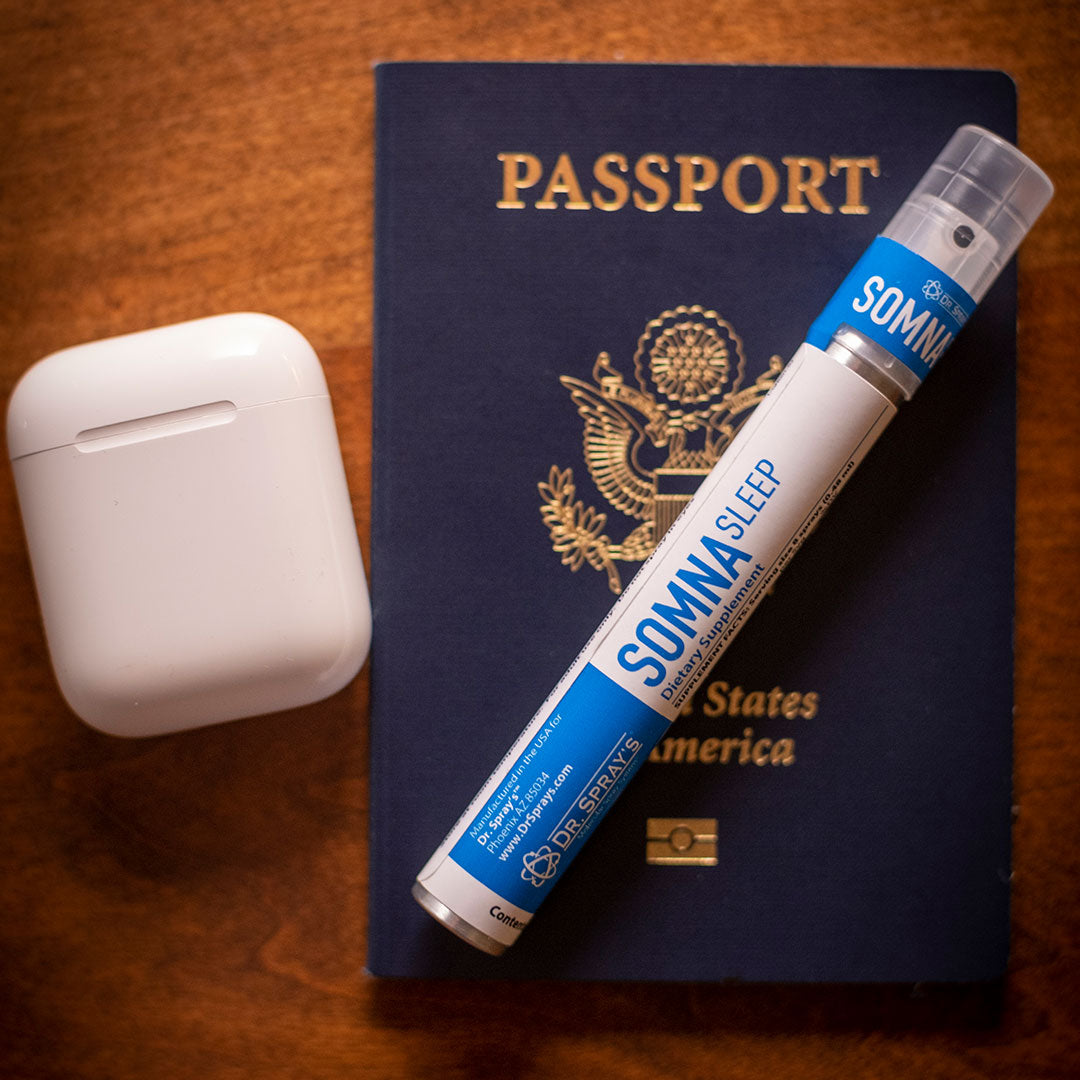
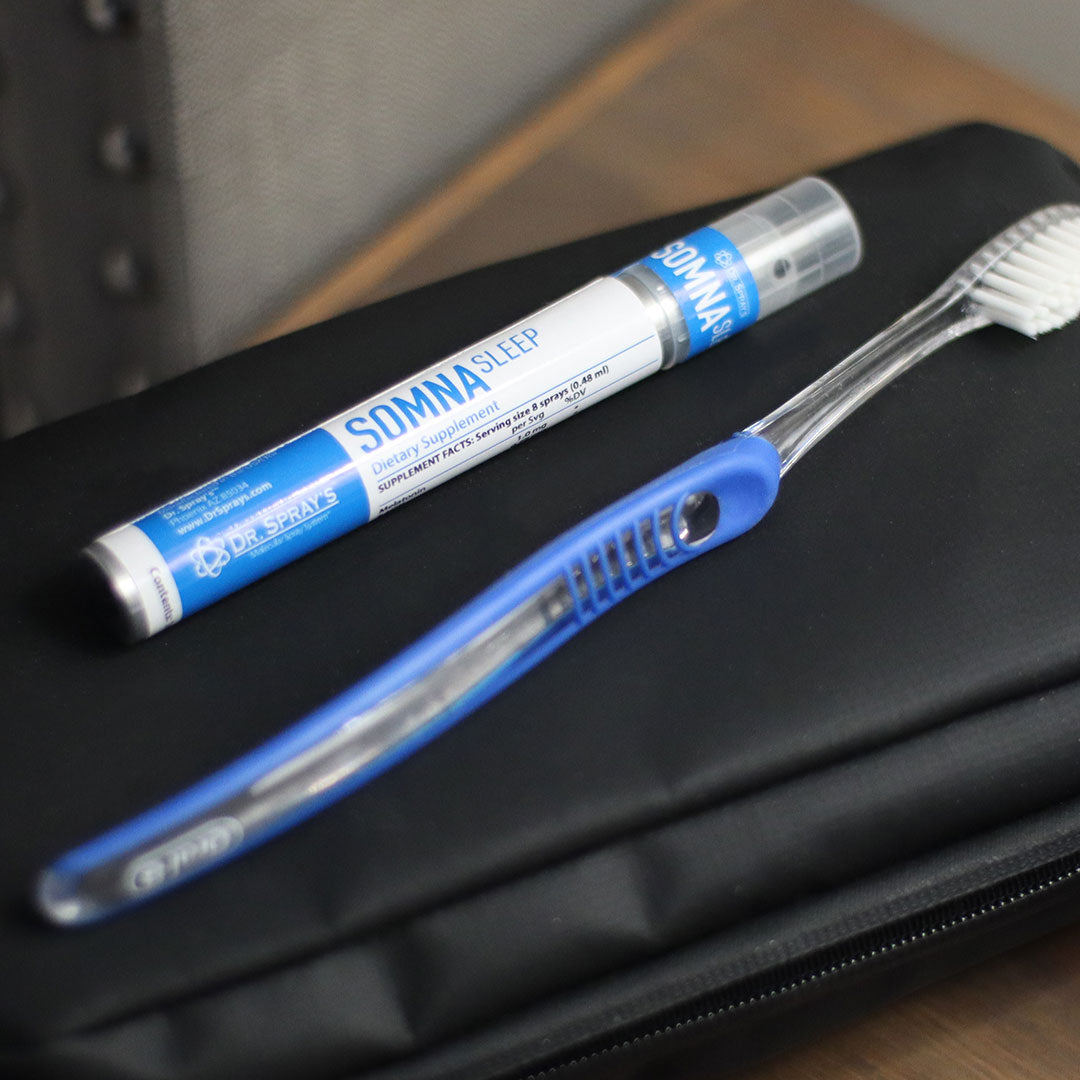
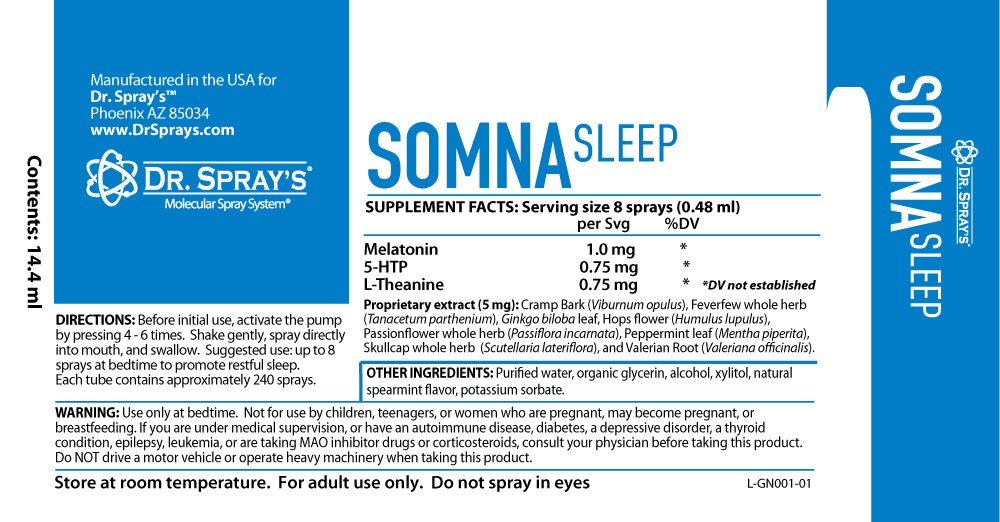
Professional formulations, like the Somna Sleep Spray developed in Phoenix, Arizona, carefully balance these ingredients to work synergistically, supporting your body's natural sleep mechanisms rather than forcing sedation.
How Sleep Spray Differs from Traditional Sleep Supplements
Understanding what makes vitamin spray technology unique helps explain why many people are making the switch from pills and gummies.
Absorption Speed and Efficiency
Traditional oral supplements face a long journey before delivering benefits. After swallowing a pill, it must first disintegrate in your stomach, then the active ingredients must survive stomach acid, navigate through the intestinal lining, and undergo processing by the liver. This process can take 30-60 minutes or longer, and a significant portion of the active ingredients may be lost along the way.
Sleep sprays work differently. When sprayed under the tongue or on the inside of your cheeks, active ingredients begin absorbing within seconds. Most people notice effects within 10-15 minutes—a crucial difference when you're trying to fall asleep quickly.
Precise Dosing and Flexibility
Pills and capsules offer fixed dosing, which may be too much or too little for your individual needs. Oral spray vitamins provide dosing flexibility—you can adjust the number of sprays based on your specific requirements on any given night.
Had an especially stressful day? Use the full recommended dose. Just need a gentle nudge toward sleep? Use fewer sprays. This customization isn't possible with pre-measured pills.
Convenience and Portability
Sleep sprays eliminate the need for water, making them perfect for travel or when you're already in bed and realize you forgot your supplement. The compact bottles fit easily in carry-on luggage, overnight bags, or nightstand drawers.
The Role of Supporting Nutrients in Sleep Quality
While sleep-specific ingredients like melatonin take center stage, optimal sleep actually depends on a complex interplay of nutrients working together. Deficiencies in certain vitamins can significantly impact your ability to fall asleep and stay asleep.
Vitamin B12 and Sleep Regulation
Vitamin B12 plays a crucial role in regulating your circadian rhythm—your body's internal clock. This vitamin helps produce melatonin and influences the timing of your sleep-wake cycle. Interestingly, B12 deficiency has been linked to both insomnia and excessive daytime sleepiness.
A vitamin B12 spray can be particularly beneficial if you're experiencing sleep disruptions alongside other B12 deficiency symptoms like fatigue, brain fog, or mood changes. The sublingual delivery method ensures efficient absorption, which is especially important for people with digestive issues that may impair B12 uptake from food or pills.
Vitamin D3's Impact on Sleep
Research has revealed surprising connections between vitamin D and sleep quality. Vitamin D receptors exist throughout the brain, including areas that regulate sleep. Studies have found that vitamin D deficiency is associated with shorter sleep duration, poor sleep quality, and daytime sleepiness.
Vitamin D also influences the production of serotonin, a neurotransmitter that converts to melatonin in darkness. If you're not getting adequate sun exposure—particularly common in winter months—a vitamin D3 spray can help maintain optimal levels. The spray delivery system offers superior absorption compared to traditional D3 supplements, which is important because vitamin D is a fat-soluble vitamin that many people struggle to absorb effectively.
Addressing Common Sleep Challenges with Spray Technology
Different sleep issues may benefit from different approaches. Understanding your specific challenge helps you choose the right supplementation strategy.
Difficulty Falling Asleep
If your main issue is taking a long time to fall asleep, you need ingredients that work quickly. Sleep sprays containing melatonin and L-theanine are particularly effective here, as they can begin working within 15-20 minutes when delivered sublingually.
The key is timing—use your sleep spray about 30 minutes before you want to be asleep, creating a consistent bedtime routine that signals to your body it's time to wind down.
Waking During the Night
Frequent nighttime waking may indicate different underlying issues, from blood sugar fluctuations to nutrient deficiencies. While a sleep spray can help with initial sleep onset, addressing wake-ups often requires supporting overall nutritional status.
Consider whether you're getting adequate magnesium, B vitamins, and vitamin D—all of which influence sleep continuity. A comprehensive approach using a high-absorption multivitamin spray alongside targeted sleep support may provide better results than sleep ingredients alone.
Travel and Time Zone Challenges
Jet lag and shift work disrupt your circadian rhythm, making sleep sprays particularly valuable. The portability of spray supplements means you can easily maintain your routine while traveling, and the rapid absorption helps reset your internal clock more quickly than pills.
Maximizing the Effectiveness of Sleep Spray
Even the most advanced vitamin spray technology works best when combined with good sleep hygiene practices. Here's how to get optimal results:
Create a Consistent Routine
Your body thrives on predictability. Use your sleep spray at approximately the same time each night, ideally 30 minutes before your target bedtime. This consistency helps reinforce your circadian rhythm.
Optimize Your Sleep Environment
Sleep sprays support your body's natural sleep mechanisms, but they can't overcome a disruptive environment. Keep your bedroom cool (65-68°F is ideal), dark, and quiet. Remove electronic devices that emit blue light, which suppresses melatonin production.
Address Underlying Deficiencies
If you're deficient in key nutrients like B12, D3, or magnesium, addressing these deficiencies may significantly improve your sleep quality. The advantage of using oral spray vitamins is that you can easily incorporate multiple sprays into your routine without swallowing handfuls of pills.
Mind Your Evening Habits
Avoid caffeine after 2 PM, limit alcohol close to bedtime (it may help you fall asleep but disrupts sleep quality), and finish eating at least 2-3 hours before bed. Exercise regularly, but not within 3 hours of bedtime.
Safety Considerations and Quality Standards
Not all sleep sprays are created equal. When choosing a product, look for important quality indicators.
Manufacturing Standards
Quality spray supplements should be manufactured in FDA-registered, GMP (Good Manufacturing Practice) certified facilities. These certifications ensure the product meets strict quality, purity, and safety standards. Products manufactured in Phoenix, Arizona under these conditions offer the assurance of domestic quality control and regulatory oversight.
Ingredient Transparency
Reputable manufacturers clearly list all ingredients and their amounts. Avoid products with proprietary blends that hide specific dosages. You should know exactly what you're putting in your body and in what quantities.
Third-Party Testing
Look for products that undergo third-party testing to verify purity, potency, and the absence of contaminants. This independent verification provides additional confidence in product quality.
Professional Development
Doctor-developed formulations bring clinical expertise to product design, ensuring that ingredient combinations are both safe and effective based on scientific evidence rather than marketing trends.
Who Should Consider Sleep Spray Supplements?
Sleep sprays can benefit various groups of people, though they're not appropriate for everyone.
Good candidates include:
- Adults with occasional sleeplessness related to stress or schedule changes
- Travelers dealing with jet lag or irregular schedules
- Shift workers needing to adjust their sleep-wake cycle
- People who have difficulty swallowing pills
- Individuals seeking a more convenient supplement delivery method
- Those with digestive issues that impair nutrient absorption from traditional supplements
Consult a healthcare provider before using sleep sprays if you:
- Are pregnant or nursing
- Take prescription medications (particularly sedatives, antidepressants, or blood pressure medications)
- Have a diagnosed sleep disorder like sleep apnea or restless leg syndrome
- Have an autoimmune condition
- Have chronic insomnia lasting more than a month
The Future of Sleep Support Through Spray Technology
The supplement industry is increasingly recognizing the limitations of traditional pill delivery and embracing more efficient methods. Vitamin spray technology represents a significant advancement in how we can support our health.
Research into sublingual and buccal delivery continues to expand, with scientists developing new formulations that can deliver an ever-wider range of beneficial compounds through this efficient pathway. The convenience, absorption efficiency, and flexibility of spray delivery make it particularly well-suited for sleep support, where timing and rapid onset matter.
As consumer awareness grows about absorption differences between delivery methods, we can expect spray supplements to become an increasingly popular choice for those seeking effective, convenient nutritional support.
Frequently Asked Questions About Sleep Spray
How long does it take for sleep spray to work?
Most people notice effects from sleep spray within 10-20 minutes, with peak effects occurring around 30-45 minutes after use. This is significantly faster than pills, which typically take 45-90 minutes to produce noticeable effects. The rapid onset occurs because sublingual absorption delivers ingredients directly into your bloodstream, bypassing the digestive system.
Can I use sleep spray every night?
Most sleep sprays are safe for nightly use, but it's best to use them as needed rather than automatically every night. This helps prevent dependency and maintains effectiveness. If you find you need sleep support every single night for extended periods, consult a healthcare provider to rule out underlying sleep disorders or health issues that may require different treatment approaches.
Will I feel groggy the next morning?
Quality sleep sprays formulated with appropriate doses of natural ingredients typically don't cause next-day grogginess. Unlike many pharmaceutical sleep aids that force sedation, well-designed spray supplements work with your body's natural sleep mechanisms. However, individual responses vary—start with a lower dose to assess your response, and avoid using sleep spray if you won't get a full 7-8 hours of sleep.
How is sleep spray different from melatonin pills?
The primary differences are absorption efficiency and onset time. While melatonin pills may provide only 10-15% bioavailability due to digestive breakdown, sublingual spray delivery offers up to 90% absorption. Sleep sprays also typically contain complementary ingredients like GABA, L-theanine, or magnesium that work synergistically with melatonin. Additionally, spray dosing is more flexible—you can easily adjust the number of sprays rather than cutting pills.
Can I travel with sleep spray on airplanes?
Yes, sleep sprays are TSA-compliant for carry-on luggage. The compact bottles typically contain 2-4 ounces, well under the 3.4-ounce limit for liquids. This makes them ideal travel companions, especially for managing jet lag. Pack your sleep spray in a clear quart-sized bag with your other liquids when going through security.
Are there any side effects of sleep spray?
Sleep sprays formulated with natural ingredients are generally well-tolerated. Some people may experience mild effects like vivid dreams (from melatonin), slight drowsiness the next morning if insufficient sleep time is allowed, or occasional digestive upset. These effects are typically mild and resolve with dose adjustment. Serious side effects are rare but would warrant discontinuing use and consulting a healthcare provider.
How does sleep spray absorption compare to other vitamin sprays?
The sublingual absorption mechanism works similarly across different oral spray vitamins. Whether you're using a vitamin B12 spray, vitamin D3 spray, or sleep spray, the mucous membranes in your mouth provide efficient absorption directly into the bloodstream. This is why many people are adopting spray technology for multiple supplements—the benefits of enhanced absorption apply across various nutrients.
Should I use sleep spray with other supplements?
Sleep spray can generally be safely combined with other supplements, though timing may matter. For instance, taking a multivitamin spray in the morning and sleep spray at night creates a complementary routine. However, avoid combining multiple products containing the same ingredients (like two different melatonin sources) to prevent excessive intake. If you're taking prescription medications, consult your healthcare provider before adding any new supplements.
Do I need to hold the spray in my mouth?
For optimal absorption, hold the spray in your mouth for 20-30 seconds before swallowing. This allows maximum contact time with the mucous membranes under your tongue and along your cheeks, where absorption primarily occurs. Avoid eating or drinking for about 10 minutes after using the spray to prevent washing away the active ingredients before they're fully absorbed.
How should I store my sleep spray?
Store sleep spray in a cool, dry place away from direct sunlight. Most formulations remain stable at room temperature, but excessive heat can degrade ingredients over time. Avoid storing in hot cars or humid bathrooms. Check the expiration date and discard any spray that has changed color, consistency, or smell, as these may indicate degradation.
Take Control of Your Sleep Quality
Quality sleep isn't a luxury—it's a fundamental pillar of health that affects everything from immune function and mental clarity to mood and metabolic health. If you're struggling with occasional sleeplessness or looking for a more effective alternative to traditional sleep supplements, sleep spray technology offers a scientifically-backed solution.
The combination of rapid sublingual absorption, flexible dosing, and complementary ingredients makes spray supplements an increasingly popular choice for people seeking natural sleep support. When manufactured to pharmaceutical standards in FDA-registered facilities and developed with clinical expertise, sleep sprays provide a reliable, convenient option for better rest.
Remember that supplements work best as part of a comprehensive approach to sleep health. Combine your sleep spray with consistent sleep schedules, a restful bedroom environment, and healthy daytime habits for optimal results.
Ready to experience the difference that advanced delivery technology can make? Explore the doctor-developed Somna Sleep Spray and discover why thousands of people have made the switch from pills to sprays. With a 90% absorption rate and formulation backed by clinical expertise, you're choosing a smarter approach to sleep support.
For comprehensive nutritional support that complements healthy sleep patterns, consider the full range of vitamin sprays designed to address various health needs through superior absorption technology. From immune support to energy production, spray delivery offers a more effective way to nourish your body.