Sleep is one of the most critical factors in a child's physical development, cognitive function, and emotional well-being. For parents of 11-year-olds, understanding sleep requirements can help support their child's growth during this pivotal pre-adolescent stage. This comprehensive guide examines how much sleep 11-year-olds need and how proper nutrition, including vitamin spray supplements, can support healthy sleep patterns.
Recommended Sleep Duration for 11-Year-Olds
According to the American Academy of Sleep Medicine and the Centers for Disease Control and Prevention, children aged 6-12 years should get 9-12 hours of sleep per 24-hour period on a regular basis to promote optimal health. For 11-year-olds specifically, most sleep experts recommend 9-11 hours of sleep each night.
This range accounts for individual variations in sleep needs. Some children may function well with 9 hours, while others require the full 11 hours to feel rested and perform at their best academically and physically.
Why Sleep Needs Vary
Several factors influence how much sleep an individual 11-year-old requires:
- Activity level: Children who participate in sports or high-intensity activities may need more sleep for physical recovery
- Growth patterns: Children experiencing growth spurts often require additional sleep
- Academic demands: Cognitive workload can increase sleep requirements
- Overall health: Children recovering from illness or managing chronic conditions may need more rest
- Nutritional status: Deficiencies in key vitamins and minerals can affect sleep quality and duration needs
The Science Behind Sleep Requirements at Age 11
At 11 years old, children are on the cusp of adolescence, a period marked by significant physical, emotional, and neurological changes. During sleep, the body performs essential functions that are particularly important during this developmental stage.
Physical Growth and Development
Growth hormone is primarily secreted during deep sleep stages. For 11-year-olds approaching puberty, adequate sleep supports:
- Bone growth and density development
- Muscle development and repair
- Immune system strengthening
- Metabolic regulation
Brain Development and Cognitive Function
The pre-adolescent brain undergoes substantial reorganization. Sleep supports:
- Memory consolidation and learning
- Emotional regulation
- Attention and focus capabilities
- Decision-making skills
- Creative problem-solving abilities
Research shows that children who consistently get adequate sleep perform better academically, demonstrate improved behavior, and have better emotional control than their sleep-deprived peers.
Signs Your 11-Year-Old Isn't Getting Enough Sleep
Recognizing sleep deprivation in children is essential for addressing the problem promptly. Common indicators include:
- Difficulty waking up in the morning despite multiple alarms
- Falling asleep during car rides or quiet activities
- Mood swings, irritability, or increased emotional sensitivity
- Difficulty concentrating on homework or school tasks
- Declining academic performance
- Increased hyperactivity or impulsive behavior
- Frequent yawning during the day
- Complaints of tiredness or fatigue
- Sleeping significantly longer on weekends (more than 1-2 hours beyond weekday wake time)
If your child consistently displays these symptoms despite seemingly adequate sleep hours, consider consulting a healthcare provider to rule out sleep disorders or underlying health issues.
Creating an Optimal Sleep Environment
The quality of sleep matters as much as quantity. Creating a sleep-conducive environment helps 11-year-olds fall asleep faster and achieve deeper, more restorative rest.
Bedroom Optimization
- Temperature: Maintain room temperature between 65-70°F (18-21°C)
- Darkness: Use blackout curtains or shades to eliminate light pollution
- Noise control: Minimize disruptive sounds; consider white noise machines if necessary
- Comfortable bedding: Ensure mattress and pillows provide adequate support
- Remove electronics: Keep televisions, computers, and gaming devices out of the bedroom
Pre-Sleep Routine
Establishing a consistent bedtime routine signals the body to prepare for sleep:
- Set a consistent bedtime and wake time, even on weekends
- Begin winding down 30-60 minutes before bed
- Include calming activities like reading, gentle stretching, or listening to quiet music
- Avoid screens for at least one hour before bedtime
- Practice good sleep hygiene with evening bathing or showering
The Role of Nutrition in Sleep Quality
What children consume during the day significantly impacts their ability to fall asleep and maintain quality rest throughout the night. Certain nutrients play particularly important roles in sleep regulation.
Key Vitamins and Minerals for Sleep
Vitamin D3: Often called the "sunshine vitamin," vitamin D3 plays a crucial role in sleep regulation. Research indicates that vitamin D deficiency is associated with poor sleep quality, shorter sleep duration, and daytime sleepiness. A vitamin D3 spray can help maintain optimal levels, particularly during winter months when sun exposure is limited.
Vitamin B12: This essential vitamin supports the body's natural circadian rhythm regulation. B12 helps produce melatonin, the hormone that signals sleepiness. Children with B12 deficiency may experience sleep disturbances and fatigue. An oral spray vitamin delivering B12 can be particularly effective for picky eaters or children with absorption issues.
Magnesium: This mineral promotes relaxation by regulating neurotransmitters that calm the nervous system. Adequate magnesium supports both falling asleep and staying asleep throughout the night.
Vitamin C and Zinc: These nutrients support immune function and overall health, which indirectly affects sleep quality. Children fighting off infections or managing low-grade illness often experience disrupted sleep patterns.
Advantages of Spray Supplements for Children
Traditional pills and capsules can be challenging for children to swallow, leading to inconsistent supplementation. Spray supplements offer several advantages for 11-year-olds:
- Ease of use: Simple spray delivery eliminates swallowing difficulties
- Better absorption: Oral spray vitamins bypass the digestive system, achieving up to 90% absorption compared to 10-20% for pills
- Faster action: Nutrients enter the bloodstream more quickly through oral mucosa
- Taste acceptance: Flavored sprays are more palatable than large pills
- Convenient dosing: Easy to incorporate into morning or evening routines
DrSprays, based in Phoenix, Arizona, offers doctor-developed vitamin spray formulations manufactured in an FDA-registered, GMP-certified facility, ensuring quality and safety for growing children.
Specific Sleep Support Strategies
Beyond general sleep hygiene, certain approaches can specifically help 11-year-olds achieve the 9-11 hours they need.
Managing Screen Time
Blue light from electronic devices suppresses melatonin production, making it harder to fall asleep. For 11-year-olds who use devices for homework or entertainment:
- Implement a "screen curfew" at least one hour before bedtime
- Use blue light filtering apps or glasses for necessary evening screen use
- Keep devices charging in a location outside the bedroom
- Replace screen time with reading physical books or audiobooks
Physical Activity Timing
Regular exercise promotes better sleep, but timing matters. Encourage your 11-year-old to:
- Engage in moderate to vigorous physical activity for at least 60 minutes daily
- Complete intense exercise at least 3 hours before bedtime
- Practice gentle stretching or yoga in the evening for relaxation
Dietary Considerations
Evening nutrition affects sleep quality:
- Avoid large meals within 2-3 hours of bedtime
- Limit caffeine consumption (sodas, chocolate, tea) after 2 PM
- Offer a light, protein-containing snack if hungry before bed
- Ensure adequate hydration throughout the day but reduce fluids close to bedtime to minimize nighttime bathroom trips
When Sleep Problems Persist
If your 11-year-old consistently struggles with sleep despite implementing healthy sleep practices, underlying issues may require professional evaluation.
Common Sleep Disorders in Children
Sleep apnea: Characterized by breathing pauses during sleep, often indicated by loud snoring, gasping, or mouth breathing. This condition disrupts sleep quality and requires medical intervention.
Insomnia: Difficulty falling or staying asleep that persists for weeks. May be related to anxiety, stress, or medical conditions.
Restless leg syndrome: Uncomfortable sensations in the legs that create an urge to move, interfering with sleep onset. Sometimes related to iron deficiency.
Delayed sleep phase syndrome: A circadian rhythm disorder where natural sleep and wake times are significantly later than desired, making it difficult to wake for school.
When to Consult a Healthcare Provider
Seek professional guidance if your child experiences:
- Snoring loudly or breathing pauses during sleep
- Persistent difficulty falling asleep after 30 minutes in bed
- Frequent nighttime awakenings
- Extreme daytime sleepiness affecting school performance
- Sleep problems lasting more than 4 weeks
- Behavioral or mood changes associated with poor sleep
The Connection Between Sleep and Overall Health
Adequate sleep for 11-year-olds extends beyond feeling rested—it's fundamental to comprehensive health and development.
Immune System Function
During sleep, the immune system produces cytokines, proteins that fight infection and inflammation. Children who consistently get insufficient sleep have weakened immune responses, making them more susceptible to common illnesses.
Supporting immune health through proper nutrition—including vitamin C and zinc supplementation—works synergistically with adequate sleep to keep children healthy.
Mental Health and Emotional Well-being
Sleep deprivation in pre-adolescents is linked to increased anxiety, depression symptoms, and behavioral problems. The 9-11 hour range supports:
- Emotional regulation and resilience
- Stress management capabilities
- Positive social interactions
- Self-esteem and confidence
Academic Performance
Well-rested 11-year-olds demonstrate:
- Better attention and concentration in class
- Improved memory retention and recall
- Enhanced problem-solving abilities
- Greater creativity and critical thinking
- Higher test scores and grades
Physical Health and Weight Management
Adequate sleep helps regulate hormones that control appetite and metabolism. Sleep-deprived children are at higher risk for obesity due to:
- Increased ghrelin (hunger hormone) production
- Decreased leptin (satiety hormone) levels
- Greater cravings for high-calorie foods
- Reduced energy for physical activity
Supporting Sleep Through Comprehensive Wellness
Achieving optimal sleep for 11-year-olds requires a holistic approach that addresses multiple aspects of health and lifestyle.
Stress Management
Pre-adolescents face increasing academic and social pressures. Help your child manage stress through:
- Open communication about concerns and worries
- Teaching relaxation techniques like deep breathing or progressive muscle relaxation
- Encouraging regular physical activity as a stress outlet
- Maintaining realistic expectations for performance and achievement
- Creating dedicated time for unstructured play and creativity
Nutritional Foundation
A balanced diet supports both overall health and quality sleep. Ensure your 11-year-old receives:
- Adequate protein for growth and neurotransmitter production
- Complex carbohydrates for sustained energy
- Healthy fats supporting brain function
- A variety of fruits and vegetables providing essential vitamins and minerals
- Sufficient calcium and vitamin D for bone development
For children with restrictive diets, absorption issues, or identified deficiencies, high-quality spray supplements can fill nutritional gaps. Products developed by healthcare professionals and manufactured in facilities like those in Phoenix, Arizona that maintain FDA registration and GMP certification ensure safety and efficacy.
Practical Implementation: A Sample Sleep Schedule
Here's how to structure a typical school day to ensure an 11-year-old gets adequate sleep:
6:30 AM: Wake time (consistent daily, including weekends)
6:30-7:00 AM: Morning routine, including breakfast and any morning supplements like a multi-vitamin spray
7:00-7:30 AM: Preparation for school
3:00-6:00 PM: After-school activities, homework, physical activity
6:00-7:00 PM: Family dinner
7:00-8:00 PM: Free time, hobbies, limited screen use
8:00 PM: Screen curfew begins
8:00-8:30 PM: Wind-down activities (reading, bathing, preparing for bed)
8:30 PM: Bedtime routine begins
9:00 PM: Lights out
This schedule provides 9.5 hours of sleep opportunity, falling well within the recommended range. Adjust timing based on your child's individual needs and school start time, but maintain consistency.
The Role of Parental Modeling
Children learn sleep habits by observing their parents. To reinforce healthy sleep practices:
- Maintain consistent sleep schedules yourself
- Avoid working or using screens in bed
- Discuss the importance of sleep openly
- Create a household culture that values rest and recovery
- Respect quiet hours in the evening
Seasonal and Environmental Considerations
Sleep needs and quality can vary based on environmental factors, particularly in regions with extreme seasonal variations.
Daylight and Seasonal Changes
Natural light exposure affects circadian rhythms. In areas like Phoenix, Arizona, intense summer sunlight and seasonal changes require adjustments:
- Ensure morning light exposure to support natural wake cycles
- Use room-darkening solutions during long summer evenings
- Consider vitamin D supplementation during periods of limited sun exposure
- Adjust outdoor activity timing to avoid excessive heat that might disrupt evening routines
Travel and Schedule Disruptions
When routine changes are unavoidable:
- Maintain bedtime routines even when traveling
- Gradually adjust sleep schedules for time zone changes
- Return to normal schedules as quickly as possible after disruptions
- Be patient with temporary sleep difficulties during transitions
Frequently Asked Questions
What happens if my 11-year-old regularly gets less than 9 hours of sleep?
Chronic sleep deprivation in 11-year-olds can lead to serious consequences including poor academic performance, behavioral problems, weakened immune function, increased risk of obesity, mood disorders, and impaired physical growth. If schedule constraints make 9 hours difficult, prioritize sleep quality and consistency, and consult a healthcare provider about your child's individual needs.
Is it okay for my 11-year-old to sleep 12 hours on weekends?
Occasionally sleeping longer on weekends isn't concerning, but consistently needing significantly more sleep on weekends (more than 1-2 hours beyond weekday sleep) suggests insufficient sleep during the week. This pattern, called "social jet lag," can disrupt circadian rhythms. Aim for consistent sleep schedules within one hour across all days of the week.
Can vitamin supplements really help my child sleep better?
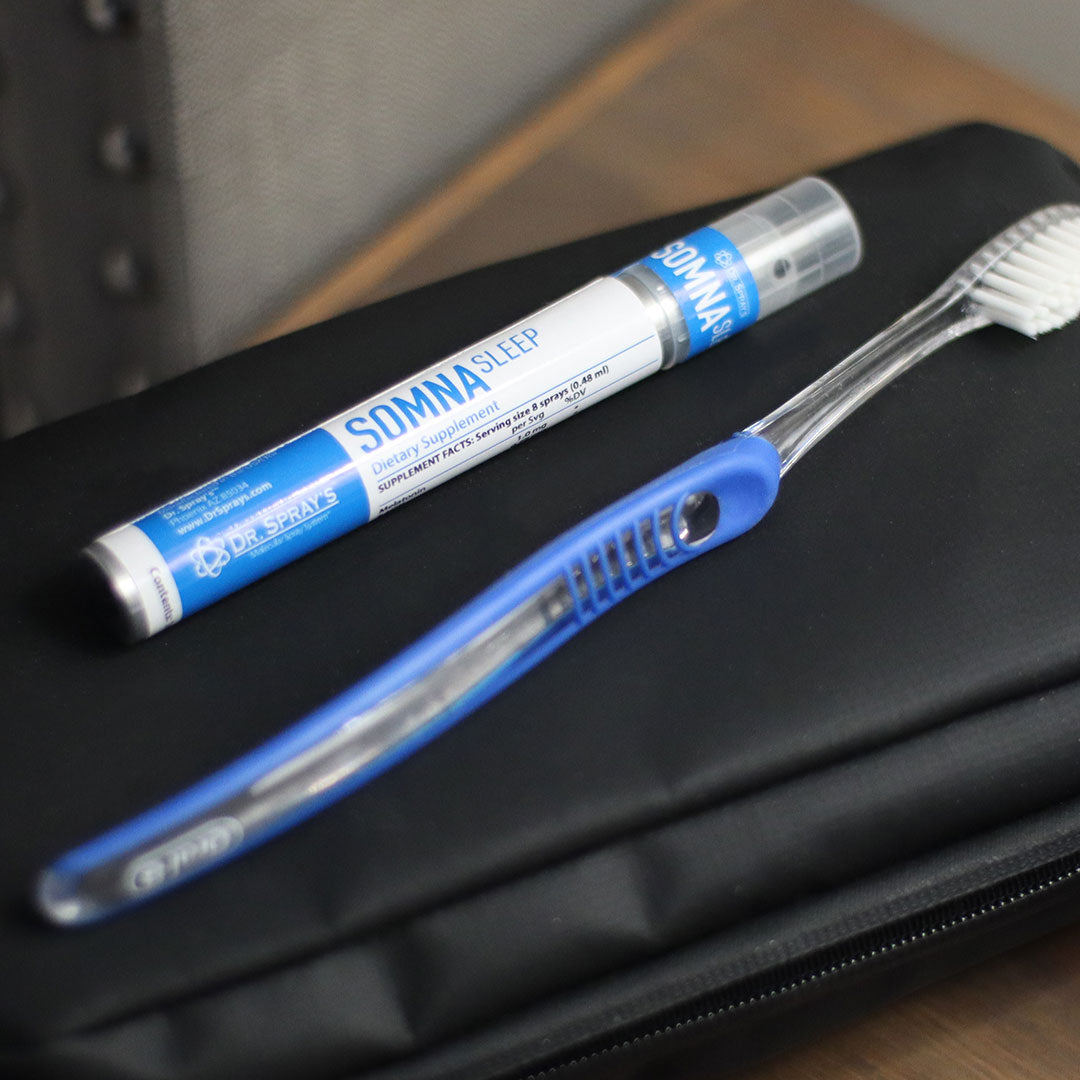
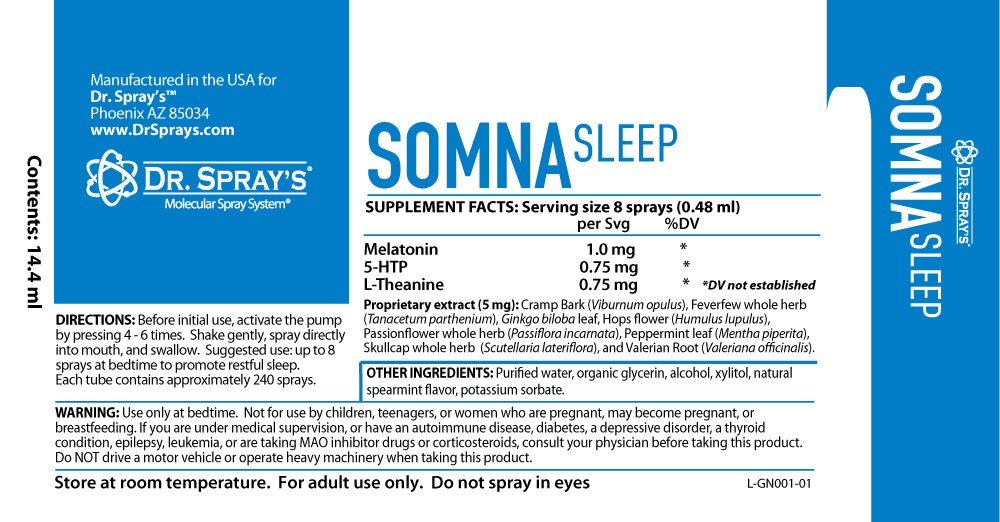
While supplements aren't sleep medications, certain nutrients play critical roles in sleep regulation. Vitamin D3 affects circadian rhythms, B vitamins support neurotransmitter production involved in sleep, and magnesium promotes relaxation. If your child has nutritional deficiencies, addressing them through diet and supplementation may improve sleep quality. Specialized sleep support formulations can provide targeted nutritional support for healthy sleep patterns.
What's the best bedtime for an 11-year-old?
The ideal bedtime depends on wake time. If your child needs to wake at 6:30 AM for school, bedtime should be between 7:30-9:30 PM to achieve 9-11 hours of sleep. Most 11-year-olds do well with a bedtime between 8:00-9:00 PM. Choose a time that allows adequate sleep and stick to it consistently.
How do I know if my child has a sleep disorder versus just poor sleep habits?
Sleep disorders typically persist despite good sleep hygiene practices and may include symptoms like loud snoring, gasping during sleep, extreme difficulty waking, or excessive daytime sleepiness affecting daily functioning. If you've established consistent routines, optimized the sleep environment, and addressed nutritional factors, but sleep problems continue for more than 4 weeks, consult a healthcare provider for evaluation.
Are spray vitamins safe for 11-year-olds?
When manufactured by reputable companies in FDA-registered, GMP-certified facilities, oral spray vitamins are safe for children when used as directed. They offer advantages over pills including easier administration, better absorption, and improved compliance. Always choose products specifically formulated for children or appropriate for all ages, and consult your healthcare provider about proper dosing for your child's individual needs.
Should I wake my 11-year-old if they sleep past their normal wake time on weekends?
Ideally, maintain wake times within one hour of the weekday schedule to support consistent circadian rhythms. However, if your child is catching up from a particularly exhausting week, allowing extra sleep occasionally is acceptable. If they regularly sleep much later on weekends, reevaluate weekday bedtimes to ensure adequate total sleep.
Can too much sleep be harmful for 11-year-olds?
While rare, consistently sleeping more than 12 hours may indicate underlying health issues such as depression, sleep disorders, or medical conditions requiring evaluation. Most healthy 11-year-olds naturally wake after adequate rest. If your child regularly sleeps excessively and still seems tired, consult a healthcare provider.
Conclusion: Prioritizing Sleep for Growing Children
Ensuring your 11-year-old gets 9-11 hours of quality sleep each night is one of the most important investments you can make in their health, development, and future success. Sleep affects every aspect of a child's life—from academic performance and physical growth to emotional regulation and immune function.
Creating an environment and routine that supports healthy sleep requires commitment and consistency, but the benefits are substantial and long-lasting. Combined with proper nutrition, including strategic use of high-quality oral spray vitamins to address deficiencies that may affect sleep, you can help your child establish patterns that will serve them well throughout adolescence and beyond.
Remember that every child is unique. While 9-11 hours is the recommended range, observe your child's individual needs and adjust accordingly. Pay attention to daytime functioning, mood, and behavior as indicators of sleep adequacy rather than focusing solely on hours in bed.
If sleep challenges persist despite your best efforts, don't hesitate to seek professional guidance. Quality sleep during these critical developmental years sets the foundation for lifelong health and wellness.
Support Your Child's Sleep and Overall Health with DrSprays
Proper nutrition plays a vital role in sleep quality and overall wellness for growing children. DrSprays offers doctor-developed, high-absorption vitamin spray supplements that make it easy to fill nutritional gaps that may be affecting your 11-year-old's sleep.
Our products are manufactured in an FDA-registered, GMP-certified facility in Phoenix, Arizona, ensuring the highest quality and safety standards. With up to 90% absorption rates, our oral spray vitamins deliver nutrients more effectively than traditional pills.
Explore our range of vitamin sprays:
- Vitamin D3 Spray - Support healthy circadian rhythms and sleep regulation
- Vitamin B12 Spray - Promote natural melatonin production and energy regulation
- Multi-Vitamin Spray - Comprehensive nutritional support for growing children
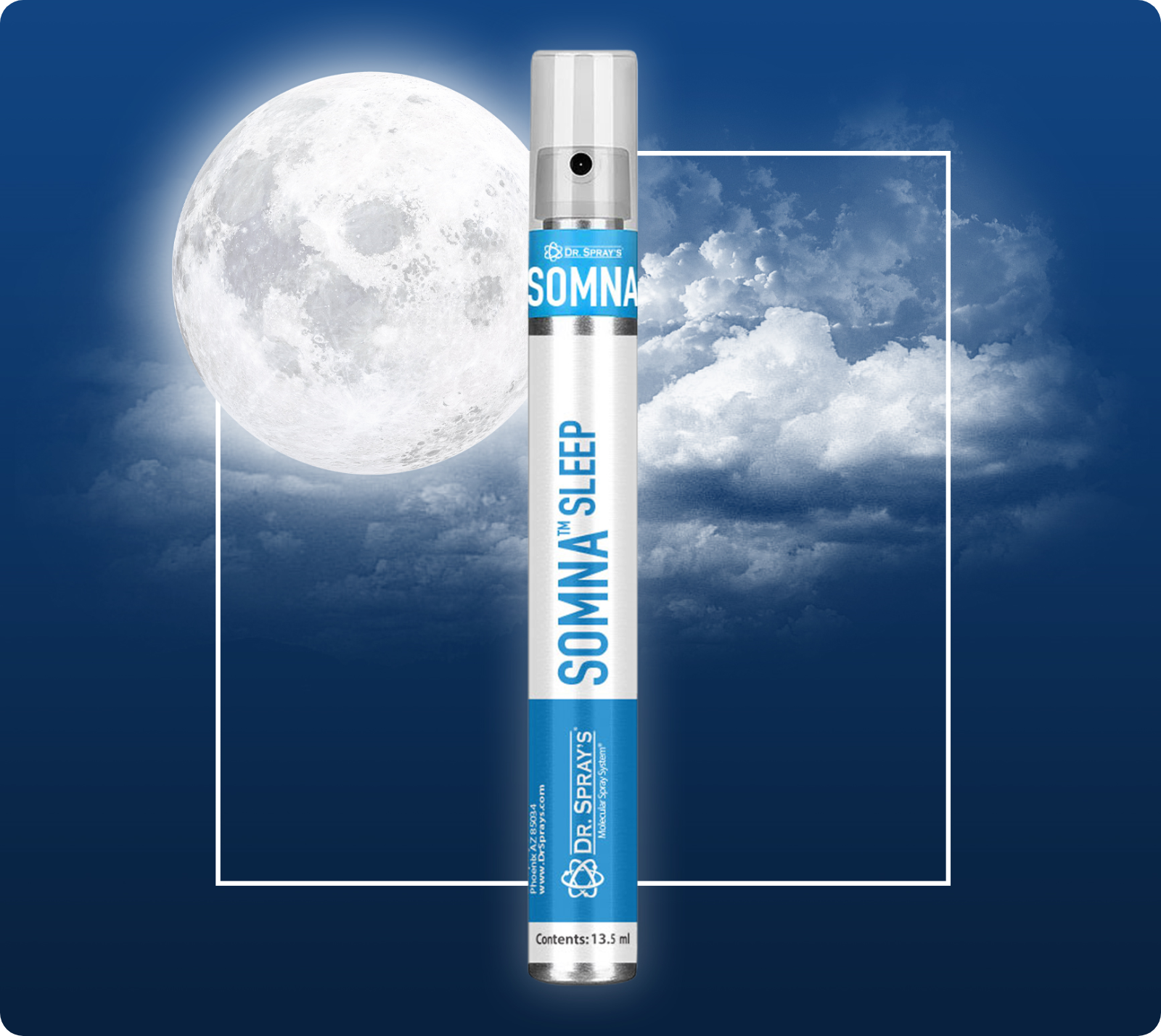
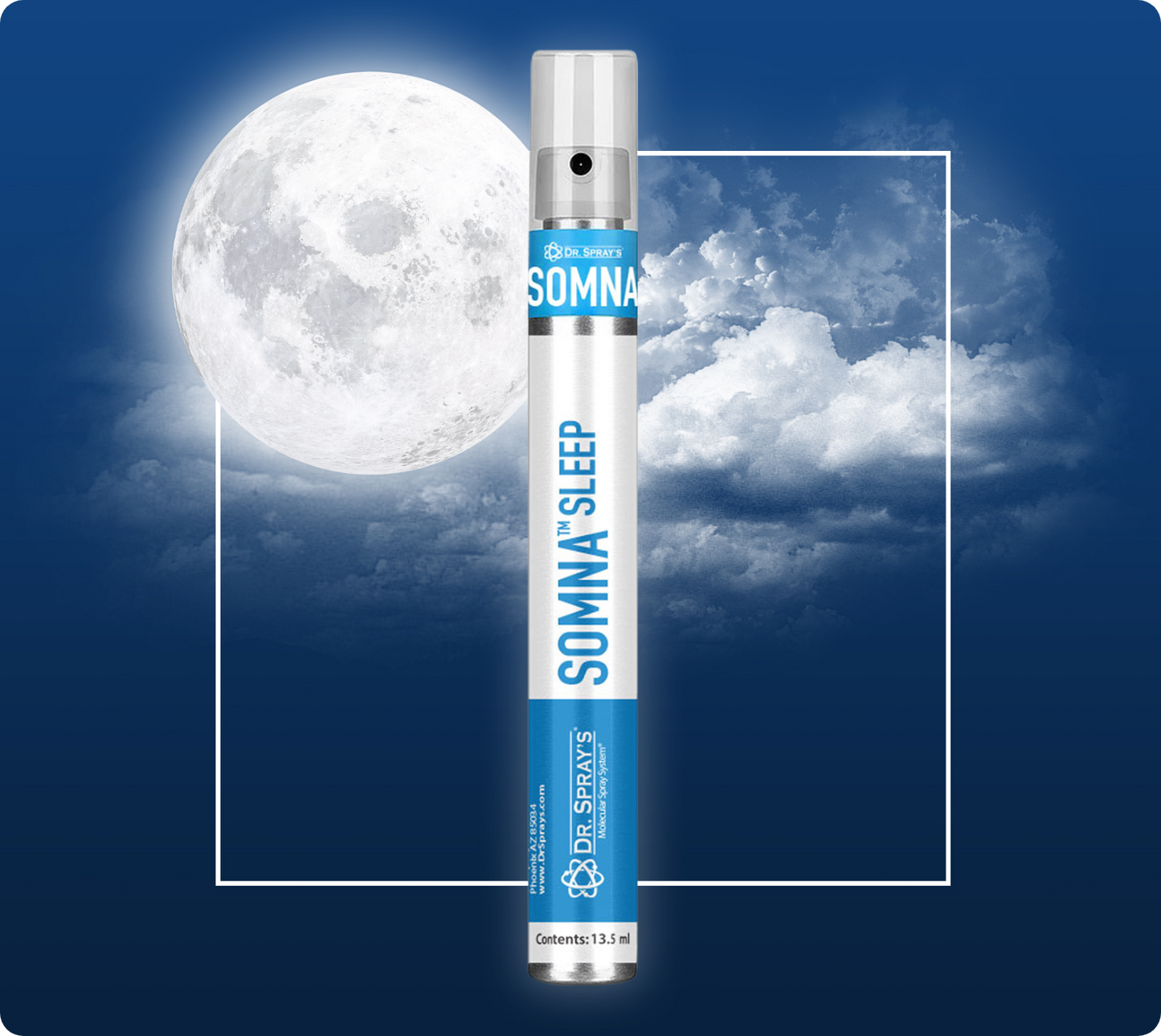
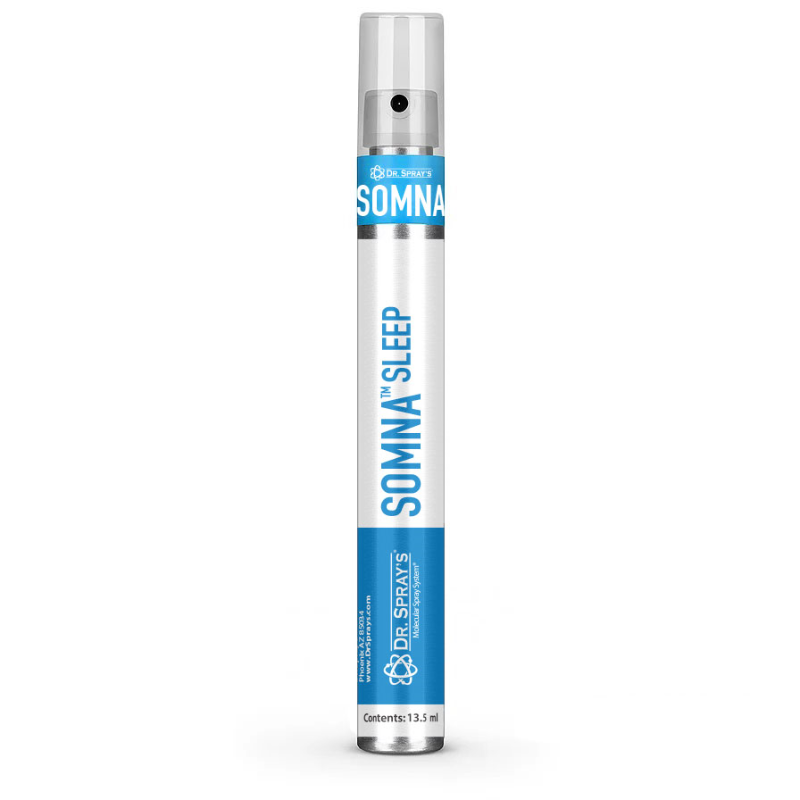
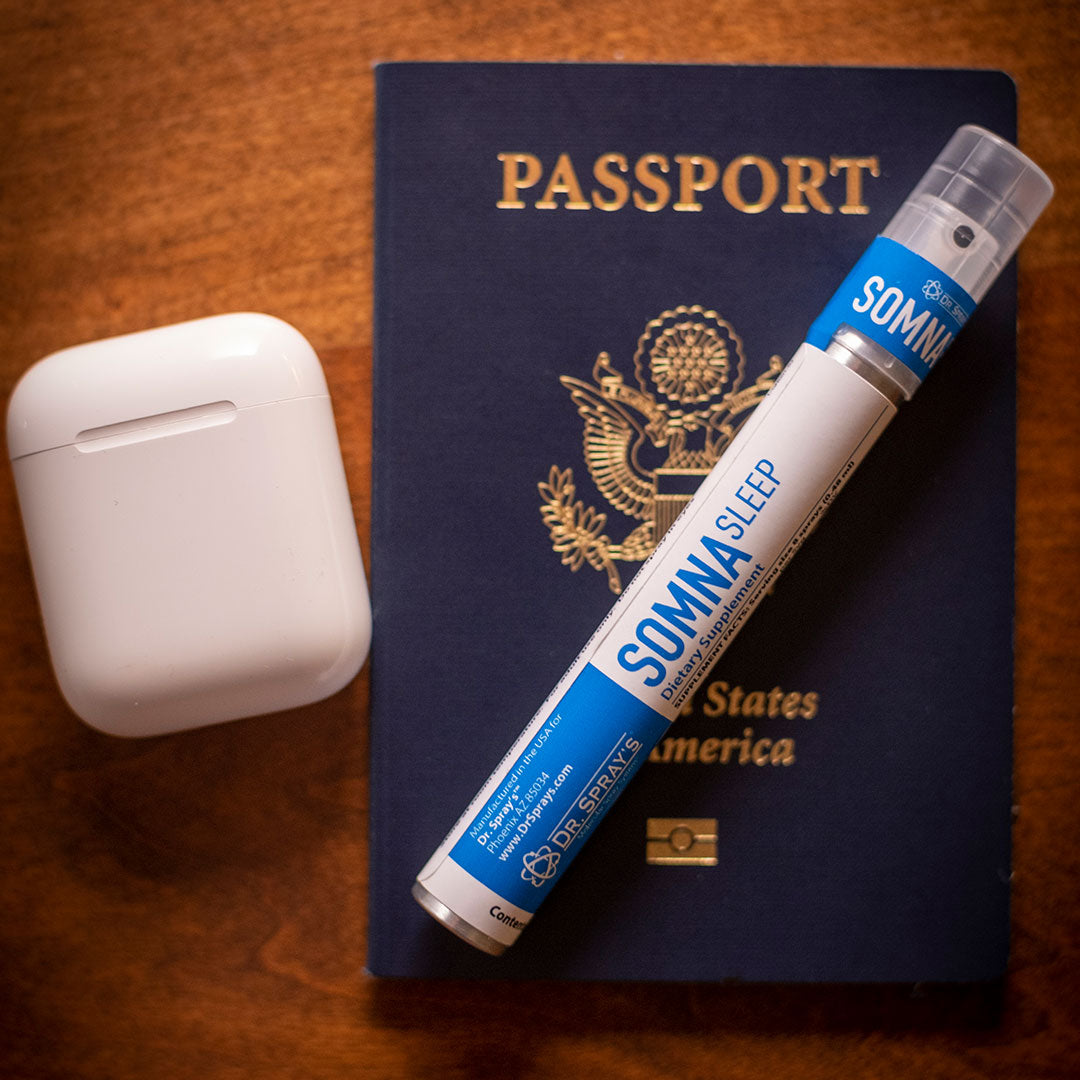
- Sleep Support Spray - Specialized formula to promote healthy sleep patterns