Parents of 12-year-olds often wonder if their child is getting enough rest, especially as academic demands increase and social schedules become busier. The answer is clear: children at this age need between 9 to 12 hours of sleep each night for optimal health and development.
Understanding sleep requirements during this critical developmental stage helps parents create better bedtime routines and recognize when sleep problems might be affecting their child's health, mood, and academic performance.
Why Sleep Matters for 12-Year-Olds
The preteen years mark a significant period of physical, cognitive, and emotional development. During sleep, the body performs essential functions that directly impact a child's well-being:
- Physical growth: Growth hormone is primarily released during deep sleep stages
- Brain development: Neural connections strengthen and consolidate learning
- Immune function: The body repairs cells and fights infection
- Emotional regulation: Sleep helps process emotions and manage stress
- Memory consolidation: Information learned during the day becomes long-term memory
Research published by the American Academy of Sleep Medicine confirms that insufficient sleep in this age group correlates with attention problems, behavioral issues, and learning difficulties.
The Science Behind Sleep Needs at Age 12
At age 12, children are typically in the early stages of puberty, which brings significant changes to sleep patterns. The circadian rhythm—the body's internal clock—begins to shift later, making preteens naturally inclined to stay up later and sleep in longer.
This biological shift can conflict with school schedules that require early wake times. The National Sleep Foundation emphasizes that this isn't laziness or poor discipline; it's a natural developmental change in sleep biology.
What Happens During Sleep
Sleep cycles through different stages approximately every 90 minutes:
- Light sleep (Stage 1): The transition from wakefulness to sleep
- Light sleep (Stage 2): Body temperature drops and heart rate slows
- Deep sleep (Stage 3): Most restorative stage for physical recovery
- REM sleep: Dreams occur; critical for learning and memory
Getting adequate hours allows the body to complete multiple cycles, ensuring sufficient time in both deep and REM sleep stages.
Signs Your 12-Year-Old Isn't Getting Enough Sleep
Even if your child goes to bed on time, they may not be getting quality sleep. Watch for these warning signs:
- Difficulty waking up in the morning despite adequate time in bed
- Excessive daytime sleepiness or falling asleep during activities
- Irritability, mood swings, or emotional outbursts
- Difficulty concentrating on homework or in class
- Declining academic performance
- Frequent illness or taking longer to recover from colds
- Craving sugary foods or overeating
- Relying on naps to get through the day
If you notice several of these signs, it's time to evaluate your child's sleep habits and overall health routine.
Creating an Optimal Sleep Environment
The bedroom environment significantly impacts sleep quality. Transform your child's room into a sleep sanctuary with these evidence-based strategies:
Temperature and Lighting
Keep the bedroom cool, between 65-68°F. The body's core temperature naturally drops during sleep, and a cooler room facilitates this process. Install blackout curtains or shades to block outside light, which can interfere with melatonin production—the hormone that signals sleep readiness.
Screen Time Management
Blue light from devices suppresses melatonin production. Establish a "screens off" rule at least one hour before bedtime. This includes smartphones, tablets, computers, and televisions. The bedroom should be a tech-free zone at night.
Noise Control
If you live in a noisy area, consider a white noise machine or fan to create consistent background sound that masks disruptive noises.
The Role of Nutrition in Sleep Quality
What your child eats—and when—directly affects sleep quality. Certain nutrients play crucial roles in regulating sleep-wake cycles.
Key Nutrients for Better Sleep
Vitamin B12 helps regulate the body's circadian rhythm and supports healthy melatonin production. Many preteens, especially those with limited diets or digestive issues, may not absorb adequate B12 from food alone. A vitamin B12 spray offers superior absorption compared to pills, with studies showing up to 90% absorption rate for oral spray vitamins.
Vitamin D3 influences sleep quality and duration. Deficiency in this essential vitamin has been linked to sleep disturbances in children and adults. Since dietary sources are limited and sun exposure may be insufficient, especially during winter months or in northern climates, supplementation becomes important. A vitamin D3 spray provides an efficient delivery method that bypasses digestive processing.
Magnesium promotes relaxation and helps activate the parasympathetic nervous system—the system responsible for calming the body. Good food sources include leafy greens, nuts, seeds, and whole grains.
Timing Matters
Avoid heavy meals within three hours of bedtime. Large meals require significant digestive effort, which can interfere with sleep onset. Similarly, limit caffeine consumption—found in sodas, energy drinks, chocolate, and some teas—especially after 2 PM, as it can remain in the system for 6-8 hours.
Building a Consistent Sleep Routine
Consistency reinforces the body's natural sleep-wake cycle. Implement these strategies to establish healthy sleep habits:
Set Regular Sleep and Wake Times
Aim for the same bedtime and wake time every day, including weekends. While weekend variations of an hour are acceptable, large shifts can disrupt the circadian rhythm and make Monday mornings particularly difficult.
Create a Wind-Down Routine
Begin the transition to sleep 30-60 minutes before bedtime with calming activities:
- Reading (physical books, not screens)
- Taking a warm bath or shower
- Light stretching or gentle yoga
- Listening to calm music
- Journaling or quiet conversation
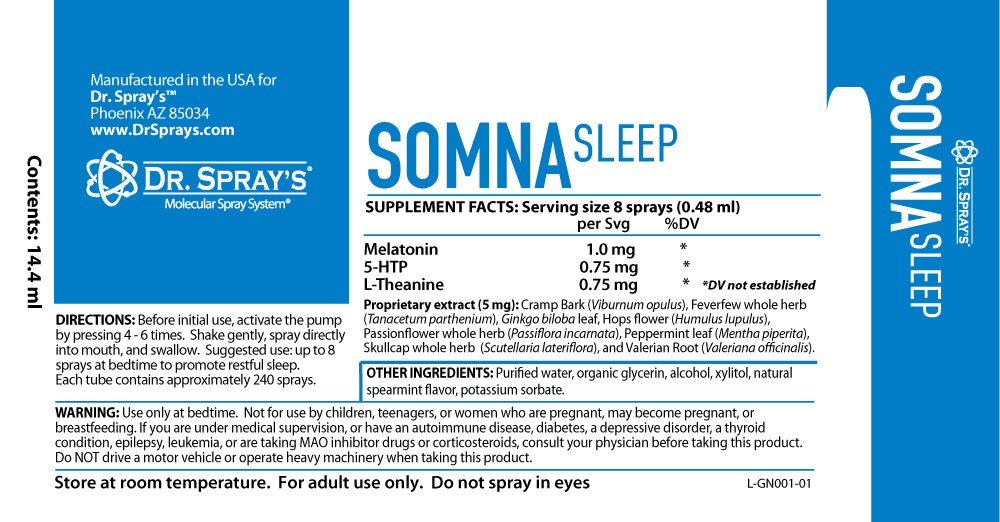
If your child struggles with falling asleep naturally, consider a sleep support supplement formulated specifically to promote relaxation without next-day grogginess.
Morning Light Exposure
Natural light exposure within the first hour of waking helps regulate the circadian rhythm. Encourage your child to spend time near a window during breakfast or take a short walk before school.
Physical Activity and Sleep Connection
Regular exercise improves sleep quality and helps children fall asleep faster. The American Academy of Pediatrics recommends at least 60 minutes of moderate to vigorous physical activity daily for this age group.
However, timing matters. Intense exercise within three hours of bedtime can be stimulating and may delay sleep onset. Schedule vigorous activities for morning or afternoon hours when possible.
When Sleep Problems Persist
Sometimes sleep issues indicate underlying health concerns that require professional attention. Consult your pediatrician if your child experiences:
- Loud snoring or gasping during sleep
- Long pauses in breathing while sleeping
- Difficulty falling asleep after 30 minutes despite good sleep hygiene
- Frequent nighttime awakenings
- Sleepwalking or night terrors
- Restless leg syndrome or periodic limb movements
- Persistent daytime sleepiness despite adequate sleep hours
These symptoms may indicate sleep disorders such as sleep apnea, insomnia, or restless leg syndrome that benefit from medical evaluation and treatment.
The Impact of Stress and Mental Health
Anxiety and stress significantly affect sleep quality in preteens. Academic pressure, social challenges, and family concerns can all contribute to racing thoughts at bedtime.
Help your child develop healthy stress management techniques:
- Teach simple breathing exercises for relaxation
- Encourage expression of worries during daytime hours
- Keep a "worry journal" to externalize concerns
- Practice gratitude by reflecting on positive moments from the day
- Maintain open communication about challenges
If anxiety persists or intensifies, consider consulting a mental health professional who specializes in children and adolescents.
Optimizing Nutrient Absorption for Better Sleep
Even with a balanced diet, many children struggle with adequate nutrient absorption due to digestive inefficiencies, picky eating habits, or increased nutritional demands during growth spurts.
Traditional pill-based supplements face absorption challenges. Tablets and capsules must survive stomach acid and undergo digestive breakdown before nutrients enter the bloodstream—a process that can reduce bioavailability significantly.
Spray supplements offer a more efficient alternative. Products developed by medical professionals, like those manufactured in Phoenix, Arizona by DrSprays in an FDA-registered, GMP-certified facility, utilize oral spray technology that delivers nutrients through the mucous membranes in the mouth. This method achieves absorption rates up to 90%, ensuring your child receives the full benefit of essential vitamins and minerals that support healthy sleep patterns.
A comprehensive multi-vitamin spray can help fill nutritional gaps that may be affecting your child's sleep quality and overall health.
Weekend Sleep Patterns
While maintaining consistency is ideal, the reality is that many 12-year-olds stay up later on weekends. If this occurs, limit the variation to one hour beyond the regular bedtime to minimize disruption to the sleep-wake cycle.
Avoid letting your child "catch up" on sleep by sleeping extremely late on weekends. This creates social jet lag—a misalignment between the body's biological clock and social schedules—making the transition back to the school week more difficult.
Summer and Holiday Sleep Schedule Management
Extended breaks from school tempt families to abandon sleep schedules entirely. While some flexibility is reasonable, maintaining a structure within two hours of the school-year schedule prevents difficult adjustments when routines resume.
Use longer days for increased physical activity and outdoor time, which naturally promotes better sleep through greater light exposure and energy expenditure.
Supporting Immune Function Through Sleep
Adequate sleep strengthens the immune system, helping your child fight off common illnesses. During sleep, the body produces cytokines—proteins that target infection and inflammation.
Chronic sleep deprivation reduces the production of these protective proteins and infection-fighting antibodies, leaving children more vulnerable to viruses and bacteria they encounter at school and in social settings.
Supporting immune function through proper sleep, nutrition, and targeted supplementation—such as a vitamin C and zinc spray—creates a comprehensive approach to keeping your child healthy throughout the school year.
Technology and Sleep: Finding Balance
In today's digital age, completely eliminating technology from a preteen's life is unrealistic. Instead, focus on establishing healthy boundaries:
- Use device settings to limit blue light exposure in evening hours
- Implement parental controls that restrict device usage after specific times
- Charge all devices outside the bedroom overnight
- Model healthy technology habits as a family
- Create tech-free zones and times, such as during meals and the hour before bed
Explain the science behind these rules so your child understands they're not arbitrary restrictions but evidence-based strategies to protect their health and development.
Frequently Asked Questions
Is 7 hours of sleep enough for a 12-year-old?
No, 7 hours falls below the recommended range of 9-12 hours for this age group. Consistently getting only 7 hours can lead to sleep deprivation, affecting mood, concentration, academic performance, and physical health. Most 12-year-olds need at least 9 hours, with many benefiting from 10-11 hours nightly.
Why does my 12-year-old fight bedtime?
Resistance to bedtime often stems from biological changes in the circadian rhythm that make preteens naturally inclined to stay up later. Additionally, fear of missing out on activities, unfinished homework, social media engagement, or underlying anxiety about the next day can contribute to bedtime battles. Address the root cause rather than simply enforcing bedtime without understanding the resistance.
Can vitamin sprays help my child sleep better?
Certain nutrients play important roles in sleep regulation. Vitamin B12 helps regulate circadian rhythms, while vitamin D3 influences sleep quality. Oral spray vitamins offer superior absorption compared to traditional pills, potentially addressing nutritional deficiencies that may affect sleep. However, supplements should complement—not replace—good sleep hygiene practices. Consult with your pediatrician before starting any new supplement regimen.
Should I let my 12-year-old sleep in on weekends?
Moderate sleeping in—about one hour later than the school-day wake time—is acceptable and may help address slight sleep debt accumulated during the week. However, sleeping multiple hours later disrupts the circadian rhythm and makes Monday morning wake-ups more difficult. Maintaining relative consistency seven days a week produces the best long-term sleep quality.
How do I know if my child has a sleep disorder?
Warning signs include loud snoring, gasping or pauses in breathing during sleep, extreme difficulty waking despite adequate time in bed, falling asleep during normal daytime activities, frequent nighttime awakenings, sleepwalking, or night terrors. If you observe these symptoms consistently, consult your pediatrician for evaluation. Sleep disorders like sleep apnea are treatable but require professional diagnosis.
What if my child can't fall asleep even with good sleep hygiene?
If your child consistently lies awake for more than 30 minutes despite following good sleep hygiene practices, several factors may be at play: underlying anxiety, nutritional deficiencies, circadian rhythm disorders, or learned sleep onset associations. A sleep diary tracking bedtime, wake time, and sleep quality over two weeks can help identify patterns. Share this information with your pediatrician to determine the best approach.
Are naps good for 12-year-olds?
Most 12-year-olds don't need regular naps if they're getting adequate nighttime sleep. However, occasional short naps (20-30 minutes) during particularly demanding periods or after disrupted sleep can be beneficial. Naps longer than 30 minutes or occurring late in the afternoon can interfere with nighttime sleep. If your child regularly requires naps, it may indicate insufficient nighttime sleep or an underlying health issue worth discussing with a doctor.
How does nutrition affect my child's sleep?
Nutrition significantly impacts sleep quality through multiple mechanisms. B vitamins support neurotransmitter production involved in sleep regulation. Vitamin D influences sleep duration and quality. Magnesium promotes relaxation. Complex carbohydrates help regulate blood sugar overnight. Conversely, excessive sugar, caffeine, and heavy meals near bedtime disrupt sleep. A balanced diet with adequate micronutrients creates the foundation for healthy sleep patterns.
Take Action for Better Sleep Today
Ensuring your 12-year-old gets adequate sleep requires a comprehensive approach combining consistent routines, optimal sleep environments, proper nutrition, and stress management. While establishing these habits takes time and patience, the benefits—improved academic performance, better emotional regulation, stronger immune function, and enhanced physical development—make the effort worthwhile.
Start by evaluating your current sleep routine and identifying one or two areas for improvement. Small, consistent changes create lasting results.
If you're concerned that nutritional gaps may be affecting your child's sleep quality and overall health, consider high-absorption spray supplements developed specifically for optimal bioavailability. Explore DrSprays' complete line of oral spray vitamins, manufactured in Phoenix, Arizona in an FDA-registered, GMP-certified facility, to support your family's health naturally and effectively.
Quality sleep during these crucial developmental years sets the foundation for lifelong health habits and academic success. Prioritizing sleep now gives your child the tools they need to thrive physically, emotionally, and cognitively throughout adolescence and beyond.