Understanding the sleep needs of 13-year-olds is crucial for parents and guardians navigating the challenging teenage years. At this age, adolescents undergo significant physical, cognitive, and emotional changes that make adequate sleep more important than ever.
According to the American Academy of Sleep Medicine and the Centers for Disease Control and Prevention, 13-year-olds need between 8 to 10 hours of sleep per night for optimal health and development. However, studies show that fewer than 40% of teenagers actually achieve this recommended amount, creating a widespread sleep deficit with serious consequences.
Why Sleep Requirements Increase During Adolescence
The teenage brain undergoes massive restructuring during puberty, with neural pathways being refined and strengthened. This biological renovation requires substantial energy and recovery time, making sleep a non-negotiable necessity rather than a luxury.
At 13, young adolescents experience a shift in their circadian rhythm—their internal biological clock naturally pushes bedtime later while school start times remain early. This biological change, combined with academic pressures, extracurricular activities, and increased screen time, creates a perfect storm for chronic sleep deprivation.
The Physical Development Factor
During sleep, the body releases growth hormone, which peaks during deep sleep stages. For 13-year-olds in the midst of their growth spurt, this hormone is essential for bone development, muscle growth, and overall physical maturation. Without adequate sleep, the body simply cannot produce sufficient growth hormone to support healthy development.
Supporting this growth process with proper nutrition is equally important. Many families in Phoenix, Arizona and beyond have found that vitamin spray supplements provide an efficient way to ensure teenagers receive essential nutrients that support sleep quality and overall health, especially when busy schedules make consistent nutrition challenging.
Cognitive Development and Learning
Sleep plays a critical role in memory consolidation—the process by which short-term memories are converted into long-term storage. For 13-year-olds facing increasingly complex academic challenges, each hour of lost sleep can significantly impact learning, concentration, and academic performance.
Research from the Sleep Research Society demonstrates that students who consistently get adequate sleep show improved problem-solving abilities, better attention spans, and higher grades compared to their sleep-deprived peers.
The Real Consequences of Sleep Deprivation in 13-Year-Olds
When teenagers consistently miss the 8 to 10-hour target, the effects extend far beyond simple tiredness. Sleep deprivation creates a cascade of physical, emotional, and cognitive consequences that can impact every aspect of a young person's life.
Academic Performance Decline
Sleep-deprived 13-year-olds often struggle with focus, memory retention, and information processing. They may fall asleep during classes, forget homework assignments, or perform poorly on tests despite adequate preparation. The cumulative effect can lead to declining grades and increased school-related stress.
Emotional and Mental Health Impacts
Insufficient sleep significantly affects mood regulation. Teenagers who don't get enough sleep are more likely to experience irritability, mood swings, anxiety, and depression. The developing teenage brain is particularly vulnerable to these effects, as the prefrontal cortex—responsible for emotional regulation—is still maturing.
Physical Health Risks
Chronic sleep deprivation in adolescence has been linked to:
- Weakened immune system function, leading to more frequent illnesses
- Increased risk of obesity due to hormonal imbalances affecting appetite
- Higher likelihood of developing type 2 diabetes
- Elevated blood pressure and cardiovascular stress
- Decreased athletic performance and increased injury risk
Supporting immune health through adequate sleep and proper supplementation is essential. Many families find that oral spray vitamins like Vitamin C and Zinc provide convenient immune support, especially during cold and flu season when illness can further disrupt sleep patterns.
Common Sleep Obstacles for 13-Year-Olds
Understanding why teenagers struggle to get adequate sleep is the first step toward solving the problem. Multiple factors conspire to keep 13-year-olds from achieving the recommended 8 to 10 hours.
The Biological Sleep Phase Delay
During puberty, melatonin—the hormone that signals sleepiness—is released later in the evening. This biological shift means that 13-year-olds naturally feel alert later at night and want to sleep later in the morning. However, early school start times force teenagers to wake before their bodies are ready, truncating essential sleep cycles.
Technology and Screen Time
The blue light emitted by smartphones, tablets, computers, and televisions suppresses melatonin production, making it harder to fall asleep. Many 13-year-olds spend late evening hours on social media, gaming, or streaming content, pushing bedtime progressively later while wake times remain fixed.
Academic and Social Pressures
The transition to more rigorous middle school curricula means increased homework loads. Combined with extracurricular activities, sports practices, and social commitments, many 13-year-olds find themselves with schedules that leave little time for adequate sleep.
Caffeine Consumption
Teenagers increasingly turn to caffeinated beverages to combat daytime fatigue, creating a vicious cycle. Caffeine consumed too late in the day interferes with nighttime sleep, leading to more tiredness and more caffeine consumption.
Creating Healthy Sleep Habits for 13-Year-Olds
Establishing consistent sleep routines during early adolescence sets the foundation for lifelong healthy sleep patterns. Parents can implement several evidence-based strategies to help their 13-year-olds get adequate rest.
Establish a Consistent Sleep Schedule
Going to bed and waking up at the same time every day—including weekends—helps regulate the body's internal clock. While it's tempting to let teenagers sleep in on weekends, dramatic shifts in sleep timing can disrupt circadian rhythms and make Monday mornings even more difficult.
Calculate backwards from the required wake time to determine an appropriate bedtime. If your 13-year-old needs to wake at 6:30 AM, they should be asleep by 10:30 PM at the latest to achieve the minimum 8 hours.
Create a Technology Curfew
Implement a household rule that all screens turn off at least one hour before bedtime. Remove televisions, computers, and smartphones from bedrooms to eliminate temptation and reduce blue light exposure during critical melatonin production hours.
Design a Sleep-Conducive Environment
The bedroom should be cool (between 60-67°F), dark, and quiet. Consider blackout curtains, white noise machines, or fans to create optimal sleeping conditions. Reserve the bed for sleep only—not homework, gaming, or social media—to strengthen the mental association between bed and rest.
Encourage a Wind-Down Routine
Help your 13-year-old develop a relaxing pre-sleep routine that signals to the body that it's time to rest. This might include:
- Taking a warm shower or bath
- Reading a physical book (not on a screen)
- Practicing gentle stretching or yoga
- Listening to calming music
- Journaling or meditation
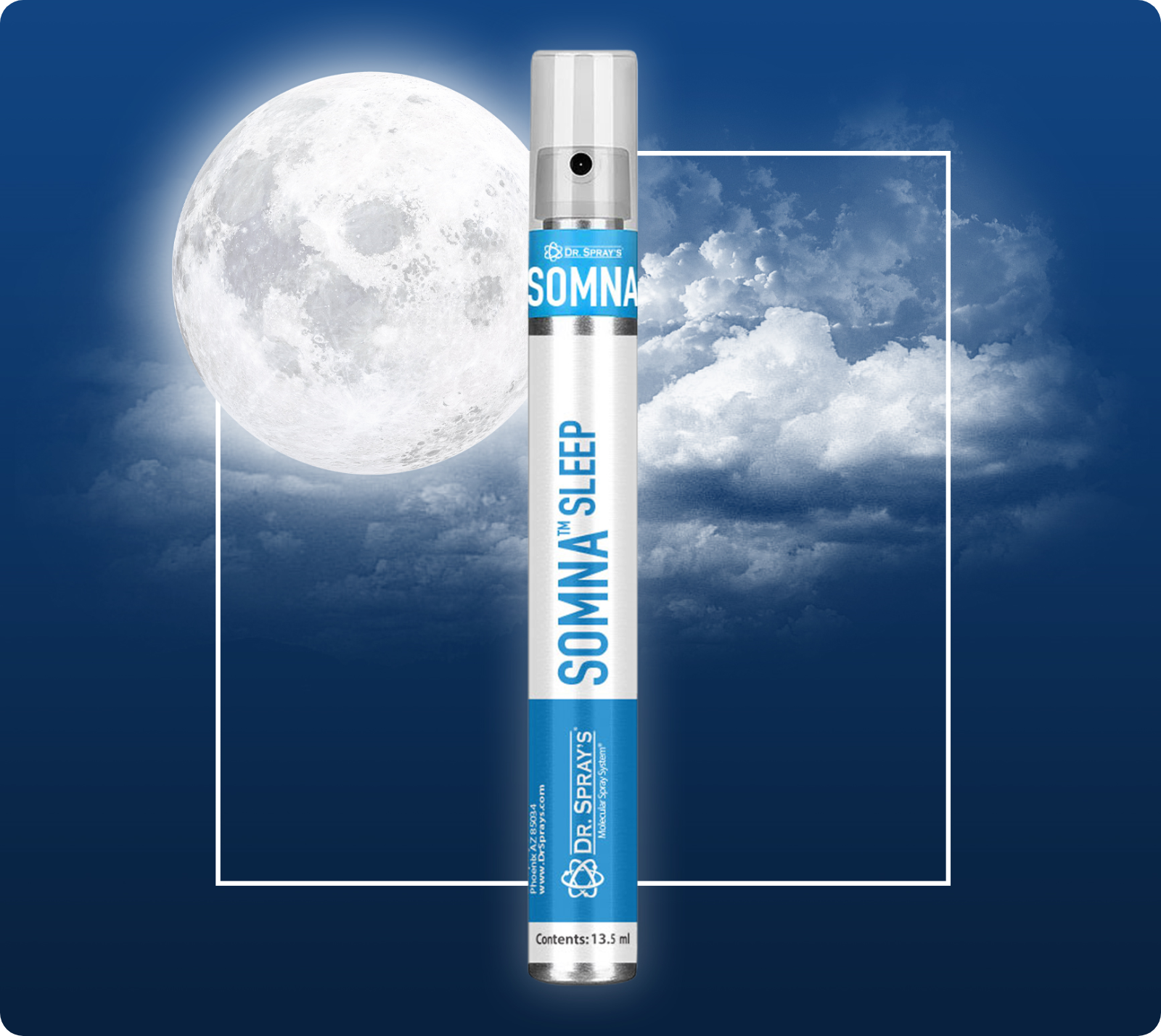
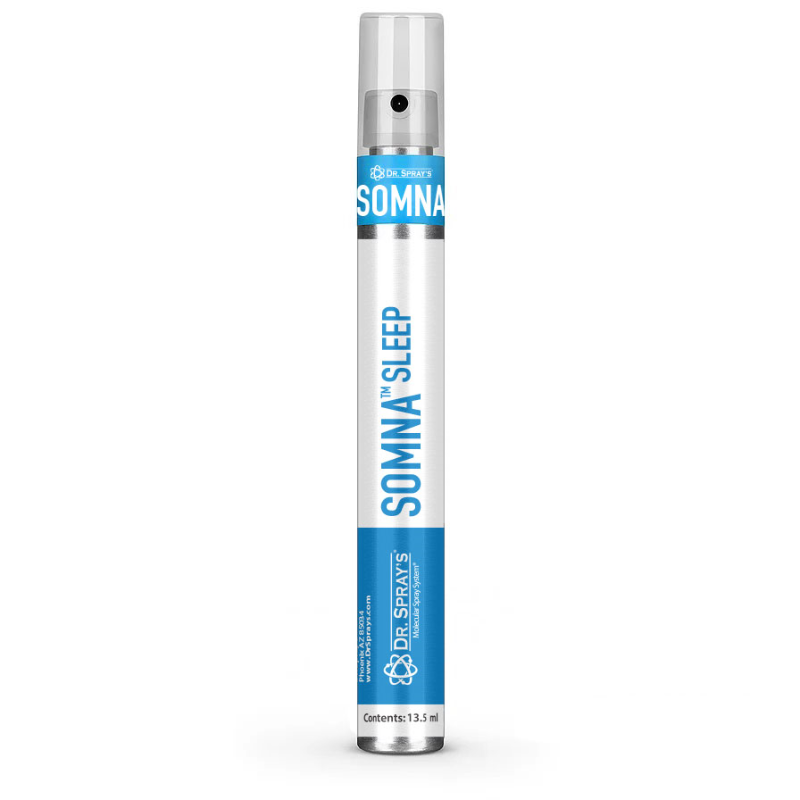
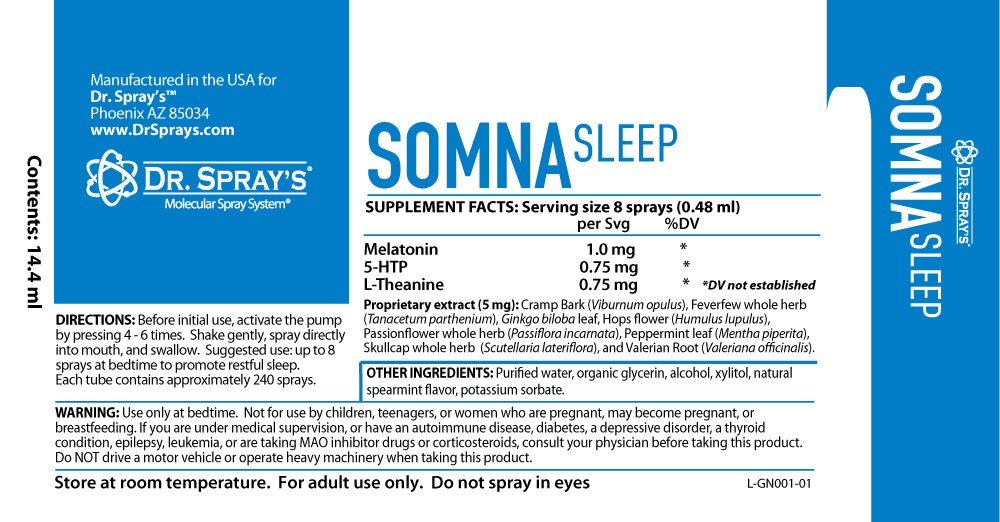
For teenagers who struggle with racing thoughts or stress-related sleep difficulties, establishing calming bedtime rituals is essential. Some families find that sleep support supplements can help establish healthier sleep patterns when combined with good sleep hygiene practices.
Monitor Caffeine and Sugar Intake
Limit or eliminate caffeinated beverages after early afternoon, and avoid sugary snacks close to bedtime. Both substances can interfere with the ability to fall asleep and maintain deep, restorative sleep cycles.
Promote Physical Activity
Regular exercise improves sleep quality and duration, but timing matters. Encourage physical activity earlier in the day rather than close to bedtime, as vigorous exercise too late can be stimulating and delay sleep onset.
The Role of Nutrition in Sleep Quality
What 13-year-olds eat—and when they eat it—significantly impacts their sleep quality. Certain nutrients play crucial roles in regulating sleep-wake cycles and promoting restorative rest.
Essential Sleep-Supporting Nutrients
Vitamin D: Often called the "sunshine vitamin," vitamin D deficiency has been linked to poor sleep quality and shorter sleep duration. Many teenagers, especially those in regions with limited winter sunlight or who spend most daylight hours indoors, don't get adequate vitamin D. A vitamin D3 spray offers efficient absorption to help maintain optimal levels.
B Vitamins: B vitamins, particularly B12, play essential roles in melatonin production and regulation of sleep-wake cycles. Deficiencies can contribute to insomnia and disrupted sleep patterns. For teenagers with dietary restrictions or absorption issues, a vitamin B12 spray provides an effective supplementation method with superior absorption compared to traditional pills.
Magnesium: This mineral supports nervous system relaxation and helps regulate neurotransmitters that promote sleep. Many adolescents don't consume adequate magnesium through diet alone.
Omega-3 Fatty Acids: Research indicates that omega-3s may improve sleep quality by supporting healthy melatonin production.
Why Spray Supplements May Offer Advantages
Traditional pill supplements can be challenging for some teenagers to swallow consistently, and absorption rates vary significantly based on digestive efficiency. Spray supplements offer several benefits for busy families:
- Superior absorption through oral mucosa—up to 90% compared to pills
- Faster nutrient delivery without requiring digestion
- Convenient administration without water or food
- Easier compliance for teenagers who dislike swallowing pills
- Portable formats that fit busy schedules and travel
DrSprays, developed by doctors and manufactured in a FDA-registered, GMP-certified facility in Phoenix, Arizona, offers a range of oral spray vitamins designed for optimal absorption and convenience.
When to Seek Professional Help
While many sleep issues can be addressed through improved sleep hygiene and lifestyle adjustments, certain warning signs indicate the need for professional evaluation.
Red Flags That Require Medical Attention
Consult a healthcare provider if your 13-year-old experiences:
- Persistent difficulty falling asleep despite good sleep hygiene (taking more than 30 minutes regularly)
- Frequent night wakings or inability to return to sleep
- Excessive daytime sleepiness despite adequate nighttime sleep duration
- Loud snoring, gasping, or breathing pauses during sleep (possible sleep apnea)
- Restless legs or uncomfortable sensations that prevent sleep onset
- Extreme mood changes, depression, or anxiety related to sleep problems
- Significant decline in academic performance
- Sleep-related safety concerns, such as sleepwalking
Potential Sleep Disorders in Adolescents
Several sleep disorders commonly emerge during adolescence, including insomnia, sleep apnea, restless leg syndrome, and delayed sleep phase syndrome. A sleep medicine specialist can conduct appropriate evaluations and recommend targeted treatments when behavioral interventions alone prove insufficient.
The Long-Term Impact of Healthy Sleep Habits
Prioritizing adequate sleep during early adolescence creates benefits that extend far beyond the teenage years. Research consistently shows that individuals who establish healthy sleep patterns during adolescence tend to maintain better sleep health throughout adulthood.
Thirteen-year-olds who consistently get 8 to 10 hours of sleep demonstrate better academic achievement, emotional regulation, physical health, and social relationships. They're also less likely to engage in risky behaviors and more likely to develop into healthy, well-adjusted adults.
By recognizing sleep as a fundamental pillar of health—alongside nutrition and physical activity—parents can help their teenagers build a foundation for lifelong wellness. Supporting this foundation with proper nutrition, including strategic supplementation when needed, ensures that growing bodies have all the resources necessary for optimal development.
Frequently Asked Questions
Is 7 hours of sleep enough for a 13-year-old?
No, seven hours is below the recommended minimum for this age group. While some teenagers may function on seven hours, research clearly shows that 13-year-olds need 8 to 10 hours for optimal physical, cognitive, and emotional development. Consistently getting less than eight hours constitutes chronic sleep deprivation and can lead to significant health and academic consequences.
Why does my 13-year-old want to stay up so late?
This is largely due to biological changes during puberty. The adolescent circadian rhythm naturally shifts, causing teenagers to feel alert later at night and sleepy later in the morning—a phenomenon called "sleep phase delay." This isn't simply rebelliousness or poor choices; it's a normal biological development. However, this doesn't mean teenagers need less sleep—it means they need help adjusting schedules and creating environments conducive to earlier sleep.
Can my teenager catch up on sleep during weekends?
While sleeping longer on weekends may temporarily reduce sleep debt, it's not an ideal solution. Large variations between weekday and weekend sleep schedules can actually disrupt circadian rhythms, making it harder to wake up on Monday mornings and perpetuating poor sleep patterns. The best approach is maintaining consistent sleep and wake times throughout the week.
What time should a 13-year-old go to bed for school?
This depends on required wake time, but generally, a 13-year-old should be asleep (not just in bed) by 9:00 to 10:30 PM if they need to wake at 6:00 to 7:30 AM. Calculate backwards from wake time to ensure at least 8 hours of actual sleep, and add 15-30 minutes for the time it takes to fall asleep. If your teenager needs to wake at 6:30 AM, lights should be out by 10:00 PM at the latest.
How can I tell if my teenager is sleep deprived?
Common signs of sleep deprivation in 13-year-olds include difficulty waking in the morning, excessive daytime sleepiness, falling asleep during class or homework, irritability and mood swings, difficulty concentrating, declining grades, increased illness frequency, and sleeping much longer on weekends (more than two hours longer than weekdays). If your teenager exhibits these symptoms consistently, they likely aren't getting adequate sleep.
Are vitamin supplements helpful for teenage sleep quality?
Certain vitamins and minerals play important roles in sleep regulation. Vitamin D, B vitamins (especially B12), and magnesium all support healthy sleep-wake cycles. However, supplements should complement—not replace—good sleep hygiene practices. If dietary intake is insufficient or absorption issues exist, targeted supplementation with products like oral spray vitamins may help support better sleep quality. Always consult with a healthcare provider before starting any supplement regimen for teenagers.
Should I let my 13-year-old nap after school?
Short naps (20-30 minutes) in the early afternoon can help reduce sleep debt without interfering with nighttime sleep. However, long naps or naps too late in the day can make it harder to fall asleep at bedtime, perpetuating poor sleep patterns. If your teenager needs frequent or long naps, this suggests they're not getting adequate nighttime sleep, and schedule adjustments should be the priority.
How does screen time before bed affect my teenager's sleep?
Blue light from screens suppresses melatonin production, making it harder to fall asleep. Additionally, the content consumed (especially stimulating social media, games, or exciting videos) can increase mental alertness when the brain should be winding down. Research shows that teenagers who use screens within an hour of bedtime take longer to fall asleep, get less total sleep, and experience poorer sleep quality. Establishing a screen curfew at least one hour before bedtime significantly improves sleep outcomes.
Take Action for Better Sleep Today
Understanding that 13-year-olds need 8 to 10 hours of sleep each night is just the beginning. The real challenge lies in creating environments, schedules, and habits that make adequate sleep achievable rather than aspirational.
Start by assessing your teenager's current sleep patterns and identifying the biggest obstacles to adequate rest. Whether it's late-night screen use, overscheduled evenings, or nutritional gaps, targeted changes can make a significant difference.
Supporting your teenager's sleep with proper nutrition ensures their growing body has the resources needed for restoration and development. When dietary intake falls short or busy schedules make consistent nutrition challenging, high-quality supplementation can help fill the gaps.
DrSprays offers doctor-developed oral spray vitamins manufactured in Phoenix, Arizona, with superior absorption rates to support teenage health and wellness. From comprehensive multi-vitamin sprays to targeted vitamin D3 and B12 formulations, our products provide convenient, effective nutritional support for busy families.
Ready to support your teenager's sleep and overall health? Explore our complete range of vitamin spray supplements and discover how superior absorption can make a difference in your family's wellness routine.