Parents of teenagers often wonder if their 14-year-old is getting enough rest. Sleep is crucial during adolescence, a period marked by rapid physical growth, brain development, and hormonal changes. Understanding the specific sleep needs of 14-year-olds can help parents support their teen's health, academic performance, and overall well-being.
Recommended Sleep Duration for 14-Year-Olds
According to the American Academy of Sleep Medicine and the Centers for Disease Control and Prevention, teenagers aged 13-18 should get between 8 to 10 hours of sleep per night. For most 14-year-olds, the optimal amount falls around 9 hours.
This recommendation isn't arbitrary. During the teenage years, the body undergoes significant changes that make adequate sleep essential. Growth hormones are primarily released during deep sleep, making those nighttime hours critical for physical development. The brain is also forming new neural connections and consolidating learning from the day.
Why 14-Year-Olds Need More Sleep Than Adults
Teenagers require more sleep than adults because their bodies and brains are still developing. The prefrontal cortex, responsible for decision-making and impulse control, continues developing well into the mid-twenties. Sleep plays a vital role in this maturation process.
Additionally, adolescents experience a natural shift in their circadian rhythm, often called "sleep phase delay." This biological change makes teens naturally want to stay up later and sleep in longer, which can conflict with early school start times.
Signs Your 14-Year-Old Isn't Getting Enough Sleep
Sleep deprivation in teenagers can manifest in various ways, some more obvious than others. Recognizing these signs early can help you address potential sleep issues before they affect your teen's health and performance.
Physical and Behavioral Indicators
- Difficulty waking up: If your teen consistently needs multiple alarms or struggles to get out of bed, they likely aren't getting sufficient rest
- Daytime sleepiness: Falling asleep during classes, while doing homework, or during the day signals inadequate nighttime sleep
- Mood changes: Irritability, mood swings, and increased emotional reactivity often indicate sleep deprivation
- Decreased academic performance: Trouble concentrating, declining grades, or difficulty retaining information can result from insufficient sleep
- Increased illness: Sleep deprivation weakens the immune system, making teens more susceptible to colds and infections
- Changes in appetite: Both increased hunger and loss of appetite can be linked to poor sleep patterns
The Science Behind Teen Sleep Needs
Understanding why teenagers need so much sleep requires looking at what happens in their bodies during these crucial hours. Sleep isn't simply a passive state; it's an active period of restoration and development.
Growth and Physical Development
During adolescence, teens experience their second major growth spurt (the first being infancy). Growth hormone secretion peaks during deep sleep stages, particularly in the first half of the night. Without adequate sleep, this growth process can be compromised.
Proper nutrition also supports this growth period. Multivitamin sprays can help ensure teens receive essential nutrients that work synergistically with adequate sleep to support healthy development.
Brain Development and Learning
Sleep consolidates memories and learning. When teenagers sleep, their brains process information acquired during the day, moving it from short-term to long-term memory. This process is essential for academic success and skill development.
Research shows that students who get adequate sleep perform better on tests, retain information more effectively, and demonstrate improved problem-solving abilities. The brain literally reorganizes and strengthens neural connections during sleep.
Hormonal Regulation
Sleep plays a critical role in regulating hormones that affect mood, appetite, and stress response. Insufficient sleep can disrupt the balance of cortisol (stress hormone), ghrelin and leptin (hunger hormones), and insulin (blood sugar regulation).
This hormonal disruption can contribute to weight gain, increased stress levels, and mood disorders. Supporting overall health with proper nutrition, including vitamin B12 spray for energy metabolism and nervous system function, complements the benefits of adequate sleep.
Common Sleep Challenges for 14-Year-Olds
Despite knowing how much sleep they need, many 14-year-olds struggle to get it. Several factors contribute to this widespread problem among teenagers.
Early School Start Times
Many middle and high schools begin classes before 8:00 AM, which conflicts with teenagers' natural sleep-wake cycles. When combined with the biological tendency to stay up later, these early start times make it nearly impossible for many teens to get adequate sleep.
Some school districts have begun implementing later start times with positive results, including improved academic performance, better attendance, and fewer behavioral issues.
Screen Time and Technology
Electronic devices emit blue light that suppresses melatonin production, the hormone that signals the body it's time to sleep. Texting friends, scrolling social media, or playing video games before bed can significantly delay sleep onset.
Many 14-year-olds sleep with their phones nearby, leading to disrupted sleep from notifications, messages, and the temptation to check their devices during the night.
Academic and Extracurricular Pressures
The demands on teenagers continue to increase. Between homework, sports, clubs, part-time jobs, and social commitments, many teens struggle to find time for adequate sleep. This "sleep debt" accumulates over time, affecting health and performance.
Stress and Anxiety
Adolescence can be a stressful time, with social pressures, academic expectations, and personal development challenges. Anxiety and stress can make falling asleep difficult and reduce sleep quality.
Strategies to Help Your 14-Year-Old Get Better Sleep
As a parent, you can implement several evidence-based strategies to help your teenager develop healthy sleep habits that will benefit them throughout their lives.
Establish a Consistent Sleep Schedule
Encourage your teen to go to bed and wake up at the same time every day, including weekends. While some flexibility is reasonable, maintaining consistency helps regulate the body's internal clock.
Work backward from when your teen needs to wake up. If they must be up by 6:30 AM, they should be asleep by 9:30 or 10:00 PM to get the recommended 8-9 hours.
Create a Relaxing Bedtime Routine
A 30-60 minute wind-down routine signals the body that sleep is approaching. This might include:
- Taking a warm shower or bath
- Reading a book (physical books, not e-readers with backlit screens)
- Listening to calming music
- Light stretching or relaxation exercises
- Journaling or gratitude practice
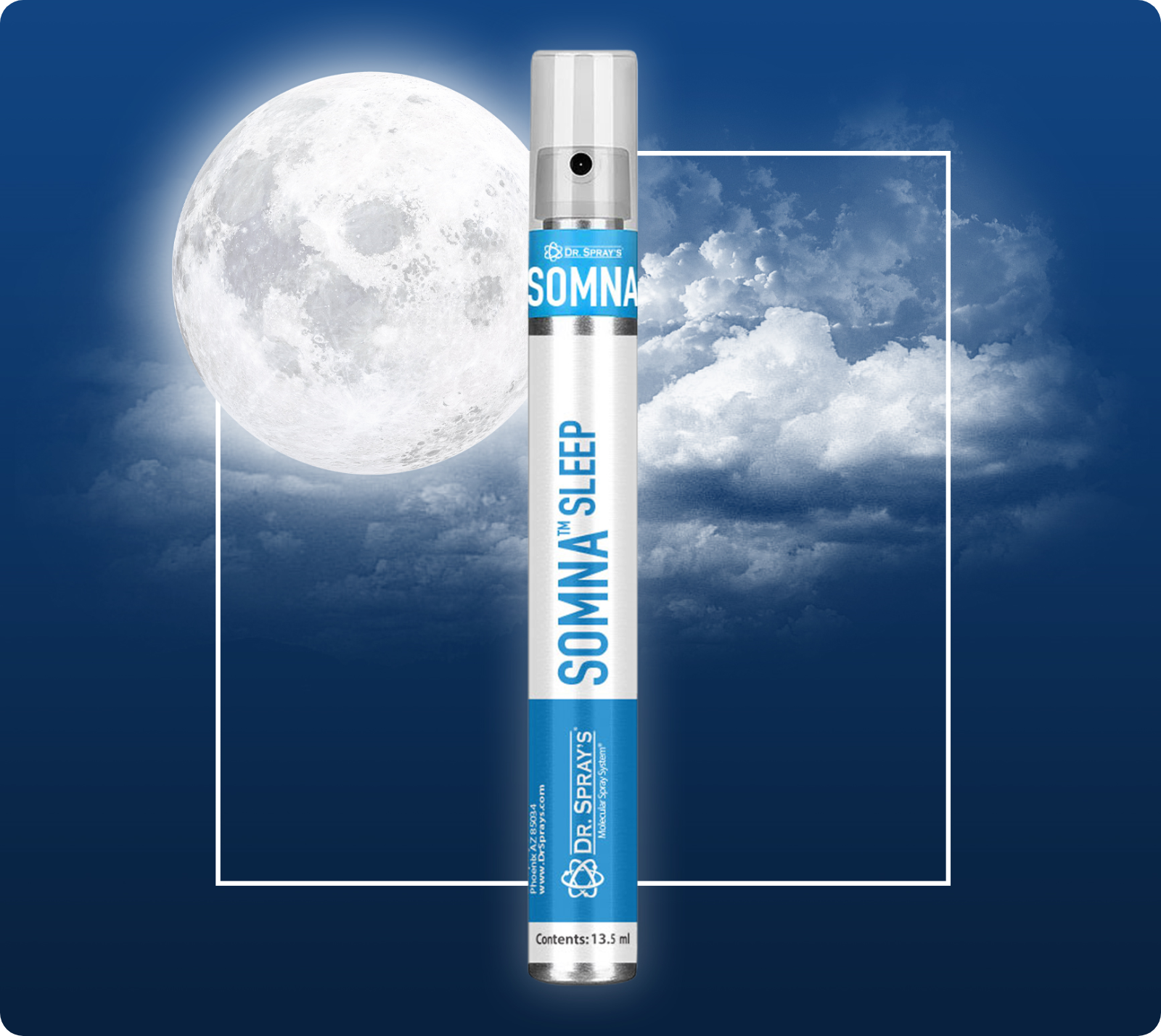
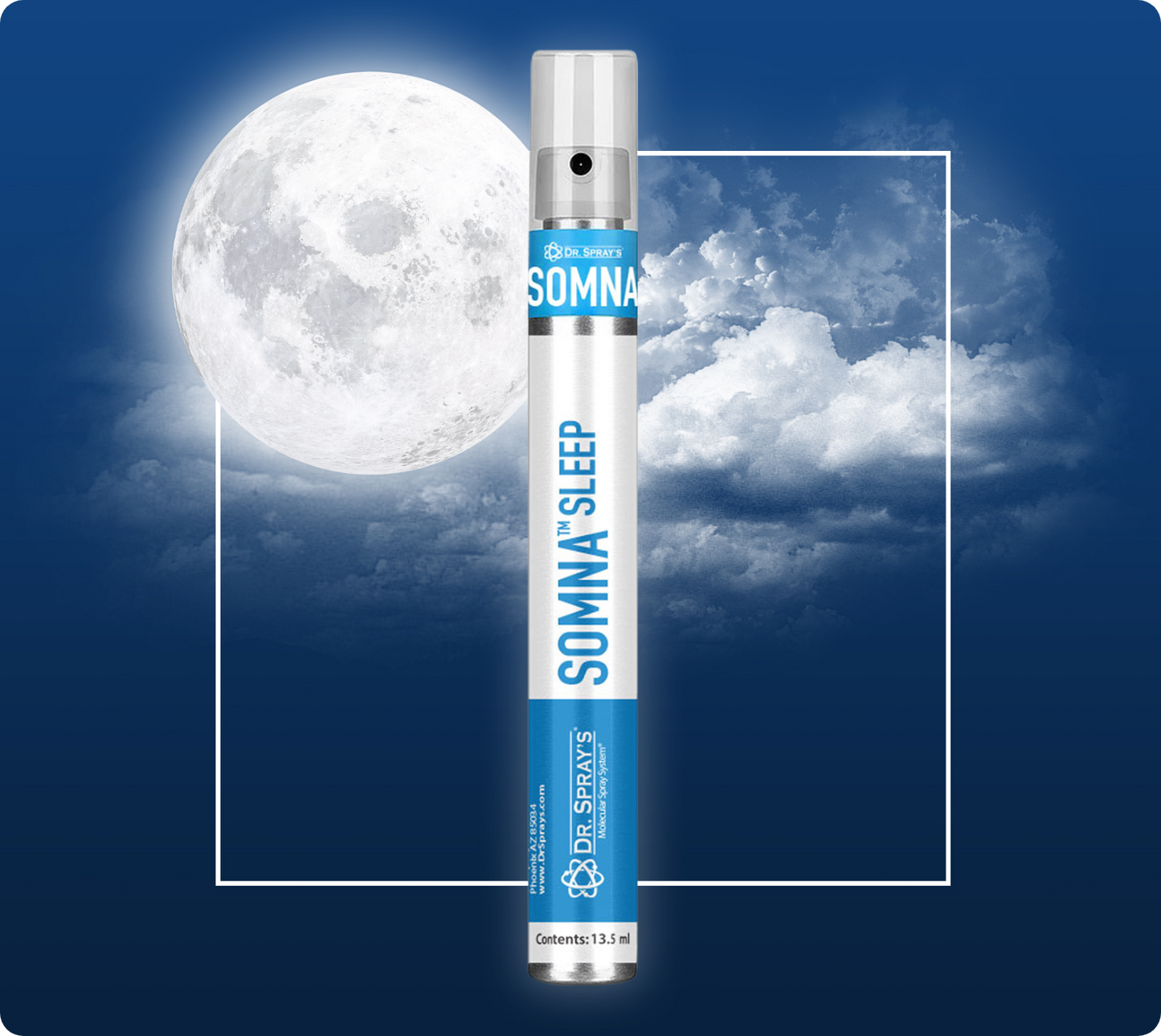
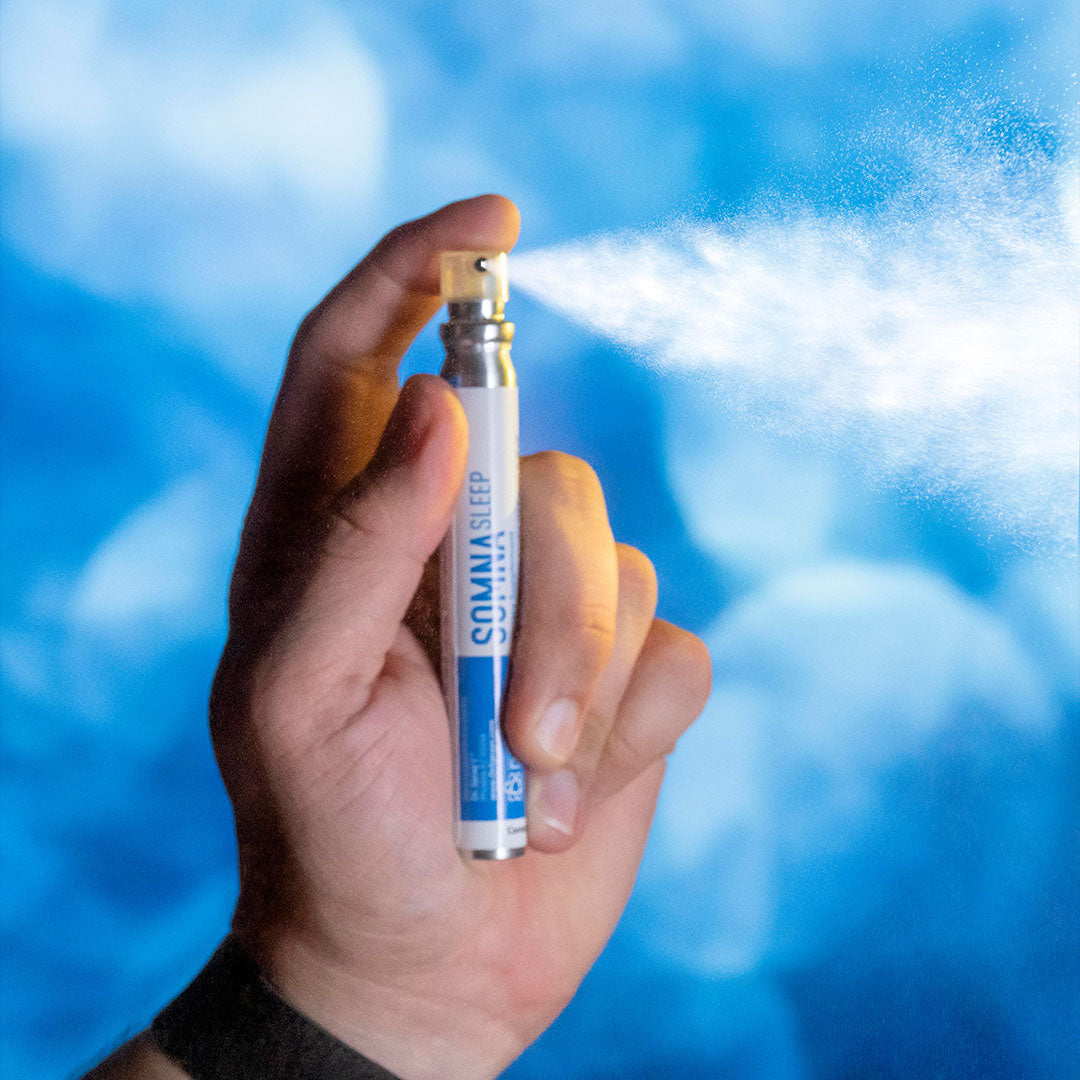
For teens who struggle with racing thoughts at bedtime, establishing a calming routine can make a significant difference. Some families find success with natural sleep support options like sleep sprays that contain melatonin and calming botanicals.
Optimize the Sleep Environment
The bedroom should be conducive to sleep. Key factors include:
- Temperature: Keep the room cool, ideally between 65-68°F
- Darkness: Use blackout curtains or eye masks to block light
- Quiet: Minimize noise with earplugs or white noise machines if needed
- Comfort: Ensure the mattress and pillows provide adequate support
- Purpose: The bedroom should be associated with sleep, not homework, eating, or screen time
Limit Screen Time Before Bed
Implement a "digital sunset" at least one hour before bedtime. This means no phones, tablets, computers, or television. If your teen must use devices for homework, consider blue light filtering glasses or apps that reduce blue light emission in the evening.
Charge devices outside the bedroom overnight to eliminate the temptation to check them during the night or first thing in the morning before adequate sleep is achieved.
Support Physical Activity
Regular exercise promotes better sleep, but timing matters. Encourage your teen to be physically active during the day, preferably in natural daylight. However, vigorous exercise should be avoided within 2-3 hours of bedtime, as it can be too stimulating.
Physical activity also supports overall health. Pairing regular exercise with proper nutrition, including nutrients like vitamin D3, which many teens are deficient in, especially during winter months, can enhance both sleep quality and daytime energy.
Monitor Caffeine Intake
Many teenagers consume caffeine through soda, energy drinks, coffee, and tea. Caffeine can remain in the system for 6-8 hours, so consumption should be limited to morning hours only. Ideally, teens should avoid caffeine altogether or limit intake to very small amounts.
The Connection Between Sleep and Nutrition
What teenagers eat and when they eat can significantly impact sleep quality. Understanding this connection helps parents support better sleep through dietary choices.
Nutrients That Support Sleep
Several vitamins and minerals play important roles in sleep regulation:
- Magnesium: Helps regulate neurotransmitters that promote relaxation and sleep
- Vitamin B12: Influences sleep-wake cycles and may improve sleep quality
- Vitamin D: Deficiency is linked to sleep disorders and poor sleep quality
- Zinc: Supports immune function and may improve sleep duration
- Vitamin C: Helps reduce sleep disturbances and supports overall health
For teenagers with dietary restrictions or picky eating habits, oral spray vitamins offer an efficient alternative to traditional pills. With absorption rates up to 90% compared to 10-20% for many tablets, vitamin sprays ensure teens receive the nutrients they need to support healthy sleep patterns and overall development.
Timing of Meals and Snacks
Large meals close to bedtime can interfere with sleep. Encourage your teen to eat dinner at least 2-3 hours before bed. If they're hungry before sleep, a light snack combining complex carbohydrates with protein (like whole grain crackers with cheese) can prevent hunger without causing discomfort.
Avoid sugary snacks before bed, as they can cause blood sugar spikes and crashes that disrupt sleep.
When to Seek Professional Help
Sometimes, sleep problems go beyond typical teenage sleep challenges and require professional intervention. Consider consulting a healthcare provider if your 14-year-old experiences:
- Persistent difficulty falling asleep despite good sleep hygiene (insomnia)
- Loud snoring, gasping, or pauses in breathing during sleep (possible sleep apnea)
- Excessive daytime sleepiness despite adequate nighttime sleep hours
- Frequent nightmares or sleep terrors
- Unusual movements or behaviors during sleep (parasomnias)
- Restless leg syndrome or uncomfortable sensations in the legs
- Depression or anxiety that interferes with sleep
Sleep disorders are treatable, but they require proper diagnosis and intervention from healthcare professionals specializing in sleep medicine.
The Long-Term Benefits of Healthy Sleep Habits
Establishing good sleep habits during adolescence creates a foundation for lifelong health. Teenagers who prioritize sleep experience numerous benefits:
Academic Success
Well-rested students demonstrate better focus, memory retention, and problem-solving abilities. They're more likely to participate in class, complete assignments thoughtfully, and perform well on tests.
Emotional Regulation
Adequate sleep helps teenagers manage emotions, cope with stress, and maintain stable moods. This contributes to better relationships with family and friends and reduced risk of depression and anxiety disorders.
Physical Health
Sufficient sleep supports immune function, healthy weight maintenance, and reduced risk of chronic conditions like diabetes and cardiovascular disease. It also supports athletic performance and recovery from physical activity.
Safety
Sleep-deprived teenagers are at higher risk for accidents, including car crashes if they're driving. Adequate sleep improves reaction time, decision-making, and overall alertness.
Creating a Family Sleep Culture
Supporting your 14-year-old's sleep needs works best when the whole family prioritizes healthy sleep habits. Lead by example by maintaining your own consistent sleep schedule and demonstrating good sleep hygiene.
Make sleep a family value rather than something that's sacrificed for productivity or entertainment. Discuss the importance of sleep openly and involve your teen in creating solutions to sleep challenges rather than simply imposing rules.
In Phoenix, Arizona, where our company DrSprays is based, we understand the challenges families face in maintaining healthy routines. The hot climate, active lifestyle, and busy schedules can all impact sleep patterns. Supporting your family's health through proper sleep, nutrition, and lifestyle habits creates the foundation for success.
Frequently Asked Questions
Can 14-year-olds function on 7 hours of sleep?
While some 14-year-olds may seem to function on 7 hours of sleep, this is generally insufficient for optimal health and development. Most teenagers need 8-10 hours for proper physical growth, brain development, and emotional regulation. Chronic sleep restriction, even by just one hour per night, accumulates into significant sleep debt that can affect academic performance, mood, and health.
Why does my 14-year-old want to sleep all day on weekends?
Excessive weekend sleeping, sometimes called "catch-up sleep," typically indicates your teen isn't getting enough sleep during the week. While sleeping in occasionally is normal, needing 12+ hours suggests accumulated sleep debt. The solution isn't weekend sleeping but earlier bedtimes during the school week to establish more consistent sleep patterns.
Is it normal for a 14-year-old to have trouble falling asleep at night?
Delayed sleep phase is common in teenagers due to biological changes in circadian rhythms. However, if your teen consistently can't fall asleep until very late despite being tired, or lies awake for more than 30 minutes regularly, this may indicate a sleep problem requiring intervention. Review sleep hygiene practices and consider consulting a healthcare provider if the problem persists.
Should I let my 14-year-old nap after school?
Short naps (20-30 minutes) in the early afternoon can be beneficial if your teen is extremely sleep-deprived. However, long naps or napping late in the day can interfere with nighttime sleep. If your teen needs to nap regularly, it's a sign they aren't getting adequate nighttime sleep, and the focus should be on improving their sleep schedule rather than relying on naps.
Do vitamin supplements help teenagers sleep better?
Certain nutrients support healthy sleep patterns, particularly if a teen is deficient. Magnesium, vitamin B12, and vitamin D all play roles in sleep regulation. However, supplements work best as part of a comprehensive approach that includes good sleep hygiene, consistent schedules, and a healthy lifestyle. Spray supplements can be particularly effective because of their high absorption rate, ensuring the body receives and utilizes the nutrients efficiently.
How long does it take to adjust to a new sleep schedule?
Adjusting to a new sleep schedule typically takes 1-2 weeks of consistent practice. Gradual changes work better than sudden shifts—try moving bedtime earlier by 15-30 minutes every few days until reaching the target time. Consistency is key; the body's internal clock responds to regular patterns, so maintaining the schedule even on weekends helps solidify the new routine.
Can blue light glasses help my teen sleep better?
Blue light filtering glasses can help reduce the sleep-disrupting effects of screen time, particularly in the evening hours. However, they're not a complete solution. The content being consumed (exciting videos, stressful social media interactions) and the cognitive engagement of screen use can also interfere with sleep. Blue light glasses work best as one component of a broader strategy that includes limiting screen time before bed.
Are sleep aids safe for 14-year-olds?
Sleep aids should only be used under medical supervision. While some natural options like melatonin may be appropriate for short-term use or specific situations (like jet lag), they shouldn't replace good sleep habits. Always consult with a healthcare provider before giving your teen any sleep aid, even over-the-counter or natural products. Addressing underlying causes of poor sleep is more effective and safer than relying on medications.
Supporting Your Teen's Sleep Journey
Ensuring your 14-year-old gets adequate sleep is one of the most important things you can do for their health, development, and success. The recommended 8-10 hours per night isn't excessive; it's essential for their growing bodies and developing brains.
By implementing consistent sleep schedules, creating supportive environments, limiting screen time, and addressing sleep obstacles proactively, you help your teenager build habits that will benefit them throughout their lives. Remember that sleep needs are individual—some teens thrive on 8 hours while others need closer to 10. Pay attention to your teen's mood, energy levels, and performance to gauge whether they're getting adequate rest.
Supporting sleep with proper nutrition also makes a difference. When teenagers receive adequate vitamins and minerals, their bodies function more efficiently, including their sleep-wake cycles. At DrSprays, we've developed oral spray vitamins specifically to address absorption challenges common with traditional pills, ensuring teenagers get the nutritional support they need during these critical developmental years.
Quality sleep during adolescence isn't a luxury—it's a biological necessity. By prioritizing your 14-year-old's sleep needs now, you're investing in their immediate well-being and long-term health.
Support Your Teen's Health with DrSprays
Proper nutrition works hand-in-hand with adequate sleep to support your teenager's growth and development. Our doctor-developed vitamin sprays are formulated in our FDA-registered, GMP-certified facility in Phoenix, Arizona, with an industry-leading 90% absorption rate.
Popular products for teenagers include:
- Multivitamin Spray - Complete daily nutrition in a convenient spray
- Vitamin B12 Spray - Supports energy and cognitive function
- Vitamin D3 Spray - Essential for bone health and immune support
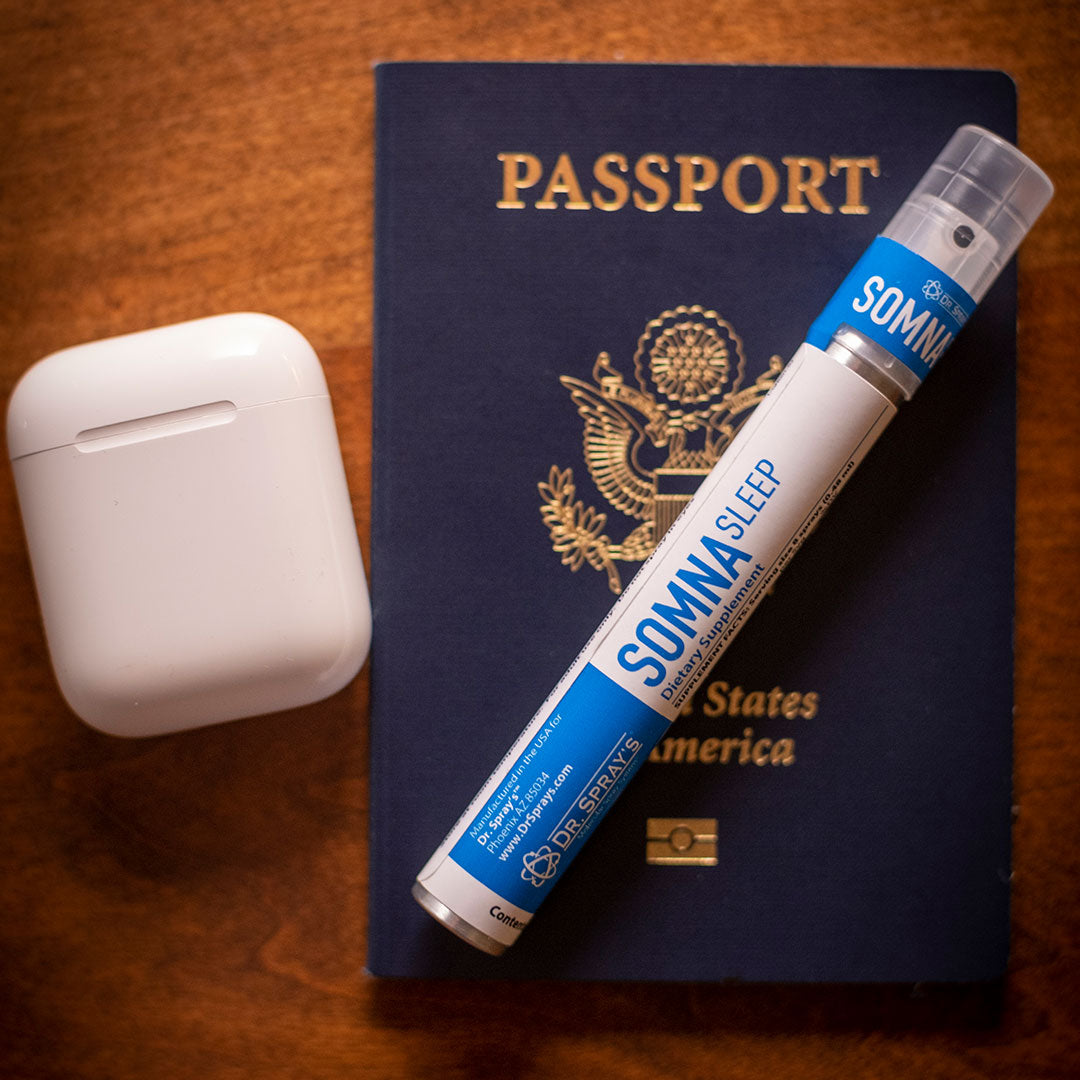
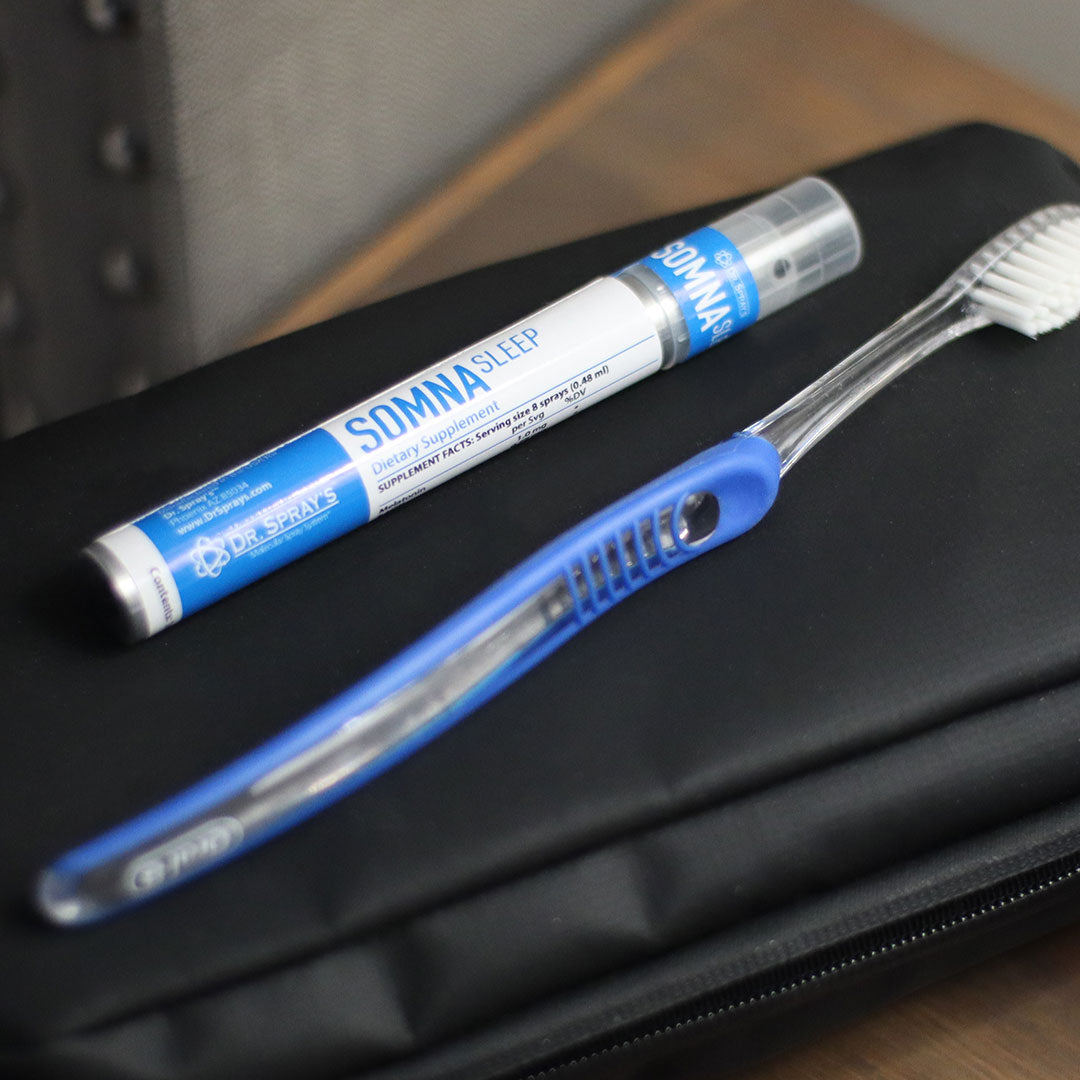
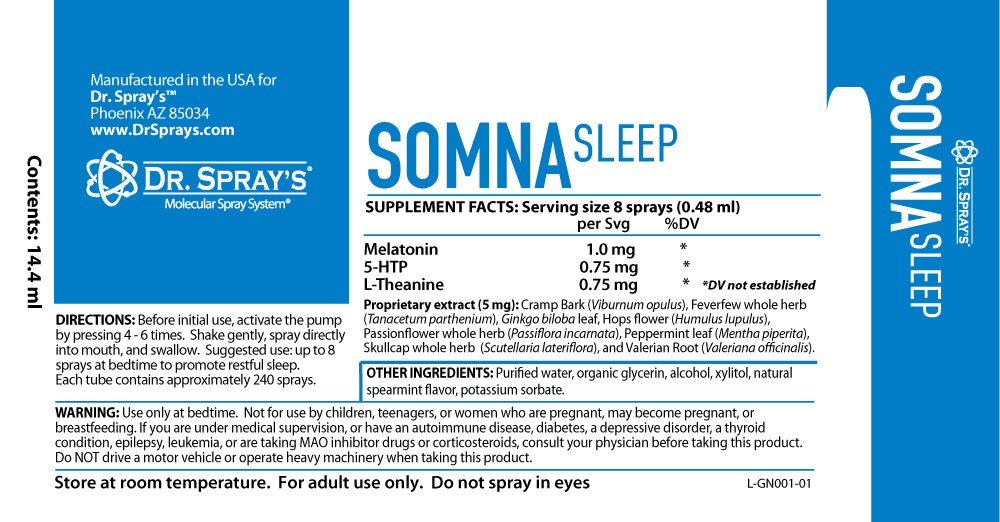
- Sleep Support Spray - Natural melatonin formula for healthy sleep patterns