As parents navigate the challenges of raising a four-year-old, one question consistently emerges: how much sleep does my child really need? Understanding sleep requirements for preschoolers is essential not only for their immediate well-being but also for establishing healthy patterns that support cognitive development, emotional regulation, and physical growth.
According to the American Academy of Sleep Medicine and the National Sleep Foundation, four-year-olds typically require between 10 to 13 hours of sleep within a 24-hour period. This range accounts for individual variations in temperament, activity levels, and developmental needs. While some children may thrive on 10 hours, others genuinely need closer to 13 hours to function optimally.
The Science Behind Preschooler Sleep Needs
Sleep isn't simply downtime for young bodies—it's when critical developmental processes occur. During deep sleep phases, the brain consolidates memories from daily learning experiences, processes emotional events, and strengthens neural connections that support language acquisition and problem-solving skills.
Growth hormone is predominantly secreted during sleep, making adequate rest essential for physical development. Additionally, the immune system performs vital maintenance and strengthening functions during sleep hours, which explains why well-rested children often demonstrate better resistance to common illnesses.
What Happens During Sleep Stages
Four-year-olds cycle through multiple sleep stages throughout the night, including light sleep, deep sleep, and REM (rapid eye movement) sleep. Each complete cycle lasts approximately 90 minutes, and children typically experience 6-8 cycles per night when getting sufficient sleep.
REM sleep, often called "dream sleep," plays a particularly important role in emotional processing and memory consolidation. Children spend proportionally more time in REM sleep than adults, reflecting their brains' intensive learning and development activities.
Signs Your Four-Year-Old Isn't Getting Enough Sleep
Sleep deprivation in preschoolers doesn't always manifest as obvious tiredness. Instead, parents may notice behavioral changes that seem unrelated to sleep:
- Increased emotional volatility: Frequent meltdowns, heightened sensitivity, or difficulty managing frustration
- Hyperactivity or restlessness: Paradoxically, overtired children often become more active rather than sluggish
- Difficulty concentrating: Shortened attention span during activities they normally enjoy
- Increased clumsiness: More frequent falls, bumps, or coordination difficulties
- Resistance to transitions: Greater difficulty moving between activities or following routines
- Changes in appetite: Either increased cravings for sugary foods or reduced interest in meals
- Falling asleep in the car: Immediately dozing off during short trips suggests sleep debt
If your child consistently displays these symptoms despite seemingly adequate nighttime sleep, they may need either longer sleep duration or better sleep quality.
Creating an Optimal Sleep Schedule for Four-Year-Olds
Consistency forms the foundation of healthy sleep patterns. The human body operates on circadian rhythms—internal biological clocks that regulate sleep-wake cycles, hormone production, and numerous physiological processes. These rhythms thrive on predictability.
Establishing Appropriate Bedtimes
For a four-year-old who needs to wake at 7:00 AM, bedtime should typically fall between 7:00 PM and 8:00 PM, allowing for 11-12 hours of sleep opportunity. Some children this age still benefit from brief afternoon naps, which may shift bedtime slightly later, around 8:30 PM.
The key is observing your individual child. If they consistently wake refreshed, maintain stable moods throughout the day, and don't show signs of sleep deprivation, their current schedule likely meets their needs.
The Nap Transition
Many four-year-olds are transitioning away from daily naps, though some still benefit from them. This transition period can be challenging for parents to navigate. Signs your child may be ready to drop naps include:
- Taking longer than 30 minutes to fall asleep at naptime
- Napping pushes bedtime significantly later
- Refusing naps several days per week without showing fatigue
- Maintaining good behavior and energy levels on no-nap days
During this transition, consider implementing "quiet time" instead of forcing naps. Allow your child to rest in their room with books or quiet activities for 30-60 minutes. This provides physical rest and downtime without the pressure of sleep, and some children will naturally doze off when truly tired.
Building an Effective Bedtime Routine
A consistent bedtime routine signals the body that sleep is approaching, triggering the release of melatonin, the hormone that promotes sleepiness. For four-year-olds, an effective routine typically lasts 30-45 minutes and includes calming activities.
Sample Bedtime Routine Structure
An evidence-based bedtime routine might include:
- Warning and transition (7:00 PM): Give a 10-minute warning before starting the routine, allowing your child to finish their current activity
- Bath or wash-up (7:10 PM): Warm water helps lower body temperature afterward, promoting sleepiness
- Pajamas and bathroom (7:25 PM): Include teeth brushing and final bathroom visit
- Quiet activity (7:35 PM): Reading books together, gentle stretching, or quiet conversation
- Lights out (8:00 PM): Brief goodnight ritual, then leave the room while your child is drowsy but still awake
The specific activities matter less than the consistency and calming progression. Avoid screen time, roughhousing, or stimulating activities during this window.
Sleep Environment Optimization
The physical sleep environment significantly impacts sleep quality. Creating ideal conditions helps four-year-olds fall asleep faster and maintain deeper, more restorative sleep throughout the night.
Key Environmental Factors
Temperature: The optimal bedroom temperature for sleep falls between 65-70°F (18-21°C). Children sleep more soundly in slightly cool environments, though individual preferences vary.
Darkness: Light exposure suppresses melatonin production. Use blackout curtains or shades to eliminate external light sources. A small, dim nightlight positioned low and away from the bed is acceptable if your child fears complete darkness.
Noise control: While some children sleep through anything, others are sensitive to household sounds. White noise machines can mask disruptive sounds and create consistent auditory conditions throughout the night.
Comfortable bedding: Ensure appropriate pajamas for the season, comfortable mattress firmness, and bedding that doesn't cause overheating. Many children this age still prefer the security of a special blanket or stuffed animal.
Nutrition's Role in Quality Sleep
What children eat—and when—directly affects their ability to fall asleep and maintain restful sleep. Several nutritional factors deserve particular attention for four-year-olds:
Nutrient Deficiencies That Impact Sleep
Vitamin D: Often called the "sunshine vitamin," vitamin D plays crucial roles in sleep regulation. Research indicates that vitamin D deficiency correlates with sleep disorders, poor sleep quality, and reduced sleep duration in children. Since many children don't get adequate sun exposure or dietary vitamin D, supplementation may help support healthy sleep patterns.
B Vitamins: The B vitamin complex, particularly B12, B6, and folate, contributes to the production of neurotransmitters that regulate sleep-wake cycles. B12 specifically influences melatonin production and circadian rhythm regulation. Deficiency in these vitamins may manifest as sleep difficulties.
Magnesium: This mineral supports nervous system function and muscle relaxation, both important for initiating and maintaining sleep. Magnesium helps regulate melatonin and supports the transition between sleep stages.
Timing of Meals and Snacks
Heavy meals close to bedtime can interfere with sleep as the digestive system works to process food. Aim to complete dinner at least 2-3 hours before bedtime. If your child needs an evening snack, choose options that support sleep rather than hinder it:
- Small portions of whole grain crackers with cheese
- Banana with a small amount of nut butter
- Warm milk (dairy or fortified alternative)
- Small bowl of oatmeal
These foods contain tryptophan, complex carbohydrates, or calcium—nutrients that support serotonin and melatonin production.
Supporting Sleep Through Supplementation
When dietary intake falls short or absorption issues exist, targeted supplementation can help fill nutritional gaps that impact sleep quality. Oral spray vitamins offer distinct advantages for children, particularly regarding absorption and ease of administration.
Why Absorption Matters for Sleep Support
Traditional pill-form supplements must pass through the digestive system, where various factors can reduce absorption efficiency—stomach acid, digestive enzymes, food interactions, and individual gut health variations. This means children may receive only a fraction of the stated vitamin content.
Vitamin spray supplements utilize sublingual and buccal absorption, delivering nutrients directly through the mucous membranes in the mouth. This method bypasses first-pass metabolism in the liver and digestive breakdown, resulting in significantly higher bioavailability. Research suggests absorption rates can reach up to 90% with properly formulated oral sprays compared to 10-20% for some pill supplements.
Key Nutrients for Sleep Support
Vitamin D3: A vitamin D3 spray provides a convenient way to ensure adequate levels of this crucial nutrient. The spray format is particularly beneficial for children who struggle with pills, and the enhanced absorption helps maintain optimal vitamin D status year-round, supporting both immune function and healthy sleep patterns.
B Complex Vitamins: A comprehensive vitamin B12 spray can help address deficiencies that affect sleep regulation. B vitamins work synergistically to support nervous system function, energy metabolism during waking hours, and proper melatonin production at night. The spray delivery ensures these water-soluble vitamins are efficiently absorbed rather than passing through the digestive system before full utilization.
Specialized Sleep Support
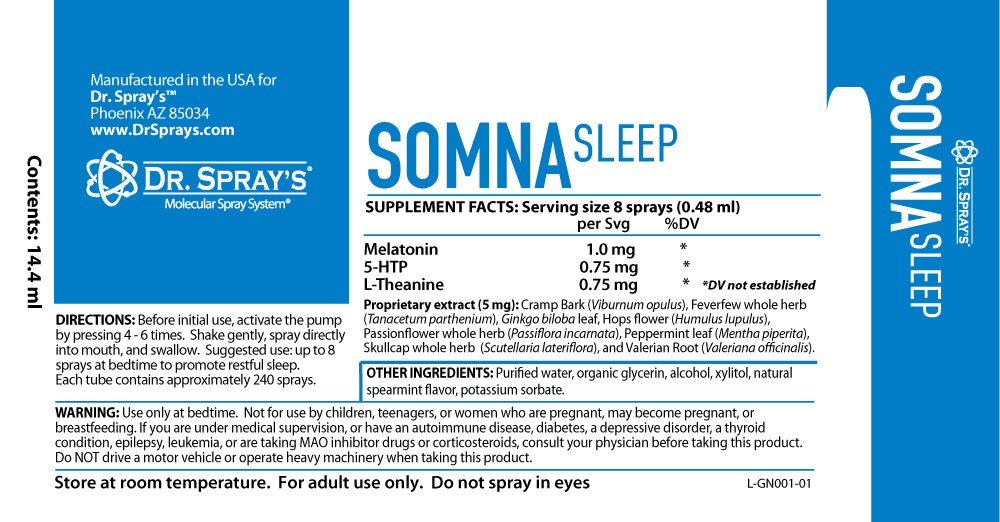
For children experiencing persistent sleep difficulties despite proper sleep hygiene, specialized formulations may provide additional support. Sleep support supplements that combine melatonin with complementary nutrients like magnesium, B6, and calming botanicals can help reset disrupted sleep patterns. The spray format allows for precise dosing and quick absorption, making it ideal for bedtime use.
When considering sleep supplements for children, always consult with a pediatrician first to rule out underlying medical conditions and ensure appropriate dosing for your child's age and weight.
Common Sleep Challenges at Age Four
Even with optimal schedules and environments, four-year-olds may experience specific sleep disruptions related to their developmental stage.
Nightmares and Night Terrors
Nightmares occur during REM sleep and are common at this age as children's imaginations develop rapidly. Children typically wake from nightmares and can remember scary dream content. Comfort your child, provide reassurance that dreams aren't real, and help them return to sleep.
Night terrors differ significantly—they occur during deep non-REM sleep, usually 1-3 hours after falling asleep. Children experiencing night terrors appear awake and terrified but are actually still sleeping and won't remember the episode. These typically resolve on their own; avoid waking the child and simply ensure they're safe until the episode passes.
Bedtime Resistance and Stalling
Four-year-olds often develop sophisticated stalling tactics—requests for water, additional bathroom trips, "one more" book or song, or concerns that suddenly arise only at bedtime. While some flexibility is appropriate, clear boundaries help prevent bedtime from extending indefinitely.
Address predictable needs before the bedtime routine begins, then maintain consistency about routine limits. When children test boundaries, calmly return them to bed with minimal engagement, avoiding lengthy explanations that provide the attention they're seeking.
Early Morning Wakings
Some four-year-olds wake very early, around 5:00-5:30 AM, ready to start the day. If your child seems rested and functions well, they may simply be natural early risers. However, if they appear tired or the early wake time disrupts family functioning, several strategies may help:
- Use blackout curtains to prevent early morning light from triggering wakefulness
- Ensure the bedroom remains cool throughout the morning
- Implement a "rise time" using a toddler clock that signals when it's acceptable to get up
- Evaluate bedtime—too early can result in split nights or early waking
- Check for hunger—a protein-rich bedtime snack may help some children sleep later
When to Consult a Healthcare Provider
Most sleep challenges in four-year-olds resolve with consistent routines and appropriate sleep hygiene. However, certain symptoms warrant professional evaluation:
- Loud snoring, gasping, or breathing pauses during sleep (possible sleep apnea)
- Extreme difficulty falling asleep taking more than an hour despite appropriate bedtime
- Frequent night wakings (more than 2-3 times nightly) persisting beyond several weeks
- Persistent daytime sleepiness despite adequate nighttime sleep opportunity
- Unusual nighttime behaviors like sleepwalking or sleep talking that increase in frequency
- Sleep difficulties accompanied by developmental concerns or behavioral changes
Pediatricians can evaluate for underlying medical conditions, refer to sleep specialists when appropriate, and provide personalized guidance based on your child's specific situation.
The Long-Term Impact of Healthy Sleep Habits
Establishing solid sleep foundations during the preschool years extends benefits far beyond childhood. Research consistently demonstrates that children who maintain healthy sleep patterns show better academic performance, improved emotional regulation, healthier weight management, and reduced risk for behavioral problems as they grow.
Sleep patterns established in early childhood often persist into later years, making the investment in healthy sleep habits during the preschool period particularly valuable. Children who learn to prioritize sleep, recognize their body's tiredness signals, and associate bedtime with calm and safety are more likely to maintain these patterns through adolescence and adulthood.
Practical Implementation: Getting Started Tonight
If your four-year-old's current sleep situation needs improvement, avoid trying to change everything simultaneously. Gradual implementation increases the likelihood of lasting success.
Week One: Focus exclusively on establishing a consistent bedtime and wake time, even on weekends. This single change often produces noticeable improvements as circadian rhythms stabilize.
Week Two: Implement a calming bedtime routine, keeping the sequence and timing consistent each night. Address any nutritional deficiencies that might be impacting sleep quality.
Week Three: Optimize the sleep environment—adjust temperature, lighting, and noise levels. Remove electronic devices and stimulating toys from the bedroom.
Week Four and Beyond: Fine-tune based on your child's response. If sleep challenges persist despite consistent implementation, consider whether supplementation might address underlying nutritional gaps, and consult your pediatrician for additional guidance.
Frequently Asked Questions
Should my four-year-old still be napping?
Some four-year-olds still benefit from naps while others have outgrown them. If your child falls asleep easily at naptime, wakes refreshed, and still goes to bed at an appropriate hour, naps remain beneficial. However, if naps push bedtime too late or your child resists napping several days per week without showing signs of overtiredness, they may be ready to transition to quiet time instead.
What if my child consistently wakes at night?
Brief awakenings between sleep cycles are normal; problems arise when children can't self-soothe back to sleep. Ensure your child falls asleep independently at bedtime (not while being held, fed, or in your presence) so they can use the same methods during night wakings. If night wakings persist and your child seems distressed or has difficulty returning to sleep, consult your pediatrician to rule out medical causes like sleep apnea or restless leg syndrome.
How do I handle early morning wakings?
First, ensure your child is getting enough total sleep—sometimes early waking indicates bedtime is too early. Use blackout curtains to prevent early light exposure, maintain a cool bedroom temperature, and consider a toddler clock that signals acceptable wake time. If your child wakes early but stays quietly in their room until the designated time, this is often the best realistic outcome for natural early risers.
Can vitamin deficiencies really affect my child's sleep?
Yes, several nutrient deficiencies directly impact sleep quality and duration. Vitamin D deficiency has been linked to sleep disorders and reduced sleep quality in children. B vitamins, particularly B12, influence melatonin production and circadian rhythm regulation. Magnesium supports nervous system function and muscle relaxation needed for restful sleep. Addressing deficiencies through diet and supplementation when necessary can significantly improve sleep patterns.
Are spray vitamins more effective than pills for children?
Spray supplements offer several advantages for children. They're easier to administer than pills, have higher absorption rates due to sublingual and buccal delivery (bypassing digestive breakdown), and allow for precise dosing adjustments. Research indicates absorption rates can reach 90% with oral sprays compared to 10-20% for some traditional supplements. This makes them particularly effective for addressing nutritional deficiencies that impact sleep.
What should I do if bedtime battles are constant?
Bedtime resistance often stems from insufficient daytime connection, overtiredness, or inconsistent boundaries. Ensure your child receives focused attention during the day, stick to consistent routines and expectations, and address all predictable needs (bathroom, water, special toy) before beginning the bedtime routine. Set clear limits about "curtain calls" and follow through calmly. If resistance continues despite consistency, evaluate whether bedtime is appropriate for your child's actual sleep needs.
How does screen time affect my four-year-old's sleep?
Screen exposure, particularly in the evening, suppresses melatonin production due to blue light emission. This makes falling asleep more difficult and can reduce overall sleep quality. The American Academy of Pediatrics recommends avoiding screen time for at least one hour before bedtime. Content matters too—stimulating or frightening programs can increase bedtime anxiety and nightmares. Establish screen-free bedtime routines for best results.
Is it normal for sleep needs to vary from day to day?
While individual children have baseline sleep requirements, some variation is normal based on activity levels, developmental leaps, or minor illness. However, significant day-to-day variability may indicate insufficient consistency in sleep schedules. The body's circadian rhythm functions best with predictable patterns. If your child sleeps 10 hours one night and 13 the next, they may be accumulating sleep debt and then compensating.
About the Author
This article was developed by the research team at DrSprays, a physician-developed vitamin spray company based in Phoenix, Arizona. Our formulations are created in an FDA-registered, GMP-certified facility with a focus on maximum bioavailability and ease of use for families. We combine scientific research with practical application to help families support optimal health through proper nutrition and supplementation.
Supporting Your Child's Sleep Journey
Ensuring your four-year-old gets adequate, quality sleep requires attention to multiple factors—consistent schedules, calming routines, optimized environments, and proper nutrition. While most children thrive with basic sleep hygiene practices, some benefit from additional support addressing nutritional gaps that impact sleep quality.
Remember that every child is unique. What works perfectly for one four-year-old may need adjustment for another. Pay attention to your child's individual cues, maintain consistency with whatever approach you choose, and be patient as new habits develop. The effort invested in healthy sleep during these formative years provides benefits that extend throughout your child's life.
Ready to support your child's sleep with optimal nutrition? Explore DrSprays' complete line of vitamin spray supplements, formulated for maximum absorption and convenience. Our Vitamin D3 spray and B12 spray provide essential nutrients that support healthy sleep patterns, while our specialized Sleep spray offers targeted support when needed. All products are developed by physicians and manufactured in our FDA-registered, GMP-certified facility in Phoenix, Arizona. Shop now and experience the DrSprays difference.