If you're a parent of an 8-year-old, you've probably witnessed the dramatic difference between a well-rested child and one who hasn't gotten enough sleep. Understanding exactly how much sleep your child needs isn't just about avoiding morning grumpiness—it's fundamental to their physical health, cognitive development, and emotional well-being.
The Science-Backed Answer: 9-12 Hours for 8-Year-Olds
According to the American Academy of Sleep Medicine and the American Academy of Pediatrics, children aged 6-12 years should sleep 9 to 12 hours per 24-hour period on a regular basis to promote optimal health. For most 8-year-olds, this translates to a bedtime between 7:30 PM and 9:00 PM if they need to wake up for school around 6:30 AM to 7:00 AM.
This recommendation is based on extensive research examining the relationship between sleep duration and health outcomes in school-age children. Studies consistently show that children who meet these sleep guidelines experience better attention spans, behavior, learning capabilities, memory retention, emotional regulation, and overall quality of life.
Why the Range? Individual Sleep Needs Vary
The 9-12 hour range exists because children, like adults, have individual sleep requirements influenced by genetics, activity levels, overall health, and developmental factors. Some 8-year-olds function optimally on 9 hours, while others genuinely need closer to 11 or 12 hours to feel their best.
Pay attention to these signs that your child is getting adequate sleep:
- Wakes up naturally without an alarm or with minimal prompting
- Demonstrates good energy throughout the day without afternoon crashes
- Maintains positive mood and emotional regulation
- Performs well in school with good concentration
- Falls asleep within 15-30 minutes of bedtime
What Happens When 8-Year-Olds Don't Get Enough Sleep?
Sleep deprivation in children creates a cascade of negative effects that impact nearly every aspect of their development. Unlike adults who primarily experience fatigue, children often display hyperactivity, impulsivity, and behavioral problems when sleep-deprived—symptoms that can be mistaken for ADHD or other behavioral disorders.
Cognitive and Academic Consequences
Sleep plays a critical role in memory consolidation. During deep sleep stages, the brain processes and stores information learned during the day. When children consistently miss out on adequate sleep, their ability to retain new information, solve problems, and think creatively becomes significantly impaired.
Research published in the journal Sleep found that children who regularly sleep fewer than 9 hours per night score lower on tests measuring executive function, attention, and memory compared to peers who meet sleep recommendations. Even a deficit of just 30-60 minutes per night can accumulate to create noticeable academic struggles.
Physical Health Impacts
Sleep deprivation affects multiple body systems in growing children. Insufficient sleep has been linked to:
- Weakened immune function: Sleep is when the body produces cytokines, proteins that fight infection and inflammation. Children who don't sleep enough get sick more frequently and take longer to recover.
- Increased obesity risk: Poor sleep disrupts hormones that regulate hunger and appetite, particularly ghrelin and leptin, leading to increased cravings for high-calorie foods.
- Growth concerns: Growth hormone is primarily secreted during deep sleep. Chronic sleep deprivation can potentially impact normal growth patterns.
- Metabolic issues: Inadequate sleep affects how the body processes glucose, potentially increasing risk for insulin resistance and type 2 diabetes later in life.
Supporting your child's overall health requires a comprehensive approach. While establishing good sleep habits is foundational, ensuring proper nutrition is equally important. Many parents in Phoenix, Arizona and beyond find that oral spray vitamins provide an easy way to fill nutritional gaps, especially for picky eaters or children with busy schedules.
Emotional and Behavioral Effects
The prefrontal cortex—the brain region responsible for emotional regulation, impulse control, and decision-making—is particularly vulnerable to sleep deprivation. This explains why tired 8-year-olds often experience:
- Increased irritability and mood swings
- Difficulty managing frustration
- More frequent meltdowns or tantrums
- Reduced cooperation and increased defiance
- Heightened anxiety or worry
- Social difficulties with peers
Creating the Perfect Sleep Environment for Your 8-Year-Old
The bedroom environment significantly influences sleep quality. Children are particularly sensitive to environmental factors that can either promote or disrupt restful sleep.
Optimize the Physical Space
Transform your child's bedroom into a sleep sanctuary by addressing these key elements:
Temperature: The ideal bedroom temperature for sleep ranges between 65-68°F (18-20°C). In Phoenix, Arizona, where summer temperatures can be extreme, ensuring adequate cooling is especially important. A room that's too warm can significantly disrupt sleep cycles and prevent deep, restorative sleep.
Darkness: Light suppresses melatonin production, the hormone that signals the body it's time to sleep. Install blackout curtains or shades to block outdoor light from streetlamps or early morning sun. Even small amounts of light from electronic devices, alarm clocks, or nightlights can interfere with sleep quality.
Noise control: While complete silence isn't necessary, sudden or irregular noises can fragment sleep. White noise machines can mask disruptive sounds and create a consistent auditory environment conducive to sleep.
Comfortable bedding: Invest in a quality mattress appropriate for your child's size and weight. Replace pillows that have lost their support, and choose breathable, natural fiber sheets that help regulate body temperature.
Remove Sleep Disruptors
The bedroom should be reserved for sleep, not stimulating activities. Remove or relocate:
- Televisions, tablets, and gaming devices
- Bright, stimulating toys
- Homework stations (if possible, designate another area for schoolwork)
- Clutter that creates visual stimulation or stress
Establishing an Effective Bedtime Routine
Consistency is perhaps the most powerful tool for improving your child's sleep. A predictable bedtime routine signals the brain and body that sleep is approaching, triggering the natural physiological changes that prepare us for rest.
The Ideal Bedtime Routine Timeline
Begin the wind-down process 60-90 minutes before the target sleep time. Here's a proven sequence:
60-90 minutes before bed: End screen time completely. The blue light emitted by electronic devices suppresses melatonin production and stimulates the brain, making it harder to fall asleep. Some families find it helpful to have a central charging station where all devices are placed for the night.
45-60 minutes before bed: Begin quieter activities like reading, puzzles, coloring, or listening to calm music. This is also an ideal time for any evening supplements. For children who need additional nutritional support, vitamin D3 spray can be administered as part of the routine, as vitamin D plays a role in sleep regulation.
30-45 minutes before bed: Start the hygiene routine—bathing, brushing teeth, using the bathroom. A warm bath can be particularly effective as the subsequent drop in body temperature helps trigger sleepiness.
15-30 minutes before bed: Engage in calm, connecting activities like reading together, quiet conversation about the day, or gentle stretching. This bonding time reinforces security and reduces anxiety that might interfere with sleep.
At bedtime: Tuck your child in, offer final reassurances, and leave the room while they're still awake but drowsy. This helps them develop the ability to fall asleep independently—an important skill that also helps them return to sleep if they wake during the night.
Managing Bedtime Resistance
Many 8-year-olds push back against bedtime, especially as they become more aware of interesting activities happening in the household. Address resistance with empathy but firmness:
- Acknowledge their feelings: "I know you want to stay up, and it's hard to go to bed when you're having fun."
- Maintain boundaries: "Your body needs sleep to grow strong and help you do well in school tomorrow."
- Offer limited choices: "Would you like to read two short books or one longer book tonight?"
- Use natural consequences: If morning wake-ups are difficult, connect this to the previous night's bedtime
Nutrition's Role in Quality Sleep
What your child eats—and when they eat it—significantly impacts sleep quality. Certain nutrients directly support the production of sleep-regulating hormones and neurotransmitters.
Sleep-Supporting Nutrients
Magnesium: Often called "nature's relaxation mineral," magnesium helps activate the parasympathetic nervous system responsible for promoting calm and relaxation. It also regulates melatonin production. Good food sources include leafy greens, nuts, seeds, and whole grains.
B Vitamins: B vitamins, particularly B6 and B12, play crucial roles in producing serotonin and melatonin. Many children don't get adequate B12 from diet alone, especially if they're picky eaters. Vitamin B12 spray offers a convenient delivery method with higher absorption rates than traditional pills—particularly important for supporting healthy sleep-wake cycles.
Vitamin D: Research increasingly shows the connection between vitamin D deficiency and sleep problems. Vitamin D receptors are present in brain regions that control sleep, and the vitamin influences the production of sleep-regulating hormones. Children who spend most of their time indoors or live in areas with significant sun exposure variation may benefit from supplementation.
Zinc: This mineral plays a role in neurotransmitter function and has been shown to influence sleep duration and quality. Zinc deficiency has been associated with sleep disturbances in children.
Timing Meals and Snacks
When your child eats matters as much as what they eat:
- Serve dinner at least 2-3 hours before bedtime to allow for digestion
- Avoid large, heavy meals close to bedtime which can cause discomfort and disrupted sleep
- If a bedtime snack is needed, choose combinations of complex carbohydrates and protein (whole grain crackers with cheese, banana with almond butter) that promote steady blood sugar through the night
- Limit fluids in the hour before bed to reduce nighttime bathroom trips
- Avoid caffeine completely—it can hide in unexpected places like chocolate, certain sodas, and some medications
For families seeking convenient ways to ensure their children receive essential nutrients, spray supplements developed by physicians offer a practical solution. These products provide high absorption rates without the challenge of swallowing pills or the sugar content often found in gummy vitamins.
Physical Activity and Sleep Connection
Regular physical activity is one of the most effective natural sleep promoters for children. Studies show that children who engage in at least 60 minutes of moderate to vigorous physical activity daily fall asleep faster and experience higher quality sleep than their less active peers.
Exercise impacts sleep through multiple mechanisms:
- Increases adenosine accumulation in the brain, promoting sleep pressure
- Helps regulate circadian rhythms when performed at consistent times
- Reduces stress and anxiety that can interfere with sleep
- Increases time spent in deep sleep stages
- Promotes physical tiredness that complements mental fatigue
Timing Exercise for Optimal Sleep
While physical activity benefits sleep, timing matters. Vigorous exercise too close to bedtime can be stimulating and make it harder to fall asleep. Aim for:
- Morning or early afternoon for intense activities like sports practice
- At least 3-4 hours between vigorous exercise and bedtime
- Gentle activities like family walks, stretching, or yoga can be done closer to bedtime
Addressing Common Sleep Problems in 8-Year-Olds
Even with excellent sleep hygiene, some children experience persistent sleep difficulties that require additional attention.
Difficulty Falling Asleep
If your child regularly takes more than 30-45 minutes to fall asleep, consider:
- Moving bedtime 15-30 minutes later to better match their natural sleep drive
- Evaluating anxiety or stress that might be keeping them mentally active
- Teaching relaxation techniques like progressive muscle relaxation or visualization
- Checking for environmental issues like noise, light, or temperature
- Ensuring they're getting enough physical activity during the day
Night Wakings
Brief awakenings during the night are normal—everyone experiences them. The issue arises when children can't return to sleep independently. Build this skill by:
- Teaching self-soothing techniques during calm daytime moments
- Responding to nighttime calls with minimal interaction and keeping the room dark
- Ensuring they fall asleep independently at bedtime (not while being held, rocked, or in your bed)
- Checking for physical issues like discomfort, needing the bathroom, or thirst
Nightmares and Night Terrors
These two phenomena are quite different. Nightmares occur during REM sleep, and children usually remember them and can be comforted. Night terrors happen during deep non-REM sleep, involve intense fear with limited memory afterward, and the child typically doesn't fully wake or respond to comfort.
Both can be exacerbated by sleep deprivation, so ensuring adequate total sleep is the first intervention. Stress reduction and consistent routines also help. If episodes are frequent or severe, consult your pediatrician.
Early Morning Wakings
Children who consistently wake too early despite adequate total sleep may need:
- Better light control—even early morning light can trigger waking
- Later bedtime if they're getting more than 12 hours total sleep
- Evaluation of anxiety or worries that might cause early waking
- White noise to mask morning household sounds
When to Consult a Healthcare Provider
While most childhood sleep issues resolve with improved sleep hygiene and consistency, some situations warrant professional evaluation:
- Loud snoring, gasping, or breathing pauses during sleep (possible sleep apnea)
- Extreme difficulty waking in the morning despite adequate sleep duration
- Excessive daytime sleepiness or falling asleep in inappropriate situations
- Persistent sleep problems despite 4-6 weeks of consistent healthy sleep practices
- Sleepwalking or sleep talking that's frequent or potentially dangerous
- Complaints of restless legs or uncomfortable sensations that prevent sleep
- Sleep problems accompanied by mood changes, learning difficulties, or behavioral concerns
Your pediatrician can evaluate whether underlying medical conditions, nutritional deficiencies, or sleep disorders might be contributing to the problem. They may recommend blood work to check for issues like anemia or vitamin deficiencies that can impact sleep quality.
The Role of Supplements in Supporting Healthy Sleep
While supplements should never replace healthy sleep habits, they can support the body's natural sleep-wake cycles, especially when nutritional gaps exist.
Traditional vitamin pills can be challenging for children—they're often large, difficult to swallow, and may cause stomach upset. Vitamin spray technology offers an alternative with several advantages:
- Higher absorption: Oral spray delivery bypasses much of the digestive system, achieving absorption rates up to 90% compared to 10-20% for some pill supplements
- Ease of use: No swallowing difficulties or choking concerns
- Faster action: Absorption begins immediately in the mouth
- Pleasant experience: Available in kid-friendly flavors without excessive sugar
- Precise dosing: Easy to measure exact amounts
For children struggling with sleep issues, certain formulations may be particularly beneficial. Products developed by physicians and manufactured in FDA-registered, GMP-certified facilities ensure quality and safety. Some parents find that targeted support for specific deficiencies helps their child establish better sleep patterns when combined with proper sleep hygiene.
Creating Consistency: The Weekend Challenge
One of the biggest mistakes families make is maintaining strict sleep schedules during the week but allowing significant variation on weekends. While occasional later nights for special events are fine, regularly sleeping in until 10 AM or staying up past midnight on weekends creates "social jet lag" that makes Monday mornings particularly difficult.
Research shows that children with consistent seven-day sleep schedules (bedtime and wake time varying by no more than 30-60 minutes) experience:
- Better overall sleep quality
- Improved academic performance
- More stable moods
- Easier weekday mornings
- Better self-regulation throughout the week
This doesn't mean your 8-year-old can never stay up for a special occasion, but weekend bedtimes shouldn't regularly be more than an hour later than weeknight bedtimes, and weekend wake times should stay within 1-2 hours of weekday wake times.
Supporting Your Whole Family's Sleep Health
Children often mirror their parents' attitudes and behaviors around sleep. If you regularly stay up late scrolling on devices, skip your own bedtime routine, or treat sleep as optional, your child absorbs these messages.
Model healthy sleep behaviors by:
- Maintaining your own consistent sleep schedule
- Talking positively about sleep rather than viewing it as something that interrupts fun
- Following your own device-free wind-down period
- Prioritizing sleep as a family value, not something to sacrifice for productivity
When the whole family embraces healthy sleep practices, everyone benefits from improved mood, better health, and enhanced quality of life.
Frequently Asked Questions
What if my 8-year-old says they're not tired at bedtime?
Many children don't recognize sleepiness cues or interpret the alertness from their second wind as not needing sleep. Maintain consistent bedtimes regardless of whether your child reports feeling tired. Their body needs the sleep even if they don't perceive the need. Within 1-2 weeks of a consistent schedule, their sleep drive should align better with the bedtime routine.
Is it okay for my child to sleep more than 12 hours?
Occasionally sleeping longer—especially during growth spurts, after illness, or following particularly active days—is normal. However, if your child consistently needs more than 12 hours and still seems tired, discuss this with your pediatrician. Excessive sleepiness can sometimes indicate underlying health issues, nutritional deficiencies, or sleep quality problems.
Should I wake my child in the morning or let them wake naturally?
Ideally, children should wake naturally after adequate sleep. However, school schedules often require waking them. If your child needs significant effort to wake and seems groggy for extended periods, they're likely not getting enough sleep. Move bedtime earlier by 15-30 minute increments until morning wake-ups become easier.
How long does it take to establish a new sleep schedule?
Most children adapt to a new sleep schedule within 1-2 weeks of consistency. The first few days may involve resistance or difficulty, but persistence pays off. Some children adjust within just a few days, while others need the full two weeks. Consistency is critical—mixed messages or frequent exceptions will prolong the adjustment period.
Can vitamin sprays really help with my child's sleep?
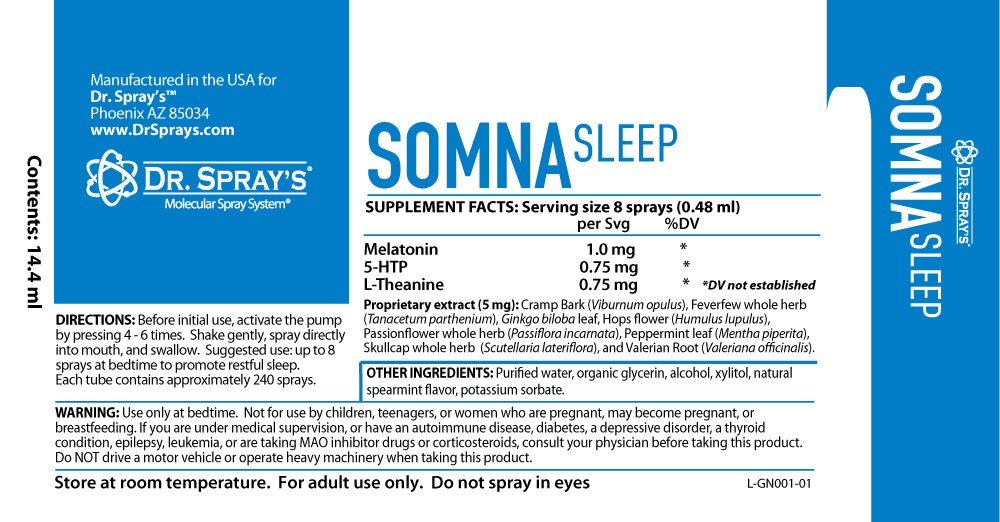
Vitamin sprays don't directly cause sleepiness like melatonin supplements, but they can support overall sleep health by addressing nutritional deficiencies that impact sleep quality. Oral spray vitamins may help if your child has deficiencies in nutrients like vitamin D, B vitamins, or magnesium that play roles in sleep regulation. They work best when combined with proper sleep hygiene practices. Always consult your pediatrician before starting any supplement regimen.
What's the difference between oral spray vitamins and traditional pills?
Spray supplements deliver nutrients through the mucous membranes in the mouth, allowing for faster absorption that bypasses much of the digestive system. This method typically achieves absorption rates around 90%, compared to 10-20% for many pill supplements that must survive stomach acid and digestive enzymes. For children, sprays also eliminate swallowing difficulties and reduce the risk of stomach upset.
My child resists the bedtime routine. How can I get cooperation?
Involve your child in creating the routine—children are more likely to follow rules they help establish. Offer choices within boundaries: "Would you like to read books or work on a puzzle during quiet time?" Use visual schedules with pictures showing each step. Consider implementing a reward system for completing the routine cooperatively, focusing on effort rather than perfect compliance.
Are naps appropriate for 8-year-olds?
Most 8-year-olds no longer need regular naps. In fact, daytime naps can interfere with nighttime sleep by reducing sleep pressure. However, occasional naps may be appropriate after illness, extremely active days, or during growth spurts. If your child regularly seems to need naps, they're likely not getting adequate nighttime sleep—focus on earlier bedtimes rather than adding naps.
Take Action: Your Family Sleep Challenge
Understanding sleep requirements is just the first step—implementation makes the difference. Start tonight by choosing one change to implement consistently for the next week. Perhaps it's moving bedtime 30 minutes earlier, eliminating screens an hour before sleep, or adding a calming bedtime routine element.
Track your child's sleep in a simple journal, noting bedtime, wake time, ease of falling asleep, and next-day mood and behavior. This data helps you identify patterns and make informed adjustments.
Remember that quality sleep forms the foundation for your child's physical health, cognitive development, emotional regulation, and academic success. The effort you invest in establishing healthy sleep habits now pays dividends in every area of your child's life.
Supporting your child's overall wellness involves multiple factors working together—adequate sleep, proper nutrition, regular physical activity, and stress management. When any of these elements is compromised, the others suffer. By prioritizing sleep alongside good nutrition and active living, you're giving your child the tools they need to thrive.
For families seeking convenient ways to ensure optimal nutrition that supports healthy growth and development, DrSprays offers physician-developed vitamin spray supplements manufactured in an FDA-registered, GMP-certified facility in Phoenix, Arizona. With absorption rates up to 90% and easy-to-use delivery, these products provide practical nutritional support for busy families committed to their children's health.
Support Your Child's Overall Wellness
Quality sleep works hand-in-hand with proper nutrition to support your child's growth and development. Discover how DrSprays' physician-developed vitamin sprays can help fill nutritional gaps with 90% absorption rates and hassle-free delivery.
Shop Our Complete Line of Oral Spray Vitamins
Questions about which products might benefit your family? Contact our team for personalized guidance.