As parents of preschoolers know, bedtime can be a nightly challenge. But understanding exactly how much sleep your 4-year-old needs is crucial for their physical development, cognitive growth, and emotional well-being. This comprehensive guide will help you establish healthy sleep patterns while exploring how proper nutrition—including innovative solutions like vitamin spray supplements—can support your child's overall health and sleep quality.
Recommended Sleep Duration for 4-Year-Olds
According to the American Academy of Sleep Medicine and endorsed by the American Academy of Pediatrics, preschoolers aged 3-5 years should sleep between 10 to 13 hours per 24-hour period, including naps. For most 4-year-olds, this typically breaks down into:
- 10-12 hours of nighttime sleep
- 0-2 hours of daytime napping (though many 4-year-olds are transitioning away from naps)
Every child is unique, and some may need slightly more or less sleep within this range. The key is consistency and watching for signs that your child is getting adequate rest.
Why Sleep Matters for 4-Year-Olds
Sleep isn't just downtime—it's when your child's body and brain do essential work. During sleep, 4-year-olds experience:
Physical Growth and Development
Growth hormone is primarily secreted during deep sleep stages. Children who consistently get adequate sleep tend to have healthier growth patterns. Proper sleep also supports immune system function, helping your child fight off illnesses more effectively.
Cognitive Development and Learning
Preschoolers are absorbing enormous amounts of information daily. Sleep helps consolidate memories, process new experiences, and develop problem-solving skills. Research shows that well-rested 4-year-olds perform better on memory tasks and have improved attention spans.
Emotional Regulation
Sleep-deprived preschoolers often struggle with emotional control, leading to more tantrums, mood swings, and difficulty managing frustration. Adequate sleep helps children regulate emotions and interact positively with peers and family members.
Behavioral Health
Insufficient sleep in preschoolers is linked to hyperactivity, impulsivity, and behavioral problems that can resemble ADHD symptoms. Ensuring proper sleep can significantly improve daytime behavior.
Signs Your 4-Year-Old Isn't Getting Enough Sleep
Watch for these indicators that your child may need more rest:
- Difficulty waking in the morning: If your child is hard to rouse and seems groggy, they likely need more sleep
- Daytime sleepiness: Falling asleep in the car or during quiet activities may signal sleep debt
- Increased irritability: More frequent meltdowns or emotional outbursts
- Hyperactivity: Paradoxically, overtired children often become hyperactive rather than calm
- Difficulty focusing: Shortened attention span or trouble completing age-appropriate tasks
- Increased clumsiness: More frequent accidents or coordination problems
Creating an Optimal Sleep Environment
The right bedroom setup can dramatically improve your 4-year-old's sleep quality:
Temperature and Darkness
Keep the bedroom between 68-72°F for optimal sleep. Use blackout curtains to block external light, which can interfere with melatonin production. In Phoenix, Arizona, where summer temperatures soar, maintaining a cool sleeping environment is especially important for quality rest.
Minimize Noise and Distractions
Create a quiet environment or use white noise to mask disruptive sounds. Remove televisions, tablets, and other screens from the bedroom—the blue light they emit can suppress melatonin and delay sleep onset.
Comfortable Bedding
Ensure your child's mattress provides adequate support and that bedding is comfortable. Let your child choose their sheets or pillowcase within appropriate options to increase their investment in bedtime.
Establishing a Consistent Bedtime Routine
A predictable evening routine signals your child's body that sleep is approaching. An effective routine for 4-year-olds typically lasts 30-45 minutes and might include:
- Bath time: A warm bath can be relaxing and signals the transition toward sleep
- Pajamas and hygiene: Brushing teeth, using the bathroom, and getting dressed for bed
- Quiet time: Reading books together, gentle conversation about the day
- Cuddles and connection: A few minutes of physical affection and reassurance
- Lights out: Same time each night, creating consistency
Consistency is crucial—try to maintain the same bedtime and wake time even on weekends, with no more than a one-hour variance.
The Nap Transition at Age Four
Many 4-year-olds are in transition regarding naps. Some still need them, while others are ready to drop them entirely. Signs your child might be ready to give up naps include:
- Taking longer than 30 minutes to fall asleep at naptime
- Napping pushes bedtime significantly later
- Staying awake through typical nap time without becoming overtired
- Sleeping well at night without a nap
If your child is transitioning away from naps, consider implementing "quiet time" instead—a period where they rest quietly with books or calm activities in their room. This provides mental rest even without sleep.
Nutrition's Role in Sleep Quality
What your child eats and when they eat it can significantly impact sleep quality. Evening meals should be balanced and not too heavy, consumed at least two hours before bedtime.
Sleep-Supporting Nutrients
Several vitamins and minerals play crucial roles in healthy sleep patterns:
Vitamin D: Often called the "sunshine vitamin," vitamin D deficiency has been linked to sleep problems in children. While sunlight exposure helps, many children—especially those in urban areas or who spend significant time indoors—may benefit from supplementation. Vitamin D3 spray offers an easy way to ensure adequate intake without pills that young children may struggle to swallow.
B Vitamins: B-complex vitamins, particularly B6 and B12, are involved in melatonin production. A vitamin B12 spray can provide this essential nutrient in a format that's easier for children to take and absorbs efficiently through the oral mucosa.
Magnesium: This mineral supports relaxation and sleep quality. While primarily obtained through diet (leafy greens, nuts, whole grains), some children may need additional support.
The Advantage of Oral Spray Vitamins
Traditional children's vitamins often come in chewable or gummy form, which can be messy, contain unnecessary sugars, or be difficult for some children. Oral spray vitamins offer several benefits:
- Higher absorption: Sprays bypass digestive breakdown, delivering nutrients directly through the oral mucosa with absorption rates up to 90%
- Easier administration: No choking hazard from pills or tablets
- Better compliance: Many children prefer the taste and experience of sprays over pills
- Precise dosing: Each spray delivers a measured amount
DrSprays offers doctor-developed formulations manufactured in an FDA-registered, GMP-certified facility right here in Phoenix, Arizona. Their spray supplements provide a convenient way to support your child's nutritional needs as part of a comprehensive approach to health and wellness.
When to Consult a Healthcare Professional
While most sleep issues in 4-year-olds resolve with consistent routines and healthy habits, certain situations warrant professional evaluation:
- Persistent snoring or breathing pauses during sleep (possible sleep apnea)
- Extreme difficulty falling or staying asleep despite good sleep hygiene
- Night terrors occurring multiple times per week
- Excessive daytime sleepiness despite adequate nighttime sleep
- Bedwetting that suddenly resumes after being dry at night
- Sleep problems accompanied by other concerning symptoms
Your pediatrician can evaluate whether an underlying medical condition, nutritional deficiency, or sleep disorder might be affecting your child's rest.
Common Sleep Challenges and Solutions
Bedtime Resistance
The problem: Your 4-year-old fights going to bed, asking for endless glasses of water, more stories, or "just one more thing."
The solution: Set clear, consistent boundaries. Offer choices within limits ("Do you want to read two books or three tonight?"). Use a bedtime pass system where your child gets one "free pass" per night to leave their room for a drink, bathroom, or hug—once it's used, they must stay in bed.
Middle-of-the-Night Wake-Ups
The problem: Your child wakes during the night and comes to your room or calls for you.
The solution: Respond calmly but minimally. Guide them back to their room with little interaction or stimulation. Ensure their room isn't too hot, cold, or uncomfortable. A dim nightlight can help children who fear the dark navigate safely.
Early Morning Wake-Ups
The problem: Your 4-year-old wakes at 5:00 AM ready to start the day, even when they went to bed at an appropriate time.
The solution: Use blackout curtains to keep early morning light from triggering wakefulness. Consider a toddler clock that changes color when it's an acceptable time to get up. Ensure bedtime isn't too early—overtiredness can paradoxically cause early waking.
Nightmares and Night Terrors
The problem: Your child experiences scary dreams or night terrors that disrupt sleep.
The solution: For nightmares, offer comfort and reassurance. Talk about the dream during the day and help your child process fears. For night terrors (which occur during deep sleep and the child doesn't remember), simply ensure safety and wait for the episode to pass. Night terrors often decrease with adequate sleep, as they're more common when children are overtired.
Screen Time and Sleep
The American Academy of Pediatrics recommends no screens for at least one hour before bedtime, and ideally longer. Blue light from devices suppresses melatonin production, making it harder to fall asleep. Additionally, the stimulating content keeps young brains activated when they should be winding down.
Create device-free zones and times in your home. Establish a charging station outside bedrooms where all family devices "sleep" at night. Model good screen habits yourself—children learn more from what we do than what we say.
Physical Activity and Sleep
Regular physical activity during the day promotes better sleep at night. Four-year-olds should get at least 3 hours of physical activity spread throughout the day, including both structured activities and free play.
However, avoid vigorous exercise within 2-3 hours of bedtime, as it can be stimulating. Instead, focus on calming activities during the evening wind-down period.
Supporting Overall Health for Better Sleep
Sleep doesn't exist in isolation—it's part of your child's overall health picture. A comprehensive approach includes:
- Balanced nutrition: Regular meals with adequate protein, healthy fats, complex carbohydrates, and plenty of fruits and vegetables
- Hydration: Sufficient water throughout the day (but limiting liquids close to bedtime)
- Vitamin and mineral support: Through diet and, when appropriate, supplementation with products like vitamin spray formulations
- Regular physical activity: Daily opportunities for movement and play
- Emotional support: A secure, loving environment with consistent caregiving
- Stress management: Age-appropriate strategies for managing big feelings
Frequently Asked Questions
How do I know if my 4-year-old is getting enough sleep?
A well-rested 4-year-old typically wakes naturally in the morning without excessive grogginess, maintains good energy throughout the day without hyperactivity, demonstrates appropriate emotional regulation, and doesn't require frequent naps (unless napping is still part of their routine). If your child exhibits these characteristics and falls within the 10-13 hour range per day, they're likely getting adequate sleep.
Should my 4-year-old still be napping?
Napping needs vary at age four. Some children still benefit from a short afternoon nap, while others have outgrown this need. If napping interferes with nighttime sleep (making it difficult to fall asleep or pushing bedtime too late), your child may be ready to drop the nap. However, if they become extremely cranky or overtired without a nap, they likely still need it. The key is ensuring they get their total recommended sleep within 24 hours.
What time should a 4-year-old go to bed?
Most 4-year-olds benefit from a bedtime between 7:00 and 8:30 PM, depending on their wake time. Work backward from when they need to wake up—if your child needs to be up by 7:00 AM and requires 11 hours of sleep, bedtime should be around 8:00 PM. Consistency matters more than the exact time, so choose a bedtime that works for your family and stick with it.
Can vitamin deficiencies affect my child's sleep?
Yes, deficiencies in certain vitamins and minerals can impact sleep quality. Vitamin D, B vitamins, magnesium, and iron all play roles in sleep regulation and overall health. If you suspect a deficiency, consult your pediatrician. They may recommend blood tests and appropriate supplementation. Products like oral spray vitamins can provide an effective, easy-to-administer option for children who need additional nutritional support.
How can I help my child fall asleep independently?
Start by establishing a consistent bedtime routine that ends with your child in bed while still slightly awake. This teaches them to fall asleep on their own rather than relying on rocking, nursing, or parental presence. Use a gradual approach if your child is used to significant parental involvement—slowly reduce your presence over several weeks. Positive reinforcement, such as a sticker chart for independent sleep, can motivate cooperation in 4-year-olds.
Are melatonin supplements safe for 4-year-olds?
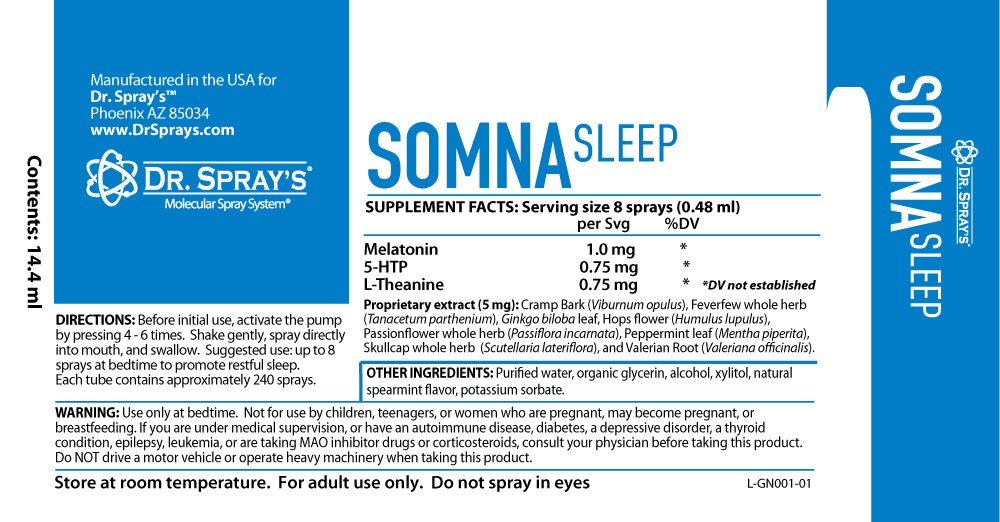
Melatonin supplements should only be used under pediatric guidance. While generally considered safe for short-term use, melatonin is a hormone and long-term effects in young children aren't fully understood. Before considering melatonin, optimize sleep hygiene, routines, and environment. If sleep problems persist, consult your pediatrician to rule out underlying conditions and discuss whether melatonin or other interventions might be appropriate.
What if my 4-year-old wakes up during the night?
Brief nighttime awakenings are normal for all ages—the difference is that older children typically fall back asleep independently. If your child fully wakes and seeks you out, respond with minimal interaction. Keep lights dim, avoid engaging conversation, and calmly guide them back to bed. Consistency is key—if you sometimes allow them into your bed and other times don't, the inconsistency can perpetuate the behavior.
About the Author
This article was developed by the research and content team at DrSprays, a Phoenix, Arizona-based company specializing in doctor-developed oral vitamin sprays. Our team consults with pediatric health experts and nutritionists to provide evidence-based information about children's health and wellness. All DrSprays products are manufactured in our FDA-registered, GMP-certified facility, ensuring the highest quality standards for your family's nutritional supplementation needs.
Support Your Child's Health with Quality Nutrition
While establishing healthy sleep patterns is crucial for your 4-year-old's development, overall wellness requires a comprehensive approach including proper nutrition. DrSprays offers a convenient solution with our line of doctor-developed spray supplements that provide up to 90% absorption rates—significantly higher than traditional pills or gummies.
Our vitamin D3 spray and vitamin B12 spray products are manufactured right here in Phoenix, Arizona, in our FDA-registered, GMP-certified facility. These easy-to-use sprays eliminate the challenge of getting children to swallow pills while ensuring they receive essential nutrients that support overall health and development.
Explore our full range of products, including our multi-vitamin spray, to find the right nutritional support for your family's needs. Visit DrSprays today to learn more about how our innovative delivery system can make supplementation easier and more effective for your household.