The teenage years are a period of dramatic physical, mental, and emotional development. For 13-year-olds specifically, adequate sleep isn't just about feeling rested—it's essential for healthy growth, cognitive function, academic performance, and emotional regulation. Understanding how much sleep your teenager needs and how to support healthy sleep habits can make a significant difference in their overall wellbeing.
Recommended Sleep Duration for 13-Year-Olds
According to the American Academy of Sleep Medicine and the Centers for Disease Control and Prevention (CDC), 13-year-olds should get between 9 to 12 hours of sleep per night. This recommendation reflects the unique developmental needs of early adolescence, when the body undergoes rapid growth and the brain experiences significant restructuring.
Most 13-year-olds fall into the middle school age range, where schedules become more demanding with homework, extracurricular activities, and social commitments. Despite these pressures, maintaining adequate sleep duration remains crucial for optimal health and development.
Why Sleep Needs Are So High During Adolescence
The teenage brain is undergoing extensive remodeling, particularly in areas responsible for decision-making, impulse control, and emotional regulation. During sleep, the brain consolidates memories, processes information learned during the day, and strengthens neural connections that support learning and cognitive function.
Physically, growth hormone is primarily secreted during deep sleep stages. For 13-year-olds who may be experiencing growth spurts, this makes quality sleep essential for proper physical development. Sleep also supports immune function, metabolism regulation, and tissue repair—all critical during the rapid changes of early adolescence.
The Reality of Teen Sleep Patterns
Despite the clear guidelines, research shows that most 13-year-olds are not getting enough sleep. A CDC study found that nearly 60% of middle school students report sleeping less than the recommended amount on school nights. This sleep deficit has significant consequences for health, academic performance, and emotional wellbeing.
Biological Changes Affecting Sleep
During puberty, adolescents experience a natural shift in their circadian rhythm—the internal biological clock that regulates sleep-wake cycles. This shift, known as sleep phase delay, causes teenagers to naturally feel alert later in the evening and want to sleep later in the morning. For 13-year-olds just entering this phase, the desire to stay up later conflicts with early school start times, creating a pattern of chronic sleep deprivation.
Melatonin, the hormone that signals the body to prepare for sleep, begins releasing later in the evening for teenagers compared to children or adults. This biological reality means that asking a 13-year-old to fall asleep at 9:00 PM may be fighting against their natural biology.
Consequences of Insufficient Sleep in 13-Year-Olds
When 13-year-olds consistently fail to get adequate sleep, the effects extend across multiple areas of their lives. Understanding these consequences can help parents and teens prioritize healthy sleep habits.
Academic Performance
Sleep-deprived teens struggle with concentration, memory consolidation, and information processing. Students who get insufficient sleep often experience:
- Difficulty focusing during class and while studying
- Reduced ability to retain information and recall facts during tests
- Slower processing speeds when solving problems
- Decreased creativity and critical thinking abilities
- Lower grades and standardized test scores
Physical Health Impact
Chronic sleep deprivation affects physical health in numerous ways. Research has linked insufficient sleep in adolescents to increased risk of obesity, as sleep deprivation disrupts hormones that regulate appetite and metabolism. Sleep-deprived teens are also more likely to experience weakened immune systems, making them more susceptible to illnesses.
For active 13-year-olds involved in sports or physical activities, inadequate sleep can impair athletic performance, coordination, and reaction time. It also increases injury risk and slows recovery after physical exertion.
Mental and Emotional Health
The relationship between sleep and mental health is bidirectional and particularly significant during adolescence. Insufficient sleep can contribute to:
- Increased irritability and mood swings
- Higher risk of anxiety and depression
- Difficulty managing stress and emotions
- Impaired social interactions and relationships
- Reduced resilience to challenges
Creating Healthy Sleep Habits for 13-Year-Olds
Supporting healthy sleep patterns requires a comprehensive approach that addresses both environmental factors and daily habits. The following strategies can help 13-year-olds get the sleep they need.
Establish Consistent Sleep Schedules
Consistency is key to regulating the body's circadian rhythm. Encourage your 13-year-old to go to bed and wake up at the same time every day, even on weekends. While it's tempting to allow sleeping in on weekends, variations of more than one or two hours can disrupt sleep patterns and make Monday mornings more difficult.
Calculate backwards from the required wake-up time to determine an appropriate bedtime. If your teen needs to wake at 6:30 AM and requires 9 hours of sleep, they should be asleep by 9:30 PM. Build in 30-45 minutes before this for the bedtime routine, meaning the routine should begin around 8:45-9:00 PM.
Create an Optimal Sleep Environment
The bedroom environment significantly impacts sleep quality. Make your teen's bedroom conducive to sleep by:
- Keeping the room cool (between 60-67°F is ideal for sleep)
- Ensuring complete darkness or using blackout curtains
- Minimizing noise or using white noise machines if needed
- Investing in a comfortable, supportive mattress and pillows
- Removing or covering electronic displays that emit light
Manage Screen Time and Technology
Electronic devices are one of the biggest sleep disruptors for teenagers. The blue light emitted by phones, tablets, and computers suppresses melatonin production, making it harder to fall asleep. Additionally, the stimulating content on these devices keeps the brain alert and engaged.
Implement a "digital sunset" at least one hour before bedtime. This means all screens—phones, tablets, computers, and televisions—should be turned off and preferably kept outside the bedroom. Many families find success by establishing a charging station in a common area where all devices are plugged in for the night.
Nutritional Support for Better Sleep
What your 13-year-old eats and drinks, particularly in the hours before bed, can significantly impact sleep quality. A balanced diet that includes key nutrients supports healthy sleep patterns.
Key Nutrients for Sleep
Certain vitamins and minerals play crucial roles in sleep regulation. Vitamin D3 influences sleep quality and duration by supporting the body's production of sleep-regulating hormones. Research has shown that vitamin D deficiency is associated with poor sleep quality and shorter sleep duration in adolescents.
The B vitamins, particularly vitamin B12, help regulate the body's circadian rhythm and support the production of melatonin. B vitamins also play a role in energy metabolism and can help reduce daytime fatigue while supporting healthy nighttime sleep patterns.
Magnesium acts as a natural relaxant for the nervous system and muscles, promoting a sense of calm that facilitates falling asleep. Zinc supports immune function and may also play a role in sleep regulation.
The Advantage of Spray Supplements
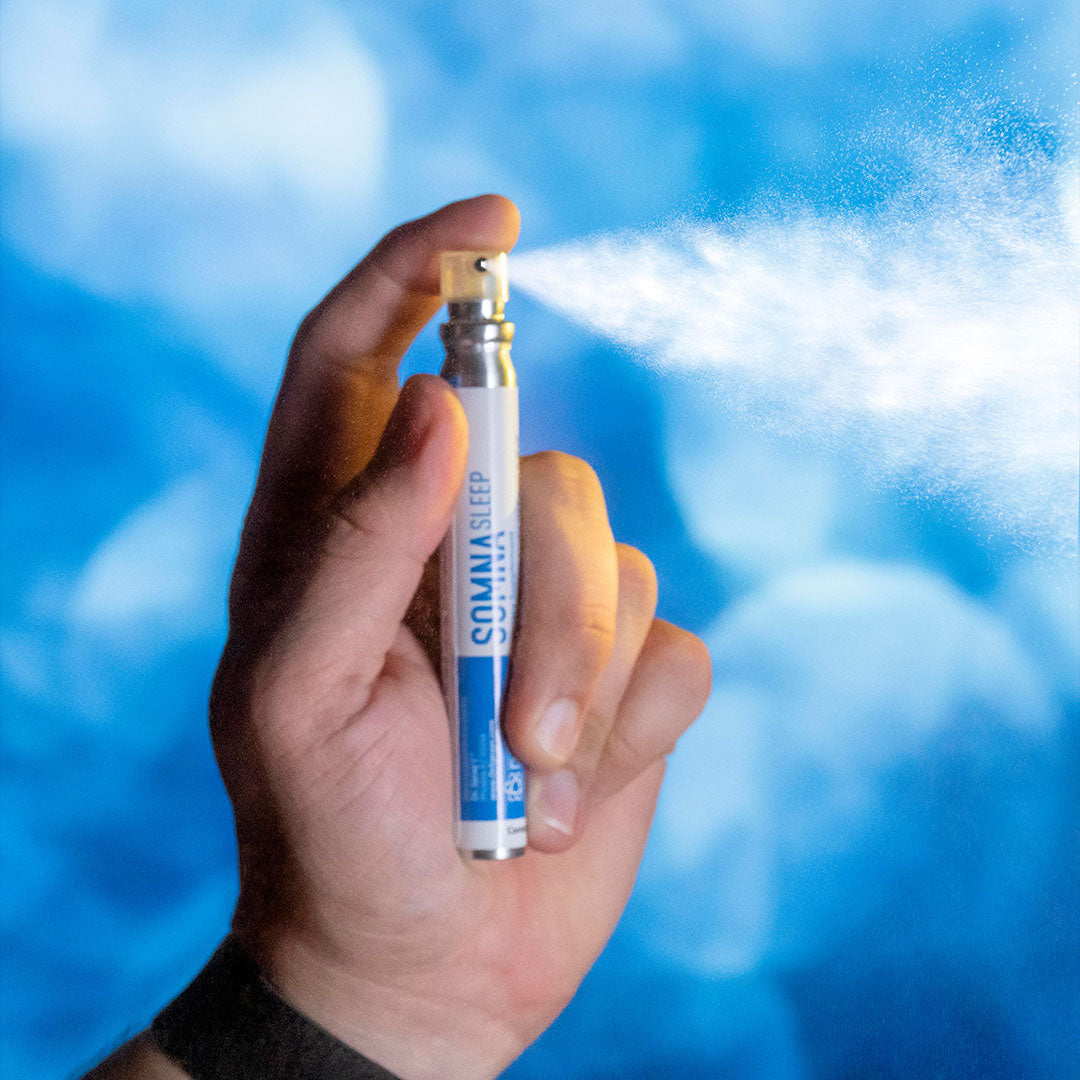
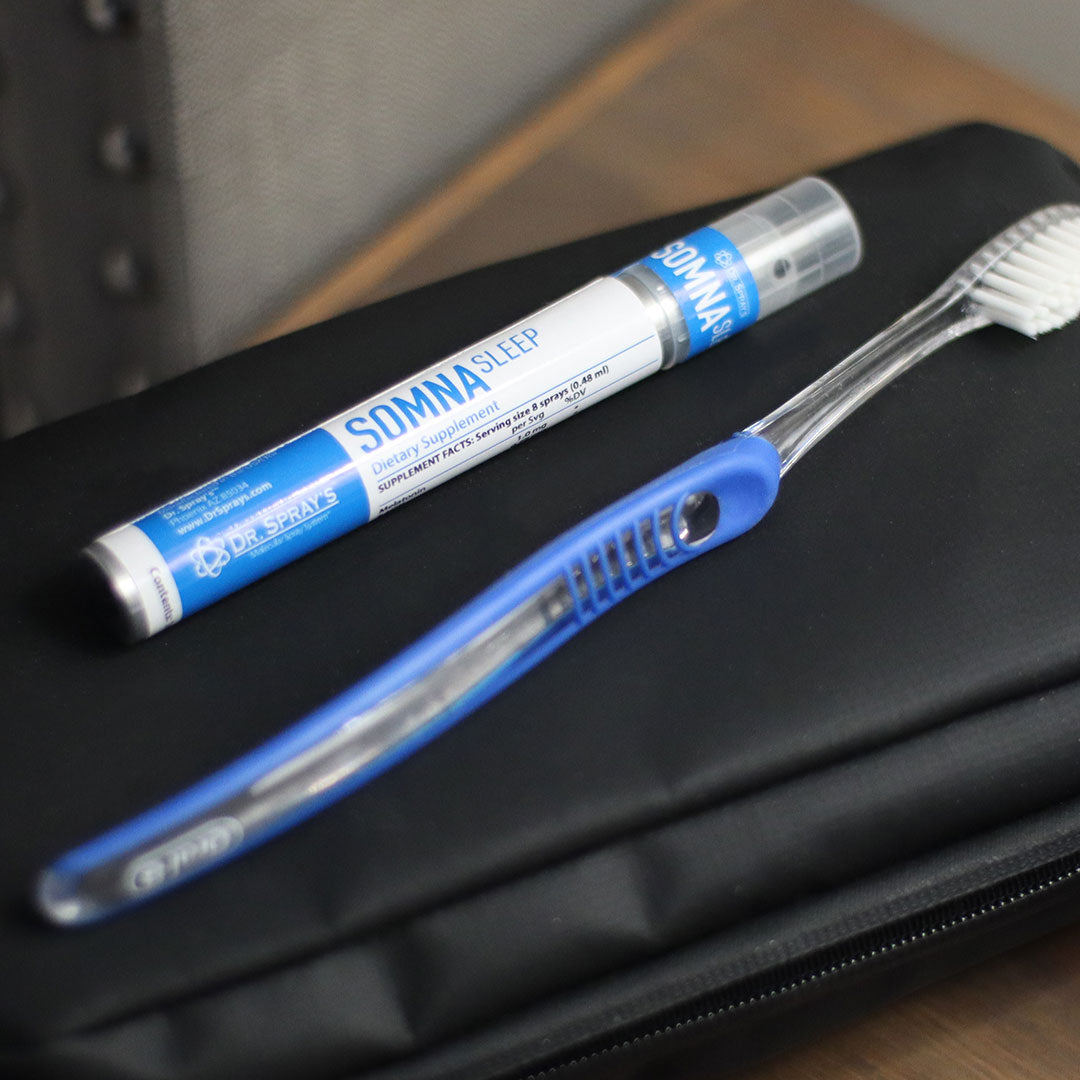
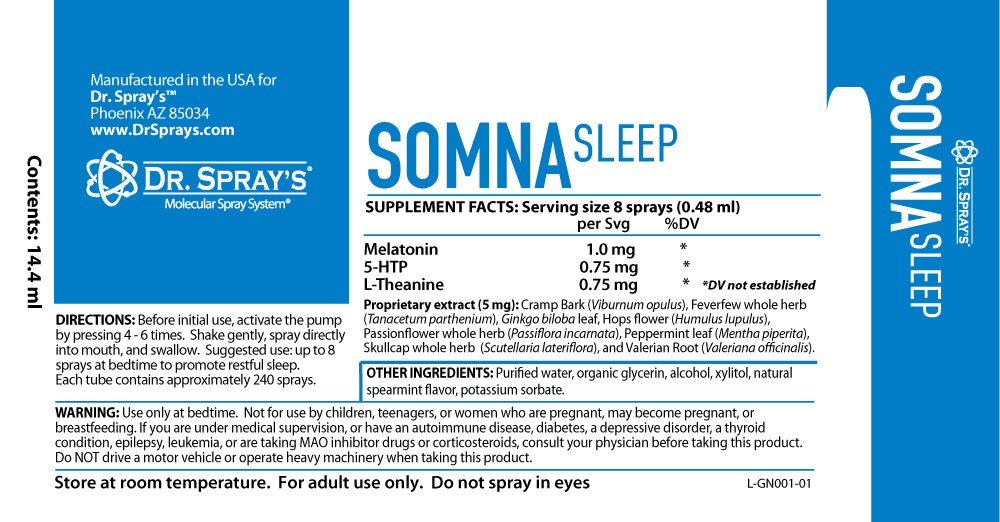
Many teens struggle with swallowing pills or forget to take daily vitamins consistently. Oral spray vitamins offer a practical alternative with several advantages. Vitamin spray products deliver nutrients directly into the bloodstream through the mucous membranes in the mouth, bypassing the digestive system for rapid absorption.
This delivery method is particularly beneficial for teens with sensitive stomachs or those who experience digestive discomfort with traditional pills. Spray supplements are also more convenient—they can be taken quickly without water, making them easier to incorporate into busy morning or evening routines.
For 13-year-olds who need nutritional support, products like vitamin D3 spray or vitamin B12 spray can help ensure they're getting adequate amounts of these sleep-supporting nutrients. The convenience and high absorption rate of spray delivery makes it more likely that teens will maintain consistent supplementation.
Foods and Drinks to Avoid Before Bed
Just as some nutrients support sleep, others can interfere with it. Discourage consumption of caffeine after early afternoon, as it can remain in the system for 6-8 hours. This includes coffee, tea, energy drinks, and many sodas.
Large meals close to bedtime can cause discomfort and disrupt sleep. Heavy, spicy, or acidic foods may cause indigestion. If your teen is hungry before bed, encourage light snacks that contain sleep-promoting nutrients, such as a small bowl of whole-grain cereal with milk, a banana, or a handful of nuts.
Physical Activity and Sleep Connection
Regular physical activity significantly improves sleep quality and duration in adolescents. Exercise helps regulate circadian rhythms, reduces stress and anxiety, and promotes deeper, more restorative sleep.
Encourage your 13-year-old to get at least 60 minutes of moderate to vigorous physical activity daily. This can include organized sports, physical education classes, cycling, swimming, or simply active play with friends.
Timing matters, however. Vigorous exercise too close to bedtime can be stimulating and make it harder to fall asleep. Aim for physical activity earlier in the day or at least 3-4 hours before bedtime.
Managing Stress and Anxiety
Many 13-year-olds experience stress related to academics, social situations, and the general challenges of adolescence. Stress and anxiety can significantly interfere with both falling asleep and sleep quality.
Relaxation Techniques
Teaching your teen relaxation strategies can help them wind down before bed. Effective techniques include:
- Deep breathing exercises or guided meditation
- Progressive muscle relaxation
- Gentle stretching or yoga
- Journaling to process thoughts and emotions
- Reading physical books (not on electronic devices)
- Listening to calming music or nature sounds
Establishing a Calming Bedtime Routine
A consistent bedtime routine signals to the body that it's time to prepare for sleep. Work with your teen to create a relaxing 30-45 minute routine that they enjoy and will stick to. This routine should involve the same activities in the same order each night.
An effective routine might include taking a warm shower or bath, putting on comfortable pajamas, doing some light stretching, reading for 15-20 minutes, and then lights out. The key is consistency and choosing genuinely relaxing activities.
When to Seek Professional Help
While many sleep issues can be resolved with improved sleep hygiene and consistent routines, some situations warrant professional evaluation. Consider consulting a healthcare provider if your 13-year-old experiences:
- Persistent difficulty falling asleep despite good sleep habits
- Frequent nighttime awakenings or difficulty staying asleep
- Excessive daytime sleepiness even with adequate nighttime sleep
- Loud snoring or pauses in breathing during sleep
- Restless legs or frequent movement during sleep
- Nightmares or night terrors that disrupt sleep quality
- Significant mood changes or signs of depression related to sleep issues
Sleep disorders such as sleep apnea, restless leg syndrome, and insomnia can affect teenagers and require medical intervention. A healthcare provider or sleep specialist can conduct proper evaluation and recommend appropriate treatment.
The Role of Parents and Caregivers
While 13-year-olds are developing independence, they still need parental guidance and support in establishing healthy sleep habits. Parents can help by modeling good sleep habits themselves, as adolescents are influenced by what they observe.
Set clear, reasonable boundaries around bedtime and screen use. While these rules may meet with resistance, consistently enforcing them demonstrates that you prioritize your teen's health and wellbeing.
Communicate openly with your teen about the importance of sleep. Rather than simply issuing rules, explain the science behind sleep needs and discuss how they've felt and performed when well-rested versus sleep-deprived. Involving teens in the conversation helps them understand the "why" behind sleep recommendations and may increase their buy-in.
School Start Times and Advocacy
Early school start times remain a significant barrier to adequate sleep for 13-year-olds. The American Academy of Pediatrics recommends that middle schools start no earlier than 8:30 AM to align with adolescent sleep biology.
Many communities have successfully advocated for later school start times, with research showing improved attendance, academic performance, and mental health outcomes. Parents can work with school boards and administrators to consider schedule changes that better support student wellbeing.
Weekend Sleep Patterns
Many teenagers try to "catch up" on sleep during weekends by sleeping significantly later. While some weekend sleep extension can help reduce accumulated sleep debt, drastically different sleep schedules on weekends versus weekdays can actually worsen sleep problems.
This pattern, sometimes called "social jet lag," disrupts the circadian rhythm and makes it harder to fall asleep on Sunday night and wake up Monday morning. Encourage your teen to keep weekend wake times within 1-2 hours of their weekday schedule.
Frequently Asked Questions
Is 7 hours of sleep enough for a 13-year-old?
No, 7 hours of sleep is generally insufficient for a 13-year-old. Medical experts recommend 9-12 hours of sleep per night for this age group. Consistently getting only 7 hours can lead to chronic sleep deprivation, affecting academic performance, physical health, emotional regulation, and overall development. If your teen is only getting 7 hours regularly, work on establishing earlier bedtimes and better sleep habits.
Why does my 13-year-old stay up so late?
Several factors contribute to late bedtimes in 13-year-olds. During puberty, the circadian rhythm naturally shifts later, causing teens to feel alert later in the evening. Technology use, particularly blue light from screens, suppresses melatonin production and makes falling asleep harder. Academic pressures, extracurricular activities, and social demands also compete for time in the evening. Addressing these factors through consistent routines, screen time limits, and time management can help.
Can vitamin sprays help my teenager sleep better?
Certain vitamin sprays may support better sleep when combined with good sleep hygiene practices. Vitamin D3 spray can be beneficial if your teen has a deficiency, as vitamin D influences sleep quality and circadian rhythm regulation. B vitamins, available in vitamin B12 spray form, help regulate sleep-wake cycles. However, supplements should complement, not replace, healthy sleep habits like consistent schedules, limited screen time, and a calm bedtime routine.
What time should a 13-year-old go to bed for a 6 AM wake-up?
If your 13-year-old needs to wake at 6:00 AM and requires 9 hours of sleep (the minimum recommended), they should be asleep by 9:00 PM. To account for the time it takes to fall asleep, the bedtime routine should begin by 8:15-8:30 PM. If your teen needs closer to 10 hours, they should be asleep by 8:00 PM, with the routine starting around 7:15-7:30 PM. Individual sleep needs vary within the 9-12 hour range, so observe how your teen feels and functions to determine their optimal duration.
How can I tell if my 13-year-old is getting enough sleep?
Signs that your teen is getting adequate sleep include waking naturally without an alarm or with minimal prompting, feeling alert and energetic during the day, maintaining stable moods, performing well academically, and generally seeming healthy and engaged. Signs of insufficient sleep include difficulty waking in the morning, excessive daytime sleepiness, irritability or mood swings, declining grades, frequent illness, and relying on caffeine or energy drinks to stay alert.
Should I let my 13-year-old sleep in on weekends?
Allowing some weekend sleep extension is fine, but dramatic differences between weekday and weekend sleep schedules can disrupt circadian rhythms. Try to keep weekend wake times within 1-2 hours of weekday wake times. If your teen is consistently sleeping much later on weekends, it likely indicates they're not getting enough sleep during the week. Focus on establishing earlier weeknight bedtimes rather than relying on weekend catch-up sleep.
Are naps helpful for sleep-deprived 13-year-olds?
Brief naps (20-30 minutes) in the early afternoon can help reduce sleep debt without interfering with nighttime sleep. However, long naps or naps late in the day can make it harder to fall asleep at bedtime. If your teen is so sleep-deprived that they regularly need long naps, focus on improving nighttime sleep duration rather than relying on napping. Naps should supplement, not replace, adequate nighttime sleep.
What room temperature is best for teen sleep?
The optimal room temperature for sleep is between 60-67°F (15-19°C). Core body temperature naturally drops during sleep, and a cooler room supports this process. Many teens prefer their rooms warmer, but excessively warm temperatures can interfere with sleep quality. Encourage your teen to use blankets for warmth rather than heating the room too much. Good airflow and appropriate bedding can help maintain a comfortable sleeping temperature.
Supporting Your Teen's Sleep Health in Phoenix, Arizona
For families in Phoenix, Arizona, supporting your 13-year-old's sleep needs may require special consideration of the hot climate. During summer months, ensure bedrooms stay adequately cool for quality sleep, as excessive heat can significantly disrupt rest.
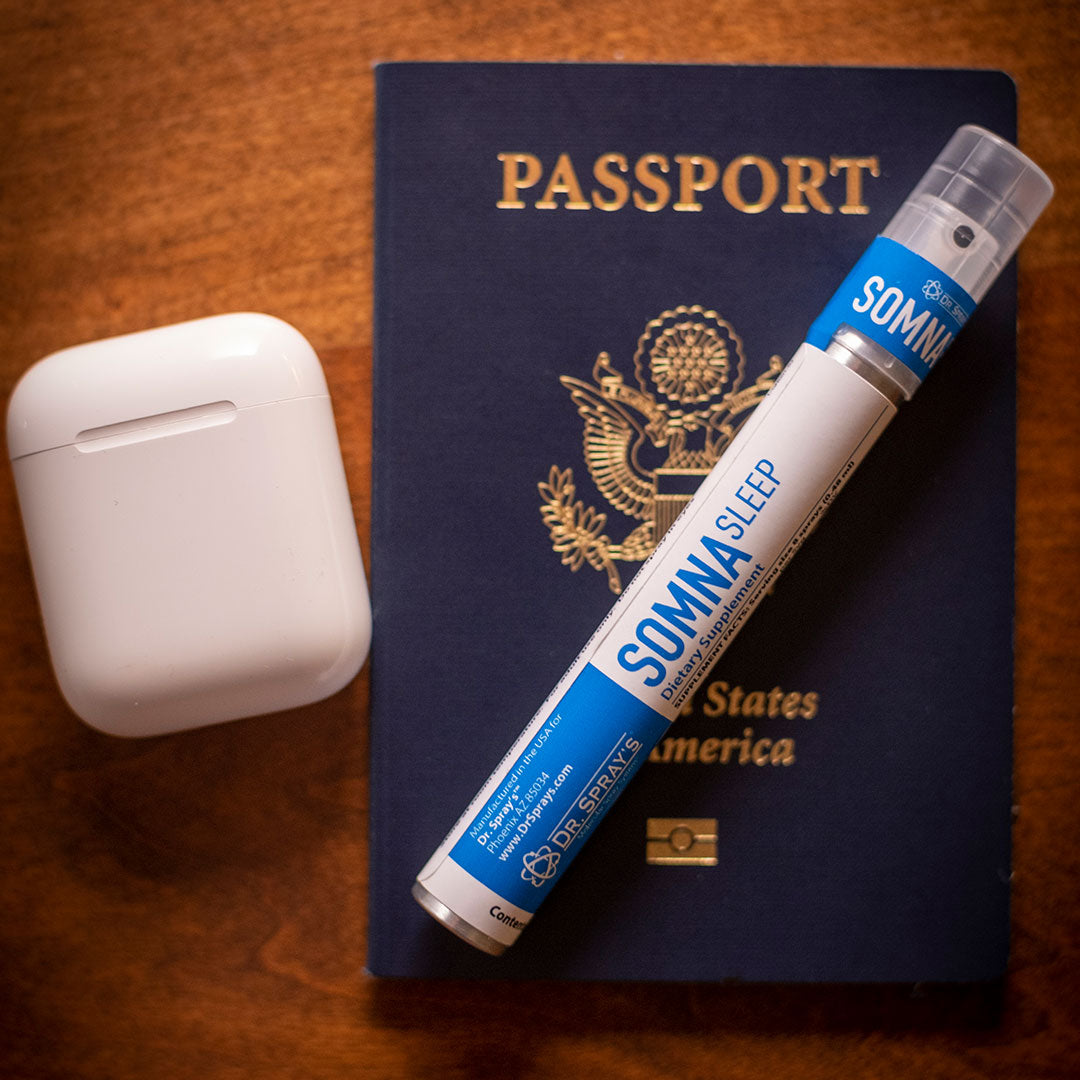
If your teen needs nutritional support for better sleep and overall health, consider oral spray vitamins as a convenient option. Products developed by healthcare professionals and manufactured in facilities like those in Phoenix, Arizona provide quality assurance and absorption benefits that traditional pills may not offer.
Remember that adequate sleep is not a luxury—it's a biological necessity for healthy adolescent development. By prioritizing sleep and supporting your 13-year-old in developing healthy sleep habits, you're investing in their physical health, mental wellbeing, academic success, and long-term health outcomes.
Take Action to Support Your Teen's Sleep Health
Ready to help your 13-year-old get better sleep? Start by implementing consistent sleep schedules and creating an optimal sleep environment. Consider supporting their overall health with convenient, effective nutritional solutions.
Explore high-absorption vitamin spray options that make it easier for busy teens to get essential nutrients that support sleep, energy, and development. Visit our collection of oral spray vitamins to find products that fit your family's needs, or learn more about the science behind spray supplement delivery.
Quality sleep combined with proper nutrition creates the foundation for your teenager's success and wellbeing. Make sleep a priority in your household, and you'll see the benefits in every area of your teen's life.