Breaking co-sleeping patterns with a one-year-old requires patience, consistency, and a holistic approach to your child's overall health and wellness. While this transition represents a significant milestone in your toddler's development, it's important to address the nutritional factors that may affect their sleep quality during this challenging period.
Understanding the Co-Sleeping Transition at One Year
At twelve months, your child is experiencing rapid physical and cognitive development. Their sleep needs are evolving, and many parents find this an ideal time to encourage independent sleeping. However, this transition affects the entire family's sleep quality and requires a comprehensive strategy that addresses both behavioral and nutritional factors.
The American Academy of Pediatrics recommends room-sharing without bed-sharing for at least the first six months, and ideally through the first year. As your child approaches their first birthday, establishing independent sleep habits becomes increasingly important for their development and your family's well-being.
The Role of Nutrition in Sleep Quality
Before implementing behavioral changes, it's essential to ensure your toddler is receiving adequate nutrition to support healthy sleep patterns. Certain vitamin deficiencies can significantly impact sleep quality, making the transition away from co-sleeping more difficult than necessary.
Key Nutrients for Better Sleep
Vitamin D plays a crucial role in regulating sleep-wake cycles. Research published in the Journal of Sleep Research indicates that vitamin D deficiency is associated with sleep disturbances in children. Many toddlers, particularly those in regions like Phoenix, Arizona, where sun exposure is high but parents often limit outdoor time during peak hours, may not receive adequate vitamin D despite the sunny climate.
B vitamins, especially B12, support the production of melatonin, the hormone responsible for regulating sleep cycles. Adequate B12 levels help establish consistent sleep patterns, which is particularly important when transitioning to independent sleep. Traditional vitamin B12 spray delivery methods offer advantages over pills or gummies for young children who may have difficulty swallowing or refuse oral medications.
Magnesium and vitamin C also contribute to restful sleep by supporting the nervous system and reducing cortisol levels. When combined with zinc, vitamin C helps strengthen the immune system, reducing night wakings caused by illness or discomfort.
Creating an Effective Sleep Transition Strategy
Successfully breaking co-sleeping habits requires a multi-faceted approach that combines behavioral techniques with nutritional support.
Week 1-2: Preparation Phase
Begin by establishing a consistent bedtime routine that signals sleep time to your toddler. This routine should include calming activities such as a warm bath, quiet play, and reading together. Consider incorporating oral spray vitamins into your evening routine, as the spray delivery method is quick, easy, and doesn't disrupt the calming pre-sleep period.
During this phase, evaluate your child's current nutritional status. Toddlers are notoriously picky eaters, and nutritional gaps can significantly impact sleep quality. Spray supplements offer superior absorption rates compared to traditional pills or gummies—some formulations achieve up to 90% absorption because they bypass the digestive system and deliver nutrients directly through the oral mucosa.
Week 3-4: Gradual Separation
Once your routine is established, begin moving your child's sleeping space slightly farther from your bed each night. Some parents find success with a floor mattress beside the bed, gradually moving it toward the door, then into the hallway, and finally into the child's own room.
Ensure your toddler's room is conducive to sleep: dark, cool (between 68-72°F), and quiet. A white noise machine can help mask household sounds that might wake your child during lighter sleep cycles.
Addressing Night Wakings
Night wakings are normal and expected during this transition. When your child wakes, respond consistently with minimal interaction. Avoid turning on lights, engaging in play, or bringing your child back to your bed except in cases of illness or genuine distress.
If night wakings persist beyond two weeks, consider whether nutritional deficiencies might be contributing to restless sleep. Vitamin D3 deficiency, in particular, has been linked to frequent night wakings in toddlers. A vitamin D3 spray can be easily administered in the morning to support healthy sleep-wake cycles without interfering with bedtime routines.
Supporting Your Own Health During the Transition
Parents often overlook their own nutritional needs during stressful transitions. Sleep deprivation from night wakings can deplete your energy reserves and compromise your immune system, making it harder to remain consistent with your new sleep approach.
B-complex vitamins support energy production and help manage stress. Many parents in Phoenix, Arizona, and other sunny climates assume they're getting adequate vitamin D, but indoor work environments and sun protection measures often lead to deficiencies that can exacerbate fatigue and mood issues.
Consider incorporating a comprehensive multi-vitamin spray into your morning routine. Vitamin spray formulations developed by healthcare professionals offer convenience for busy parents—a few sprays take seconds and provide essential nutrients to support your energy, immune function, and stress management during this challenging period.
Common Challenges and Solutions
Challenge: Extreme Resistance and Crying
Solution: Ensure you're not attempting this transition during other major changes (moving, new sibling, starting daycare). Rule out medical issues like ear infections or teething pain that might make independent sleep uncomfortable. Consider whether hunger or thirst might be contributing—a small bedtime snack with protein and complex carbohydrates can prevent hunger-related wakings.
Challenge: Early Morning Wakings
Solution: Early wakings (before 6 AM) often indicate overtiredness. Counterintuitively, an earlier bedtime frequently resolves this issue. Additionally, ensure your child's room remains dark until an appropriate wake time using blackout curtains or shades.
Challenge: Inconsistent Sleep Patterns
Solution: Maintain consistent nap times and bedtimes, even on weekends. Irregular sleep schedules disrupt circadian rhythms, making independent sleep more difficult. Support your child's circadian rhythm with appropriate vitamin D levels—exposure to natural light in the morning combined with vitamin D3 spray supplementation can help regulate sleep-wake cycles.
Challenge: Parental Guilt and Doubt
Solution: Remember that teaching independent sleep skills is a gift to your child, not a deprivation. Children who learn to self-soothe sleep better, longer, and wake more rested. Support your own emotional well-being during this transition—adequate B vitamins and stress management techniques help maintain the consistency necessary for success.
The Science of Spray Supplement Delivery
For parents seeking to optimize their family's nutritional status during sleep transitions, understanding supplement delivery methods is important. Traditional pills and gummies must pass through the digestive system, where stomach acid and digestive enzymes can break down active ingredients before absorption occurs.
Oral spray vitamins utilize a different absorption pathway. When sprayed under the tongue or along the inside of the cheek, nutrients are absorbed directly through the oral mucosa into the bloodstream. This sublingual and buccal absorption bypasses the digestive system, resulting in faster action and higher bioavailability.
For toddlers who resist taking pills or who have developed negative associations with gummy vitamins, spray delivery offers a quick, fuss-free alternative. For parents managing morning and evening routines alone, spray supplements require minimal time and cooperation from your child.
When to Seek Professional Help
While most families can successfully transition away from co-sleeping with patience and consistency, certain situations warrant professional guidance:
- Sleep disturbances persist beyond six weeks of consistent sleep training
- Your child shows signs of sleep disorders such as sleep apnea (snoring, breathing pauses, gasping)
- Extreme distress during separation that doesn't improve with time
- Parental sleep deprivation is affecting mental health or daily functioning
- Suspected nutritional deficiencies despite adequate diet
A pediatrician can evaluate your child's overall health, assess for medical issues affecting sleep, and provide guidance on nutritional supplementation if needed. In Phoenix, Arizona, and throughout the Southwest, vitamin D testing is particularly important due to the high prevalence of deficiency despite abundant sunshine.
Long-Term Sleep Success Strategies
Once you've successfully transitioned away from co-sleeping, maintaining healthy sleep habits requires ongoing attention to both behavioral consistency and nutritional support.
Maintain Nutritional Foundations
Continue supporting your child's sleep quality through adequate nutrition. The toddler years are characterized by rapid growth and picky eating, making consistent supplementation valuable. Choose high-quality supplements from FDA-registered, GMP-certified facilities to ensure purity and potency.
Adapt to Developmental Changes
Sleep needs and patterns evolve throughout childhood. As your child grows, be prepared to adjust bedtimes, eliminate or modify naps, and address new sleep challenges like nightmares or fear of the dark. Consistent nutritional support through these transitions helps maintain the sleep foundation you've established.
Model Healthy Sleep Habits
Children learn by observation. Prioritize your own sleep hygiene, maintain consistent sleep schedules, and demonstrate that sleep is valued in your household. Support your own sleep quality through stress management, regular exercise, and adequate nutrition including B vitamins for energy regulation and vitamin D for circadian rhythm support.
Frequently Asked Questions
How long does it typically take to break co-sleeping with a one-year-old?
Most families see significant improvement within two to four weeks of consistent implementation, though every child is different. The key is maintaining consistency with your chosen approach while ensuring your child's basic needs (nutrition, comfort, security) are met. Some children adapt within days, while others may take six weeks or longer. If progress stalls after a month, evaluate whether nutritional deficiencies or medical issues might be interfering with sleep quality.
Can vitamin deficiencies really affect my toddler's sleep?
Yes, research demonstrates clear connections between certain vitamin deficiencies and sleep disturbances. Vitamin D deficiency has been associated with shorter sleep duration and more frequent night wakings in children. B vitamin deficiencies can affect melatonin production, disrupting circadian rhythms. Magnesium deficiency is linked to restless sleep and difficulty settling. Addressing these nutritional gaps through diet and targeted supplementation can significantly improve sleep quality during transitions.
Is spray delivery really more effective than gummy vitamins?
Spray supplements offer several advantages over gummies. First, absorption rates are significantly higher—up to 90% with oral sprays compared to 10-20% with pills or gummies that must pass through the digestive system. Second, sprays don't contain the added sugars, artificial colors, or gelatin found in most gummies. Third, spray delivery is faster and requires less cooperation from reluctant toddlers. Finally, there's no choking risk as with pills or gummies.
Should I give vitamins in the morning or evening?
For most vitamins, morning administration is ideal. B vitamins support energy production and are best taken early in the day. Vitamin D helps regulate circadian rhythms and is optimally taken in the morning to support natural wake-sleep cycles. However, magnesium-containing supplements may be better in the evening as magnesium promotes relaxation. Always follow product-specific guidance and consult your pediatrician about timing for your child's individual needs.
What if my child wakes crying for me during the night?
Night wakings are normal during sleep transitions. Respond consistently with brief, boring check-ins that reassure your child without creating new sleep associations. Rule out genuine needs (hunger, thirst, discomfort, illness) but avoid prolonged interaction or returning your child to your bed. If wakings persist beyond the expected adjustment period, consider whether vitamin deficiencies affecting sleep quality might be prolonging the transition.
How do I know if my child has a vitamin D deficiency?
Vitamin D deficiency often has subtle symptoms in children: frequent illness, delayed motor development, irritability, and sleep disturbances. Even in sunny climates like Phoenix, Arizona, deficiency is common due to indoor lifestyles and appropriate sun protection practices. Your pediatrician can order a simple blood test to measure vitamin D levels. Many doctors now recommend routine vitamin D supplementation for children, particularly during winter months or in cases of limited dietary intake.
Can I use sleep training methods while my child is sick?
No, postpone sleep training when your child is ill. Illness requires extra comfort and attention, and attempting to maintain strict sleep boundaries during sickness is both unsuccessful and potentially harmful to your relationship. Resume your sleep approach once your child has fully recovered. Support your child's immune system and recovery with adequate vitamin C and zinc—a spray supplement combining these nutrients is easy to administer even to sick, fussy toddlers.
Are there any risks to giving my toddler vitamin sprays?
When used as directed, high-quality vitamin sprays from FDA-registered, GMP-certified facilities are safe for toddlers. The key is choosing age-appropriate formulations and following dosage instructions carefully. Spray delivery actually reduces some risks associated with traditional supplements—there's no choking hazard as with pills, and the controlled spray mechanism makes overdosing less likely than with gummy vitamins that children might consume as candy. Always consult your pediatrician before starting any supplement regimen.
Creating Your Family's Sleep Success Plan
Breaking co-sleeping patterns with your one-year-old is achievable with the right combination of behavioral consistency and holistic health support. Here's your action plan:
- Assess nutritional status: Evaluate your child's diet for potential gaps in vitamins D, B12, and C. Consider whether picky eating or dietary restrictions might necessitate supplementation.
- Choose high-quality supplements: If supplementation is needed, select products from reputable manufacturers with FDA registration and GMP certification. Spray delivery offers superior absorption and convenience for young children.
- Establish consistent routines: Create calming bedtime rituals that signal sleep time and incorporate any necessary supplements into morning routines to avoid bedtime struggles.
- Implement gradual changes: Begin your transition during a period of relative stability, avoiding major life changes or illness.
- Support your own health: Ensure you're receiving adequate nutrition to manage the stress and sleep deprivation that often accompany this transition.
- Maintain consistency: Stick with your chosen approach for at least two weeks before making adjustments.
- Track progress: Keep a simple sleep log noting bedtime, night wakings, and wake time to identify patterns and measure improvement.
- Seek help when needed: Consult your pediatrician if sleep problems persist or you suspect underlying medical or nutritional issues.
Remember that every child is unique, and there's no single "right" way to transition away from co-sleeping. The most effective approach is one that aligns with your family's values, addresses your child's individual needs, and includes support for overall health and nutrition.
Support Your Family's Sleep and Wellness Journey
Successfully transitioning your one-year-old to independent sleep requires patience, consistency, and attention to your child's overall health. While behavioral strategies are important, addressing nutritional factors that affect sleep quality can make this transition significantly smoother for everyone.
Vitamin spray supplements offer a convenient, highly absorbable way to ensure your family receives essential nutrients during this challenging period. Unlike pills or gummies, spray delivery provides up to 90% absorption, getting nutrients where they're needed quickly and efficiently.
At DrSprays, our doctor-developed oral vitamin sprays are manufactured in an FDA-registered, GMP-certified facility in Phoenix, Arizona. Our product line includes targeted formulations to support sleep quality, energy, and overall wellness:
- Vitamin B12 Spray: Supports energy production and healthy sleep-wake cycles
- Vitamin D3 Spray: Promotes healthy circadian rhythms and immune function
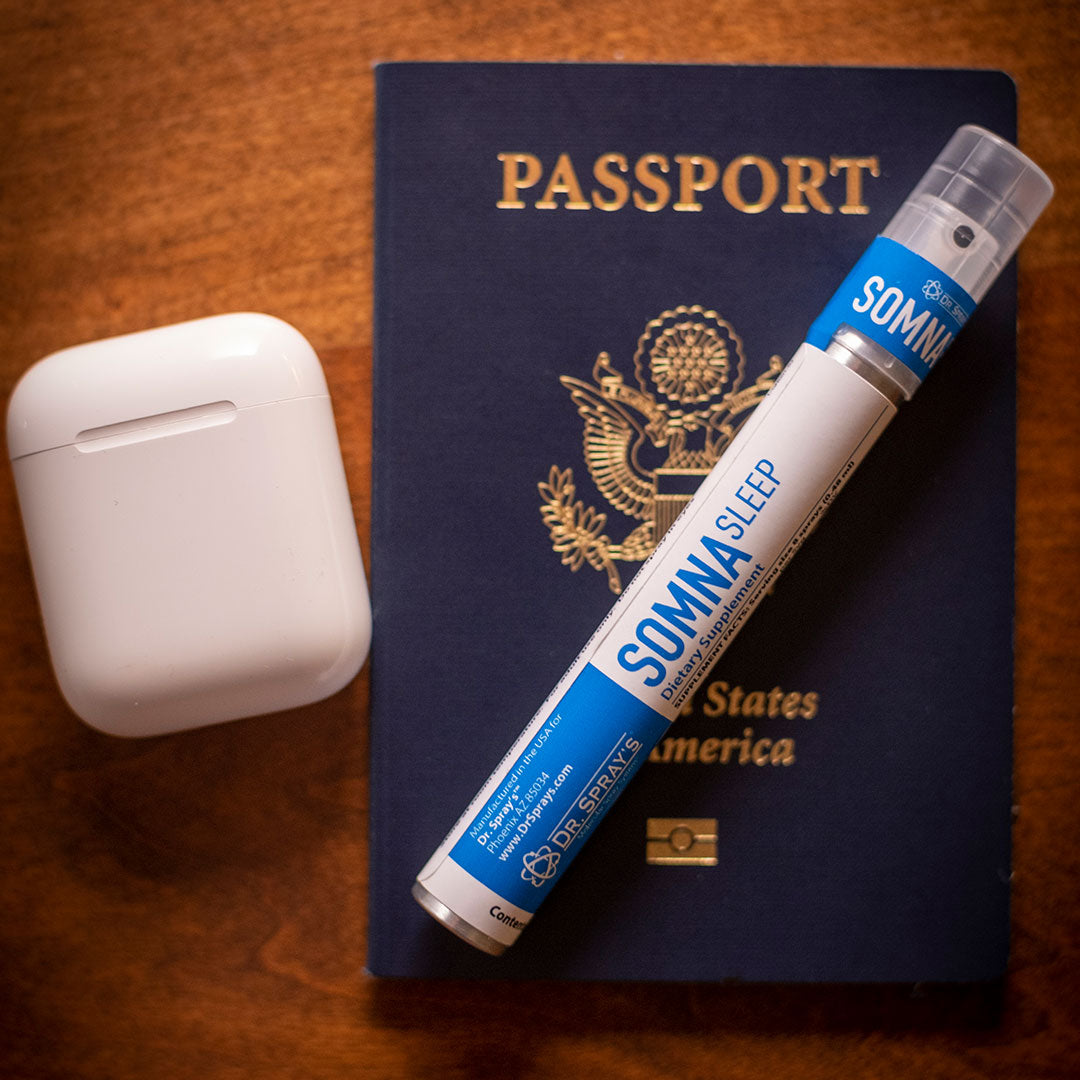
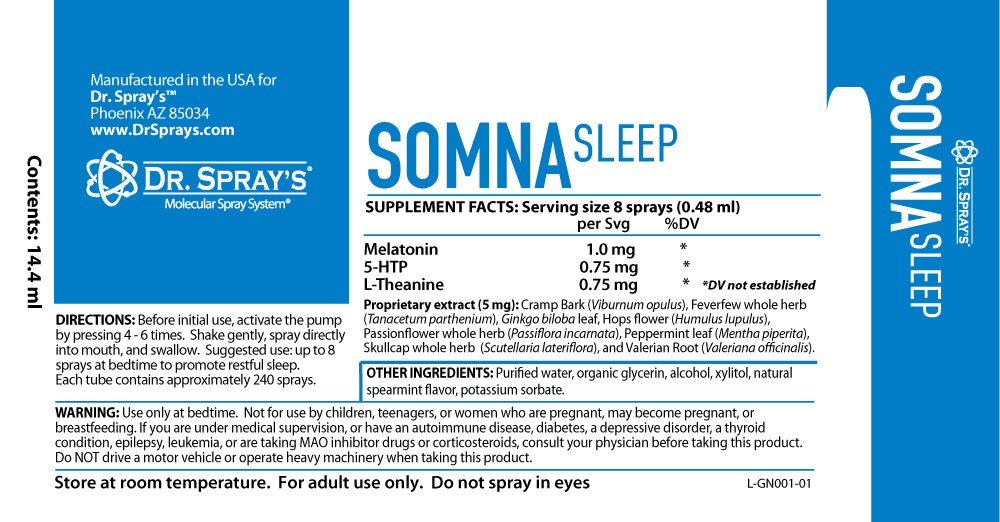
- Sleep/Somna Spray: Natural sleep support for occasional sleeplessness
- C+Zinc Spray: Immune system support to reduce illness-related sleep disruptions
- Multi-Vitamin Spray: Comprehensive nutritional support for busy families
Whether you're supporting your toddler through a major sleep transition or managing your own health during this stressful period, our spray supplements provide convenient, effective nutritional support. Visit our website to learn more about how our vitamin sprays can support your family's health and wellness goals, or consult with your healthcare provider about incorporating spray supplements into your family's routine.
This information is for educational purposes only and does not constitute medical advice. Always consult your pediatrician before starting any supplement regimen or sleep training program, especially if your child has medical conditions or special needs.