The terrible twos just took a turn for the worse—your previously great sleeper is suddenly refusing bedtime, waking multiple times at night, or rising at dawn. Welcome to the 2-year-old sleep regression, a challenging developmental phase that affects many toddlers and exhausted parents alike.
Understanding why this happens and how to navigate it can make the difference between weeks of sleepless nights and a smoother transition back to healthy sleep patterns. This comprehensive guide will help you recognize the signs, understand the causes, and implement effective strategies to help your toddler—and your entire family—get the rest everyone needs.
What Is 2-Year-Old Sleep Regression?
Sleep regression at age two is a temporary disruption in your toddler's previously established sleep patterns. Unlike newborn sleep challenges, this regression appears suddenly in children who were sleeping well, creating confusion and frustration for parents who thought sleep battles were behind them.
This regression typically manifests as difficulty falling asleep, frequent night wakings, early morning wake-ups, or resistance to naps. The disruption can last anywhere from two to six weeks, though the duration varies considerably based on individual circumstances and how parents respond to the changes.
What makes the 2-year regression particularly challenging is that it coincides with significant cognitive and physical development. Your toddler is experiencing rapid brain growth, developing new fears and anxieties, and asserting independence—all factors that can interfere with peaceful sleep.
Common Signs Your Toddler Is Experiencing Sleep Regression
Recognizing sleep regression early allows you to respond appropriately rather than inadvertently creating new sleep associations that could become long-term problems. Watch for these telltale signs:
Bedtime Battles and Stalling Tactics
Your toddler suddenly needs one more story, another drink of water, or has urgent questions about dinosaurs right at bedtime. These stalling tactics represent their growing awareness of control and desire to test boundaries.
Frequent Night Wakings
Children who previously slept through the night may begin waking multiple times, calling for parents or appearing genuinely distressed. These wakings differ from brief arousals—your toddler is fully awake and struggling to return to sleep independently.
Early Morning Wake-Ups
If your toddler is suddenly greeting you at 5:00 AM ready to start the day, sleep regression might be the culprit. These early risings leave children under-rested and parents sleep-deprived.
Nap Refusal or Difficulty
Previously reliable nappers may suddenly resist daytime sleep or take significantly shorter naps. Some toddlers begin the transition from two naps to one during this period, adding to the confusion.
Increased Clinginess or Separation Anxiety
Your independent toddler may suddenly become anxious when you leave the room, particularly at bedtime. This heightened separation anxiety is developmentally normal but challenging for everyone involved.
Why Does Sleep Regression Happen at Age 2?
Understanding the underlying causes of sleep regression helps parents respond with empathy rather than frustration. Several developmental factors converge around age two:
Cognitive Development and Imagination
Your toddler's imagination is blossoming, which unfortunately means they can now imagine scary scenarios. Shadows become monsters, and the dark feels threatening. This new cognitive ability directly impacts their comfort level when falling asleep alone.
Language Explosion
Many 2-year-olds experience rapid language development, with vocabulary expanding daily. This mental activity can make it harder to "turn off" their brains at bedtime as they process new words and concepts.
Testing Boundaries and Asserting Independence
Toddlers at this age are discovering their autonomy and want to make decisions—including when and how they sleep. Bedtime becomes another opportunity to practice saying "no" and asserting control.
Physical Development
Major motor skill developments, from climbing to running, mean your toddler's body is working hard during the day. Paradoxically, this physical exhaustion can sometimes make settling down more difficult rather than easier.
Changes in Routine or Environment
Life changes like moving to a toddler bed, welcoming a new sibling, starting daycare, or even travel can trigger sleep regression. Toddlers thrive on routine, and disruptions create anxiety that manifests at bedtime.
Effective Strategies to Navigate Sleep Regression
While you can't prevent developmental milestones from temporarily disrupting sleep, you can implement strategies that minimize the impact and duration of regression:
Maintain Consistent Sleep Schedules
Consistency provides security for toddlers navigating big developmental changes. Keep bedtime and wake-up times within a 30-minute window, even on weekends. This regularity helps regulate your child's circadian rhythm and makes sleep more predictable.
Ensure your toddler gets age-appropriate total sleep—most 2-year-olds need 11-14 hours in a 24-hour period, including naps. Overtired toddlers actually sleep worse, creating a difficult cycle to break.
Strengthen Your Bedtime Routine
A predictable bedtime routine signals to your toddler's body that sleep is approaching. Create a sequence of calming activities lasting 20-30 minutes: bath, pajamas, teeth brushing, stories, and songs work well for many families.
Involve your toddler in age-appropriate choices within the routine—let them pick which pajamas to wear or which two books to read. This provides a sense of control without compromising the routine's structure.
Address Fears and Anxiety
Take your toddler's fears seriously, even when they seem irrational to adult minds. Validate their feelings while providing reassurance. A nightlight, special stuffed animal, or "monster spray" (water in a spray bottle) can offer comfort.
Avoid elaborate checking rituals for monsters, which can inadvertently confirm that there might be something to fear. Instead, confidently reassure your child that their room is safe and you're nearby.
Create an Optimal Sleep Environment
Environmental factors significantly impact sleep quality. Keep your toddler's room cool (65-70°F), dark, and quiet. Consider blackout curtains and white noise machines to minimize disruptions.
If your toddler has transitioned to a toddler bed and is getting up repeatedly, ensure the room is completely child-proofed so you can confidently return them to bed without worry about safety.
Limit Screen Time Before Bed
Electronic devices emit blue light that suppresses melatonin production, making it harder to fall asleep. Establish a screen-free period at least one hour before bedtime, replacing tablets and television with quiet play or reading.
Monitor Daytime Sleep
Too much or too little daytime sleep can interfere with nighttime rest. Most 2-year-olds need one nap lasting 1-3 hours, typically occurring in the early afternoon. If your toddler is transitioning from two naps to one, expect temporary nighttime disruption during the adjustment period.
Ensure naps don't occur too late in the day, which can make bedtime challenging. Aim for nap completion by 3:00 or 4:00 PM.
The Role of Nutrition and Supplements in Toddler Sleep
What your toddler consumes during the day can significantly impact nighttime sleep quality. While sleep regression is primarily developmental, nutritional support can help optimize your child's ability to fall asleep and stay asleep.
Essential Nutrients for Sleep
Several vitamins and minerals play crucial roles in sleep regulation. Vitamin D influences circadian rhythm and sleep quality—deficiency has been linked to sleep problems in children. B vitamins, particularly B6 and B12, support the production of sleep-regulating neurotransmitters like serotonin and melatonin.
Magnesium acts as a natural relaxant, helping calm the nervous system before sleep. Ensuring your toddler receives adequate amounts of these nutrients through diet—or supplementation when necessary—supports better sleep patterns.
Supplementation Considerations for Toddlers
Many toddlers are picky eaters, making it challenging to ensure they receive all necessary nutrients through food alone. When dietary intake falls short, age-appropriate supplementation can help fill nutritional gaps.
Traditional vitamin pills or gummies pose challenges for toddlers—pills are choking hazards, and gummies often contain sugar and require chewing. Vitamin spray supplements offer an innovative alternative that's easy to administer and quickly absorbed.
With a 90% absorption rate compared to the 10-20% typical of pills, oral spray vitamins deliver nutrients efficiently. Products like vitamin D3 spray and vitamin B12 spray can help ensure your toddler receives these sleep-supporting nutrients even during phases of particularly picky eating.
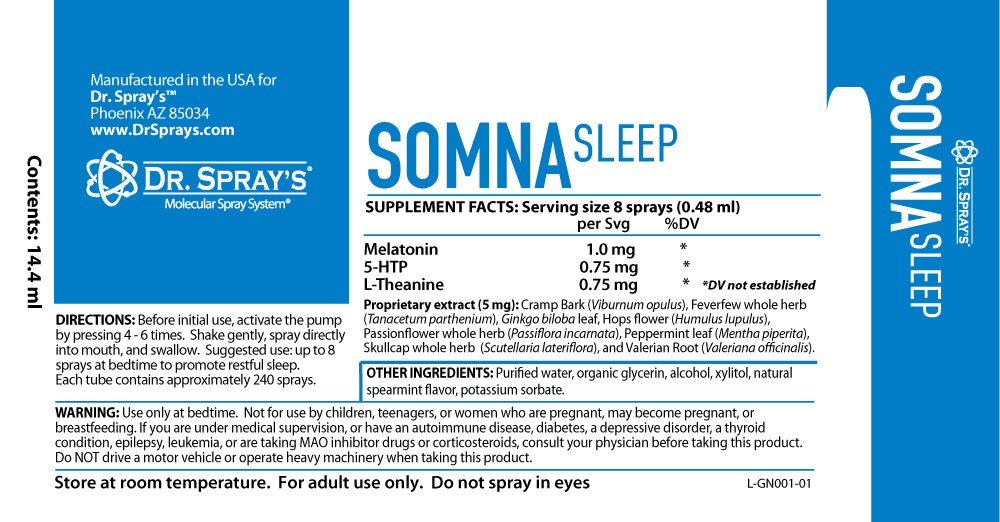
For toddlers struggling with sleep, specialized formulations designed to support relaxation may be helpful. Always consult your pediatrician before introducing any supplements to determine appropriate products and dosing for your child's specific needs.
Dietary Habits That Support Sleep
Beyond specific nutrients, general eating patterns affect sleep quality. Avoid sugary snacks close to bedtime, which can cause blood sugar spikes and crashes that disrupt sleep. Instead, offer a small protein-based snack if your toddler is genuinely hungry before bed—cheese, yogurt, or nut butter on whole grain crackers work well.
Ensure adequate hydration throughout the day, but limit fluids in the hour before bedtime to reduce nighttime wake-ups for bathroom trips.
What to Avoid During Sleep Regression
Well-meaning parents sometimes inadvertently extend sleep regression by implementing strategies that create new problems:
Don't Abandon Your Sleep Training
If you previously sleep trained your toddler, don't completely abandon those techniques during regression. Consistency matters—returning to old habits like rocking to sleep or co-sleeping may provide short-term relief but creates long-term challenges.
You can offer extra comfort and reassurance during this difficult phase while maintaining core boundaries around independent sleep.
Avoid Creating New Sleep Associations
Desperate for sleep, parents sometimes introduce new props or routines that become dependencies—staying in the room until your toddler falls asleep, bringing them into your bed, or giving bottles during night wakings. These solutions create expectations that outlast the regression.
Don't Skip the Routine Due to Late Days
When you arrive home late, it's tempting to rush bedtime or skip parts of your routine. However, consistency becomes even more important during regression. An abbreviated version of your routine is better than skipping it entirely.
Resist Punishment for Sleep Struggles
Your toddler isn't deliberately sabotaging sleep—they're navigating genuine developmental challenges. Responding with anger or punishment increases anxiety and worsens sleep problems. Maintain calm, patient responses even when you're exhausted.
When to Seek Professional Help
Most sleep regressions resolve within 2-6 weeks with consistent routines and appropriate responses. However, certain situations warrant consultation with your pediatrician or a pediatric sleep specialist:
- Sleep problems persist beyond six weeks despite consistent intervention
- Your toddler snores loudly, pauses breathing during sleep, or gasps for air
- Extreme daytime sleepiness or behavioral problems result from poor sleep
- You suspect underlying medical issues like reflux, allergies, or sleep apnea
- Your own health and functioning are significantly impaired by sleep deprivation
Sleep disorders, while less common, do occur in toddlers and require professional evaluation and treatment. Trust your instincts—if something feels wrong beyond typical regression, seek expert guidance.
Supporting Your Own Well-Being During Sleep Regression
Parenting a toddler through sleep regression is exhausting. Your ability to respond patiently and consistently depends on managing your own sleep deprivation:
Take turns with your partner handling night wakings so each parent gets some uninterrupted sleep. If you're a single parent, recruit help from family or friends when possible.
Nap when your toddler naps on particularly difficult days. Household tasks can wait—your health cannot. Prioritize sleep over productivity during this temporary phase.
Maintain your own nutritional intake, including nutrients that support energy and stress management. B vitamin complex supports energy metabolism and nervous system function, while vitamin D influences mood regulation. Spray supplements offer a convenient way for busy parents to ensure adequate nutrient intake even when self-care feels impossible.
Connect with other parents experiencing similar challenges. Online communities and local parent groups provide emotional support and practical advice. Knowing you're not alone makes the difficult nights more bearable.
The Light at the End of the Tunnel
Sleep regression feels endless when you're in the midst of it, but this challenging phase is temporary. Your toddler is developing important cognitive and emotional skills that temporarily disrupt sleep but represent healthy growth.
Maintaining consistency, offering comfort within clear boundaries, and supporting your toddler's overall health through proper nutrition and sleep hygiene will help your family navigate this regression more smoothly.
Remember that sleep patterns constantly evolve throughout childhood. The strategies you implement now—consistent routines, healthy sleep associations, and appropriate boundaries—create a foundation for good sleep habits that will serve your child for years to come.
With patience, consistency, and support for both your toddler's developmental needs and your family's well-being, peaceful nights will return. The 2-year-old sleep regression is a phase, not a permanent condition, and you will sleep again.
Frequently Asked Questions About 2-Year-Old Sleep Regression
How long does the 2-year-old sleep regression typically last?
Most 2-year-old sleep regressions last between 2-6 weeks. The duration varies based on individual circumstances, consistency of parental response, and whether other life changes (moving, new sibling, illness) are occurring simultaneously. Maintaining consistent routines and boundaries typically helps shorten the regression period.
Should I let my 2-year-old cry it out during sleep regression?
This depends on your parenting philosophy and what you've previously done with sleep training. If you've used cry-it-out methods before, maintaining that consistency during regression is reasonable. However, toddlers experiencing genuine fear or anxiety may need additional comfort. You can provide reassurance through brief check-ins without abandoning independent sleep principles entirely.
Can teething cause sleep regression at age 2?
Yes, 2-year molars typically emerge between 23-33 months and can cause discomfort that disrupts sleep. If you suspect teething is contributing to sleep problems, consult your pediatrician about appropriate pain relief options. However, don't automatically attribute all sleep disruptions to teething—developmental factors play significant roles at this age.
Is it normal for my 2-year-old to suddenly need me at bedtime again?
Yes, increased clinginess and separation anxiety are common during this developmental stage. Your toddler's growing imagination can create new fears, and they're also becoming more aware of being separate from you. Provide reassurance and maintain your bedtime routine while setting clear expectations that they sleep in their own bed.
Should I eliminate naps if my 2-year-old won't sleep at night?
Not necessarily. Most 2-year-olds still need one daytime nap. Eliminating naps often makes nighttime sleep worse because overtired children have more difficulty falling and staying asleep. Instead, ensure naps aren't too long (cap at 2-3 hours) or too late in the day (complete by 3-4 PM). Some children do transition away from naps around this age, but monitor for signs of overtiredness before eliminating them completely.
Can vitamin deficiencies contribute to sleep problems in toddlers?
Yes, deficiencies in certain nutrients—particularly vitamin D, B vitamins, and magnesium—have been linked to sleep difficulties in children. Vitamin D deficiency can disrupt circadian rhythm, while B vitamins support the production of sleep-regulating neurotransmitters. If your toddler is a picky eater or you suspect nutritional gaps, consult your pediatrician about appropriate testing and supplementation options like vitamin spray products designed for easy administration and superior absorption.
What's the difference between sleep regression and a sleep disorder?
Sleep regression is temporary and developmentally driven, typically resolving within weeks with consistent routines. Sleep disorders persist beyond 6-8 weeks, may include concerning symptoms like breathing pauses or extreme daytime sleepiness, and often require medical intervention. If sleep problems continue despite consistent strategies or include worrying symptoms, consult your pediatrician for evaluation.
How do I know if my toddler is ready to transition from crib to toddler bed?
Most experts recommend waiting until age 3 if possible, as earlier transitions can worsen sleep problems. Make the transition if your toddler is climbing out of the crib (safety concern), needs to use the bathroom independently at night, or a new baby needs the crib. Avoid transitioning during sleep regression if possible, as combining multiple changes makes both more challenging.
About the Author
This article was written by the content team at DrSprays, a Phoenix, Arizona-based company specializing in doctor-developed oral vitamin sprays. Our products are manufactured in an FDA-registered, GMP-certified facility and designed to provide superior nutrient absorption to support overall health and wellness. Learn more about our vitamin spray supplements and how they can support your family's nutritional needs.
Take Control of Your Family's Sleep and Wellness
Navigating toddler sleep regression requires patience, consistency, and support for your child's overall health—including proper nutrition. When picky eating makes it challenging to ensure your toddler receives essential sleep-supporting nutrients like vitamin D, B12, and other key vitamins, DrSprays oral vitamin sprays offer an effective solution.
Our doctor-developed formulas deliver 90% absorption rates and are easy to administer—no pills to swallow or gummies to chew. Manufactured in our FDA-registered, GMP-certified facility in Phoenix, Arizona, DrSprays products provide the nutritional support your family needs during challenging developmental phases.
Explore our complete line of spray supplements, including vitamin D3 spray for circadian rhythm support and vitamin B12 spray for energy and neurological health. Give your family the nutritional foundation they need for better sleep and overall wellness.
Shop DrSprays today and discover the difference superior absorption makes.