The terrible twos bring many challenges for parents, and one of the most exhausting is the 2-year-old sleep regression. Just when you thought your toddler had mastered sleeping through the night, suddenly they're awake at 3 AM, resisting bedtime, or refusing naps altogether.
Understanding why this happens and how to manage it can help your entire family get the rest you need. In this comprehensive guide, we'll explore the causes of sleep regression in 2-year-olds and provide practical strategies to help everyone sleep better.
What Is Sleep Regression in 2-Year-Olds?
Sleep regression refers to a period when a previously good sleeper suddenly begins waking frequently at night, fighting bedtime, or skipping naps. At age 2, this developmental phase typically lasts 2-6 weeks, though it can feel much longer when you're sleep-deprived.
During this time, your toddler might:
- Wake up multiple times during the night
- Resist going to bed or staying in bed
- Refuse naps or fight naptime
- Experience increased separation anxiety at bedtime
- Display more emotional outbursts related to tiredness
While frustrating, sleep regression is actually a sign of normal cognitive and emotional development. Your 2-year-old's brain is making significant leaps in understanding, language, and independence—all of which can temporarily disrupt sleep patterns.
Common Causes of 2-Year-Old Sleep Regression
Developmental Milestones
Two-year-olds are experiencing rapid cognitive growth. They're developing imagination, which can lead to nighttime fears. Their language skills are expanding exponentially, and they're testing boundaries as they assert independence. All this mental activity can make it harder for their brains to settle at night.
Physical Changes and Growth
Growth spurts can affect sleep patterns and may cause temporary discomfort. Your toddler is also becoming more physically active during the day, which paradoxically can sometimes make it harder to wind down at night.
Environmental and Schedule Changes
Major transitions like moving to a toddler bed, welcoming a new sibling, starting daycare, or even traveling can trigger sleep regression. Changes in routine disrupt the predictability that toddlers rely on for security.
Separation Anxiety
Around age 2, many children experience a resurgence of separation anxiety. Your toddler is now cognitively aware enough to understand that you exist even when they can't see you, which can make bedtime particularly challenging.
Effective Strategies to Manage Sleep Regression
Establish a Consistent Bedtime Routine
Consistency is crucial for 2-year-olds. Create a calming bedtime routine that lasts 30-45 minutes and follows the same pattern every night:
- Bath time with warm water to help relax muscles
- Quiet activities like reading or gentle play
- Brushing teeth
- Putting on pajamas
- Reading 1-2 bedtime stories
- Singing a lullaby or quiet conversation
- Lights out at the same time each night
Predictability helps your toddler's body recognize when it's time to sleep. Even on weekends, try to maintain the same bedtime within 30 minutes of your weekday schedule.
Create an Ideal Sleep Environment
Your child's bedroom should be conducive to sleep. Consider these factors:
- Temperature: Keep the room between 65-70°F for optimal sleep
- Darkness: Use blackout curtains to eliminate light that might wake your toddler early
- Sound: A white noise machine can mask household sounds
- Comfort: Ensure appropriate bedding and a favorite stuffed animal for security
Address Daytime Sleep Needs
Many 2-year-olds still need one afternoon nap of 1-3 hours. However, some children at this age begin transitioning away from naps, which can temporarily worsen nighttime sleep. If naptime has become a battle:
- Try moving naptime earlier in the day
- Shorten the nap rather than eliminating it completely
- Consider "quiet time" in their room if they won't sleep
- Adjust bedtime earlier if napping stops
Maintain Firm but Gentle Boundaries
Two-year-olds are expert boundary-testers. When your child gets out of bed, calmly and quietly return them without engaging in conversation or showing frustration. Consistency is more important than any specific technique—once you choose an approach, stick with it for at least two weeks.
The Role of Nutrition in Sleep Quality
What your toddler eats and drinks throughout the day significantly impacts nighttime sleep. Proper nutrition supports the body's natural sleep-wake cycle and can make a meaningful difference during sleep regression.
Essential Nutrients for Better Sleep
Several vitamins and minerals play crucial roles in sleep regulation:
Vitamin B12 helps regulate circadian rhythms and supports the production of melatonin, the sleep hormone. Many toddlers, especially those with limited diets, may not get adequate B12 from food alone. A vitamin B12 spray can provide quick absorption without the struggle of pills or gummies.
Vitamin D3 influences sleep quality and duration. Research shows that vitamin D deficiency is associated with sleep problems in children. Since toddlers spend less time outdoors during certain seasons or in certain climates, supplementation may be beneficial. A vitamin D3 spray offers an easy way to ensure adequate levels.
Magnesium promotes relaxation and helps regulate neurotransmitters that calm the nervous system. While found in foods like leafy greens and nuts, picky 2-year-olds often don't consume enough of these foods consistently.
Why Spray Supplements Work Well for Toddlers
Traditional pills and capsules are difficult or impossible for 2-year-olds to swallow safely. Gummies, while popular, often contain sugar and fillers that may interfere with sleep. Oral spray vitamins offer several advantages:
- No choking hazard or swallowing difficulties
- Higher absorption rate (up to 90% compared to 10-20% for pills)
- Quick and easy administration, even with resistant toddlers
- No added sugars that might affect sleep
- Precise dosing without splitting pills or tablets
Products developed by healthcare professionals and manufactured in FDA-registered facilities provide peace of mind regarding quality and safety. When choosing spray supplements for your toddler, look for third-party testing and GMP certification.
Timing Matters
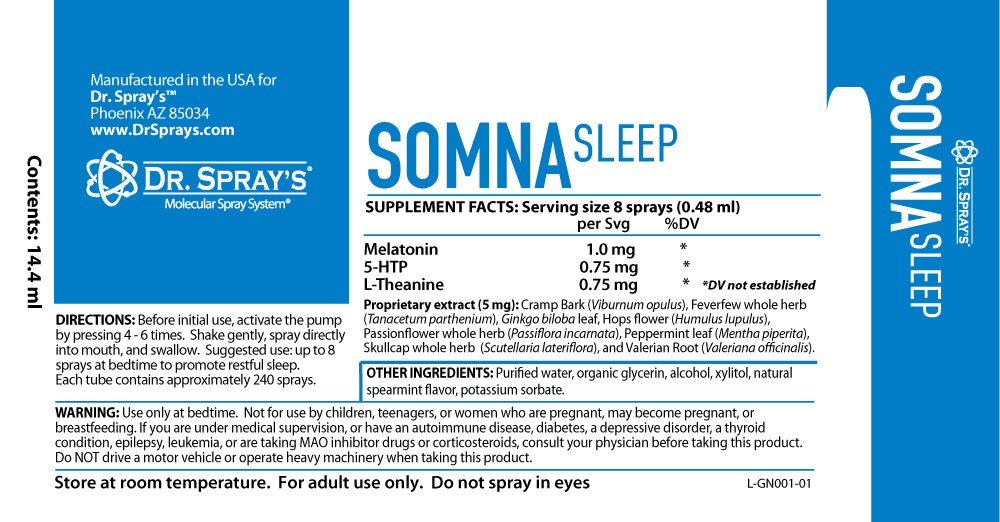
If you're using vitamin spray supplements to support your toddler's sleep, timing is important. B vitamins are energizing and should be given in the morning. Vitamin D3 can be given any time but morning is often most convenient. For sleep-specific support, look for formulations designed for evening use that won't interfere with your toddler's natural sleep drive.
When to Seek Professional Help
While most sleep regression resolves on its own within 2-6 weeks, certain signs warrant consultation with your pediatrician:
- Sleep problems persist beyond 8 weeks
- Your child snores loudly or seems to stop breathing during sleep
- Extreme daytime sleepiness affects normal activities
- Sleep issues are accompanied by other behavioral changes
- Your child seems to be in pain during the night
- You suspect an underlying medical condition
Sleep disorders like sleep apnea, restless leg syndrome, or other medical issues can masquerade as regression. Trust your instincts—you know your child best.
Self-Care for Exhausted Parents
Managing a 2-year-old's sleep regression is draining. Remember that taking care of yourself isn't selfish—it's necessary for patient, consistent parenting. Consider these strategies:
- Take turns with your partner for night wakings
- Go to bed earlier yourself, even if it means sacrificing evening activities
- Ask for help from family or friends
- Maintain your own nutrition and consider whether you might benefit from vitamin spray supplementation for energy support
- Practice stress-reduction techniques during the day
Phoenix, Arizona parents have access to excellent pediatric resources and support groups that can provide community during challenging sleep phases. Don't hesitate to reach out for support—sleep deprivation affects everyone.
Long-Term Sleep Success
The habits you establish now will serve your family for years to come. While sleep regression feels overwhelming in the moment, maintaining consistency during this phase teaches your toddler important self-soothing skills.
Most importantly, remember that this phase is temporary. Your 2-year-old will sleep through the night again. By addressing both behavioral and nutritional factors, you're setting the foundation for healthy sleep habits that extend well beyond toddlerhood.
Frequently Asked Questions
How long does sleep regression last in 2-year-olds?
Typically, sleep regression at age 2 lasts between 2-6 weeks. However, the duration varies depending on the underlying cause and how consistently you apply sleep strategies. Developmental regressions tend to resolve as your toddler adjusts to new cognitive abilities, while those triggered by environmental changes may last until routines stabilize.
Should I let my 2-year-old cry it out during sleep regression?
This depends on your parenting philosophy and your child's temperament. Some families find modified sleep training effective, while others prefer gentler approaches. Whatever method you choose, consistency matters more than the specific technique. If you do use a cry-it-out method, consider consulting your pediatrician first, especially if your child is experiencing significant anxiety.
Can vitamin deficiencies cause sleep problems in toddlers?
Yes, deficiencies in vitamins B12, D3, and minerals like magnesium and iron can contribute to sleep difficulties in children. If your 2-year-old is a picky eater or has restricted diet, discuss supplementation with your pediatrician. Oral spray vitamins offer high absorption rates and easy administration for toddlers who struggle with pills or gummies.
Is it normal for a 2-year-old to suddenly refuse naps?
Many 2-year-olds go through periods of nap resistance, though most still need at least one nap daily. True nap transitions typically happen closer to age 3-4. If your toddler refuses naps, ensure they're getting adequate nighttime sleep (10-13 hours) and consider instituting quiet rest time in their room as an alternative.
What's the ideal bedtime for a 2-year-old?
Most 2-year-olds do best with a bedtime between 7:00-8:30 PM. The specific time depends on when your child wakes up and whether they're still napping. Aim for 10-13 hours of total sleep in 24 hours. An overtired toddler actually has more difficulty falling and staying asleep, so don't assume a later bedtime means sleeping later in the morning.
How can I tell if my toddler's sleep problems are medical rather than behavioral?
Warning signs of medical sleep issues include loud snoring, gasping or pausing breathing during sleep, extreme difficulty waking in the morning, excessive daytime sleepiness that interferes with normal activities, and sleep problems accompanied by other symptoms like pain or fever. If you notice any of these signs, consult your pediatrician for evaluation.
Are vitamin sprays safe for 2-year-olds?
When manufactured to high standards in FDA-registered, GMP-certified facilities, vitamin sprays are safe for toddlers and offer advantages over pills and gummies. The spray delivery system provides superior absorption (up to 90%) and eliminates choking hazards. Always choose products specifically formulated for children and follow dosing instructions carefully. Consult your pediatrician before starting any new supplement, especially if your child has underlying health conditions.
Should I wake my 2-year-old from a long nap?
If your toddler's nap extends beyond 2-3 hours or if they're napping late in the afternoon, waking them may be necessary to protect nighttime sleep. A nap that ends after 4:00 PM can make bedtime difficult. However, if your child is catching up on sleep after several rough nights, one longer nap is generally fine.
Support Your Toddler's Sleep with Quality Nutrition
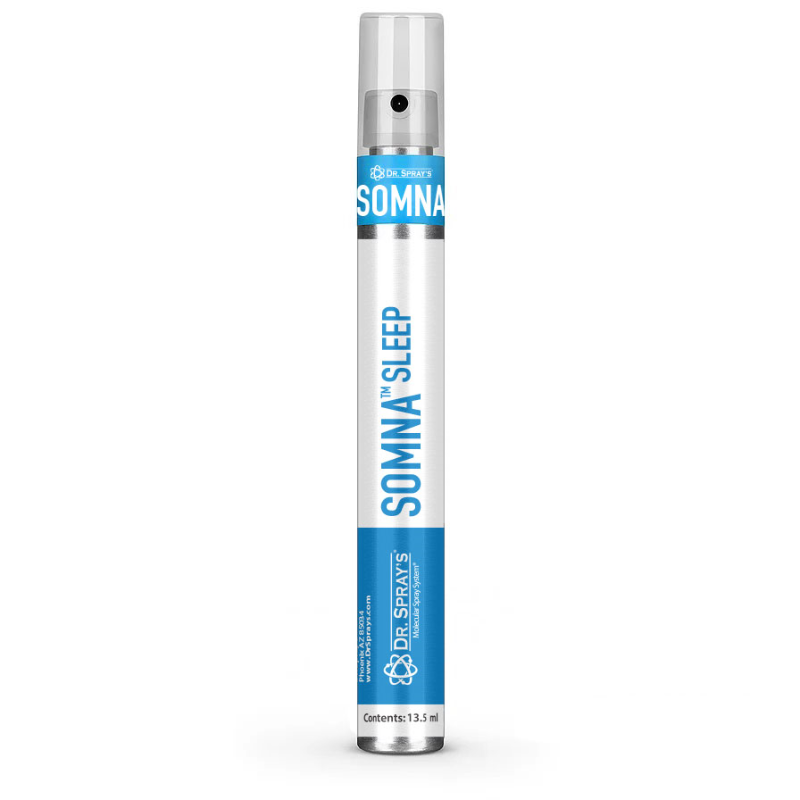
While good sleep habits are essential, proper nutrition plays a critical supporting role. If your 2-year-old is a picky eater or you're concerned about nutritional gaps affecting sleep quality, consider our doctor-developed vitamin spray supplements.
Our oral spray delivery system offers 90% absorption—far superior to traditional pills—and makes supplementation easy even with resistant toddlers. All products are manufactured in our FDA-registered, GMP-certified facility in Phoenix, Arizona.
Explore our full range of vitamin sprays, including B12 and D3 formulations that support healthy sleep patterns.