As a parent in Phoenix, Arizona, ensuring your one-year-old gets quality sleep is essential for their growth and development. While proper sleepwear is important, the foundation of healthy sleep begins with your child's nutrition and vitamin levels. This comprehensive guide explores how to dress your toddler for sleep while understanding the crucial role that proper nutrition, including innovative delivery methods like vitamin spray options, plays in their sleep quality.
Understanding Your One-Year-Old's Sleep Needs
At twelve months, toddlers require 11-14 hours of sleep per day, including naps. Their bodies undergo rapid development during sleep, making proper rest crucial for cognitive function, immune health, and physical growth. Many parents don't realize that nutritional deficiencies can significantly impact sleep quality, even when environmental factors seem perfect.
The connection between nutrition and sleep is particularly important during the first years of life. Vitamins like D3 and B12 play essential roles in regulating sleep-wake cycles, while adequate vitamin C supports overall immune function that keeps your little one healthy and sleeping soundly.
Seasonal Dressing Guidelines for Phoenix, Arizona
Phoenix's unique desert climate requires special consideration when dressing your toddler for sleep. The extreme temperature variations between seasons—and even between day and night—mean parents need flexible strategies.
Summer Sleep Attire (May-September)
During Phoenix's scorching summer months when nighttime temperatures can remain above 85°F, lightweight breathable fabrics are essential:
- Single-layer cotton rompers or onesies without footies
- Breathable muslin or bamboo sleep sacks with 0.5 TOG rating
- Diaper and lightweight shirt if room temperature exceeds 78°F with air conditioning
- Natural fiber materials that wick moisture away from skin
Keep your child's room between 68-72°F using air conditioning. This temperature range supports the body's natural production of melatonin, the sleep hormone that's also influenced by vitamin D3 levels.
Winter Sleep Attire (November-February)
Phoenix winters are mild but can dip into the 40s at night. For cooler evenings:
- Long-sleeved cotton pajamas with footies
- Medium-weight sleep sack (1.0-2.5 TOG rating)
- Additional layer like a cotton undershirt if room temperature drops below 65°F
Spring and Fall Transitions
Phoenix's transitional seasons require flexibility. Keep multiple sleep options available and adjust based on nightly temperature fluctuations, which can vary by 20-30 degrees.
The TOG Rating System Explained
TOG (Thermal Overall Grade) measures fabric warmth. Understanding this system helps Phoenix parents make informed decisions:
- 0.5 TOG: Hot weather, room temperature 75°F+
- 1.0 TOG: Moderate weather, room temperature 69-74°F
- 2.5 TOG: Cool weather, room temperature 61-68°F
Most Phoenix parents primarily need 0.5 and 1.0 TOG sleep sacks, occasionally reaching for 2.5 TOG during December and January cold snaps.
Safe Sleep Foundation: Beyond Clothing
While proper attire matters, creating a safe sleep environment involves multiple factors. The American Academy of Pediatrics recommends:
- Firm, flat sleep surface without loose bedding
- Room temperature between 68-72°F
- Back sleeping position
- No pillows, stuffed animals, or bumpers
- Well-fitting sleep clothing that won't bunch or cover face
These environmental factors work synergistically with your child's internal health, including their vitamin and nutrient status.
The Nutrition-Sleep Connection in Toddlers
Emerging research continues to reveal the profound connection between nutrition and sleep quality in young children. Several key vitamins and minerals directly influence sleep regulation:
Vitamin D3 and Sleep Regulation
Despite Phoenix's abundant sunshine, many toddlers still experience vitamin D deficiency due to necessary sun protection. Vitamin D3 plays a crucial role in sleep quality by:
- Regulating circadian rhythm
- Supporting serotonin production (which converts to melatonin)
- Reducing nighttime waking frequency
- Improving overall sleep duration
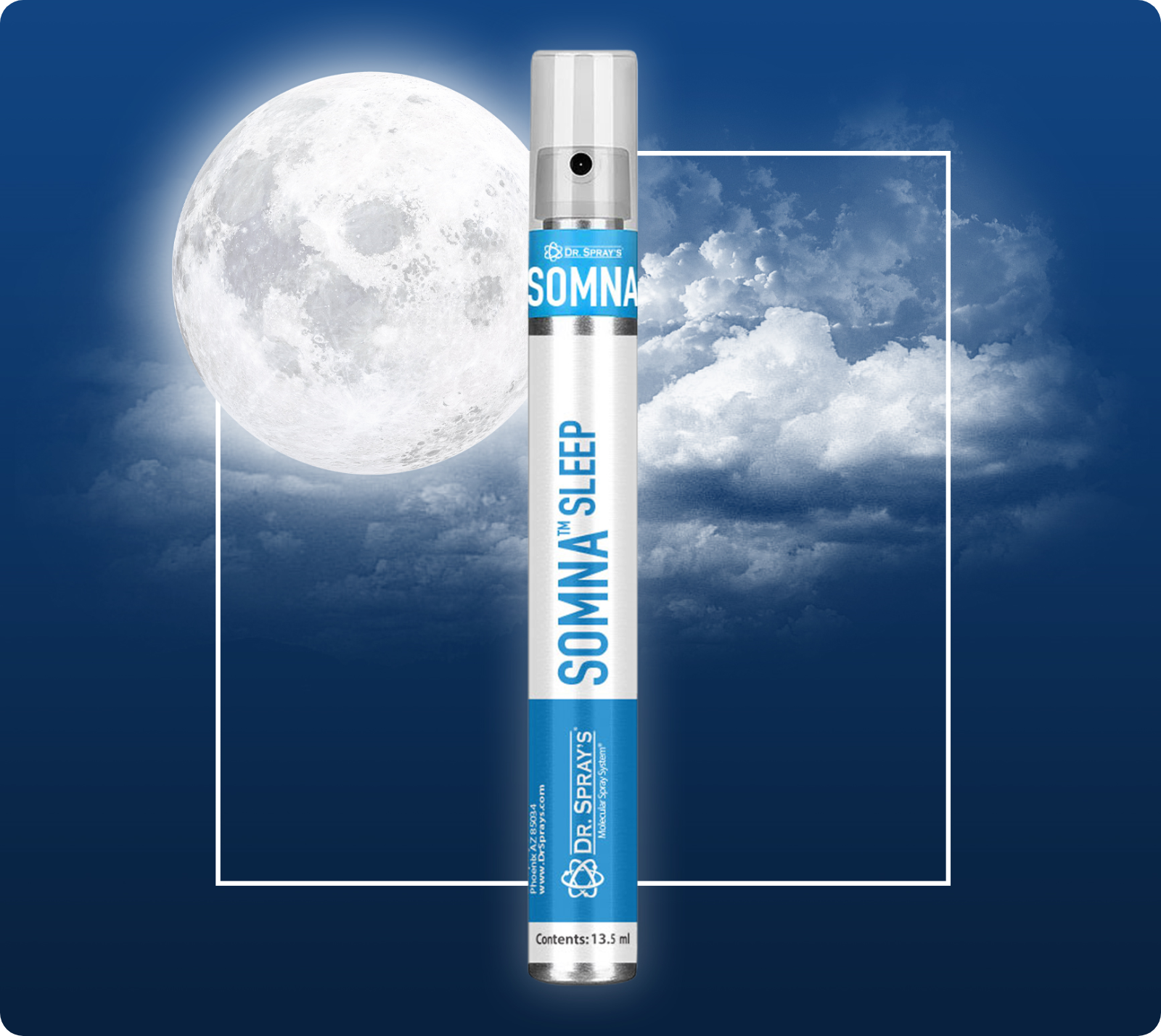
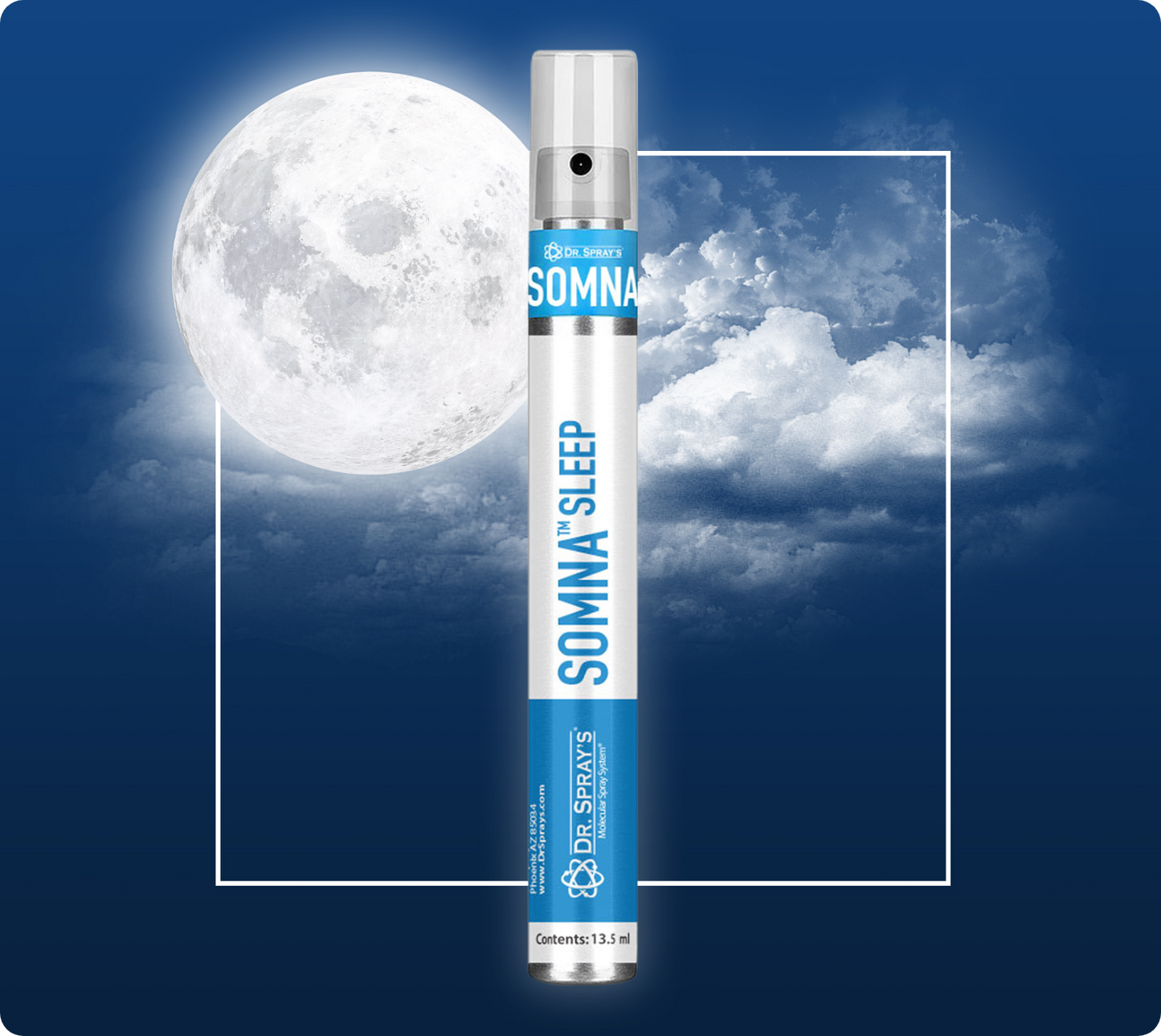
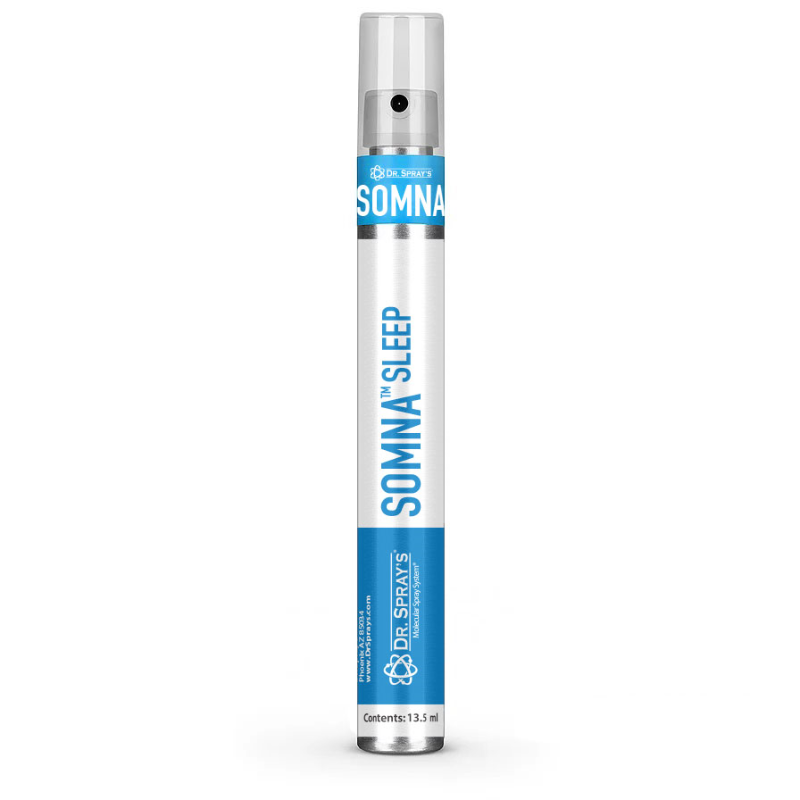
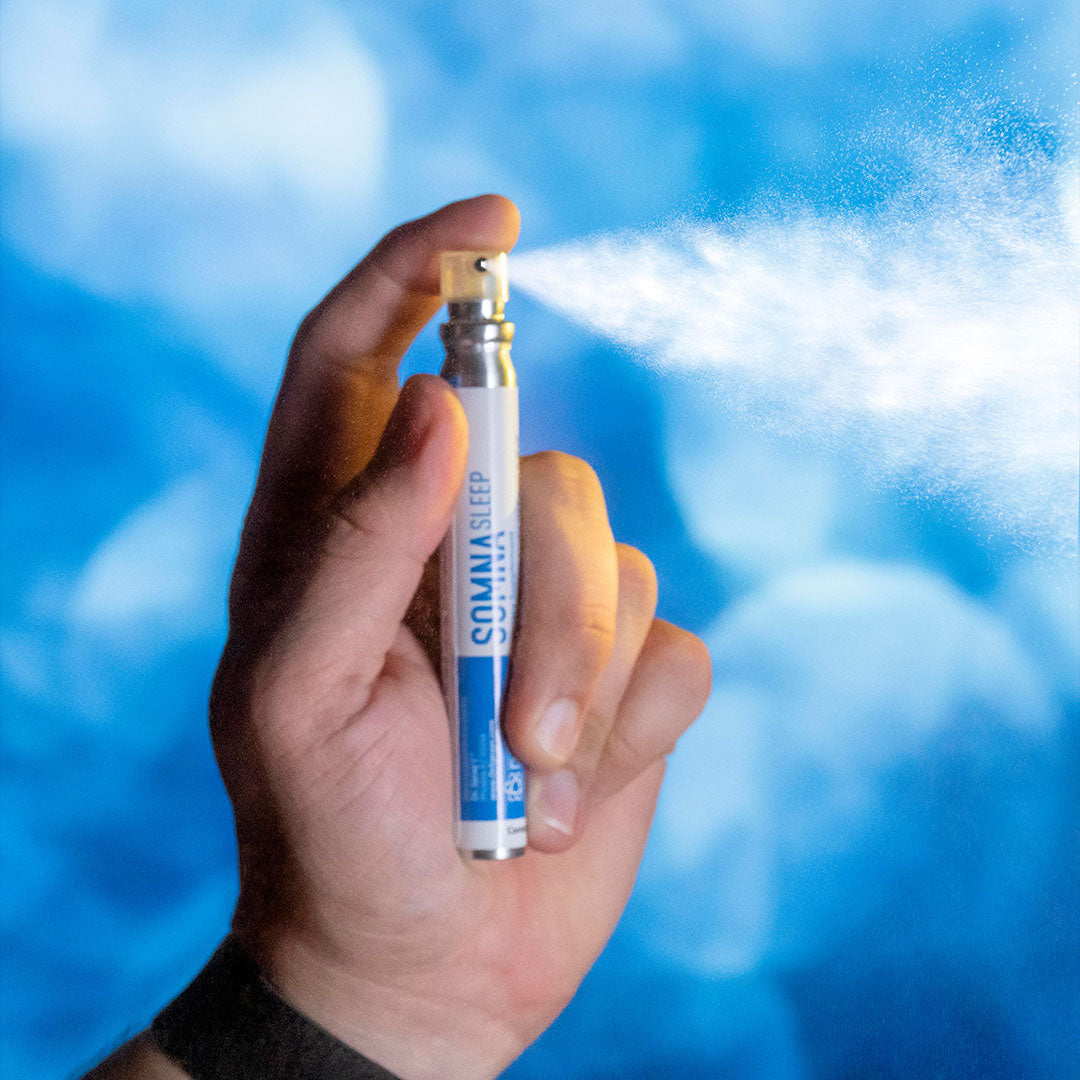
Traditional vitamin D supplements for toddlers can be challenging to administer. Many parents have found success with oral spray vitamins, which offer easier delivery and higher absorption rates. A vitamin D3 spray designed for precise dosing can be more practical than trying to convince a one-year-old to swallow pills or liquids.
B Vitamins and Energy Regulation
The B vitamin complex, particularly B12, helps regulate your toddler's energy levels throughout the day, promoting better sleep at night. Vitamin B12 spray options provide an innovative delivery method that bypasses digestive challenges common in young children.
B vitamins support:
- Healthy nervous system function
- Conversion of food to usable energy
- Proper melatonin production timing
- Mood regulation affecting sleep onset
Vitamin C and Immune Support
One-year-olds experience frequent immune challenges as they encounter new pathogens. Illness dramatically disrupts sleep patterns. Adequate vitamin C intake helps maintain immune function, potentially reducing sleep-disrupting illness frequency.
Modern Vitamin Delivery: Spray Technology Benefits
For parents struggling with traditional supplement delivery methods, spray supplements offer compelling advantages:
- Higher absorption rates: Sublingual delivery can achieve up to 90% absorption compared to 10-20% with traditional pills
- Easier administration: No choking hazard or struggle with pills
- Faster action: Direct absorption through oral mucosa
- Better taste acceptance: Flavored sprays often more palatable than crushed tablets
- Precise dosing: Controlled spray mechanism ensures consistent amounts
Consult your pediatrician about whether vitamin spray options might benefit your toddler, especially if they show signs of deficiency or have difficulty with traditional supplements.
Signs Your Toddler May Be Dressed Incorrectly
Watch for these indicators that clothing adjustments are needed:
- Sweating: Damp hair, neck, or back indicates overheating
- Cold extremities: Cool hands or feet suggest insufficient warmth
- Frequent night waking: May indicate temperature discomfort
- Flushed cheeks: Often signals overheating
- Restless sleep: Excessive movement may indicate discomfort
- Early morning waking: Can result from temperature changes as night progresses
Check your child 30-60 minutes after sleep onset by feeling their chest or back. The skin should feel warm but not hot or sweaty.
Fabric Selection: What Materials Work Best
Fabric choice significantly impacts your toddler's comfort and safety:
Recommended Fabrics
- 100% cotton: Breathable, hypoallergenic, widely available
- Bamboo: Highly breathable, naturally antibacterial, excellent moisture-wicking
- Organic cotton: Chemical-free option for sensitive skin
- Muslin: Lightweight and breathable for hot weather
Fabrics to Avoid
- Synthetic fleece: Traps heat excessively, increases overheating risk
- Polyester: Poor breathability, moisture retention
- Heavy flannel: Too warm for most Phoenix nights
- Loose-weave fabrics: Small fingers or toes can get caught
Creating a Year-Round Sleep Wardrobe
Phoenix parents should maintain a versatile sleep wardrobe that accommodates the desert climate's unique demands:
Essential Items
- 3-4 lightweight cotton short-sleeved bodysuits
- 2-3 long-sleeved cotton pajama sets
- 2 sleep sacks in 0.5 TOG rating
- 1-2 sleep sacks in 1.0 TOG rating
- 1 sleep sack in 2.5 TOG rating (for rare cold nights)
- 2-3 pairs of cotton footie pajamas
Organization Tips
Keep sleep clothing organized by season and TOG rating. As Phoenix temperatures fluctuate, you'll need to switch quickly between warmer and cooler options. Store off-season items accessibly, as unseasonable temperatures occur frequently in the desert.
Transitioning From Sleep Sacks to Blankets
Most experts recommend keeping one-year-olds in sleep sacks rather than introducing blankets. Sleep sacks provide:
- Consistent warmth without covering face
- Freedom of movement within safe boundaries
- Elimination of loose bedding hazards
- Easier nighttime temperature regulation
Consider transitioning to blankets only after age two, when children develop the motor skills to remove coverings from their faces independently.
Special Considerations for Phoenix Parents
Air Conditioning and Dry Air
Phoenix homes rely heavily on air conditioning, which creates dry indoor air. This affects both sleep clothing choices and your toddler's respiratory health. Consider:
- Using a humidifier to maintain 30-50% humidity
- Choosing breathable fabrics that don't irritate dry skin
- Applying gentle moisturizer before bed
- Ensuring adequate hydration throughout the day
Travel and Temperature Adjustment
When traveling from Phoenix to cooler climates, bring layering options and higher TOG sleep sacks. Conversely, when hosting visitors from cooler regions, explain that your air-conditioned home may feel quite cool despite the outdoor heat.
Supporting Overall Health for Better Sleep
While proper sleepwear creates comfortable conditions, comprehensive health support provides the foundation for quality rest. This includes:
- Consistent bedtime routines that signal sleep time
- Adequate daytime physical activity appropriate for age
- Balanced nutrition with essential vitamins and minerals
- Appropriate nap scheduling that doesn't interfere with nighttime sleep
- Limited screen time especially before bed
Parents in Phoenix can also take advantage of early morning outdoor time, which provides natural vitamin D exposure and helps regulate circadian rhythms—just remember sun protection for your toddler's delicate skin.
When to Consult Healthcare Providers
Contact your pediatrician if your one-year-old experiences:
- Persistent sleep difficulties despite appropriate clothing and environment
- Signs of overheating or inability to regulate temperature
- Frequent night waking that disrupts family sleep
- Symptoms suggesting vitamin deficiencies (lethargy, irritability, poor growth)
- Difficulty maintaining comfortable body temperature
Healthcare providers can assess whether underlying issues—including nutritional deficiencies—contribute to sleep problems and recommend appropriate interventions.
Frequently Asked Questions
Should my one-year-old wear socks to bed in Phoenix?
During summer months, socks are typically unnecessary and may cause overheating. In winter, if the room temperature drops below 68°F, lightweight cotton socks can help keep feet warm. However, many sleep sacks with footies provide adequate warmth without separate socks. Check your child's feet during the night—they should feel slightly cooler than the torso but not cold.
Can vitamin deficiencies really affect my toddler's sleep?
Yes, research shows that deficiencies in vitamins D3, B12, and others can significantly impact sleep quality in young children. Vitamin D3 helps regulate circadian rhythms, while B vitamins support the nervous system's sleep-wake cycles. If your pediatrician identifies deficiencies, they may recommend supplementation. Modern oral spray vitamins offer high absorption rates and easier administration for toddlers compared to traditional pills.
How do I know if my baby is too hot while sleeping?
Check your child's chest or back (not hands or feet, which naturally run cooler). The skin should feel warm and dry, not hot or sweaty. Other signs of overheating include flushed cheeks, rapid breathing, damp hair, heat rash, and restless sleep. In Phoenix's climate, overheating is more common than being too cold, even with air conditioning.
What room temperature is safest for a one-year-old?
The ideal room temperature for toddler sleep is between 68-72°F. This range supports safe sleep while maintaining comfort. In Phoenix, maintaining this temperature year-round typically requires air conditioning. Use a reliable room thermometer to monitor temperature, as thermostat settings don't always reflect the actual temperature in your child's room.
Are sleep sacks safer than blankets for one-year-olds?
Yes, sleep sacks are considerably safer than loose blankets for toddlers. They eliminate the risk of the covering bunching over the face while still providing warmth. Sleep sacks also prevent children from kicking off blankets and becoming cold during the night. Most pediatricians recommend continuing sleep sack use until at least age two.
How quickly can I expect improved sleep if I optimize clothing and nutrition?
Adjusting sleep clothing to appropriate levels typically shows results within 1-3 nights. However, if sleep issues stem from nutritional deficiencies, improvement may take several weeks as vitamin levels normalize. Spray supplements offer faster absorption than traditional pills, potentially speeding this timeline. Always work with your pediatrician to identify and address any deficiencies.
What should my toddler wear for daytime naps versus nighttime sleep?
Daytime naps and nighttime sleep generally require the same clothing approach based on room temperature. However, if your home is warmer during the day (common in Phoenix despite air conditioning), you may need to use lighter clothing for naps. The key is matching clothing weight to room temperature, regardless of whether it's day or night.
Can overheating during sleep affect my child's development?
Chronic overheating can disrupt sleep quality, which in turn may affect growth hormone release, immune function, and cognitive development. Proper temperature regulation during sleep supports the deep sleep stages when important developmental processes occur. This is one reason maintaining appropriate room temperature and clothing is crucial.
Supporting Your Toddler's Health in Phoenix
Raising a healthy toddler in Phoenix, Arizona requires understanding the unique challenges of desert living. While proper sleep attire creates immediate comfort, long-term health depends on comprehensive nutritional support. The dry climate, intense sun requiring sun protection that limits vitamin D synthesis, and indoor living necessitated by extreme heat all create unique nutritional considerations.
Modern solutions like vitamin spray delivery systems offer Phoenix parents convenient, effective ways to ensure their toddlers receive essential nutrients. With absorption rates significantly higher than traditional supplements, these innovations support the foundation of health that makes quality sleep possible.
About the Author
This article was created by the health education team at DrSprays, a Phoenix, Arizona-based company specializing in doctor-developed oral vitamin sprays. Our GMP-certified, FDA-registered facility produces high-quality spray supplements with up to 90% absorption rates. While this article focuses on toddler sleep and clothing, our expertise in vitamin delivery science informs our understanding of how nutrition impacts health at every age. We're committed to providing accurate, research-based health information to our Phoenix community and beyond.
Optimize Your Family's Health with Advanced Nutrition
Creating the perfect sleep environment for your one-year-old involves more than choosing the right pajamas. While appropriate clothing addresses immediate comfort, optimal nutrition provides the foundation for healthy development and quality sleep. If you're interested in learning more about how innovative vitamin spray technology can support your family's health with superior absorption and convenient delivery, explore the science-backed solutions available from DrSprays.
Our Phoenix-based facility develops doctor-formulated oral spray vitamins including vitamin D3 spray, vitamin B12 spray, and other essential nutrients—all manufactured in an FDA-registered, GMP-certified facility. Discover how modern supplementation technology can make supporting your family's nutritional needs easier than ever.
Visit DrSprays to learn more about our complete line of vitamin and supplement sprays, or consult with your pediatrician about whether our products might benefit your family's health routine.