The 2-year sleep regression can transform peaceful bedtimes into nightly battles, leaving parents exhausted and searching for solutions. This developmental phase, while temporary, tests even the most patient caregivers as toddlers suddenly resist sleep, wake frequently, or skip naps altogether.
Understanding why this regression happens—and how to address it through routine, nutrition, and proper supplementation—can help your family navigate this challenging period more smoothly.
Understanding the 2-Year-Old Sleep Regression
Sleep regressions represent temporary disruptions in established sleep patterns, typically lasting 2-6 weeks. At age two, several developmental milestones converge to create the perfect storm for sleep difficulties.
What Causes Sleep Regression at This Age?
The 2-year mark brings significant cognitive, emotional, and physical changes that directly impact sleep quality:
- Cognitive leaps: Toddlers experience dramatic advances in imagination and language development, making their minds more active at bedtime
- Separation anxiety: Increased awareness of being separate from parents can trigger nighttime fears
- Testing boundaries: The infamous "terrible twos" often involve pushing limits around bedtime routines
- Physical development: Some children begin potty training, which can disrupt sleep patterns
- Nap transitions: Many toddlers resist or drop their daytime nap during this period
Nutritional deficiencies can also contribute to poor sleep quality. Inadequate levels of vitamin D, magnesium, or B vitamins may exacerbate sleep difficulties during this already challenging developmental phase.
Recognizing the Signs of Sleep Regression
Not every difficult night indicates a true sleep regression. Look for these consistent patterns over several days or weeks:
- Sudden resistance to bedtime after months of smooth routines
- Frequent night wakings when your child previously slept through the night
- Extended time needed to fall asleep (45 minutes or more)
- Earlier morning wake times
- Increased clinginess or separation anxiety at bedtime
- Complete refusal to nap despite obvious tiredness
- More frequent nightmares or night terrors
These symptoms distinguish temporary regressions from other sleep issues that might require different interventions or medical attention.
Establishing a Consistent Bedtime Routine
Consistency provides the foundation for helping your toddler through sleep regression. A predictable sequence of events signals the body that sleep is approaching, making the transition easier.
Creating an Effective Evening Schedule
Structure your evening to support natural sleep rhythms:
- Start wind-down 60-90 minutes before bedtime: Dim lights, reduce noise, and shift to calm activities
- Include a nutritious snack: A small portion of complex carbohydrates with protein helps stabilize blood sugar through the night
- Bath time (30-45 minutes before bed): The subsequent temperature drop helps trigger drowsiness
- Quiet activities: Reading, gentle singing, or soft music create calming transitions
- Consistent bedtime: Aim for the same time every night, even on weekends
During this routine, consider incorporating sleep-supporting supplements that work quickly through oral absorption. Traditional pills or gummies may take 30-45 minutes to break down, but oral spray vitamins deliver nutrients directly into the bloodstream for faster support.
The Power of Predictability
Two-year-olds thrive on knowing what comes next. Use visual schedules with pictures showing each bedtime step. This reduces anxiety and gives your child a sense of control during an otherwise unpredictable developmental phase.
Optimizing the Sleep Environment
Your toddler's bedroom should function as a sleep sanctuary, especially during regression periods.
Essential Environmental Factors
- Temperature: Maintain 68-72°F for optimal sleep conditions
- Darkness: Use blackout curtains to eliminate disruptive light; a small nightlight is acceptable if your child fears complete darkness
- White noise: Consistent background sound masks household noises and provides auditory comfort
- Comfortable bedding: Breathable fabrics and appropriate layering prevent overheating
- Safety measures: Ensure the room is thoroughly childproofed if your toddler climbs out of the crib
Remove stimulating toys, electronics, and screens from the bedroom. These items signal playtime rather than sleep time and can make bedtime battles worse.
Nutritional Support for Better Sleep
What your child consumes throughout the day—and especially in the evening—significantly impacts sleep quality.
Key Nutrients for Sleep Support
Several vitamins and minerals play crucial roles in sleep regulation:
Vitamin D: Often called the "sunshine vitamin," vitamin D influences sleep quality and duration. Many toddlers, especially in northern climates or during winter months, don't receive adequate vitamin D. A vitamin D3 spray provides consistent daily support with superior absorption compared to traditional supplements.
Research shows that vitamin D deficiency correlates with increased sleep disorders in children. The body's ability to produce melatonin—the primary sleep hormone—depends partly on adequate vitamin D levels.
B Vitamins: This complex of vitamins helps regulate circadian rhythms and supports neurotransmitter production. Vitamin B6, in particular, assists in converting tryptophan to serotonin, which the body then converts to melatonin. A vitamin B12 spray along with a comprehensive B-complex supports these critical pathways.
Magnesium: This mineral promotes relaxation by regulating neurotransmitters and reducing cortisol (stress hormone) levels. Foods rich in magnesium include bananas, whole grains, and leafy greens.
Calcium: Works synergistically with magnesium to support melatonin production and muscle relaxation.
Why Spray Supplements Offer Advantages
Traditional vitamin delivery methods present challenges for toddlers. Pills pose choking hazards, and gummies often contain sugar that can interfere with sleep. Additionally, conventional supplements must travel through the digestive system, where absorption rates may reach only 10-20%.
Oral spray vitamins address these concerns through buccal absorption—delivery directly through the mouth's mucous membranes into the bloodstream. This method provides several benefits:
- Up to 90% absorption rate versus 10-20% for pills
- Faster nutrient delivery (2-3 minutes versus 30-45 minutes)
- No choking hazard for young children
- Easy administration even with resistant toddlers
- Pleasant flavors without excessive sugar
Products from our Phoenix, Arizona facility undergo rigorous testing and quality control to ensure purity and potency in every spray.
Timing Nutritional Support
For sleep-specific support, administer spray supplements 30-60 minutes before bedtime as part of the evening routine. For general nutritional support like vitamin D or B vitamins, morning administration works well and won't interfere with sleep.
Managing Nap Transitions
Many 2-year-olds begin resisting or dropping their nap during sleep regression, creating a difficult decision for parents.
Should You Maintain the Nap?
Most sleep experts recommend preserving the afternoon nap until at least age three, as toddlers still require 11-14 hours of total sleep per 24-hour period. However, flexibility matters during regression periods.
Consider these strategies:
- Shorten rather than eliminate: A 45-60 minute rest may work better than a full 2-hour nap
- Move naptime earlier: If your toddler naps too late, bedtime becomes impossible; aim for a 12:30-1:00 PM naptime
- Implement quiet time: Even without sleeping, 60 minutes of calm rest in the bedroom provides necessary downtime
- Watch for sleepy cues: Yawning, eye-rubbing, and decreased activity signal true tiredness versus simple resistance
Adequate daytime nutrition, including a complete multivitamin spray, helps maintain energy levels and may reduce overtiredness that paradoxically makes sleep harder.
Addressing Nighttime Wakings
When your previously sound sleeper begins waking multiple times nightly, responding appropriately helps re-establish healthy sleep patterns.
Effective Response Strategies
Balance comfort with independence:
- Wait briefly before responding: Give your child 2-3 minutes to self-soothe before intervening
- Keep interactions minimal: Avoid turning night wakings into engaging social time
- Provide comfort without removal: Pat, reassure, and comfort your child in their bed rather than bringing them to yours
- Maintain darkness: Use only minimal light necessary for safety
- Stay calm and boring: Your demeanor should communicate that nighttime is for sleeping, not playing
When to Seek Additional Help
Consult your pediatrician if:
- Sleep regression persists beyond 6-8 weeks
- Your child shows signs of sleep apnea (snoring, gasping, pauses in breathing)
- Extreme daytime behavioral issues emerge
- Your child seems in pain or discomfort during wakings
- You suspect underlying medical issues affecting sleep
Supporting Your Own Sleep and Stress
Sleep-deprived parents make less effective caregivers. Prioritizing your own rest and stress management helps everyone in the family.
Practical Self-Care Strategies
- Take turns with your partner: Alternate who handles night wakings
- Nap when possible: Even 20-minute power naps restore energy
- Maintain your own nutrition: Consider spray supplements for convenient nutrient support when you're too tired to prepare balanced meals
- Accept help: Let family or friends assist with daytime childcare so you can rest
- Practice stress reduction: Brief meditation, exercise, or time outdoors improves resilience
A vitamin B12 spray can help combat fatigue during particularly exhausting regression periods. B vitamins support energy metabolism and nervous system function, helping your body cope with sleep deprivation.
Physical Activity and Daytime Structure
How your toddler spends their waking hours directly influences nighttime sleep quality.
Optimizing Daily Activity
Two-year-olds need substantial physical activity—at least 3 hours of active play throughout the day. This helps:
- Tire the body appropriately for nighttime rest
- Support healthy appetite and nutrition
- Regulate mood and behavior
- Promote natural circadian rhythm alignment
Include outdoor time whenever possible. Natural light exposure, particularly in the morning, helps set the internal body clock and supports vitamin D production.
Avoiding Overstimulation
Balance active play with calm activities. Overstimulated toddlers struggle to transition to sleep. Avoid:
- Screen time within 2 hours of bedtime
- Rough physical play in the evening
- Exciting outings or activities after dinner
- Sugar-laden snacks or drinks in the late afternoon/evening
The Role of Comprehensive Nutrition
While specific sleep-supporting nutrients matter, overall nutritional status affects every aspect of your toddler's development, including sleep.
Common Deficiencies in Toddlers
Even with careful meal planning, many toddlers experience nutritional gaps due to:
- Picky eating habits common at this age
- Rapid growth requiring increased nutrient density
- Limited dietary variety
- Inadequate intake of nutrient-dense foods
Beyond vitamin D and B vitamins, toddlers commonly lack adequate:
- Vitamin C: Supports immune function and iron absorption
- Iron: Critical for cognitive development and energy
- Zinc: Important for immune health and growth
- Vitamin A: Supports vision and immune function
A comprehensive approach using a daily multivitamin spray ensures your toddler receives consistent baseline nutrition, while targeted supplements like vitamin D3 spray address specific needs.
Quality Matters in Supplementation
When selecting spray supplements for your family, prioritize products that are:
- Doctor-developed with evidence-based formulations
- Manufactured in FDA-registered, GMP-certified facilities
- Third-party tested for purity and potency
- Free from unnecessary fillers, artificial colors, and excessive sugars
- Formulated specifically for oral absorption
Our Phoenix, Arizona facility maintains strict quality standards throughout the manufacturing process, ensuring every bottle meets pharmaceutical-grade specifications.
Long-Term Sleep Hygiene
The strategies you implement during the 2-year regression create habits that support healthy sleep for years to come.
Building Lasting Healthy Sleep Patterns
Focus on sustainable practices rather than quick fixes:
- Consistency across caregivers: Ensure everyone who cares for your child follows the same bedtime routine and expectations
- Gradual adjustments: When changes are necessary, implement them slowly over several days
- Positive sleep associations: Create pleasant connections with bedtime through special songs, stories, or rituals
- Independence encouragement: Gradually teach self-soothing skills appropriate for your child's development
- Regular schedule maintenance: Even during vacations or disruptions, approximate normal routines when possible
Understanding This Is Temporary
Perhaps the most important aspect of managing sleep regression is remembering it won't last forever. This developmental phase, while exhausting, indicates your child's brain and body are growing exactly as they should.
Most 2-year sleep regressions resolve within 3-6 weeks as your toddler adjusts to new developmental milestones. Your consistent, calm approach during this period helps your child develop the skills needed for independent, healthy sleep throughout childhood.
Frequently Asked Questions
How long does the 2-year-old sleep regression typically last?
Most 2-year sleep regressions last between 2-6 weeks. The duration varies based on individual development, consistency of response, and whether multiple factors (like illness or travel) compound the regression. Maintaining consistent routines and supporting your child's nutritional needs can help minimize the length and severity.
Can vitamin deficiencies really affect my toddler's sleep?
Yes, research consistently shows that deficiencies in vitamin D, B vitamins, magnesium, and iron can significantly impact sleep quality. Vitamin D influences melatonin production, while B vitamins help regulate circadian rhythms. Using oral spray vitamins ensures your toddler receives optimal absorption of these critical nutrients, supporting both overall health and sleep quality.
Why are spray supplements better than gummies for toddlers?
Spray supplements offer several advantages: they provide up to 90% absorption through buccal delivery versus 10-20% for pills or gummies; they work in 2-3 minutes rather than 30-45 minutes; they contain no choking hazards; and they avoid the high sugar content typical of gummy vitamins. The spray delivery method makes administration easier with resistant toddlers while providing superior nutritional support.
Should I drop my 2-year-old's nap during sleep regression?
Most sleep experts recommend maintaining the nap until at least age three, as toddlers still need 11-14 hours of total sleep daily. However, you might shorten the nap or move it earlier if it's interfering with bedtime. Try implementing quiet rest time in the bedroom even if your child doesn't sleep—this provides necessary downtime while preserving the routine.
When should I be concerned about my toddler's sleep issues?
Consult your pediatrician if sleep problems persist beyond 8 weeks, if your child shows signs of sleep apnea (snoring, gasping, breathing pauses), if extreme behavioral issues emerge, or if you suspect pain or medical issues affecting sleep. While regressions are normal, prolonged or severe sleep disruption may indicate underlying concerns requiring professional evaluation.
How can I help my toddler who suddenly fears bedtime?
Validate your child's feelings while maintaining bedtime boundaries. Use a nightlight if needed, implement a comfort object, practice saying goodbye to the day, and ensure your bedtime routine provides ample connection time. Stay calm and consistent—showing anxiety about bedtime can increase your child's fears. If fears persist or intensify, discuss strategies with your pediatrician.
What's the best bedtime for a 2-year-old?
Most 2-year-olds benefit from a bedtime between 7:00-8:00 PM, depending on wake time and nap schedule. The goal is achieving 11-14 hours of total sleep per 24-hour period. Watch your child's individual sleepy cues—yawning, eye-rubbing, decreased activity—to identify their optimal bedtime window, then maintain consistency within 30 minutes each night.
Can I use natural sleep supplements for my toddler?
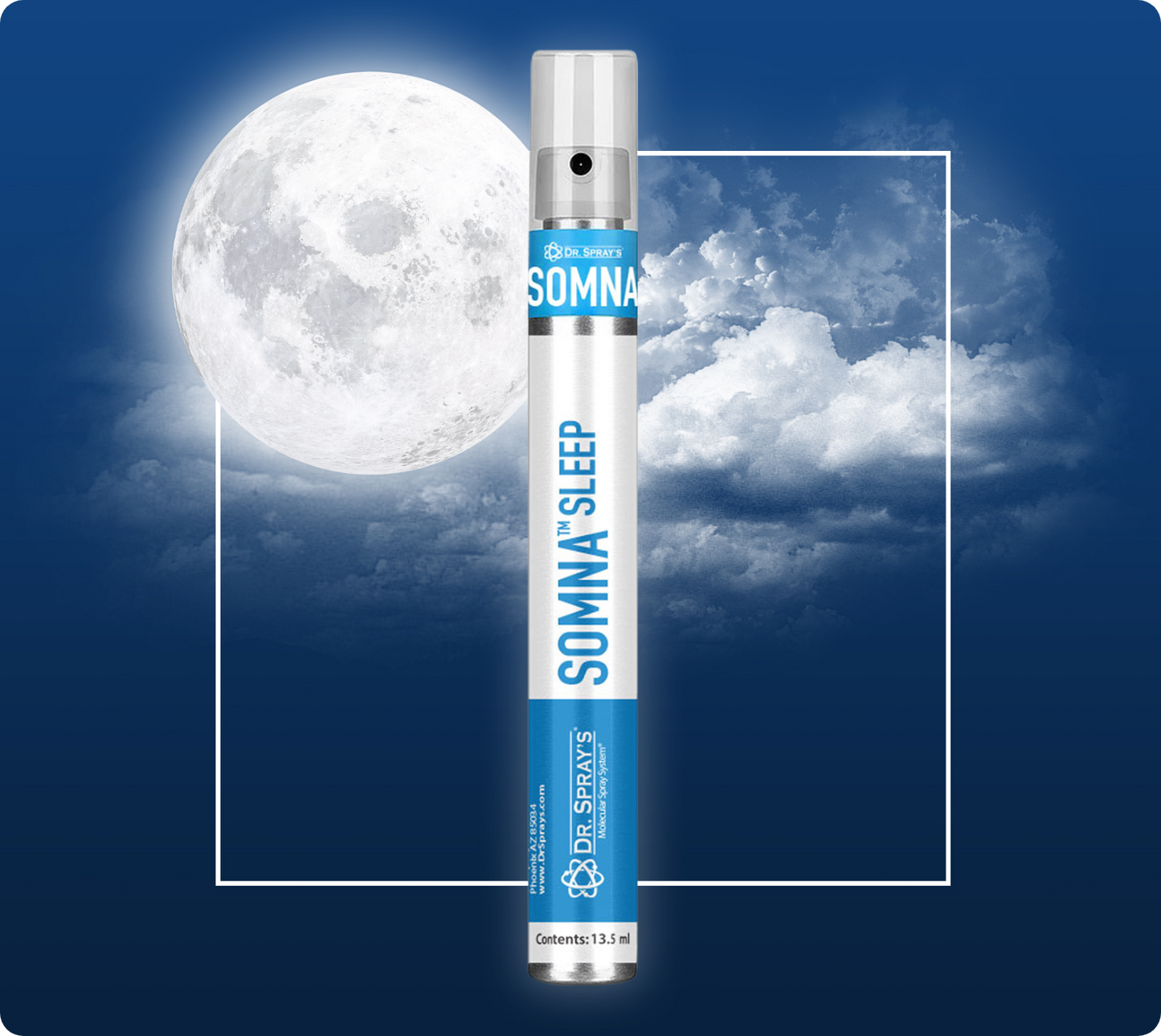
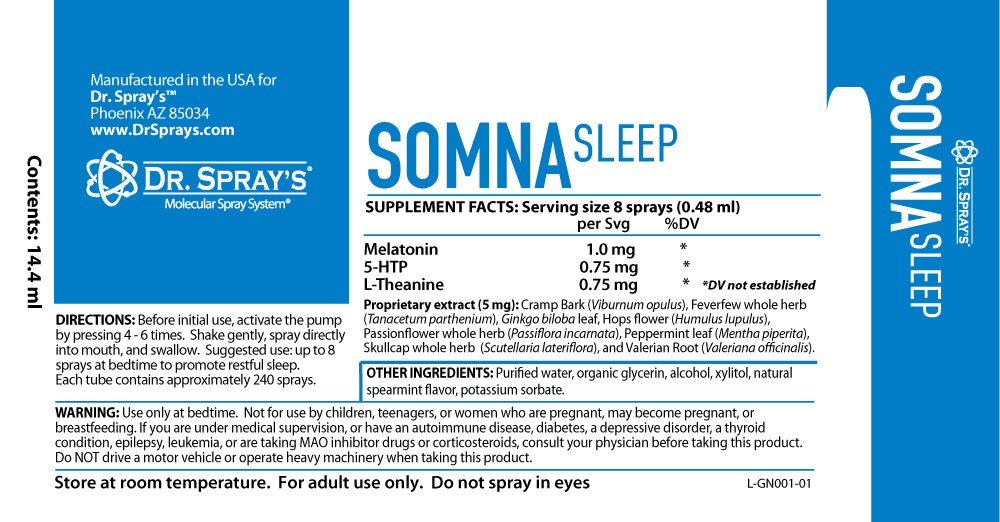
Always consult your pediatrician before giving your toddler any sleep supplement, including melatonin. Instead, focus on supporting the body's natural sleep mechanisms through proper nutrition, particularly adequate vitamin D, B vitamins, and magnesium. These nutrients support the body's own melatonin production without introducing external hormones. A doctor-developed sleep support spray formulated specifically for safe, natural sleep promotion may be appropriate with your doctor's guidance.
Moving Forward With Confidence
The 2-year sleep regression challenges even the most prepared parents, but understanding the underlying causes and implementing consistent, supportive strategies helps your entire family navigate this temporary phase.
Focus on the controllable factors: maintaining consistent routines, optimizing the sleep environment, ensuring adequate physical activity, and supporting your toddler's nutritional needs through both diet and targeted supplementation. When traditional pills and gummies fall short, oral spray vitamins provide superior absorption and convenience for busy families.
Remember that every child develops at their own pace. What works for one toddler may need adjustment for another. Stay patient, trust the process, and know that this regression represents normal, healthy development. Your calm, consistent presence during this challenging time helps your child build the foundation for years of healthy sleep ahead.
Support Your Family's Sleep and Health
Quality nutrition supports quality sleep. Discover how our doctor-developed vitamin sprays, manufactured in our FDA-registered Phoenix facility, deliver up to 90% absorption for superior results.
Shop All Vitamin Sprays Try Vitamin D3 Spray
Questions about which supplements are right for your family? Contact our team for personalized guidance.