Sleep challenges with two-year-olds are among the most common concerns parents face. At this developmental stage, toddlers undergo significant cognitive, physical, and emotional changes that can disrupt previously established sleep patterns. Understanding these changes and implementing evidence-based strategies can help restore healthy sleep habits for both your child and your family.
Understanding Two-Year-Old Sleep Patterns
Two-year-olds typically require 11-14 hours of total sleep within a 24-hour period, including nighttime sleep and daytime naps. However, this age marks a transitional period where many toddlers begin resisting naps, experiencing bedtime battles, and waking during the night.
Several developmental factors contribute to sleep disruptions at this age:
- Increased independence: Toddlers develop a strong desire for autonomy, often resisting parental guidance around bedtime routines
- Cognitive development: Enhanced imagination can lead to nighttime fears and anxiety
- Physical milestones: Learning new skills like climbing may tempt toddlers to exit their cribs
- Separation anxiety: Many children experience renewed attachment concerns at this age
- Nap transitions: The shift from two naps to one nap (or no nap) can temporarily destabilize nighttime sleep
Common Sleep Schedule Problems at Age Two
Bedtime Resistance
Many two-year-olds begin fighting bedtime with renewed vigor. This resistance often manifests as endless requests for water, repeated trips to the bathroom, or emotional meltdowns when parents attempt to leave the room. This behavior typically stems from their developing sense of control rather than a lack of tiredness.
Night Wakings
Previously good sleepers may suddenly start waking multiple times during the night. These wakings can result from developmental leaps, dreams becoming more vivid, or changes in sleep cycle patterns as children mature.
Early Morning Wake-Ups
Waking before 6:00 AM consistently signals a schedule misalignment. This pattern often indicates that bedtime is too early, too late, or that daytime sleep needs adjustment.
Nap Refusal
The transition away from napping typically begins between ages two and three. However, most two-year-olds still need at least one nap, even when they resist it vigorously.
Creating an Optimal Sleep Environment
The physical sleep environment significantly impacts a toddler's ability to fall asleep and stay asleep throughout the night.
Room Setup Essentials
- Temperature control: Maintain room temperature between 68-72°F for optimal sleep
- Darkness: Use blackout curtains to eliminate light that can suppress melatonin production
- White noise: A consistent sound machine can mask household noises and create sleep associations
- Safety considerations: Ensure the room is childproofed if your toddler can exit their bed independently
Bedding and Comfort
Keep the sleep space minimal and comfortable. A fitted sheet, one small pillow, and a lightweight blanket are sufficient. Avoid overstimulating elements like bright decorations directly in the line of sight from the bed.
Establishing an Effective Bedtime Routine
A consistent bedtime routine serves as a powerful signal to your toddler's body that sleep time approaches. The routine should last 20-30 minutes and follow the same sequence each night.
Components of a Strong Bedtime Routine
- Transition time: Begin with a five-minute warning that bedtime approaches
- Bath time: A warm bath can help lower body temperature afterward, promoting sleepiness
- Pajamas and hygiene: Brush teeth and change into comfortable sleepwear
- Quiet activities: Read 2-3 books, sing soft songs, or practice gentle stretching
- Connection time: Provide focused attention through cuddles or quiet conversation
- Final goodnight: Say goodnight to toys, family members, or favorite objects before lights out
The key to routine success is consistency. Performing these activities in the same order, in the same location, at approximately the same time each night strengthens the association between the routine and sleep.
Adjusting Wake Times and Schedule Structure
The timing of sleep opportunities affects sleep quality as much as the total duration. A well-structured schedule aligns with your child's natural circadian rhythms.
Ideal Schedule Framework
For most two-year-olds still taking one nap:
- Wake time: 6:30-7:30 AM
- Nap time: 12:30-1:00 PM (2-3 hours after lunch)
- Nap duration: 1.5-2 hours maximum
- Bedtime: 7:00-8:00 PM
Wake Windows
Two-year-olds typically need 5-6 hours of awake time before bedtime. If naps end by 3:00 PM, an 8:00 PM bedtime becomes appropriate. Adjusting these wake windows helps prevent overtiredness or insufficient sleep pressure at bedtime.
Managing the Nap Transition
The transition from regular napping to no napping rarely happens overnight. Most children go through a phase where they need a nap some days but not others.
Signs Your Child Still Needs a Nap
- Falls asleep in the car during typical nap time
- Becomes extremely cranky or hyperactive in late afternoon
- Sleeps well at night when napping occurred during the day
- Falls asleep quickly and sleeps for at least one hour when given the opportunity
Strategies for Nap Resistance
When your toddler resists napping but still shows signs of needing rest, try implementing "quiet time" instead. Require your child to stay in their room with books and quiet toys for 60 minutes. Often, tired children will fall asleep naturally during this period without the pressure of being told to nap.
Addressing Bedtime Battles and Power Struggles
Two-year-olds thrive on autonomy. Rather than engaging in nightly battles, offer choices within boundaries to give them appropriate control.
Effective Choice-Giving
- "Do you want to wear the blue pajamas or the green pajamas?"
- "Should we read two books or three books tonight?"
- "Do you want to walk to bed or hop like a bunny to bed?"
- "Should Teddy sleep on this side of the bed or that side?"
These choices provide a sense of control without compromising the non-negotiable aspects of bedtime.
The Bedtime Pass System
For children who repeatedly call out or leave their rooms, implement a bedtime pass system. Give your child one or two "passes" they can exchange for a parent visit, drink of water, or bathroom trip. Once passes are used, they're done for the night. This approach satisfies the need for control while setting clear limits.
Supporting Sleep Through Nutrition
What your child eats and when they eat it can significantly impact sleep quality. Certain nutrients play crucial roles in sleep regulation and overall sleep health.
Key Nutrients for Healthy Sleep
Vitamin D: Research indicates that vitamin D deficiency correlates with poor sleep quality and duration in children. Vitamin D receptors in brain regions that regulate sleep suggest this nutrient's importance in circadian rhythm maintenance. Vitamin D3 spray supplements offer an absorption-optimized delivery method, particularly beneficial for children who may resist taking pills or liquids.
B Vitamins: B vitamins, particularly B12, support the production of melatonin, the hormone responsible for sleep-wake cycle regulation. They also play roles in nervous system function and stress management. A vitamin B12 spray provides efficient absorption, with oral spray vitamins delivering nutrients directly into the bloodstream through the mouth's mucous membranes.
Magnesium: This mineral promotes relaxation by regulating neurotransmitters that calm the nervous system. Foods rich in magnesium include leafy greens, nuts, seeds, and whole grains.
Timing Evening Meals and Snacks
Offer dinner 2-3 hours before bedtime to allow adequate digestion. A small, balanced bedtime snack can prevent hunger from causing night wakings without being so substantial that it interferes with sleep.
Ideal bedtime snacks combine complex carbohydrates with a small amount of protein:
- Whole grain crackers with cheese
- Banana with almond butter
- Oatmeal with berries
- Whole grain toast with avocado
The Role of Supplement Delivery Methods
For parents considering nutritional support for their toddler's sleep challenges, the delivery method of supplements matters significantly. Traditional pills and capsules present choking hazards for young children and often meet resistance.
Vitamin spray supplements offer a practical alternative, particularly for toddlers. Spray supplements bypass the digestive system's harsh environment, delivering nutrients directly through the oral mucosa for enhanced absorption. This method typically achieves absorption rates around 90%, compared to 10-20% for many traditional oral supplements.
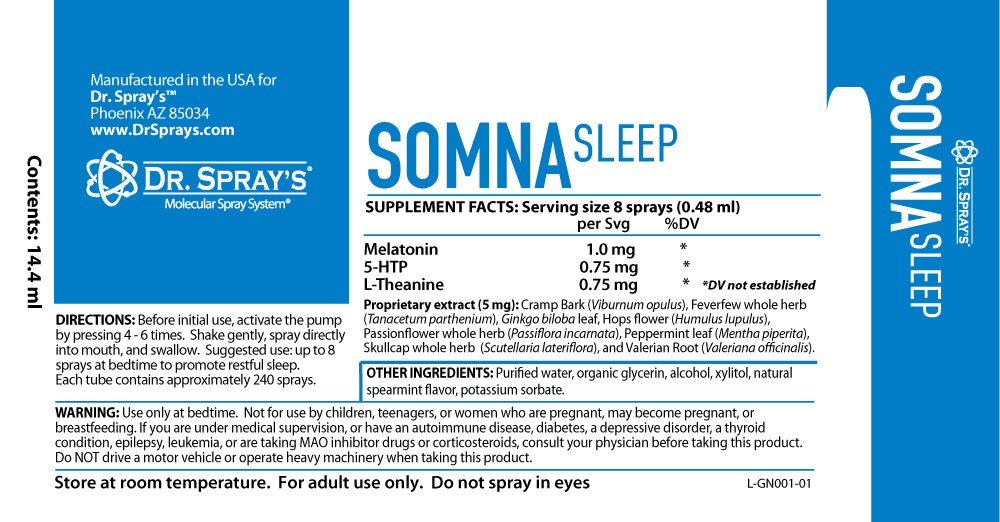
Products developed by medical professionals and manufactured in FDA-registered, GMP-certified facilities in Phoenix, Arizona ensure quality and safety standards. When selecting any supplement for children, always consult with your pediatrician first to determine appropriate dosing and necessity.
Handling Night Wakings and Sleep Associations
How you respond to night wakings can either reinforce them or help your child develop independent sleep skills.
Response Strategies
When your two-year-old wakes during the night, wait 2-3 minutes before responding. Many children resettle independently when given the opportunity. If intervention becomes necessary:
- Keep interactions brief and boring
- Use minimal lighting (a small nightlight only)
- Avoid engaging conversation or stimulating activities
- Offer reassurance through calm words and gentle touch
- Return your child to bed consistently if they've gotten up
Breaking Problematic Sleep Associations
If your child requires extensive parental involvement to fall asleep (rocking, feeding, lying with them), gradually reduce this assistance. The process might involve:
- Slowly decreasing the duration of rocking or feeding
- Sitting next to the bed rather than lying in it
- Moving your chair progressively farther from the bed each night
- Eventually positioning yourself outside the door
This gradual approach respects your child's need for security while building independent sleep skills.
Managing Daylight and Screen Time
Natural Light Exposure
Exposure to natural light during the day and darkness at night helps regulate circadian rhythms. Aim for outdoor time in the morning and early afternoon, which strengthens nighttime sleep drive.
Screen Time Guidelines
The American Academy of Pediatrics recommends no screen time within one hour of bedtime. The blue light emitted by devices suppresses melatonin production, making it harder for children to fall asleep. Additionally, stimulating content can activate young minds when they should be winding down.
When to Seek Professional Help
Most sleep schedule challenges resolve with consistency and appropriate adjustments. However, certain signs warrant professional consultation:
- Loud snoring or breathing pauses during sleep
- Extreme daytime sleepiness despite adequate sleep opportunities
- Sleep problems persisting beyond 4-6 weeks of consistent intervention
- Sleep issues accompanied by developmental concerns
- Behaviors that suggest anxiety or fear significantly impacting sleep
A pediatrician or pediatric sleep specialist can rule out underlying conditions such as sleep apnea, restless leg syndrome, or other medical issues affecting sleep quality.
Staying Consistent During Challenging Times
Sleep schedule disruptions often occur during transitions: travel, illness, daylight saving time changes, or new siblings. While flexibility becomes necessary during these periods, returning to your established routine as quickly as possible prevents temporary disruptions from becoming permanent habits.
Recovery Strategies
After a disruption, implement a "reset period" where you strictly adhere to your ideal schedule for at least one week. Expect some resistance as your child readjusts, but remain consistent. Most children return to healthy sleep patterns within 5-7 days of consistent routine implementation.
Frequently Asked Questions
What time should a 2-year-old go to bed?
Most two-year-olds should go to bed between 7:00 and 8:00 PM. The exact time depends on wake time and nap schedule. A child who wakes at 6:30 AM and naps until 2:30 PM typically needs a 7:30 PM bedtime. Calculate bedtime by allowing 5-6 hours of awake time after the nap ends.
How long should a 2-year-old nap?
At age two, one nap lasting 1.5-2 hours is typical. Naps longer than 2.5 hours may interfere with nighttime sleep. If your child sleeps longer than this during the day but struggles at bedtime, consider gently waking them after two hours.
Why does my 2-year-old wake up at 5 AM?
Early morning wakings typically result from bedtime being too early, too late, or the room being too bright at dawn. Try adjusting bedtime in 15-minute increments, ensuring complete darkness with blackout curtains, and confirming your child isn't genuinely ready to start the day after adequate total sleep.
Can vitamins help my toddler sleep better?
Certain nutrients support healthy sleep patterns, particularly vitamin D and B vitamins. However, supplements should never replace a consistent sleep routine and healthy sleep hygiene. Consult your pediatrician before starting any supplement regimen. If recommended, oral spray vitamins offer improved absorption and ease of administration for young children.
Should I let my 2-year-old cry it out?
Sleep training methods vary in approach, and different families find success with different strategies. Graduated extinction (checking at increasing intervals) often works well for two-year-olds, as does the "camping out" method of gradual parental withdrawal. Choose an approach that aligns with your parenting philosophy and your child's temperament.
How do I know if my child is ready to drop their nap?
Most children aren't ready to completely eliminate naps until age 3-5. Signs of true nap readiness include consistently refusing to nap for two weeks, no negative behavioral changes when skipping naps, and continued good nighttime sleep without daytime rest. If your child shows only some of these signs, maintain quiet time even if they don't sleep.
What if my 2-year-old climbs out of the crib?
When crib climbing begins, prioritize safety. Lower the mattress to the lowest setting, remove any items that could serve as stepping stools, and ensure the landing area is soft. If climbing persists dangerously, transition to a toddler bed while maintaining all other aspects of your sleep routine. Use a baby gate in the doorway to maintain room boundaries.
How can I help my toddler sleep through the night?
Sleeping through the night requires adequate sleep pressure (enough awake time), appropriate nutrition (not hungry or overly full), comfortable sleep environment, and independent sleep skills. Address each component: optimize the schedule, offer a balanced bedtime snack, perfect the room environment, and gradually reduce sleep associations that require parental presence.
Take the Next Step Toward Better Sleep
Fixing a two-year-old's sleep schedule requires patience, consistency, and understanding of your child's developmental needs. The strategies outlined here provide a comprehensive framework for addressing common sleep challenges at this age.
Remember that every child is unique. What works perfectly for one family may require modification for another. Give each strategy at least 5-7 days of consistent implementation before determining its effectiveness.
Supporting your child's sleep through proper nutrition plays an important role in overall sleep quality. DrSprays offers doctor-developed spray supplements designed for optimal absorption, manufactured in an FDA-registered, GMP-certified facility in Phoenix, Arizona. Our Vitamin D3 spray and B12 spray provide convenient, effective nutritional support for the whole family.
Quality sleep during toddlerhood sets the foundation for healthy sleep habits throughout life. By implementing these evidence-based strategies and maintaining consistency, you can help your two-year-old—and your entire family—achieve the restorative sleep everyone needs.