Getting a one-year-old to sleep later in the morning is one of the most common challenges parents face. When your toddler consistently wakes before dawn, it affects the entire household's sleep quality and daily functioning. Understanding the biological, nutritional, and environmental factors that influence your child's sleep patterns is essential for making meaningful improvements.
This comprehensive guide explores evidence-based strategies to help your one-year-old sleep later, including the role of proper nutrition, establishing healthy sleep habits, and creating an optimal sleep environment. While adjusting your toddler's wake time requires patience and consistency, the right approach can lead to more restful mornings for everyone.
Understanding Your One-Year-Old's Sleep Needs
One-year-olds typically require 11-14 hours of total sleep within a 24-hour period, including nighttime sleep and daytime naps. However, individual sleep needs vary considerably among toddlers. Some children naturally wake earlier than others due to their internal circadian rhythms, while others may be responding to environmental or nutritional factors that can be adjusted.
At this developmental stage, most toddlers transition from two naps to one longer afternoon nap. This transition period can temporarily disrupt sleep patterns and cause earlier morning waking. Understanding where your child falls in this transition helps you set realistic expectations and develop appropriate strategies.
The Role of Circadian Rhythms
Your child's circadian rhythm—their internal biological clock—regulates sleep-wake cycles, hormone production, and body temperature. This rhythm is primarily influenced by light exposure, but nutrition, activity levels, and routine consistency also play significant roles. When these factors are optimized, your toddler's body naturally supports longer, more consolidated sleep periods.
Melatonin, the hormone responsible for sleep regulation, begins increasing in the evening and peaks during the night. However, production can be disrupted by artificial light exposure, nutrient deficiencies, or irregular schedules. Supporting healthy melatonin production through proper timing of activities and nutrition creates the foundation for later wake times.
Nutritional Factors That Impact Sleep Duration
The connection between nutrition and sleep quality is well-established in pediatric research. Specific vitamin and mineral deficiencies can directly impact your child's ability to maintain consolidated sleep throughout the night and into the morning hours.
Vitamin D and Sleep Regulation
Vitamin D plays a crucial role in regulating sleep-wake cycles and overall sleep quality. Research indicates that vitamin D deficiency is associated with shorter sleep duration and earlier waking in young children. This nutrient influences the production of sleep-regulating neurotransmitters and helps maintain healthy circadian rhythms.
Many toddlers, particularly those living in northern climates or with limited sun exposure, don't receive adequate vitamin D from sunlight alone. While dietary sources like fortified milk provide some vitamin D, absorption rates from food can be inconsistent, especially in young children with developing digestive systems.
For parents seeking efficient supplementation methods, vitamin D3 spray offers advantages over traditional pills or liquid drops. The oral spray delivery method provides superior absorption—up to 90% compared to the 10-20% typical of pills—making it easier to ensure your child receives adequate amounts of this sleep-supporting nutrient.
B Vitamins and Energy Regulation
B vitamins, particularly B12, B6, and folate, are essential for regulating energy levels throughout the day and supporting healthy sleep patterns at night. These vitamins help produce neurotransmitters like serotonin and melatonin, which directly influence sleep quality and duration.
While B12 is often associated with energy production, maintaining adequate levels actually supports more balanced energy throughout the day rather than creating spikes and crashes. This stability helps toddlers feel appropriately tired at bedtime and sleep more soundly through the night.
Traditional B12 supplementation can be challenging with toddlers who resist pills or have difficulty with absorption due to their developing digestive systems. Modern vitamin B12 spray products bypass digestive absorption issues by delivering nutrients directly through the oral mucosa, providing a more reliable way to maintain optimal levels.
Magnesium's Calming Effects
Magnesium supports the nervous system's ability to transition into rest mode and helps regulate cortisol levels, which can interfere with sleep when elevated. Many toddlers don't receive adequate magnesium from diet alone, particularly if they're picky eaters or consume limited quantities of magnesium-rich foods like leafy greens, nuts, and whole grains.
Ensuring your one-year-old receives sufficient magnesium through diet or appropriate supplementation may help them sleep more deeply and maintain sleep longer into the morning. Consult with your pediatrician about your child's specific nutritional needs and appropriate supplementation strategies.
Creating an Optimal Sleep Environment
The physical environment where your toddler sleeps significantly influences both sleep quality and wake time. Making strategic adjustments to your child's room creates conditions that support longer, more restorative sleep.
Light Control Strategies
Light is the most powerful external regulator of circadian rhythms. Even small amounts of light entering your child's room in the early morning can trigger waking. Installing blackout curtains or shades that completely block external light helps extend sleep duration by preventing premature melatonin suppression.
For maximum effectiveness, ensure curtains extend beyond the window frame and consider adding blackout film to windows if light seeps around the edges. The goal is to create a cave-like darkness that doesn't signal "daytime" to your child's brain when dawn breaks earlier than you'd like them to wake.
Temperature and Comfort Optimization
Room temperature affects sleep quality more than many parents realize. The ideal sleep temperature for toddlers ranges from 68-72°F. Rooms that are too warm can cause restless sleep and earlier waking, while excessively cool rooms may lead to frequent nighttime disruptions.
Use breathable, season-appropriate sleepwear and bedding. Overheating is a common cause of early morning waking, as body temperature naturally rises toward morning. Keeping your child slightly cool helps them maintain deeper sleep longer into the morning hours.
White Noise and Sound Management
A consistent white noise machine helps mask household sounds and external noises that might wake your toddler prematurely. Unlike music or nature sounds that have varying patterns, white noise provides consistent acoustic coverage that supports continuous sleep.
Position the white noise machine across the room from your child's crib rather than directly beside it. This creates ambient sound coverage without being too loud near their ears. Continue running the machine throughout the entire sleep period, as turning it off can actually trigger waking.
Adjusting Daytime Sleep and Schedule
Your toddler's daytime sleep directly impacts when they wake in the morning. Paradoxically, sleep deprivation often causes earlier waking rather than later sleeping, as overtired children produce cortisol that interferes with sleep quality.
Nap Timing and Duration
For one-year-olds, the timing of naps matters more than you might expect. If your child naps too late in the afternoon, they may not build sufficient sleep pressure to fall asleep at an appropriate bedtime. Conversely, eliminating naps too early can result in overtiredness and earlier morning waking.
Most one-year-olds benefit from one nap beginning between 12:00-1:00 PM, lasting approximately 1.5-2.5 hours. This timing provides sufficient wake time before bedtime while preventing the overtiredness that disrupts nighttime sleep. Monitor your child's specific sleep needs and adjust within these parameters.
Bedtime Considerations
Many parents assume that putting their toddler to bed later will result in later waking. However, this strategy typically backfires. Overtired children sleep more restlessly and often wake earlier than well-rested ones. The ideal bedtime for most one-year-olds falls between 7:00-8:00 PM, depending on when they woke from their afternoon nap.
Rather than pushing bedtime later, focus on ensuring your child receives adequate total sleep. Calculate backward from your desired wake time to determine appropriate sleep periods. If you want your child to sleep until 7:00 AM and they need 11 hours of nighttime sleep, bedtime should be around 8:00 PM.
Establishing Consistent Routines
Consistency in daily routines helps regulate your toddler's circadian rhythm and reinforces healthy sleep patterns. When activities occur at predictable times, your child's body learns when to expect sleep and naturally maintains it longer.
Evening Wind-Down Routine
A calming bedtime routine signals to your child's body that sleep is approaching. Begin this routine at the same time each evening, approximately 30-45 minutes before your target bedtime. Include calming activities like a warm bath, quiet reading, gentle songs, or light massage.
Avoid stimulating activities, screen time, or rough play during this wind-down period. Blue light from screens suppresses melatonin production, making it harder for your toddler to fall asleep and stay asleep. Dim the lights throughout your home during the evening hours to support natural melatonin production.
Morning Routine Consistency
How you respond when your child wakes early matters significantly. If you immediately respond to early waking with engaging activities, meals, or playtime, you reinforce the early wake time as appropriate. Instead, keep the environment calm, dim, and boring until your desired wake time.
Use a toddler clock that changes color at your desired wake time. When your child wakes early, provide minimal interaction in a dim environment. Once the clock indicates the appropriate wake time, open curtains, turn on lights, and begin energetic morning activities. This contrast teaches your child when the day truly begins.
The Role of Physical Activity
Physical activity during waking hours contributes to sleep quality and duration. Active play helps tire your toddler's body while supporting healthy circadian rhythm regulation through exposure to natural light.
Morning Light Exposure
Getting your child outside in natural light, particularly in the morning, helps set their circadian rhythm for the day. Morning light exposure signals to your child's brain that daytime has begun, which reinforces when nighttime sleep should end. This exposure should occur at your desired wake time, not when they actually wake if it's too early.
Aim for at least 30-60 minutes of outdoor time in the morning, even on cloudy days. Natural light is significantly more powerful than indoor lighting for circadian regulation. This practice, combined with limited light exposure in the evening, creates strong biological signals that support later waking.
Appropriate Physical Engagement
One-year-olds need ample opportunity for physical activity throughout the day. Crawling, climbing, walking, and active play all contribute to the physical tiredness that supports consolidated sleep. However, timing matters—avoid vigorous activity within two hours of bedtime, as it can be overstimulating.
Create safe spaces for active exploration throughout your home. The more physical energy your toddler expends during appropriate daytime hours, the more likely they are to sleep deeply and maintain sleep through the early morning hours.
Addressing Early Morning Sleep Associations
Sometimes early waking becomes habitual because of reinforcing factors in how we respond. Understanding these patterns helps you make adjustments that support later waking.
Hunger and Early Morning Feeding
If your child consistently wakes hungry in the early morning, evaluate whether they're receiving adequate nutrition during waking hours. One-year-olds experiencing growth spurts may genuinely need additional calories, but habitual early morning feeding can also create a pattern that perpetuates early waking.
Ensure your toddler receives substantial meals and snacks throughout the day, with particular attention to protein and healthy fats that provide sustained energy. Offer a satisfying evening snack approximately 30 minutes before bedtime to help them maintain blood sugar levels through the night.
Independent Sleep Skills
Toddlers who can self-soothe and return to sleep independently are more likely to sleep through early morning partial wakings. If your child depends on specific interventions to fall asleep initially, they'll likely need the same assistance when they naturally rouse in the early morning.
Supporting your child's ability to fall asleep independently at bedtime translates to better self-soothing during early morning hours. This doesn't mean leaving your child to cry, but rather providing opportunities for them to learn self-regulation within a supportive framework.
When to Adjust Your Expectations
While implementing strategies to encourage later waking, it's important to maintain realistic expectations based on your individual child's needs and developmental stage.
Individual Sleep Needs Variation
Some children are naturally early risers due to their genetic predisposition. If your toddler consistently wakes early despite implementing all recommended strategies, sleeping well during those hours, and showing no signs of sleep deprivation during the day, they may simply need less sleep than average.
Signs your child is getting adequate sleep include good mood throughout the day, appropriate attention span for their age, healthy appetite, and normal growth patterns. If these indicators are positive despite early waking, acceptance of your child's natural pattern may be more beneficial than continued attempts to alter it.
Developmental Considerations
Various developmental milestones can temporarily disrupt sleep patterns. Learning to walk, language development spurts, and separation anxiety periods commonly affect sleep. During these phases, maintain consistent routines while understanding that sleep disruptions are often temporary.
Teething also impacts sleep quality and can cause temporary early waking. Address discomfort appropriately while maintaining your established routines as much as possible. Most developmental sleep disruptions resolve naturally once your child masters the new skill or passes through the challenging developmental phase.
Supporting Sleep Through Modern Vitamin Delivery
Ensuring your toddler receives optimal nutrition supports every aspect of their development, including healthy sleep patterns. However, traditional supplementation methods often present challenges with young children.
Oral spray vitamins represent a significant advancement in pediatric nutrition. Unlike pills that can pose choking hazards or liquids that may cause digestive upset, spray supplements deliver nutrients efficiently through the oral mucosa. This delivery method achieves up to 90% absorption compared to 10-20% with traditional pills, ensuring your child receives the full nutritional benefit.
For parents in the Phoenix, Arizona area and beyond, products developed by healthcare professionals and manufactured in FDA-registered, GMP-certified facilities provide peace of mind regarding quality and safety. These advanced vitamin spray formulations make it easier to support your child's nutritional needs without the battles that often accompany traditional supplementation.
Creating a Comprehensive Sleep Strategy
Successfully helping your one-year-old sleep later requires a multi-faceted approach that addresses environmental, behavioral, and nutritional factors simultaneously.
Implementation Timeline
When implementing changes to encourage later waking, patience is essential. Most adjustments require 1-2 weeks before you see consistent results. Start by optimizing your child's sleep environment, then address nutritional factors, followed by schedule adjustments if needed.
Make one or two changes at a time rather than overhauling everything simultaneously. This approach helps you identify which strategies work best for your individual child and prevents overwhelming both you and your toddler with too many changes at once.
Tracking Progress
Maintain a simple sleep log tracking your child's wake times, nap durations, bedtime, and any notable factors (teething, illness, schedule disruptions). This record helps you identify patterns and evaluate whether your interventions are creating positive changes.
Look for trends over weeks rather than days. Sleep patterns naturally fluctuate, and a few early mornings don't indicate strategy failure. Focus on overall trends showing gradual improvement in average wake times.
Frequently Asked Questions
What is the earliest acceptable wake time for a one-year-old?
While individual needs vary, most sleep experts consider 6:00 AM a reasonable earliest wake time for toddlers. However, if your child consistently wakes at 5:30 AM and shows no signs of sleep deprivation throughout the day, this may be their natural pattern. Focus on ensuring adequate total sleep rather than fixating on a specific wake time.
Should I wake my one-year-old from naps to help them sleep later?
Capping afternoon naps at 2-2.5 hours can help preserve appropriate bedtime and prevent late-day sleep that interferes with nighttime sleep quality. However, avoid waking your child if they're still transitioning between two naps to one, as they may need the additional daytime sleep during this adjustment period.
Can vitamin spray supplements help my toddler sleep longer?
Adequate nutrition, particularly vitamins D, B12, and minerals like magnesium, supports healthy sleep regulation. If your child has nutritional deficiencies affecting sleep quality, addressing these through diet and appropriate supplementation may improve sleep duration. Oral spray vitamins offer superior absorption compared to traditional supplements, making them an efficient option for ensuring your toddler receives optimal nutrition. Always consult your pediatrician before starting any supplementation.
How long does it take to shift a one-year-old's wake time later?
Most children respond to consistent environmental and schedule changes within 1-2 weeks. However, shifting wake times more than 30-60 minutes may take 3-4 weeks of consistent implementation. Gradual adjustments of 15 minutes every few days are more successful than attempting dramatic schedule changes.
Is 5:00 AM waking a sign of a sleep problem?
Consistent 5:00 AM waking often indicates either insufficient total sleep, a circadian rhythm issue, or environmental factors triggering early waking. It's less likely to be a child's natural wake time unless they're going to bed extremely early and showing no signs of sleep deprivation. Investigate potential causes including room brightness, temperature, hunger, or nap timing before accepting this as your child's natural pattern.
Should I use melatonin to help my one-year-old sleep longer?
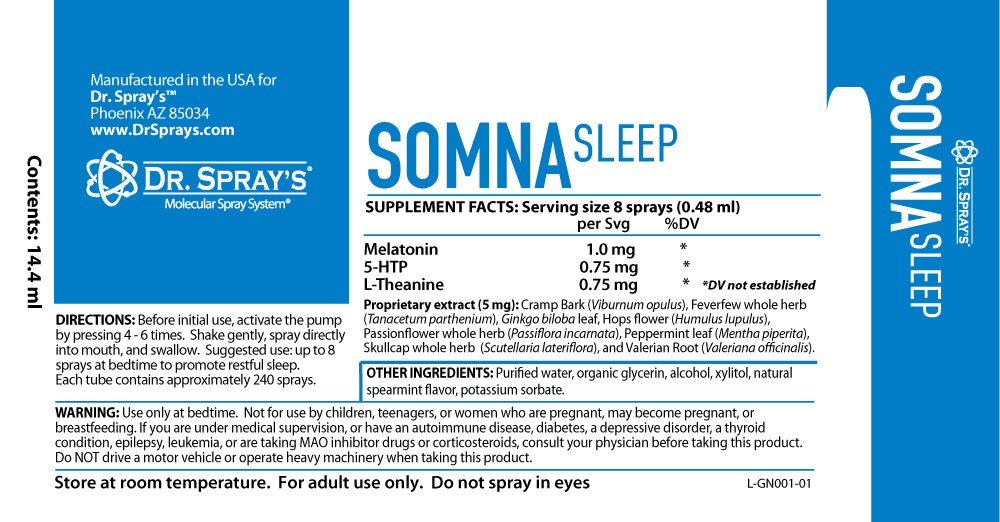
Melatonin supplementation in toddlers should only be considered under direct pediatric guidance, typically reserved for specific medical conditions. Instead, focus on supporting natural melatonin production through proper light exposure timing, consistent routines, and adequate nutrition including vitamin D3, which influences melatonin synthesis.
Can teething cause temporary early waking?
Yes, teething discomfort commonly disrupts sleep patterns, including causing earlier morning waking. This typically resolves once the tooth emerges. Maintain your established routines while providing appropriate comfort measures. Most teething-related sleep disruptions last only a few days to a week per tooth.
What if my one-year-old wakes happy and energetic at 5:00 AM?
A cheerful early waker may be getting adequate total sleep despite the early hour, particularly if they're going to bed quite early. However, before accepting this schedule, ensure they're truly getting 11-14 hours of total sleep and showing no signs of overtiredness during the day. You can gradually shift the schedule later by making small adjustments to both bedtime and wake time.
Professional Consultation and Medical Considerations
While most early waking in one-year-olds stems from behavioral, environmental, or nutritional factors that parents can address, certain situations warrant professional consultation.
When to Contact Your Pediatrician
Consult your child's healthcare provider if early waking is accompanied by signs of sleep disorders such as loud snoring, breathing pauses during sleep, or excessive daytime sleepiness despite adequate sleep duration. These symptoms may indicate sleep apnea or other medical conditions requiring professional evaluation.
Additionally, seek guidance if your child shows signs of nutritional deficiencies including poor growth, developmental delays, persistent fatigue, or unusual paleness. Your pediatrician can evaluate whether vitamin or mineral deficiencies are contributing to sleep difficulties and recommend appropriate testing or supplementation.
Sleep Specialist Consultation
If you've consistently implemented environmental, behavioral, and nutritional strategies for 4-6 weeks without improvement, consider consulting a pediatric sleep specialist. These professionals can identify underlying issues not apparent to parents and provide personalized strategies based on your child's specific situation.
Sleep specialists can also help differentiate between normal developmental variations in sleep patterns and genuine sleep disorders requiring intervention. Early identification and treatment of sleep issues supports your child's overall health and development.
Long-Term Sleep Health Foundations
The strategies you implement now to encourage later waking create foundations for healthy sleep habits that benefit your child for years to come. Consistent routines, optimal sleep environments, and attention to nutrition support not just immediate sleep goals but lifelong sleep health.
Remember that sleep patterns naturally evolve as children grow. What works at one year may need adjustment at eighteen months or two years. Maintain flexibility while preserving core principles of healthy sleep hygiene: consistent routines, appropriate sleep environments, adequate nutrition, and responsive but not reinforcing responses to night and early morning wakings.
By addressing multiple factors simultaneously—environmental optimization, nutritional support through diet and efficient supplementation methods like vitamin sprays, and behavioral consistency—you create the best possible conditions for your one-year-old to sleep later and more restfully.
Support Your Toddler's Sleep with Optimal Nutrition
Quality sleep depends on multiple factors, including proper nutrition. DrSprays offers doctor-developed oral vitamin sprays specifically designed for superior absorption and ease of use. Our products are manufactured in an FDA-registered, GMP-certified facility in Phoenix, Arizona, ensuring the highest quality standards.
Explore our range of vitamin spray products that support overall health and sleep quality:
- Vitamin D3 Spray - Supports healthy sleep-wake cycles and immune function
- Vitamin B12 Spray - Promotes balanced energy and neurological health
- Multi-Vitamin Spray - Comprehensive nutritional support in one convenient spray
With up to 90% absorption compared to 10-20% with traditional pills, DrSprays vitamin delivery system ensures your family receives the full nutritional benefit of every dose. Discover our complete collection and give your child the nutritional foundation they need for healthy development and restful sleep.