If your 10-year-old is still wide awake long after bedtime, you're not alone. Many parents struggle with getting their pre-teens to fall asleep at a reasonable hour. The good news? With the right combination of sleep hygiene, nutrition, and consistent routines, you can help your child develop healthy sleep patterns that will serve them for years to come.
Understanding why sleep becomes challenging at this age—and what you can do about it—makes all the difference in establishing better bedtime habits for the whole family.
Why Do 10-Year-Olds Struggle With Sleep?
The transition from childhood to the pre-teen years brings significant changes that can disrupt sleep patterns. At age 10, children are navigating increased academic demands, growing social awareness, and the early stages of physical development that affect their circadian rhythms.
According to sleep experts, 10-year-olds need between 9-12 hours of sleep per night for optimal health and development. However, many children in this age group get far less than recommended.
Common Sleep Disruptors for Pre-Teens
- Screen time before bed: Blue light from devices suppresses melatonin production, making it harder to fall asleep
- Academic stress: Homework pressures and school worries can keep minds racing at night
- Social pressures: Friendship dynamics and social awareness increase anxiety levels
- Hormonal changes: Early puberty can shift natural sleep-wake cycles later
- Inconsistent schedules: Varying bedtimes between school nights and weekends confuse the body's internal clock
- Nutritional deficiencies: Lack of key vitamins and minerals can impact sleep quality
The Foundation: Creating an Optimal Sleep Environment
Before addressing supplements or nutrition, establish the basic environmental conditions that promote quality sleep. Your child's bedroom should be a sanctuary designed specifically for rest.
Temperature and Darkness
Keep the bedroom cool—between 65-68°F is ideal for most children. The body naturally drops in temperature when preparing for sleep, and a cooler room facilitates this process. Invest in blackout curtains or shades to eliminate light pollution from street lamps or early morning sun.
Minimize Noise and Distractions
Remove televisions, gaming systems, and other entertainment devices from the bedroom. If your home is noisy, consider a white noise machine to mask disruptive sounds. The bedroom should be associated with sleep, not stimulation.
Comfortable Bedding
Ensure your child has a supportive mattress and comfortable pillows appropriate for their size. Fresh, clean bedding in breathable fabrics helps regulate body temperature throughout the night.
Establishing a Consistent Bedtime Routine
Children thrive on predictability, and a consistent evening routine signals to the body that sleep is approaching. Start your routine at the same time every night, even on weekends when possible.
The 60-Minute Wind-Down
Begin the bedtime routine approximately one hour before lights-out. This gives your child's body and mind time to transition from the activity of the day to a state ready for sleep.
Here's an effective structure for a pre-teen bedtime routine:
- 60 minutes before bed: Turn off all screens and begin quieter activities
- 45 minutes before bed: Complete any remaining homework or prepare for the next day
- 30 minutes before bed: Take a warm bath or shower
- 20 minutes before bed: Put on pajamas and complete hygiene tasks
- 10 minutes before bed: Read together or allow independent reading in bed
- Lights out: Maintain the same bedtime every night
The Critical Screen Time Cutoff
Electronic devices emit blue light that suppresses melatonin, the hormone responsible for signaling sleep to the brain. Establish a firm rule: no screens for at least one hour before bedtime. This includes phones, tablets, computers, televisions, and gaming devices.
Instead, encourage calming activities like reading, puzzles, drawing, or listening to soft music.
Nutrition's Impact on Sleep Quality
What your child eats—and when they eat it—significantly affects their ability to fall asleep and stay asleep throughout the night. Certain nutrients play essential roles in regulating sleep-wake cycles.
Sleep-Supporting Nutrients
Magnesium helps calm the nervous system and relaxes muscles. Good sources include leafy greens, nuts, seeds, and whole grains. Many children don't get adequate magnesium from diet alone.
Vitamin D deficiency has been linked to sleep disorders in children. While sunlight is the best source, many kids—especially during winter months or in areas with limited sun exposure—benefit from supplementation. A vitamin D3 spray offers an easy way to ensure adequate intake with superior absorption compared to pills.
B vitamins, particularly B6 and B12, are involved in melatonin production. Vitamin B12 spray supplements provide these essential nutrients in a form that's easily absorbed and doesn't require swallowing large pills—ideal for children.
Zinc works with magnesium to support healthy sleep patterns. Combined vitamin formulations can help ensure your child gets these complementary nutrients.
Timing Matters
Avoid large meals within 2-3 hours of bedtime, as digestion can interfere with sleep. However, going to bed hungry can also keep children awake. If your child needs an evening snack, choose options that support sleep:
- Bananas (contain potassium and magnesium)
- Whole grain crackers with cheese (complex carbs and calcium)
- Warm milk (contains tryptophan)
- Cherries (natural melatonin source)
- Almonds (magnesium-rich)
Limit caffeine entirely for children this age, including hidden sources like chocolate, soda, and some medications. Even caffeine consumed early in the day can affect sleep quality that night.
Why Oral Spray Vitamins Work Better for Kids
Many parents struggle to get their children to take daily vitamins, especially pills or large capsules. This is where modern spray supplements offer a significant advantage.
Superior Absorption
Oral spray vitamins deliver nutrients directly into the bloodstream through the mucous membranes in the mouth, bypassing the digestive system. This method achieves absorption rates up to 90%, compared to only 10-20% for traditional pills that must survive stomach acid and the digestive process.
For children whose bodies are still developing and may have inconsistent digestive efficiency, this improved absorption means they actually receive the nutritional support their bodies need for healthy sleep regulation.
Convenience and Compliance
Getting a 10-year-old to consistently take vitamins can be challenging. Vitamin spray products eliminate the struggle of swallowing pills, making daily supplementation simple. A quick spray takes seconds and can easily become part of the bedtime routine.
Children are far more likely to take their vitamins consistently when the process is quick, easy, and doesn't involve choking down large tablets.
Targeted Formulations
Specialized sleep support formulations designed specifically for oral spray delivery can combine sleep-promoting nutrients in optimal ratios. These oral spray vitamins are developed with absorption and efficacy in mind, not just convenience.
Physical Activity and Sleep Connection
Regular physical activity is one of the most effective natural sleep aids for children. Exercise helps regulate circadian rhythms, reduces stress and anxiety, and creates healthy physical tiredness that promotes deeper sleep.
The Right Exercise at the Right Time
Encourage at least 60 minutes of moderate to vigorous physical activity daily. This could include:
- Team sports and organized athletics
- Active play outdoors
- Bike riding or swimming
- Dance or martial arts classes
- Active video games that require movement
However, timing matters. Vigorous exercise within 3 hours of bedtime can actually make it harder to fall asleep, as it raises body temperature and increases alertness. Schedule intense activities for earlier in the day, saving calmer movement like stretching or gentle yoga for evening hours.
Managing Stress and Anxiety
The pre-teen years bring new social and academic pressures that can manifest as nighttime anxiety and racing thoughts. Teaching your child stress management techniques helps them process daily challenges and quiet their mind for sleep.
Relaxation Techniques for Bedtime
Deep breathing exercises: Teach your child the 4-7-8 technique—breathe in for 4 counts, hold for 7, exhale for 8. This activates the parasympathetic nervous system, signaling the body to relax.
Progressive muscle relaxation: Starting at the toes and moving upward, have your child tense and then release each muscle group. This physical relaxation helps calm the mind.
Visualization: Guide your child to imagine a peaceful, comfortable place in detail—what they see, hear, smell, and feel there. This mental distraction prevents anxious thoughts from taking over.
Journaling: Writing down worries before bed helps externalize them, making them feel more manageable. Keep a notebook by the bed for this "worry dump."
Open Communication
Create opportunities for your child to discuss what's bothering them before bedtime, but not right at lights-out. Build in conversation time earlier in the evening routine so concerns don't come up at the last minute when you're trying to enforce bedtime.
When to Consider Sleep Support Supplements
If your child maintains good sleep hygiene but still struggles with falling asleep, targeted nutritional support may help. Many children don't get optimal levels of sleep-supporting nutrients from diet alone.
Identifying Nutritional Gaps
Signs your child might benefit from supplementation include:
- Difficulty falling asleep despite following all sleep hygiene rules
- Frequent night waking
- Daytime fatigue even with adequate sleep hours
- Difficulty concentrating during the day
- Limited dietary variety or restrictive eating patterns
- Living in northern climates with limited sun exposure (vitamin D deficiency risk)
Doctor-Developed Formulations
Not all supplements are created equal. Look for products developed by healthcare professionals, manufactured in FDA-registered, GMP-certified facilities, and specifically formulated for optimal absorption.
Quality matters tremendously when it comes to supplements. Products manufactured in Phoenix, Arizona at facilities meeting the highest quality standards ensure you're giving your child safe, effective nutritional support.
Comprehensive vs. Targeted Support
Some children benefit from a comprehensive multi-vitamin spray that addresses multiple potential deficiencies, while others need more targeted support. Consider your child's individual needs, dietary patterns, and any specific deficiencies identified by their healthcare provider.
The Role of Consistent Wake Times
While most parents focus on bedtime, consistent wake times are equally important for regulating circadian rhythms. The body's internal clock relies on predictable patterns to know when to release sleep and wake-promoting hormones.
Even on weekends, try to keep wake times within an hour of school-day schedules. Sleeping in significantly on weekends creates a "social jet lag" that makes Monday morning wake-ups even more difficult and disrupts the sleep pattern you've worked to establish.
Morning Light Exposure
Natural light exposure within the first hour of waking helps set the circadian clock. Encourage your child to spend time near windows or outdoors in the morning. This daytime light exposure makes it easier to fall asleep at night by supporting natural melatonin rhythms.
Addressing Specific Sleep Challenges
The Child Who Can't "Turn Off" Their Brain
For children whose minds race with thoughts at bedtime, create a structured "mental download" earlier in the evening. Have them write or talk through their day, upcoming concerns, and tomorrow's plans well before lights-out. This prevents these thoughts from flooding in when they're trying to sleep.
The Child Who Keeps Getting Out of Bed
Establish clear expectations and consequences. After the bedtime routine is complete, implement a "walk-back" policy—calmly and without conversation, walk your child back to bed each time they emerge. Consistency is key; most children will stop testing boundaries after a few nights of firm enforcement.
The Child Who Claims They're "Not Tired"
Maintain the bedtime routine and lights-out time regardless. Explain that even if they don't feel sleepy, quiet rest time in bed is non-negotiable. They can read with a small book light for 20-30 minutes after lights-out if needed, but they must stay in bed. Usually, sleep will come once the stimulation of resisting bedtime is removed.
Creating Daytime Habits That Support Nighttime Sleep
Quality sleep doesn't start at bedtime—it's influenced by the entire day's activities and choices.
Balanced Daily Nutrition
Blood sugar fluctuations throughout the day can affect nighttime sleep. Ensure your child eats regular, balanced meals with protein, healthy fats, and complex carbohydrates. Avoid excessive sugar, especially in the afternoon and evening.
Consider starting the day with nutrient-dense support. A morning vitamin spray provides foundational nutrition that supports energy regulation throughout the day, which in turn supports better sleep at night.
Stress Management During the Day
Help your child develop healthy coping mechanisms for daytime stress so it doesn't accumulate and manifest as nighttime anxiety. This might include after-school physical activity, creative outlets like art or music, or structured relaxation time.
Limiting Naps
Most 10-year-olds don't need naps, and daytime sleep can interfere with nighttime sleep. If your child is excessively tired during the day despite adequate nighttime sleep hours, consult with a healthcare provider to rule out underlying issues.
Tracking Progress and Making Adjustments
Keep a simple sleep diary for 2-3 weeks as you implement new strategies. Note:
- Bedtime and wake time
- How long it took to fall asleep
- Night wakings
- Morning mood and energy level
- Daily activities and exercise
- Evening eating patterns
This record helps you identify patterns and determine which interventions are most effective for your individual child. Sleep improvement may be gradual—give new routines at least two weeks before deciding they're not working.
When to Consult a Healthcare Provider
While most sleep issues in 10-year-olds respond to improved sleep hygiene and routine, some situations warrant professional evaluation:
- Snoring or breathing pauses during sleep (possible sleep apnea)
- Extreme difficulty waking in the morning despite adequate sleep hours
- Persistent nightmares or night terrors
- Sleepwalking or other unusual nighttime behaviors
- Excessive daytime sleepiness affecting school performance
- Sleep problems lasting more than a month despite intervention
- Sleep issues accompanied by mood changes or behavioral problems
A healthcare provider can screen for underlying conditions, assess for nutritional deficiencies that might be contributing to sleep problems, and recommend appropriate interventions.
The Long-Term Benefits of Healthy Sleep Habits
The effort you invest now in establishing healthy sleep patterns pays dividends throughout your child's life. Quality sleep supports:
- Academic performance: Better memory consolidation, attention, and learning capacity
- Physical health: Stronger immune function, healthy growth, and reduced obesity risk
- Emotional regulation: Better mood stability and stress management
- Social skills: Improved impulse control and interpersonal interactions
- Safety: Reduced risk of accidents due to better attention and reaction time
The habits your child develops now become the foundation for healthy sleep throughout adolescence and adulthood.
Frequently Asked Questions
How much sleep does a 10-year-old really need?
Most 10-year-olds need between 9-12 hours of sleep per night for optimal health and development. Individual needs vary, but if your child is difficult to wake in the morning, seems tired during the day, or shows behavioral issues, they likely need more sleep than they're currently getting.
Are vitamin sprays safe for children?
When manufactured by reputable companies in FDA-registered, GMP-certified facilities, oral spray vitamins are safe for children. They offer advantages over traditional pills, including better absorption and easier administration. Always follow dosage guidelines and consult your child's healthcare provider before starting any new supplement, especially if your child has existing health conditions or takes medications.
What's better for kids—melatonin supplements or vitamin support?
While melatonin can be effective for short-term sleep issues, it's not recommended as a long-term solution for children. Supporting natural melatonin production through proper nutrition (especially B vitamins, magnesium, and vitamin D) and good sleep hygiene is a better approach for most children. Melatonin supplementation should only be used under healthcare provider guidance.
Can screen time really affect sleep that much?
Yes. The blue light emitted by electronic devices suppresses melatonin production for several hours, making it significantly harder to fall asleep. Studies show that children who use screens before bed take longer to fall asleep, get less sleep overall, and experience lower sleep quality than children who avoid screens before bedtime.
My child says they're hungry right before bed—should I let them eat?
Light, sleep-supporting snacks are fine if your child is genuinely hungry. Choose options like a banana, small serving of whole grain cereal with milk, or a few crackers with cheese. Avoid large meals, sugar, and anything containing caffeine. Consistent dinner timing usually eliminates true hunger at bedtime.
How long does it take to establish a new sleep routine?
Most children adjust to a new sleep routine within 2-3 weeks. The first few nights may involve resistance, but consistency is crucial. Stick with the new routine even when it's challenging—children thrive on predictability, and persistence pays off.
What if my child has different sleep needs than recommended?
While most 10-year-olds need 9-12 hours, individual variation exists. The best indicator of adequate sleep is your child's daytime functioning. If they wake naturally without an alarm, have good energy throughout the day, maintain focus at school, and show stable mood, they're probably getting enough sleep regardless of the specific number of hours.
Is it okay to use the same bedtime on weekends?
Yes, maintaining consistent sleep schedules on weekends is ideal for circadian rhythm regulation. If your child needs to catch up on sleep, let them sleep in by no more than one hour. Large variations in wake times between weekdays and weekends create "social jet lag" that disrupts the sleep-wake cycle.
Why are spray vitamins better absorbed than pills?
Oral spray vitamins are absorbed directly through the mucous membranes in the mouth, entering the bloodstream immediately. This bypasses the digestive system where many nutrients are destroyed by stomach acid or poorly absorbed. Spray delivery can achieve absorption rates up to 90%, compared to only 10-20% for traditional pills—this means your child gets more of the nutritional support they need.
Your Partner in Better Sleep
At DrSprays, we understand the challenges parents face in supporting their children's health and wellness. Our doctor-developed oral spray vitamins are formulated specifically for superior absorption and ease of use—perfect for busy families.
Manufactured in our FDA-registered, GMP-certified facility in Phoenix, Arizona, every DrSprays product meets the highest quality and safety standards. Our innovative spray delivery system ensures your child receives optimal nutritional support without the struggle of swallowing pills.
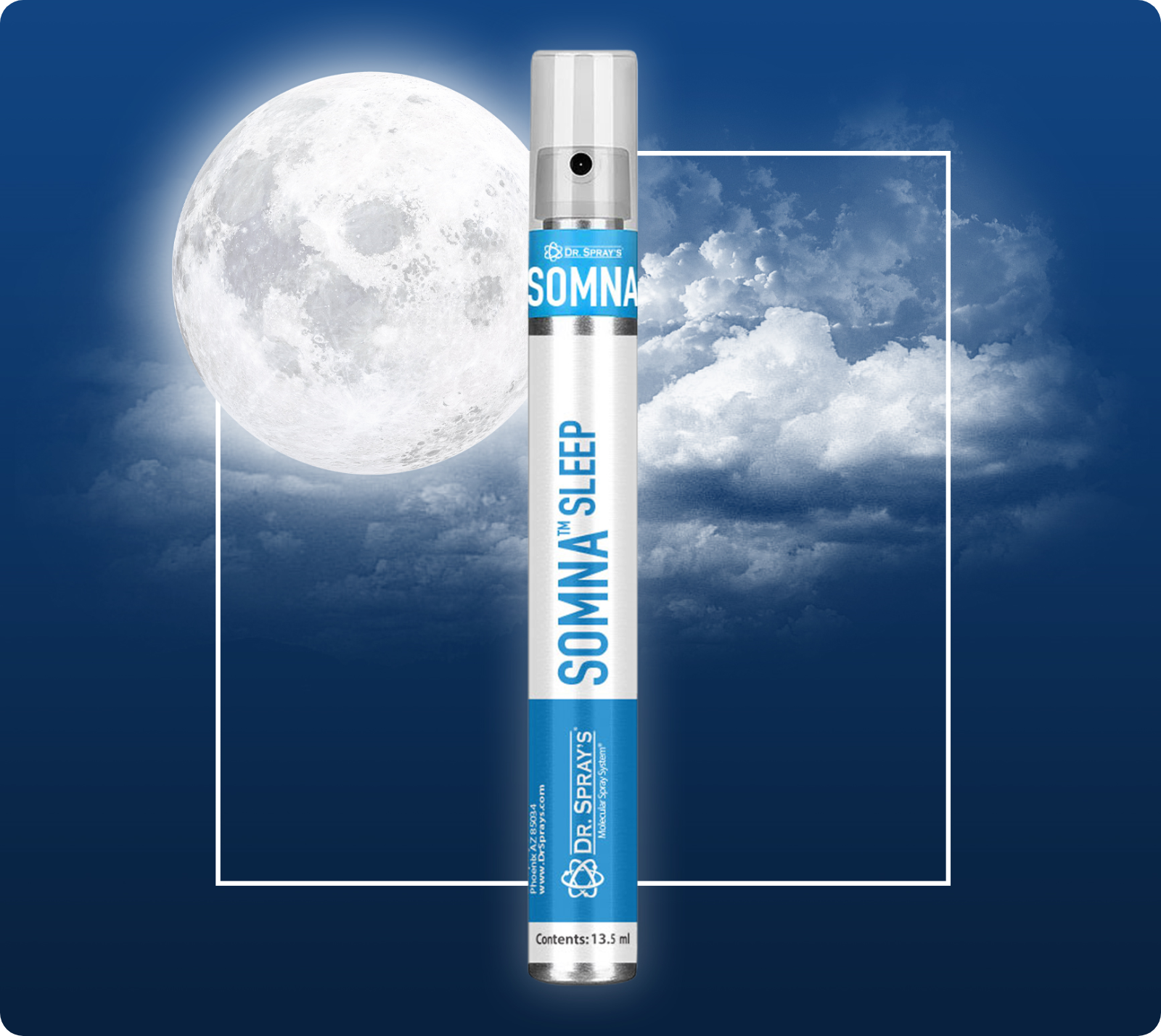
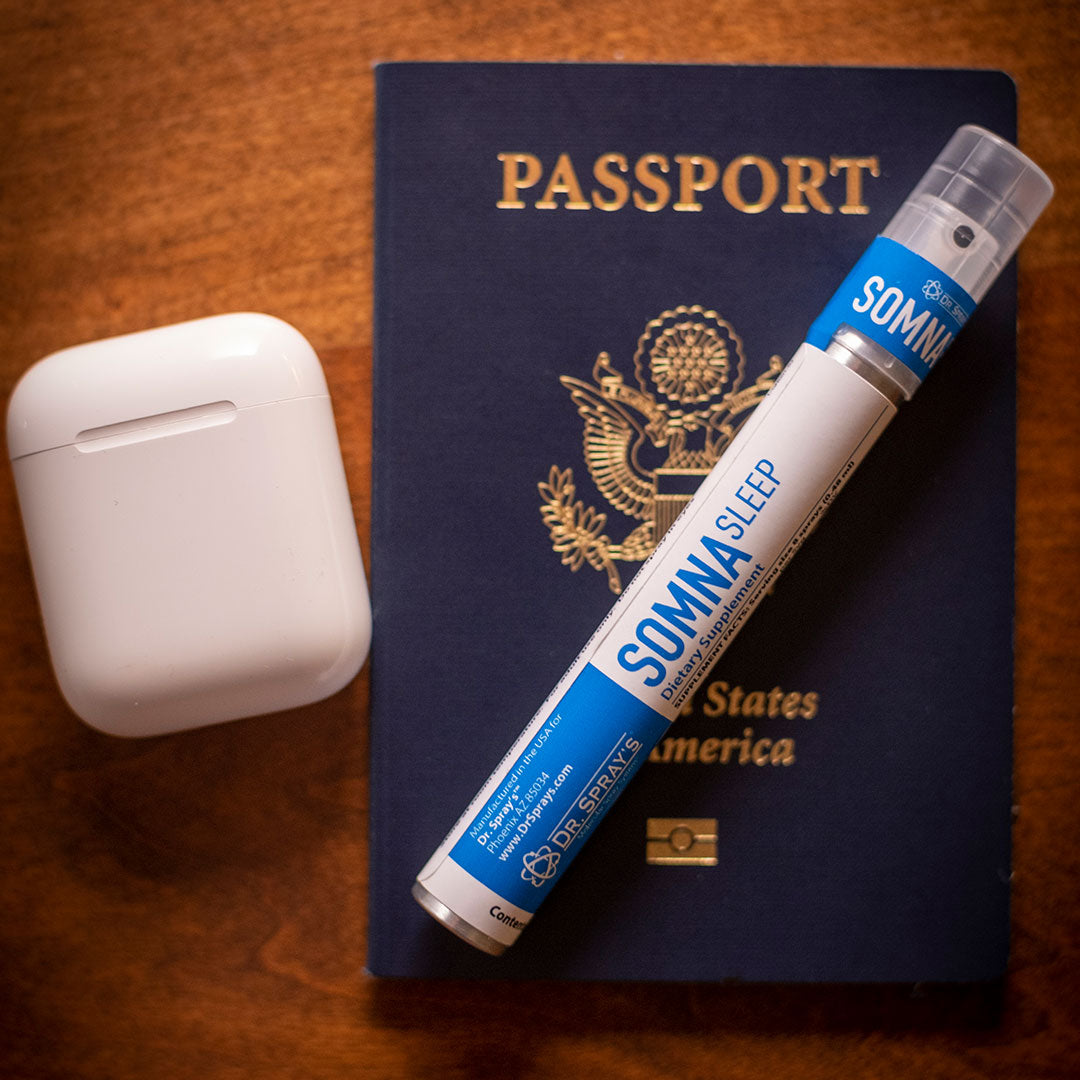
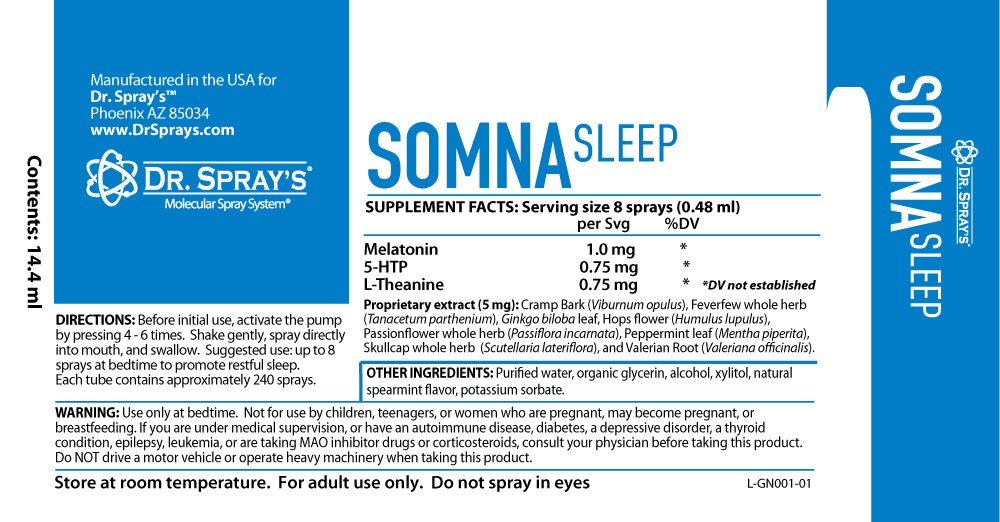
Whether you're looking for comprehensive daily nutrition or targeted support for specific needs, our range of products—including vitamin D3, B12, and specially formulated sleep support sprays—provides the foundation for better health and better sleep.
Helping your 10-year-old develop healthy sleep habits is one of the most valuable gifts you can give them. Combined with proper nutrition delivered through our advanced oral spray technology, you're setting your child up for success now and throughout their life.
Ready to support your child's sleep naturally? Explore our complete line of doctor-developed vitamin sprays and discover how superior absorption makes all the difference. Shop now and experience the DrSprays difference—because quality sleep starts with quality nutrition.