Getting a two-year-old to sleep alone is one of the most common challenges parents face. This transition often coincides with developmental leaps, separation anxiety, and emerging independence—all factors that can make bedtime feel like a battle rather than a peaceful routine.
While establishing healthy sleep habits requires patience and consistency, many parents overlook the role that nutrition plays in supporting quality rest. Adequate levels of certain vitamins and minerals can significantly influence your toddler's ability to fall asleep independently and stay asleep throughout the night.
Understanding Why Two-Year-Olds Resist Sleeping Alone
Before implementing sleep strategies, it's helpful to understand what's happening developmentally at this age. Two-year-olds are experiencing rapid cognitive and emotional growth that directly impacts their sleep patterns.
Developmental Factors at Age Two
At two years old, children are becoming increasingly aware of their separateness from caregivers. This awareness often manifests as separation anxiety, particularly at bedtime when they must separate from parents for an extended period. Their imagination is also developing rapidly, which can lead to new fears about darkness or being alone.
Additionally, toddlers at this age are testing boundaries and asserting independence during the day, but paradoxically may seek more reassurance at night. This contradictory behavior is completely normal and reflects the complex emotional development happening during this stage.
The Role of Nutrition in Toddler Sleep
What many parents don't realize is that nutritional deficiencies can compound sleep difficulties. Key nutrients like vitamin D, B vitamins, and magnesium play crucial roles in regulating sleep-wake cycles and supporting the production of sleep hormones.
Children with inadequate vitamin D levels may experience more frequent night wakings and difficulty falling asleep. Similarly, B vitamin deficiencies can affect the nervous system's ability to calm down in preparation for sleep. Ensuring your toddler receives adequate nutrition—including vitamin sprays when dietary intake falls short—can create a more solid foundation for successful sleep training.
Creating the Ideal Sleep Environment
The physical environment where your toddler sleeps significantly impacts their willingness to sleep alone. Making the bedroom feel safe, comfortable, and inviting is essential.
Room Setup and Safety Considerations
Start by ensuring the room is truly safe for independent sleep. Remove any potential hazards, secure furniture to walls, and ensure windows are properly locked. A toddler bed or crib with appropriate safety rails gives your child the security of boundaries while allowing some freedom of movement.
Temperature matters more than many parents realize. Keep the room between 68-72°F, as cooler temperatures promote better sleep. Consider blackout curtains to minimize light disruption, especially during summer months when daylight extends later into the evening.
Using Comfort Objects Strategically
A special stuffed animal, blanket, or other comfort object can serve as a transitional object that helps your toddler feel secure when alone. Let your child choose this object during the day, and make it special by giving it a name or creating a simple story around it.
Some parents find success with a "parent proxy" item—a small pillow or stuffed animal that smells like mom or dad. This provides olfactory comfort that can ease separation anxiety during the night.
Establishing a Consistent Bedtime Routine
Consistency is the cornerstone of teaching any toddler to sleep independently. A predictable routine signals to your child's brain that sleep is approaching, allowing the body to begin its natural wind-down process.
The 30-Minute Wind-Down Sequence
Begin your bedtime routine at the same time each evening, ideally about 30 minutes before you want your child asleep. Start with calming activities that progressively become quieter and more relaxing.
A typical sequence might include: bath time, putting on pajamas, brushing teeth, reading two books, singing a lullaby, and finally, lights out. The key is repetition—following the exact same sequence every night until it becomes automatic.
Incorporating Nutritional Support
The bedtime routine is an ideal time to ensure your toddler is receiving sleep-supporting nutrients. Sleep support sprays designed for children can be incorporated into the routine, providing magnesium and other calming nutrients that support natural sleep processes.
Unlike pills or gummies that can be difficult for toddlers to take, oral spray vitamins offer a quick and easy delivery method. With up to 90% absorption rate, spray supplements ensure nutrients reach the bloodstream efficiently, supporting your child's overall health and sleep quality.
The Gradual Retreat Method
One of the most effective techniques for teaching toddlers to sleep alone is the gradual retreat method. This approach respects your child's need for security while progressively increasing independence.
Week-by-Week Implementation
Week one begins with you sitting next to your child's bed until they fall asleep. Offer reassurance through your presence, but minimize interaction. Avoid eye contact, conversation, or physical touch beyond an initial goodnight kiss.
In week two, move your chair halfway between the bed and the door. Your child can still see you, but you're farther away. Week three moves you to the doorway, where you remain visible but distinctly separate. By week four, you should be able to say goodnight and leave the room with your child falling asleep independently.
This gradual process typically takes 3-4 weeks but can be adjusted based on your child's response. Some children progress faster, while others need a slower pace. The key is consistency—once you move your position, don't move back unless absolutely necessary.
Handling Protests and Setbacks
Expect some resistance, especially during the first few nights of each new phase. Your toddler may cry, call out, or get out of bed. Respond calmly and consistently, returning them to bed without lengthy explanations or negotiations.
Use simple, repetitive phrases like "It's bedtime. I love you. You're safe." This provides reassurance without engaging in conversation that can further delay sleep.
Addressing Common Sleep Challenges
Even with the best routine and environment, specific challenges often arise when transitioning to independent sleep.
Night Wakings and Reassurance Visits
If your toddler wakes during the night, respond with the same gradual approach you use at bedtime. Check that they're safe and comfortable, but keep interactions brief and boring. Avoid bringing them to your bed, as this can undo progress made during bedtime.
Many night wakings in toddlers are actually partial arousals—brief moments of light sleep where they check their environment. If a child falls asleep with a parent present, waking to find themselves alone can be disorienting and frightening. This is why teaching them to fall asleep independently at bedtime is so important.
Early Morning Wake-Ups
Two-year-olds who wake very early (before 6:00 AM) may be experiencing residual sleep pressure issues or environmental triggers. Ensure the room remains dark until an appropriate wake time using blackout curtains. Some parents use a toddler clock that changes color when it's okay to get up.
Adequate vitamin D levels can help regulate circadian rhythms that govern wake times. Since toddlers may not get sufficient sun exposure, especially in winter months, a vitamin D3 spray can support healthy sleep-wake cycles.
The Impact of Daytime Nutrition on Nighttime Sleep
What your toddler eats and drinks throughout the day directly affects their ability to sleep soundly at night. Beyond avoiding sugar close to bedtime, certain nutrients actively support sleep quality.
Key Sleep-Supporting Nutrients for Toddlers
B vitamins, particularly B12, play a crucial role in nervous system function and the production of melatonin, the body's natural sleep hormone. Many toddlers don't consume adequate B12 through diet alone, especially if they're picky eaters or follow restricted diets.
Vitamin D supports overall immune function and helps regulate sleep patterns. Children with low vitamin D levels often experience more disrupted sleep and may wake more frequently during the night.
Magnesium acts as a natural relaxant for the nervous system, helping the body transition into sleep mode. While found in foods like leafy greens and nuts, many toddlers don't consume these foods consistently.
Why Spray Delivery Makes Sense for Toddlers
Traditional vitamin delivery methods present challenges for young children. Pills are choking hazards, capsules must be swallowed whole, and gummies often contain sugar and artificial ingredients that can actually disrupt sleep.
Oral spray vitamins offer a practical solution. With a simple spray into the mouth, nutrients are absorbed through the mucous membranes, bypassing the digestive system for faster, more efficient absorption. This delivery method is particularly beneficial for toddlers who resist taking supplements or have digestive issues that interfere with nutrient absorption.
Products from our Phoenix, Arizona-based facility are doctor-developed and manufactured in an FDA-registered, GMP-certified facility, ensuring the highest quality standards for children's supplements.
Managing Separation Anxiety During Sleep Training
Separation anxiety peaks around age two and can significantly impact sleep independence. Addressing this anxiety requires a balanced approach that validates your child's feelings while maintaining boundaries.
Daytime Connection Strategies
Children who feel securely connected during the day often separate more easily at night. Prioritize one-on-one time with your toddler each day—even 15-20 minutes of focused attention can make a significant difference.
Practice brief separations during the day in positive contexts. Leave your child with a trusted caregiver while you run a quick errand, always returning when you say you will. This teaches that separations are temporary and that you always come back.
Bedtime Reassurance Without Creating Dependencies
Validate your child's feelings about sleeping alone without rescinding the requirement. Phrases like "I know you want Mommy to stay. It feels hard to be alone. You're safe, and I'm right in the next room" acknowledge emotions while maintaining the boundary.
Some parents find success with periodic checks—promising to return in 5 minutes to check on the child. This provides reassurance that you haven't disappeared forever while still requiring independent sleep.
When Sleep Training Isn't Working: Ruling Out Physical Issues
If you've implemented consistent strategies for several weeks without improvement, it's worth considering whether physical factors might be interfering with sleep.
Signs of Sleep-Related Health Issues
Chronic snoring, mouth breathing, frequent night wakings accompanied by sweating, or extremely restless sleep can indicate sleep apnea or other breathing disorders. Consult your pediatrician if these symptoms are present.
Similarly, eczema, food sensitivities, or other conditions that cause physical discomfort can make independent sleep extremely difficult. A child who is uncomfortable won't sleep well regardless of behavioral interventions.
The Role of Nutritional Deficiencies
Persistent sleep difficulties sometimes stem from underlying nutritional deficiencies. Iron deficiency, for example, is associated with restless leg syndrome even in young children. B vitamin deficiencies can affect nervous system function, making it harder for the body to regulate sleep-wake cycles.
A comprehensive multivitamin spray can help fill nutritional gaps while you work with your pediatrician to identify and address specific deficiencies through dietary changes or targeted supplementation.
Special Considerations for Different Living Situations
Not every family has the ideal setup for sleep training, and that's okay. Successful independent sleep is possible even in less-than-perfect circumstances.
Room-Sharing Without Bed-Sharing
If your two-year-old shares a room with you or a sibling, independent sleep is still achievable. Use room dividers or position the crib/bed away from other beds to create a sense of separate space. White noise machines can help minimize sleep disruptions between family members.
The same gradual retreat method works in shared rooms, though you may need to modify your position to accommodate the space. The goal is the same: teaching your child to fall asleep without requiring physical contact or your immediate presence.
Apartment Living and Noise Concerns
Parents in apartments often worry about neighbors hearing their child cry during sleep training. While it's thoughtful to consider others, remember that some crying during this transition is normal and temporary.
You might give neighbors a brief heads-up that you're working on sleep training, assuring them it's temporary. Most people are understanding, particularly if they're parents themselves. White noise machines not only help your child sleep but also minimize noise transmission to neighboring units.
The Long-Term Benefits of Independent Sleep
The effort invested in teaching independent sleep skills pays dividends for years to come. Children who learn to self-soothe and fall asleep independently develop confidence and self-regulation skills that extend beyond bedtime.
Cognitive and Emotional Development
Quality sleep is essential for learning, memory consolidation, and emotional regulation. Toddlers who sleep well are better able to manage frustration, learn new skills, and interact positively with others.
Independent sleep also fosters a sense of competence. When a child successfully manages bedtime alone, they internalize the message that they're capable—a foundational element of healthy self-esteem.
Family Well-Being
Parents who get adequate, uninterrupted sleep are better equipped to handle the demands of parenting a toddler. When bedtime becomes a relatively smooth process rather than a nightly battle, family stress decreases significantly.
The time you gain in your evenings—whether for self-care, relationship maintenance, or simply resting—isn't selfish; it's essential for sustainable parenting.
Frequently Asked Questions
How long does it typically take to sleep train a two-year-old?
Most toddlers adapt to independent sleep within 3-6 weeks when parents use consistent methods. However, every child is different. Temperament, previous sleep habits, and consistency of implementation all affect the timeline. Some children adjust within days, while others need several months of gradual progression. The key is maintaining consistency even when progress feels slow.
Is it normal for my two-year-old to wake up multiple times per night?
Occasional night wakings are normal at any age, but frequent wakings (more than 1-2 times per night) often indicate a sleep association issue. If your toddler requires your presence or intervention to fall back asleep, they haven't yet learned independent sleep skills. Addressing the bedtime routine and teaching self-soothing skills typically reduces night wakings within a few weeks.
Can vitamin deficiencies really affect my toddler's sleep?
Yes, research shows that deficiencies in vitamins D, B12, and magnesium can significantly impact sleep quality and duration. Vitamin D helps regulate circadian rhythms, B vitamins support nervous system function and melatonin production, and magnesium acts as a natural relaxant. While supplements shouldn't replace healthy sleep habits, ensuring adequate nutrition through diet and targeted spray supplements when needed creates a better foundation for quality sleep.
Should I let my two-year-old cry it out?
The "cry it out" method is one approach, but it's not the only option and isn't right for every family. Gentler methods like the gradual retreat technique allow you to be present while still teaching independent sleep. The best approach depends on your child's temperament, your parenting philosophy, and what feels sustainable for your family. Some protest crying is normal during any sleep training method, but you can minimize distress through gradual, consistent approaches.
What if my toddler climbs out of the crib?
Climbing out of the crib is a safety issue that requires immediate attention. If your child repeatedly climbs out, it's time to transition to a toddler bed with safety rails. Some parents worry this will make sleep training harder, but with consistent boundaries and a solid bedtime routine, most toddlers adjust well. Use a baby gate in the doorway if needed to keep your child safely in their room.
How do I handle sleep regression during this process?
Sleep regressions—temporary periods where sleep worsens—are common around developmental milestones. When they occur during sleep training, it can feel discouraging. The best approach is to maintain your routine and boundaries while offering a bit of extra reassurance. Don't revert to old habits like bed-sharing, as this can undo your progress. Regressions typically last 1-3 weeks if you stay consistent.
Are sleep sprays safe for toddlers?
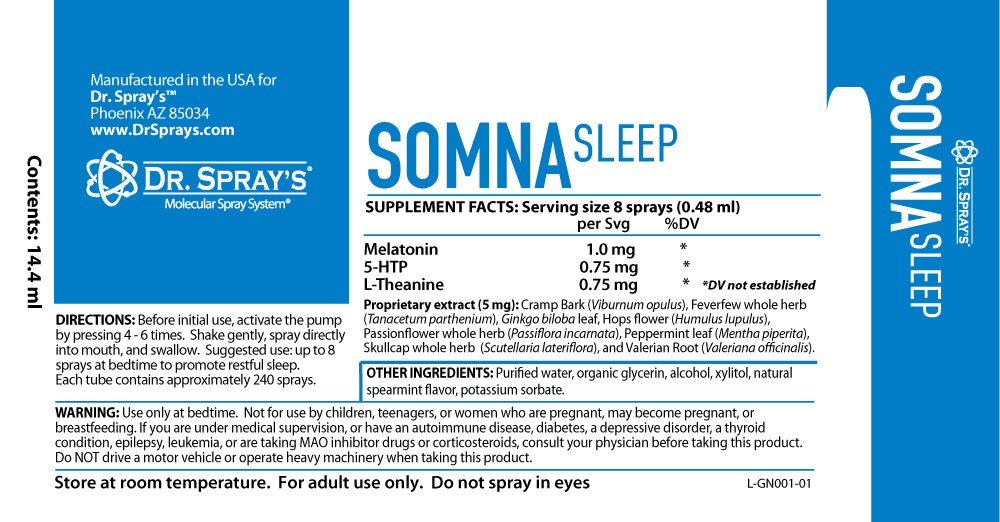
Sleep support products vary widely in ingredients and quality. Look for sprays specifically formulated for children, made in FDA-registered facilities, and containing appropriate doses of sleep-supporting nutrients like magnesium rather than sedating ingredients. Our Sleep Somna spray is doctor-developed and manufactured in our GMP-certified facility in Phoenix, Arizona, meeting the highest quality standards. Always consult your pediatrician before introducing any new supplement.
Can I sleep train if my child is teething or sick?
It's best to pause sleep training during illness or significant discomfort like teething. Your child needs extra comfort during these times, and they won't learn effectively when in pain or distress. Wait until your toddler is healthy and comfortable, then resume your routine. You may need to start back a step or two, but children typically return to baseline quickly once they're feeling better.
Supporting Your Toddler's Sleep Journey with Proper Nutrition
Teaching a two-year-old to sleep independently is as much about preparation as execution. While behavioral strategies and consistent routines form the foundation, ensuring your child receives adequate sleep-supporting nutrients can make a meaningful difference in how smoothly the process goes.
Modern toddler diets, even with well-meaning parents, often fall short in key nutrients that support quality sleep. Picky eating—nearly universal at this age—compounds the challenge. Supplementation through easily absorbed oral spray vitamins provides nutritional insurance that supports not just sleep, but overall health and development.
Quality matters significantly in children's supplements. Products manufactured in FDA-registered, GMP-certified facilities undergo rigorous testing and quality control. Our Phoenix, Arizona-based facility produces doctor-developed formulations using the spray delivery method, which offers up to 90% absorption compared to just 10-20% for traditional pills.
Creating Your Family's Sleep Success Plan
Successfully transitioning your two-year-old to independent sleep requires a comprehensive approach that addresses environment, routine, behavioral strategies, and nutritional support. Start by assessing your current situation honestly: What aspects of your bedtime routine are working well? Where are the biggest challenges?
Create a written plan that includes your new bedtime routine, the gradual retreat schedule, and how you'll handle specific challenges like night wakings or early mornings. Share this plan with anyone who puts your child to bed—consistency across caregivers is crucial for success.
Remember that progress isn't always linear. Some nights will go smoothly while others feel like setbacks. What matters is the overall trajectory over weeks and months, not individual nights. Celebrate small wins: the first time your child falls asleep with you at the doorway instead of bedside, the first night without any wake-ups, the first morning your toddler stays in bed until the appropriate wake time.
Take the Next Step Toward Better Sleep
Every family deserves peaceful bedtimes and restful nights. While the journey to independent sleep requires patience and consistency, the transformation in your child's confidence and your family's well-being makes the effort worthwhile.
If you've implemented behavioral strategies without seeing the improvement you'd hoped for, nutritional gaps might be a missing piece of the puzzle. Vitamin D, B vitamins, and magnesium all play crucial roles in supporting healthy sleep patterns. Ensuring your toddler receives these nutrients through diet and targeted supplementation creates a stronger foundation for sleep success.
Explore our range of doctor-developed vitamin sprays designed for optimal absorption and easy administration—even with resistant toddlers. Our Vitamin D3 spray supports circadian rhythm regulation, while our B12 spray aids nervous system function essential for quality sleep.
Ready to support your toddler's sleep with proper nutrition? Shop our complete collection of oral spray vitamins, manufactured in our FDA-registered facility in Phoenix, Arizona, and backed by doctor-developed formulations you can trust.