Getting a two-year-old to sleep later in the morning can feel like an impossible task for exhausted parents. When your toddler consistently wakes at 5:00 or 5:30 AM, it affects the entire household's rest and daily routine. Understanding the biological, environmental, and nutritional factors that influence your child's sleep-wake cycle is essential for making meaningful changes.
This comprehensive guide explores evidence-based strategies to help your toddler sleep later, including how proper nutrition—particularly through modern delivery methods like vitamin spray supplements—can support healthier sleep patterns.
Understanding Your Toddler's Sleep Architecture
Two-year-olds typically need 11-14 hours of total sleep within a 24-hour period, including naps. Their circadian rhythm is still developing, making them particularly sensitive to environmental cues and nutritional deficiencies that can disrupt sleep patterns.
Early morning waking often stems from several interconnected factors:
- Circadian rhythm misalignment: The body's internal clock may be set too early
- Environmental disruptions: Light, noise, or temperature changes trigger waking
- Nutritional deficiencies: Low levels of sleep-supporting vitamins and minerals
- Developmental changes: Language explosions and motor skill development can disrupt sleep
- Sleep pressure issues: Either too much or too little daytime sleep
The Nutritional Foundation of Better Sleep
What many parents don't realize is that certain vitamin and mineral deficiencies can significantly impact sleep quality and duration in toddlers. Research shows that deficiencies in vitamin D, B vitamins, and magnesium are commonly associated with sleep disturbances in young children.
Vitamin D's Critical Role in Sleep Regulation
Vitamin D receptors are present in areas of the brain that regulate sleep. Studies have found that children with insufficient vitamin D levels experience more frequent night wakings and earlier morning wake times. The challenge with traditional vitamin D supplements for toddlers is absorption—many liquid drops and gummies have absorption rates as low as 10-20%.
Modern vitamin D3 spray formulations offer a significant advantage. Oral spray vitamins delivered through the buccal mucosa (the tissue inside the cheeks) can achieve absorption rates up to 90%, ensuring your child actually receives the nutrients their developing body needs. This higher bioavailability means smaller doses can be more effective than larger amounts of traditional supplements.
B Vitamins and the Sleep-Wake Cycle
B vitamins, particularly B6 and B12, play crucial roles in producing serotonin and melatonin—the neurotransmitters that regulate sleep-wake cycles. A vitamin B12 spray can be particularly beneficial for toddlers who are picky eaters or following vegetarian diets, as B12 deficiency is increasingly common in these populations.
The sublingual and buccal absorption provided by spray supplements bypasses the digestive system, where B vitamins often degrade before reaching the bloodstream. This delivery method is especially valuable for toddlers whose digestive systems are still maturing.
Creating an Optimal Sleep Environment
While nutrition provides the biological foundation for better sleep, environmental factors determine whether your toddler can maintain sleep through the early morning hours.
Light Management Strategies
Light is the most powerful circadian rhythm regulator. Even small amounts of light in the early morning can trigger cortisol production and signal wake time to your toddler's brain.
Implement these light control measures:
- Install blackout curtains that eliminate all external light sources
- Cover or remove any LED lights from electronic devices in the room
- Use blackout shades on windows that face east to block sunrise light
- Consider a hallway door sweep to prevent light from seeping under the door
- Avoid screen time for at least two hours before bedtime—blue light suppresses melatonin production
Temperature and Comfort Optimization
The ideal sleep temperature for toddlers is between 65-70°F (18-21°C). Core body temperature naturally drops during sleep, and a room that's too warm can cause early waking as the body struggles to maintain this temperature drop in the early morning hours.
Additional comfort considerations include:
- Breathable, natural fiber pajamas that don't cause overheating
- Appropriate bedding weight for the season
- A small fan for white noise and air circulation
- Ensuring the toddler isn't waking due to a wet diaper—consider overnight diapers
Strategic Schedule Adjustments
Counter-intuitively, an earlier bedtime often results in later wake times. Overtired toddlers produce excess cortisol, which fragments sleep and leads to early morning waking.
Bedtime Timing
For most two-year-olds experiencing early waking, moving bedtime 15-30 minutes earlier can yield surprising results. The optimal bedtime window is typically between 6:30-7:30 PM, depending on when the child woke from their last nap.
Track your toddler's sleep cues carefully:
- Eye rubbing or red eyes
- Decreased activity or becoming "hyper"
- Clinginess or irritability
- Yawning or glazed expression
When you notice these signs, begin your bedtime routine within 20 minutes—waiting too long allows the child to become overtired, making sleep initiation and maintenance more difficult.
Nap Considerations
Most two-year-olds still need one nap, typically lasting 1.5-2.5 hours. However, the timing and length of this nap directly impacts morning wake time.
Guidelines for nap optimization:
- Cap naps at 2.5 hours maximum to maintain sufficient sleep pressure for bedtime
- Wake your toddler from naps by 3:00 PM to protect bedtime
- Maintain at least 4-5 hours of awake time between nap wake and bedtime
- If your toddler naps too long or too late, they may experience split nights or early rising
The Power of Consistent Routines
Toddlers thrive on predictability. A consistent bedtime routine that occurs at the same time every evening helps regulate their circadian rhythm and signals the approach of sleep.
Building an Effective Bedtime Routine
An ideal routine lasts 20-30 minutes and includes calming, predictable activities:
- Bath or wash-up: The temperature drop after a warm bath promotes sleep
- Pajamas and fresh diaper: Ensure maximum nighttime comfort
- Vitamin spray administration: If using sleep-supporting supplements, incorporate them consistently into the routine
- Tooth brushing: A non-negotiable hygiene step
- Quiet activities: Reading books, singing lullabies, or gentle rocking
- Lights out: Same time every night
The predictability of this sequence helps your toddler's body anticipate sleep, naturally increasing melatonin production as bedtime approaches.
Addressing Early Morning Hunger
Some two-year-olds wake early due to genuine hunger. While you don't want to encourage habitual early morning snacking, ensuring adequate nutrition before bed can help your child sleep later.
Evening Nutrition Strategies
Offer a balanced bedtime snack 30-45 minutes before starting the bedtime routine. Effective options include:
- Whole grain toast with nut butter
- Greek yogurt with berries
- Oatmeal with banana
- Cheese and whole grain crackers
These combinations provide protein and complex carbohydrates that digest slowly, maintaining stable blood sugar through the night. Avoid sugary snacks that cause blood sugar spikes and crashes.
For toddlers who are picky eaters or may not be getting adequate nutrients from food alone, incorporating a vitamin spray formulation can help fill nutritional gaps that might be affecting sleep quality.
The Morning Response Strategy
How you respond to early morning waking significantly impacts whether your toddler learns to settle back to sleep or becomes conditioned to start the day.
Implementing "Dramatic Wake-Up"
Choose a desired wake time—typically 6:00-6:30 AM for most families—and treat any waking before that time as still "nighttime."
When your toddler wakes early:
- Enter the room calmly without turning on bright lights
- Use a quiet, boring voice
- Avoid engaging in conversation or play
- If needed, resettle them in their bed and leave
- Do not start the day—no diaper changes unless necessary, no breakfast, no playtime
When your chosen wake time arrives, create a distinct contrast:
- Open curtains to let in natural light
- Use an enthusiastic, energetic voice
- Play upbeat music
- Immediately start the morning routine (diaper change, breakfast, etc.)
This dramatic difference helps your toddler's brain distinguish between "it's still nighttime" and "now it's time to wake up."
Using a Toddler Clock
Many parents find success with "OK to wake" clocks designed for toddlers. These devices display one color during sleep time and change to a different color at the designated wake time. Even two-year-olds can learn to wait for the color change before calling for parents.
Start by setting the clock for just 10-15 minutes after their current wake time, gradually moving it later as they adjust. Reward your toddler with enthusiastic praise when they wait for the clock to change colors.
Phoenix-Specific Considerations for Sleep
Living in Phoenix, Arizona presents unique challenges for toddler sleep due to extreme heat, intense sunlight, and extended daylight hours during summer months.
Managing Desert Climate Factors
Phoenix's climate requires additional sleep considerations:
- Air conditioning management: Maintain consistent, cool temperatures throughout the night—desert homes often become warm before sunrise
- Hydration needs: Ensure adequate fluid intake during the day, but limit liquids 60 minutes before bedtime to reduce nighttime wakings
- Sunrise timing: Summer sunrise can occur as early as 5:15 AM, making excellent blackout curtains essential
- Vitamin D considerations: While Phoenix offers abundant sunshine, many toddlers still have insufficient vitamin D levels due to limited outdoor time during extreme heat months
The intense Arizona sun means that even brief morning light exposure can significantly impact your toddler's circadian rhythm. Blackout solutions that work in moderate climates may prove inadequate for Phoenix's powerful early morning sunlight.
When to Consider Supplementation Support
If you've implemented environmental and schedule changes without success, nutritional deficiencies may be undermining your efforts. Sleep difficulties are among the earliest signs of vitamin D and B vitamin insufficiency in toddlers.
Advantages of Spray Delivery Systems
Traditional gummy vitamins and liquids face significant absorption challenges. Digestive acids break down nutrients, and the immature digestive systems of toddlers may not efficiently extract vitamins from these forms.
Oral spray vitamins offer distinct advantages for toddlers:
- Higher absorption rates: Buccal absorption achieves up to 90% bioavailability compared to 10-20% for traditional oral supplements
- Faster delivery: Nutrients enter the bloodstream within minutes rather than hours
- Easier administration: A quick spray is often more acceptable to resistant toddlers than pills or gummies
- No choking hazard: Unlike gummies or tablets that pose aspiration risks
- Sugar-free options: Many sprays avoid the added sugars found in gummy vitamins
- Precise dosing: Each spray delivers a measured amount
When selecting spray supplements for your toddler, look for products manufactured in FDA-registered, GMP-certified facilities to ensure quality and safety standards are met.
Developmental Leaps and Sleep Regressions
Two-year-olds experience significant cognitive and physical development that can temporarily disrupt established sleep patterns. Language explosions, increased independence, and developing imagination all contribute to sleep challenges during this age.
Navigating Sleep Regressions
The 2-year sleep regression typically lasts 2-6 weeks. During this period:
- Maintain consistent routines even when they seem ineffective
- Avoid creating new sleep associations you don't want to continue long-term
- Provide extra patience and reassurance during the day
- Ensure nutritional needs are met—developmental periods increase nutrient demands
- Continue implementing the strategies outlined in this guide
Consistency during regressions prevents temporary disruptions from becoming permanent habit changes.
Physical Activity and Sleep Connection
Adequate physical activity during wake hours is essential for building sufficient sleep pressure. Two-year-olds need at least 60-90 minutes of active play daily to consolidate nighttime sleep and extend morning wake times.
Optimizing Daily Activity
Structure your toddler's day to include:
- Morning outdoor time: Exposure to natural light early in the day helps set the circadian rhythm for appropriate timing
- Active play periods: Running, climbing, and gross motor activities
- Afternoon calm time: Quieter activities 2-3 hours before bedtime allow cortisol levels to decrease
- Limited screen time: Passive entertainment doesn't build adequate sleep pressure
In Phoenix, schedule outdoor activities during cooler morning hours before temperatures become extreme. Even 15-20 minutes of morning sunshine exposure helps regulate your toddler's internal clock.
Troubleshooting Persistent Early Waking
If you've implemented these strategies consistently for 2-3 weeks without improvement, consider these additional factors:
Medical Considerations
Consult your pediatrician if early waking is accompanied by:
- Snoring or breathing difficulties during sleep
- Excessive daytime sleepiness despite adequate night sleep opportunity
- Night terrors or persistent nightmares
- Signs of pain or discomfort upon waking
- Developmental delays or regression
Sleep apnea, enlarged tonsils and adenoids, allergies, and other medical conditions can all disrupt sleep quality and cause early morning waking.
Testing for Nutritional Deficiencies
Ask your pediatrician about testing for common deficiencies that affect sleep:
- Vitamin D levels (25-hydroxyvitamin D test)
- Iron and ferritin
- Vitamin B12
- Magnesium
If deficiencies are identified, high-absorption delivery methods like vitamin sprays can help correct levels more quickly than traditional supplements.
Gradual Wake Time Adjustment Protocol
Once you've addressed environmental, nutritional, and schedule factors, you can begin systematically shifting wake time later using this protocol:
- Week 1: Establish baseline—note exact wake time for seven consecutive days
- Week 2: Push bedtime 15 minutes earlier, maintain strict morning response strategy
- Week 3: If morning wake time hasn't shifted, move bedtime another 15 minutes earlier
- Week 4: As wake time begins shifting later (even by 15 minutes), hold schedule steady
- Week 5 onward: Continue gradual progression, moving target wake time 10 minutes later every 4-5 days
This gradual approach prevents overtiredness while slowly retraining your toddler's circadian rhythm. Patience is essential—sustainable changes typically take 4-6 weeks of consistency.
The Role of Parental Response Consistency
Perhaps the most challenging aspect of helping a toddler sleep later is maintaining consistency in your own response, especially when you're exhausted from repeated early wakings.
Building Sustainable Consistency
Success requires:
- Partner alignment: Ensure all caregivers follow the same approach
- Weekend consistency: Maintain the same schedule seven days per week initially
- Response preparation: Decide in advance how you'll handle early waking before it occurs
- Self-care: Take turns with a partner for early morning duty, allowing each adult adequate sleep
- Realistic expectations: Understand that sustainable change takes weeks, not days
Inconsistent responses confuse your toddler's developing circadian rhythm and prolong the adjustment period. If one parent responds to 5:30 AM wake-ups by starting the day while another attempts to resettle, you inadvertently teach that early waking sometimes results in desired outcomes.
Long-Term Sleep Health Habits
The strategies you implement now establish sleep patterns that extend well beyond the toddler years. Research shows that sleep habits formed in early childhood significantly predict sleep quality in later childhood and adolescence.
Building a Foundation for Lifelong Healthy Sleep
Beyond addressing immediate early waking concerns, focus on:
- Establishing sleep as a family priority
- Modeling healthy sleep habits in your own behavior
- Teaching your toddler that sleep is positive and restorative
- Maintaining consistent routines even during vacations and disruptions
- Supporting sleep through proper nutrition, including targeted vitamin supplementation when needed
When toddlers learn healthy sleep associations early, they develop self-regulation skills that serve them throughout life. The effort invested now pays dividends in years of better sleep quality for your entire family.
Frequently Asked Questions
Why does my 2-year-old wake up at 5 AM every day?
Two-year-olds commonly wake at 5 AM due to a combination of factors including circadian rhythm issues, environmental triggers (light, noise, temperature), nutritional deficiencies, overtiredness from too-late bedtimes, or insufficient sleep pressure from excessive daytime sleep. The sunrise, particularly in locations like Phoenix, Arizona with early and intense morning light, can also trigger early waking. Addressing all these factors together typically yields the best results.
Should I put my toddler to bed earlier or later to help them sleep in?
Counter-intuitively, most toddlers who wake early benefit from an earlier bedtime, not a later one. Overtired toddlers produce excess cortisol, which fragments sleep and causes early morning waking. Try moving bedtime 15-30 minutes earlier for one week. If your toddler is currently going to bed after 7:30 PM, an earlier bedtime almost always helps extend morning sleep.
Can vitamin deficiencies really affect my toddler's sleep?
Yes, research demonstrates strong connections between certain vitamin deficiencies and sleep disturbances in young children. Vitamin D deficiency is particularly associated with sleep problems, as vitamin D receptors are present in brain regions that regulate sleep. B vitamins play crucial roles in producing sleep-regulating neurotransmitters. Magnesium supports muscle relaxation and nervous system function. Using high-absorption oral spray vitamins can help correct deficiencies more effectively than traditional supplements.
How long does it take to change a toddler's wake-up time?
With consistent implementation of environmental, schedule, and nutritional strategies, most parents see initial improvements within 1-2 weeks, with substantial changes occurring over 4-6 weeks. However, every child is different. Some toddlers adjust within 10 days, while others require 8-10 weeks of consistent intervention. The key is maintaining your approach without reverting to previous patterns, even when progress feels slow.
What should I do when my toddler wakes at 5 AM?
Keep the environment dark and boring. Enter the room calmly without bright lights, use a quiet, monotone voice, and avoid engaging in conversation or play. If necessary, provide brief comfort and resettle them in bed, then leave. Do not start the day—no diaper changes unless necessary, no breakfast, no playtime. When your designated wake time arrives (6:00-6:30 AM), create a dramatic contrast with lights, enthusiastic voice, and immediate morning routine.
Are vitamin sprays safe for toddlers?
When manufactured in FDA-registered, GMP-certified facilities, vitamin sprays designed for children are safe for toddlers. In fact, they often offer advantages over gummies or tablets, including no choking hazard, precise dosing, and significantly higher absorption rates (up to 90% compared to 10-20% for traditional oral supplements). Always consult your pediatrician before starting any supplement regimen, and choose products specifically formulated for children.
Will a toddler clock help my 2-year-old sleep later?
A toddler "OK to wake" clock can be an effective tool as part of a comprehensive approach, but it won't work in isolation. Two-year-olds can understand the concept of waiting for the clock to change colors before calling for parents. Start by setting the clock just 10-15 minutes after their current wake time, gradually moving it later. The clock works best when combined with appropriate bedtime, optimal sleep environment, proper nutrition, and consistent parental response.
Should I eliminate my 2-year-old's nap to help them sleep later?
Most two-year-olds still need a nap, and eliminating it often makes early waking worse due to overtiredness. Instead, optimize nap timing and length: limit naps to 2.5 hours maximum, wake your toddler by 3:00 PM, and ensure at least 4-5 hours of awake time before bedtime. Only consider eliminating the nap if your toddler consistently resists it for several weeks and shows no overtired signs by evening.
Does living in a hot climate like Phoenix affect toddler sleep patterns?
Yes, desert climates present unique sleep challenges. Phoenix's extreme heat can cause homes to warm before sunrise, triggering early waking. The intense early morning sunlight, which can begin as early as 5:15 AM in summer, powerfully affects circadian rhythms. Additionally, limited outdoor time during peak heat months can contribute to vitamin D deficiency despite abundant sunshine. Phoenix families often need superior blackout solutions and consistent air conditioning, and may benefit from vitamin D3 spray supplementation even with year-round sun exposure.
Conclusion: A Comprehensive Approach to Better Mornings
Helping your two-year-old sleep later requires addressing multiple interconnected factors: optimizing the sleep environment, adjusting schedules appropriately, ensuring adequate nutrition and vitamin status, building consistent routines, and maintaining patient, strategic responses to early waking.
While the process requires commitment and consistency over several weeks, the benefits extend far beyond later morning wake times. You'll be establishing healthy sleep patterns that serve your child for years to come, improving their mood, behavior, learning capacity, and overall development.
Remember that every toddler is unique. What works perfectly for one child may need modification for another. Pay attention to your individual child's responses and adjust your approach accordingly. If you've implemented these strategies consistently for 6-8 weeks without improvement, consult your pediatrician to rule out underlying medical or nutritional issues.
For many families, supporting their toddler's nutritional foundation through high-absorption spray supplements provides the missing piece that allows other sleep strategies to work effectively. When combined with environmental optimization and consistent routines, proper nutrition creates the biological foundation for consolidated, restorative sleep that extends through the early morning hours.
The journey to later mornings may test your patience, but the reward—a well-rested toddler and family—makes every consistent night worthwhile.
Support Your Toddler's Sleep with Better Nutrition
Is your toddler getting the vitamin D and B vitamins they need for healthy sleep patterns? Traditional supplements often provide poor absorption, meaning your child may not be receiving the nutritional support they need despite your best efforts.
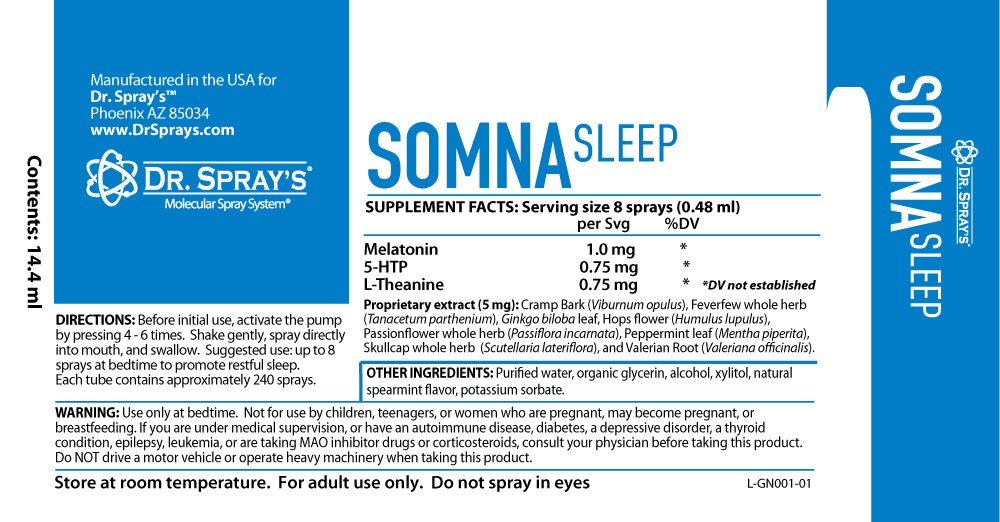
DrSprays offers doctor-developed vitamin sprays with up to 90% absorption rate—far superior to traditional gummies and liquids. Our spray supplements are manufactured in an FDA-registered, GMP-certified facility in Phoenix, Arizona, ensuring the highest quality standards.
Explore our vitamin D3 spray and B12 spray formulations designed to deliver the nutrients growing toddlers need for optimal sleep and development. Visit DrSprays.com to learn more about how better absorption can make a real difference in your family's sleep quality.
About the Author
This article was written by the DrSprays editorial team, drawing on current pediatric sleep research, nutritional science, and practical experience helping families improve toddler sleep patterns. DrSprays is committed to providing evidence-based information about children's health, nutrition, and the role of vitamin supplementation in supporting developmental wellness.
Our vitamin spray products are developed by medical professionals and manufactured in Phoenix, Arizona in an FDA-registered, GMP-certified facility, ensuring quality and safety standards that parents can trust.