Getting a three-year-old to sleep later in the morning is one of the most common challenges parents face during the toddler years. Those early wake-ups—often before 6:00 AM—can leave the entire household exhausted and struggling to maintain a healthy routine. Understanding the science behind toddler sleep patterns and implementing strategic solutions can help shift your child's internal clock and give everyone more restorative rest.
This comprehensive guide explores evidence-based strategies to help your three-year-old sleep later, including nutritional support through targeted oral spray vitamins that may support healthy sleep cycles. Whether you're dealing with early morning wake-ups or inconsistent sleep patterns, these practical approaches can help restore balance to your family's sleep schedule.
Understanding Your Three-Year-Old's Sleep Needs
Before implementing strategies to help your toddler sleep later, it's essential to understand what constitutes healthy sleep for this age group. Three-year-olds typically need between 10 and 13 hours of total sleep in a 24-hour period, including nighttime sleep and daytime naps. However, every child is unique, and some may function well on the lower end of this range while others need more.
The circadian rhythm—your child's internal biological clock—plays a crucial role in sleep-wake patterns. At three years old, this rhythm is still developing and can be influenced by various factors including light exposure, meal timing, physical activity, and nutritional status. Children who wake consistently before 6:00 AM may be experiencing an advanced sleep phase, where their circadian rhythm is set earlier than ideal for family schedules.
Signs Your Child May Need More Sleep
- Difficulty waking in the morning despite early bedtime
- Irritability or emotional outbursts throughout the day
- Hyperactivity or difficulty focusing on activities
- Falling asleep quickly during car rides or quiet activities
- Resistance to naptime but obvious fatigue
- Increased clumsiness or accidents
If your three-year-old exhibits these signs, they may actually need more overall sleep rather than just sleeping later. In these cases, the focus should be on improving total sleep quality and duration.
The Role of Nutrition in Sleep Quality
Nutrition plays a fundamental role in sleep regulation that many parents overlook. Certain vitamins and minerals directly impact the body's production of sleep-related hormones and neurotransmitters. Deficiencies in key nutrients can disrupt circadian rhythms and contribute to early wake times or poor sleep quality.
Essential Nutrients for Healthy Sleep
Vitamin D3: Often called the "sunshine vitamin," vitamin D plays a crucial role in sleep regulation. Research has shown that vitamin D deficiency is associated with shorter sleep duration and poor sleep quality in children. A vitamin D3 spray can be an effective way to ensure adequate levels, especially during winter months when sun exposure is limited. The oral spray delivery method offers superior absorption compared to traditional tablets.
Vitamin B12: This essential vitamin supports the nervous system and helps regulate sleep-wake cycles. B12 is involved in the production of melatonin, the hormone that signals sleep time to the body. Children with inadequate B12 levels may experience disrupted sleep patterns. A vitamin B12 spray provides an easily absorbed form of this critical nutrient.
Magnesium: This mineral helps calm the nervous system and supports the production of GABA, a neurotransmitter that promotes relaxation. Magnesium deficiency can lead to restless sleep and early morning wakings.
B-Complex Vitamins: The full spectrum of B vitamins work together to support neurotransmitter production and stress response. A comprehensive multi-vitamin spray that includes B-complex vitamins can support overall wellness and sleep quality.
Why Spray Supplements Offer Superior Absorption
Traditional vitamin tablets and gummies for children face absorption challenges. The digestive system must break down solid forms, and many nutrients are lost during this process. Doctor-developed oral spray vitamins bypass much of the digestive process, delivering nutrients directly through the oral mucosa with absorption rates up to 90%.
For three-year-olds who may resist taking pills or chewable vitamins, vitamin spray products offer a convenient, pleasant-tasting alternative that makes daily supplementation easy to maintain consistently—a key factor in addressing nutritional deficiencies that may be affecting sleep.
Strategic Approaches to Shift Sleep Schedules
Once you've addressed potential nutritional factors, implementing behavioral and environmental strategies can help gradually shift your three-year-old's wake time to a more reasonable hour.
The Gradual Adjustment Method
Attempting to suddenly shift your child's sleep schedule by more than 30 minutes rarely works and often leads to overtiredness. Instead, use gradual adjustments:
- Move bedtime later by 15 minutes every three days: If your child currently sleeps from 7:00 PM to 5:30 AM, move bedtime to 7:15 PM for three nights, then 7:30 PM for three nights, and so on.
- Adjust wake time simultaneously: When your child wakes early, keep the room dark and quiet for 15 minutes before starting the day. Gradually extend this quiet time as bedtime shifts later.
- Maintain consistency: Use the same bedtime and wake time every day, including weekends, to reinforce the new schedule.
- Monitor total sleep: Ensure your child is still getting adequate total sleep as you make adjustments.
Optimizing the Sleep Environment
The bedroom environment significantly impacts sleep quality and wake time. Creating optimal conditions helps your child sleep more soundly and potentially longer:
Light control: Install blackout curtains or shades to keep the room completely dark until your desired wake time. Even small amounts of morning light can trigger early awakening in toddlers. Consider using a sleep-training clock that changes color at an appropriate wake time, helping your child learn when it's okay to get up.
Temperature regulation: Keep the bedroom cool, ideally between 65-70°F (18-21°C). Overheating can cause early morning wakings as body temperature naturally rises toward morning.
Sound management: Use white noise or a gentle fan to mask early morning sounds that might wake your child. Birds chirping, traffic noise, or household members getting ready can trigger premature wakings.
Comfortable bedding: Ensure your child's mattress and bedding are comfortable and appropriate for the season. Consider whether your child might be waking due to being too hot or too cold.
Daytime Strategies That Impact Night Sleep
What happens during the day profoundly affects nighttime sleep quality and wake time. These daytime strategies can help your three-year-old sleep later:
Morning Light Exposure
Paradoxically, bright light exposure after your child wakes—even if it's earlier than you'd like—helps set the circadian rhythm. Once your child is up for the day, get them outside or near bright windows within 30 minutes. This morning light exposure helps anchor the circadian clock and supports better sleep timing overall. As you gradually shift wake time later, you'll shift this light exposure later as well.
Physical Activity Timing
Three-year-olds need plenty of physical activity for healthy development and good sleep. However, timing matters:
- Encourage active play in the morning and early afternoon
- Avoid vigorous activity within two hours of bedtime
- Include outdoor time daily when possible, which combines physical activity with beneficial light exposure
- Balance active play with quiet activities throughout the day
The Nap Dilemma
Napping remains important for most three-year-olds, but nap timing and duration can significantly impact nighttime sleep and morning wake time. If your child naps too late or too long, they may not be tired enough at bedtime or may wake earlier than desired.
Nap timing guidelines:
- Place naptime no later than 2:30 PM
- Limit naps to 1-2 hours maximum
- Wake your child from naps if needed to preserve bedtime
- Maintain consistent nap timing daily
- Watch for signs your child may be ready to transition away from napping (though most three-year-olds still benefit from afternoon rest)
Meal Timing and Evening Nutrition
When and what your child eats can influence sleep quality. Large meals too close to bedtime can cause discomfort, while going to bed hungry can lead to early morning wakings.
- Serve dinner 2-3 hours before bedtime
- Offer a light snack 30-60 minutes before bed if needed (such as a small portion of yogurt or banana)
- Avoid sugary foods in the evening
- Ensure adequate hydration throughout the day but limit fluids in the hour before bed
- Consider whether nutritional deficiencies might be affecting sleep—spray supplements can be administered with evening routines for optimal absorption
Creating an Effective Bedtime Routine
A consistent, calming bedtime routine signals to your child's body that sleep is approaching. For three-year-olds, this routine should last 30-45 minutes and follow the same sequence every night.
Sample Bedtime Routine for Better Sleep
- Bath time (7:00 PM): A warm bath can be relaxing and the subsequent drop in body temperature promotes sleepiness.
- Pajamas and teeth brushing (7:15 PM): Make this routine and predictable.
- Supplement administration (7:20 PM): If your child's healthcare provider has recommended sleep-supporting nutrients, incorporate a sleep support spray into the bedtime routine. The act of administering the spray can become part of the sleep ritual.
- Quiet activity (7:25 PM): Read books, tell stories, or engage in other calm activities in dim lighting.
- Lights out (7:45 PM): Keep the final moments peaceful with soft music, gentle back rubbing, or quiet talking.
Consistency is more important than the specific activities you choose. Your child will come to associate this sequence with sleep, making the transition to rest easier.
Addressing Common Sleep Disruptors
Several factors can cause early morning wakings in three-year-olds. Identifying and addressing these disruptors is essential for helping your child sleep later.
Developmental Factors
Three-year-olds experience significant cognitive and emotional development that can temporarily disrupt sleep. New skills like potty training, increased imagination (including nightmares), and emerging independence can all affect sleep patterns. During developmental leaps, maintain your routine as consistently as possible and provide extra reassurance.
Sleep Associations
If your child relies on specific conditions to fall asleep—such as being rocked, held, or having a parent present—they may wake fully when these conditions aren't present during natural sleep cycle transitions in the early morning. Gradually teaching your child to fall asleep more independently can reduce early wakings.
Medical Considerations
Certain medical issues can contribute to sleep difficulties and early wakings:
- Sleep apnea or breathing difficulties
- Allergies causing congestion
- Reflux or digestive discomfort
- Eczema or skin conditions causing itching
- Nutritional deficiencies affecting sleep-related hormone production
If your child consistently wakes early despite implementing behavioral strategies, consult with your pediatrician to rule out underlying medical issues. They may recommend testing for vitamin deficiencies or other health concerns affecting sleep.
When to Seek Professional Support
While many sleep challenges can be resolved with consistent home strategies, some situations warrant professional guidance. Consider consulting a pediatric sleep specialist if:
- Your child consistently wakes before 5:00 AM despite 4-6 weeks of intervention
- Sleep problems are severely impacting family functioning or your child's daytime behavior
- You suspect an underlying medical condition affecting sleep
- Your child shows signs of a sleep disorder such as sleep apnea, night terrors, or sleepwalking
- You've addressed nutritional factors and implemented behavioral strategies without improvement
Sleep specialists can conduct comprehensive evaluations, identify specific issues, and create targeted intervention plans for your family's unique situation.
The Phoenix Approach: Supporting Health from Arizona
At DrSprays, we understand that sleep challenges affect the whole family. Our facility in Phoenix, Arizona develops doctor-formulated oral spray vitamins designed to support overall wellness, including the nutritional factors that influence healthy sleep patterns.
Our FDA-registered, GMP-certified facility produces spray supplements with up to 90% absorption rates—significantly higher than traditional tablets or gummies. This superior absorption ensures that your child receives the full benefit of essential nutrients like vitamin D3 and B12 that support healthy circadian rhythms and sleep-wake cycles.
For parents in Phoenix and throughout Arizona, as well as families nationwide, our products offer a convenient, effective way to address potential nutritional gaps that may be contributing to sleep difficulties. The pleasant-tasting sprays are easy to administer, even to resistant three-year-olds, making consistent supplementation achievable.
Creating Sustainable Sleep Habits
Helping your three-year-old sleep later requires patience and consistency. Remember that sleep patterns don't change overnight, and setbacks are normal during developmental transitions, illness, or travel.
Key principles for success include:
- Consistency: Maintain the same schedule and routines daily, including weekends
- Patience: Allow at least 2-3 weeks for new patterns to establish
- Flexibility: Adjust strategies based on your child's individual responses
- Holistic approach: Address nutritional, behavioral, and environmental factors together
- Family commitment: Ensure all caregivers follow the same approach
As your child's sleep gradually shifts to a more reasonable wake time, you'll likely notice improvements in their mood, behavior, and overall well-being—along with better rest for the entire family.
Frequently Asked Questions
Why does my 3-year-old wake up at 5 AM every day?
Three-year-olds who consistently wake at 5 AM may have an advanced circadian rhythm, meaning their internal clock is set earlier than desired. This can result from early bedtimes, too much light exposure in the early morning, inadequate daytime light exposure, nutritional deficiencies affecting sleep hormones, or simply natural variations in sleep patterns. Gradually shifting bedtime later while controlling light exposure and ensuring adequate nutrition—including sleep-supporting nutrients through vitamin spray products—can help reset this pattern over time.
Is it normal for a 3-year-old to wake up at 6 AM?
Waking at 6 AM is within the normal range for many three-year-olds, though some parents prefer a later wake time. Children this age typically need 10-13 hours of total sleep, so a 6 AM wake time is appropriate if bedtime is around 7-8 PM and your child seems well-rested. If your family's schedule allows for an earlier bedtime or if your child shows signs of inadequate sleep, this wake time may be acceptable. However, if it's disruptive to family routines or your child seems tired during the day, you can gradually shift the schedule later using the strategies outlined in this guide.
Should I wake my 3-year-old from naps to help them sleep later?
If your three-year-old is waking very early in the morning, their daytime nap may be impacting nighttime sleep. Late or long naps can reduce sleep pressure at bedtime, leading to later falling asleep and potentially earlier waking. Consider waking your child from naps after 1-2 hours or by 2:30-3:00 PM at the latest. This ensures sufficient sleep pressure builds before bedtime while still providing needed daytime rest. Monitor your child's response—some three-year-olds become overtired if naps are cut too short, which can paradoxically worsen early waking.
Can vitamin deficiencies cause early morning waking in toddlers?
Yes, deficiencies in certain vitamins and minerals can disrupt sleep patterns and contribute to early morning wakings. Vitamin D deficiency has been linked to poor sleep quality and shorter sleep duration in children. B vitamins, particularly B12, play crucial roles in melatonin production and nervous system regulation. Magnesium supports relaxation and sleep quality. Iron deficiency can also affect sleep. If you suspect nutritional factors may be contributing to your child's sleep issues, consult your pediatrician about testing. Many parents find that addressing deficiencies through easily absorbed oral spray vitamins helps improve overall sleep quality.
How long does it take to adjust a toddler's sleep schedule?
Adjusting a three-year-old's sleep schedule typically takes 2-4 weeks of consistent effort, though individual children vary. The key is making gradual changes—shifting bedtime and wake time by only 15 minutes every 3-4 days allows the child's circadian rhythm to adjust naturally without causing overtiredness. Dramatic, sudden changes rarely work and often lead to increased sleep difficulties. During the adjustment period, you may see some regression or inconsistency, which is normal. Maintaining consistent routines, light exposure patterns, and nutritional support throughout the process increases the likelihood of success.
What role do spray supplements play in improving toddler sleep?
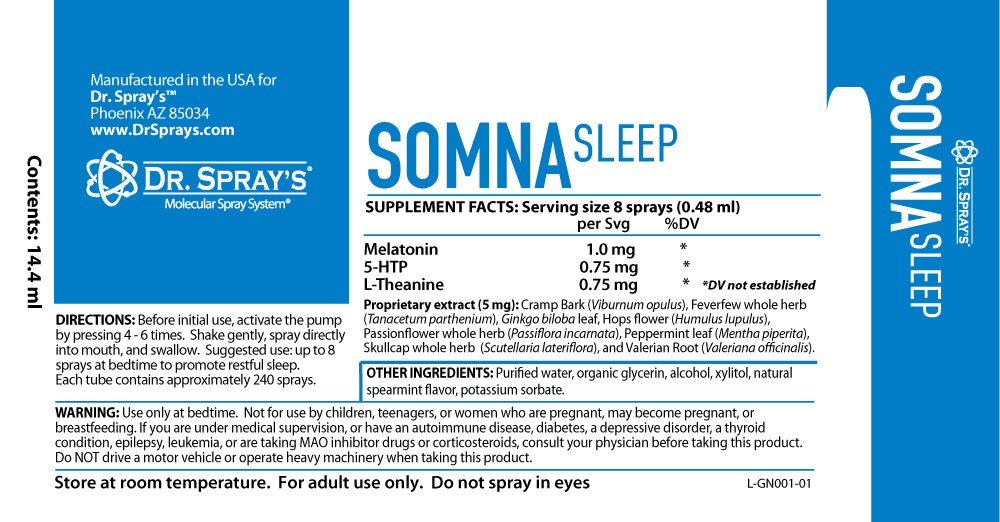
Spray supplements can play a supportive role in improving toddler sleep when nutritional deficiencies contribute to sleep difficulties. Products like vitamin D3 spray and B12 spray provide nutrients essential for healthy sleep-wake cycles with superior absorption compared to traditional tablets. The sleep support spray contains targeted ingredients that promote relaxation and healthy sleep patterns. However, supplements work best as part of a comprehensive approach that includes consistent sleep routines, appropriate light exposure, and other behavioral strategies. Always consult your child's healthcare provider before starting any new supplement regimen.
Is melatonin safe for helping a 3-year-old sleep later?
While melatonin supplements are sometimes used for children with sleep difficulties, they should only be given under direct guidance from a pediatrician. Melatonin is a hormone that can affect development and should not be used casually or long-term in young children. Before considering melatonin, try behavioral strategies, optimize the sleep environment, and ensure your child is receiving adequate nutrition including sleep-supporting vitamins. Natural approaches to boost your child's own melatonin production—such as proper light exposure patterns, adequate vitamin D levels through D3 supplementation, and consistent routines—are generally preferred as first-line interventions for toddler sleep issues.
Why is my 3-year-old waking earlier after we moved their bedtime later?
If your child is waking earlier after moving bedtime later, they may be becoming overtired. Three-year-olds have limited wake windows, and pushing bedtime too late can cause the stress hormone cortisol to rise, leading to more fragmented sleep and earlier wakings—the opposite of what you're trying to achieve. This is why gradual adjustments of only 15 minutes every few days work better than dramatic changes. If you've moved bedtime later and see earlier wakings, temporarily move bedtime slightly earlier again and then make smaller, slower adjustments. Ensure your child is getting adequate total sleep (10-13 hours) and that daytime naps aren't being compromised.
Supporting Your Family's Sleep Journey
Helping your three-year-old sleep later is achievable with the right combination of strategies, patience, and consistency. By addressing nutritional factors, optimizing the sleep environment, implementing gradual schedule changes, and maintaining consistent routines, you can shift your child's internal clock to better align with your family's needs.
Remember that every child is unique, and what works for one family may need adjustment for another. The most effective approach considers your child's individual temperament, health status, and developmental stage while supporting their overall wellness through both behavioral strategies and proper nutrition.
Quality sleep is foundational to your three-year-old's growth, development, emotional regulation, and learning. The effort you invest in establishing healthy sleep patterns now will benefit your child for years to come—and give your entire family the rest needed to thrive.
Support Your Child's Sleep with Premium Nutrition
Give your three-year-old the nutritional foundation for healthy sleep patterns. Our doctor-developed oral spray vitamins deliver essential nutrients with 90% absorption rates—far superior to traditional tablets.
Key products to support healthy sleep:
- ✓ Sleep/Somna Spray – Natural sleep support
- ✓ Vitamin D3 Spray – Supports circadian rhythm regulation
- ✓ Vitamin B12 Spray – Essential for melatonin production
- ✓ Multi-Vitamin Spray – Complete nutritional support
Made in our FDA-registered, GMP-certified facility in Phoenix, Arizona. All products are doctor-developed and third-party tested for quality and purity.