Getting a 4-year-old to sleep can feel like an impossible task for many parents. Between bedtime battles, midnight wake-ups, and early morning energy bursts, sleep challenges at this age are incredibly common. If you're struggling to establish a consistent sleep routine for your preschooler, you're not alone—and there are evidence-based strategies that can help.
In this comprehensive guide, we'll explore why 4-year-olds struggle with sleep, practical techniques to improve bedtime routines, and how proper nutrition—including innovative solutions like oral spray vitamins—can support healthy sleep patterns.
Understanding Sleep Needs for 4-Year-Olds
Before addressing sleep problems, it's important to understand what normal sleep looks like at this age. According to the American Academy of Sleep Medicine, preschoolers aged 3-5 years need 10-13 hours of sleep per 24-hour period, including naps.
At age four, many children are transitioning away from daily naps, which can temporarily disrupt nighttime sleep patterns. This developmental shift requires adjustment from both children and parents as sleep consolidates into one longer nighttime period.
Common Sleep Challenges at Age Four
Four-year-olds face unique sleep obstacles related to their cognitive and emotional development:
- Active imagination: Increased fear of the dark, monsters, or being alone
- Resistance to routines: Testing boundaries and asserting independence
- Physical restlessness: High energy levels that make winding down difficult
- Inconsistent schedules: Irregular bedtimes affecting circadian rhythms
- Nutritional gaps: Deficiencies in sleep-supporting vitamins and minerals
Creating an Effective Bedtime Routine
A consistent, calming bedtime routine is the foundation of healthy sleep habits. The key is predictability—your child's body will learn to anticipate sleep when the same sequence occurs each night.
The Ideal Pre-Bedtime Timeline
60 minutes before bed: Begin winding down activities. Turn off screens and transition to quieter play. This is an excellent time to address nutritional support with a sleep-supporting spray supplement formulated specifically for restful sleep.
45 minutes before bed: Start the bathroom routine. A warm bath can help lower body temperature afterward, which signals sleepiness. Keep the atmosphere calm and use this time for gentle connection.
30 minutes before bed: Put on pajamas and brush teeth. Allow your child to choose their pajamas (within your pre-selected options) to give them a sense of control.
20 minutes before bed: Read 2-3 books together in their bedroom with dimmed lights. Choose calming stories rather than exciting adventures. This quiet connection time reduces anxiety about separation.
10 minutes before bed: Final preparations like a last sip of water, one more bathroom visit, and tucking in with a comfort item. Keep this brief to avoid endless delay tactics.
Lights out: Use a consistent phrase like "It's sleep time now" and leave the room while your child is drowsy but still awake.
Environmental Factors That Promote Sleep
The sleep environment plays a crucial role in how easily your 4-year-old falls asleep and stays asleep throughout the night.
Optimize the Bedroom
Temperature: Keep the room cool, between 65-70°F (18-21°C). Cooler temperatures facilitate the natural drop in body temperature that promotes sleep.
Lighting: Use blackout curtains to eliminate external light sources. Consider a dim red or amber night light if your child fears complete darkness—these wavelengths don't interfere with melatonin production as much as blue or white light.
Sound: White noise machines can mask household sounds that might wake your child. Consistent, gentle sound creates a cocoon-like environment conducive to sleep.
Comfort: Ensure appropriate bedding for the season. Many children sleep better slightly cool with blankets than too warm. A favorite stuffed animal or blanket provides security.
Nutrition's Critical Role in Sleep Quality
What your child eats—and when—significantly impacts their ability to fall asleep and sleep soundly. Certain nutrients are particularly important for regulating sleep-wake cycles.
Key Sleep-Supporting Nutrients
Vitamin D3: This essential vitamin regulates circadian rhythms and melatonin production. Studies show that vitamin D deficiency is associated with sleep difficulties in children. A vitamin D3 spray offers an easy way to ensure adequate intake, especially during winter months when sun exposure is limited.
Vitamin B12: B vitamins support the nervous system and help regulate sleep-wake cycles. A vitamin B12 spray can be particularly beneficial for children with dietary restrictions or absorption issues.
Magnesium: This mineral promotes relaxation and helps activate the parasympathetic nervous system. Foods rich in magnesium include leafy greens, nuts, seeds, and whole grains.
Complex carbohydrates: Foods like oatmeal, whole grain toast, or bananas can increase tryptophan availability, which converts to serotonin and then melatonin.
Timing Matters
Avoid large meals within two hours of bedtime, but don't let your child go to bed hungry. A light snack combining protein and complex carbohydrates 30-60 minutes before bed can prevent middle-of-the-night hunger wake-ups.
Good bedtime snack options include:
- Half a banana with almond butter
- Whole grain crackers with cheese
- Small bowl of oatmeal with berries
- Plain yogurt with granola
The Science Behind Spray Vitamins for Better Absorption
Traditional pill-form vitamins can be challenging for young children to swallow, and many gummy vitamins contain high amounts of sugar that can interfere with sleep. Oral spray vitamins offer a practical alternative with significant advantages.
Research indicates that spray supplements can achieve absorption rates up to 90% compared to traditional pills, which often have absorption rates of only 10-20%. This is because oral sprays begin absorption immediately through the mucous membranes in the mouth, bypassing the digestive system where many nutrients are degraded or poorly absorbed.
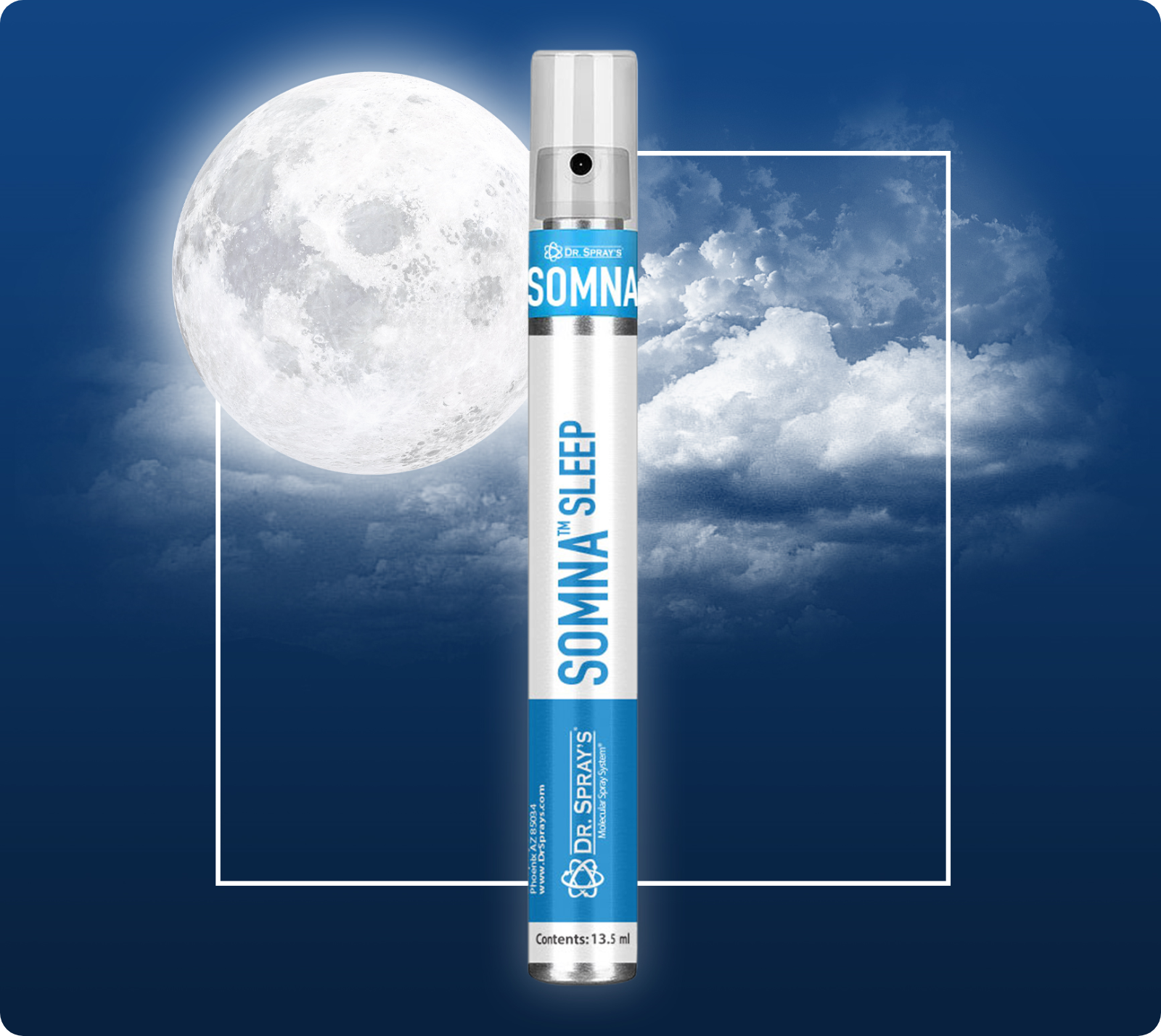
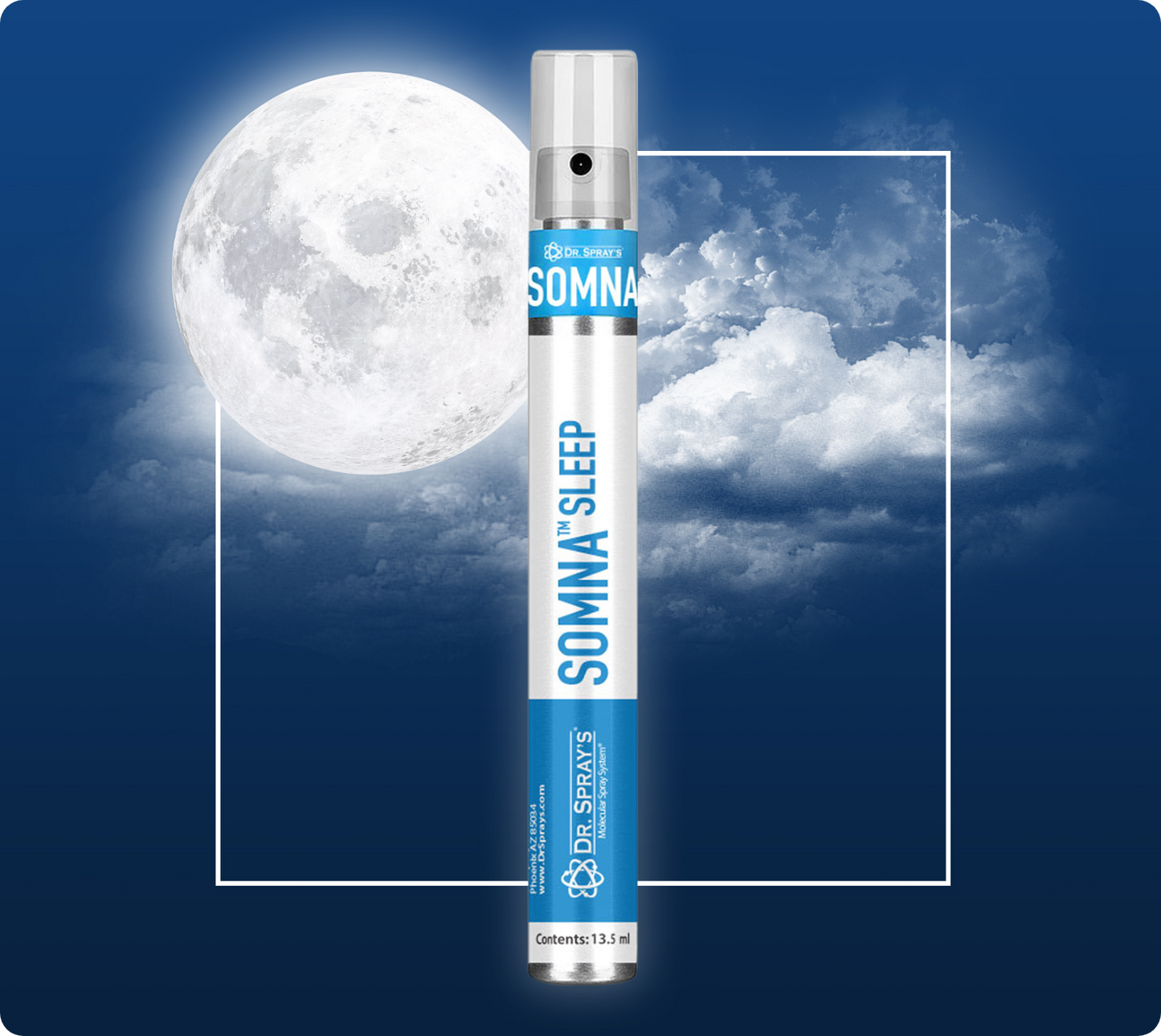
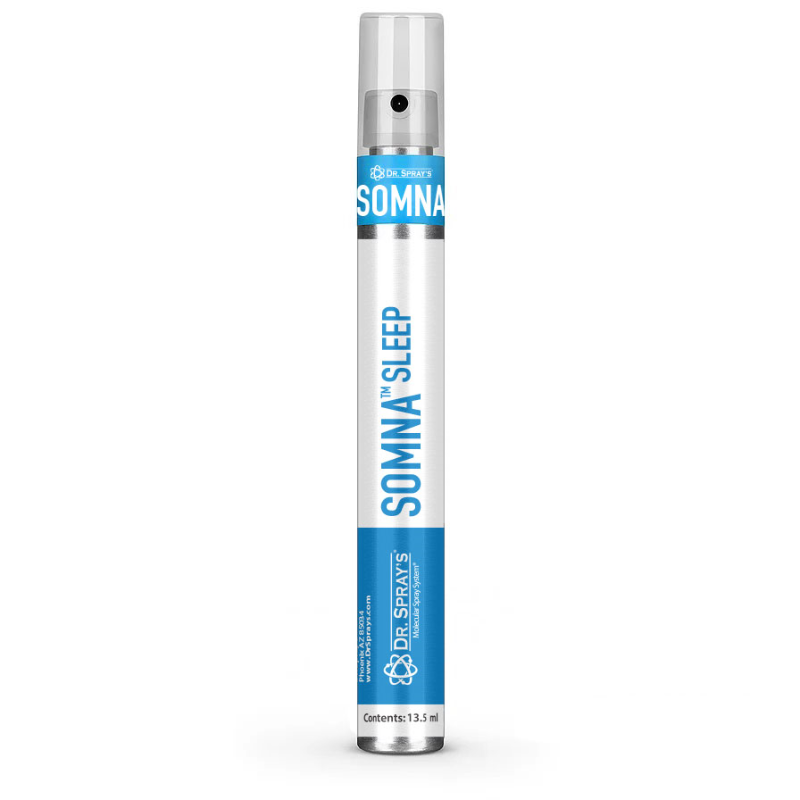
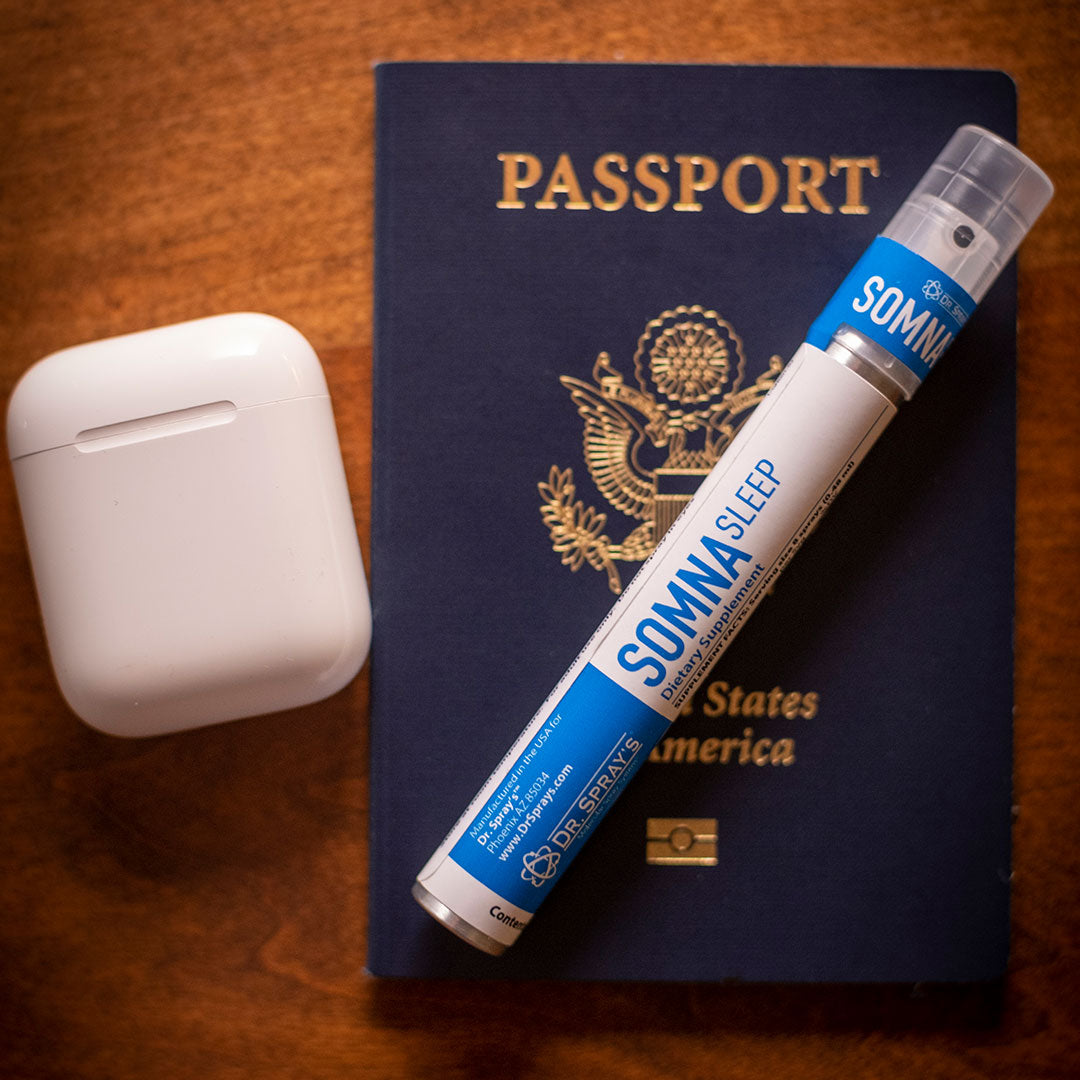
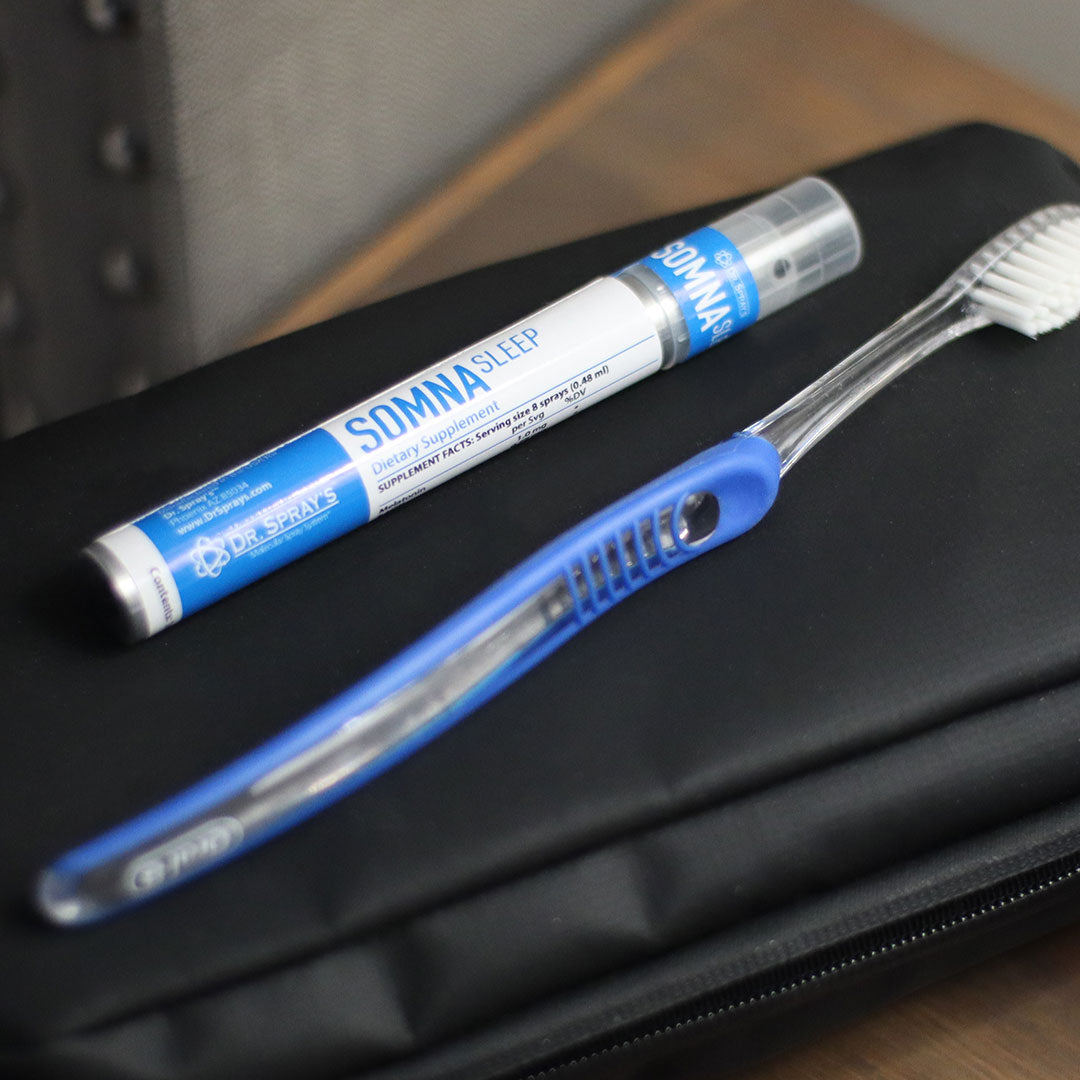
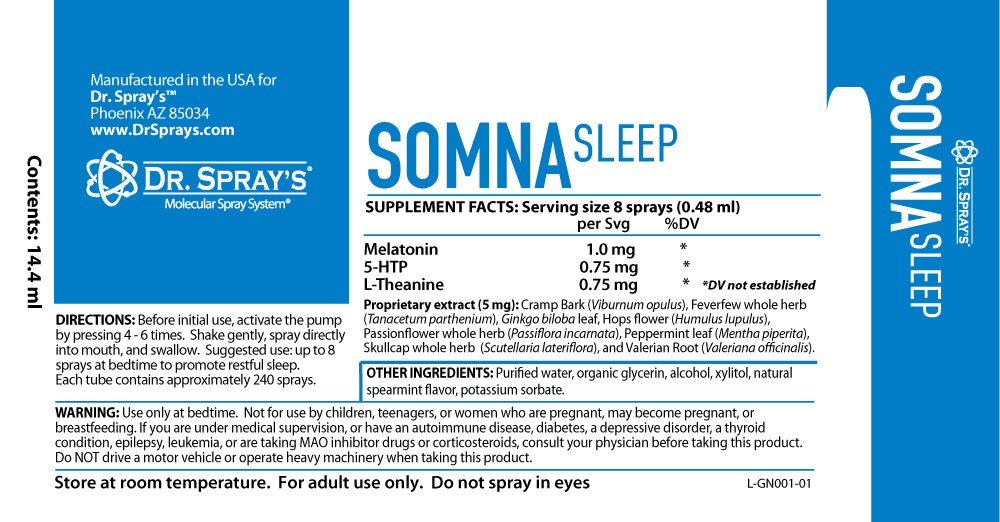
For parents in Phoenix, Arizona, and surrounding areas, DrSprays manufactures doctor-developed vitamin spray products in an FDA-registered, GMP-certified facility. Their Somna spray is specifically formulated to support healthy sleep patterns with a blend of melatonin and calming botanicals.
Addressing Common Sleep Obstacles
Bedtime Resistance and Power Struggles
Four-year-olds are asserting their independence, and bedtime often becomes a battleground. Instead of engaging in power struggles, offer limited choices that give your child control within boundaries you've set.
For example: "Would you like to wear the blue pajamas or the striped ones?" or "Should we read two books or three tonight?" These choices make children feel empowered while you maintain control over the actual bedtime.
Stay calm and consistent. If your child leaves their room, calmly return them with minimal interaction. The goal is to make staying in bed more interesting than getting up.
Fear and Anxiety
Nighttime fears peak during the preschool years as imagination develops faster than logical reasoning. Validate your child's feelings rather than dismissing them: "I know the shadows look scary, but you're safe in your room."
Create a "monster spray" (water in a spray bottle with essential oils) that you use together to make the room "safe." While this plays into the fear temporarily, it gives your child a sense of control and eventually they'll outgrow the need for it.
Consider a brief check-in system: "I'll come back to check on you in five minutes." Then gradually extend the time between checks over several weeks.
Middle-of-the-Night Wake-Ups
If your child wakes during the night, respond briefly and boring. Don't turn on bright lights, engage in conversation, or bring them to your bed (unless that's your family's preference). The goal is to help them learn to self-soothe back to sleep.
Ensure their nutritional needs are met during the day. Deficiencies in certain vitamins can contribute to restless sleep. A comprehensive multi-vitamin spray can help fill nutritional gaps that might be affecting sleep quality.
The Impact of Daytime Activities on Nighttime Sleep
What happens during the day directly affects nighttime sleep quality. A balanced approach to activity and rest throughout the day sets the stage for better sleep.
Physical Activity
Four-year-olds need at least 3 hours of physical activity throughout the day. Regular exercise helps regulate circadian rhythms and builds up appropriate sleep pressure by bedtime. However, avoid vigorous exercise within 2-3 hours of bedtime, as it can be too stimulating.
Screen Time Management
The blue light emitted by screens suppresses melatonin production, making it harder to fall asleep. Establish a "screens off" time at least 60-90 minutes before bed. The American Academy of Pediatrics recommends limiting screen time to one hour per day of high-quality programming for preschoolers.
Sunlight Exposure
Morning sunlight exposure helps set the circadian rhythm for the entire day. Try to get your child outside within an hour of waking up, even if just for 10-15 minutes. This natural light exposure improves both mood and sleep quality.
In Phoenix, Arizona, where sunshine is abundant most of the year, taking advantage of morning light is particularly easy. However, the intense Arizona sun also means many children spend more time indoors during peak heat, potentially leading to vitamin D deficiency despite the sunny climate. This makes supplementation with a vitamin D3 spray especially important for maintaining healthy sleep cycles.
When to Seek Professional Help
While many sleep challenges at age four are developmentally normal and resolve with consistent routines, certain signs indicate it may be time to consult a pediatrician or sleep specialist:
- Loud snoring or breathing pauses during sleep (possible sleep apnea)
- Extreme difficulty waking in the morning despite adequate sleep hours
- Persistent nightmares or night terrors occurring multiple times per week
- Bedwetting after being consistently dry for months
- Daytime sleepiness affecting behavior, learning, or social interactions
- Sleep problems persisting despite 4-6 weeks of consistent routine implementation
Supporting Your Own Sleep as a Parent
Parent exhaustion often perpetuates children's sleep problems. When you're overtired, you're more likely to be inconsistent with routines, give in to demands, or react emotionally to bedtime resistance.
Prioritize your own sleep health by:
- Taking turns with your partner for nighttime duties
- Going to bed shortly after your child when possible
- Maintaining your own nutritional wellness with appropriate spray supplements
- Avoiding the trap of using your child's bedtime as your "catch-up" time for tasks
Creating Long-Term Healthy Sleep Habits
The strategies you implement now establish patterns that can last a lifetime. Research shows that children who develop good sleep habits in early childhood maintain better sleep quality into adolescence and adulthood.
Be patient with the process. Sleep training at age four looks different than sleep training an infant—your child's increased cognitive abilities mean they can understand explanations and participate in problem-solving, but also means they can more effectively resist your efforts.
Consistency is everything. Choose an approach that aligns with your family's values and stick with it for at least 2-3 weeks before expecting significant changes. Children thrive on predictability, and even challenging behaviors often worsen temporarily before improving as your child adjusts to new expectations.
Frequently Asked Questions
How long should it take my 4-year-old to fall asleep?
A healthy sleep latency (time to fall asleep) is typically 15-20 minutes. If your child falls asleep in less than 5 minutes, they may be overtired. If it consistently takes more than 30-45 minutes, they may not be tired enough at bedtime, or there may be underlying anxiety or environmental issues preventing sleep onset.
Is it normal for a 4-year-old to still need a nap?
Napping patterns vary widely at age four. About 50% of 4-year-olds still nap regularly. If your child naps and still sleeps well at night, continue offering nap time. If naps make bedtime difficult or your child resists naps completely, it may be time to transition to quiet time instead. The key is ensuring they get 10-13 total hours of sleep per 24-hour period.
Can vitamin sprays really help with sleep issues?
While vitamin sprays aren't a complete solution to behavioral sleep problems, they can address underlying nutritional deficiencies that contribute to poor sleep. Sleep-supporting spray supplements with melatonin can help regulate circadian rhythms, while vitamin D3 and B12 support the body's natural sleep-wake cycle. Spray delivery ensures higher absorption rates compared to traditional pills, making them particularly effective for children.
What should I do if my child keeps getting out of bed?
Remain calm and consistent. Each time your child gets up, calmly return them to bed with minimal interaction—no lectures, conversations, or emotion. Simply say "It's bedtime" and walk them back. You may need to do this many times initially, but consistency will teach them that getting up doesn't result in attention or negotiation. Some parents use a baby gate at the doorway as a visual boundary while maintaining voice contact.
Should I let my 4-year-old sleep in my bed if they're scared?
This is a personal family decision with no right or wrong answer. If co-sleeping works for your family and everyone sleeps well, it's fine. However, if you want your child to sleep independently, establish that boundary consistently. You can provide comfort in their room without bringing them to yours. A middle-ground approach is sitting briefly in their room until they're drowsy, then leaving.
How do I know if my child's sleep problems are due to a medical issue?
Warning signs of medical sleep issues include loud snoring, gasping or pauses in breathing, extreme difficulty waking, persistent bedwetting after being dry, unusual movements during sleep, or daytime exhaustion despite seemingly adequate sleep hours. If you observe these symptoms, consult your pediatrician. They may recommend a sleep study or referral to a sleep specialist.
Are spray vitamins safe for young children?
When manufactured in FDA-registered, GMP-certified facilities like DrSprays' Phoenix, Arizona location, oral spray vitamins are safe for children when used as directed. Spray delivery actually offers advantages for young children, eliminating choking hazards associated with pills and avoiding the high sugar content of gummy vitamins. Always follow the recommended dosage on the product label and consult your pediatrician if your child has specific health conditions or takes medications.
What's the best time to give my child vitamin supplements?
Timing depends on the specific vitamin. B vitamins are energizing and best given in the morning. Vitamin D3 can be given anytime but many families incorporate it into the breakfast routine. Sleep-supporting supplements like those containing melatonin should be given 30-60 minutes before bedtime. The advantage of vitamin spray supplements is their convenience—no water needed, no pills to swallow, making them easy to incorporate into daily routines.
The Bottom Line on Getting Your 4-Year-Old to Sleep
Successfully getting a 4-year-old to sleep requires a multi-faceted approach combining consistent routines, an optimized sleep environment, proper nutrition, and patience. While there's no magic solution that works overnight, implementing these evidence-based strategies will help your child develop healthy sleep habits that benefit the entire family.
Remember that adequate nutrition plays a crucial role in sleep quality. Addressing potential vitamin deficiencies with high-absorption spray supplements can support your child's natural sleep-wake cycles while providing the nutrients needed for growth and development.
Most importantly, be consistent, stay calm, and give strategies time to work. Sleep challenges at age four are common, temporary, and solvable with the right approach.
Support Your Child's Sleep with Doctor-Developed Nutrition
Ready to address the nutritional factors affecting your child's sleep? DrSprays offers doctor-developed, FDA-registered oral spray vitamins with up to 90% absorption rates. Our Somna Sleep Spray is specifically formulated to support healthy sleep patterns, while our Vitamin D3 and B12 sprays help regulate circadian rhythms.
Manufactured in our GMP-certified facility in Phoenix, Arizona, all DrSprays products undergo rigorous quality testing. Give your family the advantage of superior absorption and convenience.