Getting a 5-year-old to sleep alone can feel like an insurmountable challenge for many parents. The transition from co-sleeping or needing parental presence to independent sleep is a significant developmental milestone, yet it's one that often comes with tears, negotiations, and sleepless nights for the entire family.
If you're struggling with this transition, you're not alone. According to sleep specialists, approximately 25-50% of children in this age group experience some form of sleep resistance or difficulty sleeping independently. The good news is that with the right approach, patience, and understanding of your child's needs, you can help your 5-year-old develop healthy, independent sleep habits.
Understanding Why Your 5-Year-Old Struggles to Sleep Alone
Before implementing strategies to encourage independent sleep, it's essential to understand the underlying reasons why your child may be resistant to sleeping alone. Five-year-olds are at a unique developmental stage where their imagination is flourishing, their understanding of the world is expanding, and they're processing new emotions and experiences daily.
Developmental Factors
At age five, children's cognitive development allows them to imagine scenarios that weren't possible when they were younger. This means they can now envision monsters under the bed, intruders at the window, or other frightening possibilities. Their developing brains are working overtime to process everything they've learned during the day, which can make falling asleep more challenging.
Additionally, separation anxiety doesn't completely disappear after toddlerhood. Many 5-year-olds still experience some degree of anxiety when separated from their parents, particularly during vulnerable times like bedtime. This is a normal part of emotional development and should be addressed with empathy and understanding.
Environmental and Routine Factors
Sometimes the issue isn't psychological but practical. An uncomfortable sleep environment, inconsistent bedtime routines, or poor sleep hygiene can all contribute to difficulty sleeping independently. Factors like room temperature, lighting, noise levels, and even nutritional deficiencies can impact your child's ability to settle down for sleep.
Creating the Foundation for Independent Sleep
Successfully transitioning your child to sleeping alone requires building a strong foundation that addresses both their emotional needs and the practical aspects of healthy sleep habits.
Establish a Consistent Bedtime Routine
Consistency is perhaps the most critical element in helping your 5-year-old sleep independently. Children thrive on predictability, and a reliable bedtime routine signals to their bodies and minds that it's time to wind down.
An effective bedtime routine should:
- Begin at the same time every night, even on weekends
- Last approximately 30-45 minutes
- Include calming activities like reading, gentle music, or quiet conversation
- Avoid stimulating activities like screen time, rough play, or exciting games
- End with your child in their own bed, awake but drowsy
The predictability of this routine helps your child's body develop a natural sleep rhythm, making it easier for them to fall asleep independently over time.
Optimize the Sleep Environment
Your child's bedroom should be a sanctuary designed for rest. Consider these environmental factors:
Lighting: Use blackout curtains or shades to block external light, but consider a small nightlight if your child is afraid of the dark. Choose warm-toned, dim lighting that won't interfere with melatonin production.
Temperature: Keep the room cool, ideally between 65-70°F. Children sleep better in slightly cooler environments.
Comfort: Ensure the mattress is comfortable and supportive, bedding is soft and appropriate for the season, and pajamas are comfortable without being restrictive.
Familiarity: Allow your child to have comfort items like a favorite stuffed animal, blanket, or pillow. These transitional objects can provide security when you're not present.
Step-by-Step Strategies for the Transition
Once you've established the foundation, it's time to implement specific strategies that will gradually help your child become comfortable sleeping alone.
The Gradual Withdrawal Method
This approach involves slowly reducing your presence in your child's room over time. Start by sitting next to your child's bed until they fall asleep. Every few nights, move your chair slightly farther from the bed—first to the middle of the room, then near the door, then just outside the door with it open, and finally, to your own room.
This method acknowledges your child's need for security while progressively building their confidence in sleeping independently. It typically takes 2-3 weeks but has a high success rate because it doesn't feel abrupt or frightening to the child.
The Bedtime Pass System
Give your child one or two "bedtime passes" each night. These passes can be exchanged for a brief visit from you—a hug, a drink of water, or a quick check-in. Once the passes are used, there are no more visits until morning.
This system gives your child a sense of control while setting clear boundaries. It reduces bedtime negotiations and teaches them to use their passes wisely, often resulting in them not using them at all.
The Positive Reinforcement Approach
Create a reward system for successful nights sleeping alone. Use a sticker chart, where your child earns a sticker each morning they wake up in their own bed. After accumulating a certain number of stickers, they earn a predetermined reward.
The key is to make the rewards meaningful to your child but not so elaborate that you're setting an unsustainable precedent. Small privileges like choosing breakfast or an extra story time work well.
Addressing Common Obstacles and Setbacks
Even with the best strategies in place, you'll likely encounter challenges. Understanding how to navigate these obstacles is crucial for long-term success.
Night Wakings and Middle-of-the-Night Visits
If your child wakes during the night and comes to your room, calmly walk them back to their bed with minimal interaction. Don't engage in conversation, turn on lights, or provide entertainment. Keep the interaction brief and boring. Consistency here is vital—giving in occasionally will only reinforce the behavior.
Fear and Anxiety
Validate your child's fears rather than dismissing them. Acknowledge that the fear feels real while reassuring them that they're safe. Work together to create solutions—perhaps a "monster spray" (water in a spray bottle), leaving the door open, or checking under the bed together as part of the bedtime routine.
If fears persist or intensify, consider whether your child is being exposed to age-inappropriate content through media, conversations, or other sources. Sometimes adjusting daytime exposure can significantly improve nighttime anxiety.
Regression During Stressful Times
Expect some regression during major life changes—moving to a new home, starting school, welcoming a new sibling, or family stress. During these times, your child may need extra reassurance. Temporarily adjusting your approach is okay, but maintain as much of the routine as possible and return to the plan once the stressful period passes.
The Role of Nutrition and Supplementation in Healthy Sleep
While behavioral strategies are essential, the physiological aspects of sleep shouldn't be overlooked. Proper nutrition plays a significant role in your child's ability to fall asleep and stay asleep throughout the night.
Nutritional Factors That Affect Sleep
Certain nutritional deficiencies can contribute to sleep difficulties in children. Vitamin D deficiency, for instance, has been linked to sleep problems in multiple studies. Similarly, B vitamins play crucial roles in neurotransmitter production and regulation of sleep-wake cycles.
Magnesium, often called "nature's relaxation mineral," helps calm the nervous system and can improve sleep quality. Many children don't get adequate magnesium from their diets, particularly if they're picky eaters.
Considerations for Supplementation
If you suspect nutritional deficiencies may be affecting your child's sleep, consult with your pediatrician about appropriate testing and supplementation. Traditional pills and gummies can be challenging for children who resist taking medications or have difficulty swallowing.
Modern delivery methods like oral spray vitamins offer an alternative that many children find more acceptable. These spray supplements bypass the digestive system for faster absorption and eliminate the struggle of pill-taking, making it easier to maintain consistent supplementation if recommended by your healthcare provider.
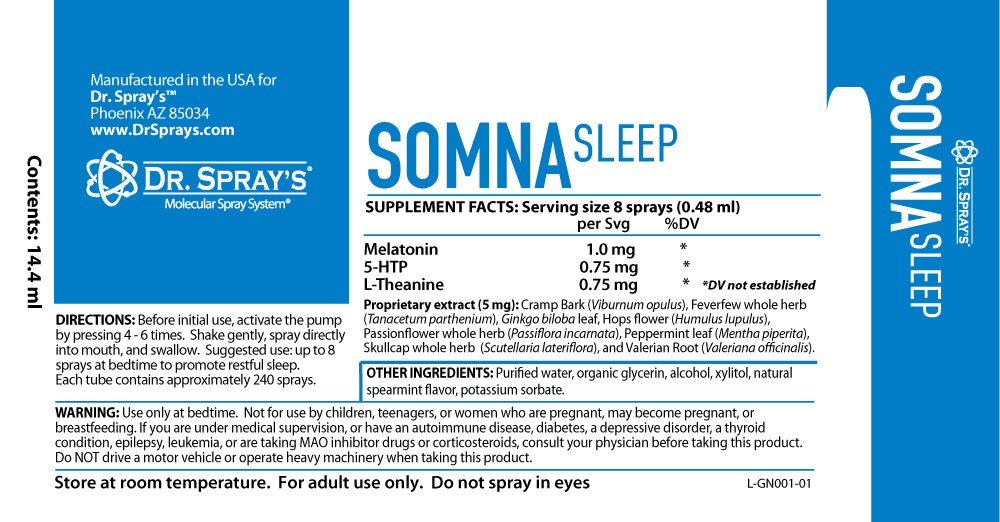
For children with confirmed deficiencies, targeted supplementation with formats like vitamin B12 spray or vitamin D3 spray can be more effective and easier to administer than traditional options. The sleep support formulations available through spray delivery may offer gentle support for establishing healthy sleep patterns, though you should always consult your pediatrician before introducing any supplement to your child's routine.
When to Seek Professional Help
While many sleep challenges resolve with consistent implementation of behavioral strategies, certain situations warrant professional consultation.
Red Flags to Watch For
Consider consulting a pediatric sleep specialist or child psychologist if:
- Your child's sleep resistance has persisted for more than three months despite consistent intervention
- Sleep difficulties are accompanied by significant daytime behavioral problems
- Your child shows signs of sleep-disordered breathing, such as snoring, gasping, or pauses in breathing during sleep
- Extreme anxiety or fear is preventing sleep, and your child shows signs of anxiety disorder
- The sleep issues are significantly impacting your family's functioning and well-being
- You suspect an underlying medical or psychological condition
Professional Resources Available
Pediatric sleep consultants can provide personalized sleep plans tailored to your child's specific needs and your family's situation. Child psychologists can address underlying anxiety or behavioral issues that may be contributing to sleep resistance. Developmental pediatricians can rule out or treat any medical conditions affecting sleep.
In Phoenix, Arizona, and surrounding areas, families have access to numerous pediatric sleep clinics and specialists who can provide comprehensive evaluation and treatment plans. Don't hesitate to reach out for support if you need it—quality sleep is essential for your child's development and your family's well-being.
Building Long-Term Healthy Sleep Habits
The strategies you implement now to help your 5-year-old sleep independently lay the groundwork for a lifetime of healthy sleep habits. Beyond the immediate goal of independent sleep, you're teaching your child valuable skills in self-regulation, problem-solving, and resilience.
Maintaining Consistency as Your Child Grows
As your child develops, their sleep needs will change, but the importance of consistency remains constant. Continue prioritizing:
- Regular sleep and wake times, even during school breaks
- A wind-down routine appropriate for their age
- A sleep-conducive environment
- Limited screen time before bed
- Adequate physical activity during the day
Teaching Sleep Independence Skills
Help your child develop self-soothing techniques they can use if they wake during the night or have trouble falling asleep. Deep breathing exercises, progressive muscle relaxation, or visualization techniques can be taught in age-appropriate ways and empower your child to manage their own sleep challenges.
Frequently Asked Questions
How long does it typically take for a 5-year-old to adjust to sleeping alone?
The timeline varies significantly depending on the child and the approach used. With consistent implementation of gradual withdrawal methods, most children show improvement within 1-2 weeks and achieve independent sleep within 3-4 weeks. More entrenched sleep associations may take 6-8 weeks to fully resolve. The key is maintaining consistency even when progress seems slow.
Should I lock my child's door to keep them in their room?
Locking a child's door is generally not recommended as it can increase anxiety, create safety concerns in case of emergency, and damage trust. Instead, use gentle redirection by calmly walking your child back to bed each time they leave. This may need to happen multiple times initially, but consistency will eventually reduce the behavior.
Is it okay to use melatonin supplements for my 5-year-old?
Melatonin should only be used under the guidance of your pediatrician. While it can be helpful in specific situations, it's not a solution for behavioral sleep issues and shouldn't be used long-term without medical supervision. Addressing behavioral and environmental factors should always be the first approach. If supplementation is recommended, your doctor can advise on appropriate dosing and duration.
What if my child has genuine nightmares or night terrors?
Nightmares and night terrors are different phenomena. Nightmares occur during REM sleep and the child typically remembers them, while night terrors happen during deep sleep and the child usually has no memory of them. For nightmares, comfort your child and talk about the dream the next day, perhaps drawing or writing about it to process the emotions. For night terrors, ensure your child's safety but avoid waking them, as they're actually still asleep. Both typically resolve on their own, but consult your pediatrician if they're frequent or severe.
Can vitamin deficiencies really affect my child's sleep?
Yes, nutritional deficiencies can significantly impact sleep quality. Vitamin D deficiency has been associated with sleep disorders and poor sleep quality in children. B vitamins are essential for producing neurotransmitters that regulate sleep-wake cycles. Magnesium and iron deficiencies can also disrupt sleep. If you suspect nutritional issues, discuss testing with your pediatrician. Modern vitamin spray delivery systems can make supplementation easier if recommended by your healthcare provider.
Should I stay in the room until my child falls asleep?
While staying in the room initially can provide security during the transition, the goal is for your child to fall asleep independently. Use gradual withdrawal—start by staying until they're drowsy but not fully asleep, then progressively reduce your presence. If you stay until they're completely asleep, they may wake during normal sleep cycles and be unable to return to sleep without your presence.
What if my child gets out of bed repeatedly?
The "walk back" method is most effective for this behavior. Each time your child leaves their room, calmly and silently (or with minimal interaction) walk them back to bed. Don't engage in conversation, provide drinks or snacks, or show frustration. This may need to happen 10-20 times the first few nights, but consistency will reduce the behavior. Some parents find using a baby gate at the doorway helpful for containing the child while keeping the room open and non-threatening.
How do I handle my child's requests for water, bathroom trips, or "one more story" at bedtime?
Address all these needs before the bedtime routine ends. Include a bathroom visit and a drink of water as part of the routine. Read the agreed-upon number of stories and stick to it. The bedtime pass system can be helpful here—give your child one pass they can use for a single request after you've said goodnight. This reduces negotiations while giving them some control.
About the Author
This article was developed by the content team at DrSprays, drawing on research from pediatric sleep specialists, child development experts, and nutritional science. DrSprays is a Phoenix, Arizona-based company specializing in innovative oral spray vitamin delivery systems designed for improved absorption and ease of use. All DrSprays products are manufactured in an FDA-registered, GMP-certified facility. For more information about how proper nutrition supports healthy sleep patterns, visit drsprays.com.
Support Your Child's Journey to Independent Sleep
Helping your 5-year-old develop independent sleep habits is one of the most valuable gifts you can give them. While the transition may feel challenging now, your consistency and patience will pay off in the form of a confident, well-rested child who has mastered an essential life skill.
Remember that every child is unique, and what works for one family may need adjustment for another. Be patient with yourself and your child as you navigate this transition. If you suspect that nutritional factors may be affecting your child's sleep quality, consult with your pediatrician about appropriate testing and supplementation options.
For families seeking convenient, effective nutritional support developed by medical professionals, DrSprays offers doctor-formulated spray vitamins with superior absorption rates. Our complete line of spray supplements provides an alternative to traditional pills and gummies, manufactured right here in Phoenix, Arizona, in our FDA-registered, GMP-certified facility.
Ready to support your family's health and wellness journey? Explore our full product line and discover why thousands of families trust DrSprays for their nutritional supplementation needs.