Getting a 5-year-old to sleep in their own bed can feel like an uphill battle for many parents. Whether your child has been co-sleeping since infancy or has recently started resisting their own room, establishing independent sleep habits at this age is both developmentally appropriate and achievable with the right approach.
This comprehensive guide explores proven strategies to help your child transition to sleeping independently, including how nutritional support through targeted supplements can address underlying sleep challenges.
Understanding Why 5-Year-Olds Resist Independent Sleep
Before implementing any sleep training strategy, it's important to understand the root causes of sleep resistance in this age group.
Developmental Factors
At age five, children are experiencing significant cognitive and emotional development. They're becoming more aware of separation from parents, developing vivid imaginations that can fuel nighttime fears, and testing boundaries as they assert independence in other areas of life. This developmental stage naturally creates some sleep challenges.
Common Underlying Issues
Several factors may contribute to bedtime resistance:
- Anxiety and fear: Fear of the dark, monsters, or being alone are common at this age
- Habit and routine disruption: Changes in family dynamics or daily schedules can affect sleep patterns
- Physical discomfort: Growing pains, restless legs, or other physical sensations may make settling difficult
- Nutritional deficiencies: Insufficient levels of key vitamins and minerals can interfere with healthy sleep cycles
- Overstimulation: Too much screen time or activity before bed can make winding down challenging
The Role of Nutrition in Children's Sleep Quality
What many parents don't realize is that nutritional status plays a significant role in sleep quality. Certain vitamins and minerals are essential for regulating sleep-wake cycles and promoting restful sleep.
Key Nutrients for Healthy Sleep
Vitamin D: Research shows that vitamin D deficiency is associated with sleep disorders in children. This essential nutrient helps regulate circadian rhythms and supports the production of sleep-promoting hormones. Many children, especially those who spend limited time outdoors or live in northern climates, don't get adequate vitamin D from sunlight alone.
B Vitamins: The B vitamin complex, particularly B6 and B12, plays a crucial role in producing neurotransmitters that regulate sleep. B12 specifically helps maintain healthy circadian rhythms and supports the nervous system's ability to transition between wakefulness and sleep.
Magnesium: This mineral helps calm the nervous system and relax muscles, making it easier for children to settle down at bedtime. Magnesium deficiency can contribute to restlessness and difficulty falling asleep.
Why Traditional Vitamins May Not Be Enough
Even with a balanced diet, children may not absorb nutrients optimally through traditional pills or gummies. Factors like digestive efficiency, picky eating habits, and the challenge of getting children to consistently take supplements can limit effectiveness.
This is where oral spray vitamins offer a significant advantage. With absorption rates up to 90% compared to 10-20% for pills, spray supplements deliver nutrients directly into the bloodstream through the oral mucosa, bypassing digestive barriers that can reduce effectiveness.
Creating a Sleep-Conducive Environment
The bedroom environment significantly impacts a child's ability to fall asleep and stay asleep independently.
Optimizing the Sleep Space
Transform your child's room into a sleep sanctuary:
- Temperature control: Keep the room between 65-70°F for optimal sleep
- Lighting: Use blackout curtains to eliminate external light, and consider a dim nightlight if your child fears complete darkness
- Noise management: White noise machines can mask household sounds and create consistent auditory conditions
- Comfort factors: Invest in comfortable bedding, appropriate pillows for their age, and perhaps a special stuffed animal or blanket for security
- Safety reassurance: Keep the door slightly open if it helps your child feel more secure
Making the Bed Appealing
Let your child participate in making their bed an inviting place. Allow them to choose new sheets featuring favorite characters, pick out a special pillow, or select a comforting nightlight. This ownership can increase their willingness to spend time there.
Establishing a Consistent Bedtime Routine
A predictable evening routine signals to your child's body that sleep is approaching, making the transition to bed smoother.
Components of an Effective Routine
Develop a 30-45 minute wind-down routine that remains consistent every night:
- Dinner and evening activities (2-3 hours before bed): Finish active play and screen time well before bedtime
- Quiet time (1 hour before bed): Transition to calm activities like puzzles, coloring, or quiet play
- Bath time: A warm bath helps relax muscles and signals the body to prepare for sleep
- Nutritional support: Consider incorporating a sleep-supporting supplement as part of the routine
- Pajamas and teeth brushing: Maintain the same order of tasks each night
- Reading time: Read 2-3 books together in their room to create positive associations with the space
- Final goodnight: A brief, loving goodbye that doesn't extend indefinitely
Timing Matters
Consistency in timing is just as important as consistency in activities. Put your child to bed at the same time every night, even on weekends. Five-year-olds typically need 10-13 hours of sleep, so work backward from their wake time to determine an appropriate bedtime.
Gradual Transition Strategies
If your child has been co-sleeping or repeatedly coming to your bed at night, an immediate change may create more resistance. Gradual approaches often prove more successful.
The Chair Method
This technique involves slowly increasing the distance between you and your child over several nights:
- Night 1-3: Sit in a chair next to their bed until they fall asleep
- Night 4-6: Move the chair halfway to the door
- Night 7-9: Sit in the doorway
- Night 10-12: Stand just outside the open door
- Night 13+: Say goodnight and leave the room
This gradual withdrawal provides security while building independence.
The Bedtime Pass System
Give your child one or two "bedtime passes" each night that they can exchange for one visit from you—whether for water, a hug, or reassurance. Once the passes are used, there are no more visits. This system gives children some control while setting clear boundaries.
Positive Reinforcement
Create a sticker chart or reward system for successful nights in their own bed. After a certain number of stickers, your child earns a small reward. Focus rewards on the behavior (staying in bed) rather than on falling asleep, which isn't entirely within their control.
Addressing Nighttime Fears and Anxiety
Fear is a legitimate concern for many 5-year-olds and should be addressed compassionately.
Validating Feelings
Never dismiss your child's fears as silly or unimportant. Instead, acknowledge their feelings: "I understand that you feel scared. Let's talk about what we can do to help you feel safer."
Problem-Solving Together
Work with your child to develop solutions for their specific fears:
- Fear of the dark: Use a nightlight, keep hallway lights on, or provide a flashlight for reassurance
- Fear of monsters: Create "monster spray" (water in a spray bottle) or do a closet check together as part of the bedtime routine
- Separation anxiety: Leave a piece of your clothing or a family photo in their room
- General anxiety: Practice deep breathing exercises or gentle stretching before bed
Daytime Preparation
Address fears during daylight hours through books, conversation, or play. This allows you to discuss concerns when your child is calm and receptive, rather than in the heightened emotional state of bedtime.
Supporting Sleep with Targeted Supplementation
When behavioral strategies are in place but sleep challenges persist, nutritional support can address physiological factors affecting sleep quality.
The Advantage of Vitamin Spray Delivery
For children, getting consistent nutritional support can be challenging. Pills are difficult to swallow, and gummies often contain sugar and artificial ingredients. Vitamin spray technology offers a solution specifically designed for better absorption and ease of use.
Developed by medical professionals in Phoenix, Arizona, advanced spray supplements deliver nutrients through the oral mucosa with up to 90% absorption—significantly higher than traditional pills. This means your child gets more of the beneficial nutrients that support healthy sleep patterns.
Key Supplements for Sleep Support
Vitamin D3 spray: A vitamin D3 spray provides this essential nutrient in a form that's easy for children to take. Just a few sprays deliver the vitamin D needed to support healthy circadian rhythms and overall wellness. Since many children don't get adequate sun exposure, especially during school months, supplementation can fill this critical gap.
Vitamin B12 spray: A vitamin B12 spray supports nervous system function and helps regulate sleep-wake cycles. B12 plays a crucial role in producing neurotransmitters that affect mood and sleep quality, making it particularly beneficial for children experiencing bedtime resistance.
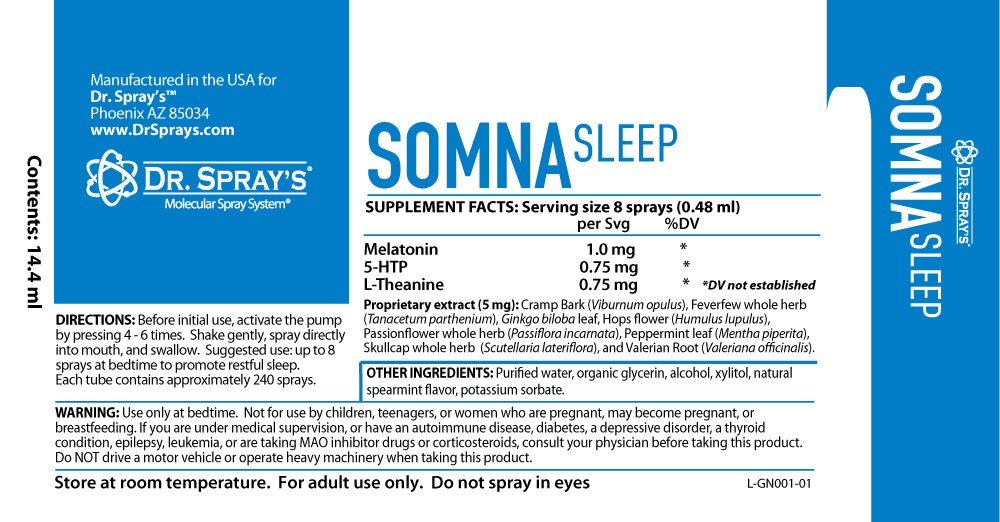
Specialized sleep support: For children with persistent sleep difficulties, specialized formulations designed to promote relaxation and support natural sleep processes can be beneficial when used as part of a comprehensive approach.
Quality and Safety Considerations
When choosing supplements for children, quality matters. Look for products manufactured in FDA-registered, GMP-certified facilities that follow strict quality control protocols. Doctor-developed formulations ensure appropriate dosing and ingredient selection for effectiveness and safety.
Troubleshooting Common Setbacks
Even with the best strategies, setbacks happen. Here's how to handle common challenges.
Middle-of-the-Night Visits
If your child comes to your room at night, calmly walk them back to their bed with minimal interaction. Keep lights low, avoid conversation, and resist the temptation to let them stay "just this once." Consistency is critical during this phase.
Illness or Travel Disruptions
When your child is sick or you're traveling, normal sleep rules may need temporary adjustment. Once the situation resolves, return to your established routine as quickly as possible. Brief regressions are normal and don't erase previous progress.
Developmental Leaps and Changes
Starting kindergarten, welcoming a new sibling, or other major life changes can temporarily affect sleep. Provide extra reassurance during these transitions while maintaining core routines and boundaries.
When to Seek Professional Help
While most sleep challenges can be resolved with consistent implementation of behavioral strategies and nutritional support, certain signs indicate the need for professional evaluation:
- Persistent difficulty falling asleep despite appropriate bedtime and routine (taking more than 30-45 minutes regularly)
- Frequent night wakings that don't respond to intervention
- Loud snoring, breathing pauses, or gasping during sleep
- Excessive daytime sleepiness or behavior problems related to poor sleep
- Sleep resistance accompanied by significant anxiety or behavioral concerns
A pediatrician can rule out underlying medical conditions such as sleep apnea, restless leg syndrome, or other sleep disorders that require specific treatment.
Creating Long-Term Success
Establishing independent sleep habits is an investment in your child's health, development, and family harmony.
The Benefits of Independent Sleep
Children who sleep independently typically experience:
- Better quality, more restorative sleep
- Increased confidence and independence in other areas
- Improved daytime behavior and emotional regulation
- Enhanced cognitive function and school performance
- Development of self-soothing skills that serve them throughout life
Patience and Persistence
Remember that sustainable change takes time. Most children need 2-4 weeks of consistent implementation before new sleep habits become established. Some may take longer, especially if they've been co-sleeping for years. Maintain your approach even when progress seems slow.
Celebrating Progress
Acknowledge and celebrate small victories along the way. Each night your child stays in their own bed, falls asleep more quickly, or manages their bedtime fears more independently represents progress worth recognizing.
Frequently Asked Questions
How long does it take for a 5-year-old to adjust to sleeping in their own bed?
Most children adjust within 2-4 weeks with consistent implementation of strategies, though some may take longer depending on their history and temperament. The key is maintaining consistency even when facing resistance or setbacks. Gradual approaches like the chair method may take several weeks but often result in more sustainable change than abrupt transitions.
Should I let my 5-year-old cry it out?
Traditional "cry it out" methods are generally not recommended for 5-year-olds who can verbalize their needs and may have legitimate fears or concerns. Instead, use gradual withdrawal techniques that provide reassurance while encouraging independence. Stay nearby initially, then slowly increase distance over time. This approach respects your child's emotional needs while building confidence in independent sleep.
What if my child keeps getting out of bed?
Remain calm and consistent. Each time your child leaves their room, walk them back with minimal interaction—keep lights low, avoid conversation, and resist negotiation. The bedtime pass system can be effective here, giving your child one or two passes per night they can use for valid requests. Once passes are used, calmly return them to bed each time without engaging in conversation or providing additional comfort.
Can vitamins really help with sleep problems?
Yes, when sleep difficulties are related to nutritional deficiencies. Vitamins D and B12, in particular, play important roles in regulating circadian rhythms and supporting the nervous system's sleep-wake cycles. However, supplements work best as part of a comprehensive approach that includes behavioral strategies, consistent routines, and a sleep-conducive environment. Oral spray vitamins offer superior absorption compared to pills, making them particularly effective for addressing deficiencies that may be impacting sleep quality.
What's the difference between vitamin spray and regular vitamins for kids?
Spray supplements deliver nutrients through the oral mucosa (the lining of the mouth), achieving absorption rates up to 90% compared to 10-20% for traditional pills. This means more of the beneficial nutrients actually reach your child's system. Additionally, sprays are easier for children to take—no swallowing large pills or chewing sugary gummies. The convenience often leads to better compliance, ensuring your child receives consistent nutritional support.
Is it normal for a 5-year-old to be afraid of sleeping alone?
Yes, fears about sleeping alone are completely normal at this age. Five-year-olds have vivid imaginations and are developing awareness of potential dangers, which can manifest as bedtime fears. The key is addressing these fears compassionately while still encouraging independence. Validate feelings, problem-solve together, and gradually build confidence through small successes. Most children outgrow these fears with time and appropriate support.
Should bedtime be the same every night, even on weekends?
Yes, consistency in sleep timing is crucial for establishing healthy sleep patterns. While occasional variations for special events are fine, maintaining the same bedtime within 30 minutes even on weekends helps regulate your child's internal clock. This consistency makes falling asleep easier and improves overall sleep quality. Children thrive on predictability, and regular sleep schedules support optimal physical and cognitive development.
How much sleep does a 5-year-old actually need?
Most 5-year-olds need 10-13 hours of sleep per night. Individual needs vary slightly, but you can gauge if your child is getting enough sleep by observing daytime behavior. A well-rested 5-year-old should wake up relatively easily, maintain stable moods throughout the day, and not require naps. If your child is consistently cranky, hyperactive, or has difficulty concentrating, they may need more sleep.
What should I do if my child has nightmares?
Nightmares are common in this age group. When they occur, provide comfort and reassurance. Talk briefly about the dream if your child wants to, then redirect to positive thoughts or calming imagery. Avoid letting your child come to your bed, as this can create a pattern. Instead, sit with them in their room until they settle. If nightmares are frequent, consider whether daytime stress, scary media content, or bedtime stories might be contributing factors.
Are oral spray vitamins safe for children?
When manufactured by reputable companies following FDA and GMP guidelines, vitamin sprays are safe for children. Look for products specifically formulated with appropriate dosages for pediatric use and made in certified facilities. Doctor-developed formulations ensure ingredients and concentrations are suitable for children's needs. Always consult with your pediatrician before starting any new supplement, especially if your child has underlying health conditions or takes medications.
Take the First Step Toward Better Sleep
Helping your 5-year-old sleep independently in their own bed is achievable with patience, consistency, and the right support strategies. By combining behavioral approaches with proper nutrition—including targeted supplementation when needed—you can address both the emotional and physiological factors that affect sleep quality.
Remember that every child is unique, and what works for one may need adjustment for another. Start with establishing a consistent routine, creating a sleep-conducive environment, and addressing any underlying nutritional gaps that might be interfering with restful sleep.
Ready to support your child's sleep with superior nutrition? Explore our complete line of vitamin sprays developed by medical professionals for maximum absorption and effectiveness. Our Phoenix, Arizona facility produces pharmaceutical-grade oral spray vitamins in an FDA-registered, GMP-certified environment, ensuring the highest quality nutritional support for your family.
Try our Vitamin D3 spray or vitamin B12 spray to give your child the nutritional foundation for healthy sleep. With our 90% absorption rate and easy-to-use spray delivery, you can feel confident you're providing effective support for better sleep and overall wellness.