Getting a six-year-old to sleep alone can feel like an uphill battle for many parents. Between bedtime resistance, middle-of-the-night visits, and endless "just one more..." requests, achieving independent sleep often requires patience, strategy, and sometimes a little nutritional support.
This comprehensive guide will walk you through proven techniques to help your child develop healthy, independent sleep habits while addressing the underlying factors that may be keeping them awake at night.
Understanding Why Six-Year-Olds Resist Sleeping Alone
Before implementing solutions, it's important to understand the root causes of sleep resistance at this age. Six-year-olds are experiencing significant developmental changes that can impact their willingness and ability to sleep independently.
Developmental Factors at Age Six
At six years old, children are navigating a complex period of cognitive and emotional development. Their imaginations are incredibly active, which can manifest as nighttime fears about monsters, darkness, or being alone. Simultaneously, they're becoming more aware of their independence while still craving parental comfort and security.
This push-pull between autonomy and attachment is completely normal. Your child may assert independence during the day but seek reassurance at night when their defenses are down and their imagination runs wild.
Common Sleep Disruptors
Several factors can interfere with a six-year-old's ability to fall asleep and stay asleep alone:
- Overstimulation before bedtime: Screen time, active play, or stimulating activities within two hours of bedtime can make it difficult for children to wind down
- Inconsistent routines: Variable bedtimes and routines confuse the body's natural sleep-wake cycle
- Nutritional deficiencies: Low levels of certain vitamins and minerals can directly impact sleep quality and duration
- Anxiety and stress: School pressures, social dynamics, or changes at home can manifest as sleep difficulties
- Environmental factors: Room temperature, noise levels, and light exposure all play crucial roles in sleep quality
The Role of Nutrition in Children's Sleep
While behavioral strategies are essential, addressing nutritional factors can significantly improve your child's sleep quality and make the transition to independent sleep smoother.
Key Vitamins and Minerals for Healthy Sleep
Several nutrients play critical roles in regulating sleep patterns and promoting restful sleep in children:
Vitamin D: Often called the "sunshine vitamin," vitamin D deficiency has been linked to sleep disorders in children. A study published in the Journal of Clinical Sleep Medicine found that children with lower vitamin D levels experienced more sleep disturbances and shorter sleep duration. Since many children spend significant time indoors, especially during school months, supplementation may be necessary.
Vitamin B12: This essential vitamin supports the production of melatonin, the hormone that regulates sleep-wake cycles. B12 also plays a role in maintaining healthy nervous system function, which is crucial for quality sleep. Children who are picky eaters or follow plant-based diets may be at higher risk for B12 deficiency.
Magnesium: This mineral helps activate the parasympathetic nervous system, which is responsible for relaxation and calm. Magnesium deficiency can lead to restlessness, difficulty falling asleep, and nighttime waking.
Vitamin C and Zinc: Both support immune function and help regulate cortisol levels, the stress hormone that can interfere with sleep when elevated at night.
The Absorption Advantage of Spray Supplements
Traditional pills and gummies can be challenging for children—they may refuse to take them, or absorption may be inconsistent due to digestive issues. This is where modern oral spray vitamins offer significant advantages.
Developed by doctors and manufactured in FDA-registered, GMP-certified facilities, vitamin spray products deliver nutrients through the oral mucosa, bypassing the digestive system for absorption rates up to 90%. This means your child gets more of the beneficial nutrients with less hassle.
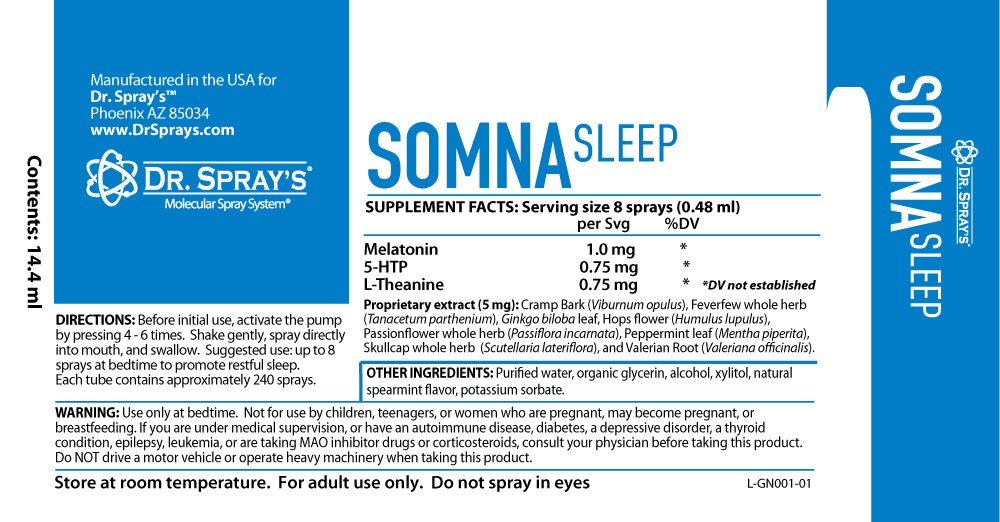
For sleep support specifically, products like specialized sleep sprays contain carefully formulated combinations of melatonin, magnesium, and calming botanicals in child-appropriate doses. The spray delivery method is quick, easy, and doesn't require swallowing pills—making it ideal for children.
Creating an Effective Bedtime Routine
Consistency is the foundation of successful independent sleep. A predictable routine signals to your child's body and brain that sleep time is approaching.
The 7-7-7 Bedtime Framework
This simple framework helps structure the hour before bed:
Seven o'clock hour - Wind-down activities: Begin transitioning from active to calm activities. This might include putting away toys, dimming lights throughout the house, and reducing noise levels. This is also an ideal time to turn off all screens.
Seven activities - Consistent sequence: Develop a predictable sequence of seven brief activities that happen in the same order every night. For example: lay out tomorrow's clothes, brush teeth, use the bathroom, put on pajamas, take vitamins or supplements, read two stories, and sing one song.
Seven minutes - Transition time: After the routine, spend seven minutes sitting with your child in their room with lights dimmed, talking quietly about the day or practicing relaxation techniques. This buffer time helps ease the transition to being alone.
Making the Routine Stick
Visual schedules work exceptionally well for six-year-olds. Create a chart with pictures representing each step of the bedtime routine. Let your child check off each activity as it's completed, giving them a sense of control and accomplishment.
Involve your child in creating the routine. When children have input, they're more invested in following through. Ask questions like, "Would you like to brush your teeth before or after putting on pajamas?" This offers choice within your established structure.
Step-by-Step Guide to Transitioning to Independent Sleep
If your six-year-old currently relies on your presence to fall asleep, transitioning to independent sleep requires a gradual, systematic approach.
The Progressive Distancing Method
This technique gradually increases the physical distance between you and your child over the course of one to three weeks:
Week One: Sit in a chair next to your child's bed during the falling-asleep process. You can offer reassuring words, but minimize physical contact and conversation. If your child gets up, calmly guide them back to bed and return to the chair.
Week Two: Move the chair halfway between the bed and the door. Maintain the same level of minimal interaction. Your presence is still reassuring, but your child is learning to fall asleep with less immediate contact.
Week Three: Move the chair to the doorway, then eventually just outside the door where you're still audible but not visible. Continue offering verbal reassurance if needed, with progressively longer intervals between responses.
This gradual approach respects your child's need for security while building independence at a manageable pace. Some children may progress faster, while others need more time at each stage.
The "Bedtime Pass" System
Six-year-olds often use requests—water, bathroom, one more hug—to delay sleep. The bedtime pass system addresses this constructively:
Give your child one or two "passes" each night that they can exchange for one brief return to their room by you, or one trip out of their room. Once the passes are used, they're done for the night. This gives children some control while setting clear boundaries.
Make the passes special—laminate them, let your child decorate them, or use special tokens. Some nights, children may not use their passes at all, and you can implement a reward system where unused passes accumulate toward a privilege.
Addressing Nighttime Fears and Anxiety
Fear of the dark, monsters, or being alone are common at age six. Dismissing these fears doesn't help; instead, acknowledge them while providing coping tools.
Validation and Problem-Solving
When your child expresses fear, validate their feelings: "I understand you're worried about monsters. That feeling is real, even though monsters aren't real." This acknowledges their emotional experience while reinforcing reality.
Then, involve them in problem-solving. Ask, "What would help you feel safer?" They might suggest a nightlight, keeping the door cracked open, or having a "protective" stuffed animal. When children participate in creating solutions, they feel more empowered.
Relaxation Techniques for Children
Teaching simple relaxation techniques gives children tools to self-soothe when anxious:
Belly breathing: Have your child place a small stuffed animal on their belly and watch it rise and fall with each breath. This makes deep breathing concrete and engaging.
Progressive muscle relaxation: Starting at the toes, have your child tense and release each muscle group, working up to their head. Frame it as "melting into the bed like ice cream."
Guided imagery: Help your child imagine a peaceful place in detail—a beach, forest, or favorite location. What do they see, hear, smell, and feel? This redirects anxious thoughts toward calming imagery.
Optimizing the Sleep Environment
The physical sleep environment significantly impacts a child's ability to fall asleep and stay asleep independently.
The Ideal Sleep Setup
Temperature: Keep the bedroom between 65-70°F (18-21°C). A slightly cool room promotes better sleep than a warm one.
Lighting: Use blackout curtains to minimize early morning light, especially during summer months. If your child needs some light, use a dim red or amber nightlight, as these wavelengths don't interfere with melatonin production like blue and white light do.
Sound: White noise machines can mask household sounds that might wake your child. They also provide consistent auditory input that can be comforting.
Comfort items: A special blanket, stuffed animal, or pillow can provide security. Let your child choose these items to increase their attachment and comfort value.
Making the Room Inviting
If your child resists going to their room, make it a place they want to be. Involve them in age-appropriate decoration choices, create a cozy reading nook, or add special touches that make the space feel uniquely theirs.
However, keep stimulating toys and electronics out of the bedroom. The room should be strongly associated with sleep and quiet activities only.
Handling Middle-of-the-Night Wake-Ups
Many six-year-olds can fall asleep independently but still come to parents' rooms during the night. Addressing this requires consistency and clear expectations.
The Return and Reassure Method
When your child comes to your room at night, keep interactions brief and boring. Don't engage in conversation or show frustration (which is still attention). Simply walk them back to their room, tuck them in with minimal words, and leave.
If this happens multiple times, you might sit in their doorway rather than leaving, using the progressive distancing approach described earlier. The goal is to help them fall back asleep in their own bed with decreasing assistance.
Understanding Sleep Cycles
Children, like adults, experience brief arousals between sleep cycles throughout the night. Children who have learned to fall asleep independently at bedtime can typically navigate these arousals and return to sleep on their own. However, if they rely on parental presence to fall asleep initially, they'll seek that same assistance during night wakings.
This is why establishing independent sleep skills at bedtime is so important—it naturally extends to nighttime self-soothing.
When to Seek Professional Help
While most sleep challenges in six-year-olds can be addressed with behavioral strategies and proper nutrition, certain situations warrant professional evaluation.
Red Flags to Watch For
Consult your pediatrician if your child experiences:
- Loud snoring or pauses in breathing during sleep (possible sleep apnea)
- Extreme difficulty waking in the morning despite adequate sleep time
- Excessive daytime sleepiness or falling asleep during normal activities
- Unusual movements during sleep like thrashing or sleepwalking
- Sleep resistance that persists despite consistent implementation of strategies for several months
- Anxiety that significantly impacts daily functioning, not just sleep
A pediatric sleep specialist can evaluate for underlying sleep disorders, while a child psychologist can address significant anxiety or behavioral challenges that may be contributing to sleep difficulties.
The Importance of Daytime Habits
What happens during the day significantly impacts nighttime sleep. Establishing healthy daytime patterns supports better sleep independence.
Physical Activity and Sleep
Children need substantial physical activity daily—the CDC recommends at least 60 minutes for school-age children. Physical exertion helps regulate sleep-wake cycles and builds "sleep pressure" that promotes falling asleep more easily at bedtime.
However, timing matters. Vigorous activity too close to bedtime can be stimulating. Aim for active play in the afternoon or early evening, with calm activities in the two hours before bed.
Nutrition Throughout the Day
Beyond specific sleep-supporting nutrients, overall nutrition impacts sleep quality. Ensure your child eats regular meals with adequate protein and complex carbohydrates to maintain stable blood sugar levels.
For children who are picky eaters or have dietary restrictions, spray supplements can help fill nutritional gaps. The high absorption rate of oral spray delivery means your child gets the vitamins and minerals they need even if their diet isn't perfect.
Avoid caffeine in all forms—not just coffee, but also chocolate, some sodas, and certain medications. Even small amounts can interfere with a child's sleep.
Managing Your Own Expectations and Emotions
Teaching independent sleep is often harder on parents than children. It requires consistency during times when you're tired, and listening to your child's protests can trigger guilt or worry.
Understanding Extinction Bursts
When you first implement boundaries around sleep, your child's protests may temporarily intensify before improving. This is called an "extinction burst"—a last-ditch effort to reinstate the old pattern.
If you've been lying with your child until they fall asleep, and you suddenly stop, they may initially cry longer and more intensely. This doesn't mean your approach isn't working; it means they're adjusting to the change. Consistency through this phase is crucial.
Self-Care for Parents
Implementing new sleep strategies while maintaining consistency requires energy and emotional regulation. Ensure you're taking care of your own sleep and stress levels. Tag-team with a partner if possible, so you're not handling every bedtime alone.
Remember that temporary discomfort leads to long-term benefits for the entire family. Independent sleep skills will serve your child throughout their life, and you'll all benefit from better rest.
Frequently Asked Questions
How long does it take for a child to learn to sleep alone?
Most children adapt to new sleep routines within two to four weeks of consistent implementation. However, this varies significantly based on the child's temperament, how long previous patterns were established, and the consistency of the new approach. Some children adjust within a few days, while others may take six to eight weeks. The key is maintaining consistency even when progress feels slow.
Is it normal for a 6-year-old to be afraid to sleep alone?
Yes, nighttime fears are completely normal at age six. Children this age have vivid imaginations and are developing a deeper understanding of the world, which can manifest as fears about darkness, separation, or imaginary threats. These fears are a normal part of development. The goal isn't to eliminate fear entirely but to give children tools to manage it independently. Most children outgrow these fears naturally by age eight or nine.
Should I use melatonin supplements for my child?
Melatonin can be helpful for some children under medical guidance, but it should never be the first approach. Start with behavioral strategies, sleep hygiene improvements, and addressing nutritional deficiencies through whole foods or comprehensive supplements. If sleep difficulties persist after several weeks of consistent behavioral approaches, consult your pediatrician about whether melatonin supplementation might be appropriate. When used, it should be at the lowest effective dose and administered 30-60 minutes before desired sleep time. Sleep support sprays offer precisely measured doses with superior absorption compared to pills or gummies.
What if my child has a nightmare or gets sick during the night?
Genuine needs always warrant your attention. If your child is sick, frightened from a nightmare, or truly needs comfort, respond with care. The difference is in how you respond: provide reassurance and comfort, but still encourage your child to return to sleep in their own bed when the immediate need is addressed. You might sit with them briefly after a nightmare, but don't establish patterns like bringing them to your bed. Children quickly learn to distinguish between boundaries that are firm and compassionate care during genuine need.
My child falls asleep fine but comes to my room at 2 AM. What should I do?
This is extremely common and typically indicates that your child hasn't learned to self-soothe during normal sleep cycle transitions. Use the Return and Reassure method: calmly and quietly walk your child back to their bed with minimal interaction. Don't discuss it, don't show frustration, and don't get into your own bed with them. Simply return them to their bed, provide a brief reassurance ("It's still nighttime, time to sleep"), and leave. Consistency is essential—even at 2 AM when you're exhausted. Most children stop nighttime visits within one to two weeks of consistent returns.
Can vitamin deficiencies really affect my child's sleep?
Yes, research has established clear connections between certain nutrient deficiencies and sleep problems in children. Vitamin D deficiency has been associated with sleep disorders, shorter sleep duration, and poorer sleep quality. B vitamins, particularly vitamin B12 spray supplementation, play roles in melatonin production and nervous system function. Magnesium helps activate calming neurotransmitters. While addressing nutritional gaps won't instantly solve behavioral sleep issues, it removes one potential barrier to healthy sleep. Consider having your pediatrician check your child's vitamin D and B12 levels if sleep problems persist despite behavioral interventions.
What's the difference between spray vitamins and traditional children's supplements?
The primary differences are in absorption and ease of use. Traditional children's vitamins—whether gummies, chewables, or pills—must be digested, which can result in absorption rates as low as 10-20%, especially in children with digestive sensitivities. Oral spray vitamins deliver nutrients through the oral mucosa (the lining of the mouth), allowing absorption directly into the bloodstream with rates up to 90%. This means your child gets more of the beneficial nutrients. Additionally, sprays are easier for children who resist swallowing pills or who dislike the texture or taste of gummies. Spray delivery also allows for more precise dosing and typically contains fewer additives, sugars, and artificial ingredients than gummy vitamins.
How do I handle resistance from my child when implementing new sleep rules?
Expect resistance—it's normal and doesn't mean you should abandon your approach. Present changes positively during daytime hours: "You're getting so big! We're going to practice a new bedtime routine where you get to fall asleep like a big kid." Involve your child in preparing for the change by choosing new pajamas, a special stuffed animal, or helping create the bedtime routine chart. When resistance occurs at bedtime, remain calm, empathetic, but firm: "I know this feels different. It might feel hard at first, but I know you can do it, and I'm right here if you need me." Acknowledge feelings without changing boundaries. Consistency and a calm, confident parental approach typically reduce resistance within one to two weeks.
About the Author
This article was created by the content team at DrSprays, a Phoenix, Arizona-based company specializing in doctor-developed oral vitamin sprays. Our products are manufactured in an FDA-registered, GMP-certified facility and designed to deliver superior absorption through innovative spray technology. While we specialize in nutritional solutions, we partner with pediatric sleep experts and child development specialists to provide comprehensive, evidence-based information for parents.
Supporting Your Child's Journey to Independent Sleep
Teaching a six-year-old to sleep alone is a process, not an event. It requires patience, consistency, and a multifaceted approach that addresses behavioral patterns, emotional needs, environmental factors, and nutritional support.
Remember that every child is unique. What works quickly for one may take longer for another. The strategies outlined in this guide provide a comprehensive framework, but you'll need to adapt them to your child's specific temperament and your family's circumstances.
The investment you make now in establishing healthy sleep habits will benefit your child for years to come. Independent sleep skills contribute to better emotional regulation, improved academic performance, and overall wellbeing. They also give you back your evenings and ensure better rest for the entire family.
As you implement these strategies, be patient with yourself and your child. There will be setbacks and challenging nights. What matters is the overall trend toward improvement and your commitment to consistency.
If you're addressing nutritional factors as part of your comprehensive approach, consider high-quality supplements with superior absorption. Products formulated specifically for children's needs and delivered through efficient spray technology can help ensure your child has the nutritional foundation for healthy sleep.
Give Your Child the Nutritional Foundation for Better Sleep
While behavioral strategies form the foundation of healthy sleep habits, proper nutrition plays a crucial supporting role. If you're concerned your child may have nutritional gaps affecting their sleep quality, DrSprays offers doctor-developed solutions with 90% absorption rates—significantly higher than traditional pills or gummies.
Our most relevant products for children's health and sleep support:
- Vitamin D3 Spray - Supports overall health and has been linked to better sleep quality in children
- Vitamin B12 Spray - Supports melatonin production and healthy nervous system function
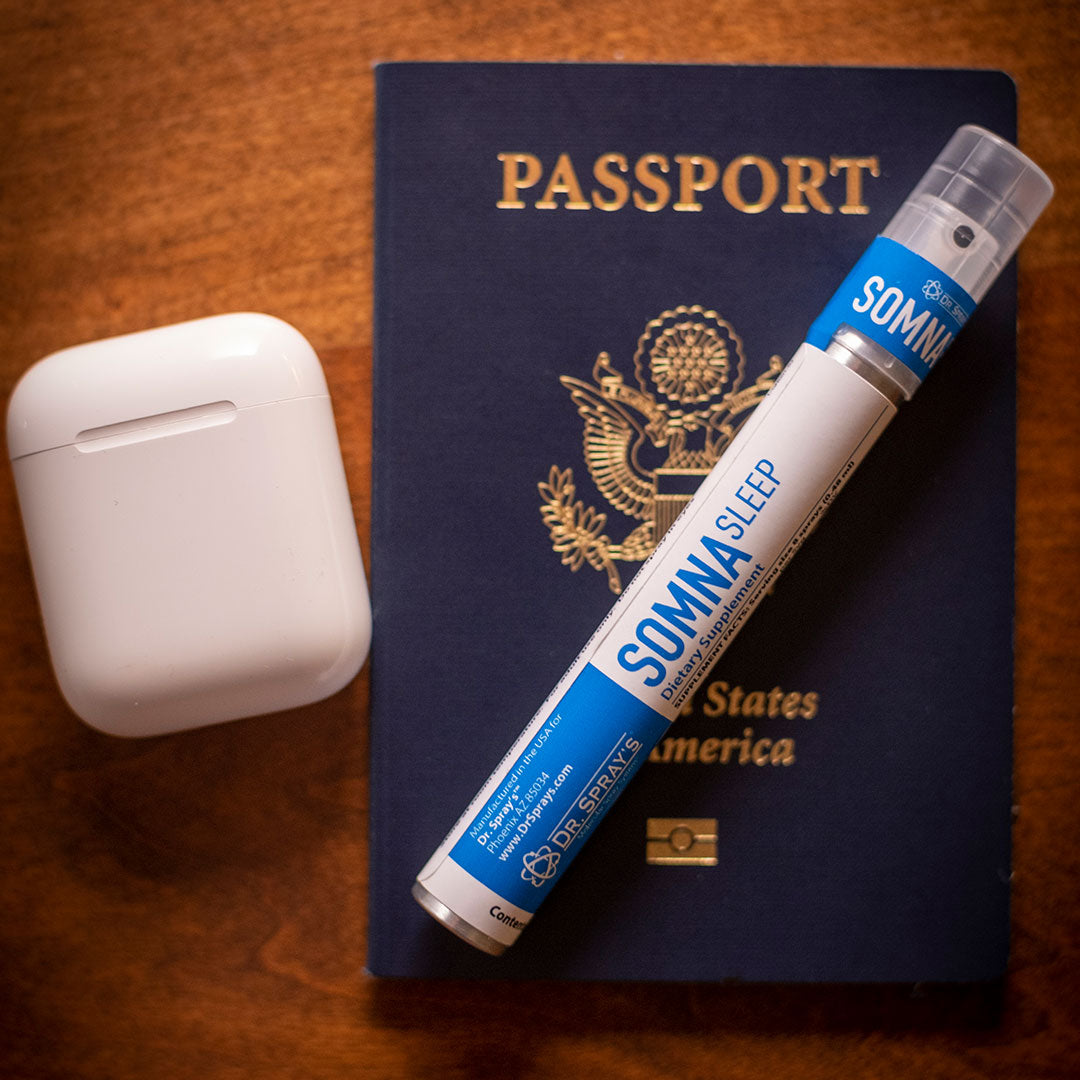
- Somna Sleep Spray - Specially formulated sleep support with melatonin and calming ingredients
- Daily Multivitamin Spray - Comprehensive nutritional support for picky eaters
All DrSprays products are manufactured in our FDA-registered, GMP-certified facility in Phoenix, Arizona, ensuring the highest quality standards. Easy-to-use spray delivery means no pills to swallow and better absorption of the nutrients your child needs.
Independent sleep is a milestone worth celebrating—for your child's development and your family's wellbeing. With the right combination of behavioral strategies, environmental optimization, emotional support, and proper nutrition, you can help your six-year-old develop the skills and confidence to sleep peacefully through the night in their own bed.