If your 8-year-old is still struggling to sleep alone, you're not alone in this challenge. Many parents face this common developmental hurdle, and the good news is that with the right approach—including proper nutrition, consistent routines, and supportive strategies—your child can successfully transition to independent sleep.
In this comprehensive guide, we'll explore evidence-based methods to help your child develop the confidence and skills needed to sleep in their own bed throughout the night.
Understanding Why 8-Year-Olds Resist Sleeping Alone
Before implementing solutions, it's important to understand the underlying reasons behind your child's reluctance to sleep independently. Common causes include:
- Separation anxiety: Even at age 8, some children experience anxiety when separated from parents at bedtime
- Fear of the dark or imaginary threats: Active imaginations can make nighttime feel frightening
- Habit and routine: If co-sleeping has been the norm, transitioning requires breaking established patterns
- Nutritional deficiencies: Low levels of certain vitamins and minerals can impact sleep quality and anxiety levels
- Overstimulation: Too much screen time or activity before bed affects the ability to settle down
- Underlying sleep disorders: Issues like sleep apnea or restless leg syndrome may make independent sleep uncomfortable
Identifying the root cause will help you tailor your approach to your child's specific needs.
The Role of Nutrition in Sleep Independence
One often-overlooked factor in children's sleep challenges is nutritional deficiency. Certain vitamins and minerals play critical roles in regulating sleep patterns, managing anxiety, and supporting overall nervous system health.
Essential Nutrients for Better Sleep
Vitamin D3: Research shows that vitamin D deficiency is linked to sleep disturbances in children. This essential nutrient helps regulate circadian rhythms and supports the production of sleep hormones. A vitamin D3 spray can provide fast absorption, especially important for children who may not get adequate sun exposure or have difficulty swallowing pills.
Vitamin B12: This vitamin plays a crucial role in melatonin production and helps regulate the sleep-wake cycle. Children with B12 deficiency may experience sleep disruptions and increased anxiety. A vitamin B12 spray offers a convenient delivery method with superior absorption compared to traditional tablets.
Magnesium: Known as nature's relaxation mineral, magnesium helps calm the nervous system and prepare the body for sleep. Many children don't get enough magnesium from diet alone.
Melatonin and Sleep-Supporting Nutrients: While melatonin should be used cautiously in children, natural sleep support formulas containing calming botanicals and sleep-promoting nutrients can help establish healthy sleep patterns.
Why Oral Spray Vitamins Work Better for Children
Traditional vitamin pills pose several challenges for children. Many kids struggle to swallow large tablets, and even chewable vitamins have absorption rates of only 10-20% due to breakdown in the digestive system.
Oral spray vitamins offer distinct advantages:
- 90% absorption rate: Nutrients enter the bloodstream through the oral mucosa, bypassing digestive barriers
- No swallowing required: Perfect for children who struggle with pills
- Fast-acting: Effects can be noticed within minutes rather than hours
- Better compliance: Children are more willing to use a quick spray than swallow pills
- Precise dosing: Easy to adjust serving sizes for different ages and needs
DrSprays manufactures doctor-developed spray supplements in an FDA-registered, GMP-certified facility in Phoenix, Arizona, ensuring the highest quality standards for your family.
Creating a Sleep-Positive Environment
The physical environment significantly impacts your child's willingness and ability to sleep alone. Transform their bedroom into a space that promotes security and relaxation.
Optimize the Bedroom Setup
Lighting considerations: Install a dimmer switch or use a warm-toned nightlight. Avoid blue light from electronics, which suppresses melatonin production. Consider blackout curtains to eliminate outside light pollution.
Temperature control: The ideal sleep temperature for children is between 65-70°F. A room that's too warm or too cold can disrupt sleep and make children seek the comfort of parents' beds.
Comfort items: Allow your child to choose special bedding, stuffed animals, or blankets that provide comfort. Having ownership over these choices increases their investment in sleeping in their own space.
Noise management: White noise machines can mask household sounds and create a consistent auditory environment that signals sleep time.
Address Fear and Anxiety
For many 8-year-olds, fear is the primary obstacle to sleeping alone. Address these concerns directly:
- Monster spray: Create a "monster repellent" spray bottle with water and a drop of lavender essential oil. Let your child spray their room before bed
- Gradual darkness: If complete darkness is scary, slowly reduce nightlight brightness over weeks
- Security checks: Establish a pre-bedtime routine of checking the closet and under the bed together, then declaring the room "secure"
- Communication device: Provide a walkie-talkie or baby monitor so your child can reach you if needed without leaving their room
Implementing a Gradual Transition Plan
Abrupt changes rarely work well with sleep issues. A gradual, systematic approach increases success rates and reduces stress for both parent and child.
The Step-Down Method
This evidence-based approach involves slowly reducing your physical presence in your child's room:
Week 1-2: Sit in a chair next to your child's bed until they fall asleep. Provide reassurance but avoid engaging in conversation or play. Read quietly or use your phone with dimmed brightness.
Week 3-4: Move the chair halfway between the bed and the door. Continue the same quiet presence without interaction.
Week 5-6: Position the chair in the doorway. Your child can still see you, but you're clearly separate from their sleep space.
Week 7-8: Sit just outside the doorway, out of direct sight but where your child can hear you if they call out.
Week 9+: Check on your child at increasing intervals (5 minutes, then 10, then 15) until they fall asleep independently.
The Reward System Approach
Positive reinforcement motivates children to achieve sleep independence. Create a visual reward chart with:
- Specific, achievable goals: "Stay in your bed until morning" rather than vague expectations
- Immediate rewards: Small daily incentives like stickers or extra morning playtime
- Larger milestone rewards: After a week of successful nights, offer a special activity or small toy
- Non-material rewards: Extra one-on-one time, choosing dinner, or a special weekend activity
Consistency is crucial—reward every success, especially in the early stages.
Establishing an Effective Bedtime Routine
A predictable evening routine signals the body and mind that sleep is approaching. For 8-year-olds, aim for a 45-60 minute wind-down period.
Sample Bedtime Routine
7:00 PM - Screen shutdown: Turn off all electronics at least one hour before bedtime. Blue light from screens suppresses melatonin production by up to 50%.
7:15 PM - Bath time: Warm baths raise body temperature, and the subsequent cooling signals sleep time. Add calming lavender or chamomile if desired.
7:30 PM - Evening nutrition: A light snack combining protein and complex carbohydrates prevents hunger-related wake-ups. This is also an ideal time for vitamin spray supplements if recommended by your pediatrician.
7:45 PM - Hygiene routine: Teeth brushing, toileting, and getting into pajamas. Making this routine consistent and sequential helps children anticipate what comes next.
8:00 PM - Calm activities: Reading together, gentle stretching, or quiet conversation about the day. Avoid exciting stories or activities that stimulate rather than calm.
8:20 PM - Bedroom transition: Move to the child's room, settle into bed, final water, final bathroom visit—eliminate excuses for getting up later.
8:30 PM - Lights out: Consistent bedtime, even on weekends, helps regulate the circadian rhythm.
Addressing Common Setbacks and Challenges
Progress is rarely linear. Anticipate and prepare for common obstacles:
Middle-of-the-Night Visits
When your child appears at your bedside at 2 AM, your response matters. Calmly and quietly walk them back to their bed with minimal interaction. Avoid conversation, turning on bright lights, or showing frustration. Consistency in this response teaches that your bed is not an option.
Consider a "bedside pass" system: give your child one or two passes per night they can "spend" to come get you for reassurance. This provides security while setting clear boundaries.
Illness or Travel Disruptions
When routines are disrupted due to illness, vacation, or life changes, expect temporary regression. Resume the normal routine as soon as possible, but don't restart from square one—pick up where you left off once circumstances normalize.
Sibling Dynamics
If your 8-year-old shares a room with a younger sibling who still requires parental presence, this creates special challenges. Consider staggered bedtimes, or temporarily adjust sleeping arrangements during the transition period. Emphasize the "big kid" privileges of independent sleep.
When to Consider Professional Help
While most children can learn to sleep independently with parental support, certain signs indicate a need for professional evaluation:
- Extreme anxiety or panic attacks at bedtime despite consistent efforts
- Sleep disruptions that affect daytime functioning, school performance, or social development
- Symptoms of sleep disorders like snoring, breathing pauses, or excessive movement during sleep
- Persistent nightmares or night terrors several times per week
- No improvement after 2-3 months of consistent intervention
Your pediatrician can evaluate for underlying medical issues, sleep disorders, or anxiety conditions that may require specialized treatment.
The Phoenix Approach: Comprehensive Sleep Support
Here in Phoenix, Arizona, where DrSprays formulates our doctor-developed spray supplements, we understand that children's health is multifaceted. Quality sleep doesn't exist in isolation—it's connected to nutrition, physical health, emotional well-being, and family dynamics.
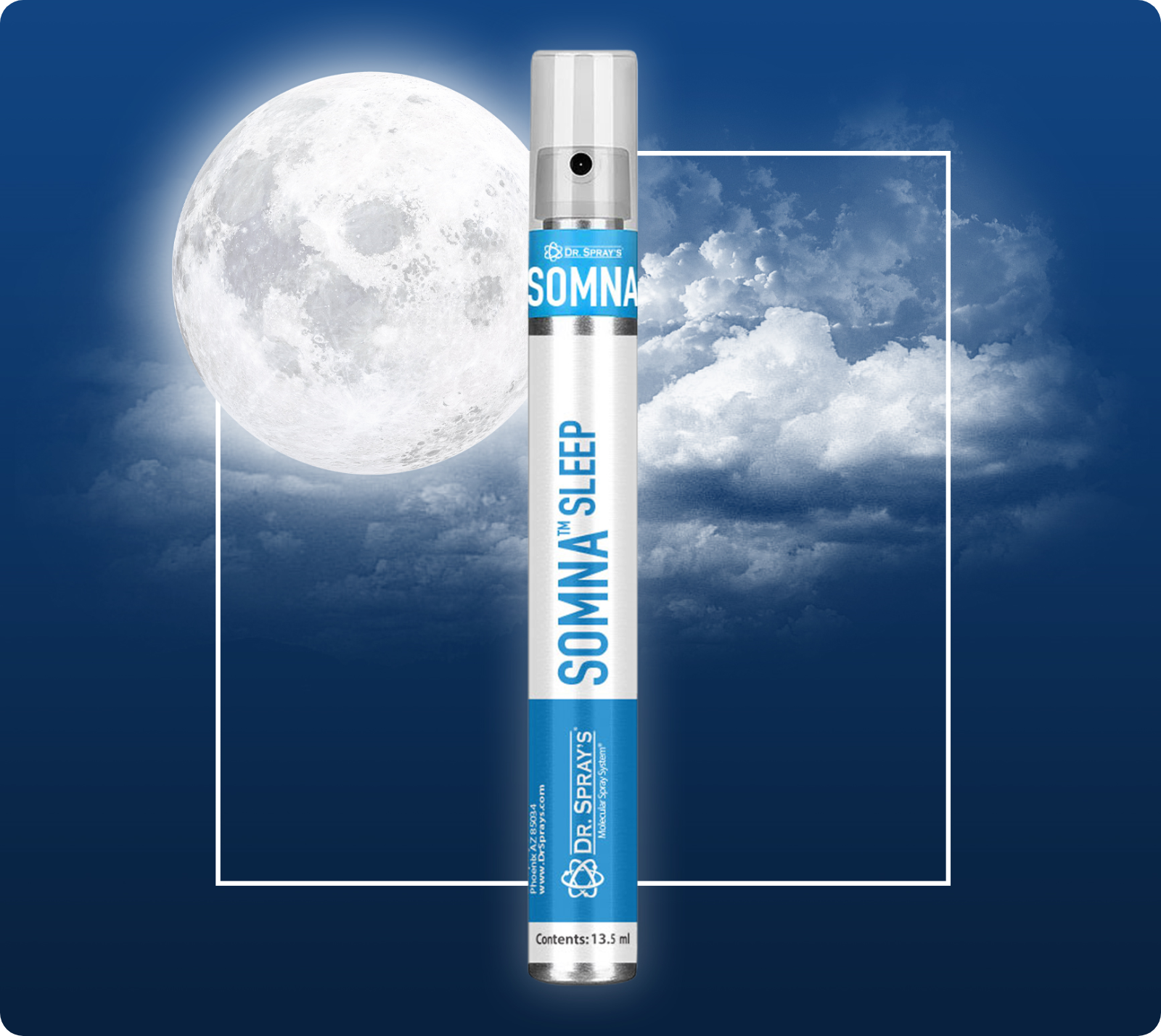
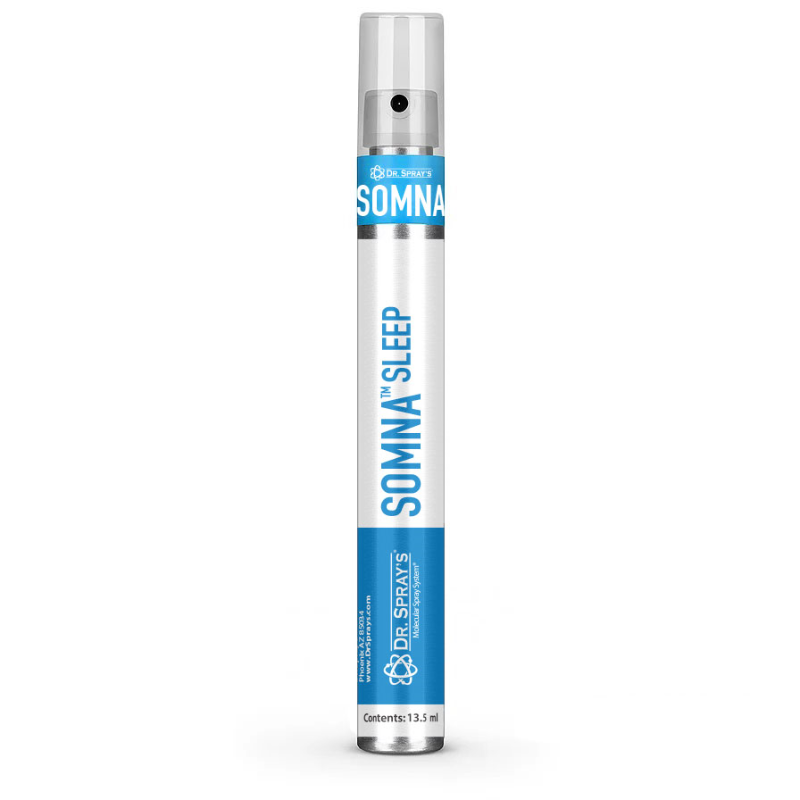
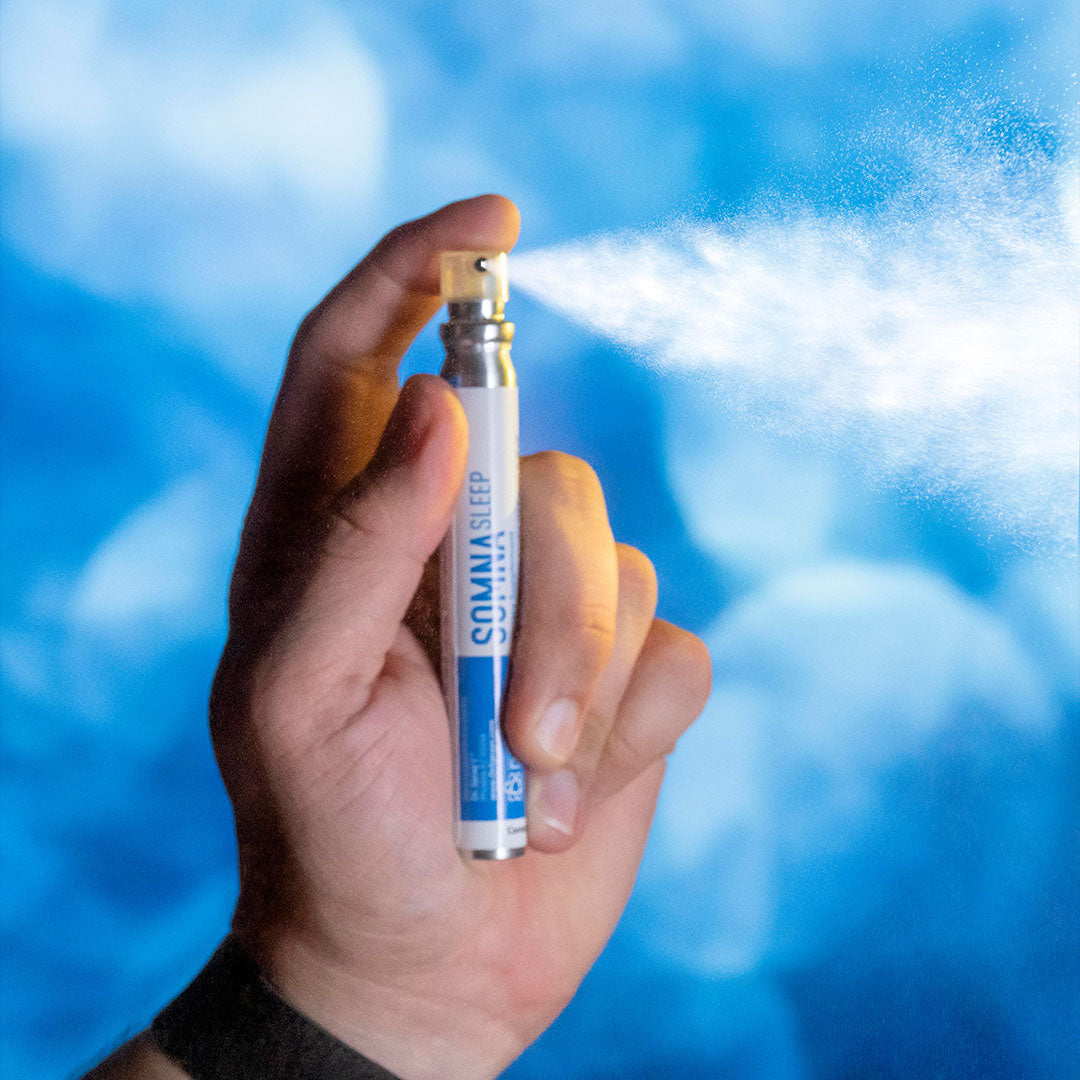
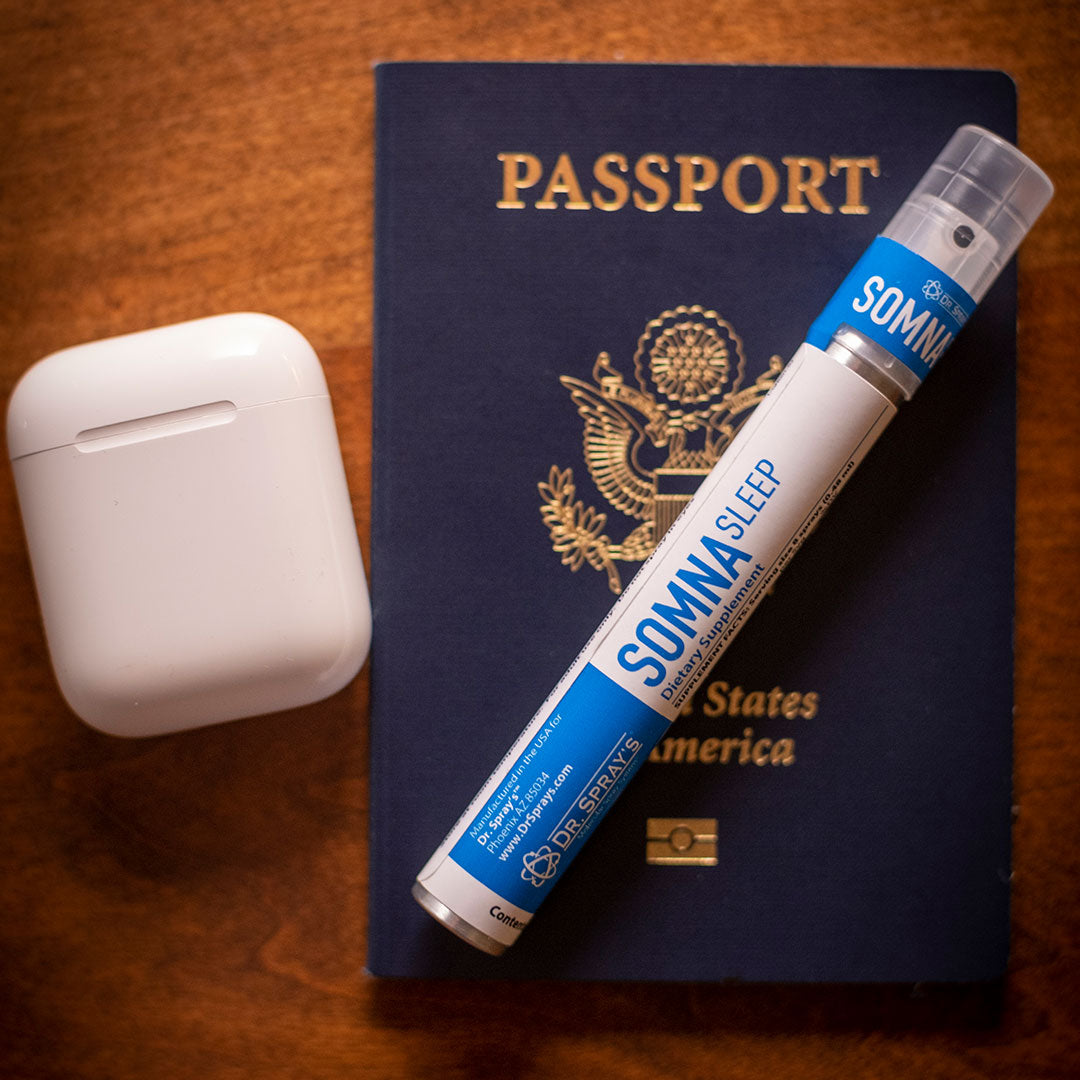
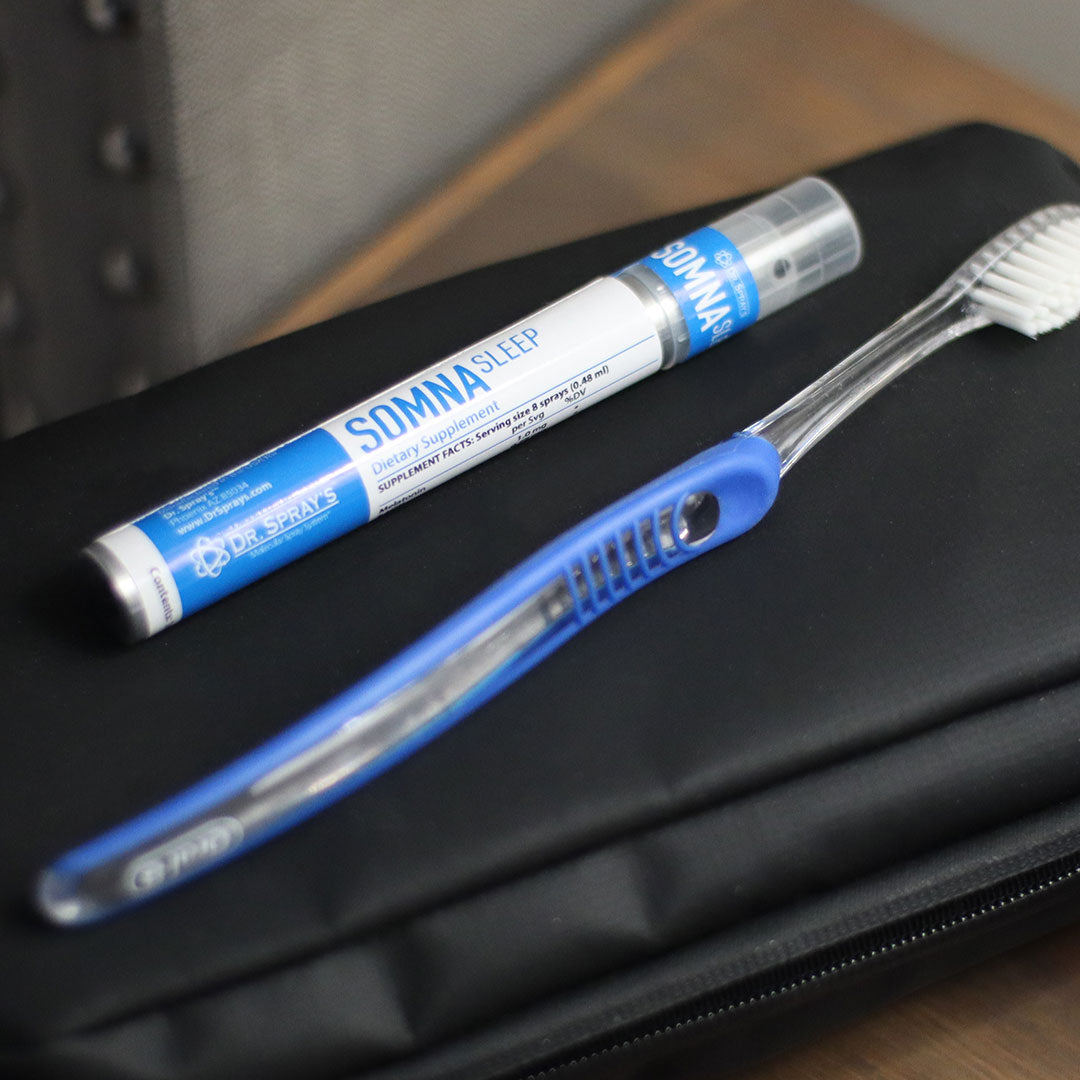
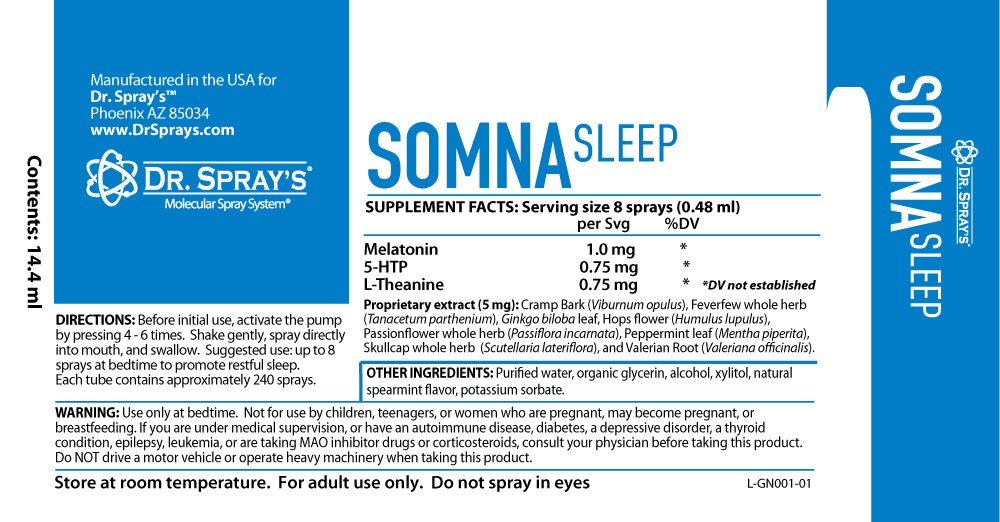
Our sleep support spray is formulated with natural ingredients that promote relaxation and healthy sleep patterns. Unlike melatonin-only products, our comprehensive formula supports the body's natural sleep processes without creating dependency.
For children who may have nutritional gaps affecting their sleep quality, our multivitamin spray provides comprehensive nutritional support in an easy-to-use format that kids actually like.
Building Long-Term Sleep Independence
Successfully transitioning your 8-year-old to independent sleep creates benefits that extend far beyond bedtime. Children who sleep confidently alone develop:
- Greater self-reliance: Successfully managing nighttime independently builds confidence in other areas
- Better sleep quality: Uninterrupted sleep supports cognitive development, emotional regulation, and physical health
- Stronger family dynamics: Parents get necessary couple time and personal space
- Healthy sleep habits: Skills learned now establish patterns that benefit them throughout life
Remember that every child is different. What works for one family may need modification for another. Stay patient, remain consistent, and celebrate small victories along the way.
Frequently Asked Questions
Is it normal for an 8-year-old to still need help sleeping alone?
While most children can sleep independently by age 8, it's not uncommon for some to still need support. Factors like temperament, previous sleep habits, anxiety levels, and family dynamics all play a role. The key is addressing the issue with understanding and a consistent plan rather than viewing it as abnormal.
How long does it typically take for a child to adjust to sleeping alone?
With consistent implementation of a gradual transition plan, most children show significant improvement within 4-8 weeks. However, complete independence may take 2-3 months. Children with higher anxiety levels may need longer, while some adapt within just a few weeks. Patience and consistency are more important than speed.
Should I lock my child's door to keep them in their room?
No, locking a child in their room is not recommended for safety reasons and can increase anxiety. Instead, use consistent walk-backs, reward systems, and the gradual withdrawal of your presence. If your child repeatedly leaves their room, calmly and quietly return them to bed each time without discussion or emotional response.
Can vitamin deficiencies really affect a child's sleep?
Yes, research shows that deficiencies in vitamins D, B12, magnesium, and iron can all impact sleep quality, duration, and sleep-wake cycle regulation. Children with inadequate levels of these nutrients may experience difficulty falling asleep, frequent night wakings, and increased anxiety. A vitamin spray can help ensure your child gets adequate nutrition with superior absorption compared to pills.
What if my child has genuine fears that prevent sleep?
Validate your child's fears while providing tools to manage them. Use techniques like monster spray, security checks, graduated darkness exposure, and cognitive strategies like positive visualization. If fears are severe or persistent despite your efforts, consider consulting a child psychologist who specializes in anxiety disorders.
Is it okay to give my 8-year-old melatonin to help with sleep?
While melatonin can be helpful in specific situations, it should only be used under pediatric guidance. The American Academy of Pediatrics recommends addressing behavioral and environmental factors first. If supplements are needed, consider comprehensive sleep support formulas rather than melatonin alone, and always consult your child's doctor about appropriate dosing and duration.
How do I handle my child waking up scared in the middle of the night?
Respond calmly and provide brief reassurance in their room rather than bringing them to yours. Keep interactions minimal—turn on a dim light, offer a sip of water, provide a hug, then encourage them to go back to sleep. Avoid prolonged conversations or moving to your bed. Consistency in this response helps children learn to self-soothe back to sleep.
What role does daytime anxiety play in nighttime sleep issues?
Daytime anxiety and nighttime sleep problems often go hand-in-hand. Children who experience anxiety during the day may have increased difficulty separating from parents at night. Address daytime anxiety through calming activities, adequate physical exercise, proper nutrition including B vitamins that support nervous system health, and professional support if needed.
Are oral spray vitamins safe for children?
When manufactured to proper standards, oral spray vitamins are safe for children and often preferable to pills. DrSprays produces all supplements in an FDA-registered, GMP-certified facility with rigorous quality control. However, always consult with your pediatrician before starting any supplement regimen to ensure appropriate dosing for your child's age and needs.
Should siblings sleep together or separately during this transition?
This depends on your specific situation. Some children find comfort in sibling companionship and may transition to independent sleep more easily with a sibling nearby. Others may distract each other or have different sleep needs. If room-sharing, establish clear boundaries about bedtime behavior and consider staggered bedtimes if one child is already sleeping independently.
Take the First Step Toward Better Sleep Tonight
Helping your 8-year-old learn to sleep independently is a process that requires patience, consistency, and the right support systems. By addressing nutritional needs, creating a sleep-positive environment, implementing gradual transition strategies, and maintaining consistent routines, you're setting your child up for success.
Quality nutrition plays a crucial role in supporting healthy sleep patterns. DrSprays offers doctor-developed spray supplements with 90% absorption rates, manufactured right here in Phoenix, Arizona, in our FDA-registered, GMP-certified facility. Our convenient oral spray format makes it easy to ensure your child gets the nutritional support they need for optimal sleep and overall health.
Ready to support your child's sleep naturally? Explore our range of vitamin spray products designed with your family's health in mind, or contact our team to learn which supplements might benefit your child's specific needs.