If your 8-year-old struggles to fall asleep at night, you're not alone. Many parents face the challenge of establishing consistent bedtime routines as their children grow more independent. Between school pressures, screen time, and natural developmental changes, getting adequate rest can become increasingly difficult for children in this age group.
Understanding the underlying causes of sleep difficulties and implementing proven strategies can transform bedtime from a nightly battle into a peaceful routine. This comprehensive guide explores evidence-based approaches to help your 8-year-old get the quality sleep they need for healthy growth and development.
Understanding Sleep Needs for 8-Year-Olds
According to the American Academy of Sleep Medicine, children aged 6-12 years need 9-12 hours of sleep per night for optimal health. At age 8, most children function best with 10-11 hours of quality sleep, though individual needs may vary.
Sleep plays a critical role in physical growth, cognitive development, emotional regulation, and immune function. During deep sleep, the body releases growth hormone, consolidates memories from the day's learning, and repairs tissues throughout the body.
Signs Your Child Isn't Getting Enough Sleep
- Difficulty waking up in the morning
- Irritability or mood swings during the day
- Decreased attention span at school
- Hyperactivity or difficulty sitting still
- Falling asleep during car rides or quiet activities
- Increased appetite or cravings for sugary foods
- Frequent illness or slower recovery from minor ailments
Common Sleep Obstacles for 8-Year-Olds
Before implementing solutions, it's important to identify what's preventing your child from falling asleep easily. Several factors commonly disrupt sleep patterns in this age group.
Screen Time and Blue Light Exposure
Electronic devices emit blue light that suppresses melatonin production, the hormone responsible for regulating sleep-wake cycles. When children use tablets, phones, or watch television close to bedtime, their brains receive signals that it's still daytime, making it harder to feel sleepy.
Anxiety and Overstimulation
Eight-year-olds are developing greater awareness of the world around them, which can lead to bedtime worries. Academic pressures, social dynamics at school, or concerns about family matters may surface when the lights go out and distractions disappear.
Irregular Sleep Schedules
Inconsistent bedtimes and wake times confuse the body's internal clock. When children stay up significantly later on weekends or during school breaks, their circadian rhythms struggle to adjust back to school-night schedules.
Nutritional Deficiencies
Certain vitamin and mineral deficiencies can directly impact sleep quality. Low levels of vitamin D, B vitamins, and magnesium have all been associated with sleep difficulties in children. Addressing these nutritional gaps may support better rest.
Creating an Effective Bedtime Routine
A consistent, calming bedtime routine signals to your child's body that sleep is approaching. The key is consistency—performing the same activities in the same order each night trains the brain to recognize these cues.
Optimal Timing
Start your bedtime routine 30-60 minutes before you want your child to be asleep. If your 8-year-old needs to wake at 7:00 AM and requires 10 hours of sleep, begin the routine at 8:30 PM for a 9:00 PM lights-out time.
Sample Bedtime Routine Sequence
- Screen shutdown (60 minutes before bed): Turn off all electronic devices and transition to calming activities
- Light snack if needed (45 minutes before bed): A small protein-based snack can prevent hunger without overloading digestion
- Bath or shower (30-45 minutes before bed): Warm water helps lower body temperature afterward, promoting sleepiness
- Pajamas and teeth brushing (30 minutes before bed): Complete hygiene tasks in a relaxed manner
- Quiet activities (20 minutes before bed): Reading together, gentle stretching, or listening to calming music
- Lights out (bedtime): Brief goodnight conversation and room darkening
Optimizing the Sleep Environment
Your child's bedroom should be a sanctuary designed specifically for rest. Making strategic changes to this space can significantly improve sleep quality.
Temperature Control
The ideal sleep temperature for most children falls between 65-70°F (18-21°C). A room that's too warm interferes with the body's natural temperature drop that occurs during sleep.
Darkness and Light Management
Complete darkness promotes melatonin production. Use blackout curtains or shades to eliminate outside light sources. If your child fears complete darkness, use a dim red or amber night light—these wavelengths don't suppress melatonin like blue or white light.
Sound Considerations
Some children sleep better with white noise machines that mask disruptive household sounds. Others prefer complete silence. Experiment to discover what works best for your individual child.
Comfortable Bedding
Ensure your child's mattress provides adequate support and that bedding is appropriate for the season. Children who feel too hot or uncomfortable will wake more frequently throughout the night.
Dietary Strategies for Better Sleep
What your child eats—and when—can significantly impact their ability to fall asleep and stay asleep through the night.
Foods That Support Sleep
Certain foods contain compounds that promote relaxation and sleep:
- Complex carbohydrates: Whole grain crackers, oatmeal, or whole wheat toast
- Foods rich in magnesium: Bananas, almonds, and leafy greens
- Calcium-rich options: Yogurt, cheese, or warm milk
- Turkey or chicken: Contains tryptophan, which helps produce serotonin and melatonin
Foods and Drinks to Avoid Before Bed
Limit or eliminate these items in the evening hours:
- Sugary snacks and desserts that can cause energy spikes
- Caffeinated beverages including soda, chocolate milk, and some teas
- Heavy, greasy foods that may cause digestive discomfort
- Large quantities of liquid close to bedtime, which can necessitate bathroom trips
The Role of Nutritional Support
Many children don't obtain optimal levels of sleep-supporting nutrients through diet alone. Vitamin D3 spray and vitamin B12 spray offer convenient ways to address common deficiencies that may affect sleep quality.
Developed by physicians and manufactured in a GMP-certified facility in Phoenix, Arizona, oral spray vitamins provide superior absorption compared to traditional pills. The spray delivery system allows nutrients to be absorbed through the oral mucosa, bypassing the digestive system for up to 90% absorption efficiency.
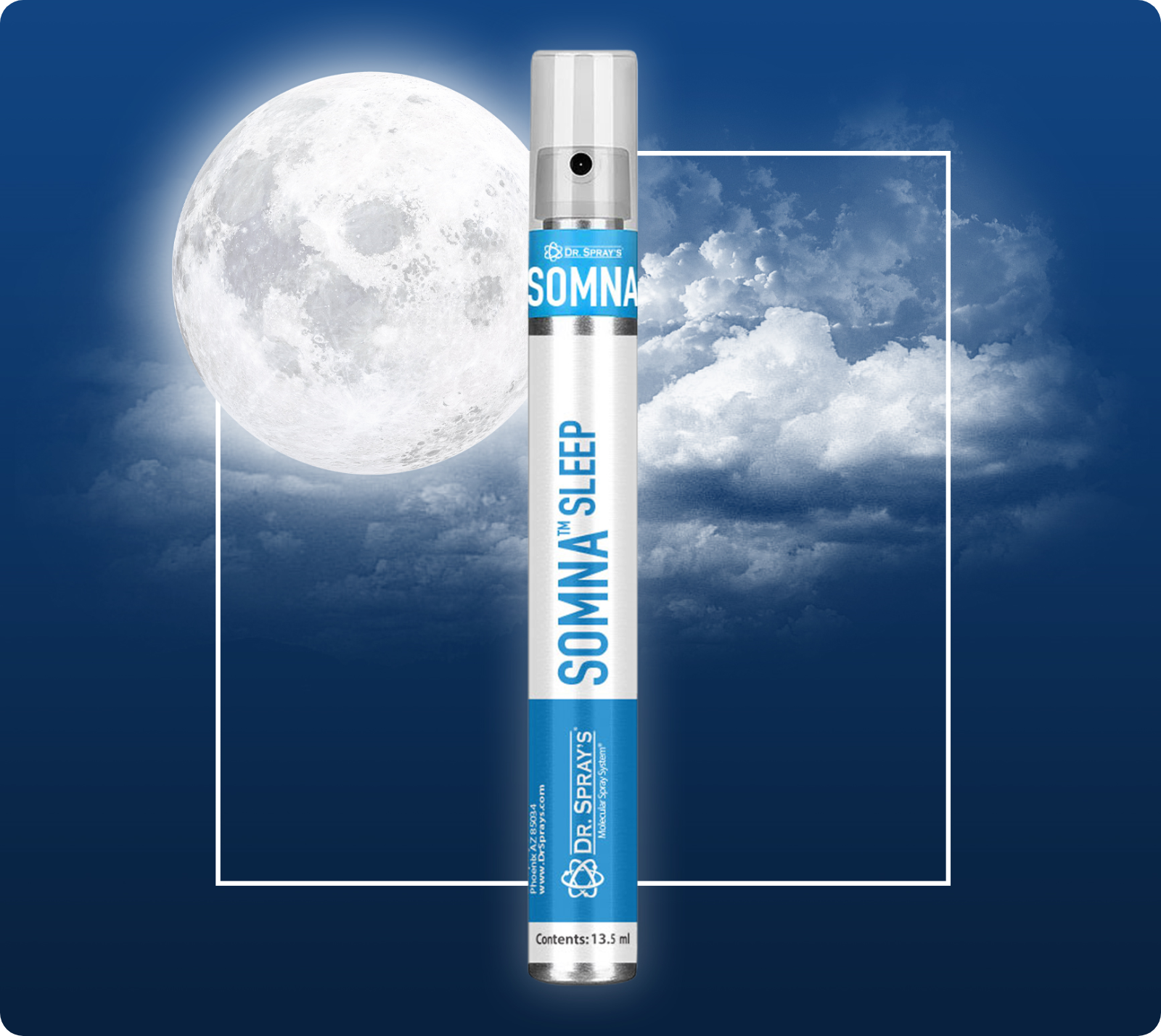
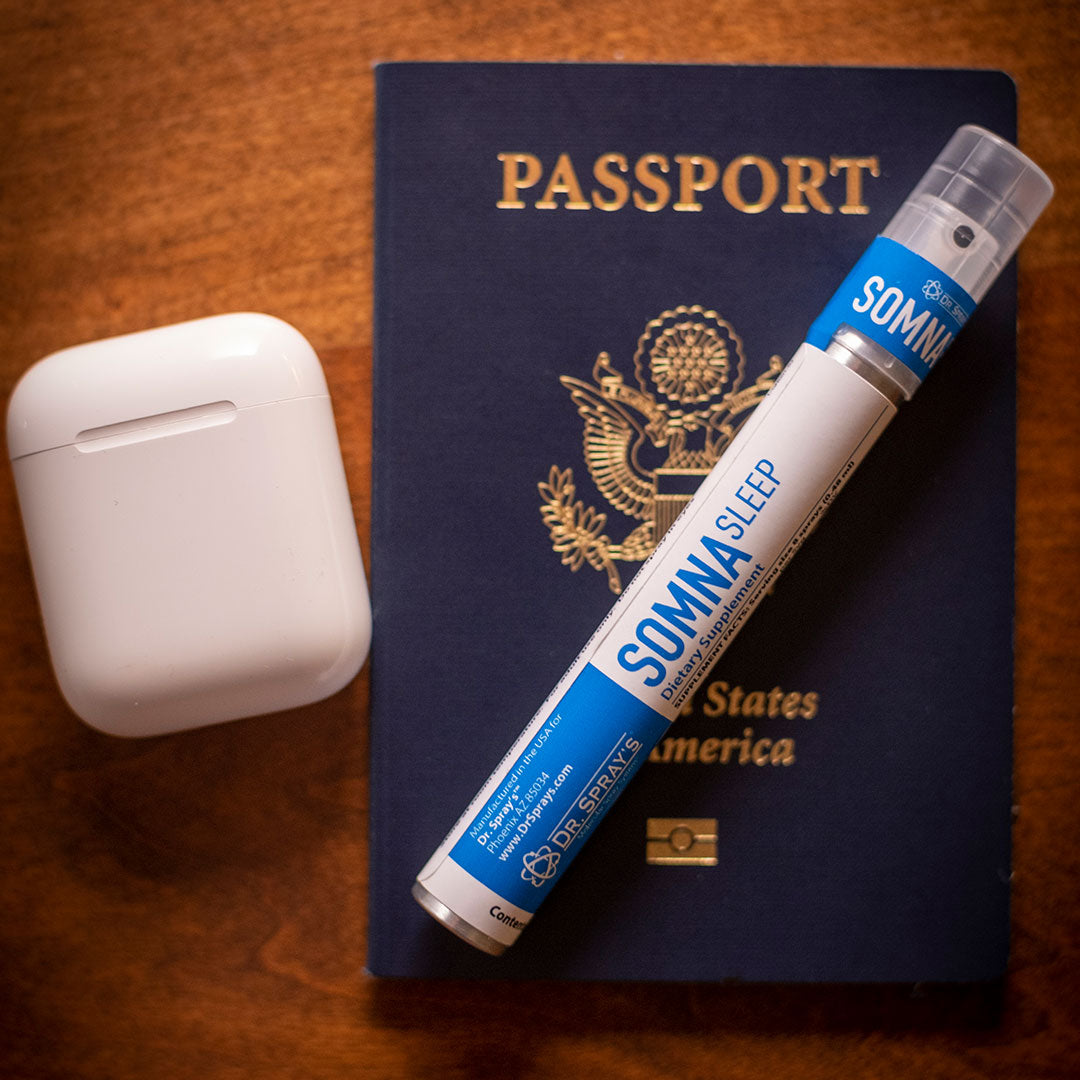
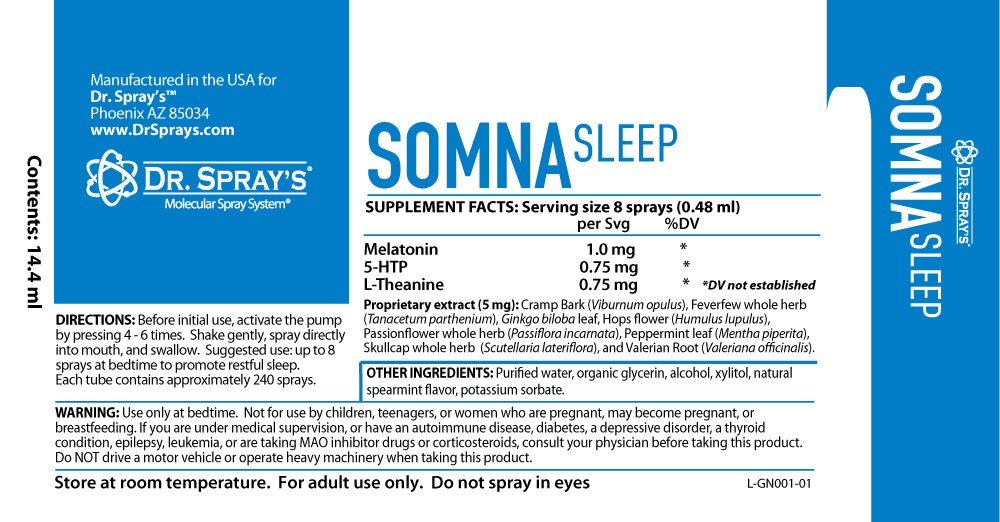
For children specifically struggling with sleep, Sleep/Somna spray contains a carefully formulated blend of melatonin, GABA, and other natural ingredients designed to support healthy sleep patterns without the grogginess often associated with sleep aids.
Physical Activity and Sleep Connection
Regular physical activity significantly improves sleep quality in children, but timing matters considerably.
Daily Exercise Recommendations
Eight-year-olds should engage in at least 60 minutes of moderate to vigorous physical activity daily. This can include organized sports, playground time, bicycle riding, swimming, or active play with friends.
Timing Exercise Appropriately
While daily exercise promotes better sleep, vigorous activity within 2-3 hours of bedtime can be counterproductive. Physical exertion raises body temperature and increases alertness—both of which interfere with the body's natural preparation for sleep.
Schedule active play and sports earlier in the day, transitioning to calmer activities in the evening hours.
Managing Bedtime Anxiety and Resistance
Many 8-year-olds develop resistance to bedtime or experience anxiety when separated from parents at night. Addressing these emotional components is essential for establishing healthy sleep patterns.
Validating Concerns
Take your child's worries seriously, even if they seem irrational from an adult perspective. Dismissing fears can increase anxiety. Instead, acknowledge their feelings: "I understand that you're worried about that test tomorrow. Let's talk about it."
Problem-Solving During Daytime Hours
Avoid extended problem-solving conversations at bedtime, as they can stimulate rather than calm the mind. If your child raises concerns at night, validate them briefly and schedule a specific time the next day to address them thoroughly.
Relaxation Techniques
Teach your child age-appropriate relaxation methods they can use independently:
- Deep breathing: Inhale for four counts, hold for four, exhale for four
- Progressive muscle relaxation: Tensing and releasing muscle groups from toes to head
- Visualization: Imagining peaceful scenes like floating on a cloud or lying on a warm beach
- Gratitude practice: Thinking of three positive things from the day
When Screen Time Is Unavoidable
While eliminating evening screen time is ideal, some families face practical constraints. If screens are necessary close to bedtime, implement harm-reduction strategies.
Blue Light Filtering
Enable night mode or blue light filters on all devices. These settings shift screen colors toward warmer tones that have less impact on melatonin production.
Content Considerations
If your child must use screens before bed, ensure content is calming rather than stimulating. Avoid action-packed shows, competitive games, or emotionally intense material. Opt for educational content, quiet activities, or familiar, comforting programs.
Distance and Brightness
Keep devices at least 12-14 inches from your child's face and reduce screen brightness to the lowest comfortable level. These adjustments minimize blue light exposure.
Addressing Common Sleep Disorders
Sometimes sleep difficulties stem from underlying medical conditions that require professional evaluation and treatment.
Sleep Apnea
This condition causes breathing interruptions during sleep. Warning signs include loud snoring, gasping or choking sounds, restless sleep, and daytime sleepiness despite adequate time in bed.
Restless Leg Syndrome
Children with this condition experience uncomfortable sensations in their legs, particularly when trying to fall asleep. They may describe feelings of crawling, tingling, or an irresistible urge to move their legs.
Delayed Sleep Phase Syndrome
Some children's internal clocks run significantly later than typical schedules. They genuinely can't fall asleep until very late but sleep normally once asleep and have great difficulty waking early.
If you suspect your child has a sleep disorder, consult with a pediatrician or sleep specialist for proper evaluation and treatment.
The Importance of Consistency
Perhaps the most critical factor in helping your 8-year-old sleep well is maintaining consistency across all aspects of their sleep routine.
Weekends and Holidays
While allowing some flexibility is reasonable, try to keep bedtimes and wake times within one hour of the school schedule even on weekends. Large variations disrupt circadian rhythms and make Monday mornings particularly difficult.
Both Parents on the Same Page
Ensure all caregivers follow the same bedtime procedures and expectations. Inconsistency between parents or between home and other caregivers confuses children and undermines routine establishment.
Patience During Transitions
If you're implementing new sleep strategies, allow 2-3 weeks for habits to form. Children may resist changes initially, but consistency typically yields results within this timeframe.
Supporting Overall Health for Better Sleep
Sleep doesn't exist in isolation—it's intimately connected to your child's overall physical and mental health.
Comprehensive Nutritional Support
Beyond sleep-specific nutrients, overall nutritional status affects energy levels and sleep quality. Multi-vitamin spray provides a convenient way to ensure your child receives essential nutrients that support all aspects of health.
The spray supplement delivery method developed by doctors offers particular advantages for children who struggle with swallowing pills or have sensitive stomachs. With 90% absorption efficiency, these products deliver nutrients more effectively than many traditional supplements.
Immune System Support
Frequent illness disrupts sleep patterns and creates a cycle of poor rest and decreased immunity. Supporting immune function through adequate sleep, proper nutrition, and targeted supplementation like vitamin C and zinc spray helps maintain consistent health and sleep patterns.
Frequently Asked Questions
What time should an 8-year-old go to bed?
Most 8-year-olds should go to bed between 7:30-9:00 PM, depending on their wake time. Calculate backward from when they need to wake up, allowing for 10-11 hours of sleep. For example, if your child wakes at 7:00 AM, bedtime should be around 8:00-8:30 PM.
How long does it take to establish a new bedtime routine?
Typically, it takes 2-3 weeks of consistent implementation for a new bedtime routine to become habit. During this transition period, expect some resistance and setbacks. Maintaining consistency is key to success.
Is it normal for 8-year-olds to resist bedtime?
Yes, some bedtime resistance is developmentally normal as children assert independence and may experience FOMO (fear of missing out). However, excessive resistance or anxiety about sleep may indicate underlying issues that warrant further investigation.
Can vitamin deficiencies really affect my child's sleep?
Yes, research shows that deficiencies in vitamin D, B vitamins, magnesium, and iron can all impact sleep quality. Vitamin D receptors are present in brain regions that regulate sleep, while B vitamins play roles in melatonin production. Addressing nutritional gaps through diet and quality supplements like vitamin spray products can support better sleep.
Should I let my child sleep in on weekends to catch up on sleep?
While letting your child sleep slightly later on weekends is fine, large variations (more than 1-2 hours) disrupt their circadian rhythm. It's better to maintain relatively consistent sleep and wake times throughout the week, adjusting bedtime earlier if your child needs more total sleep.
When should I consult a doctor about my child's sleep problems?
Consult a pediatrician if your child experiences persistent difficulty falling asleep (taking more than 30-45 minutes regularly), snoring or breathing difficulties during sleep, extreme daytime sleepiness despite adequate sleep opportunity, or if sleep problems significantly impact school performance or behavior.
Are melatonin supplements safe for 8-year-olds?
While melatonin is generally considered safe for short-term use in children, it should be used under medical guidance. Natural approaches to supporting melatonin production—like maintaining consistent schedules, minimizing blue light exposure, and ensuring adequate vitamin D levels—should be tried first. Products like Sleep/Somna spray contain carefully measured melatonin doses designed for safe use, but always consult your pediatrician before starting any supplement regimen.
How can I tell if my child is getting quality sleep versus just enough hours?
Quality sleep indicators include: waking naturally without an alarm or with minimal prompting, appearing refreshed in the morning, maintaining steady energy throughout the day, demonstrating good focus at school, and exhibiting stable mood. If your child gets adequate hours but still shows signs of sleep deprivation, the sleep quality may be compromised.
Take Action for Better Sleep Tonight
Helping your 8-year-old develop healthy sleep habits is one of the most valuable gifts you can give them. Quality sleep supports physical growth, cognitive development, emotional regulation, and immune function—establishing patterns that can benefit them throughout their lives.
Start by implementing one or two strategies from this guide rather than attempting to change everything at once. Perhaps begin with establishing a consistent bedtime, creating a calming routine, or addressing nutritional gaps that may be affecting sleep quality.
For families in Phoenix, Arizona and beyond, DrSprays offers doctor-developed oral spray vitamins manufactured in an FDA-registered, GMP-certified facility. Our vitamin spray formulations provide superior absorption to support your child's overall health and sleep quality.
Whether you're addressing specific nutritional deficiencies with targeted products like vitamin D3 spray or supporting general wellness with our multi-vitamin spray, our spray supplements offer a convenient, effective alternative to traditional pills.
Ready to support your child's sleep naturally? Explore our complete range of spray supplements designed to address common nutritional gaps that may be impacting your family's health and rest. With our 90% absorption rate and doctor-developed formulations, you can feel confident you're providing your child with the nutritional support they need for healthy growth and restful sleep.