Getting a 2.5-year-old to sleep can feel like an impossible task. At this age, toddlers are developing independence, testing boundaries, and experiencing developmental changes that can disrupt sleep patterns. If you're struggling with bedtime battles, you're not alone—and there are proven strategies that can help your family get the rest you need.
Understanding Sleep Challenges at 2.5 Years
The two-and-a-half-year mark represents a significant developmental stage. Your toddler is navigating increased cognitive abilities, emotional complexity, and physical energy that can all impact sleep quality. Common sleep challenges at this age include:
- Resistance to bedtime routines
- Frequent night wakings
- Early morning wake-ups
- Difficulty falling asleep independently
- Nightmares or night terrors
- Separation anxiety at bedtime
Understanding the root causes of these challenges is the first step toward creating effective solutions. Many sleep issues stem from nutritional deficiencies, overstimulation, inconsistent routines, or normal developmental phases.
The Role of Nutrition in Toddler Sleep
What your toddler eats—and what nutrients they're actually absorbing—plays a crucial role in sleep quality. Several vitamins and minerals directly impact the body's ability to regulate sleep cycles and produce sleep-promoting hormones.
Vitamin D and Sleep Regulation
Vitamin D deficiency has been linked to sleep disturbances in children. This essential vitamin helps regulate circadian rhythms and supports the production of serotonin, which converts to melatonin—the hormone that signals sleep time. Many toddlers don't get adequate sun exposure, especially during winter months or in regions with limited daylight.
Traditional vitamin D supplements often have low absorption rates, which means your child may not be getting the full benefit even if you're giving them a daily dose. Modern delivery methods like vitamin D3 spray offer significantly better absorption, ensuring your toddler gets the nutrients they need for healthy sleep patterns.
B Vitamins and Nervous System Support
B vitamins, particularly B12, support nervous system function and help convert food into energy throughout the day. When B vitamin levels are adequate, children tend to have more stable energy patterns—active during appropriate times and naturally tired at bedtime.
The challenge with traditional B vitamin supplements is absorption. Pills and gummies must pass through the digestive system, where much of the nutrient content is lost. Vitamin B12 spray delivers nutrients directly through the oral mucosa, bypassing digestive breakdown and providing up to 90% absorption.
Magnesium for Relaxation
Magnesium is often called "nature's relaxation mineral." It helps calm the nervous system, relax muscles, and prepare the body for sleep. Many toddlers don't consume enough magnesium-rich foods like leafy greens, nuts, and whole grains.
While magnesium isn't available in spray form from every manufacturer, ensuring your child gets a comprehensive multivitamin that includes magnesium can support overall sleep health.
Creating an Effective Bedtime Routine
Consistency is the foundation of healthy sleep habits. A predictable bedtime routine signals to your toddler's brain that sleep is approaching, allowing their body to begin the natural wind-down process.
The Ideal Bedtime Routine Timeline
Start your routine 45-60 minutes before your target sleep time. This allows enough time for calming activities without feeling rushed:
- 6:30 PM - Dinner ends: Finish the evening meal with enough time for digestion before bed
- 7:00 PM - Bath time: Warm water helps lower body temperature afterward, signaling sleep time
- 7:20 PM - Quiet play: Low-energy activities like puzzles or coloring
- 7:30 PM - Bedtime routine begins: Pajamas, teeth brushing, vitamin supplements
- 7:40 PM - Story time: Two to three books in the bedroom
- 8:00 PM - Lights out: Brief cuddle, then leave while drowsy but awake
Incorporating Supplements Into the Routine
The bedtime routine provides an ideal opportunity to ensure your toddler receives necessary vitamins. Traditional pills are challenging for young children, and gummies often contain sugar that can interfere with sleep preparation.
Oral spray vitamins integrate seamlessly into bedtime routines. A quick spray takes seconds, doesn't require water or chewing, and many children find the process easier than swallowing pills or chewing gummies. The high absorption rate means you can be confident your child is receiving the full nutritional benefit.
Environmental Sleep Optimization
Your toddler's sleep environment significantly impacts their ability to fall asleep and stay asleep throughout the night.
Temperature and Darkness
The ideal sleep temperature for toddlers is between 68-72°F. Rooms that are too warm can cause restlessness and night wakings. Complete darkness supports melatonin production—consider blackout curtains if street lights or early sunrise disrupts sleep.
Sound and White Noise
A consistent sound environment helps toddlers stay asleep through household noises. White noise machines or fans can mask sudden sounds that might wake your child. Keep the volume at a safe level—no louder than a soft shower.
Comfortable Sleep Setup
Ensure your toddler's mattress is firm and supportive. Bedding should be breathable, and pajamas should be comfortable without restrictive elastic or tags. Remove stimulating toys from the bed—the sleep space should be associated primarily with rest.
Addressing Common Sleep Disruptions
Night Wakings
Brief night wakings are normal—all humans cycle through sleep stages throughout the night. The goal is helping your toddler learn to self-soothe and return to sleep independently.
When your child wakes:
- Wait 2-3 minutes before responding to see if they settle themselves
- Keep interactions brief and boring—no lights, no play
- Offer comfort without removing them from the crib or bed
- Maintain consistent expectations about staying in bed
Early Morning Wake-Ups
If your toddler consistently wakes before 6:00 AM, several factors may be at play. Room brightness is a common culprit—even small amounts of light can signal wake time to a young child's sensitive circadian system. Nutritional factors also matter; children who are hungry or have unstable blood sugar may wake early.
Consider whether your child is getting adequate nutrition during the day. A comprehensive approach that includes both healthy meals and properly absorbed vitamins supports stable blood sugar and energy levels throughout the night.
Bedtime Resistance
The 2.5-year-old who suddenly fights bedtime is asserting independence. This is developmentally normal but exhausting for parents. Strategies that help:
- Offer limited choices within the routine ("Do you want the red pajamas or the blue ones?")
- Use visual schedules so your toddler can see what comes next
- Acknowledge feelings while maintaining boundaries ("I know you want to keep playing. It's bedtime now. We'll play more tomorrow.")
- Stay calm and consistent even when your child protests
The Science of Spray Supplements for Children
Many parents wonder whether spray supplements are truly effective for toddlers. Research on nutrient absorption shows that oral delivery methods can significantly impact bioavailability—the amount of a nutrient that actually reaches the bloodstream.
Why Absorption Matters
Traditional supplements face several absorption challenges. Pills must dissolve in the stomach, where acidic conditions can degrade certain nutrients. The digestive process itself uses energy and can break down vitamins before they're absorbed. For toddlers with sensitive stomachs or picky eating habits, this can mean they're not getting the full benefit of their supplements.
Spray supplements work differently. When vitamins are delivered via oral spray, they're absorbed through the mucous membranes in the mouth. This sublingual absorption bypasses the digestive system, leading to faster uptake and higher bioavailability—often up to 90% absorption compared to 10-20% for traditional pills.
Safety and Quality Considerations
When choosing supplements for your toddler, quality standards matter. Look for products that are:
- FDA registered and manufactured in certified facilities
- GMP (Good Manufacturing Practice) certified
- Doctor-developed with appropriate dosing for children
- Free from unnecessary fillers and artificial ingredients
- Third-party tested for purity and potency
DrSprays manufactures all products in an FDA registered, GMP certified facility in Phoenix, Arizona, ensuring consistent quality and safety standards. Each formula is doctor-developed to provide optimal nutrient ratios for different health needs.
When Sleep Issues Require Professional Help
While many toddler sleep challenges resolve with consistency and proper support, some situations warrant professional evaluation:
- Snoring, gasping, or breathing pauses during sleep (possible sleep apnea)
- Extreme difficulty waking in the morning despite adequate sleep opportunity
- Persistent sleep issues lasting more than three months
- Sleep problems accompanied by developmental concerns
- Frequent night terrors that disrupt the entire household
Your pediatrician can assess whether underlying medical issues, such as iron deficiency, thyroid problems, or sleep disorders, are contributing to sleep difficulties.
Lifestyle Factors That Support Better Sleep
Daytime Physical Activity
Active toddlers sleep better. Ensure your child gets adequate physical activity during the day—ideally outdoors for the added benefit of natural light exposure, which supports healthy circadian rhythms. Aim for at least 60 minutes of active play daily.
Screen Time Management
The blue light emitted by screens suppresses melatonin production. Create a screen-free zone starting at least one hour before bedtime. This means no television, tablets, or smartphones during the pre-sleep routine.
Consistent Sleep Schedule
Toddlers thrive on predictability. Maintain consistent bedtimes and wake times even on weekends. This regularity reinforces the body's natural circadian rhythm, making it easier to fall asleep and wake naturally.
Nap Timing
Most 2.5-year-olds still need one afternoon nap, typically 1-2 hours in duration. However, naps that are too long or too late in the day can interfere with nighttime sleep. If your toddler is fighting bedtime, consider whether the afternoon nap needs adjustment. Generally, naps should end by 3:00 PM to protect nighttime sleep.
Nutrition Throughout the Day
Sleep-supportive nutrition isn't just about bedtime—what your toddler eats throughout the day impacts nighttime rest.
Protein and Complex Carbohydrates
Balanced meals with adequate protein and complex carbohydrates support stable blood sugar levels. This stability helps prevent middle-of-the-night wakings related to hunger or blood sugar drops.
Timing of Evening Meals
Finish dinner at least 1.5-2 hours before bedtime. This allows time for initial digestion and prevents discomfort that can interfere with falling asleep. If your toddler seems hungry closer to bedtime, offer a small snack like banana with almond butter or whole grain crackers with cheese.
The Multivitamin Advantage
Even with careful meal planning, toddlers can have nutritional gaps due to picky eating phases. A comprehensive multivitamin ensures baseline nutritional needs are met. Multi-vitamin sprays provide broad-spectrum nutritional support in a form that's easy for toddlers to take and highly absorbable.
Building Long-Term Healthy Sleep Habits
The sleep habits you establish now create a foundation for years to come. While the 2.5-year-old stage comes with unique challenges, the consistency you maintain during this period teaches your child essential self-regulation skills.
Patience and Consistency
Sleep training or routine changes typically take 2-3 weeks to become established. During this time, your toddler may test boundaries or temporarily seem to regress. This is normal. Maintain your routine and expectations, and the new patterns will solidify.
Adjusting as Your Child Grows
Sleep needs and patterns evolve as children develop. A routine that works perfectly at 2.5 years may need modification at age 3 or 4. Stay attuned to your child's changing needs while maintaining core consistency around sleep as a priority.
The Role of Parental Well-Being
Your own sleep and stress levels impact your ability to maintain consistent routines. When parents are exhausted and overwhelmed, it's harder to implement the structure toddlers need. Prioritize your own rest where possible, and remember that investing time in establishing good sleep habits now pays dividends in the months and years ahead.
Troubleshooting Specific Scenarios
Transitioning from Crib to Bed
Some 2.5-year-olds are ready for a toddler bed, while others do better staying in a crib until age 3. If sleep suddenly becomes challenging after a bed transition, your child may not have been developmentally ready. It's perfectly fine to return to the crib and try again in a few months.
New Sibling Disruption
The arrival of a new baby often coincides with sleep disruption in toddlers. Maintain your older child's routine as much as possible, and consider whether they need extra daytime attention to feel secure. Sometimes sleep issues are a bid for parental connection.
Travel and Schedule Changes
Vacations, time zone changes, and schedule disruptions can temporarily derail sleep. Bring familiar items like your child's regular bedding or white noise machine. Return to your standard routine as quickly as possible after returning home.
Frequently Asked Questions
How much sleep does a 2.5-year-old need?
Most 2.5-year-olds need 11-14 hours of total sleep in a 24-hour period, including one afternoon nap of 1-2 hours. Nighttime sleep typically accounts for 10-12 hours. Individual children vary, but consistent wake-up times and energy levels during the day help you gauge whether your child is getting adequate rest.
Should I give my toddler melatonin supplements?
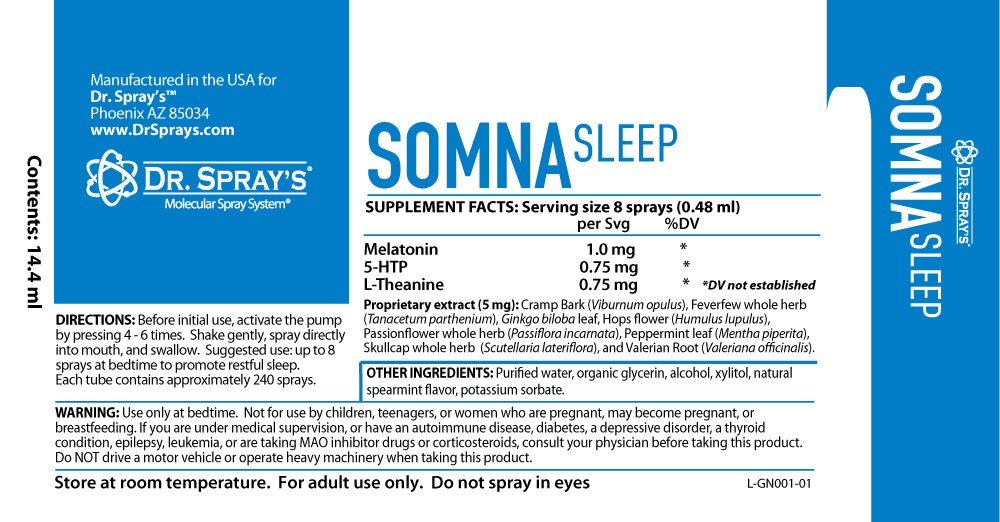
Melatonin supplements should only be used under pediatric guidance. Before considering supplementation, optimize natural melatonin production through consistent routines, light exposure during the day, darkness at night, and ensuring adequate vitamin D levels. Many sleep issues resolve with these foundational changes without requiring melatonin.
What if my toddler won't stay in bed?
Toddlers who repeatedly leave their bed need clear, consistent boundaries. Walk them back to bed calmly and quietly each time without engagement or discussion. Use a childproof doorknob cover or baby gate if necessary. Most children stop testing this boundary within a week if parents remain consistent.
Can vitamin deficiencies really affect sleep?
Yes. Research shows that deficiencies in vitamin D, B vitamins, magnesium, and iron can all impact sleep quality in children. Vitamin D deficiency is particularly common and has been directly linked to sleep disturbances. Ensuring adequate nutrition through diet and properly absorbed supplements supports the body's natural sleep-wake cycles.
Are spray vitamins safe for toddlers?
Spray vitamins from reputable manufacturers are safe for toddlers when used as directed. They offer advantages over traditional supplements including easier administration, no choking risk, and significantly better absorption. Choose products manufactured in FDA registered, GMP certified facilities with age-appropriate formulations.
How long does it take to see sleep improvements after starting supplements?
If nutritional deficiencies are contributing to sleep issues, improvements typically appear within 2-4 weeks of consistent supplementation. However, supplements work best as part of a comprehensive approach that includes consistent routines, appropriate sleep environment, and healthy daytime habits.
What time should a 2.5-year-old go to bed?
Most 2.5-year-olds do best with a bedtime between 7:00-8:00 PM. The exact timing depends on when your child naturally wakes in the morning and whether they still nap. Calculate backward from your desired wake time, ensuring opportunity for 10-12 hours of nighttime sleep.
Is it normal for a 2.5-year-old to wake up at night?
Brief night wakings are developmentally normal at all ages. The key is whether your child can self-soothe and return to sleep independently. If night wakings involve calling for parents, require intervention, or happen multiple times per night consistently, adjusting routines and addressing possible nutritional factors may help.
Taking Action for Better Sleep
Improving your 2.5-year-old's sleep requires a multifaceted approach. Start by addressing the foundational elements: consistent routines, appropriate sleep environment, and adequate daytime activity. Layer in nutritional support to ensure your child's body has the resources it needs for healthy sleep regulation.
Remember that change takes time. Most families see meaningful improvement within 2-3 weeks of implementing consistent strategies. The effort you invest now creates sleep habits that benefit your entire family for years to come.
Quality nutrition plays a crucial role in sleep health, but ensuring your child actually absorbs the vitamins they need can be challenging with traditional supplements. Oral spray vitamins offer a solution that's both effective and toddler-friendly, with absorption rates up to 90%—significantly higher than pills or gummies.
Support Your Toddler's Sleep with Better Nutrition
If you've tried behavioral strategies and your toddler still struggles with sleep, nutritional gaps may be part of the puzzle. DrSprays offers doctor-developed vitamin sprays specifically formulated for optimal absorption and effectiveness.
Our Vitamin D3 spray supports healthy circadian rhythms and immune function. The Vitamin B12 spray helps maintain steady energy levels throughout the day and natural tiredness at night. For comprehensive nutritional support, our Multi-vitamin spray provides broad-spectrum nutrition in a form toddlers can easily take.
All DrSprays products are manufactured in our FDA registered, GMP certified facility in Phoenix, Arizona, ensuring consistent quality and safety. Each formula is designed for maximum absorption—up to 90% compared to 10-20% for traditional supplements—so your child gets the full nutritional benefit.
Ready to support your toddler's sleep with better nutrition? Explore our complete line of vitamin sprays and discover the difference superior absorption makes for your family's health and sleep quality.